PCGS CoinFacts Coin Dealer Hall of Fame
“If I have seen farther it is by standing on the shoulders of giants.”
Sir Isaac Newton
The purpose of the PCGS CoinFacts Coin Dealer Hall of Fame is to honor the coin dealers past and present who have made the coin market/hobby what it is today. Their dedication, expertise, innovations, and commitments to numismatics have made “the hobby of kings” something millions of people in all walks of life can enjoy. Starting in 2010 with the induction of the first six “all-time greats”; Q. David Bowers, S. Hudson Chapman, Henry Chapman, B. Max Mehl, Wayte Raymond, and W. Elliot Woodward, each year, additional numismatic “giants” are added to the PCGS CoinFacts Coin Dealer Hall of Fame.
2025 Inductees
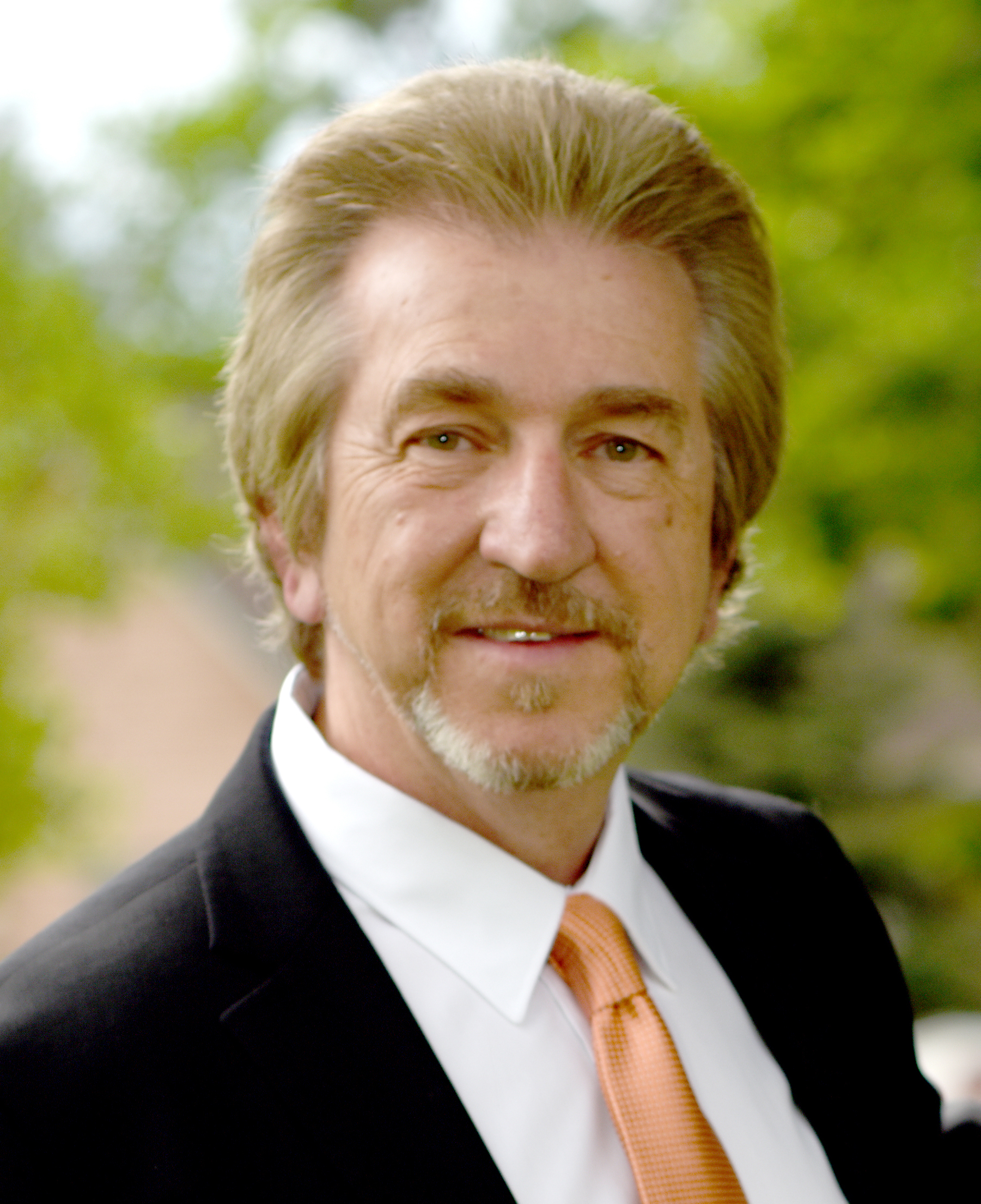
Jeff Garrett career (1974 - Present) HOF: 2025. Jeff Garrett, who was born in Kentucky in 1958, started his numismatic journey as a child and attended his first American Numismatic Association (ANA) Convention in 1974 at the age of 16. Before long, he established Mid-American Rare Coin Galleries. He’s been dubbed a “dealer’s dealer” who serves as an authoritative voice in the hobby and has dedicated his time, talent, and treasure in giving back to the hobby.
Garrett has also authored, coauthored, and edited a multitude of numismatic books, including 100 Greatest U.S. Coins and Encyclopedia of U.S. Gold Coins 1795-1933, the latter of which he wrote with Ron Guth; Garrett also serves as the senior editor of the iconic A Guide Book of United States Coins, the annually revised volume popularly known as “The Red Book.” Garrett has handled and authenticated some of the rarest coins. He has also worked with the National Numismatic Collection at the Smithsonian Institute in Washington, D.C., and serves on the museum’s board of advisors. Garrett has served as president of the American Numismatic Association and Professional Numismatists Guild. He also founded the Bluegrass Coin Club, which serves his fellow Kentuckian numismatists.
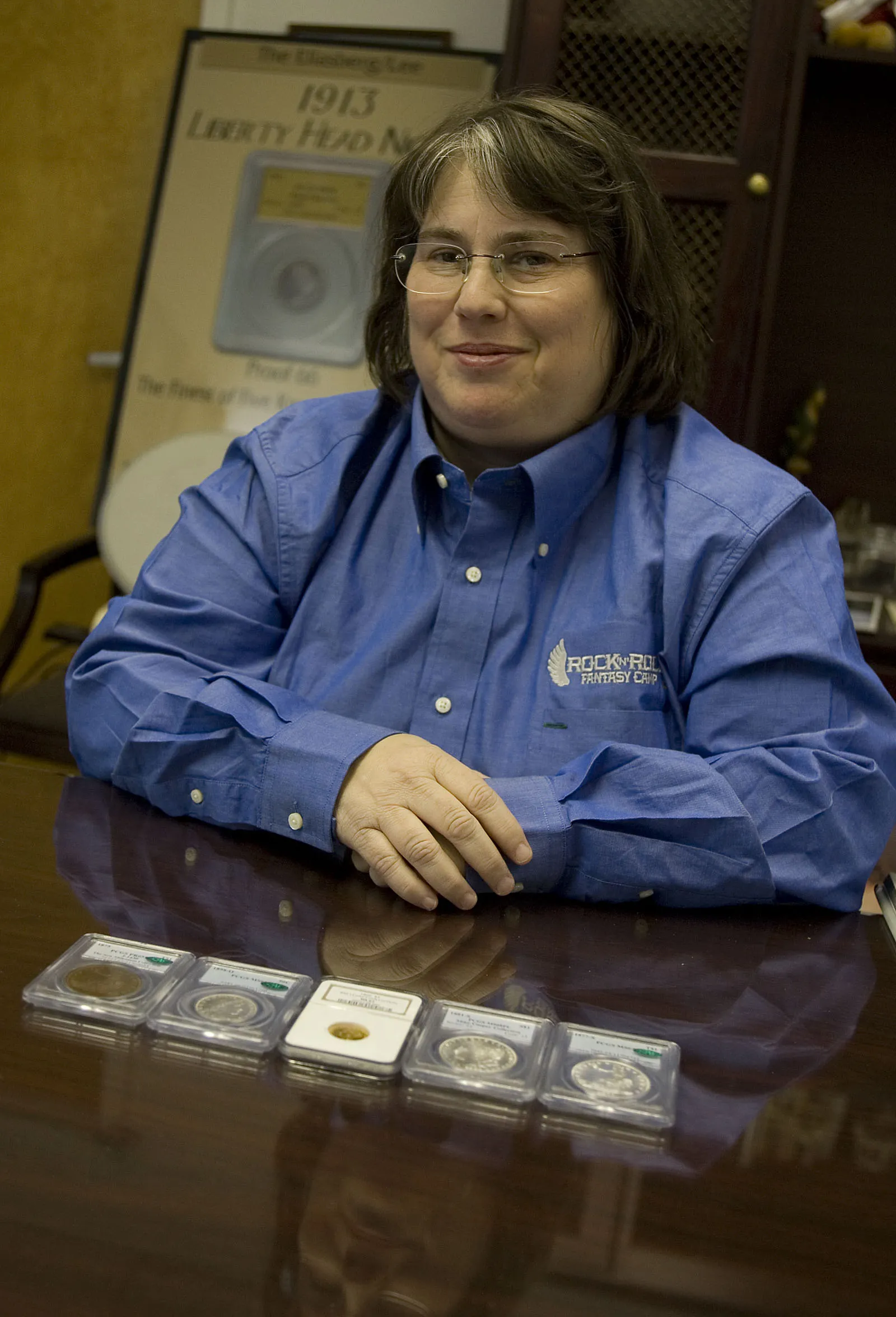
Laura Sperber career (1978 - Present) HOF: 2025. Laura Sperber launched her full-time professional numismatic career in 1978, becoming a fixture on bourse floors big and small around the United States. In 1986, she co-founded Legend Numismatics and, alongside her business partners George Huang and Bruce Morelan, helped the firm become one of the most successful of its time. Sperber’s keen eye for quality earned her a client list that reads like a “Who’s Who” of the PCGS Set Registry Hall of Fame.
Among the collections Sperber helped assemble are the Bust and Trade Dollars of Bruce Morelan, the legendary Bob R. Simpson Collection, and eye-appealing Shalor Collection of commemorative coins, and the Coronet Collection of Mint State Morgan Dollars. It was Sperber’s eye for fine coins that compelled her to establish a boutique numismatic auction firm focusing on small-volume, high-quality lot marquees, which were offered under the Legend Rare Coin Auctions banner from 2012 to 2023. Amid her years at the top of the market, Sperber also served as an influential hobby figure who led the call for change in numismatics, including her fight against coin doctoring and advocacy for modernizing coin shows.
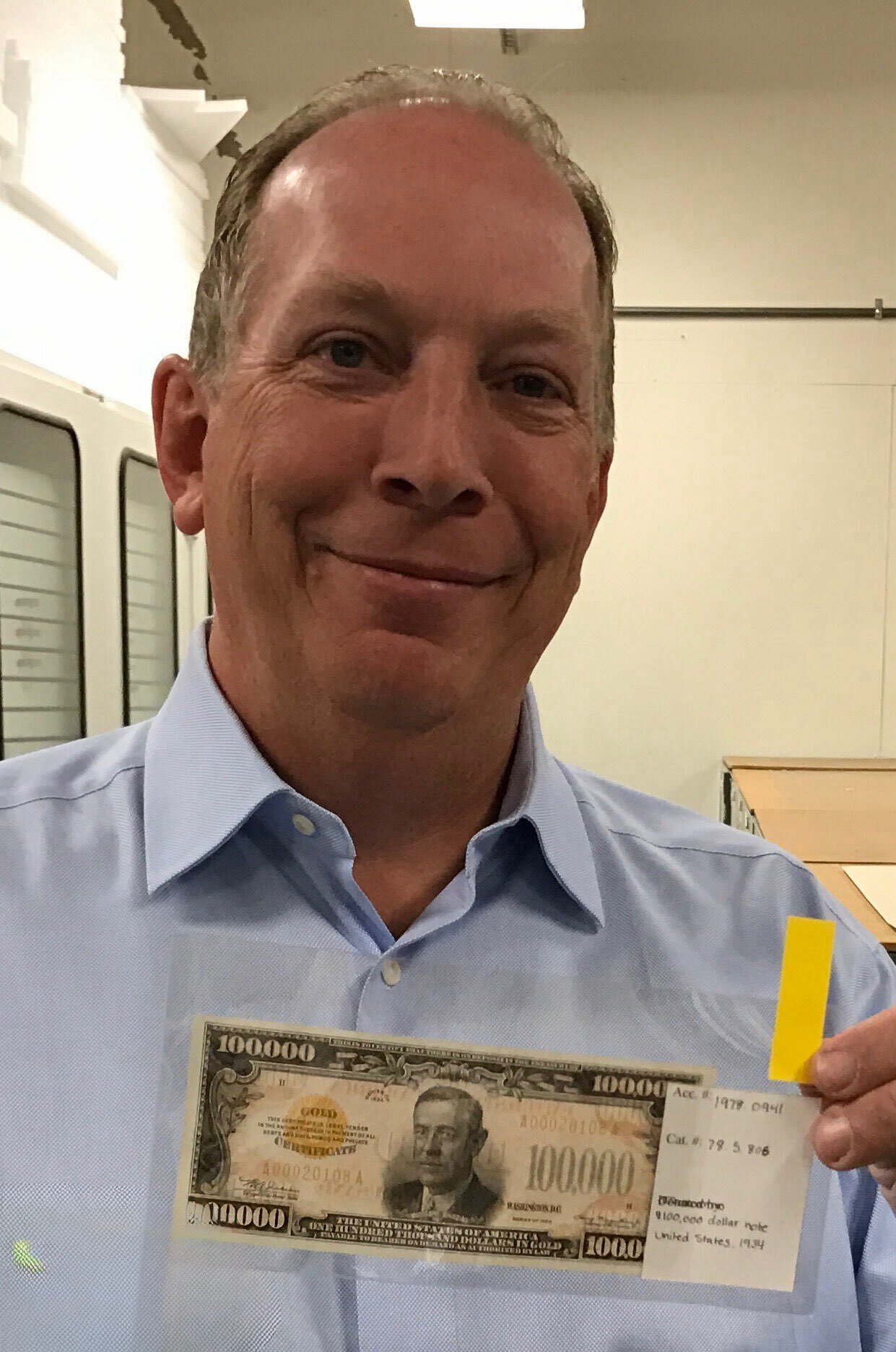
Lee Minshull career (1973 - Present) HOF: 2025. Lee Minshull was a prodigious young numismatist when he began his career as a coin dealer in 1973 at the age of 14. Among at least 20 other notable dealers born in 1959 (including fellow PCGS CoinFacts Coin Dealer Hall of Fame inductee Laura Sperber), Minshull netted $20,000 wholesaling bags of silver dollars he procured from banks during the decade’s boom in silver prices and was named the American Numismatic Association’s Young Numismatist of the Year in 1977. Minshull was a full-time mail-order dealer by the time he graduated from high school and soon joined Steve Ivy Rare Coins, where he ascended from working as a cataloger to becoming the head of the wholesale division. He later went on to work with fellow PCGS CoinFacts Coin Dealer Hall of Famer Kevin Lipton.
Ever the entrepreneur, Minshull eventually set out on his own to establish Lee Minshull Rare Coins, a firm now known as Minshull Trading that has international reach and handles transactions in market-making volume. One of Minshull’s landmark campaigns happened in the wake of 9/11, when large hoards of coins were recovered from the Bank of Nova Scotia vaults located under the World Trade Center; Minshull is responsible for seven-figure donations to the World Trade Center Memorial Fund. Minshull’s philanthropy extends to the educational realm, including his many contributions to “The Red Book” for more than 40 years and by providing a gold coin every year for the past 20 years to sponsor the ANA's Young Numismatist of the Year award. Minshull is currently pioneering the next generation of numismatic products as a partner in VaultBox, the industry-leading coin mystery box product, as well as through the launch of state-authorized Lone Star Coins and Gold Notes with the State of Texas.
2024 Inductees

Christine Karstedt career (1953 - Present) HOF: 2024. Even as Stack’s Bowers Galleries has grown and evolved over the past decades, there has been at least one constant through it all – the presence of Christine Karstedt. Serving today as the numismatic auction house’s executive vice president, Karstedt has become one of the most respected leaders in numismatics and a familiar face on bourse floors across the country. She often says her goal is to surround herself with experts and foster meaningful relationships with people in the industry. Her dedication to both collectors and dealers at the auction podium and beyond has inspired a generation of numismatists while helping Stack’s Bowers Galleries solidify its prestige and expand its reach in the digital age. But perhaps even more importantly, she is one of the most trusted and esteemed luminaries in our hobby.

Ronald J. Gillio career (1945 - Present) HOF: 2024. What can you say about someone who has served as a coin dealer for more than six decades, except to stand up and applaud such dedication? Gillio began his journey as a professional coin dealer in 1961, serving Santa Barbara County in Southern California since 1971. He has become one of the largest rare coin dealers in the United States and internationally, with sales of more than $20 million on an annual basis. A contributor for many years to A Guide Book of United States Coins (known as “The Red Book” by many since its initial edition in 1947), Gillio serves the greater good of the hobby by providing his expertise and insight to others through various numismatic organizations. He has built his name on knowledge and integrity, and he is a longtime PCGS Authorized Dealer.
Robert Lecce career (1945 - 2011) HOF: 2024. Regarded by many as a “dealer’s dealer” and a “true gentleman,” Robert Lecce was a well-respected coin dealer who served both collectors and other dealers for more than four decades. He built a reputation not only as an upstanding dealer but also as someone who loved sharing his knowledge with others, which eventually led to his serving as a longtime contributor to A Guide Book of United States Coins – known since 1947 by collectors around the country as “The Red Book.” In the days after Lecce’s passing in 2011, more than $100,000 was pledged to The Robert Lecce Advanced Scholarship program, providing funds on the basis of merit and need to those attending the American Numismatic Association Summer Seminar. Lecce’s legacy still serves as a role model for dealers and collectors alike today.
2023 Inductee
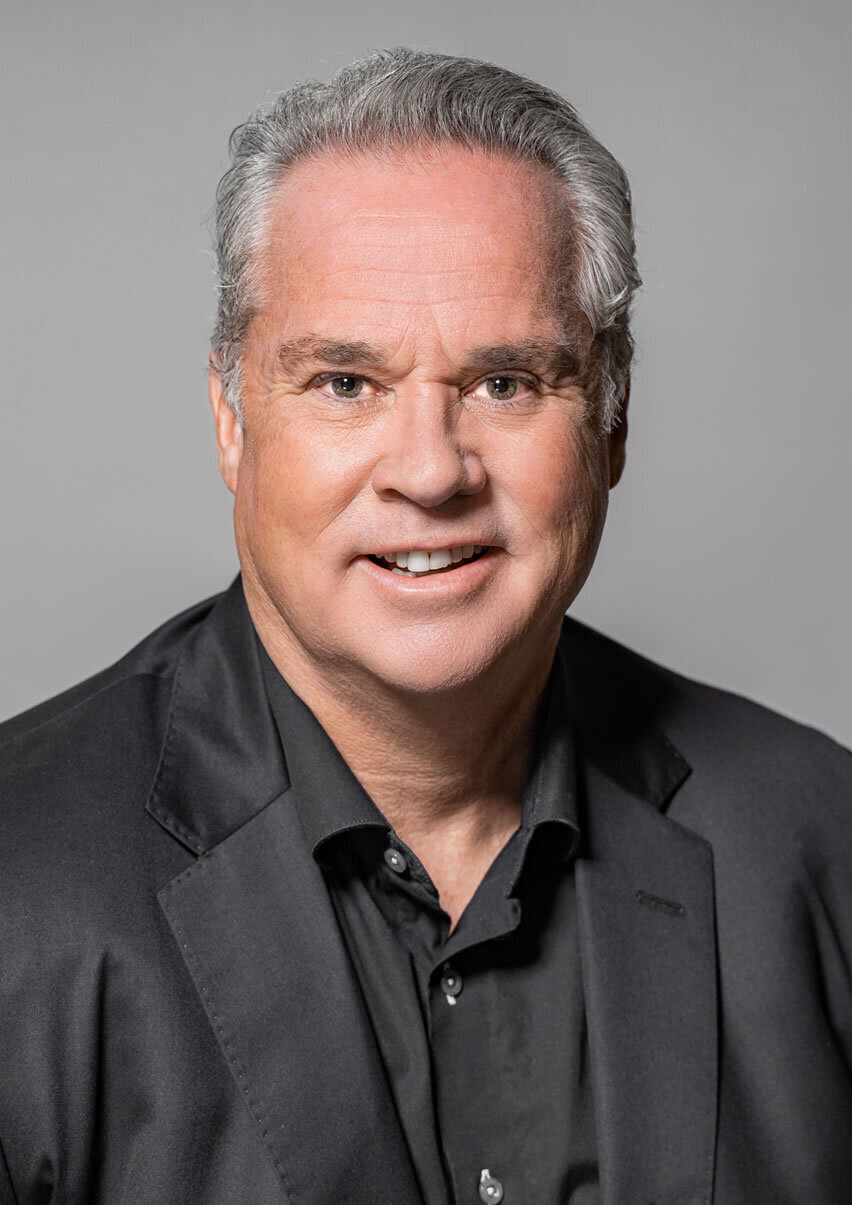
Michael “Miles” Standish career (1982 - 2023) HOF: 2023. Numismatic philanthropist and successful businessman Michael “Miles” Standish built a career that touched virtually every corner of the numismatic world. In his early 20s, Standish joined PCGS in January 1987 during the company’s infancy to become its first full-time grader, eventually co-founding Collectors Universe – the parent company of PCGS. While Standish’s contributions in the world of third-party grading were without comparison, his philanthropic legacy touched many through generous donations of time, talent, and treasure to the American Numismatic Association and Standish Foundation for Child & Family Centered Healthcare.
2022 Inductees

Kenny Duncan Dealer career (1985 - Present) HOF: 2022. Kenny Duncan is one of the biggest names in numismatics and was the founder of U.S. Coins. His Houston-based numismatic firm was established in the early 1980s and is a market-making wholesaler that deals primarily in certified rare coins. Over the decades, Duncan has made a name for himself as a leading expert in choice-quality rare coins, not only attending many shows to acquire rare coins for his company’s expansive inventory but also helping leading collectors assemble some of the most prestigious cabinets ever built. He has philanthropically contributed his knowledge and expertise to many, and in more recent years has ensured the longevity of his firm by handing the reins of his business to his sons Kenny, Blake, and Matt.

Fred Weinberg Dealer career (1972 - 2021) HOF: 2022. Fred Weinberg has carved his own corner of the numismatic world as the foremost name in error coinage. With a career spanning more than five decades, Weinberg has helped shape the landscape of error coins. One of the original PCGS Authorized Dealers in 1986, Weinberg has been featured for expert analysis on television, has served as a numismatic consultant for the United States government, is a contributor to Whitman Publishing’s A Guide Book of United States Coins (“The Red Book”), and has helped identify and authenticate countless error coins for PCGS. Weinberg’s innumerable contributions to the numismatic scene, and most especially that of error coinage, promises to shape the hobby’s knowledge and understanding of errors for generations to come.
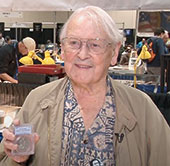
Jack Beymer Dealer career (1971 - Present) HOF: 2022. Jack Beymer became a self-employed coin dealer in 1967 and is a well-known dealer of rare U.S. coins and specializes in early American copper. The Santa Rosa, California, dealer's name is ubiquitous in the hobby, serving not only as a trusted source of coins for those living in Southern California but also through his magazine advertisements which have reached countless hobbyists over decades. Beymer has been interviewed by many numismatic journalists for his extensive knowledge on copper coinage and many other kinds of rare United States coins, and he has long invited numismatic admirers new and seasoned to check out the large inventory of coins in his showroom, where he has served as a willing teacher for the curious and trusted advisor for those building lavish collections.
Honored Members
Bruce Amspacher (1942-2006) Dealer career 1968 to 2006. HOF: 2020. A visionary who cofounded Professional Coin Grading Service, Bruce was a longtime coin dealer before collaborating with six other coin dealers in 1986 to launch the world’s leading third-party coin and banknote grading service. He was actively involved in analyzing coin industry dynamics and for many years published the Bruce Amspacher Investment Report. Bruce’s experience as a coin dealer in Dallas, Boston, and Kansas City was instrumental in building the knowledge necessary to help form PCGS in California, and he continued contributing his many invaluable assets to the hobby until his passing in 2006.

Greg Roberts (1963-) Dealer career 1978 to date. HOF: 2020. Greg became a coin dealer in the late 1970s just as the rare coin market was heating up for a prolonged period of growth. Over the years ahead, he became a major force in numismatics and handled some of the greatest numismatic rarities known, including the famous King of Siam Proof Set containing the 1804 Draped Bust Dollar – “The King of American Coins.” Greg’s influence is felt throughout the hobby. Today, he helms many numismatic ventures and serves as the CEO of Stack’s Bowers Galleries and A-Mark Precious Metals.
Catherine Bullowa-Moore (1919-2017) Dealer career 1953-2017. HOF: 2020. Catherine was involved in the coin business in the late 1940s before marrying dealer David Marks Bullowa in 1952. After David’s untimely passing in 1953, Catherine decided to keep operating the couple’s Philadelphia coin business and became an expert dealer by teaching herself all aspects of the numismatic hobby. A founding member of the Professional Numismatists Guild in 1954 and appointed by President Lyndon B. Johnson to the United States Assay Commission in 1965, Catherine was an active coin dealer dedicated to advocacy of the hobby until her passing at the age of 97 years old in 2017.

Edgar H. Adams (1868-1940) Dealer career 1905-1934, HOF: 2014. Edgar H. Adams is familiar to most numismatists for his landmark works, United States Pattern, Trial and Experimental Pieces, co-authored with William H. Woodin (himself a notable numismatist) and his Private Gold Coinages of California, 1849-1855: Its History and Its Issues. Less remembered is Adams’ short career as a competitive swimmer, despite a debilitating gunshot to the leg when he was twelve. At the age of 36, he captured a silver medal at the 1904 Olympics in St. Louis in the “plunge for distance” (the longest distance achieved underwater by a motionless swimmer after diving in from a standing start). How or when Adams started as a collector is unknown, but he joined the ANA in 1905 and began writing hobby-related columns for New York newspapers. His columns caught the eye of Farran Zerbe, who used Adams as a writer and editor for his newly acquired The Numismatist. Throughout his career, Adams wrote more than 100 articles and scholarly works on a wide variety of numismatic subjects, including colonial coins, patterns, pioneer gold coins, tokens, papal coins, and counterfeit coins. His first advertisement as a professional coin dealer appeared in 1912. In 1915, Adams resigned as editor of The Numismatist and began an association with Wayte Raymond, then later, the Guttag Brothers, meanwhile maintaining his coin business.

David Akers (1941-2012) Dealer career: 1971-2012, HOF: 2011. David Akers started collecting coins in 1949. After graduating from Notre Dame, obtaining a Masters degree in mathematics from Oregon State, and serving as a U.S. Army combat artillery officer in Viet Nam, David became a full time coin dealer in 1971. He was President of Paramount International Coin Corp., one of the largest and most influential dealerships of the 1970s and 1980s. In 1973, David was instrumental in Paramount's purchase and sale of the Dr. John E. Wilkison collection of gold U.S. patterns and produced the definitive book on those legendary rarities. Between 1975 and 1982, David Akers published a six volume analysis of U.S. gold coins that is considered one of the key references for the market. He conducted numerous important auctions, including the three part 1997-99 sale of the legendary John J. Pittman collection. He is one of only two dealers to ever receive all three of the Professional Numismatists Guild's three top honors: the Robert Friedberg Literary award, the Abe Kosoff Founders award, and the PNG Lifetime Achievement award. David Akers is considered one of the top rare gold experts of all-time.

John Albanese (1959-) Dealer career 1978 to date, HOF: 2016. Since 1978, John Albanese has been at the forefront of many of the coin industry’s greatest innovations. In 1986, he was one of the original founders of the Professional Coin Grading Service (PCGS). In 1987, he formed the Numismatic Guaranty Corporation (NGC). In 2001, he founded Intercept Shield, a line of products designed to protect coins from corrosive gases. In 2005, he formed the Numismatic Consumer Alliance as a way of protecting individual coin buyers and, in subsequent years, assisted in the recovery of over ten million dollars lost under abuses in the coin industry. In 2007, Albanese formed the Certified Acceptance Corp. (CAC) and has rendered opinions on hundreds of millions of dollars’ worth of rare coins. Over the years, Albanese has handled more than his share of many of the great American rarities: five 1838-O Half Dollars, an 1804 Dollar, three 1927-D "Saints" ($20 gold), two 1894-S Dimes, two 1913 Liberty Nickels, and countless others. He continues to deal in high-end rare coins and to fight for the numismatic consumer.

(Quentin) David Bowers (1938-) Dealer career: 1953 to date, HOF: 2010. Chairman of Stack's in New York and New Hampshire, Q. David Bowers is a prolific author of over 50 books and monographs, and is the only person to ever serve as President of both the Professional Numismatists Guild (1977 - 1979) and the American Numismatic Association (1983 - 1985). He is a Trustee of the New Hampshire Historical Society, Fellow of the American Antiquarian Society, Massachusetts Historical Society and American Numismatic Society and an annual lecturer at Harvard University. Bowers began buying and selling coins at the age of 14 while still in high school. He has cataloged and sold at public auction some of the most important numismatic collections ever assembled including the collections of Louis E. Eliasberg Sr., Harry W. Bass Jr., Ambassador and Mrs. R. Henry Norweb and the John Work Garrett Collection sold by order of The Johns Hopkins University. In addition to his own writings, Bowers now is helping to expand numismatic knowledge in his role as Numismatic Director of Whitman Publishing, LLC. Numismatic Literary Guild Executive Director Ed Reiter has described him as "A one-man library." Bowers is one of the most revered and honored numismatists in the world.

S. Hudson Chapman (1857-1931) Dealer career: 1876-1929, HOF: 2010 and Henry Chapman (1859-1935) Dealer career: 1876-1935, HOF: 2010. The Chapmans were both young men (21 and 19, respectively), when the brothers formed their numismatic partnership in 1878. Their first auction catalog, issued in 1879, set a new standard for the industry with the introduction of phototype plates; all of their sales are characterized by a level of scholarship and quality that had not been seen before. This helped the brothers land the coup of their career, the sale at auction in 1882 of the collection of Charles I. Bushnell. Today, all of the auction catalogs produced by the Chapman brothers are highly prized, especially the small version formats with plates. In 1906, the bothers each formed his own firm, but continued the same level of professionalism and scholarship that characterized their joint partnership. Much of the style of cataloguing and presentation seen in today’s auction catalogs was influenced by the works of the Chapman brothers. (Image courtesy of George Frederick Kolbe.)
John West Dannreuther (1948-) Dealer career, 1973- HOF: 2015. While John West Dannreuther’s full-time professional numismatic career began in the early 1970s, his involvement in the hobby goes back to his youth, when he assisted his dad with a mail-order coin business. This experience helped inspire the younger Dannreuther to pursue a full-time career in numismatics soon after graduating from college in 1970. Kicking off his illustrious career with lead positions at New England Rare Coin Galleries and Numismatic Investments of Florida, he reestablished John Dannreuther Rare Coins in 1979. Dannreuther cofounded PCGS in 1985, serving there as a grader for 10 years. Always the innovator, he was instrumental in forming American Numismatic Exchange, an electronic trading arm of PCGS that pioneered “sight unseen” bidding. He also helped create the Coin Universe 3000 and was the first pricing editor of Coin Universe Prices. Dannreuther is a consultant for PCGS to this day. A member of many premier numismatic organizations, including the American Numismatic Society and Industry Council for Tangible Assets, he has served on the board of directors for the Professional Coin Grading Service and the Professional Numismatists Guild. A prolific writer, Dannreuther has authored several books, including The Official Guide to Coin Grading and Counterfeit Detection (Random House, 1997), the second edition of which earned the Numismatic Literary Guild’s “Book of the Year” and “Best U.S. Coin Book” awards. The recipient of numerous other prestigious awards and honors for his service to the hobby, Dannreuther was named “Numismatist of the Year in 2007” by the American Numismatic Association and earned the Professional Numismatist Guild’s “Lifetime Achievement” award in 2008. In 2015, Dannreuther was elected to the PCGS CoinFacts Coin Dealer Hall of Fame.

Thomas Elder (1874-1948) Dealer career 1905-1948, HOF: 2013. Thomas Elder (1874-1948, dealer career 1896-1948), HOF: 2013). Thomas Elder was one of the most important dealers of the early 20th century. He developed an interest in coins at a young age, entered the profession part time in 1896, and joined the American Numismatic Association in 1899 at age 25 and advertised in The Numismatist at the time. While working part time as a coin dealer he was employed as a court stenographer and a telegrapher. In 1901, while attending the Pan-American Exposition in Buffalo, New York, where President McKinley was shot, Elder telegraphed updates on the president’s condition. Soon after, the lure of being a coin dealer won him over. Active in the New York numismatic scene, Elder joined the American Numismatic Society and became a founder of the New York Numismatic Club. Beginning in 1905, Elder conducted hundreds of coin auctions and self-published sporadically the Elder Rare Coin Book, the Elder Monthly, and The Elder Magazine; in addition, he wrote articles for The Numismatist. He is credited with coining the term “So-Called Dollars,” of which he produced numerous pieces, including copies and unusual mulings of the 1776 Continental dollars. Elder is also responsible for numerous medals and tokens, many of which he used to promote his coin business. Though at times cantankerous, Thomas Elder left a rich and prodigious numismatic legacy.

Harry Forman (1924-2008) Dealer career 1955-2005, HOF: 2015. Harry J. Forman became interested in coins in January 1954 when he purchased five current Proof sets from Nicholas Smith, a Philadelphia dealer. A year later he sold them at a slight profit to Ruth Wenocur (later known as Ruth Bauer and still later his business associate in Forman & Bauer), who was working in David M. Bullowa’s coin shop in the same city. His interest piqued, Harry became a major factor in the purchase and resale of bank-wrapped rolls of coins from 1934 onward, including making a market in 1950-D nickels, the hot ticket in the marketplace, Proof sets in quantity, and slightly later, countless 1,000-coin bags of Morgan and Peace silver dollars. At times he was the major market-maker in these areas of the coin market. In 1967, by that time one of the leading figures in professional numismatics, he started the Madison Mint, a maker of medals. In 1974, he partnered with Don Taxay in Forman, Taxay & Associated, a short-lived firm (as Taxay exited numismatics) that specialized in carefully selecting coins for investors and others. Over the years, Harry contributed his energy and talent to many good causes, including arranging donations to the ANA (from which he received multiple honors, including the ultimate accolade, the Farran Zerbe Award in 2001), advising government committees on coin legislation, and giving advice to other professionals. He passed on March 6, 2008, and was widely mourned.

Édouard Frossard (1837-1899) Dealer career 1872-1899, HOF: 2015. Édouard Frossard was a Swiss immigrant who became one of the most influential and controversial dealers in the last quarter of the nineteenth century. He was a professor of French at the Young Men’s Christian Association in New York City for over twenty-seven years. Frossard served over two years in the Civil War from 1861 to 1862, where he was “badly crippled” in the field before entering numismatics (several of his contemporaries also served in the war). Frossard popularized coin collecting first as editor of Mason’s Coin and Stamp Collectors’ Magazine, then through his own Numisma. As the editor of Numisma, Frossard engaged in the type of rumors, banter, sarcasm, and challenges that would probably have ended him up in court were he alive today. An auctioneer himself (and responsible for over 160 auctions of coins, stamps, and artwork), he was a vocal critic of his competitors, justified or not, right or wrong. In one major faux pas, he insisted that the Dexter 1804 Dollar (one of the Class I Originals) was a restrike and that it had been planted in a European auction by the Chapman brothers. Frossard’s name is associated with works on U.S. Half Cents, Large Cents (particularly those of 1794, one of his favorite collecting specialties) and Franco-American Jetons. He died at just over sixty years of age in 1899.

David Hall (1947-) Dealer career: 1966 to date, HOF: 2012. David Hall is one of the most influential personalities in the collectibles market, not just in numismatics, but in other popular areas such as baseball cards, stamps, currency, rock-and-roll records, and sports memorabilia. He is best known as the driving force behind the certified coin grading revolution and the founding of the Professional Coin Grading Service (PCGS) in 1986. But Hall has also been a major dealer in very rare and high quality coins for over three decades, handling many of the finest United States coins and helping build many fine collections. Hall is considered one of the coin market's greatest innovators and was called "the man who changed the rare coin market forever" in the February 20, 1996 issue of Numismatic News. Hall's innovations include guaranteed buy/sell markets and electronic trading, and he developed the Set Registry concept, allowing collectors to compare collections and compete online. The July, 1999 issue of Coinage Magazine named David Hall one of the top "Numismatists of the Century." Hall continues to innovate, focusing much of his attention on information technology as a way of recording and disseminating essential data about collectibles.

Jim Halperin (1952-) Dealer career 1968 to date, HOF: 2013. Jim Halperin dropped out of Harvard University to become a full-time coin dealer in 1971 and he has not looked back since. In the 1970’s, his firm, The Boston based New England Rare Coin Galleries, was one of the largest and most influential coin companies in America. In 1982, he joined forces with his one time rival Steve Ivy to form the Dallas based, Heritage Auctions. Today, Heritage is the third largest auction house and the largest collectibles auctioneer in the world with annual sales approaching ten figures. In the earliest days of computers and the Internet, Jim embraced the new technologies and wisely integrated them into Heritage’s business model, more quickly and to a greater extent than most other companies. Jim Halperin is a true rare coin expert and is considered one of the greatest coin graders and coin traders of all-time. His book, How to Grade U.S. Coins, remains a standard today. Jim Halperin has been a major force in the rare coin market for four decades and his efforts have been a major contributor to making the market what it is today.

Leon Hendrickson (1926-2017) Dealer career: 1949 to date, HOF: 2012. Leon Hendrickson has perhaps sold more coins by dollar volume than any dealer in history. He became a full-time dealer in 1967, when he established SilverTowne, a business that now employs over 100 people today in the small town of Winchester, Indiana. Leon was a big player in the silver certificate redemption of the 1960s, one of the pioneers of importing gold coins out of European hoards, and his firm was one of the biggest bullion dealers in the gold and silver run-up of 1979-1980 (in 1980, SilverTowne’s revenues reached $400 million. Leon was a partner in the legendary Continental Illinois Hoard of Morgan Silver Dollars, and was a major distributor of silver dollars from the LaVere Redfield hoard. He served as President of the Professional Numismatists Guild, the Central States Numismatic Society, and the Indiana State Numismatic Association. His awards are numerous and well-deserved: President’s Award, National Silver Dollar Roundtable (1978); Lifetime Achievement Award, Professional Numismatists Guild (2003); Presidential Award, American Numismatic Association (2003); and Numismatist of the Year, American Numismatic Association (2008), to name but a few.

Steve Ivy (1949-) Dealer career: 1964 to date, HOF: 2014. Steve Ivy started his business in 1964, at the age of 14, advertising rare coins for sale in national publications. Six years later, at the age of 20, he incorporated and opened his business in a downtown Dallas high rise. In 1976, he incorporated a sister auction company. Steve managed the business as well as serving as chief buyer, buying and selling hundreds of millions of dollars of coins during the 1970s and early 1980s. In 1982, James Halperin merged his company with Steve’s, and the name of the corporation was changed to Heritage. Today, Heritage is the third largest auction house and the largest collectibles auctioneer in the world with annual sales approaching ten figures. Steve Ivy is a true world class coin expert and trader. While nowadays he mostly guides the business side of the Heritage empire, in the 1970s and 1980s he was always at major shows and auctions, buying and selling rare coins with the best of them. Steve is an industry leader who has previously served on both the Board of Directors of the Professional Numismatists Guild (past President), and The Industry Council for Tangible Assets (past Chairman).

Art Kagin (1919-2005) Dealer career 1933-2005, HOF: 2013. In his more than seventy year career in the coin business, Art Kagin became known as one of the elder statesmen of numismatics. Art started out at the Minneapolis firm of Hollinbeck Stamp and Coin Company in 1933. When Hollinbeck decided to expand the business, Art was tasked with running a branch store in Omaha. Later he opened another Hollinbeck store in Des Moines, where he stayed for the rest of his life. Eventually, Art and his brother, Paul, took over the business. Over the ensuing decades, Kagin and his family conducted upwards of 350 rare coin mail bid sales. As experts on Pioneer and Territorial gold coinage, Art and his son, Don, helped build some of the most significant collection of the genre, including the famous Clifford-Kagin collection. Art was knowledgeable in virtually every aspect of the coin business, including currency and obscure areas such as encased postage. Art is remembered as a friendly dealer who had time for everyone, no matter their economic status or whether or not his time would result in a sale.

Abraham "Abe" Kosoff (1912-1983) Dealer career: 1937-1983, HOF: 2012. Abraham "Abe" Kosoff was one of the most influential coin dealers of the 20th century. He has been called the “Dean of Numismatics” (the apt title of a biography by fellow Hall of Famer, Q. David Bowers) because of his many contributions to the hobby. Ironically, Abe started his coin business in September 1929, just before the stock market crash of October 1929. Nonetheless, Kosoff “coined” his way through the Depression and eventually went on to become one of the biggest dealers and auctioneers of his time, conducting more than 90 auction sales spanning the years from 1940 to 1971. Kosoff supplied many coins to the Egyptian King Farouk, and was a big buyer in the auction sale after the King was deposed. In 1950, Kosoff and others founded the Professional Numismatists Guild, still the most prestigious dealer organization today. Kosoff was instrumental in the fight against coin forgeries in the 1960’s. Kosoff was instrumental in the formation of the American Numismatic Association Certification Service and the development of the Official ANA Grading Standards for United States Coins, important pioneer efforts in third-party, independent, certification of coins. His contributions of decades ago continue to influence the field of numismatics today.

Abner Kreisberg (1904-1997) Dealer career 1940s-1990s, HOF: 2013. Abner Kreisberg is best known for his associations with Abe Kosoff, Hans M.F. Schulman, and Jerry Cohen and the great coins they handled. In 1944, Abner joined Abe Kosoff as a partner in the Numismatic Gallery in New York. One of the biggest deals they handled was the F.C.C. Boyd collection, recognized today as one of the largest, most impressive, and extensive collections ever assembled of U.S. pattern, colonial and regular issue coins. Upon the dissolution of their partnership in 1954, Kreisberg continued to operate a store in Beverly Hills, then joined with Schulman in 1957 to conduct a yearly auction at the Waldorf-Astoria in New York City. Kreisberg partnered with Jerry Cohen in 1959 to form the Quality Sales Corp. One of the most significant coins in which Kreisberg had a hand was the gem 1794 silver dollar which sold recently for over $10 million. And Kreisberg and Cohen also handed the famous John Beck estate, which included over 500 1856 Flying Eagle cents.

Kevin Lipton (1959-) Dealer career 1973 to date, HOF: 2017. Kevin Lipton started buying and selling coins at age thirteen and within a few years earned a reputation as one of the great numismatic prodigies. At only seventeen years of age, he started his own company, Kevin Lipton Rare Coins, and was one of the major players in the rare coin market, being involved of many of the largest deals of the era. In 2000, Lipton was the recipient of the PNG’s "Sol Kaplan Award" for his help in cleansing the profession of fraud and thievery and in 2012, he was awarded the “Life Time Achievement Award” by the PNG at the young age of 53.
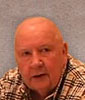
John Love (1936-) Dealer career: 1962 to date, HOF: 2011. John Love has handled more Morgan and Peace dollars than anyone in the world. He is quite simply “Mr. Silver Dollar.” John began selling silver dollars from his shop in Cut Bank, Montana in 1962. By 1964, he was attending national coin shows and soon became one of the biggest buyers and sellers of silver dollars. He was one of the country’s major silver dollar mail order dealers thru the 1960s, 1970s, and 1980s. In his career, he was involved in most of the most famous silver dollar deals, including the two largest ever, the LaVere Redfield estate (484,000 coins) and the Continental Illinois Bank hoard (about 1.5 million coins). John is famous for two things, his handling of extremely high quality silver dollars (including some of the most famous individual coins in the series) and his over five decades as one of the market’s most prominent silver dollar market-makers. He has literally had a fifty year run of being the “go to guy” for uncirculated Morgan and Peace dollars.
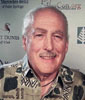
Steve Markoff (1943-) Dealer career 1954-2005, HOF: 2013. Steve Markoff was a force in both the rare coin and the gold and silver bullion coin markets for four decades. In 1965, he founded A-Mark Coin Company, a financial services company specializing in precious metals (today A-Mark is part of the Spectrum International Group). A-Mark was one of the first companies to specialize in the gold and silver coin bullion coin markets and today remains one of the world’s largest. But Markoff was much more than a bullion dealer. He handled many significant rare coins and several of the largest “deals” ever. In 1975, Steve (via A-Mark) stunned the numismatic world by capturing the Redfield hoard of over 400,000 U.S. silver dollars for $7.3 million, at the time the largest transaction in numismatic history. In 1974, A-Mark traded many of the Redfield silver dollars for the John Wilkison collection of gold pattern coins, the most complete collection ever assembled.
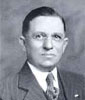
B. Max Mehl (1884-1957) Dealer career: 1900-1957, HOF: 2010. B. Max Mehl started his career as a part-time dealer circa 1900 while still a clerk in a shoe store, but went on to become one of the most prolific coin dealers of his time. His secrets: hard work, intense advertising campaigns, tireless self-promotion, and innovative marketing. He was the first to advertise in non-numismatic media. He published a small booklet and sold over a million of them for a dollar apiece. By the 1930s, when America was suffering through the great Depression, Mehl was spending upwards of a hundred thousand dollars a year in advertising. In a record day, he reportedly received 72,000 pieces of correspondence. He offered a reward for any example of the 1913 Liberty Head Nickel, causing people from all walks of life to examine their pocket change for elusive treasure. He handled incredible collections built by the likes of H.O. Granberg, Waldo Newcomer, William Forrester Dunham, William C. Atwater and many others. And he did this all from Fort Worth, Texas, far from the numismatic scenes in New York, Philadelphia, and California. One can only imagine the many ways that B. Max Mehl, called the "P.T. Barnum of numismatics" by fellow dealer Abe Kosoff, would have used today’s technology to popularize the hobby.
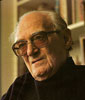
Lester Merkin (1916-1992) Dealer career 1956-1974, HOF: 2013. Lester Merkin was a New York City professional musician, a saxophonist, who was a passionate collector of quality coins beginning in the 1940s. In 1956 he became a professional dealer with an office in New York City, were friends, customers and young numismatistswere always welcome. He is fondly remembered as a true gentleman—always with a kind word. He enlisted Walter Breen to write the majority of the catalogs for the 32 auctions he conducted from 1956 to 1976. In 1964 he conducted the Louis Helfenstein Collection sale of large cents. The catalogue bore a beautiful full-color illustration of a cabinet of cents and was photographed by Marty Bauman, himself a numismatist, and with the assistance of Charles Jay, also a numismatist. Many of this other catalogs were memorable and attracted wide attention at the time. Later he continued business for a number of years, including the 1979 presentation of the famous “King of Siam” Proof set with an 1804-dated silver dollar, this by special arrangement with David Spink of London. Among the more unusual items he handled were the Special Mint Set versions of 1964 coins, acquired from the estate of the former Mint Director, Eva Adams. He reported seeing two 1964 Franklin half dollars and examining them carefully, but was not able to purchase them. Today these are unknown to the numismatic community. In 1994 his estate collection was auctioned by Stack’s.

Ed Milas (1940-2011) Dealer career 1959-2009, HOF: 2013. Ed Milas, thru his Chicago based company, Rare Coin Company of America (popularly known as RARCOA), was a major force in the rare coin market for over three decades. Milas was also quite a visionary and in the late 1960’s he was possibly the first major dealer to marry ultra high quality and rarity as a market concept. In 1972, Milas became owner of RARCOA. In the following three decades, he handled many important rarities and several of the most significant “deals” of the era, including the Continental-Illinois Bank hoard of silver dollars, which was actually larger than the famous Redfield dollar hoard. Milas was a world class coin expert with an incredible breadth of expertise, encompassing all U.S. coins, world coins, ancients, and currency. Milas’ company, RARCOA, was a partner in the so-called Apostrophe auctions from 1979-1990. Under Milas’ tenure, the company handled such great rarities as the 1825/4 $5, the Dexter 1804 Silver Dollar, the unique 1870-S Half Dime, and a 1787 Brasher Doubloon.

Eric P. Newman (1911-2017) Dealer career 1932-2017. HOF: 2019. "Scholar, Numismatist, Philanthropist" only begin to describe the amazing life of Eric P. Newman. From a fascination with an 1859 cent given to him by his father in 1918 to his death nearly a full century later, Eric devoted much of his life to the study and advancement of numismatic research. Author of dozens of books and articles, his legacy lives on at the Newman Numismatic Portal at Washington University in his home town of St. Louis.

David Proskey (1853-1928) Dealer career 1873-1928, HOF: 2017. David Ulysses Proskey was one of the unsung heroes of numismatics from the late 1800’s through the turn of the century and beyond. He was a coin dealer, stamp expert, minerologist, researcher, and writer who was active from 1873 until the time of his death in 1928. He is less well-known today because his name was often subordinate to the companies for whom he worked or owned, or to the publications for which he wrote and edited. Proskey was born in 1853. When the collecting bug hit him is unknown, but it must have been in his teens because, by the time he was twenty, his parents began complaining that his collections were taking over the house. For most of his career, Proskey operated out of New York City in a number of different locations, sometimes as a sole proprietor and, at other times, with partners or as an employee of a numismatic firm. In 1877, at the ripe old age of 24, Proskey went to work for Scott & Company as head of their coin and medal department and as editor of the Coin Collector’s Journal. At Scott’s, Proskey catalogued both coins and stamps, assisted with the production of the Scott Restrikes of the 1861 Confederate Half Dollar, and developed a numbering scheme for Large Cent varieties. His expertise extended to Civil War Tokens, California Pioneer gold, and U.S. Patterns. In 1887, Proskey struck out on his own but remained as editor of the Coin Collectors Journal through 1888. He partnered with Harlan Page Smith at the New York Coin & Stamp Company, where the two conducted a number of significant auction sales, including that of the Lorin G. Parmelee collection in 1890. In 1901, Proskey and Smith dissolved their partnership. Upon Smith’s death in 1902, Proskey resurrected the New York Coin & Stamp Company as sole owner and continued the business until his death on December 15, 1928. His coin collection was sold in several parts by Stack’s beginning in 1939. Proskey’s name appears in the pedigrees of many important U.S. coins, including scores of high-grade Large Cent varieties (of which he was an avid collector) and the unique 1787 Brasher Half Doubloon (the Lilly specimen now at the Smithsonian Institution).
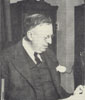
Wayte Raymond (1886-1956) Dealer career: 1902-1956, HOF: 2010. Wayte Raymond was a prolific dealer and publisher whose legacy includes his still-useful National Coin Albums (first made in 1928) for which he secured the franchise and promoted them extensively in the 1930s, and the ground-breaking research he sponsored and promoted. From 1912 to 1918, Raymond was involved with Elmer Sears in the United States Coin Company; later, he was associated with James G. Macallister in J.C. Morgenthau & Co.; still later with the Scott Stamp and Coin Co. In 1952, Raymond hired a young man named Walter Breen to conduct research in the National Archives, a fresh approach that resulted in numerous publications and a rapid advancement in numismatic knowledge. Much of the data uncovered by Breen was incorporated into later editions of Raymond's The Standard Catalogue of United States Coins, a reference book introduced in 1934 that was the first comprehensive price guide with mintage figures of U.S. coins. Additional publications he launched over the years included the Coin and Medal Bulletin, the Coin Collectors Journal and Coin Topics. In honor of Raymond and his contributions to numismatic research, the American Numismatic Association instituted the Wayte and Olga Raymond Memorial Award for Distinguished Numismatic Achievement in the Field of United States Numismatics.
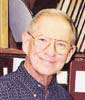
James F. Ruddy (1933-2017) Dealer career: 1953-1977, HOF: 2014. James F. Ruddy, known as Jim to his friends, entered the rare coin business in 1953, trading as the Triple Cities Coin Exchange in Johnson City, New York. From an early time he was interested in the study of die varieties, history, and the like, and soon became a very knowledgeable professional. In 1956 he handled the numismatic estate collection of Claude Colier, an old-time American Numismatic Society member. In 1957, with Dave Bowers, he conducted the first and only Penn-New York Auction Company sale, featuring many choice and gem pieces. On April 15, 1958, he and Dave Bowers became partners in Empire Coin Company, Inc., continuing through 1966. Then in 1971 they formed Bowers and Ruddy Galleries, Inc., in Los Angeles, which went on to many successes. In the early 1960s, Jim served as secretary of the Professional Numismatists Guild, handling correspondence, making payments and arrangements, processing memberships and more -- all on an unpaid basis (today, the position is considered full time and pays well). After many years of study, research, and photography, in 1970 he published Photograde, a photograph guide to grading coins. This was an instant success and replaced earlier guides that used line drawings or narratives. By matching a coin to a photograph a user of the book could grade a coin almost instantly. The book was a sensation, revolutionized the grading system, and became a best seller. Jim went into retirement in 1977, but since that time has kept abreast of major numismatic activities through his lifetime membership in the American Numismatic Association. He is certainly one of the "greats" in the hobby during the very transitional and formative era of the 1950s, 1960s, and 1970s.

Augustus B. Sage (1841-1874) Dealer career 1857-1861, HOF: 2016. Augustus B. Sage was the first truly important professional numismatist in America. Born in Middletown, Connecticut, on May 13, 1841, he moved with his widowed mother and her children to New York City by 1849 or 1850. By 1856, when Sage was only 15 years old, he had been bitten by the coin bug. These were exciting times in numismatics, what with the discontinuation of the large copper cent in February 1857, and newspaper accounts about them ever since. The New-York Dispatch took a particular interest and sought to inform its readers about coins. They tapped Sage, who started a series of columns. His first “Gleanings of Coins No. 1” appeared in late June, 1857. On March 8, 1858, Sage enlisted four other collectors who affixed their names to a circular letter which invited interested collectors to meet at Sage’s family residence to establish what became the American Numismatic Society. In the autumn of 1858, Sage decided to start a cabinet of numismatic medals. These ran through 1859 and included several dozen varieties, all of which are scarce today. He opened a shop in Manhattan offering coins and other items for sale. The 1859 sales by Sage catalyzed what would be a steady stream of numismatic auctions by others, including by the estimable W. Elliot Woodward, from 1860 to the present day. Sage later served in the Civil War, after which he practiced law. He died from pneumonia on February 19, 1874 at the age of 32.
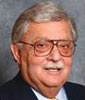
Harvey G. Stack (1928-) 1935 to date, HOF: 2011. Harvey Stack, whose family has been famous in the numismatic scene since the 1930s, is an industry leader whose contributions to the hobby and the profession have been profound. Many of the great "name" sales of the past 75 years were handled by Harvey and his family, including those of Anderson-Dupont, H.R. Lee (duplicates from the Louis Eliasberg collection), Floyd Starr, Harold Bareford, Jimmy Hayes, John Ford, and hundreds of others. Harvey has been an indefatigable supporter of numismatics, serving as an expert witness for governmental agencies, world banks, and law enforcement agencies around the world. He assisted in the development of the first American Numismatic Association Grading Guide, has been a member of that organization for over 50 years and a recipient of their Medal of Merit. Beneficiaries of his generosity over the years include the National Numismatic Collection at the Smithsonian Institution, the American Numismatic Association, and the American Numismatic Society. He served as President of the Professional Numismatists Guild from 1990-1991 and was awarded their Founders Award (not once, but twice). In 2011, Harvey came out of retirement to join Stack's Bowers Galleries.
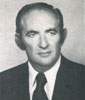
Norman Stack (1928-1992) Dealer career 1945-1992, HOF: 2013. Norman Stack was a member of Stack’s Rare Coins, one of the most important and longest-lived coin firms in America. A brilliant numismatist. Norman was involved as the primary cataloger in almost 400 auction sales, including those of the Amon Carter Collection, Yale University’s Brasher doubloon, and many more “name” collections. Stack’s was instrumental in building many important collections including those of Louis Eliasberg and Josiah K. Lilly. Norman was both a collector and a dealer. His personal collection formed the basis for his book, United States Type Coins: An Illustrated History of the Federal Coinage. His popular, U.S. Coins of Value went through twenty-eight editions.

Anthony Terranova (1947-) Dealer career 1972 to date. HOF: 2019. Born in Brooklyn in 1947, Anthony spent his early working life in mutual funds and commodities. In the early 1970s, he began dealing part-time in rare coins, and in 1978 he opened his own rare coin company. Specializing in early U.S. and colonial coinage, Anthony has built an outstanding reputation in the hobby and has handled many of our nation's earliest numismatic treasures. He became a member of the PNG in 1981 and was the recipient of the Farran Zerbe Memorial Award from the ANA in 2011.
W. Elliot Woodward (1825-1892) Dealer career: 1862-1890, HOF: 2010. W. Elliot Woodward was one of the first American coin dealers, entering the business on a part-time basis in 1860. Woodward issued auction catalogs from 1860 to 1890, eventually producing 111 in total. Scattered throughout his catalogs are interesting tidbits, including scholarly material, collector biographies, scathing criticisms of his competitors, and comments about other individuals that would probably lead to slander suits today. Woodward accused the U.S. Mint of questionable practices, when made-to-order rarities began appearing on the market or when certain individuals appeared to have an "in" with Mint officials. Highlights of his auction career include the sales of the collections of the Rev. J.M. Finotti, John F. McCoy, J.N.T. Levick and William Jenks (among others). Woodward is perhaps best remembered for his 1867 sale of the celebrated collection of Joseph J. Mickley. Woodward was a true numismatist, well-versed in many areas, thus adding to the breadth and depth of the offerings he brought to market.