



bborus's Coin Album

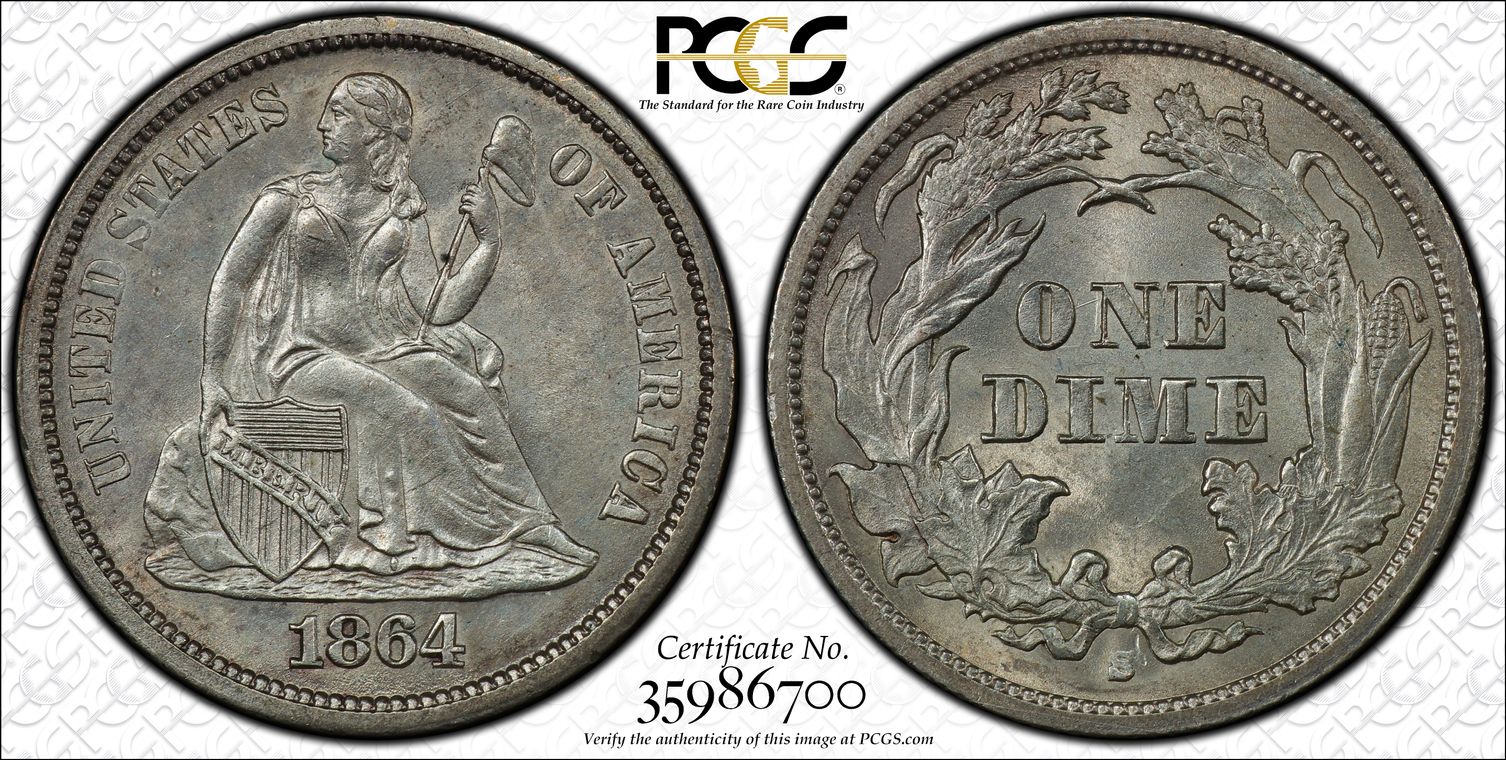
The 1864-S dime comes from a mintage of 230,000 pieces, which was produced with a single die pair. Most of the mintage circulated and has been lost to attrition. In Mint State, surviving coins are rare. This Choice example displays satiny silver-gray surfaces with a hint of light golden color. All design elements are sharply brought up, and there are no singular surface abrasions.
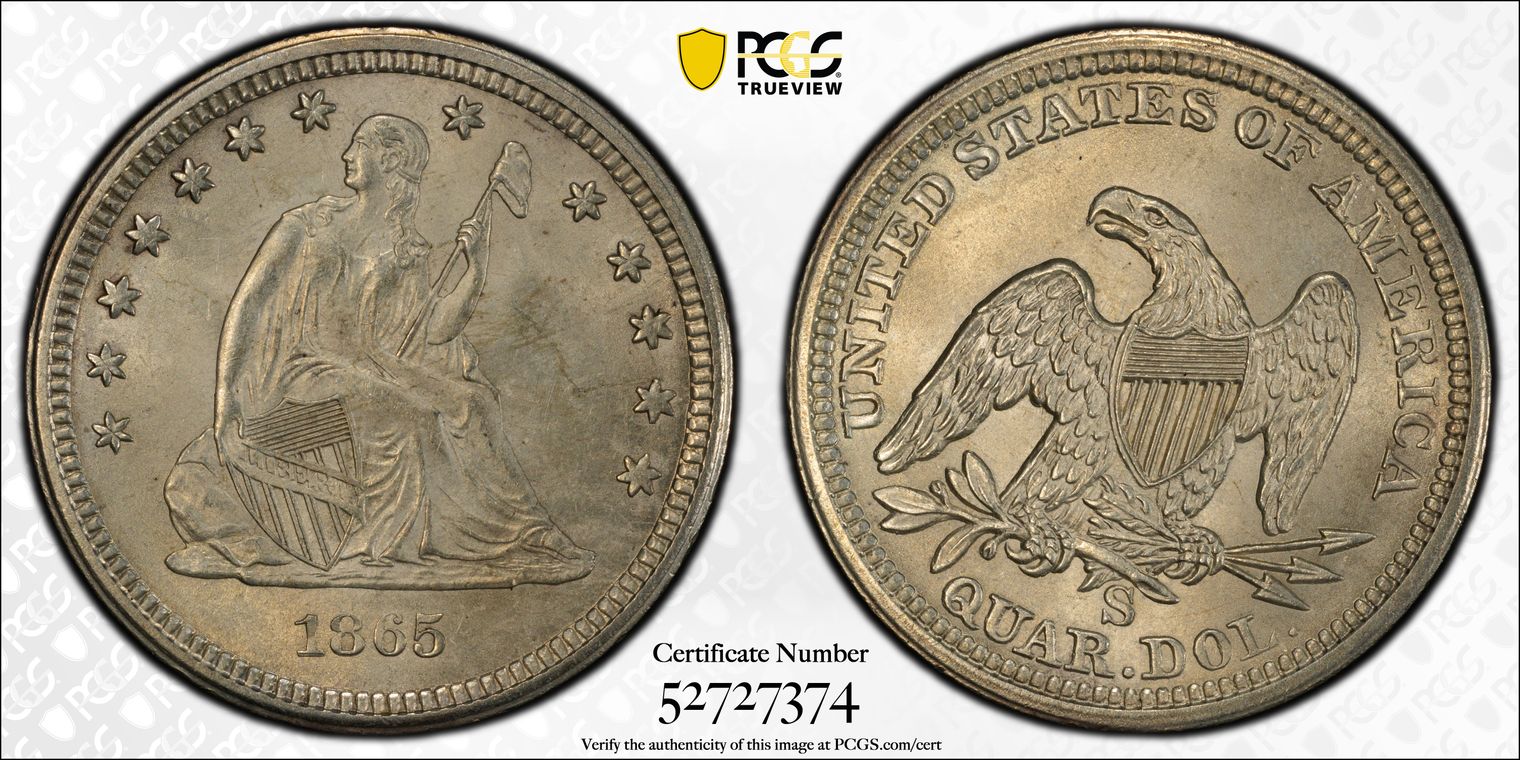
Ex Richmond Collection (NGC Cert# 1716019-043), Ex Pelican Bay Collection (NGC Cert# 1716019-043). Coin was graded MS65 at NGC at time of purchase and was down graded to MS64 when sent to PCGS. This example became the 5th graded MS64 at PCGS. Briggs 1-A, Flynn-RPD-001. The 1865-S is a well-known condition rarity in Gem Mint State or finer grades. The mintage was small -- only 41,000 pieces were struck. Virtually all of the mintage circulated in West Coast commerce at a time when silver coins were in extremely short supply. Consequently, even circulated examples are rare in all grades today. The typical surviving 1865-S quarter is well worn, with an average certified grade of just 40.1. This MS65 example is the former Richmond Collection coin and currently serves as NGC Coin Explorer's plate coin. Frosted Gem surfaces display an attractive pearlescent sheen from light-gold toning supported by strong silver luster throughout both sides. The smooth surfaces show only a few faint grazes and no individual marks of note. The 1 in the date is repunched at its base and the strike weakens slightly at 8 and 6, as well as at a few star centers. The surface quality and eye appeal are exceptional. NGC Census: 1 in 65, 1 finer.
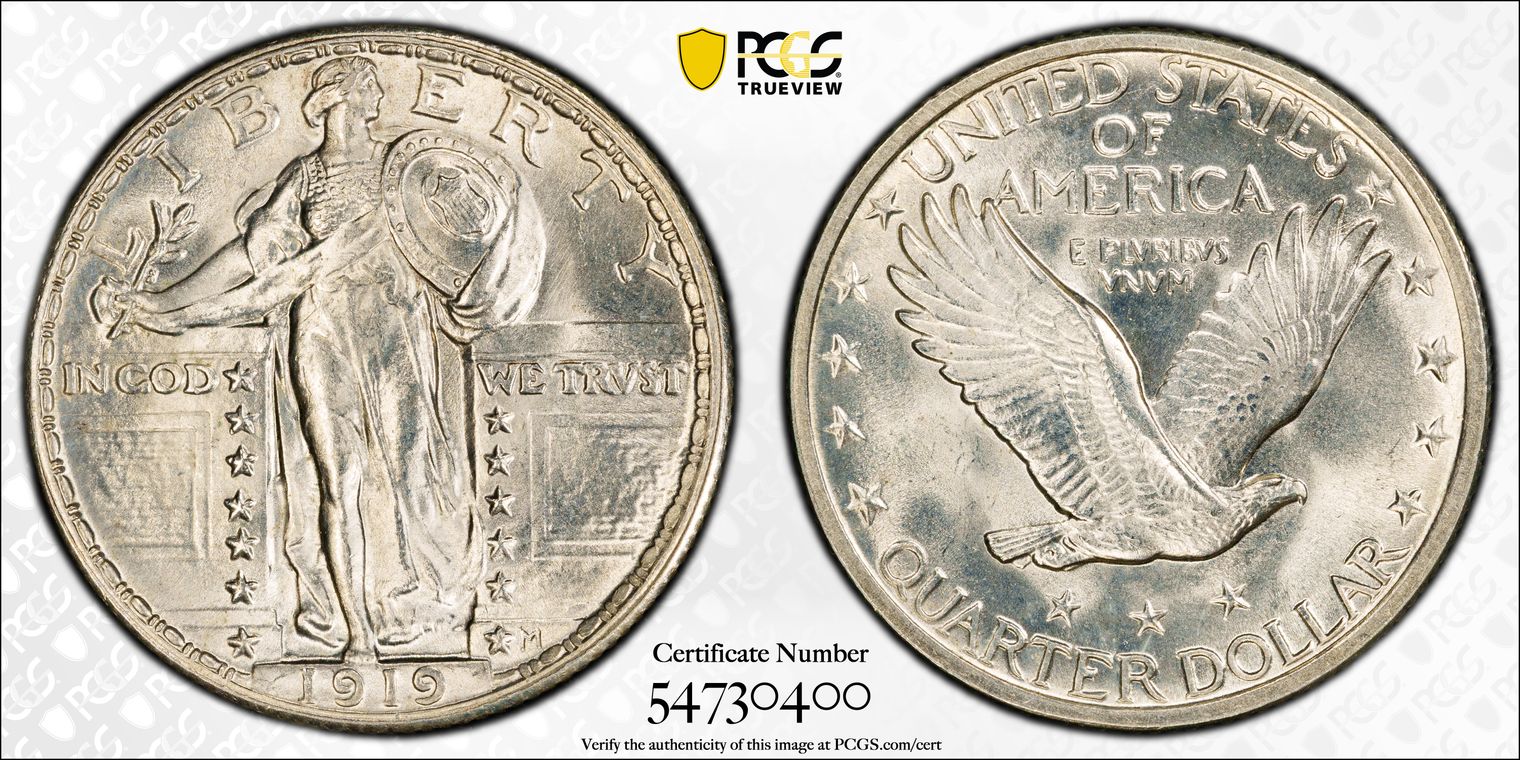
With a razor sharp strike, full mint luster and brilliant surfaces, this expertly preserved Gem will be just right for an advanced type set or date collection. In 1919 the nation was in high spirits with the conclusion of World War I and the continuation of the roaring wartime economy. The need for small change was high, and ever greater quantities of coins were forthcoming from the Mint, including a substantial 11,324,000 Standing Liberty quarters from Philadelphia. The issue is generally well struck and numismatists managed to sock away many in Mint State. The number of circulated examples still extant is often thought to be low, but the placement of the date on a raised panel exposed it to greater wear, leading to many thousands of dateless quarters that may forever remain unassigned as to date. This design deficiency was not corrected until 1925 when the panel was recessed. Uncirculated examples of the 1919 are not scarce and even in Gem MS-65 FH suitable examples can usually be found. Near the top of the grading scale, however, this PCGS MS-66 FH is scarce from a condition standpoint and would be just right for a high quality cabinet.
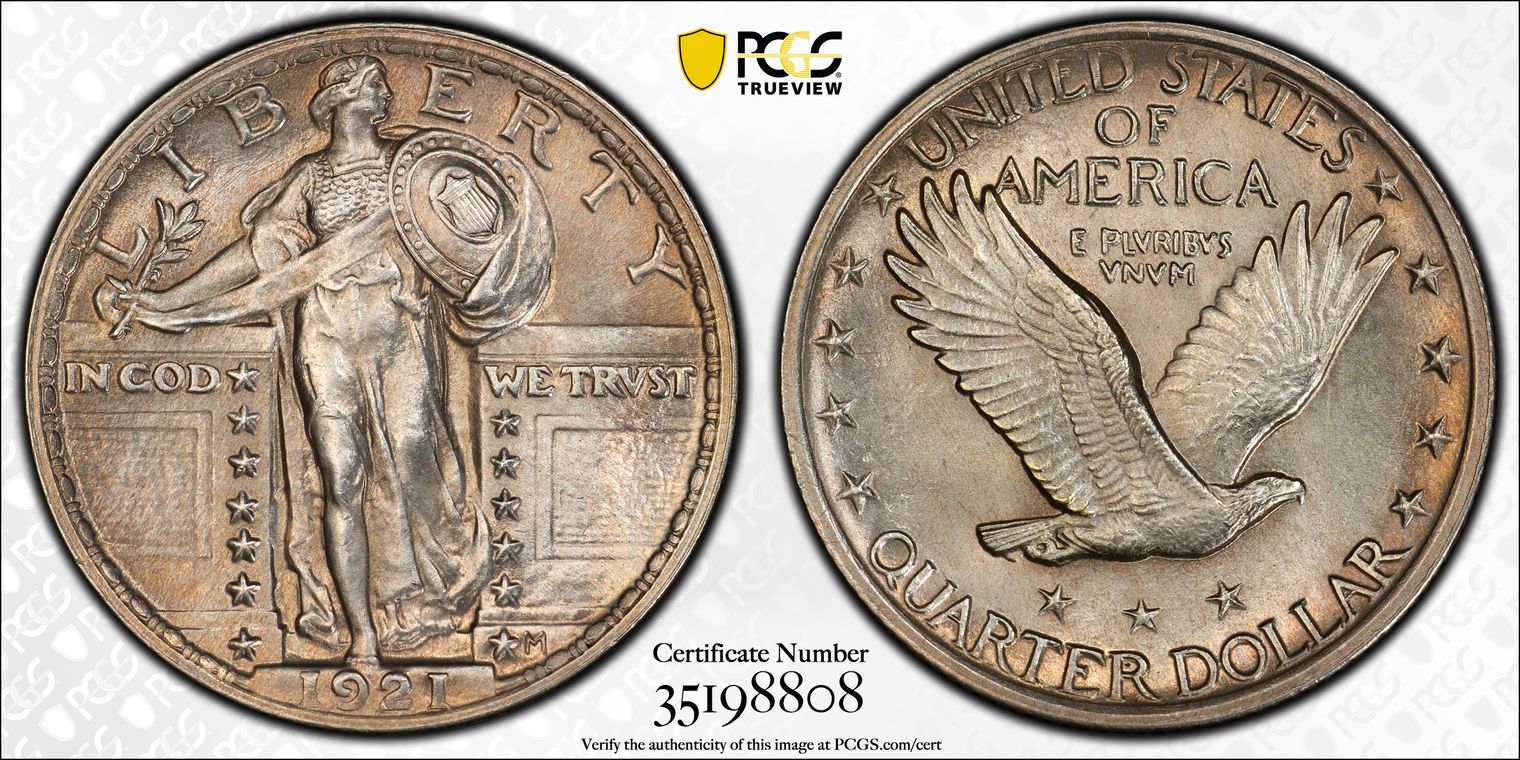
Sharp Head and Shield. The first 1 in the date is slightly flat, but Liberty's head and toes, the shield rivets, and all of the other troublesome design elements are sharp. This Choice 1921 Standing Liberty quarter displays satiny luster and light golden toning with prominent clash marks in the recesses of Liberty's gown. A semi key date that is always in demand with Full Head detail.
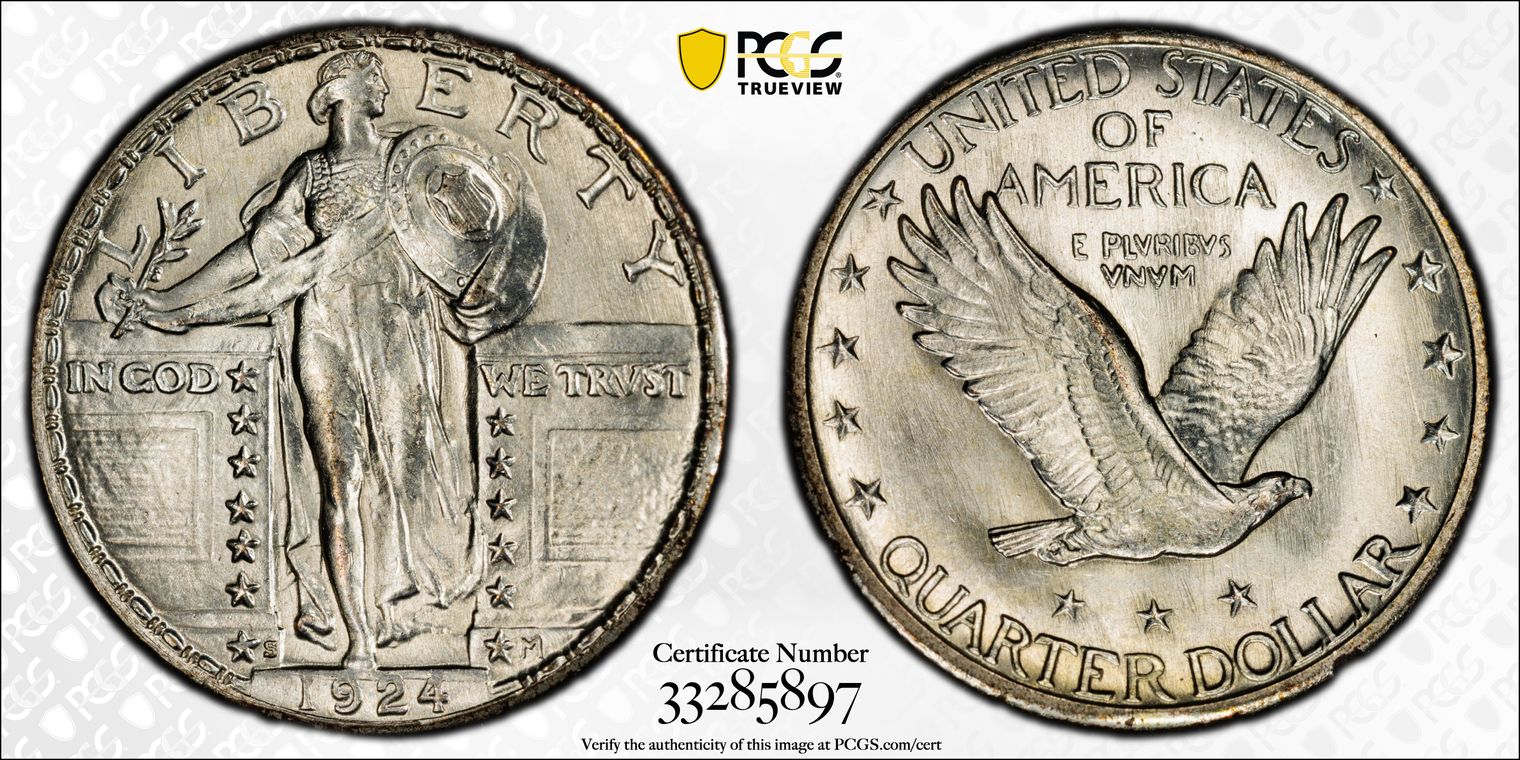
CAC. The piece shows deeply frosted silver luster with some light developing toning along Liberty's exposed leg and the eagle's forward most wing. The obverse demonstrates some softness along the shield's rivets as normal and features a die crack along the date. Liberty's temple is bold even though the hairline is weak at the ear. At MS66 the date is conditionally scarce, and the coin's allure is bolstered by CAC endorsement.
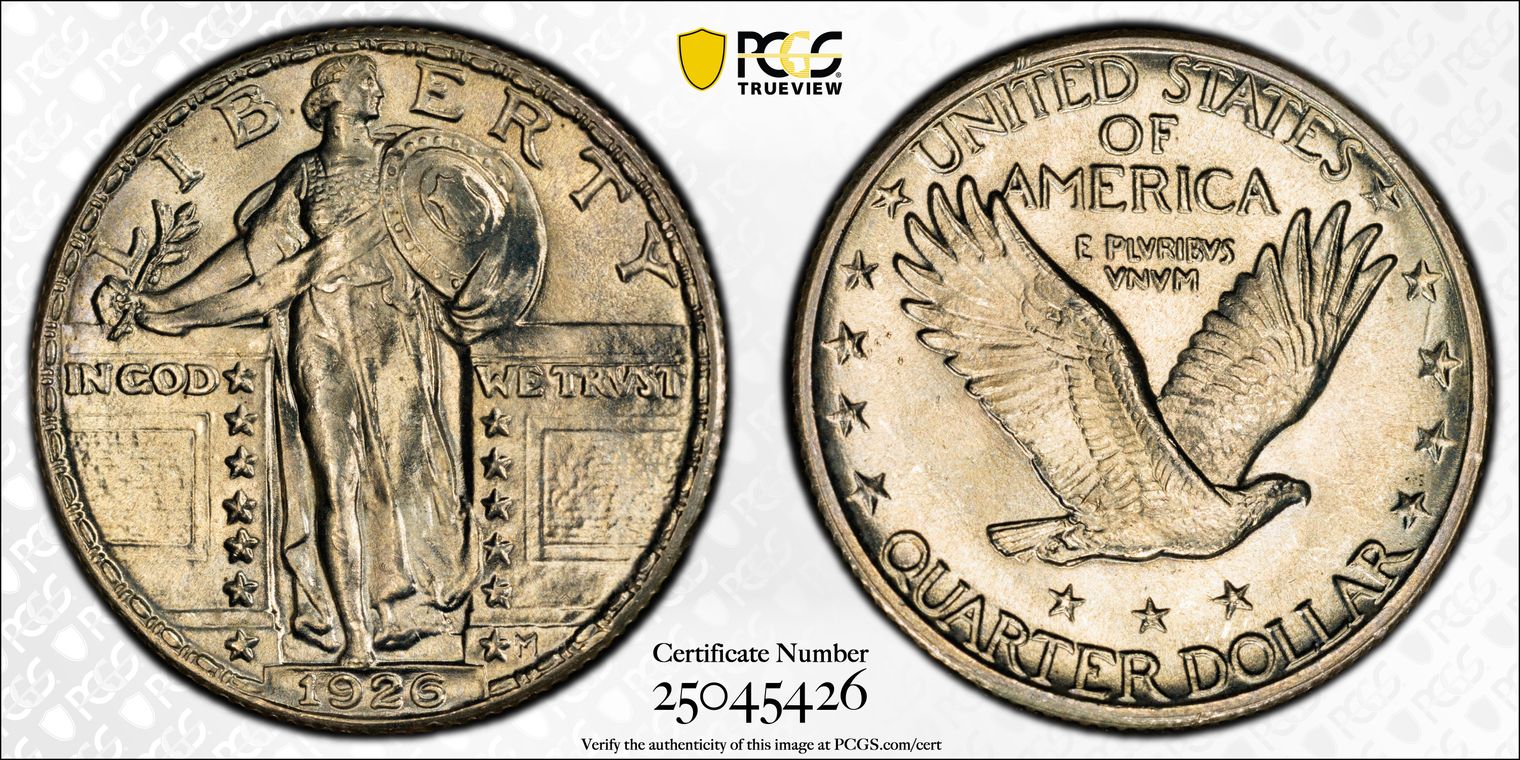
Delicate champagne toning enhances the eye appeal of this sharply defined Premium Gem Standing Liberty quarter. Both sides exhibit satin luster with brilliant silver surfaces. There are a few small marks on Liberty's leg and gown that prevent a finer grade but they are not distracting. The boldly defined head and shield add to the eye appeal. The 1926 is a plentiful date overall, but it is scarce with Full Head sharpness as fine as MS66.
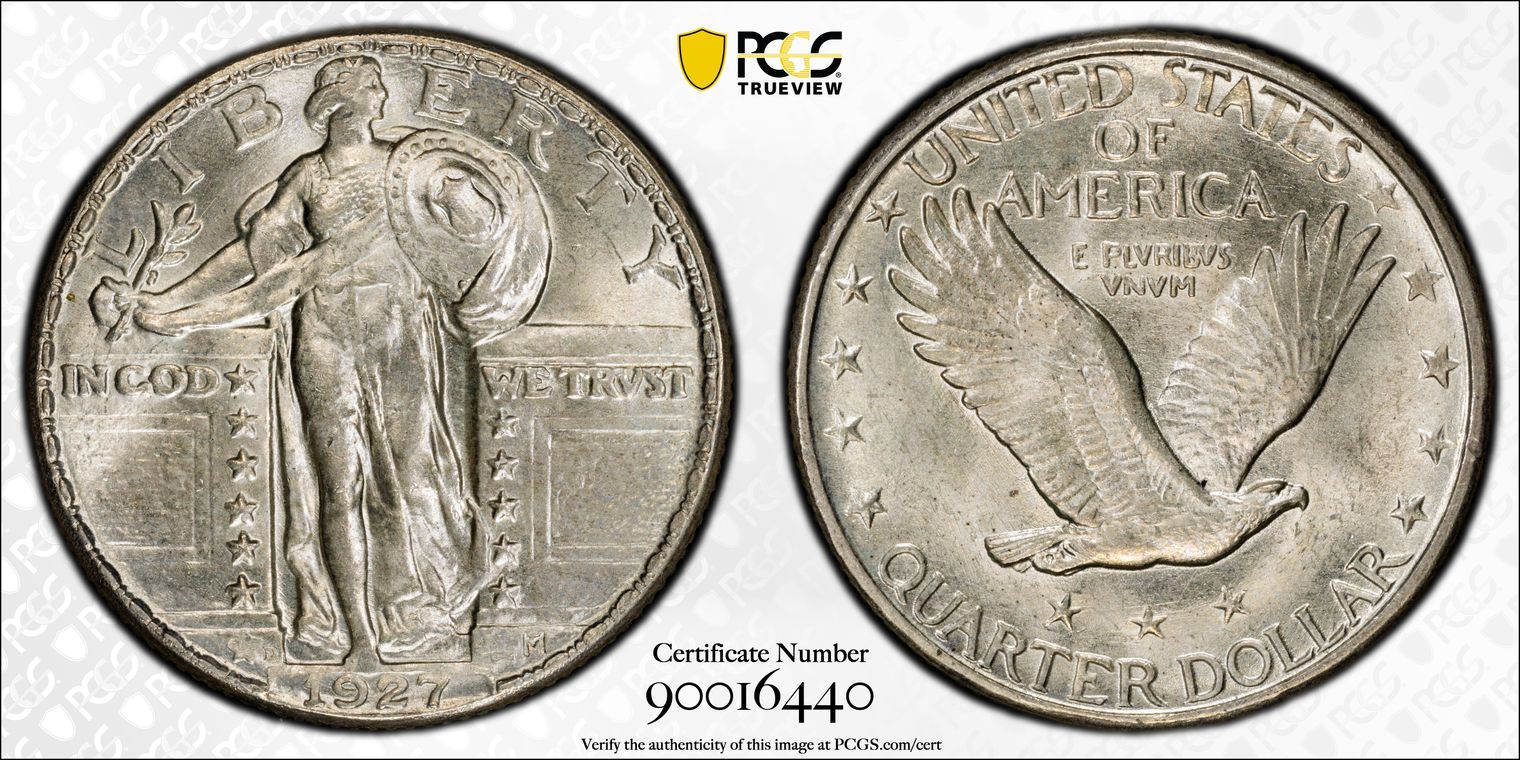
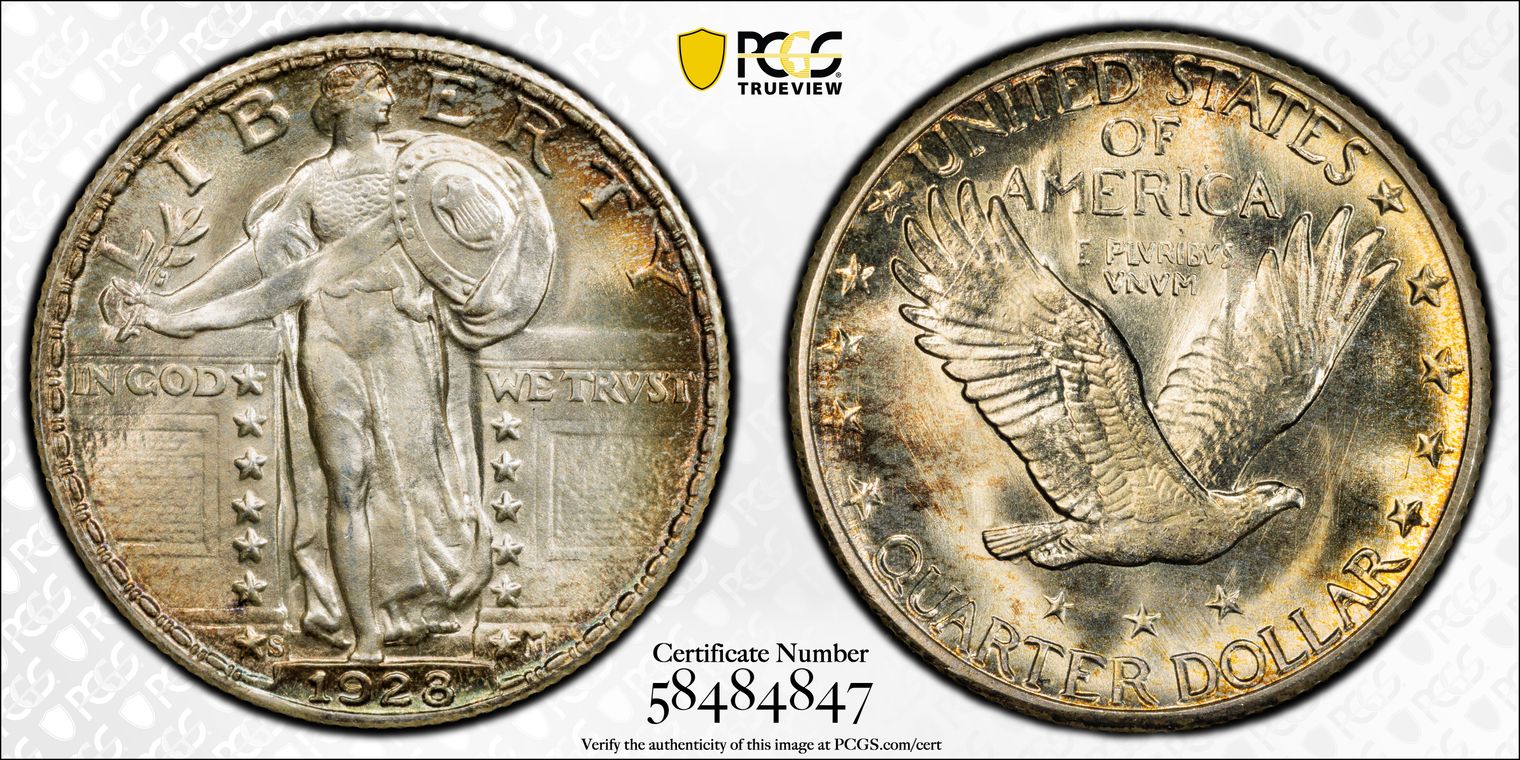
This 1928-S quarter offers an impressive strike and superlative condition for this challenging San Francisco Mint issue. Liberty's head is fully defined, as the FH designation confirms, with the balance of the design elements ranging from bold to full. This is certainly an exceptional quality of strike for the issue, and it is enhanced by smooth and vibrant satin luster that further supports the assigned grade. Attractively toned as well, with surfaces that approach numismatic perfection.
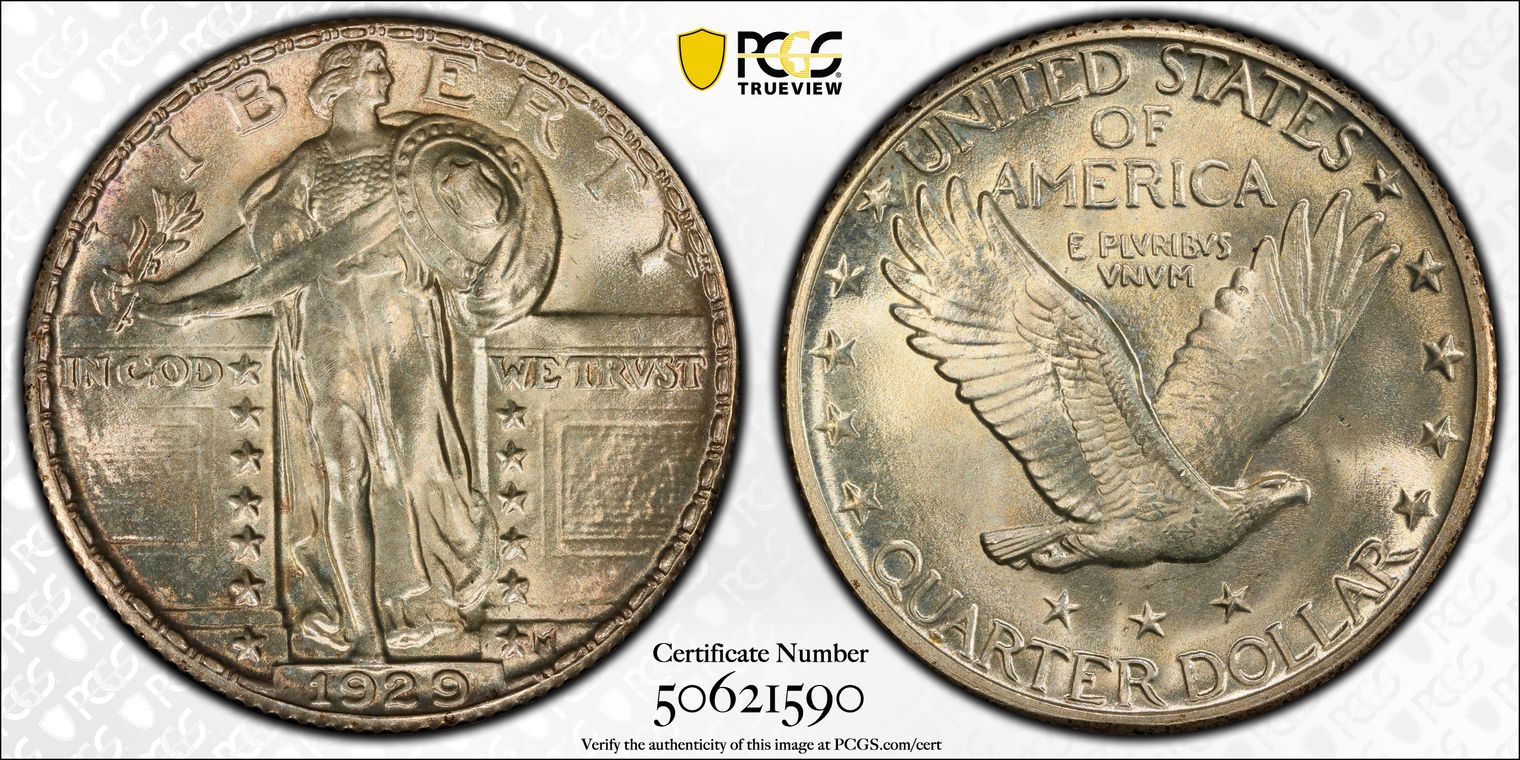
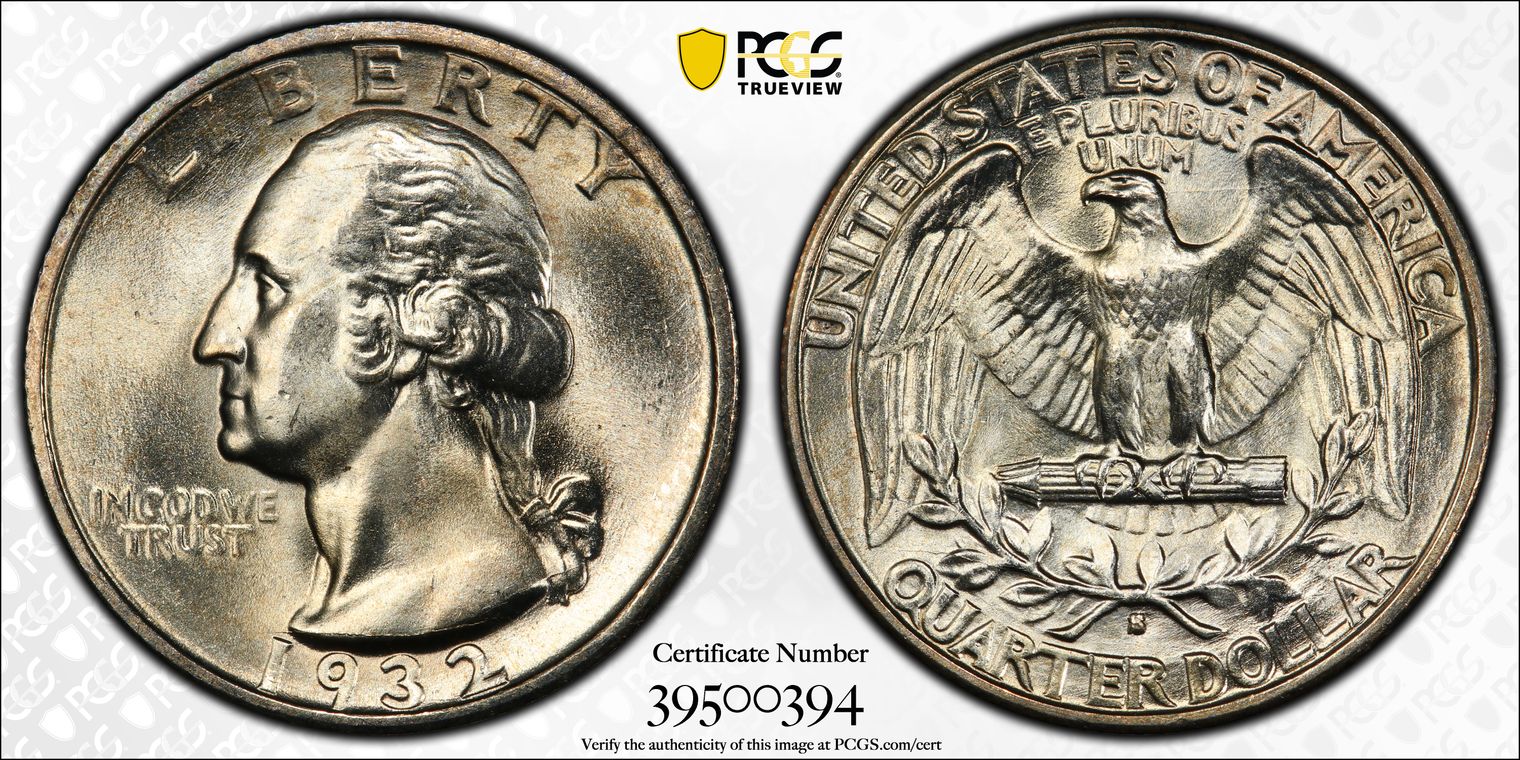
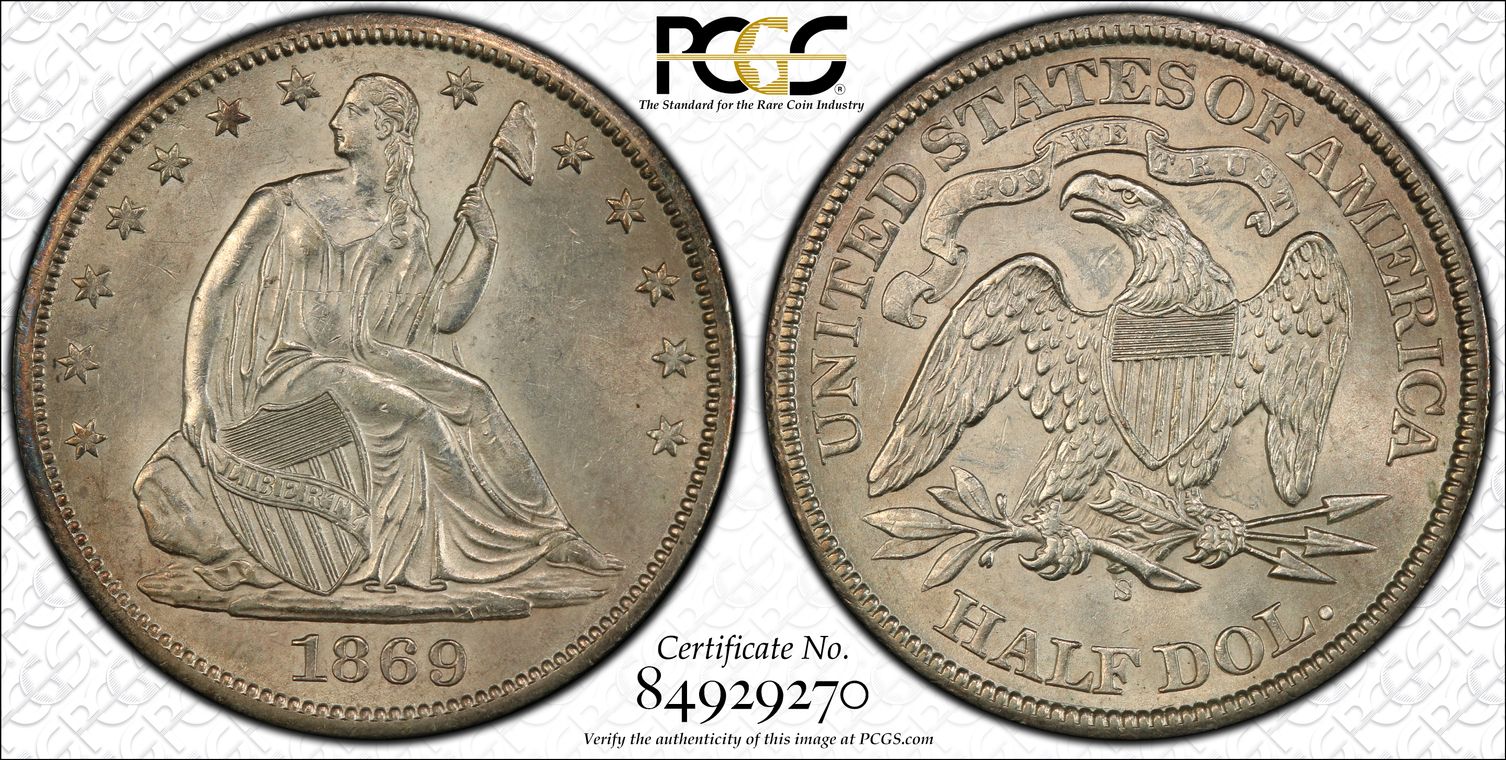
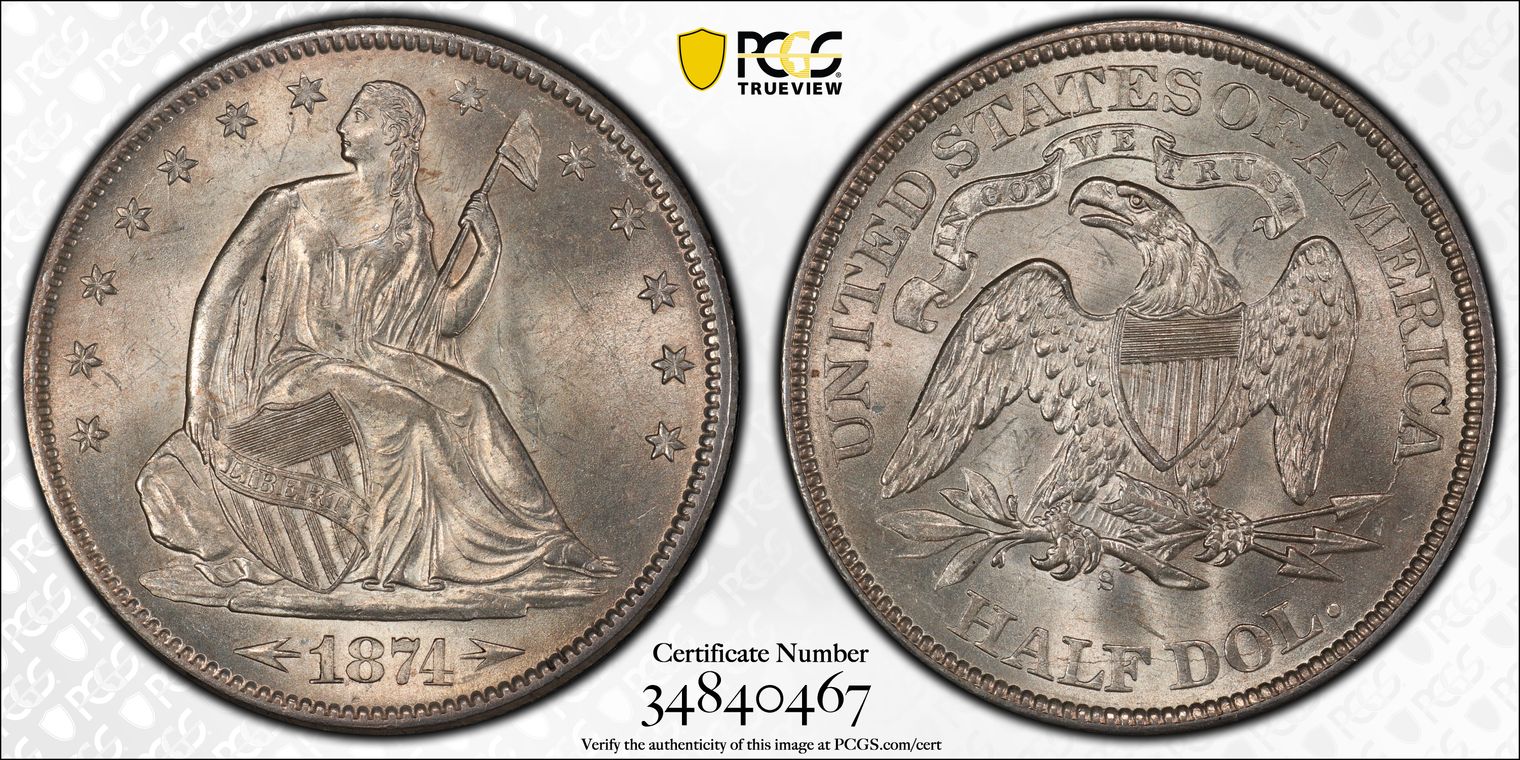
Ex Towers Collection. Arrows, Minute S, WB-103, Die Pair 3, R.3. A die chip on Liberty's chest and two other prominent lumps in the middle-left (facing) gown folds confirm the obverse, while the Minute S mintmark is high and left of the feather tip. Die cracks at stars 4, 5, and 8 suggest a late die state. Pleasing gold toning envelops the frosty, sharply struck surfaces and reddish-gold accents visit the borders. Scarce at this grade or any finer.
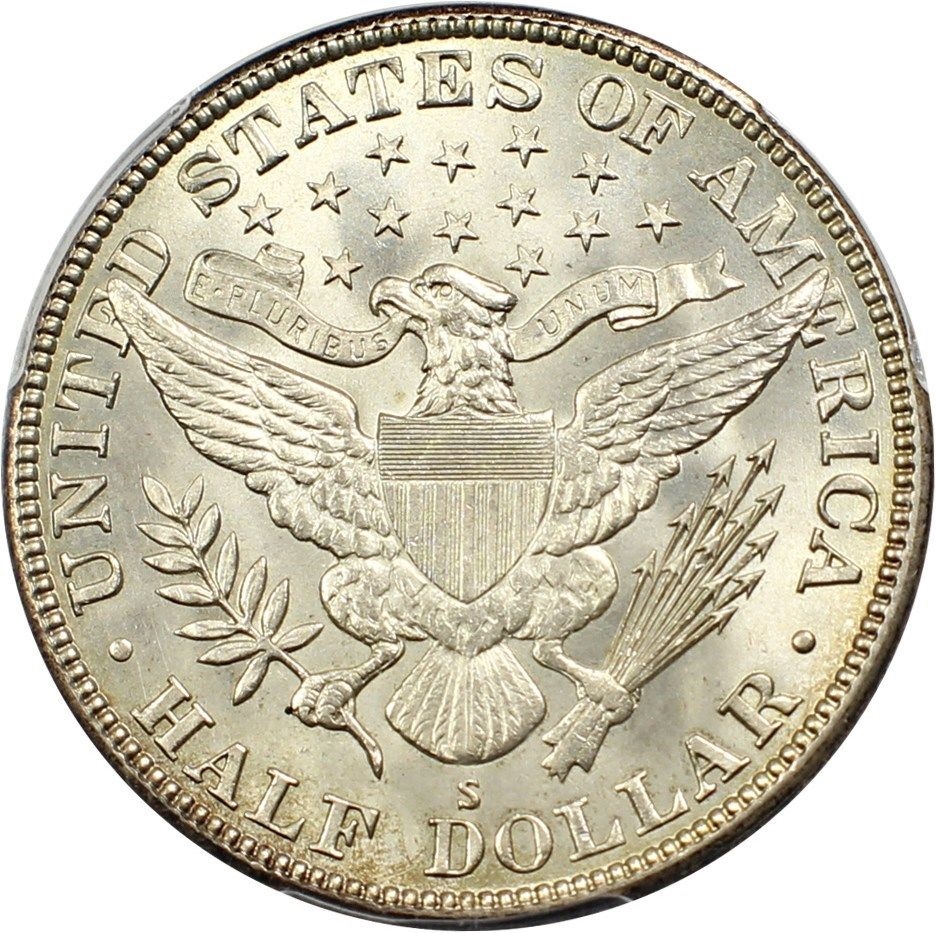
CAC. Like most issues in the Barber series, the 1914-S half dollar is conditionally scarce in Gem condition and rare any finer. This CAC-endorsed coin displays satiny luster with a hint of champagne toning. The eagle's right (facing) talons and the fletchings are a trifle soft, as usual.
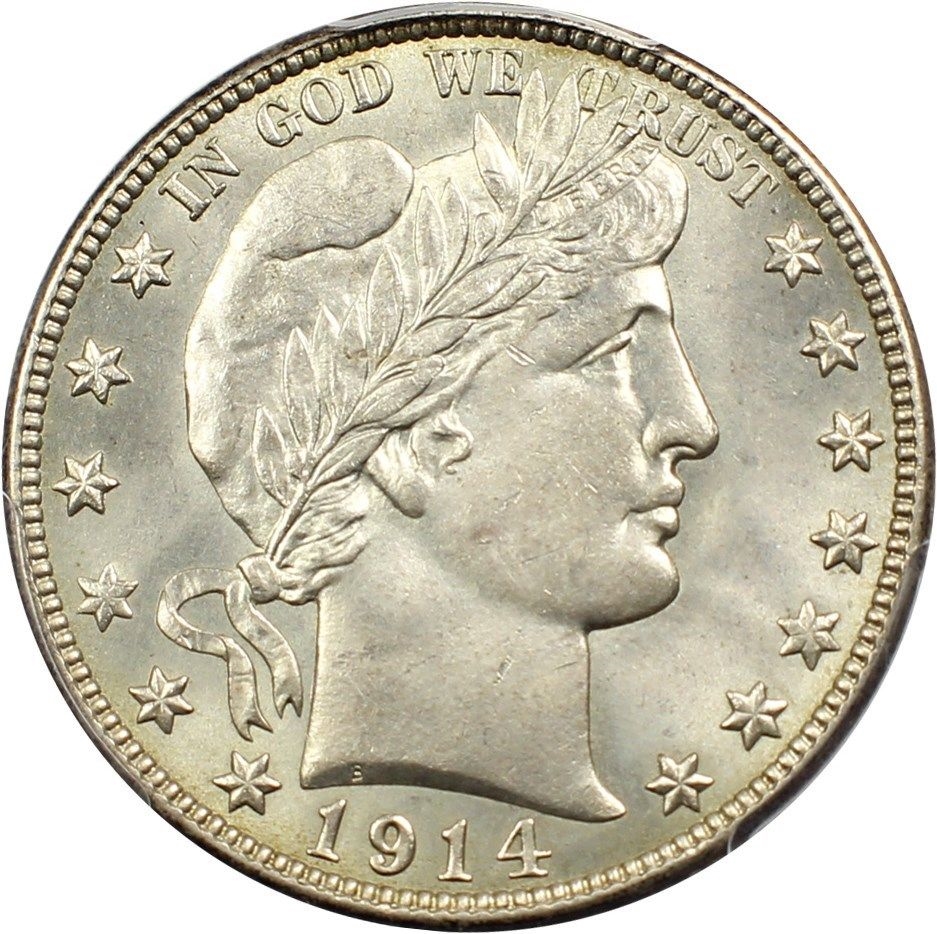
CAC. Like most issues in the Barber series, the 1914-S half dollar is conditionally scarce in Gem condition and rare any finer. This CAC-endorsed coin displays satiny luster with a hint of champagne toning. The eagle's right (facing) talons and the fletchings are a trifle soft, as usual.
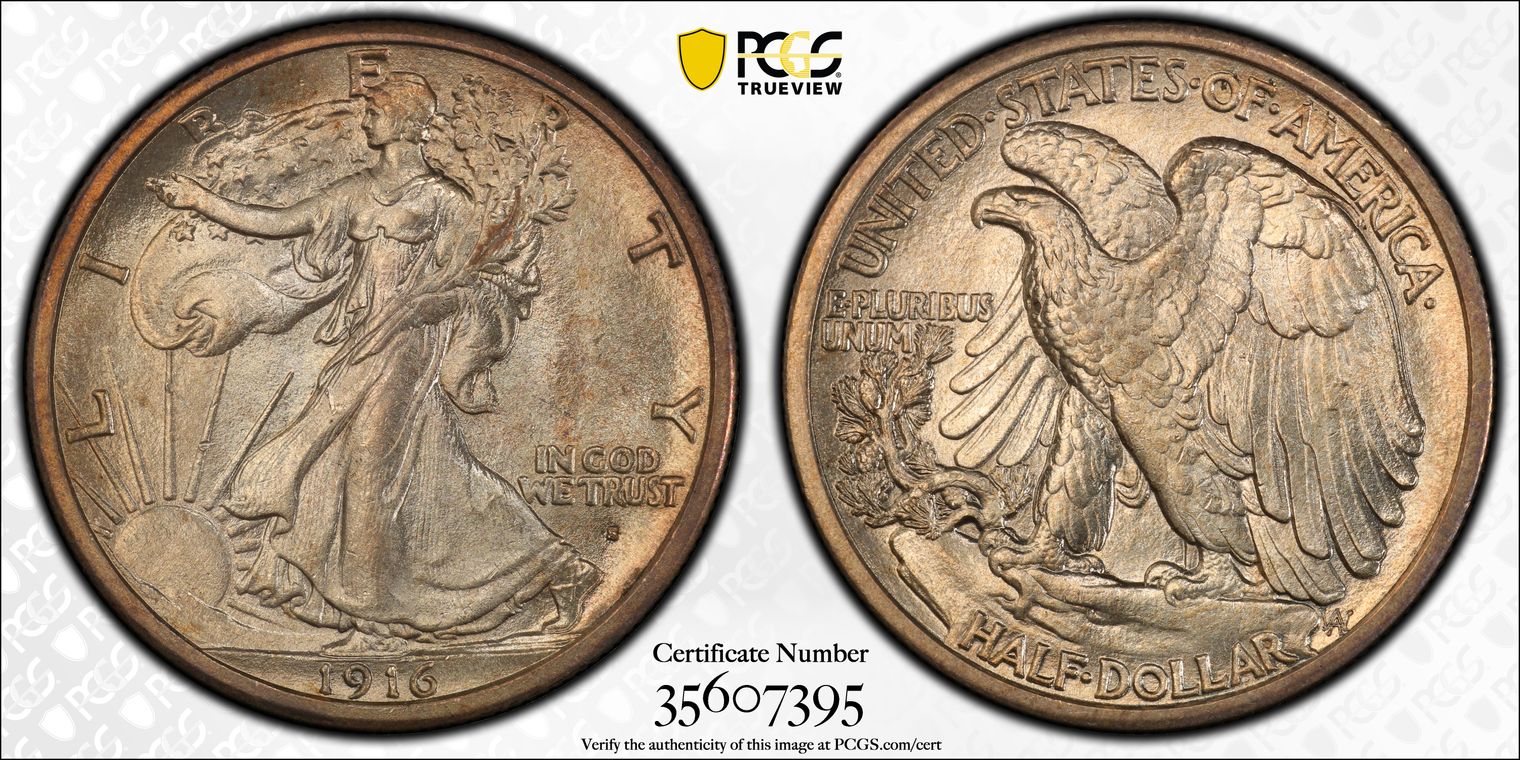
Trivial marks are noted on the obverse of this lovely Gem, preventing an even higher grade assessment. Both sides are fully lustrous with brilliant mint frost, and delicate champagne toning enhances the eye appeal. Scarce in this grade and rare finer.
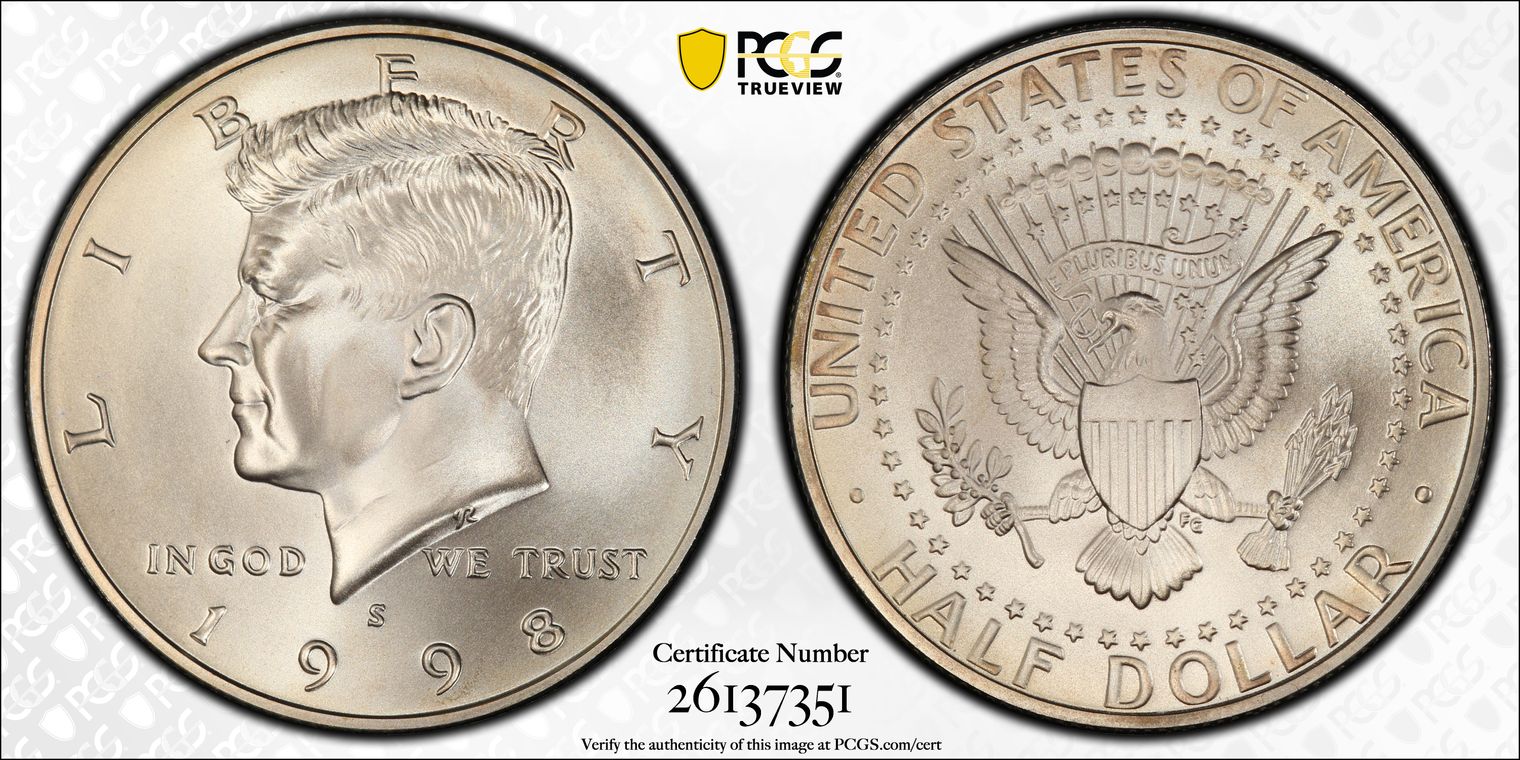
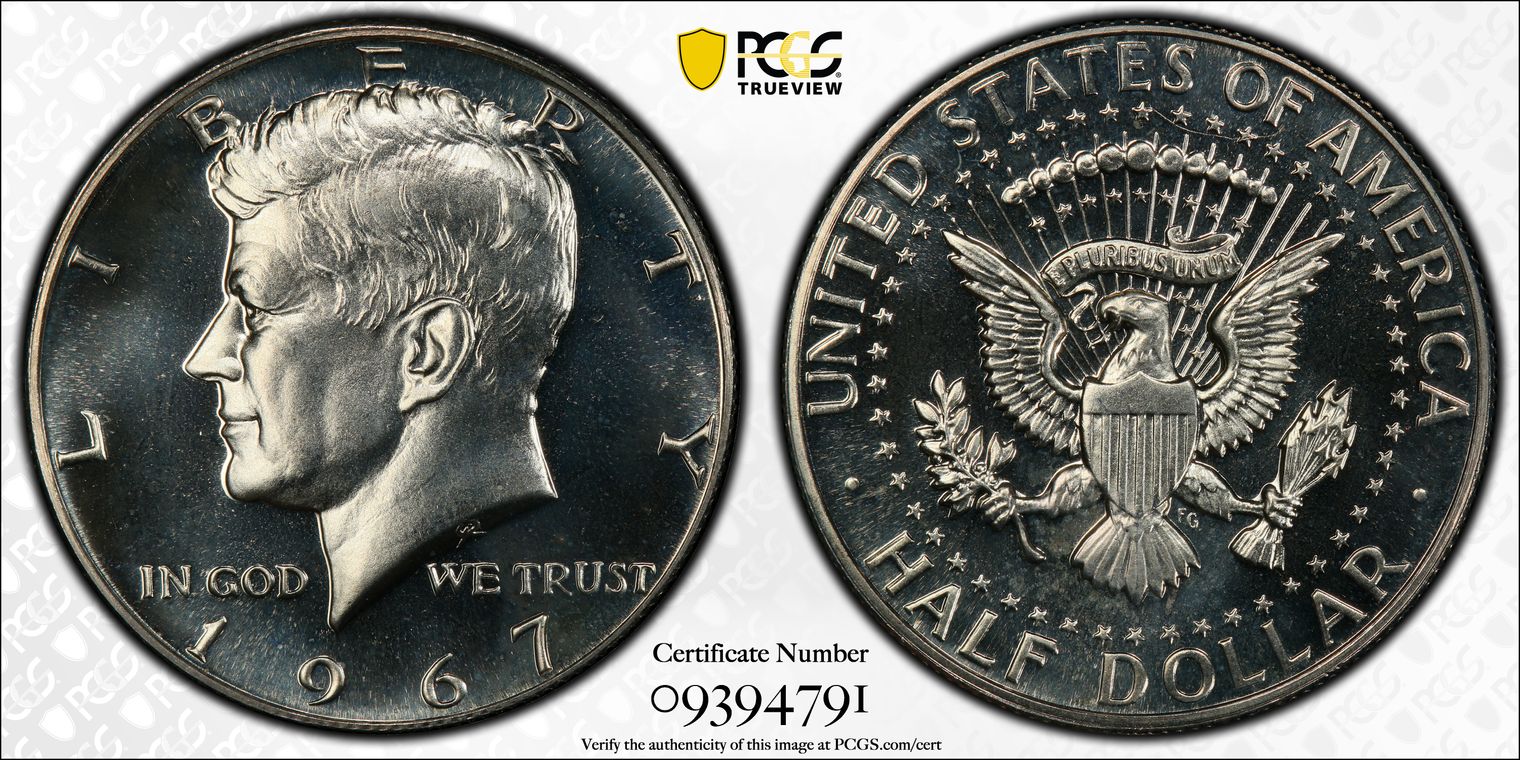
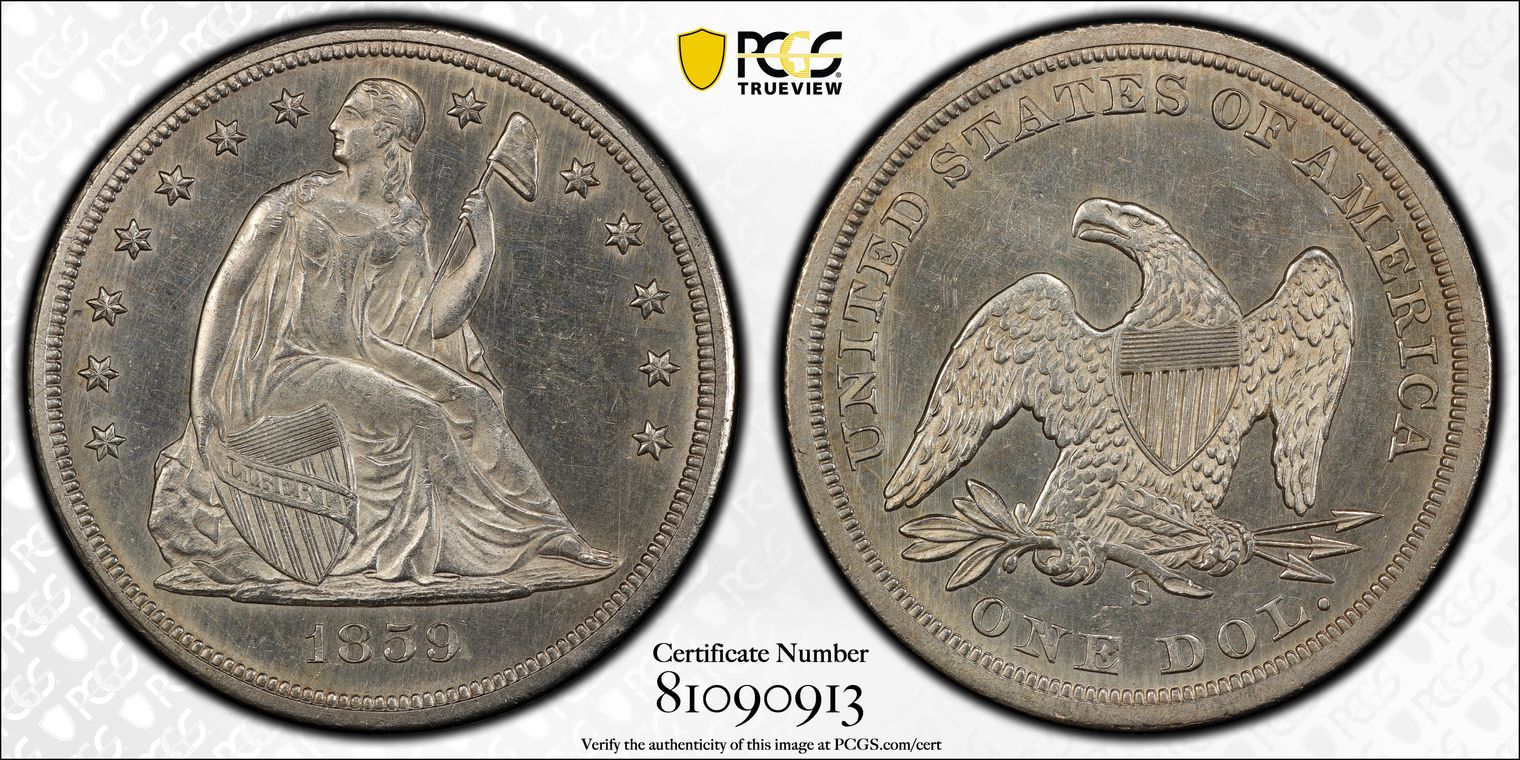
Fully white with semi reflective fields on both sides. San Francisco and the production of Silver dollars got off to a rough start in 1859. Although there seems have have been an ample supply of silver in that wild Gold Rush city, none had been coined locally into silver dollars. Limited production of dimes, quarters and half dollars had been undertaken in the late 1850s, but no silver dollars. The San Francisco Mint Superintendent Hempstead wrote to Mint Director James Ross Snowden in November if 1858 and requested dies and permission to coin silver dollars. Snowden agreed, and 10 pairs of dies were sent west. These initial San Franscico silver dollars mostly went overseas to China, where they were accepted in trade but most were melted, as the Chinese preferred the Mexican silver coins. None of these 1859-S silver dollars were hoarded and saved when they were released, hence survival is random. Mint State coins are the hardest to find, as most known examples show considerable wear from years of service in commerce. Here is one of the few that did survive with all its mint frost and luster intact. A delight for the date specialist! Only 20,000 struck. Two die varieties are identified for the 1859-S Seated Liberty silver dollar, and this is a late die state of Osborn-Cushing 1, showing a delicate die crack through the base of the date. The 1859-S had a mintage of only 20,000 coins, and survivors are elusive in all grades. Mint State pieces are especially rare. Only 46 submissions have been graded Mint State and both PCGS and NGC, 23 at each grading service, and those figures include countless resubmissions.. This lovely Mint State piece shows striking weakness at the usual locations, including the stars at the upper right obverse, the top of the left (facing) wing, and the eagle's neck. The surfaces are brilliant and untoned, with prooflike fields. This is an outstanding example for an advanced collector.
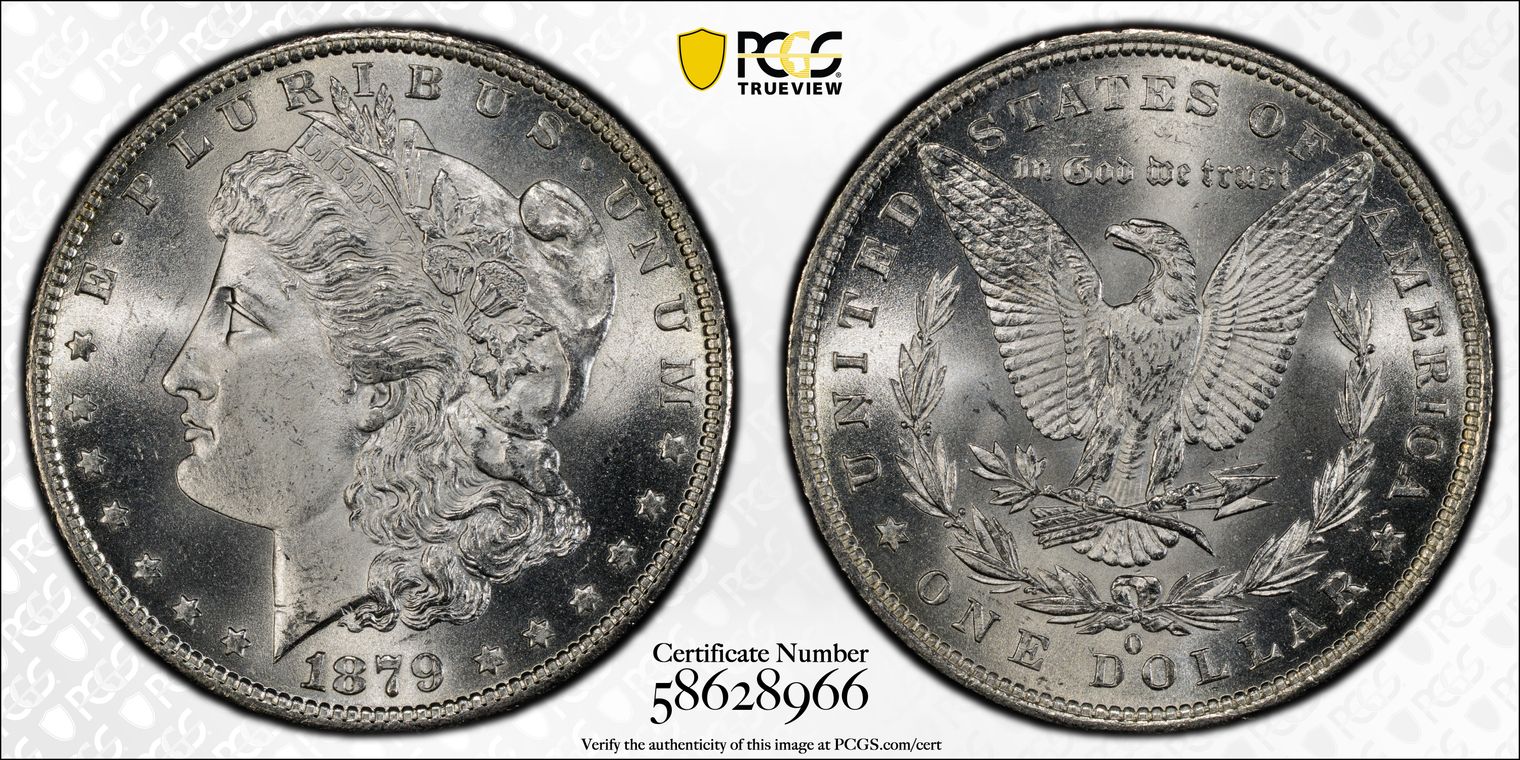
CMQ - Exceptional Quality. A brilliant and beautiful example with bountiful mint luster and bold to sharp strike detail. The surfaces are remarkably well preserved and approach perfection for the issue. Production of the 1879-O marked the reopening of the New Orleans Mint following the Civil War. With a mintage of 2,887,000 examples, this issue is readily available overall thanks to the storage and eventual release of thousands of Mint State coins. According to Q. David Bowers in his 1993 silver dollar encyclopedia, the largest releases came in 1957 (five to 10 bags) and during the early 1960s (multiple 1,000-coin bags). As with many Morgan dollars, the 1879-O is rare in the finest Mint State grades, which for this issue means MS-66 and higher. One of the most impressive examples of this New Orleans Mint Morgan dollar that we have offered in recent sales, this coin is sure to appeal to discerning bidders.
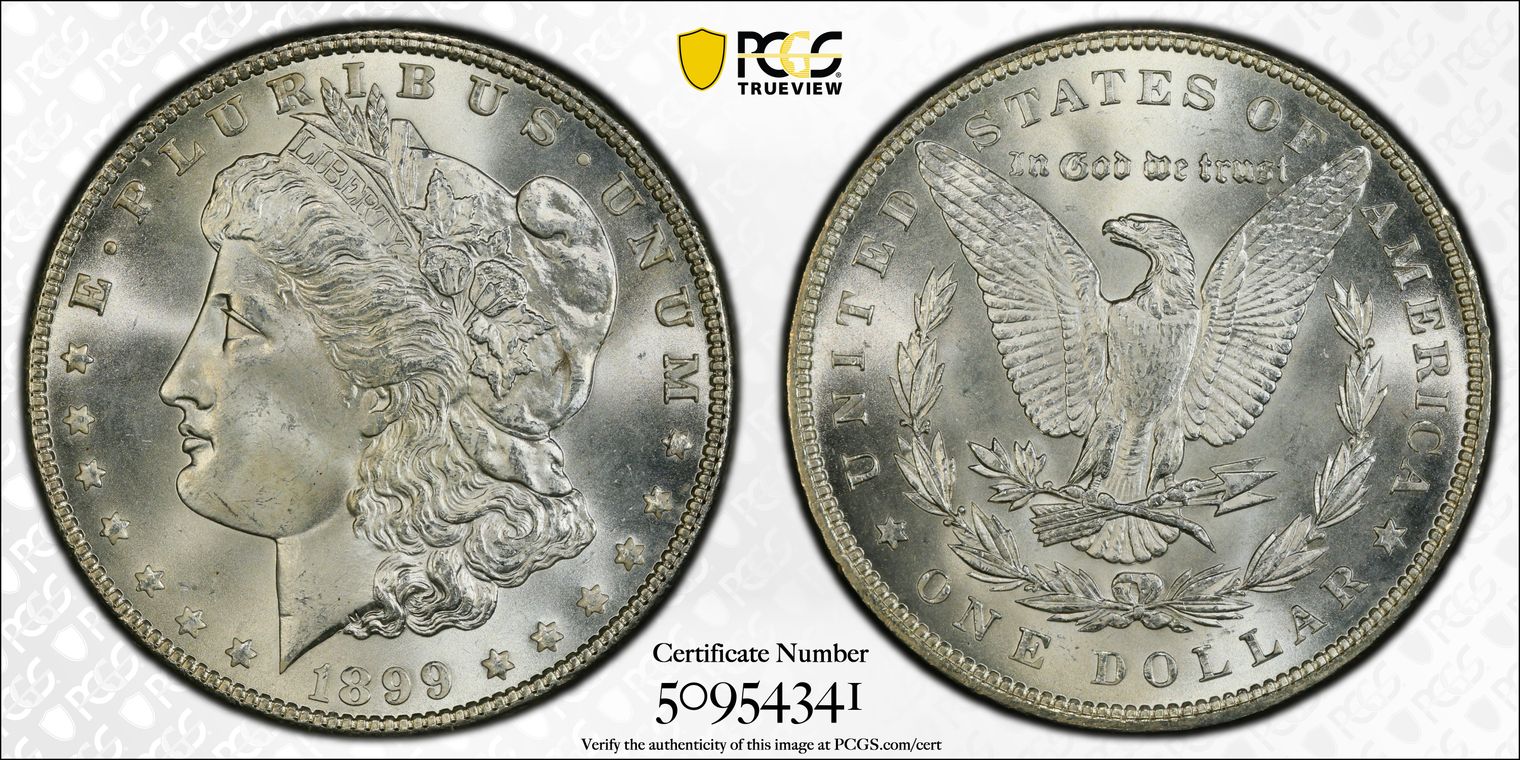
The Open and Closed 9s variety, VAM-6 shows a closed left 9 and an open right 9, with horizontal polishing lines at the hair edge below Liberty's ear and at the eagle's right (facing) leg. This Superb Gem is fully brilliant and lustrous with both sides showing satiny, misty-gray luster delivering exceptional eye appeal. The surfaces are unabraded as expected for the high grade, and the devices show excellent design definition with only slight central weakness, as usual. No numerically finer examples have been certified at either service, making this a significant opportunity for Morgan specialists and Registry collectors.
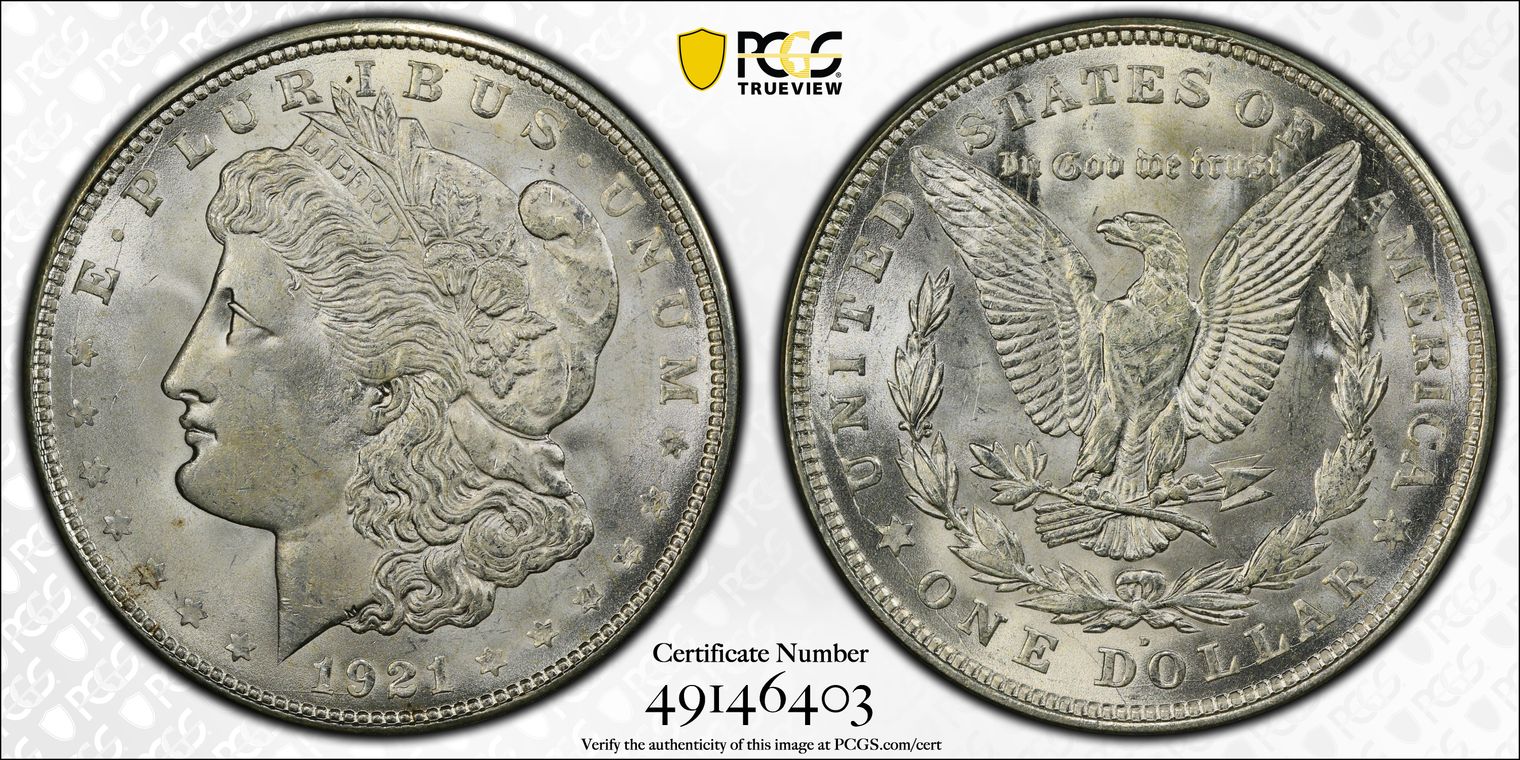
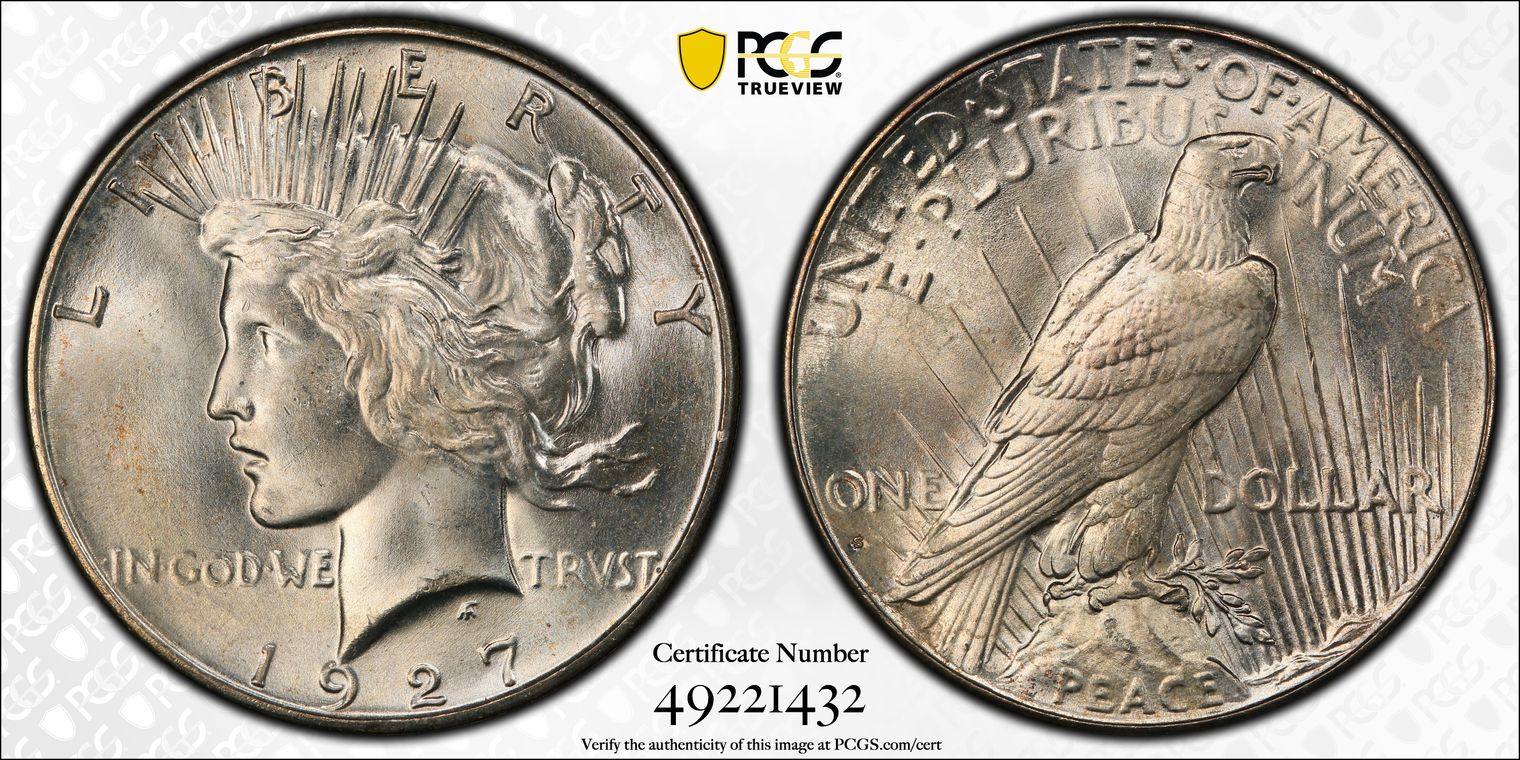
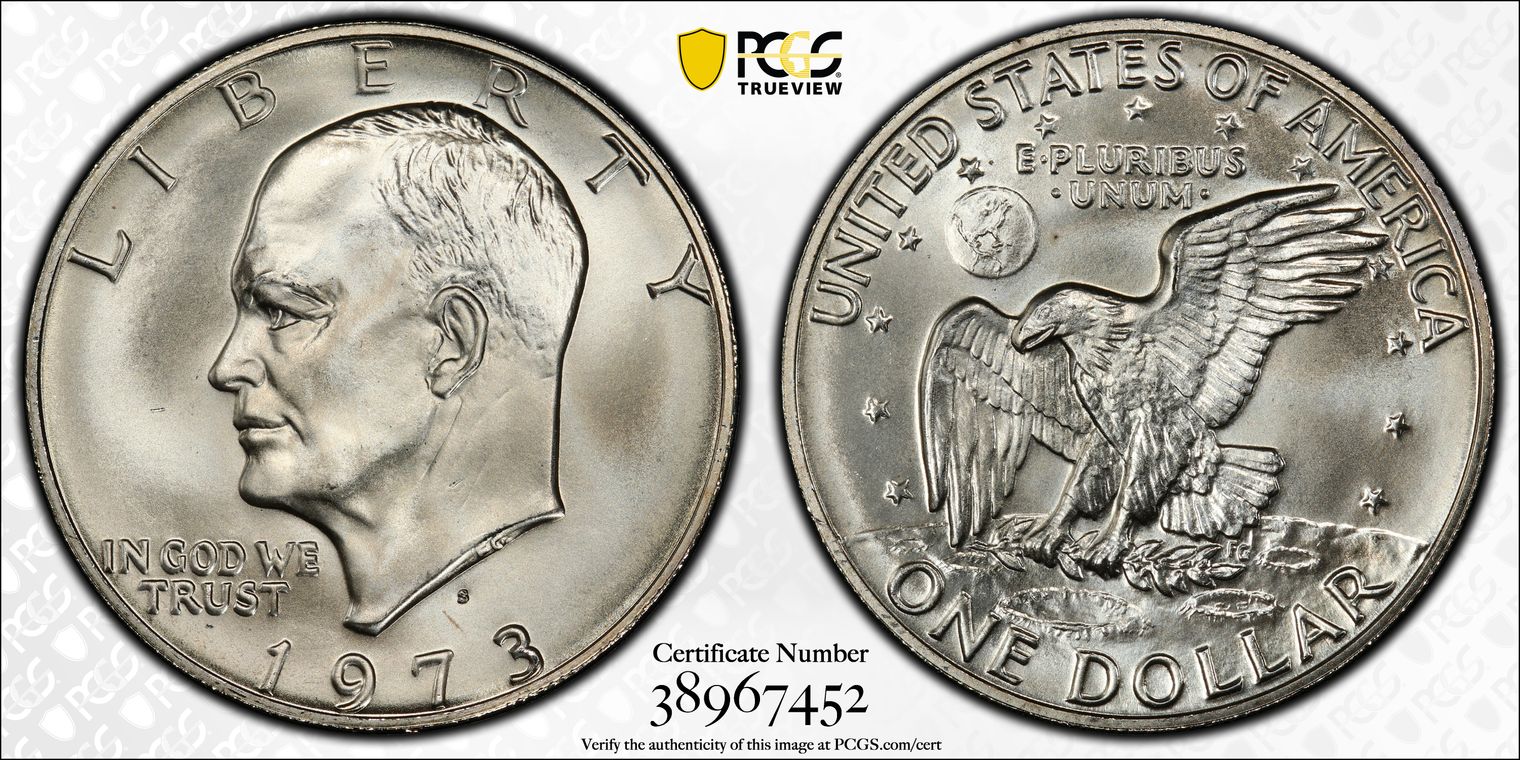
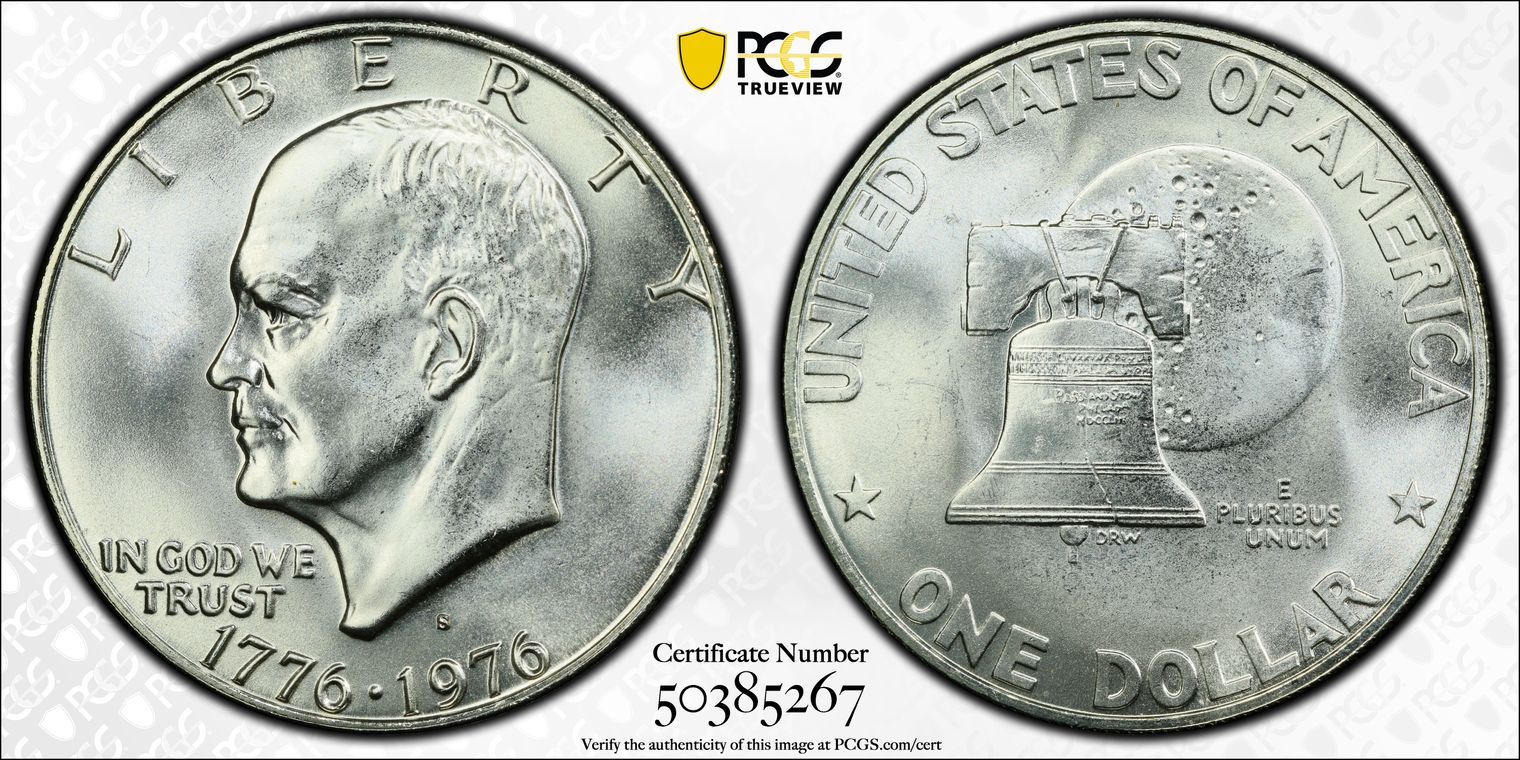
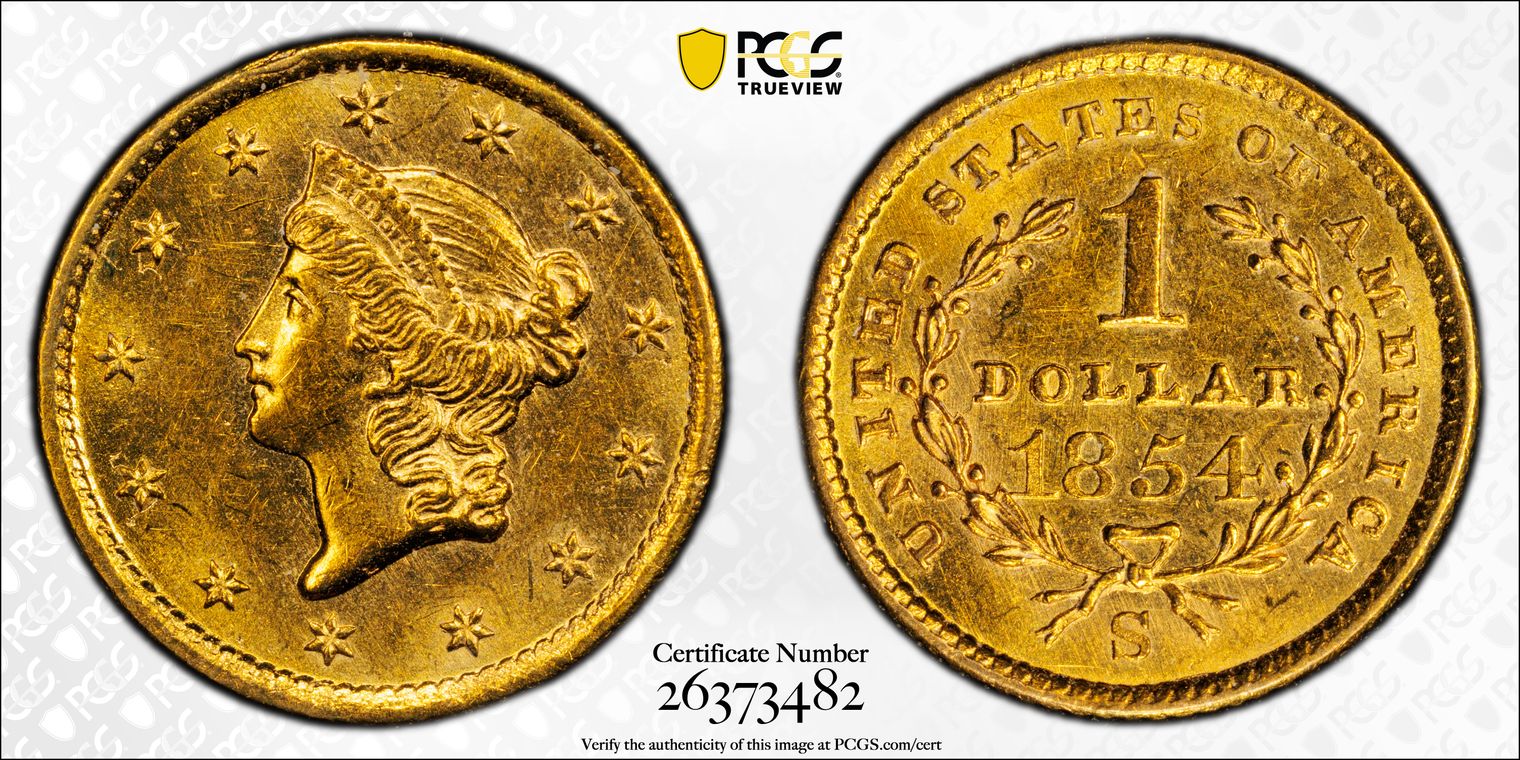
During its first year of operation, the San Francisco Mint produced gold dollars, quarter eagles, half eagles, eagles, and double eagles. While the quarter eagles and half eagles are major rarities, Mint State dollars are also elusive with PCGS reporting only 22 examples finer than this piece (4/25). This sharply defined piece has pleasing yellow luster, has a few grade-limiting marks.
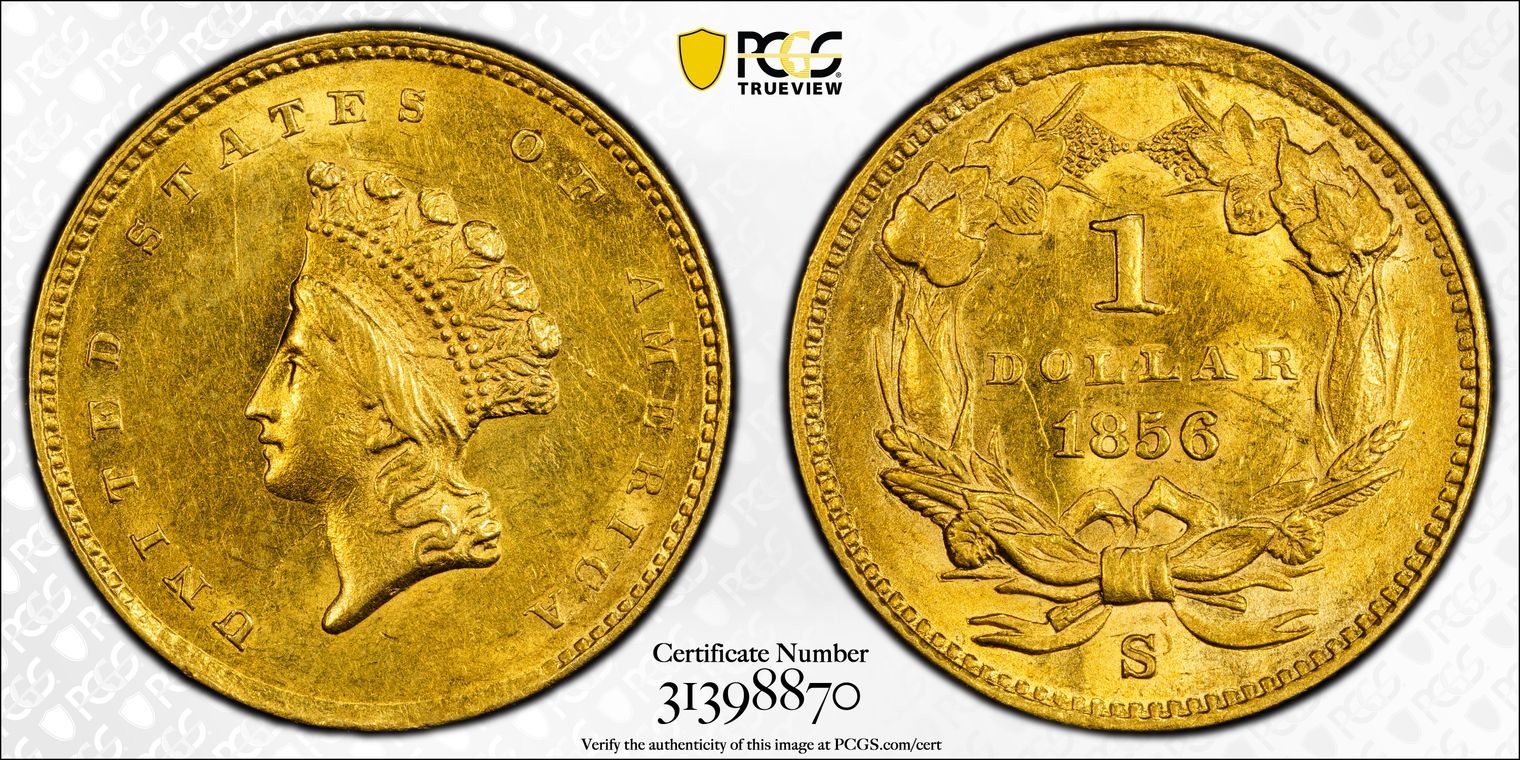
A scarce date in all grades, and very difficult to find in Mint State as there were only 24,600 pieces minted. The last auction appearance of an MS62 piece was in August of 2016 at Stack's Bowers.
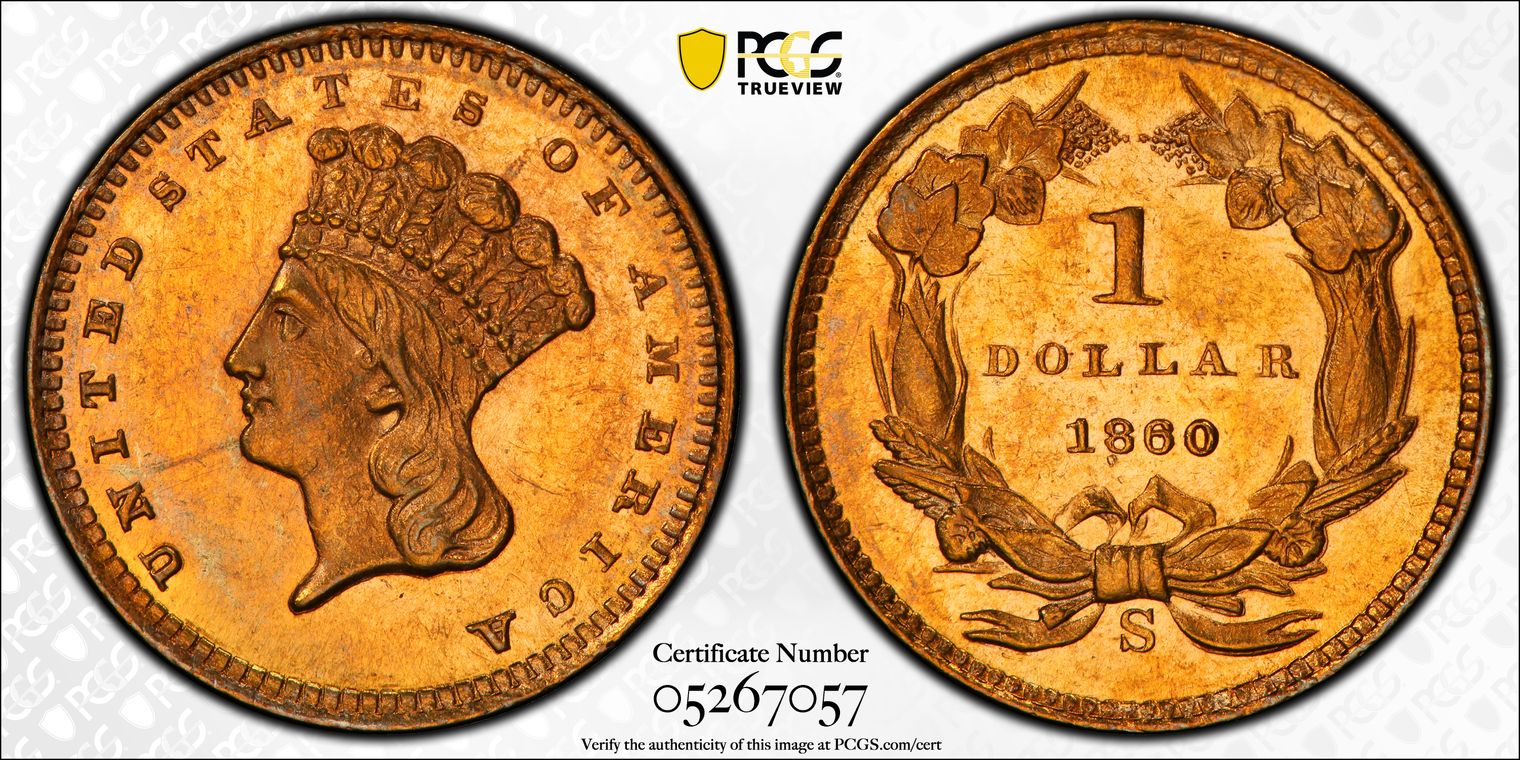
Ex Sand Hill Collection. A very pretty and CHOICE example of this very scarce date. Only 13,000 were struck and only 175 are estimated to survive in all grades, 20 in all Mint State grades (per PCGS CoinFacts). Well struck up with semi-Prooflike, rich orange-gold surfaces. While the initial look is that of a higher grade, close inspection shows some very minor marks consistent with the assigned grade. Coming from a mintage of 13,000 pieces, the 1860-S gold dollar is scarce, and it is underrated -- particularly in Mint State. This MS63 coin is a rarity, with most Uncirculated coins known residing in MS61 or MS62. The strike is razor-sharp, and each side exhibits rich orange-gold patina with faintly reflective fields. Light contact marks define the grade.
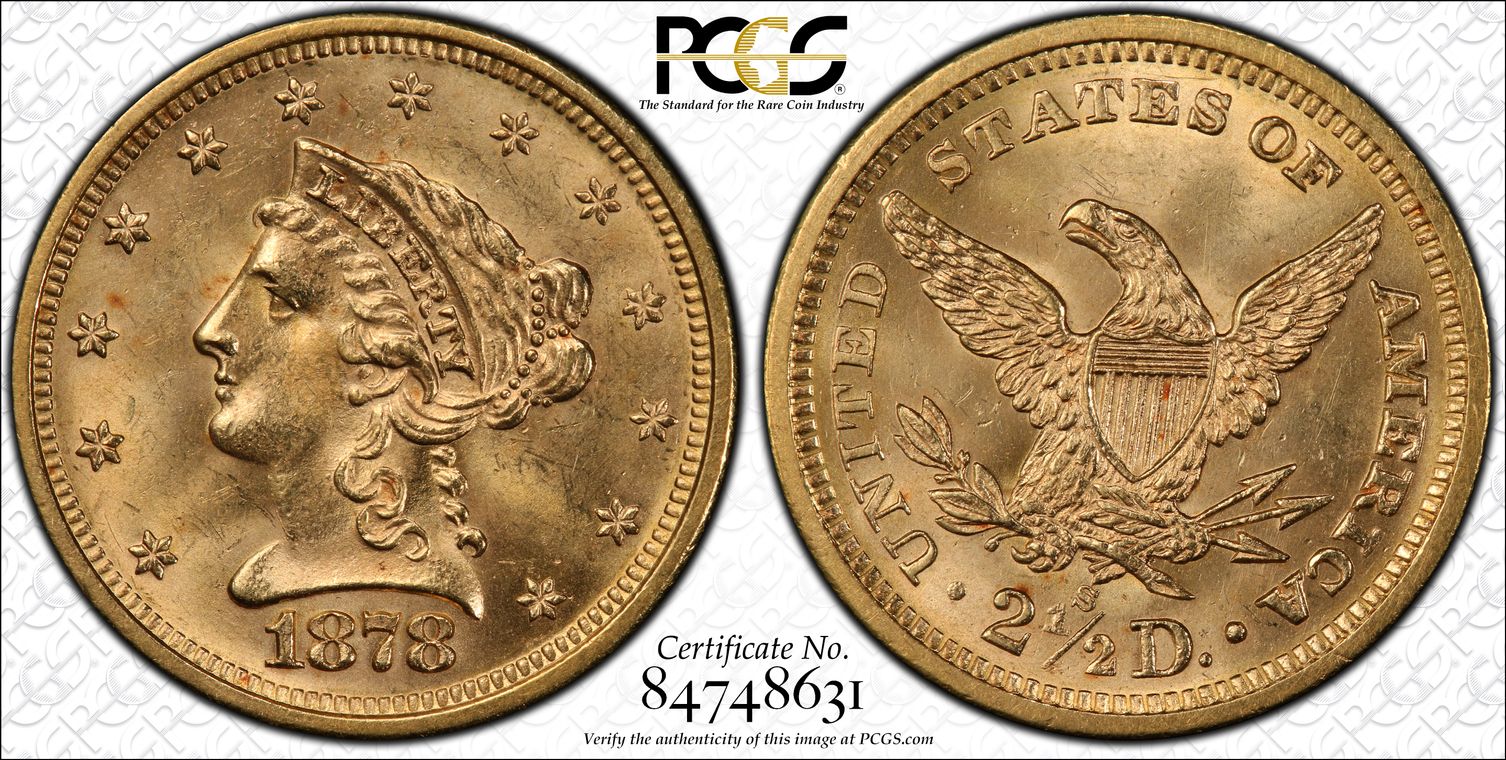
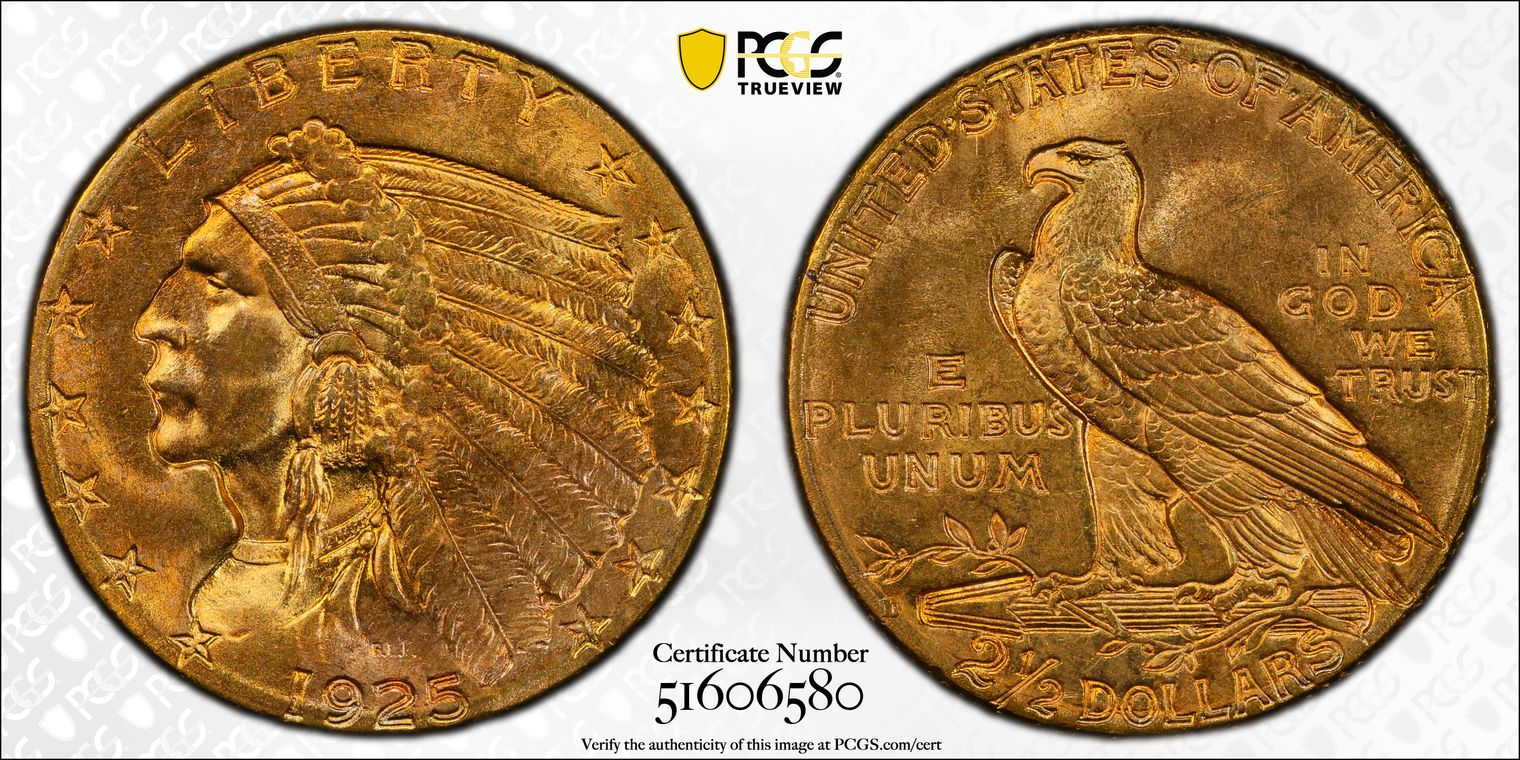
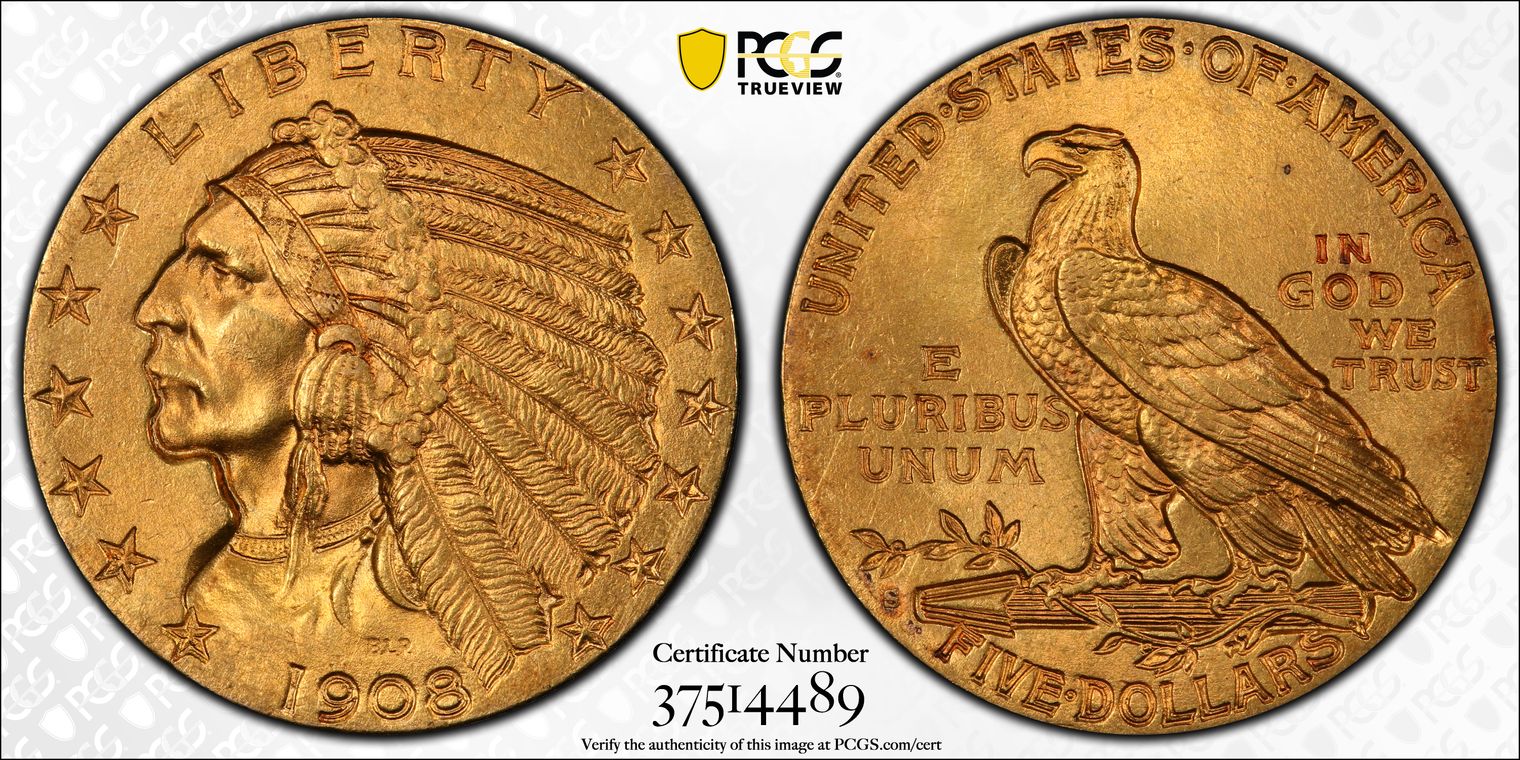
Despite the low mintage of just 82,000 pieces, a limited number of high-grade Uncirculated examples of the 1908-S survive. This issue was well-produced by the San Francisco Mint, with generally sharp strikes and fewer handling marks than other S-mint half eagles. Eye appeal is above average on most Choice Uncirculated or finer examples. This smooth and lustrous 1908-S displays all of the positive attributes of the issue, with exceptionally few post-mint distractions. Gleaming orange-gold surfaces flash occasional lilac accents, and the strike is crisp on both sides. Scrutiny with a loupe reveals no significant abrasions or marks on the obverse, and just a solitary carbon fleck (pinpoint in size) on the reverse beneath M in AMERICA. Mint luster flows evenly across the fields and devices.
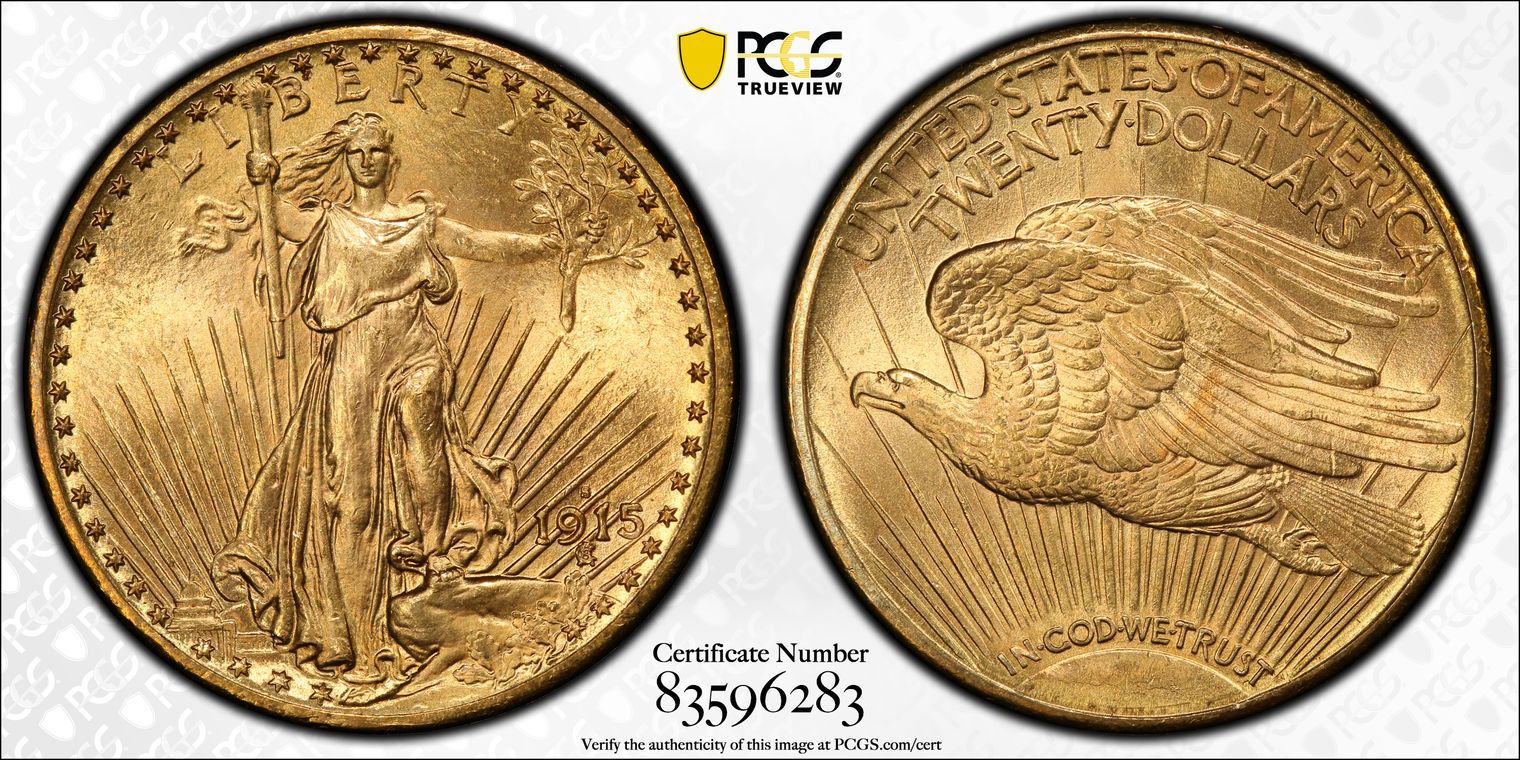
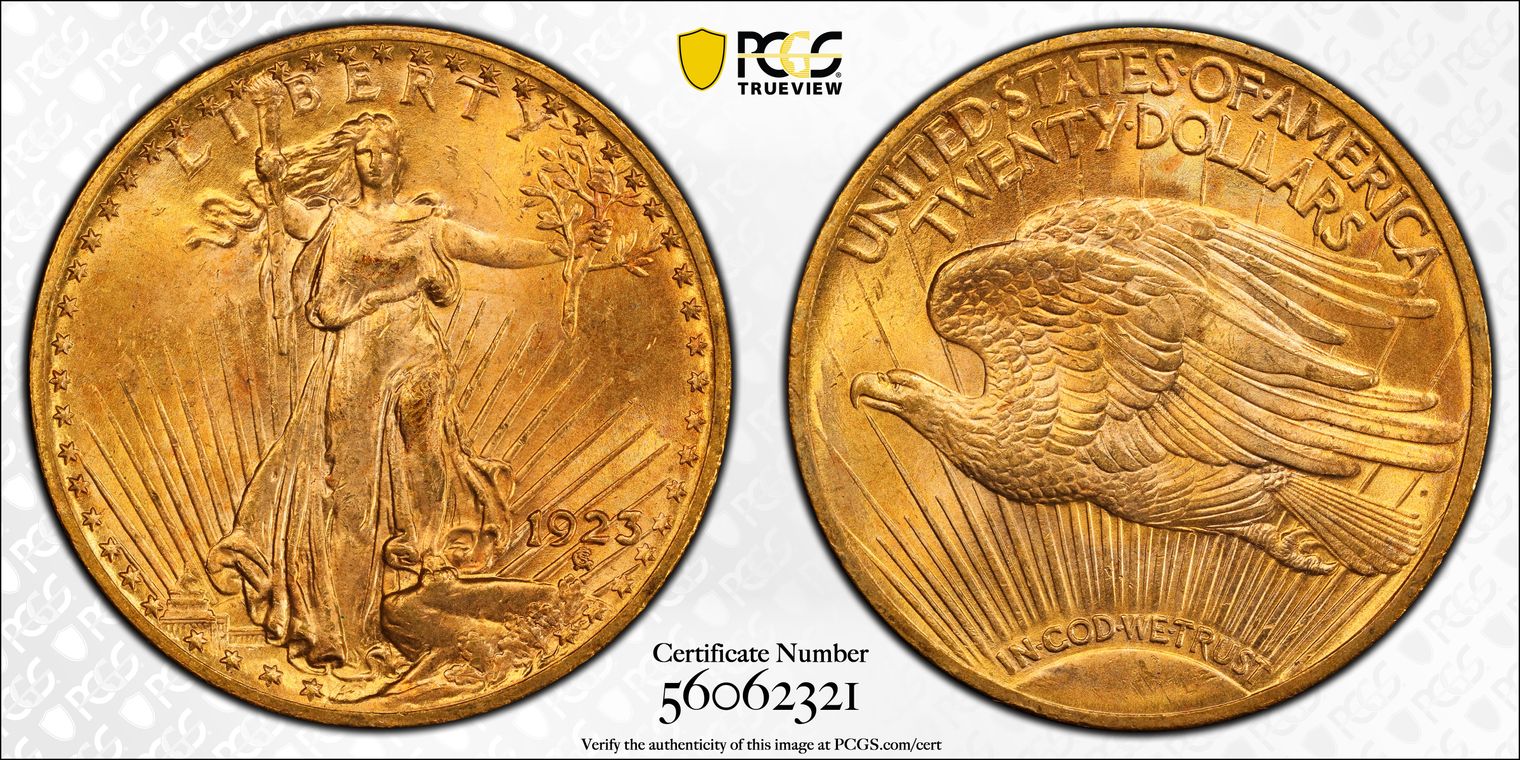
Underrated Issue in High Grade. The 1923 Saint-Gaudens double eagle avoided the Gold Recall mass meltings and most of the mintage found its way to European holdings, where the coins were used in bank-to-bank transfers. Research by Roger Burdette indicates about 59,000 repatriated 1923 twenties exist today. Not surprisingly, the average survivor grades MS62 although present coin is far finer than that -- a splendid MS65 example. It was most likely carefully preserved domestically, perhaps one of the pyx coins obtained from the Mint Cashier, or otherwise obtained from the Philadelphia Mint. Radiant orange-gold color gleams from sharply struck, frosted surfaces. The eye appeal is terrific. PCGS reports only six numerically finer examples, plus 14 pieces in 65+