



Blackhawk's Coin Album
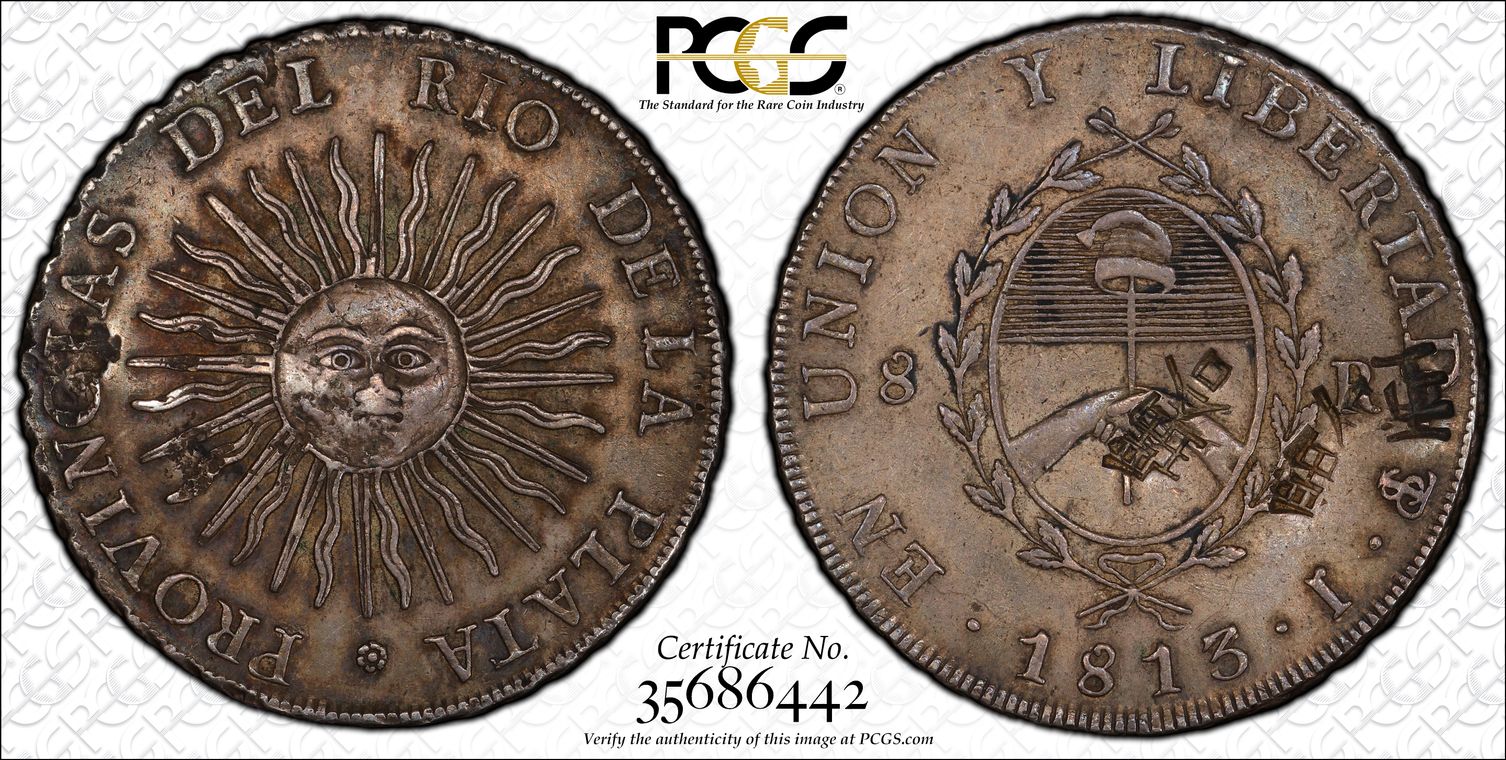
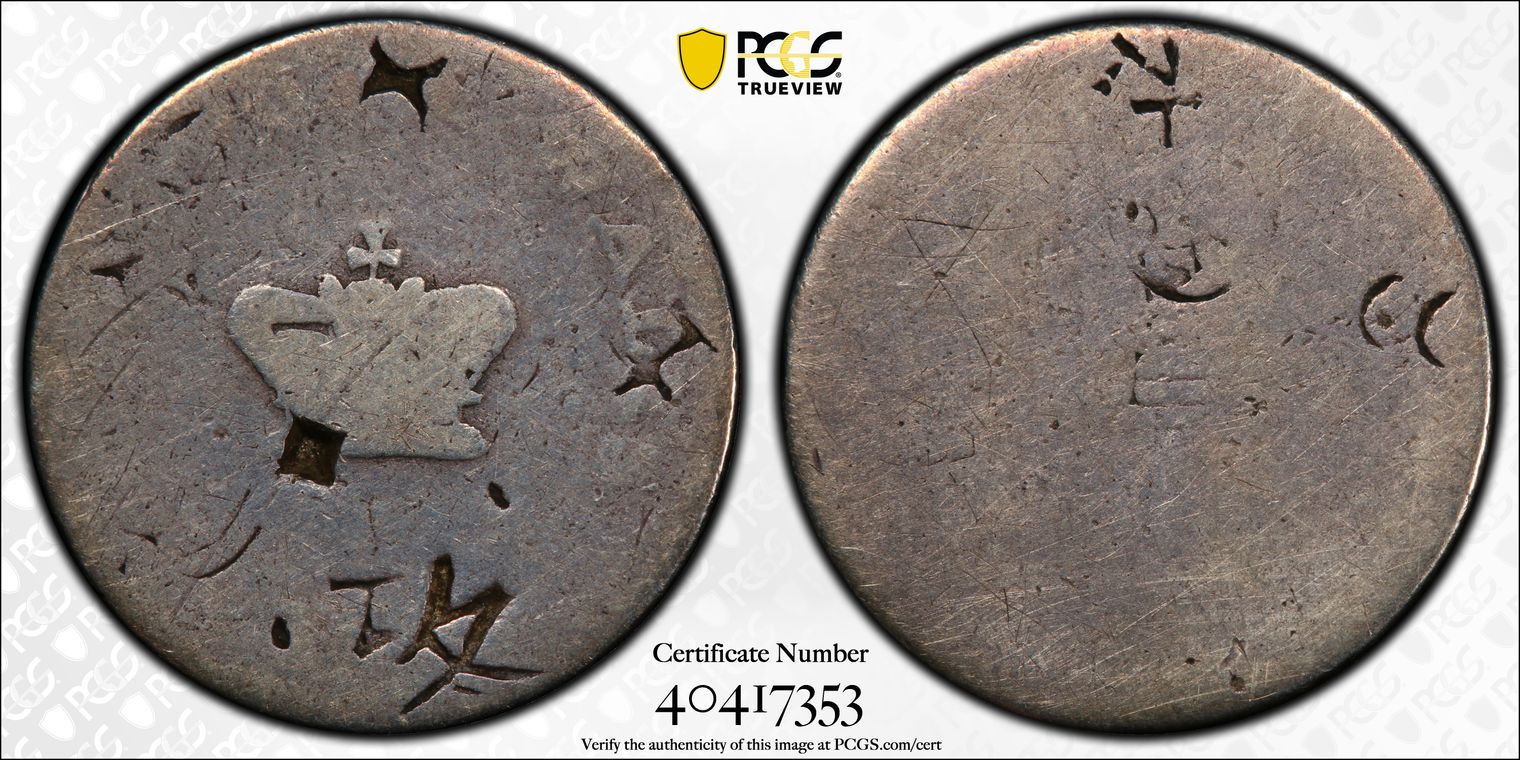
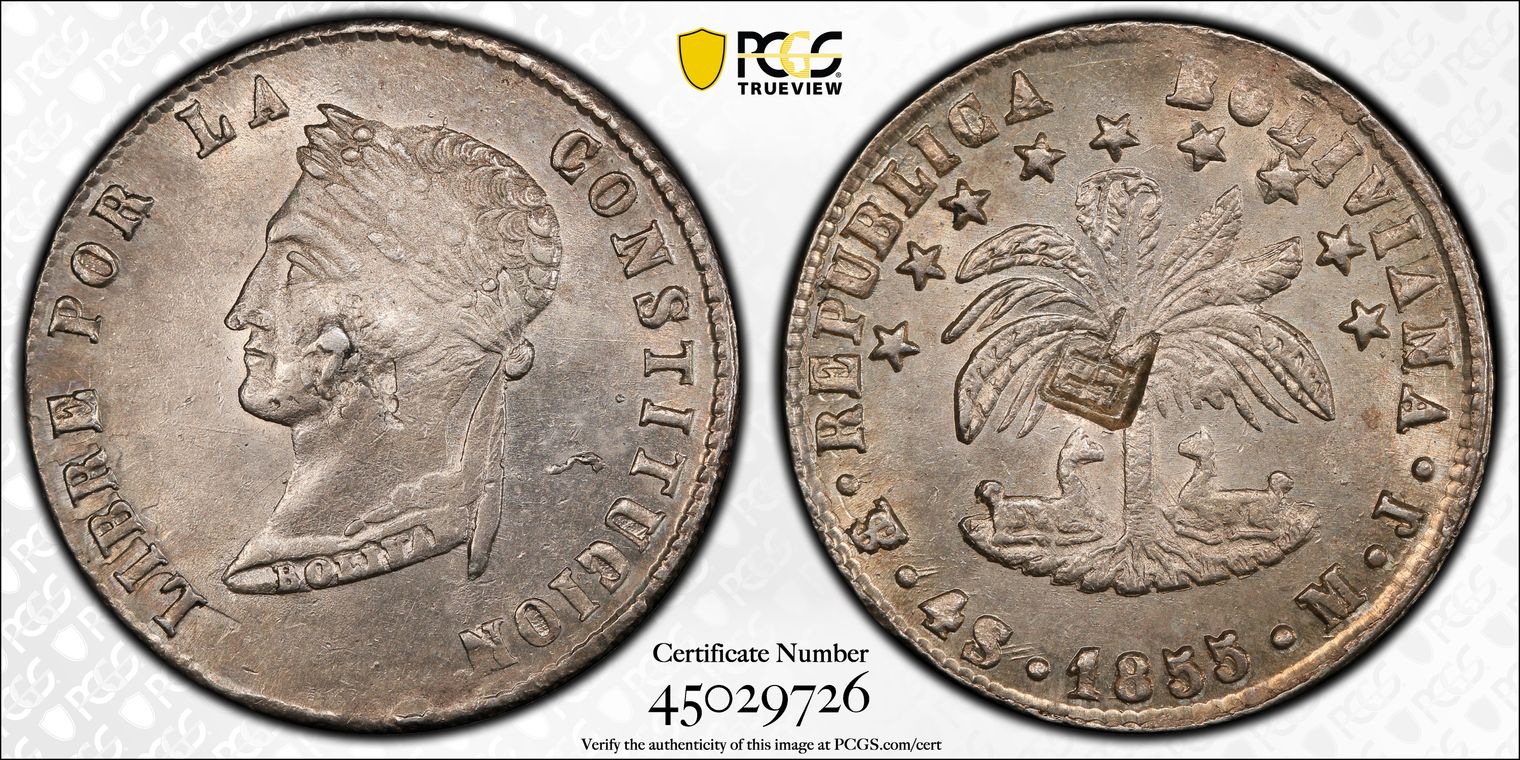
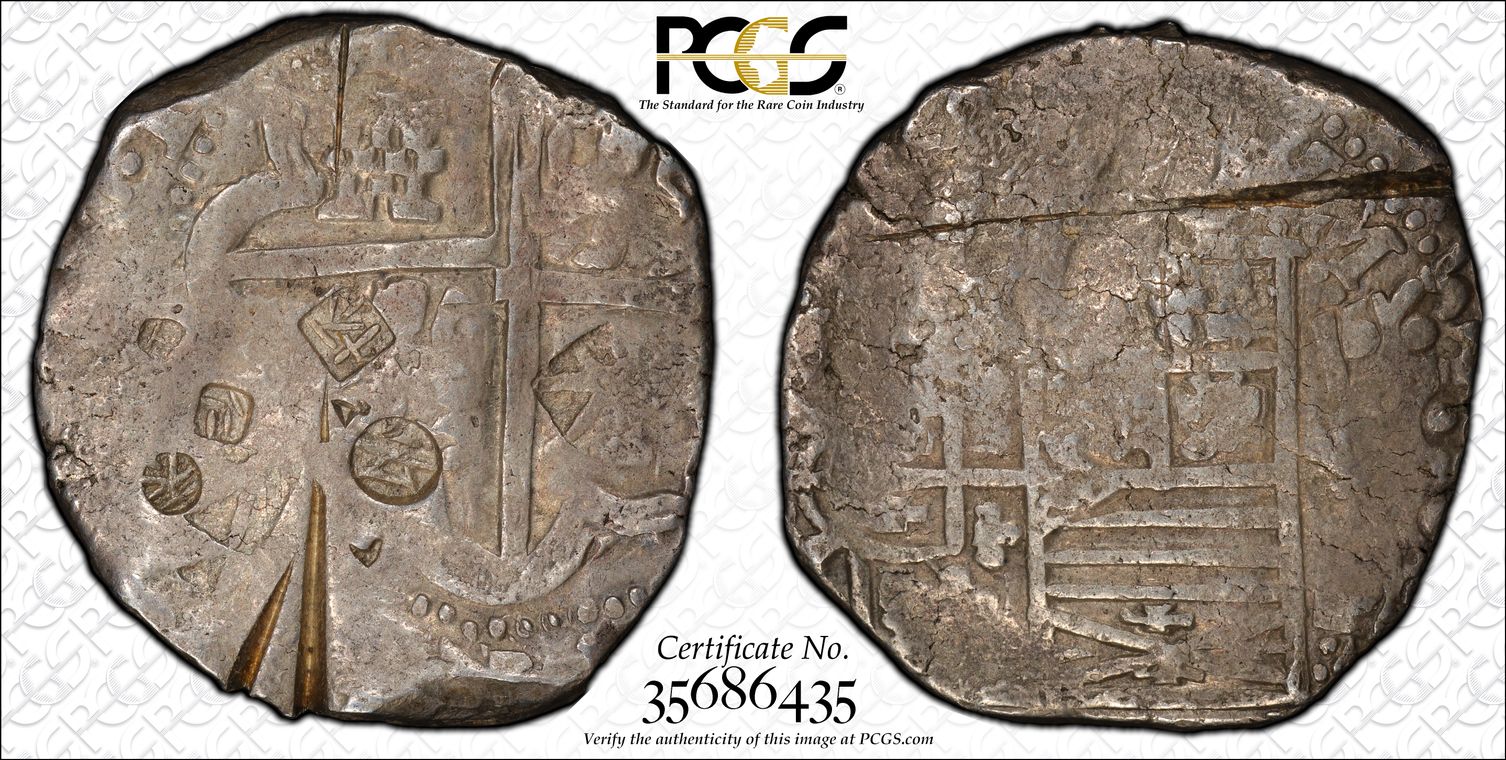
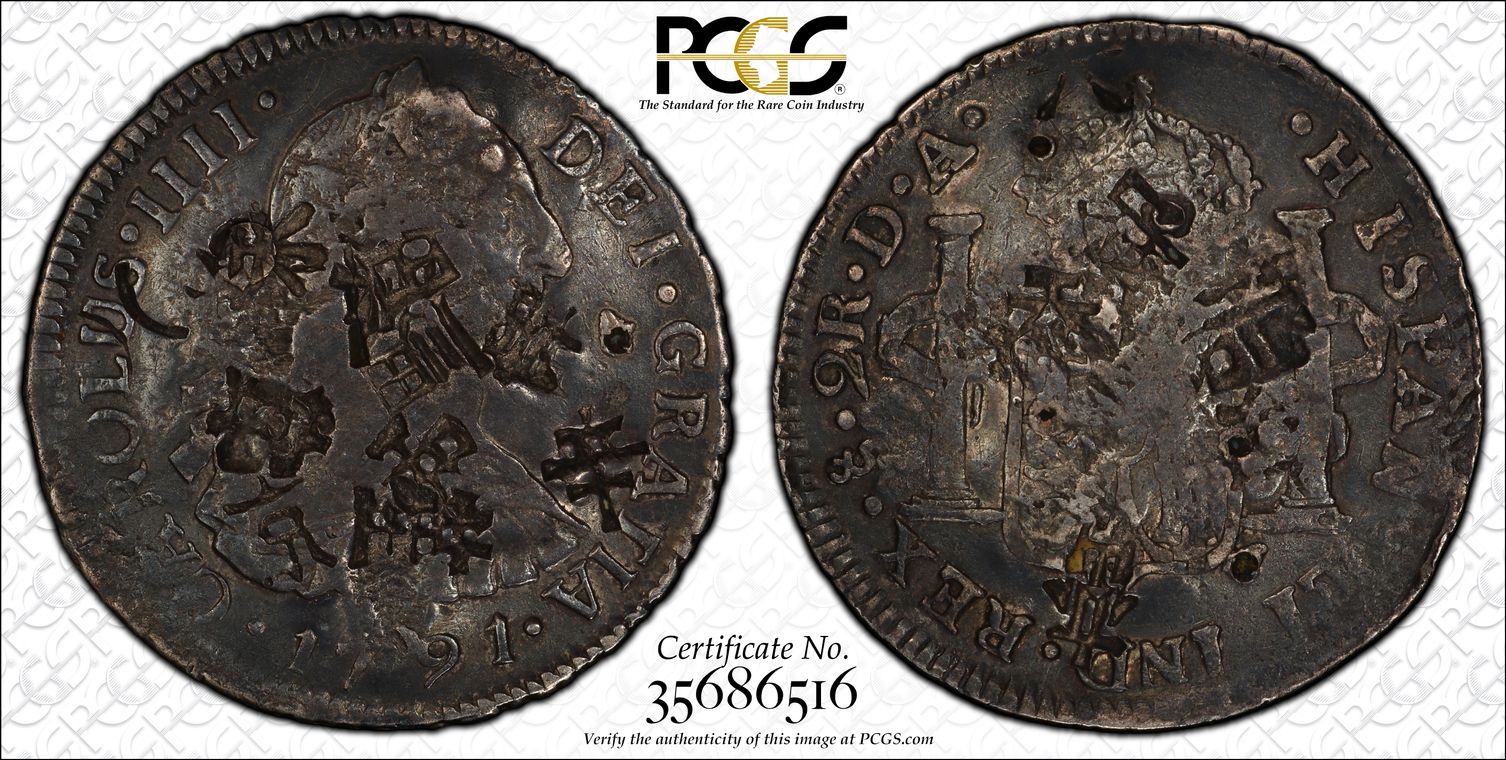
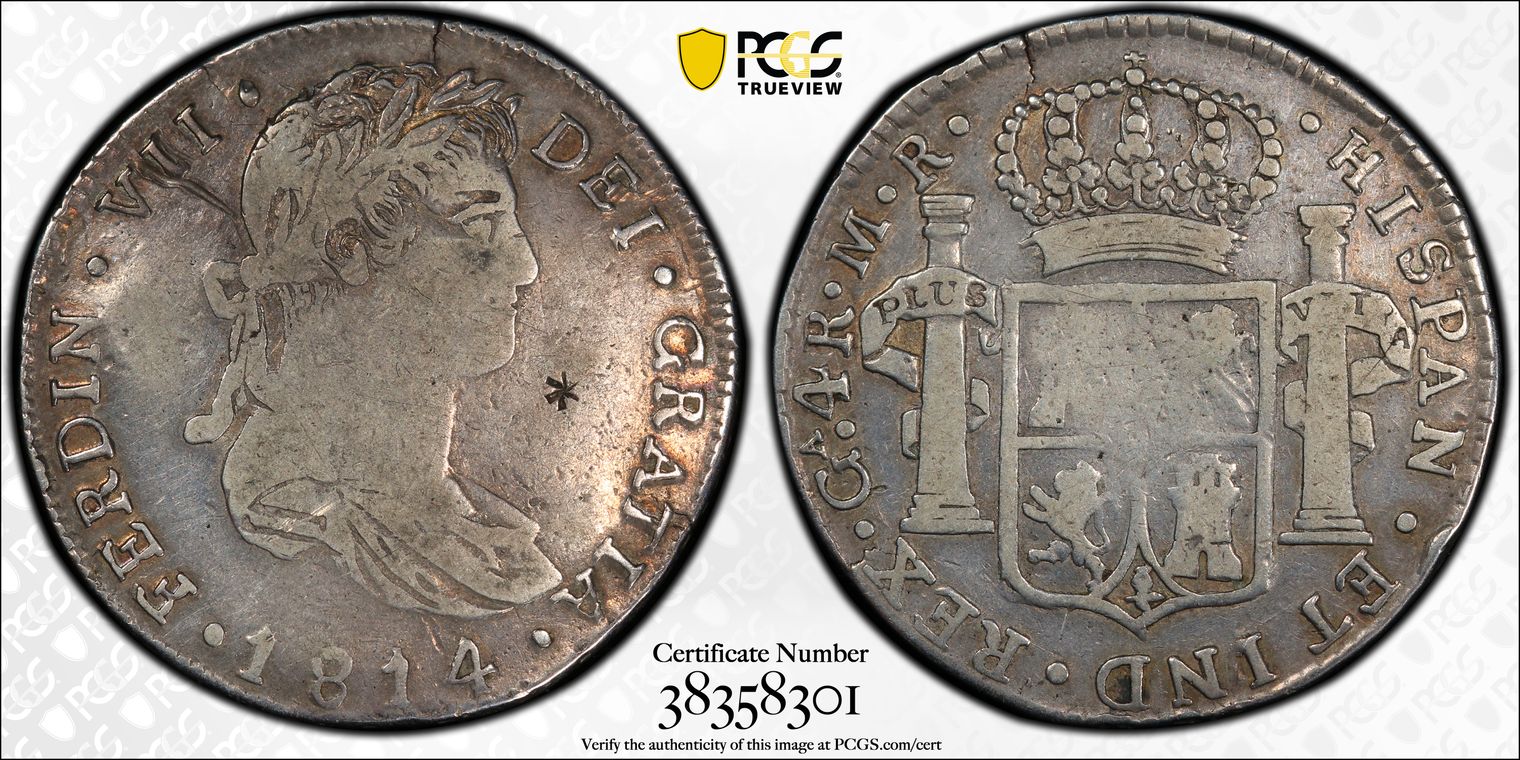
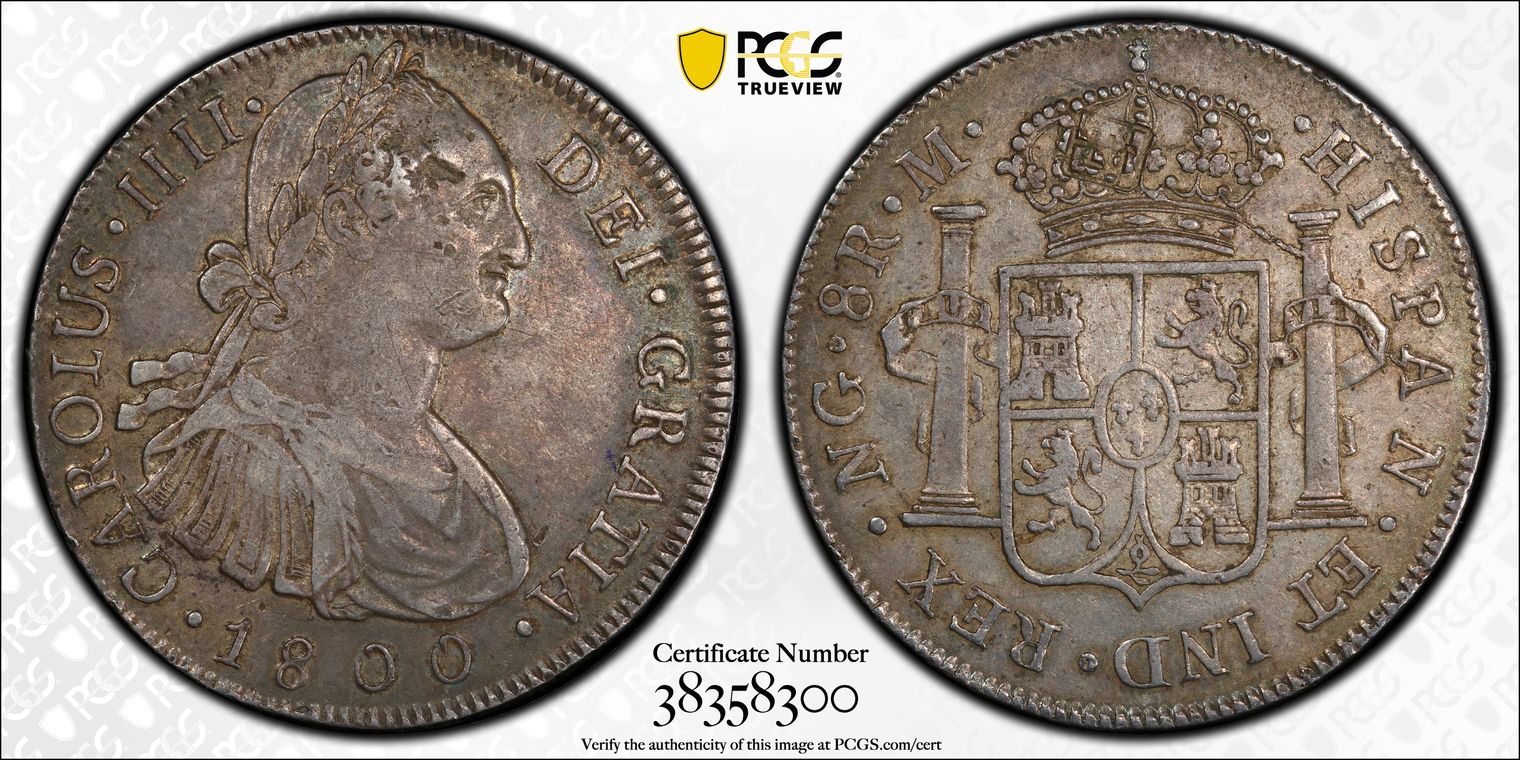
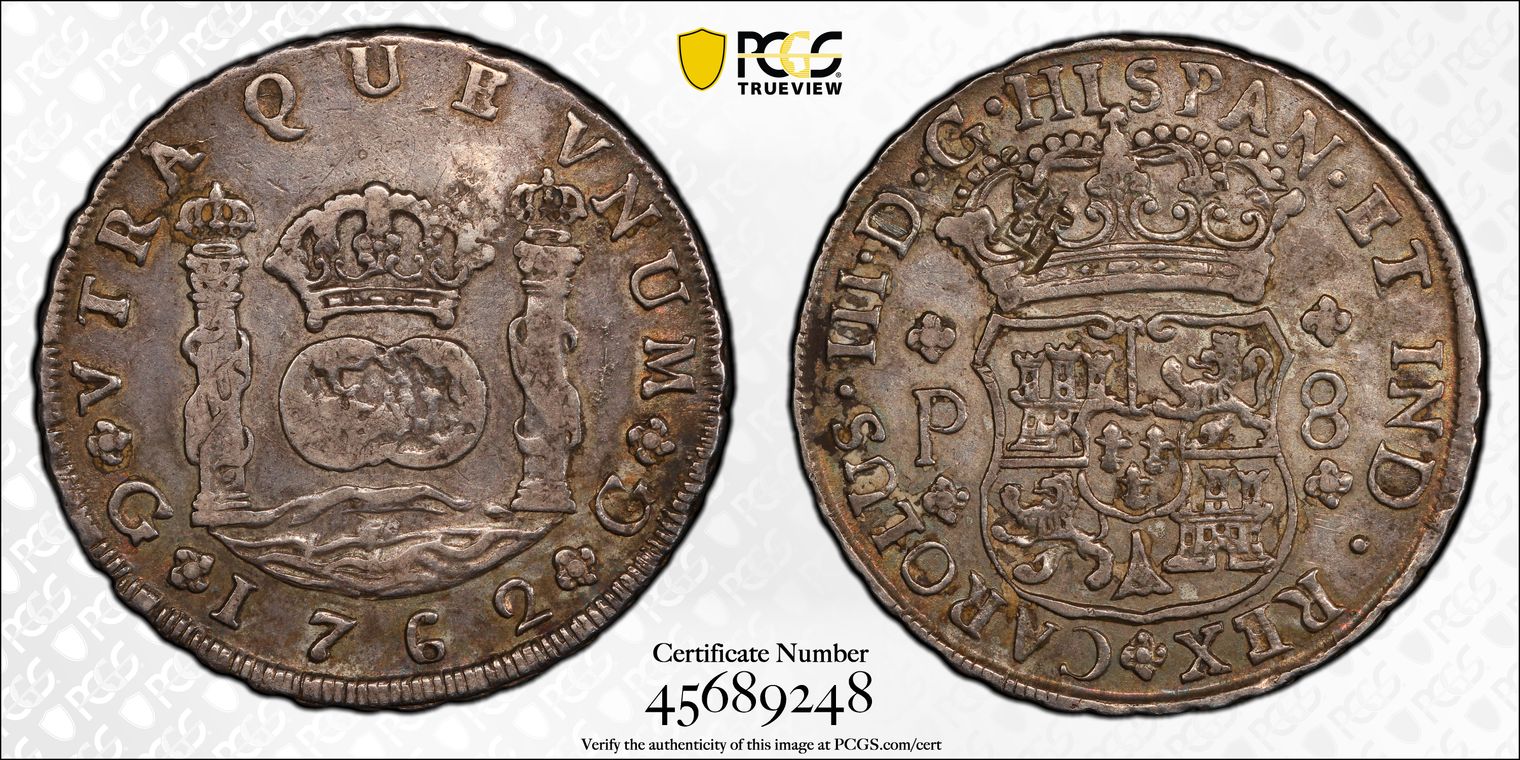
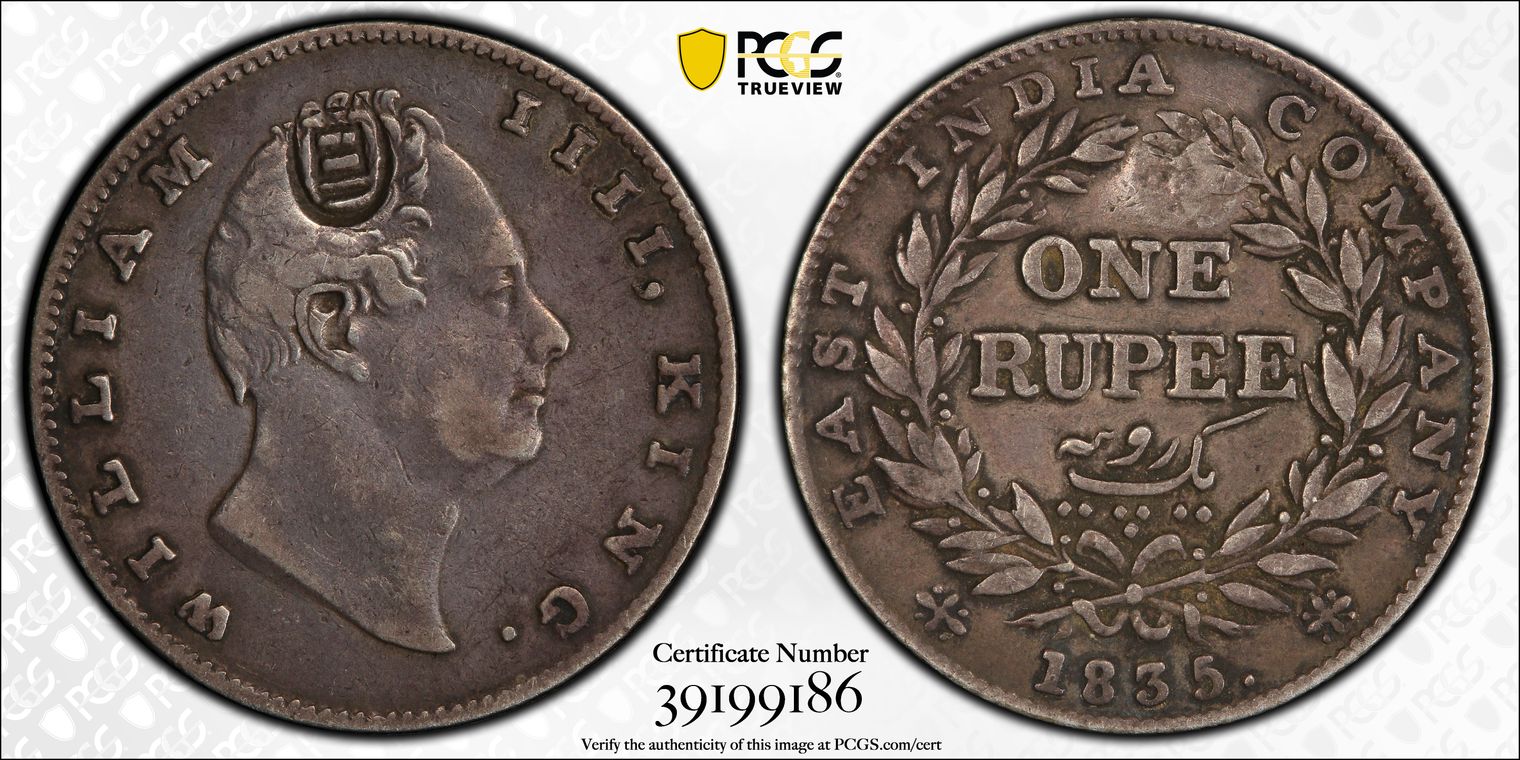
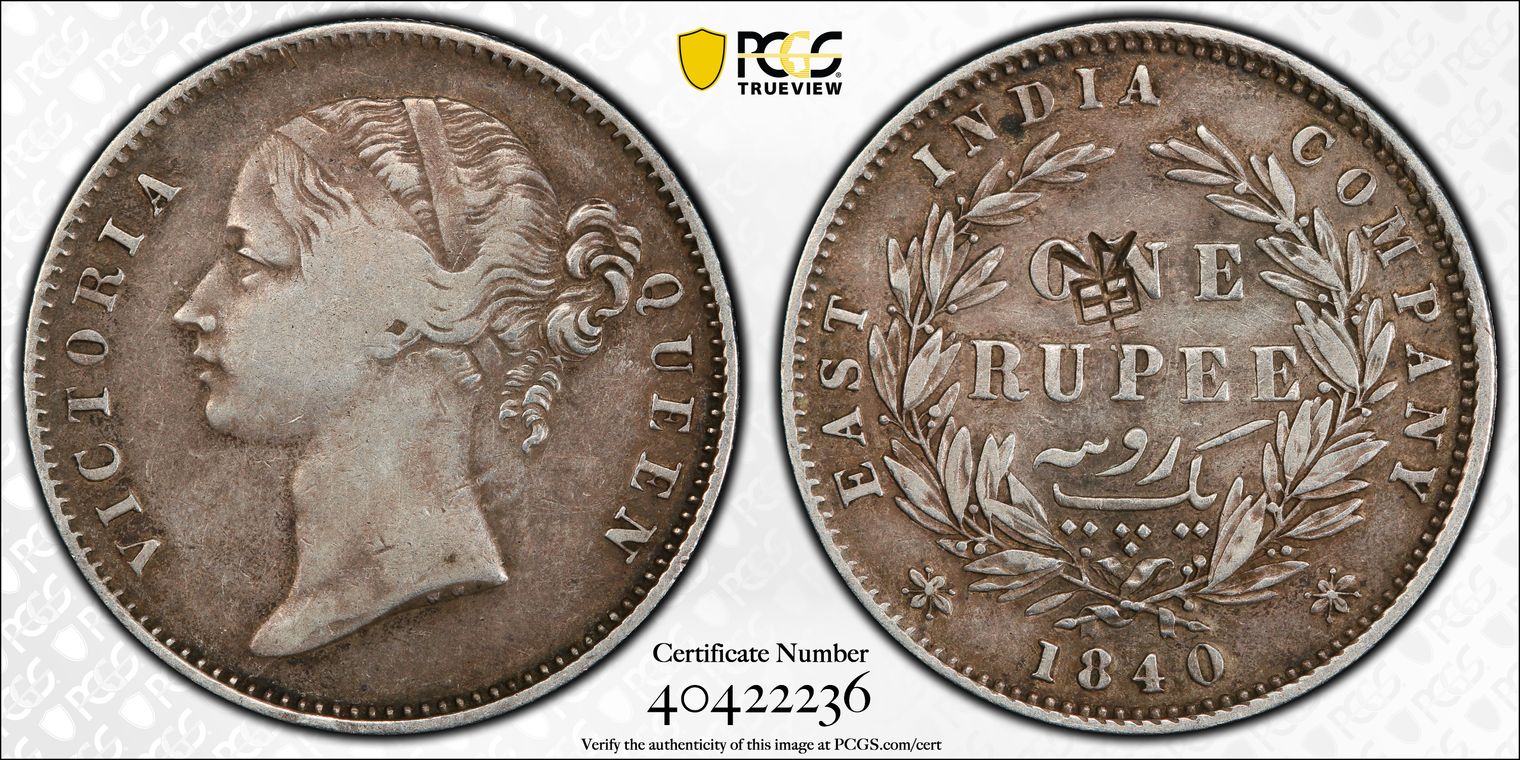
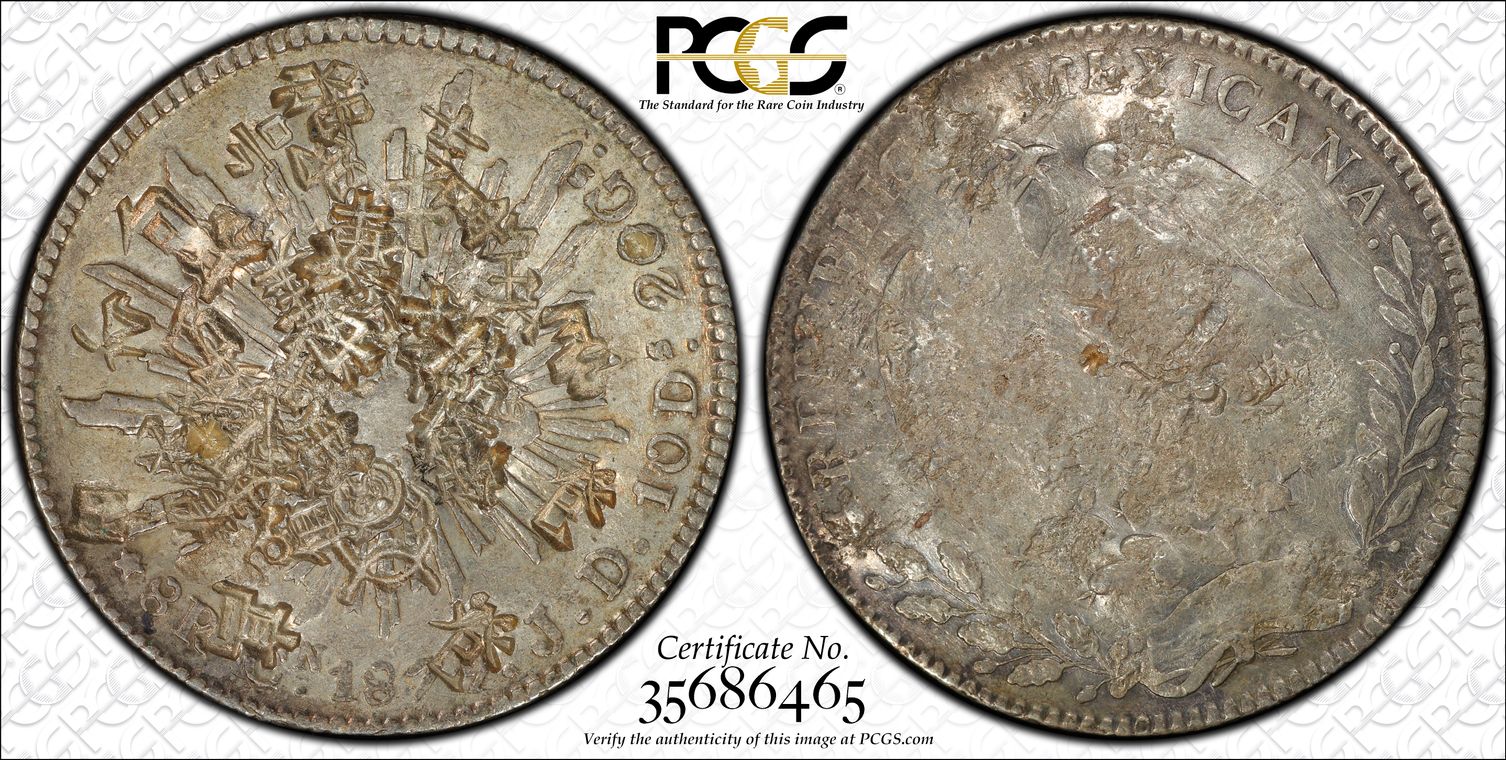
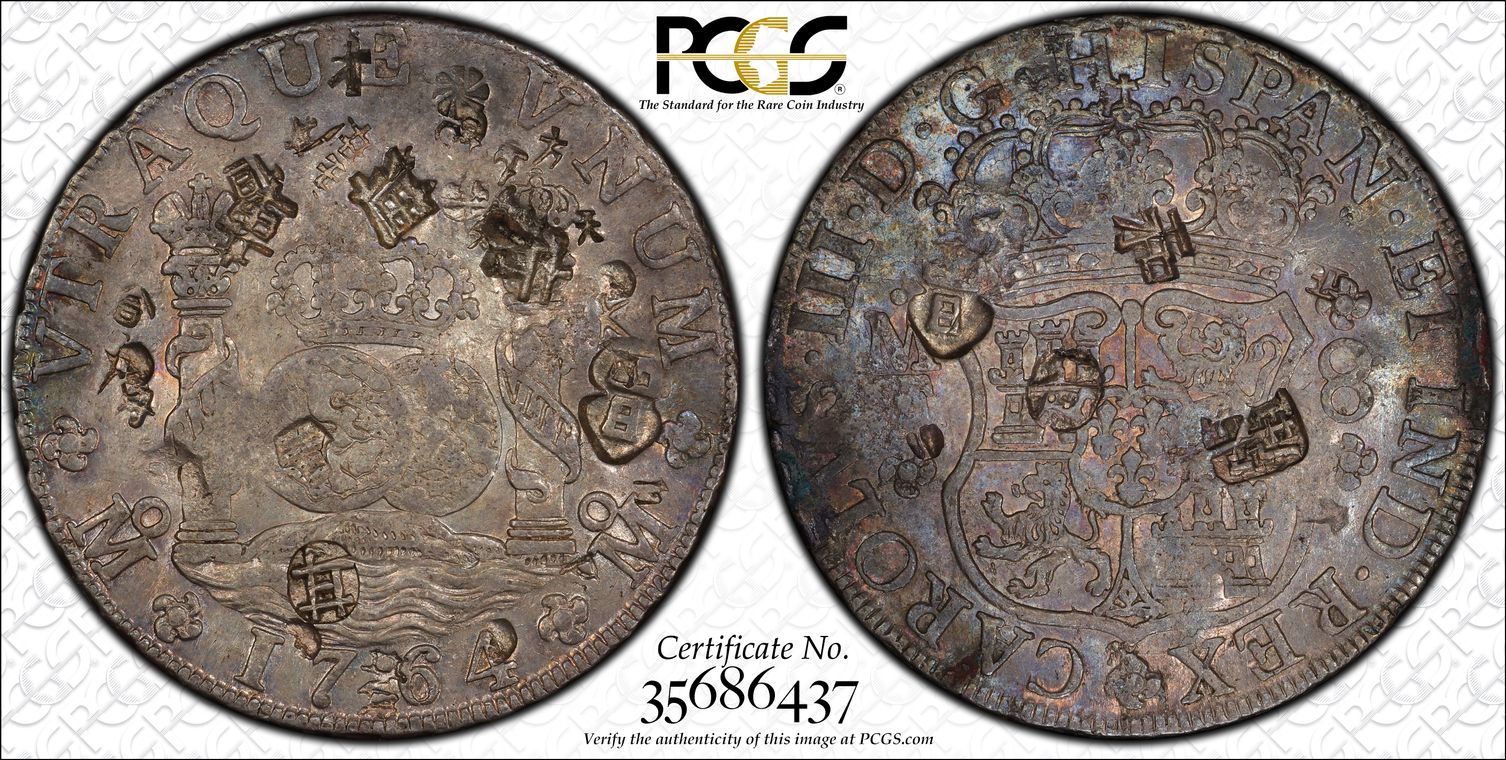
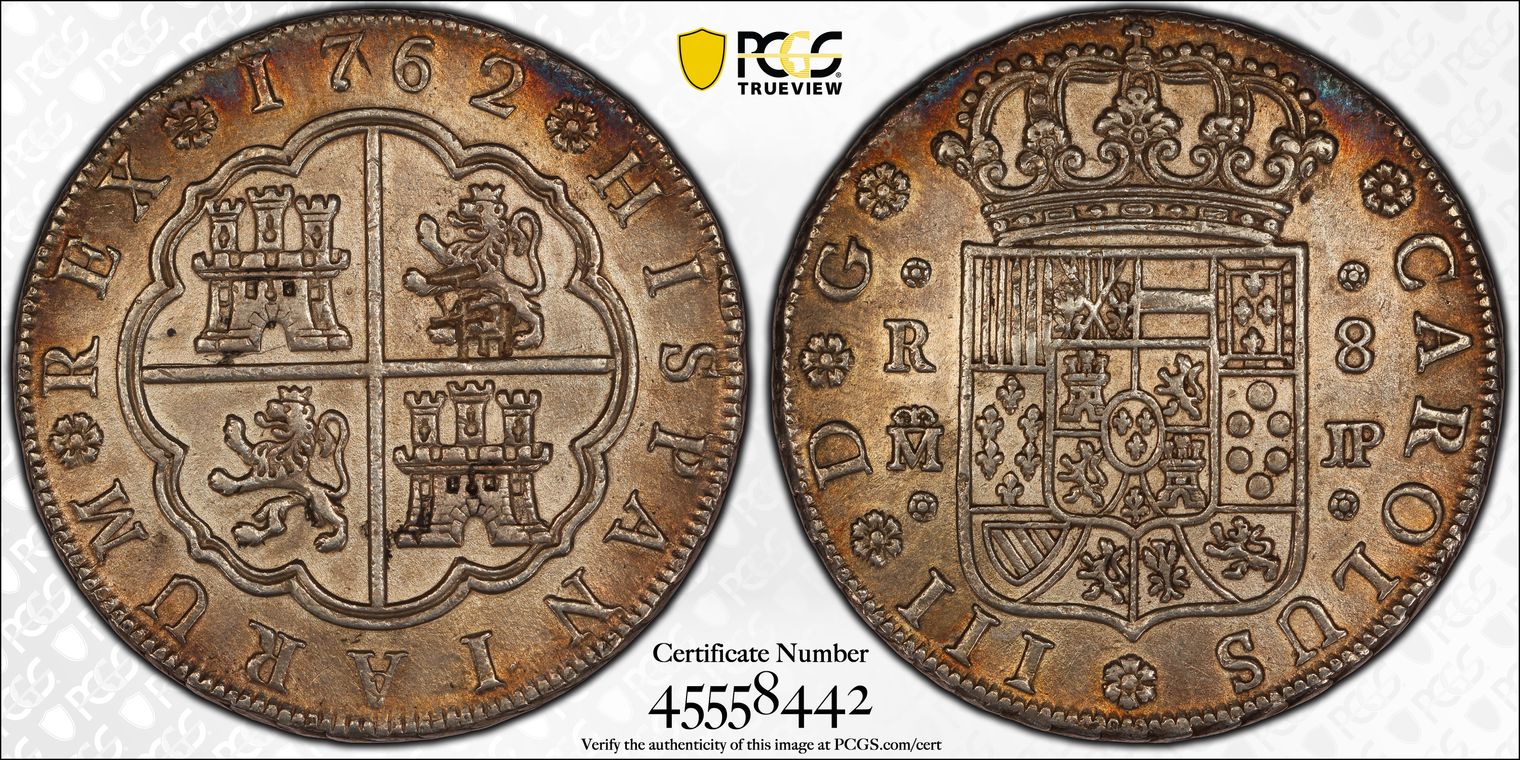
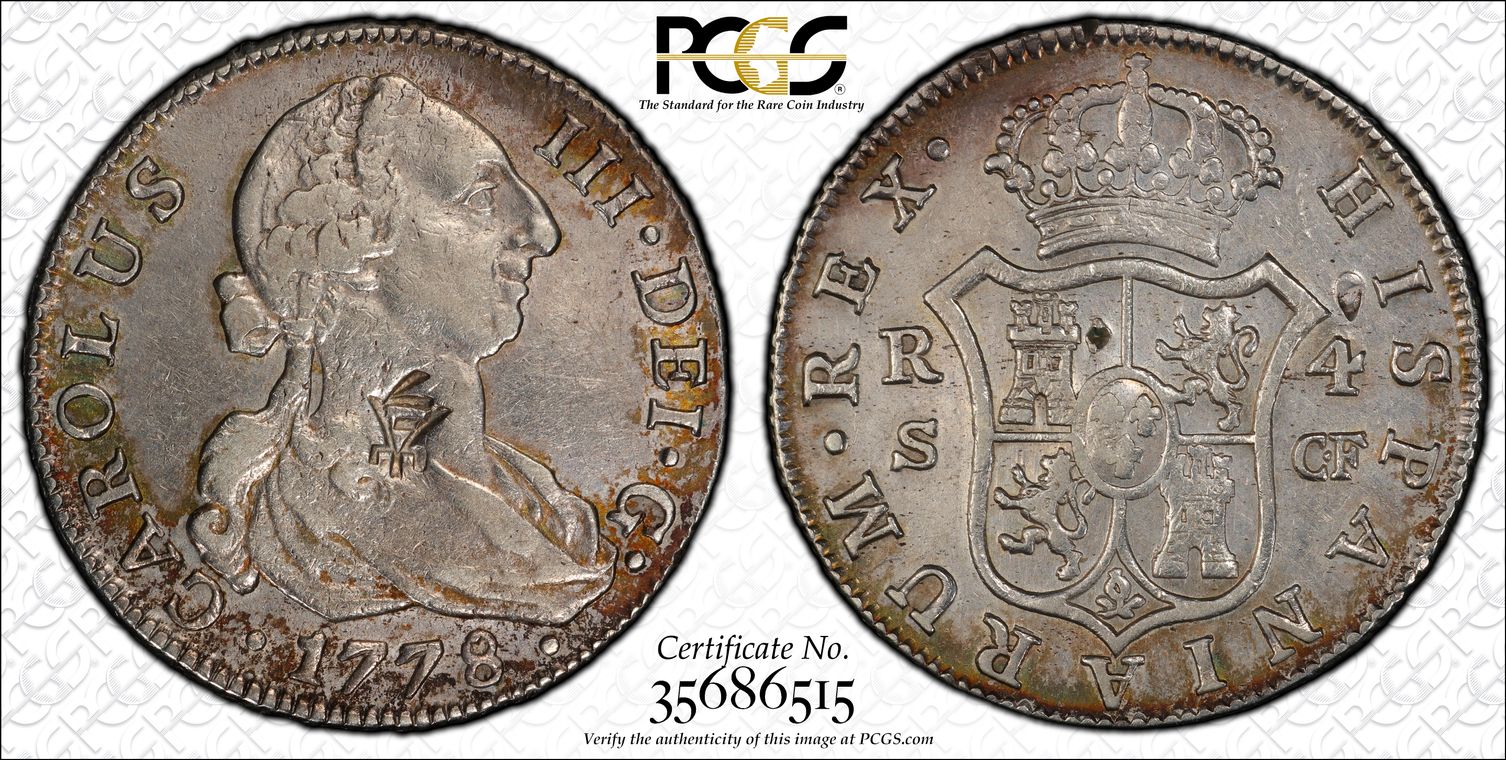
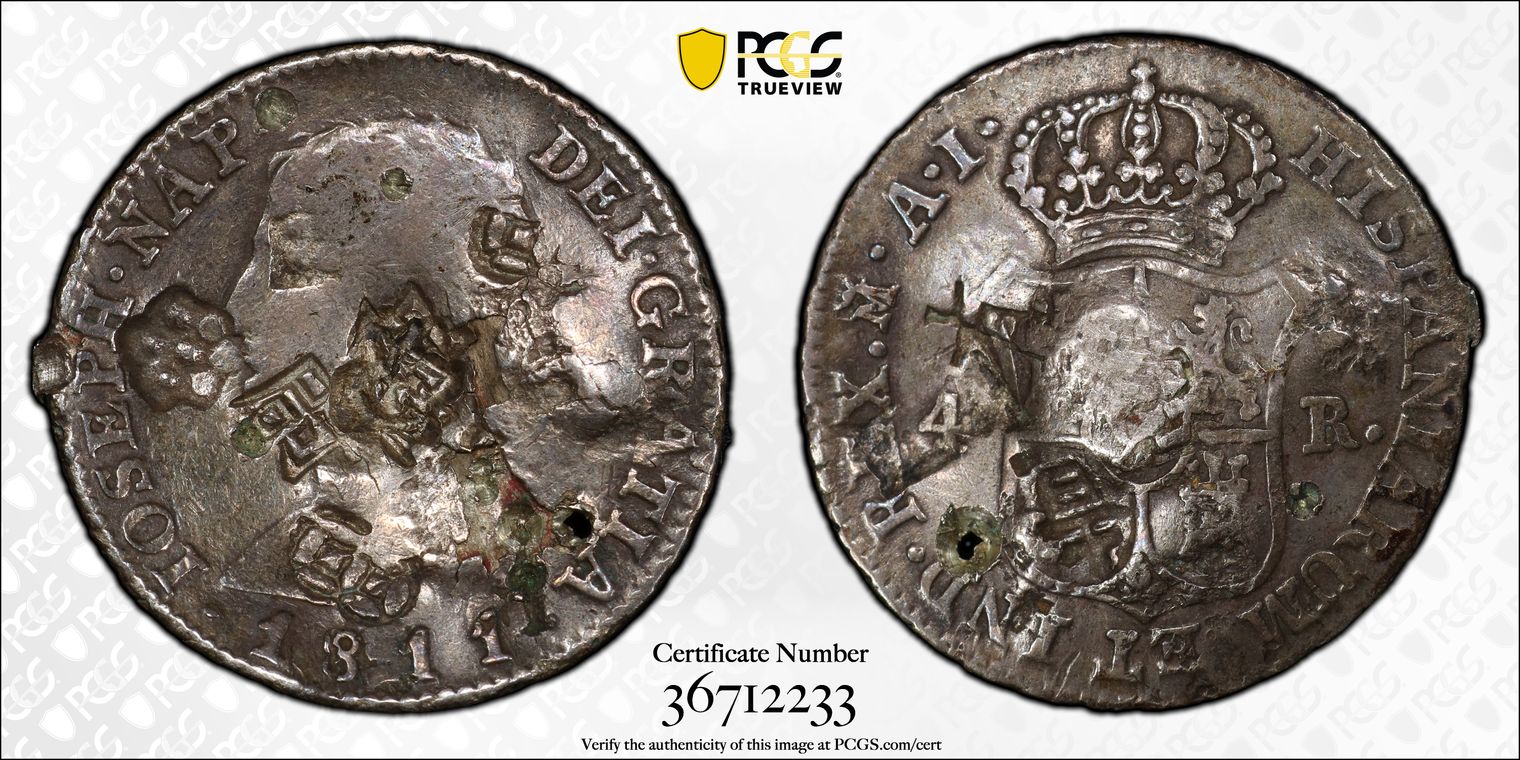
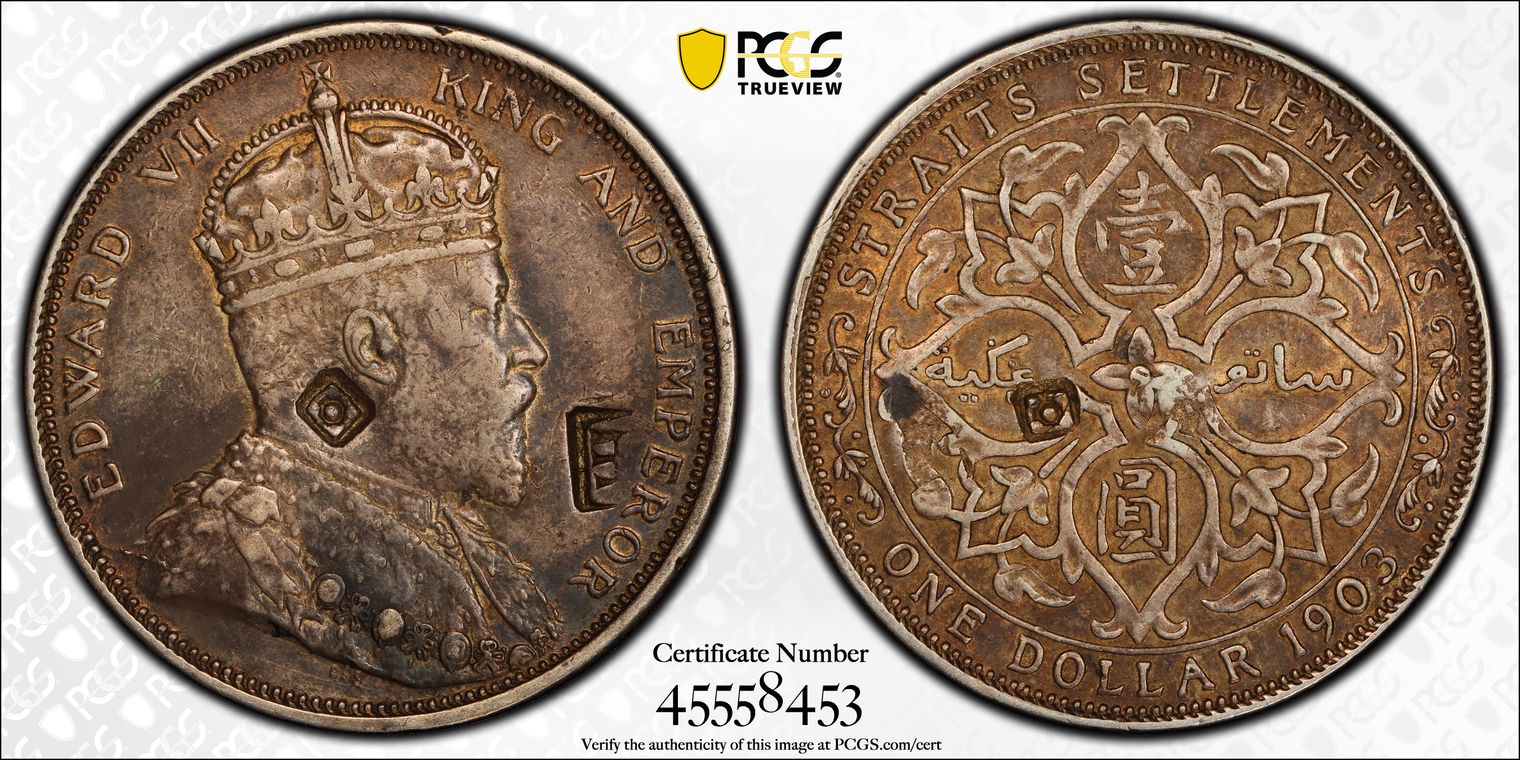
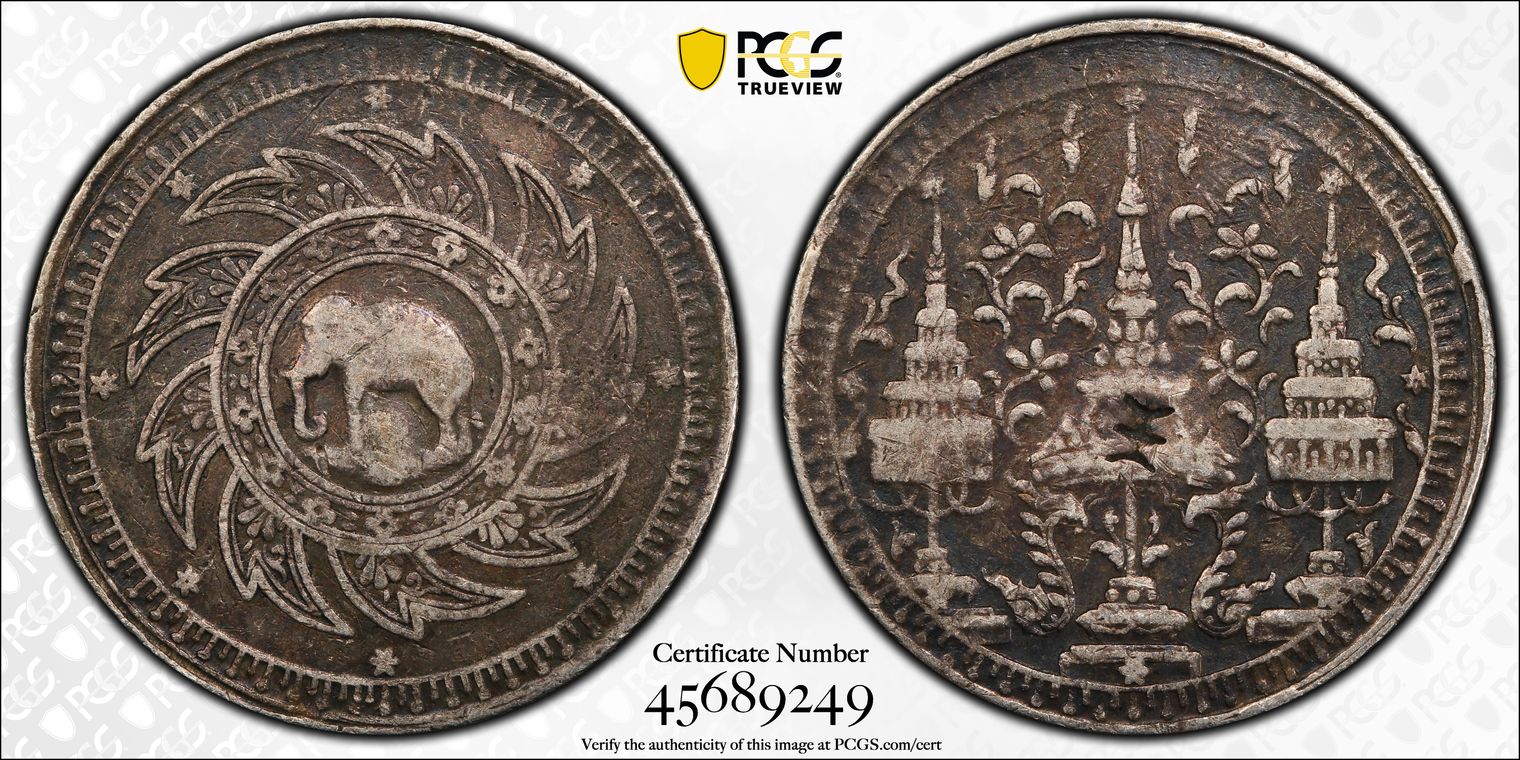
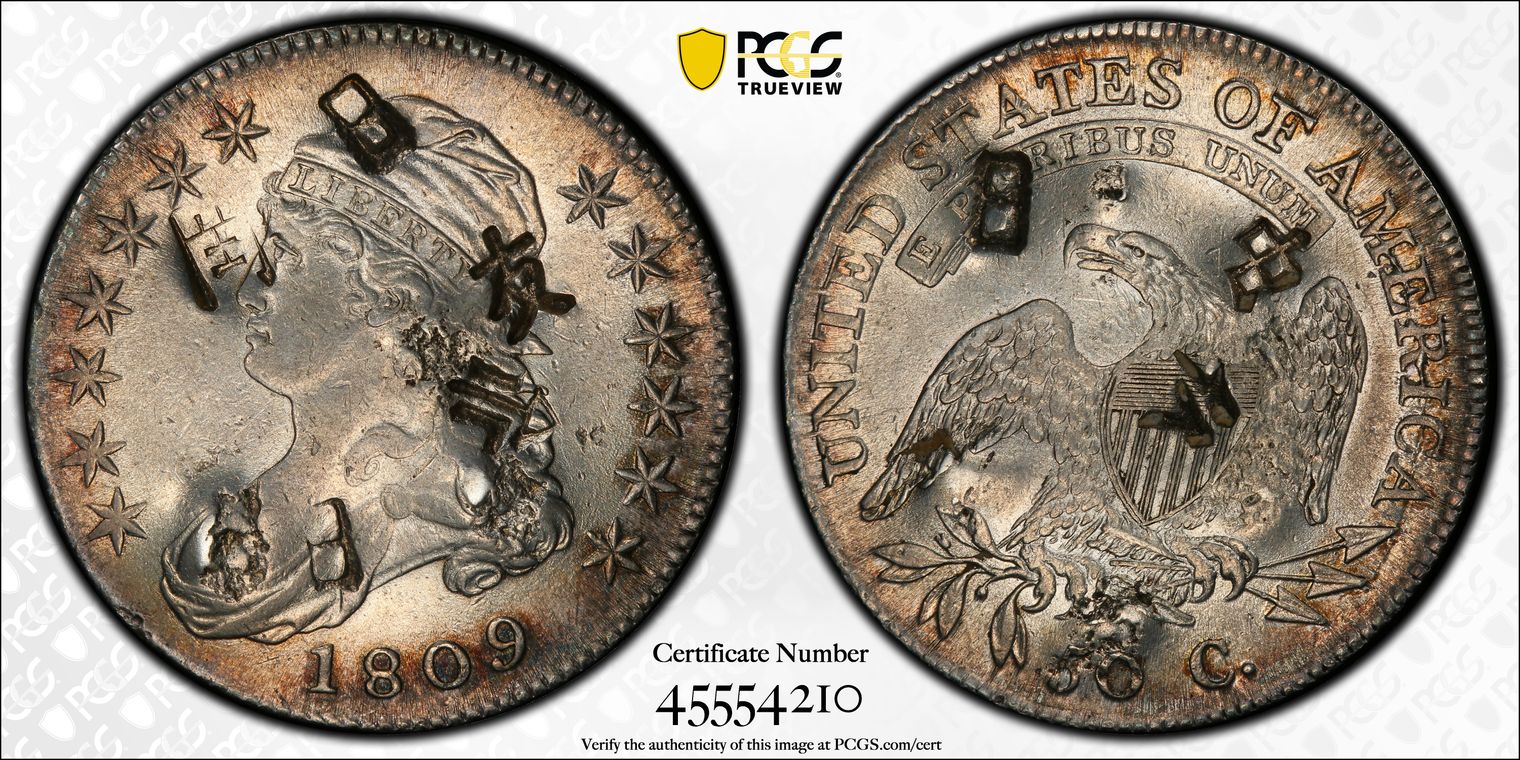
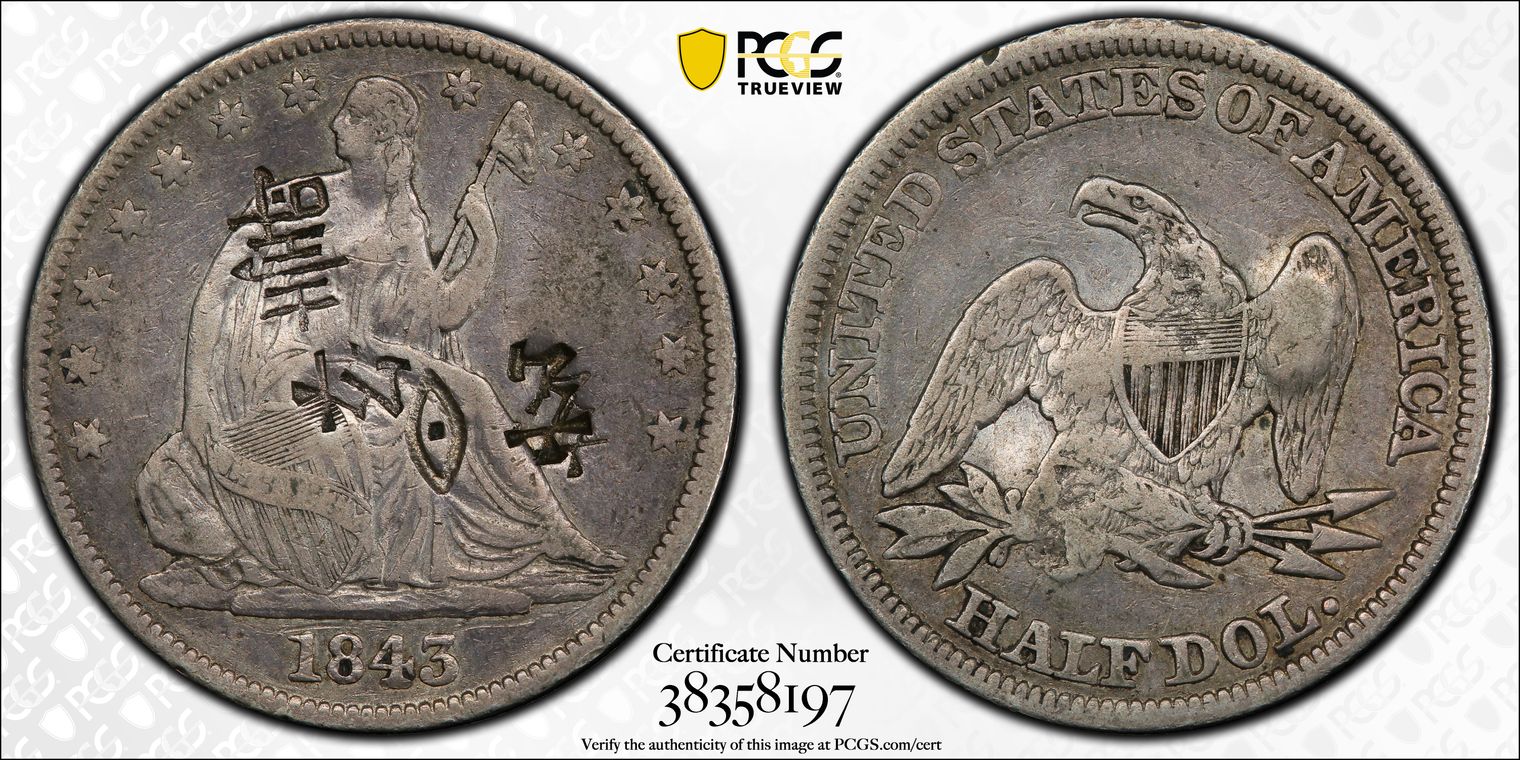
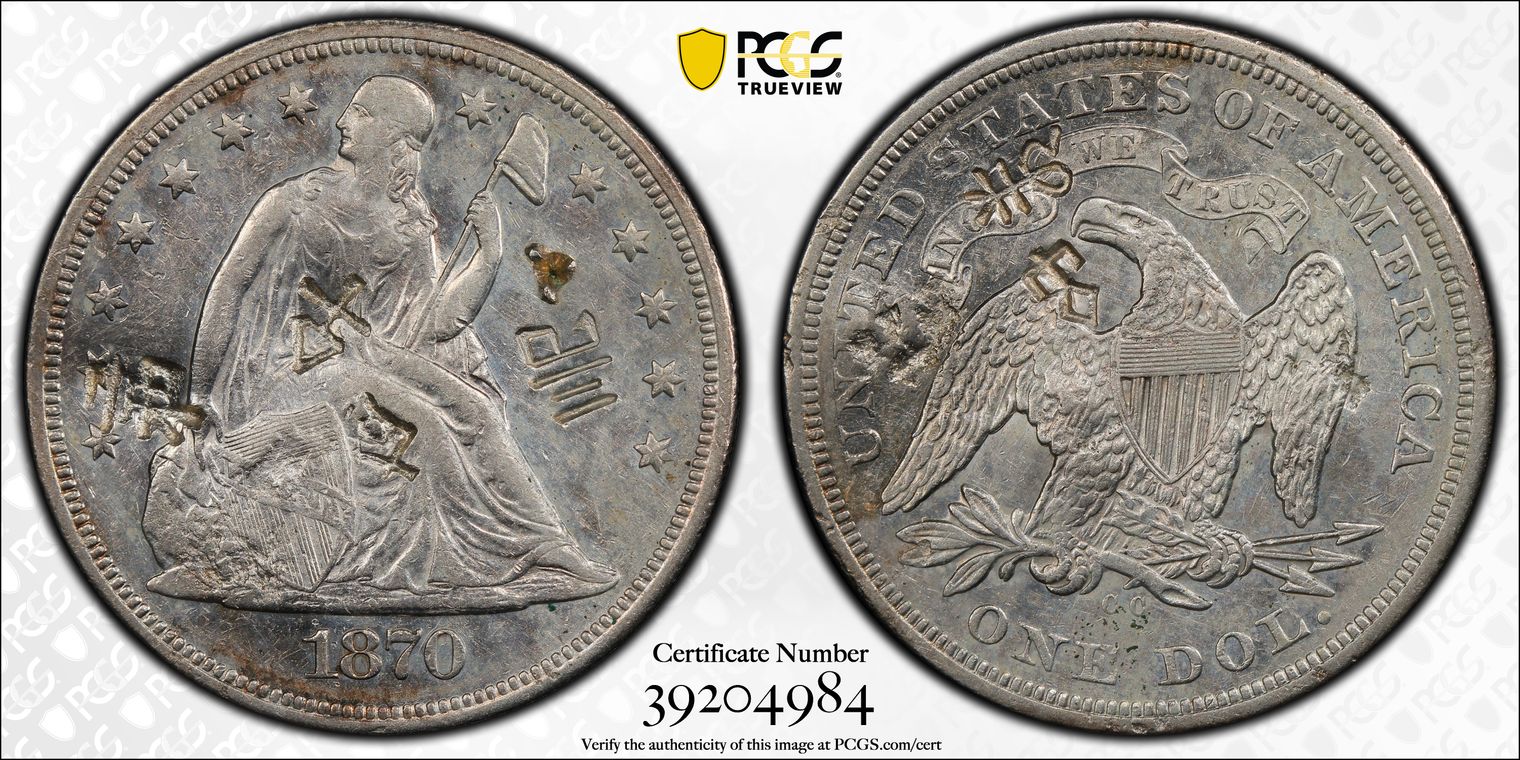
Measured weight: 27.21 g, Recorded mintage: unknown but plentiful, Catalog reference: KM-10. The earliest chopmarked coin in my collection, this handsome Bolivian 8 reales will always stand out. Here we see an early style of chopmarks, in relief with circular or rounded rectangular outline, inconsistent in size. This style of chopmark is seen on coinage up through the mid 19th century. You'll also notice the deep test cuts, commonly seen on Spanish cob and early milled coinage. This coin was purchased in 2018 out of Barcelona, Spain. Chopmarks: 坏, 云, 天, 下, and 仁
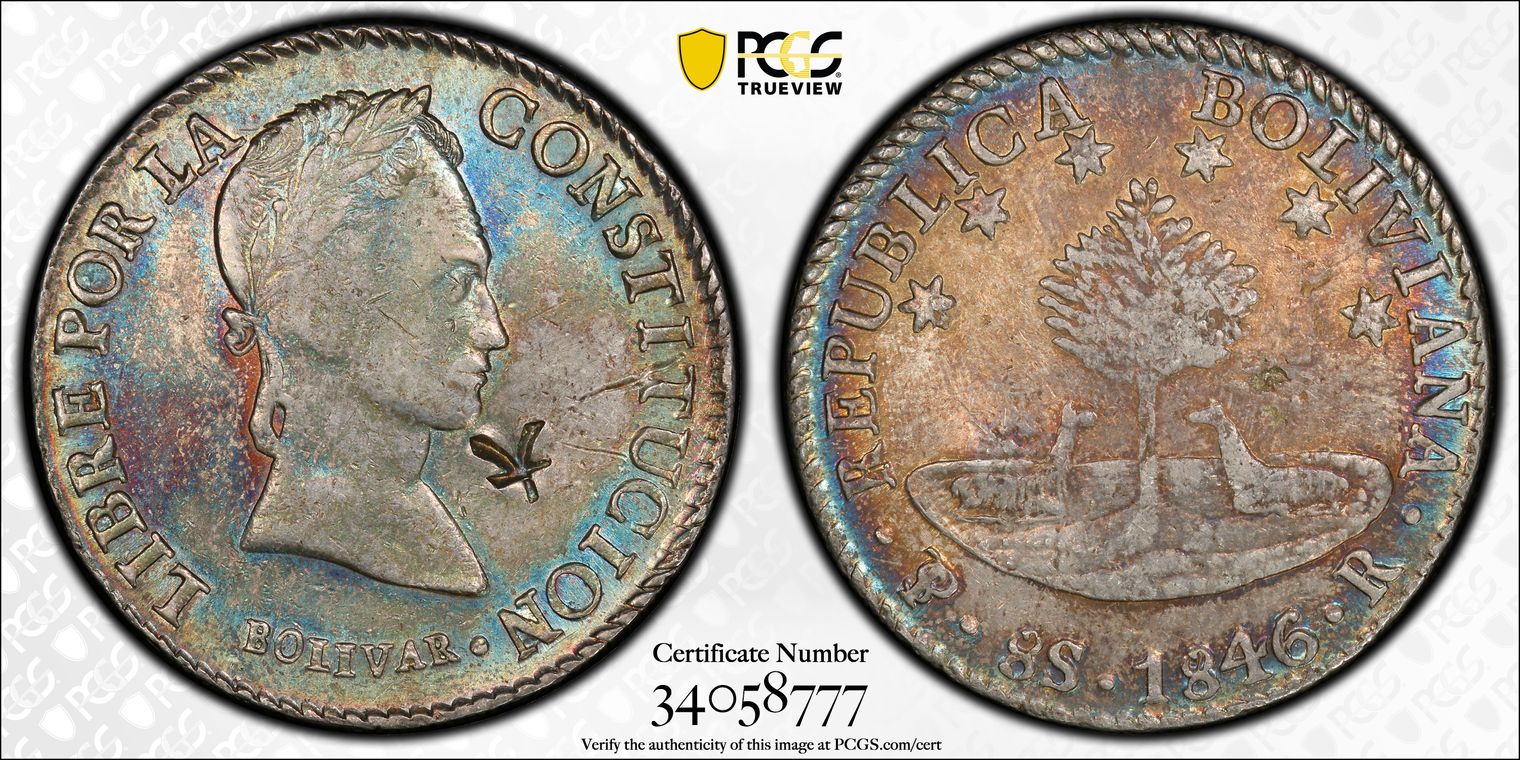
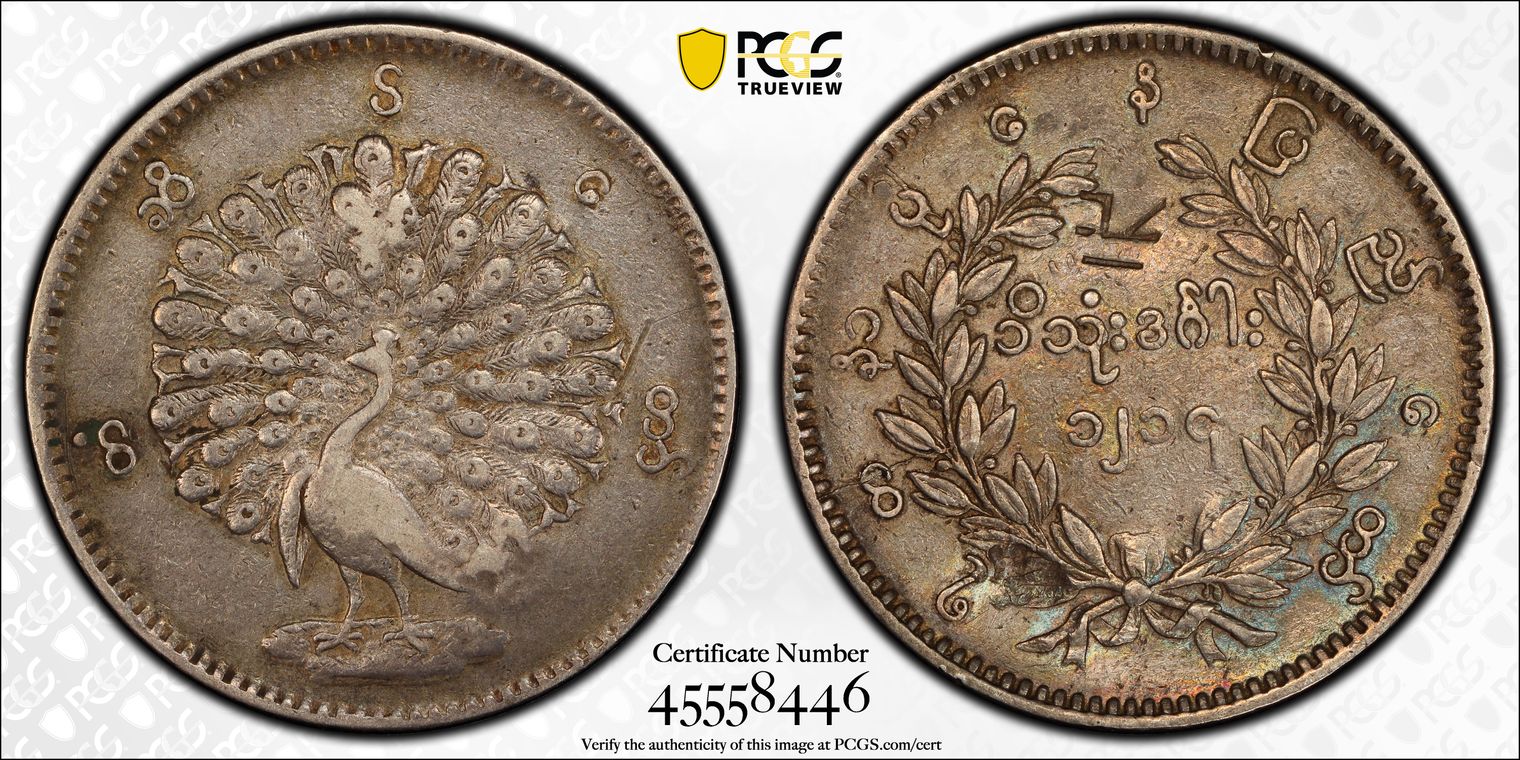
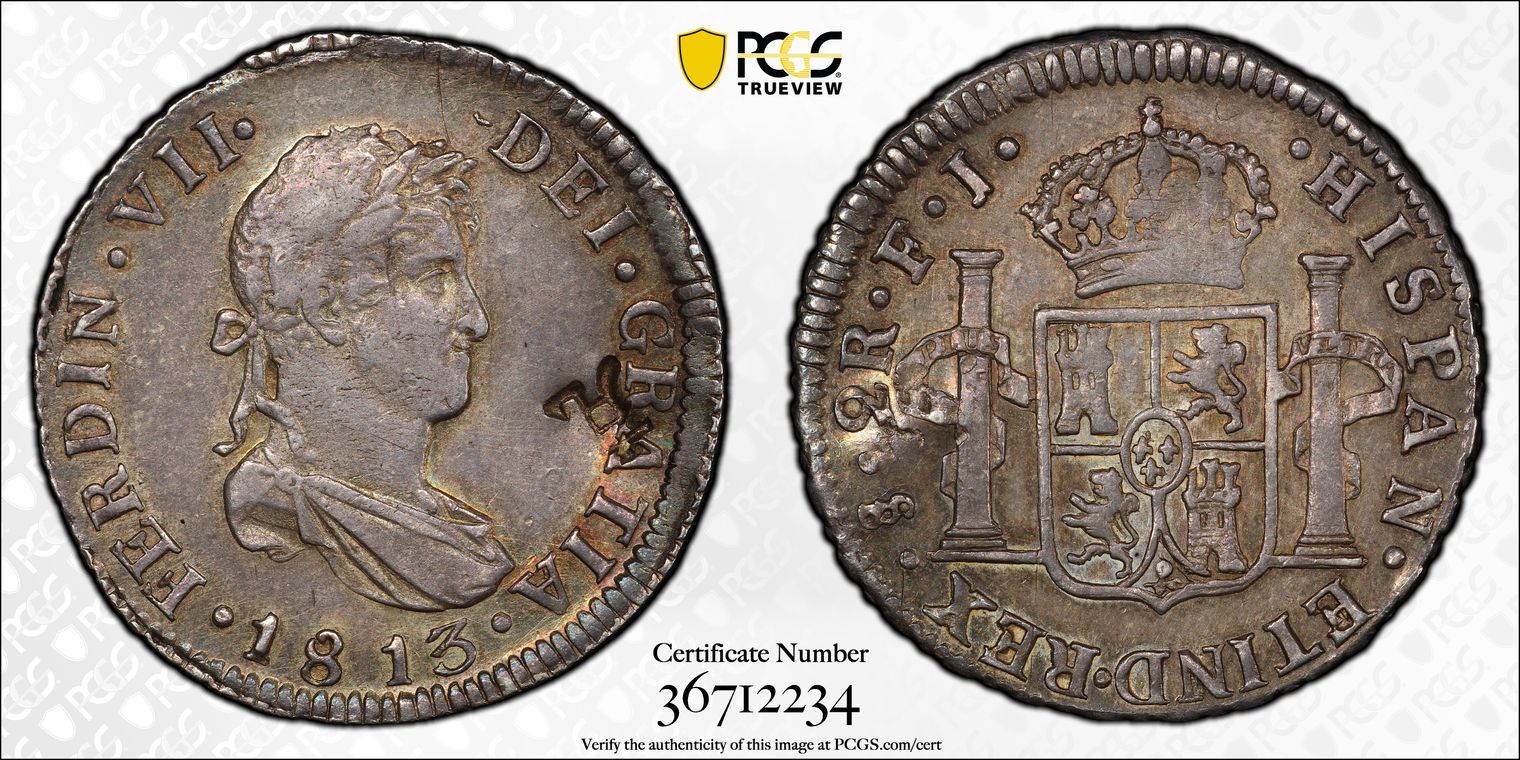
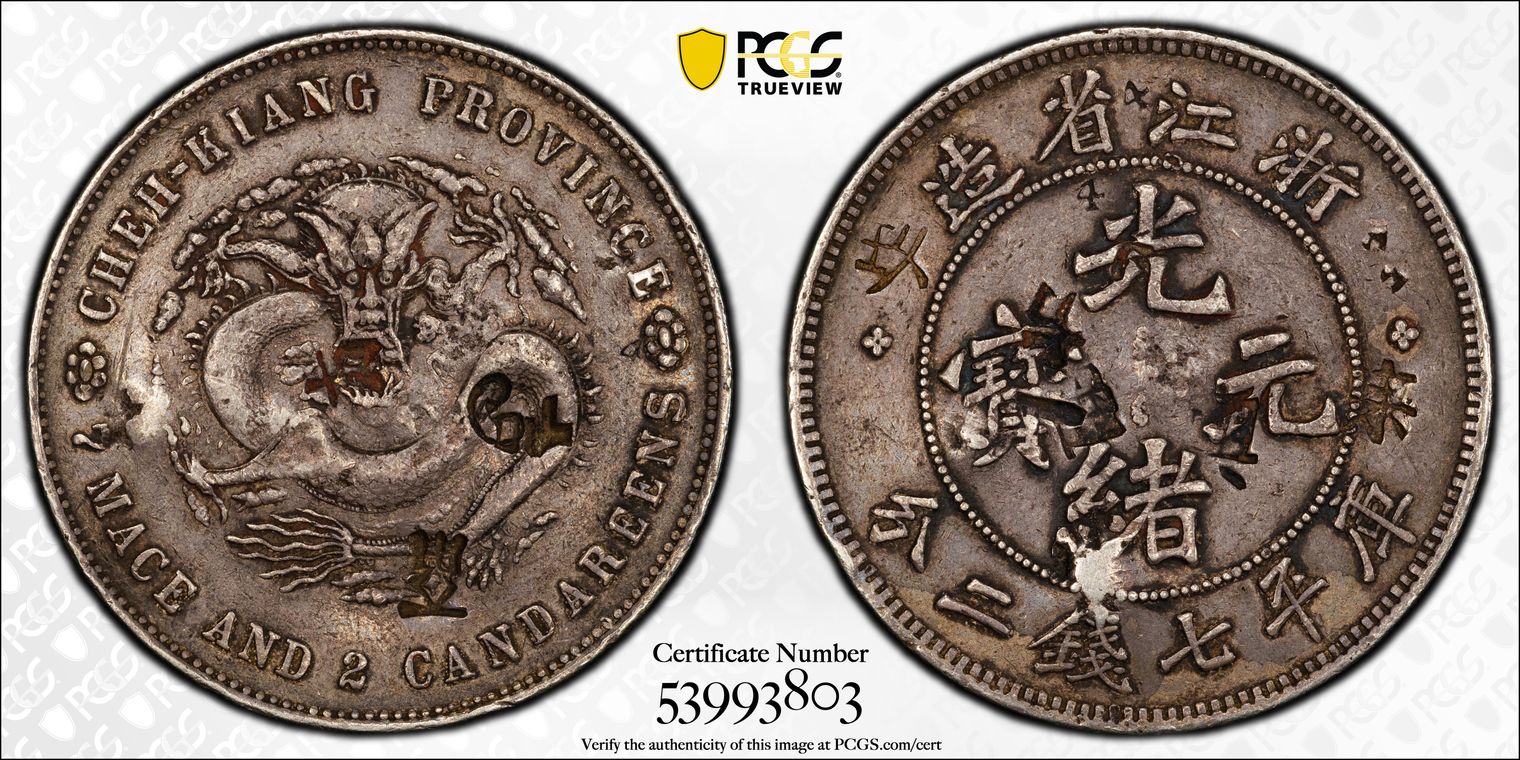
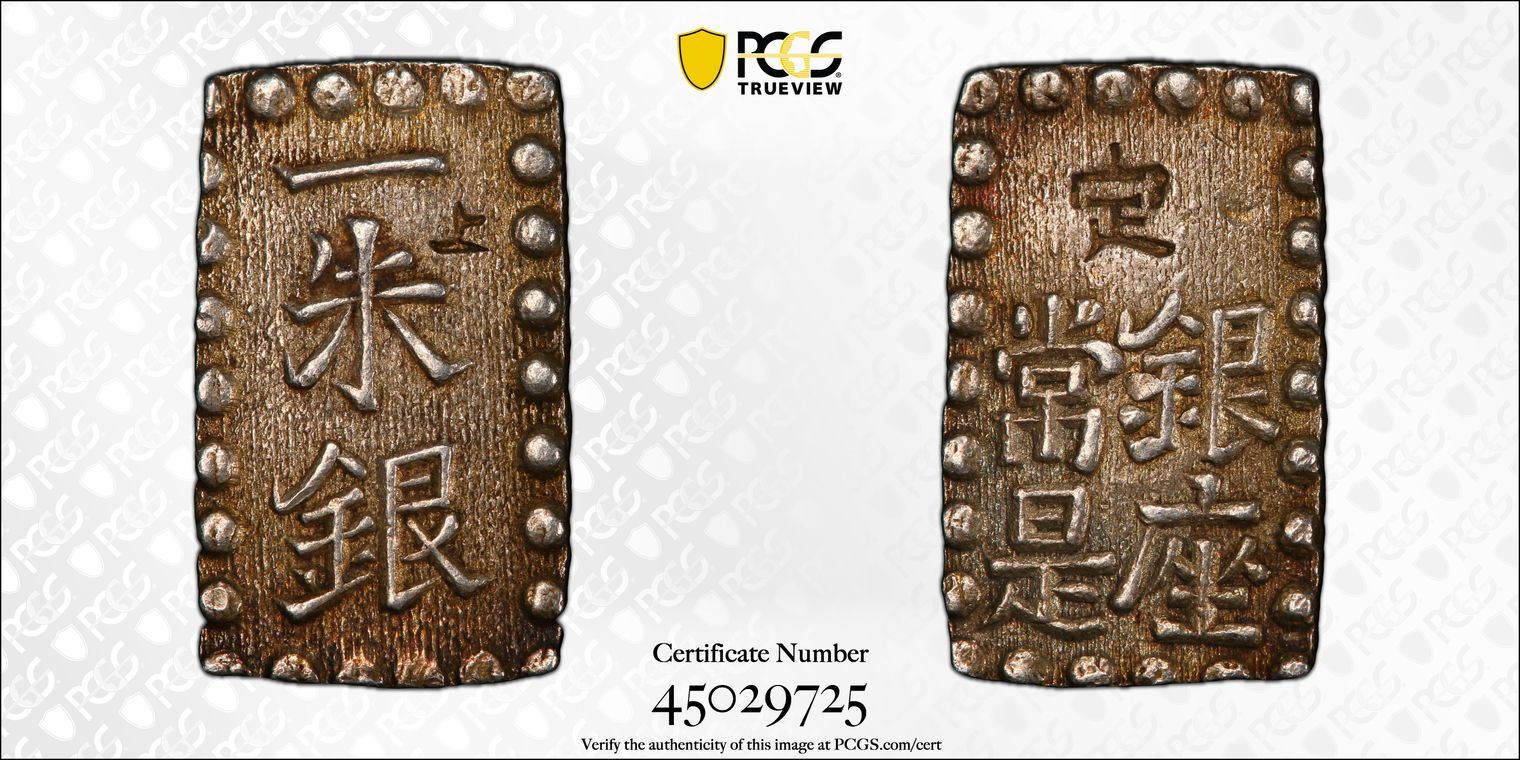
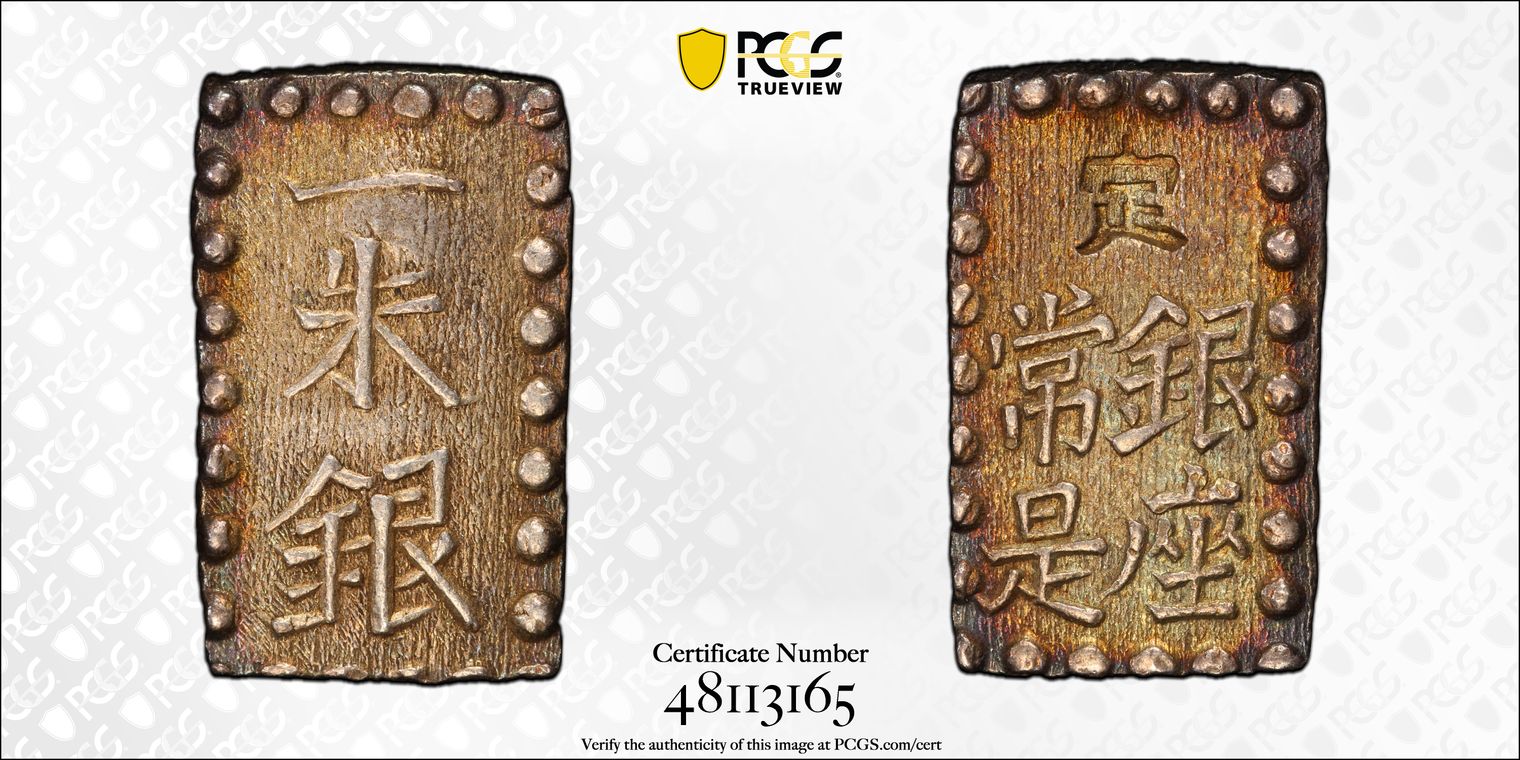
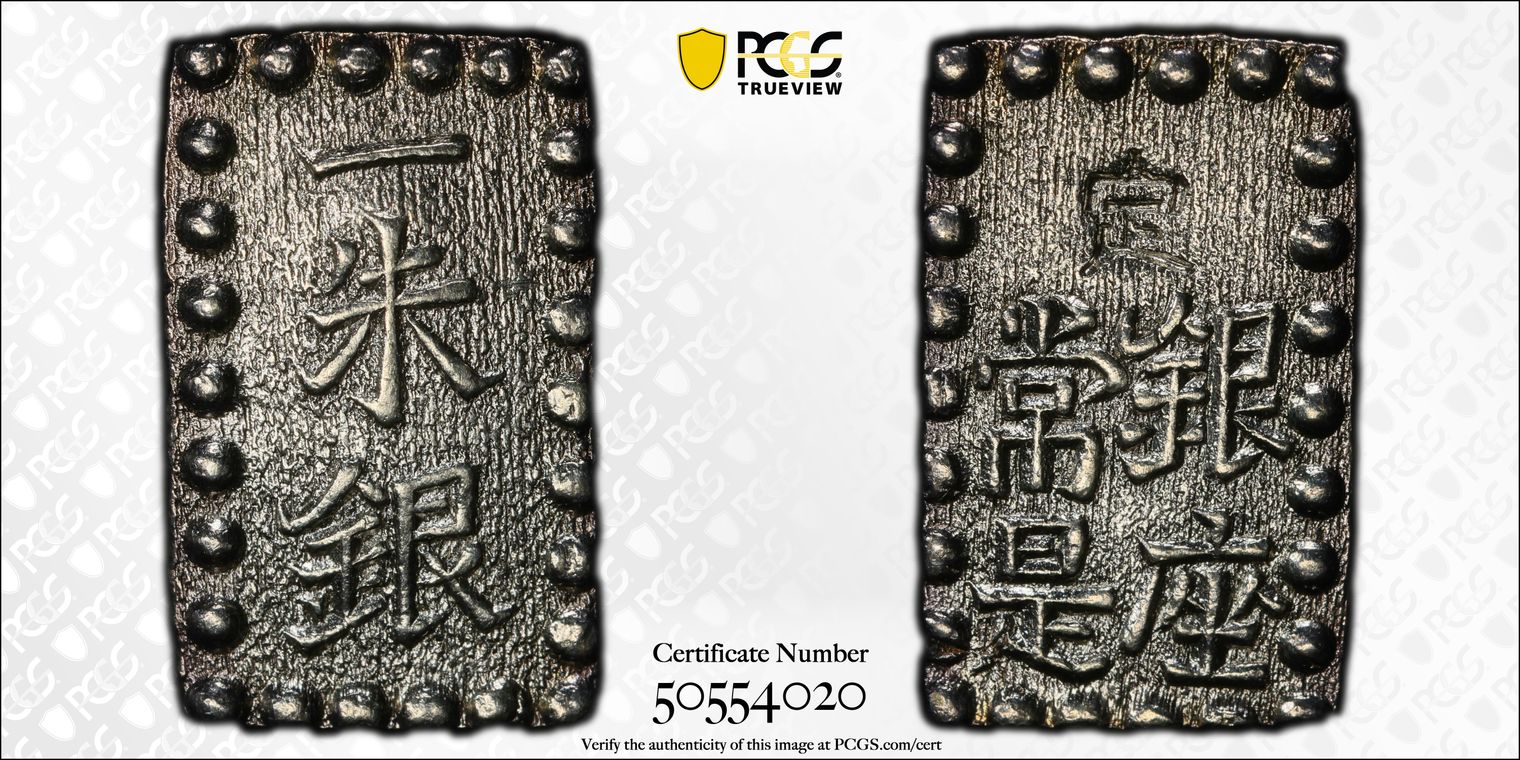
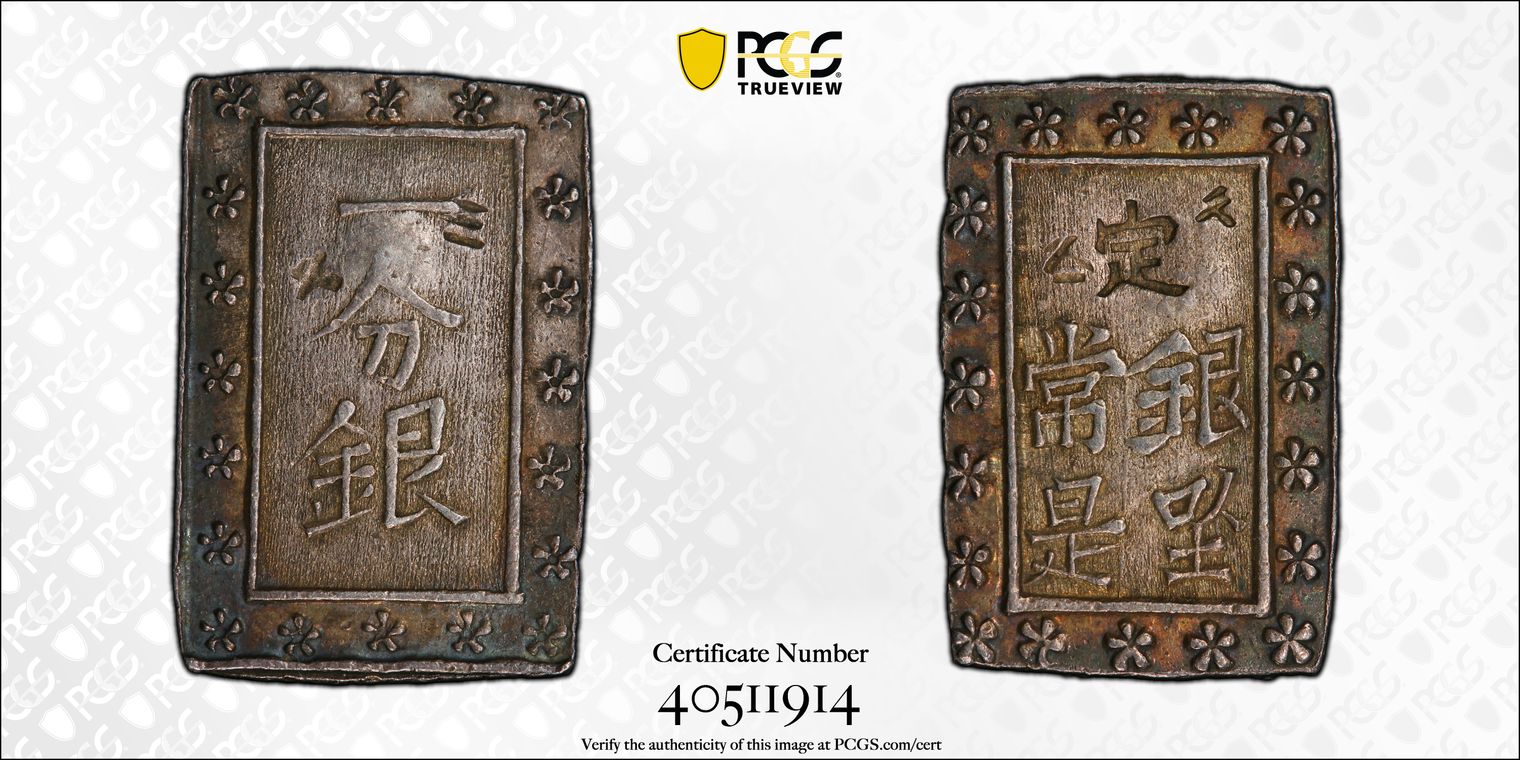

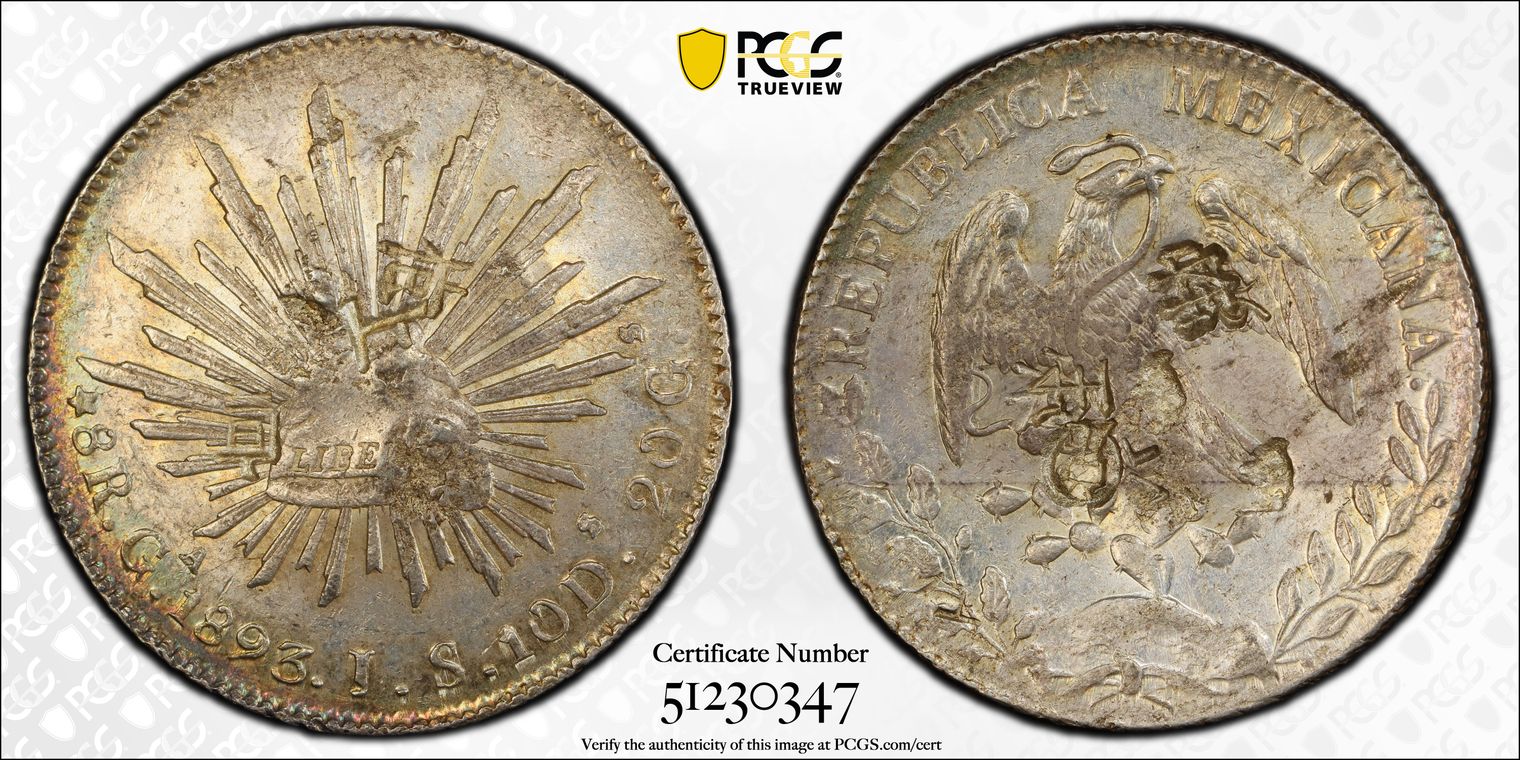
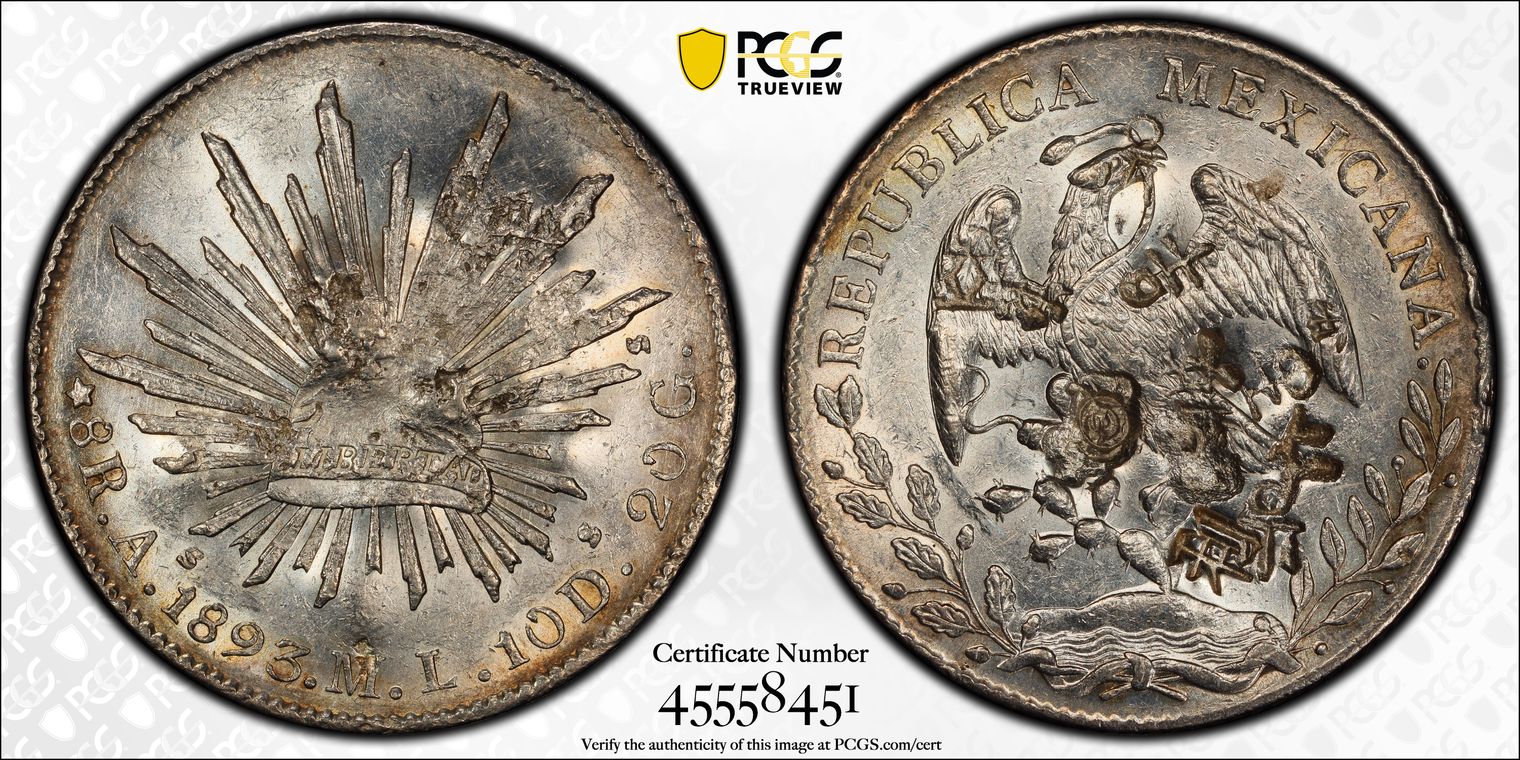
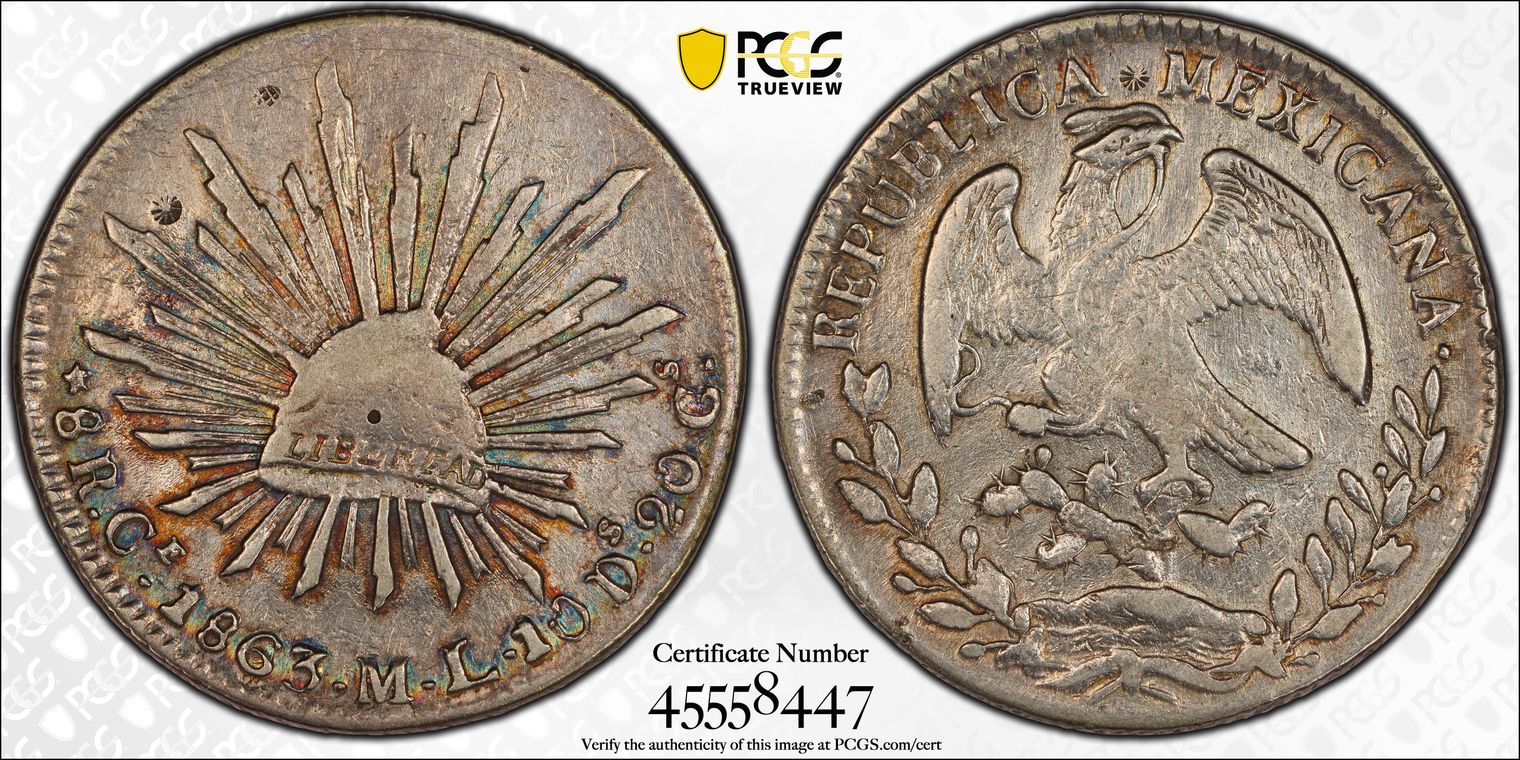
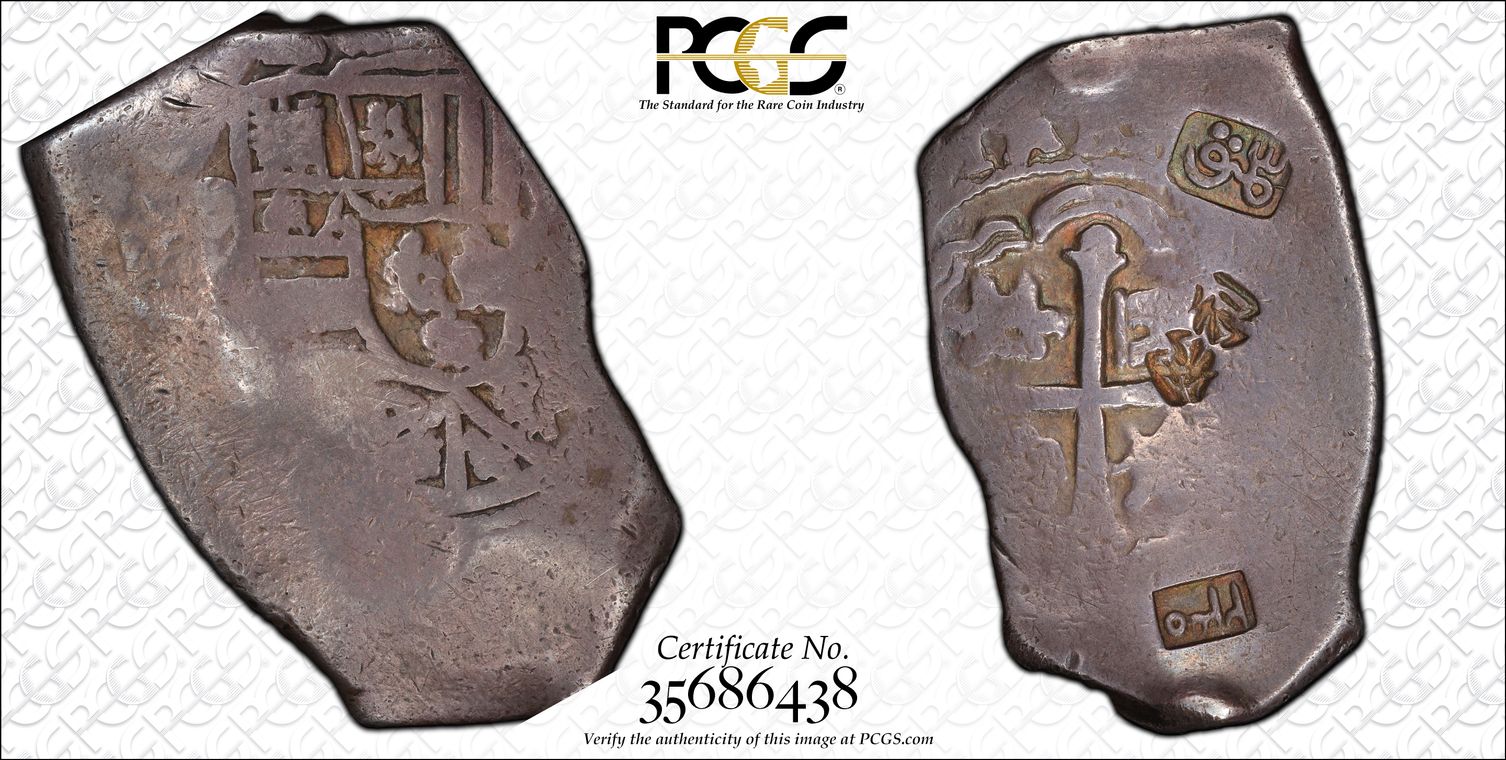
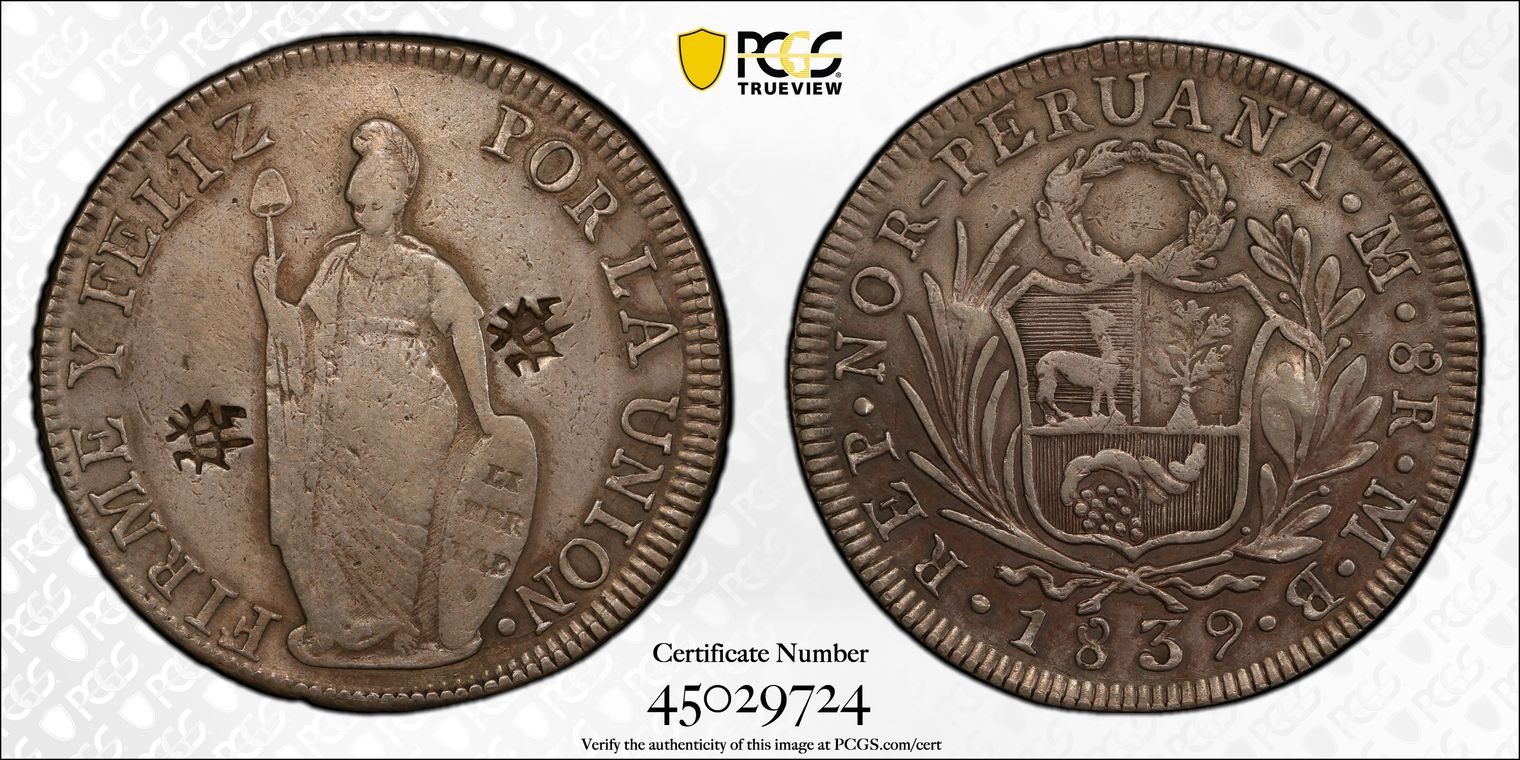
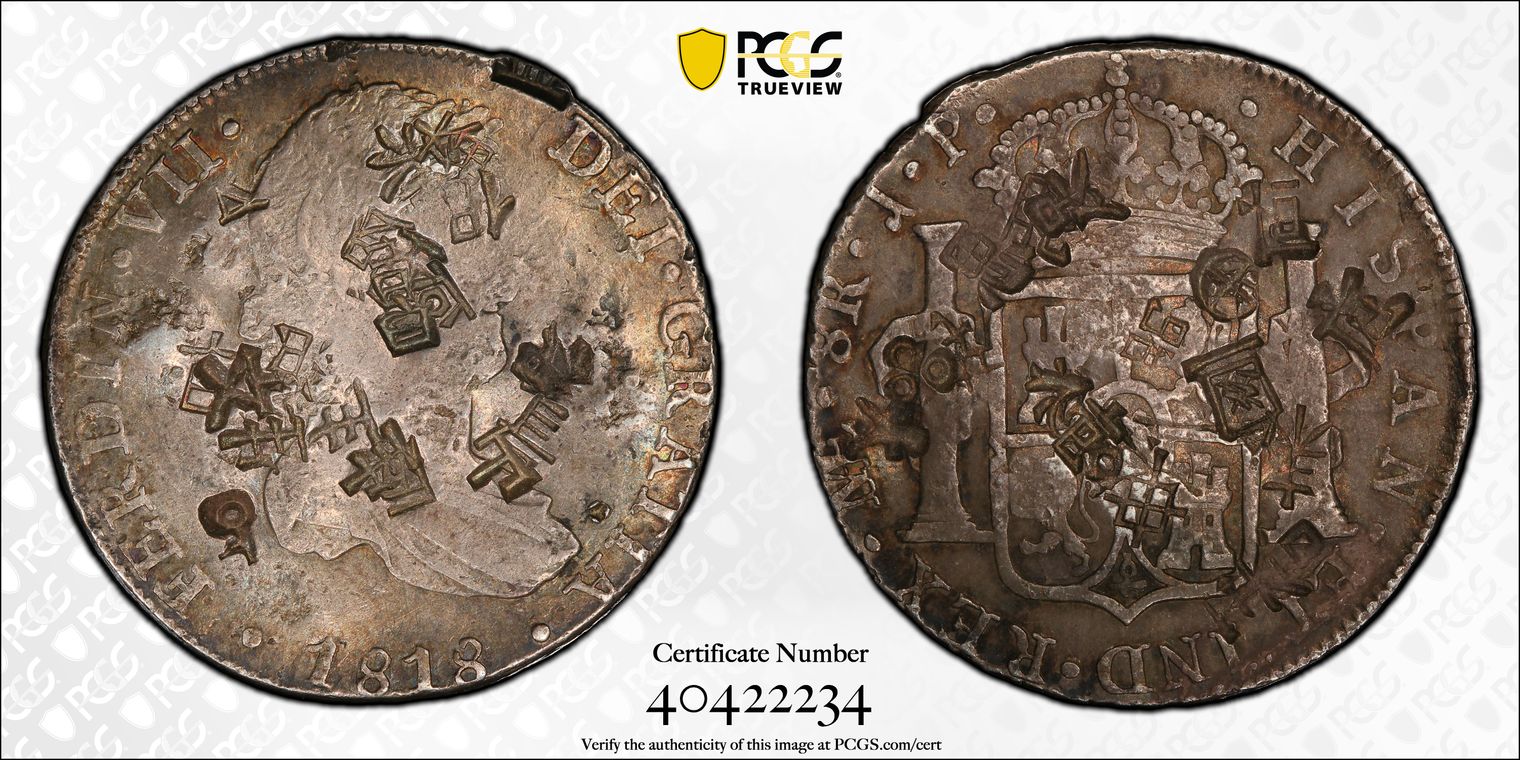
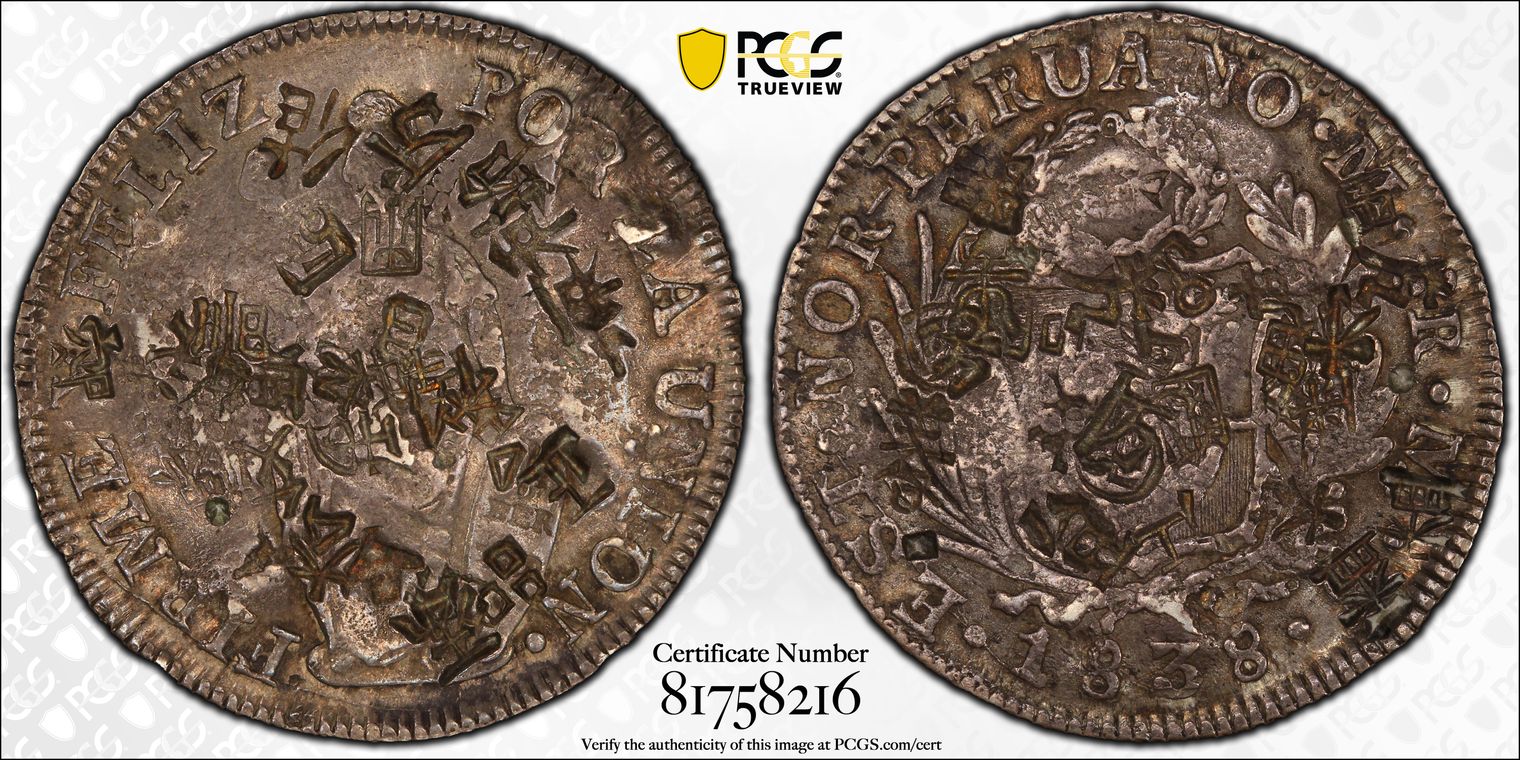
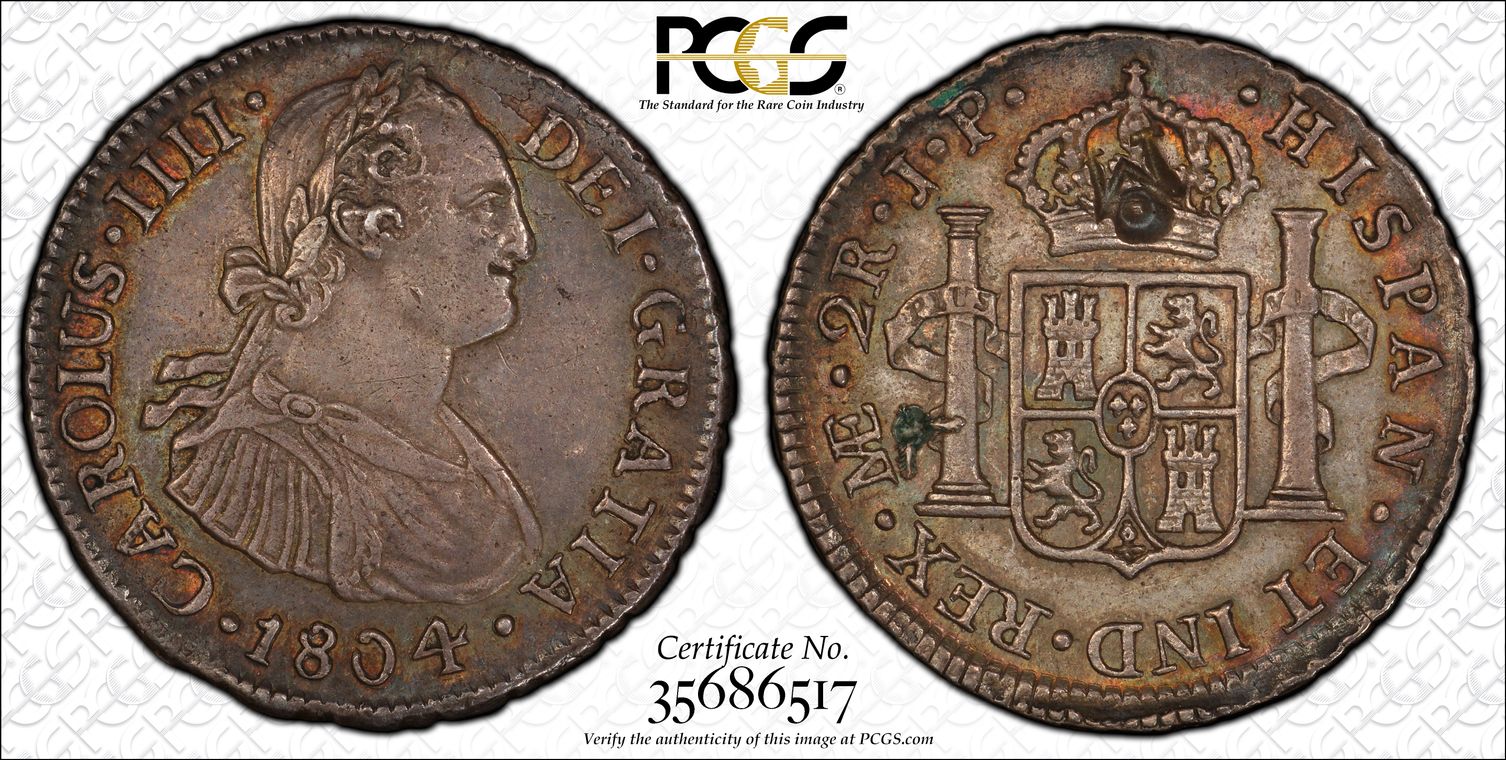
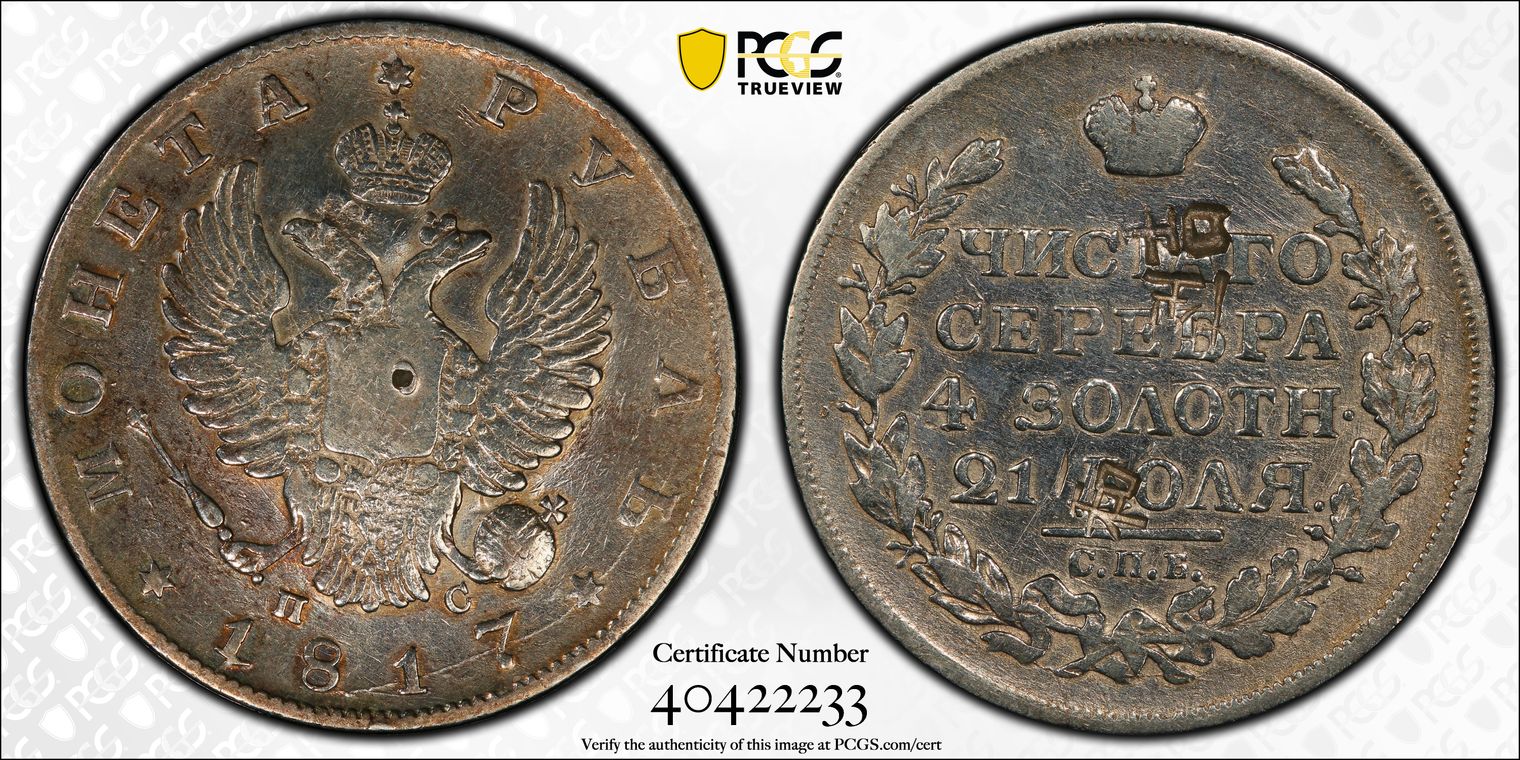
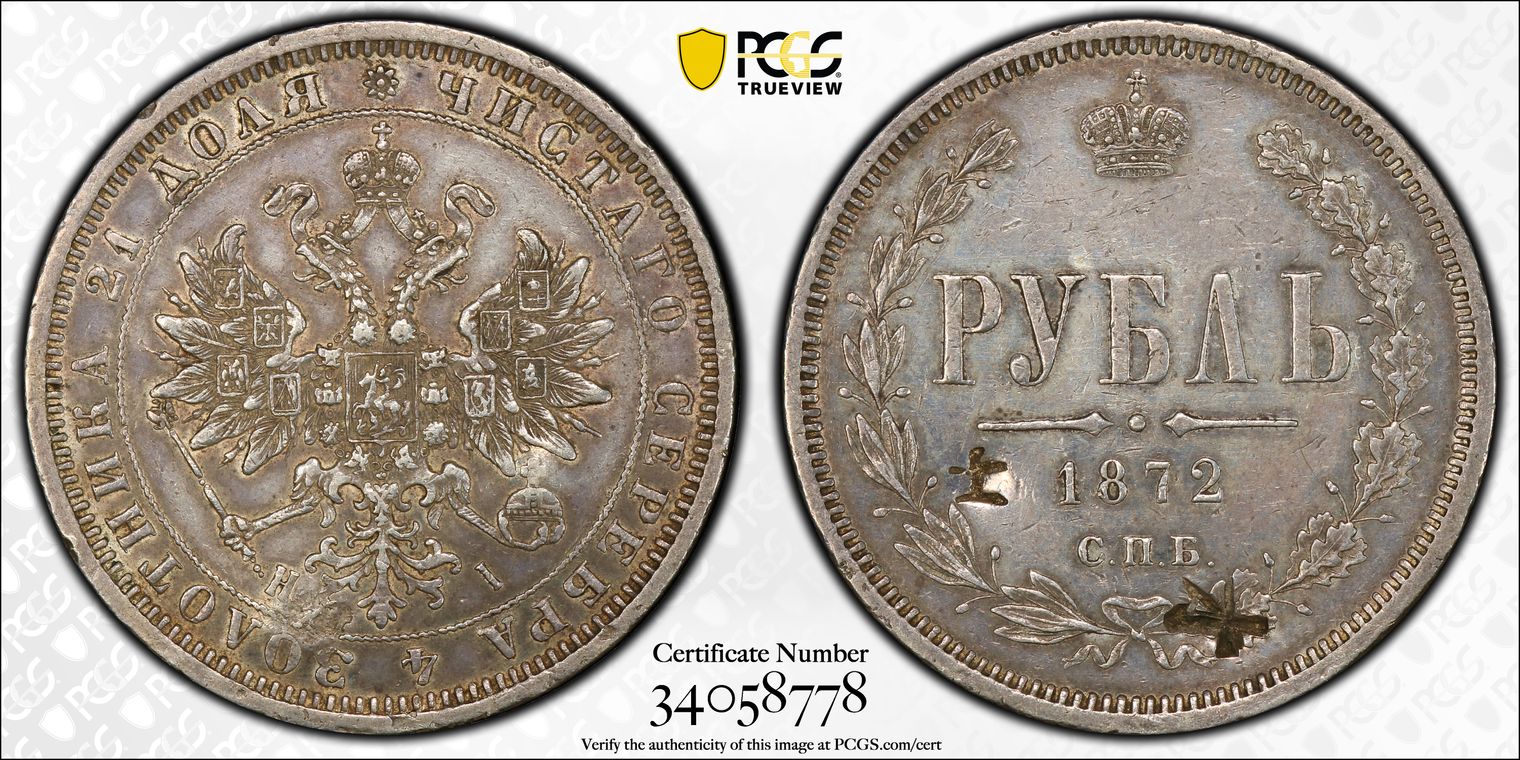
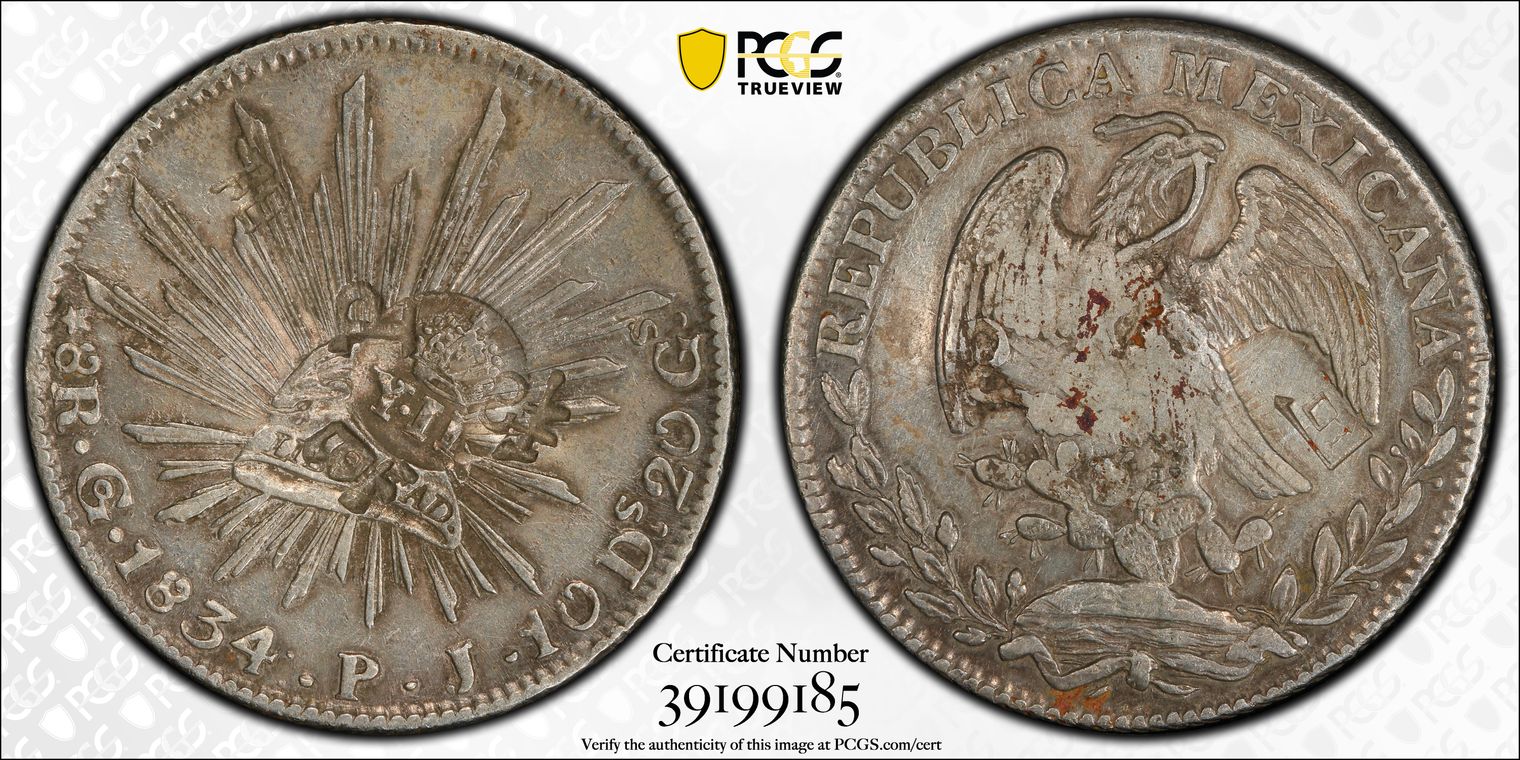
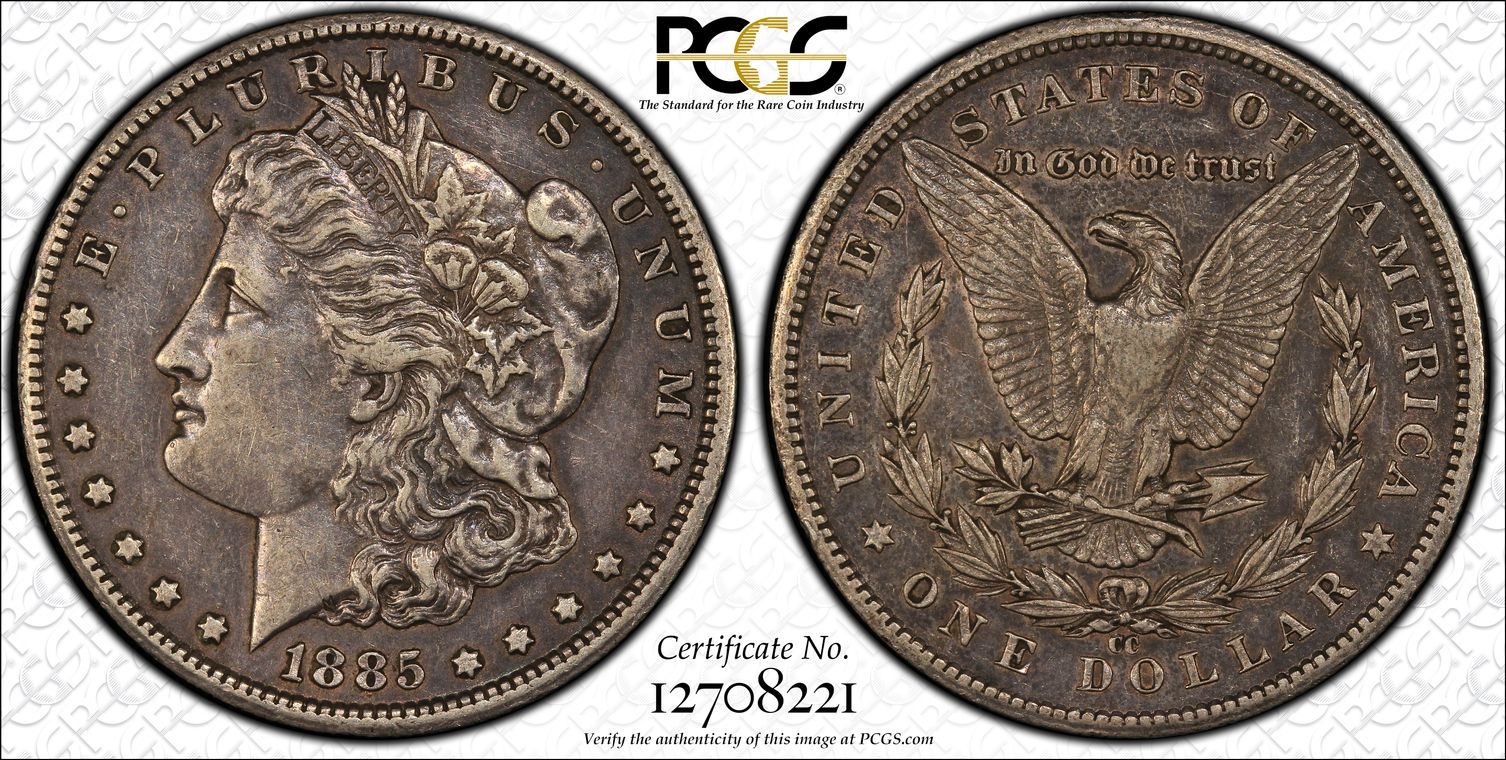
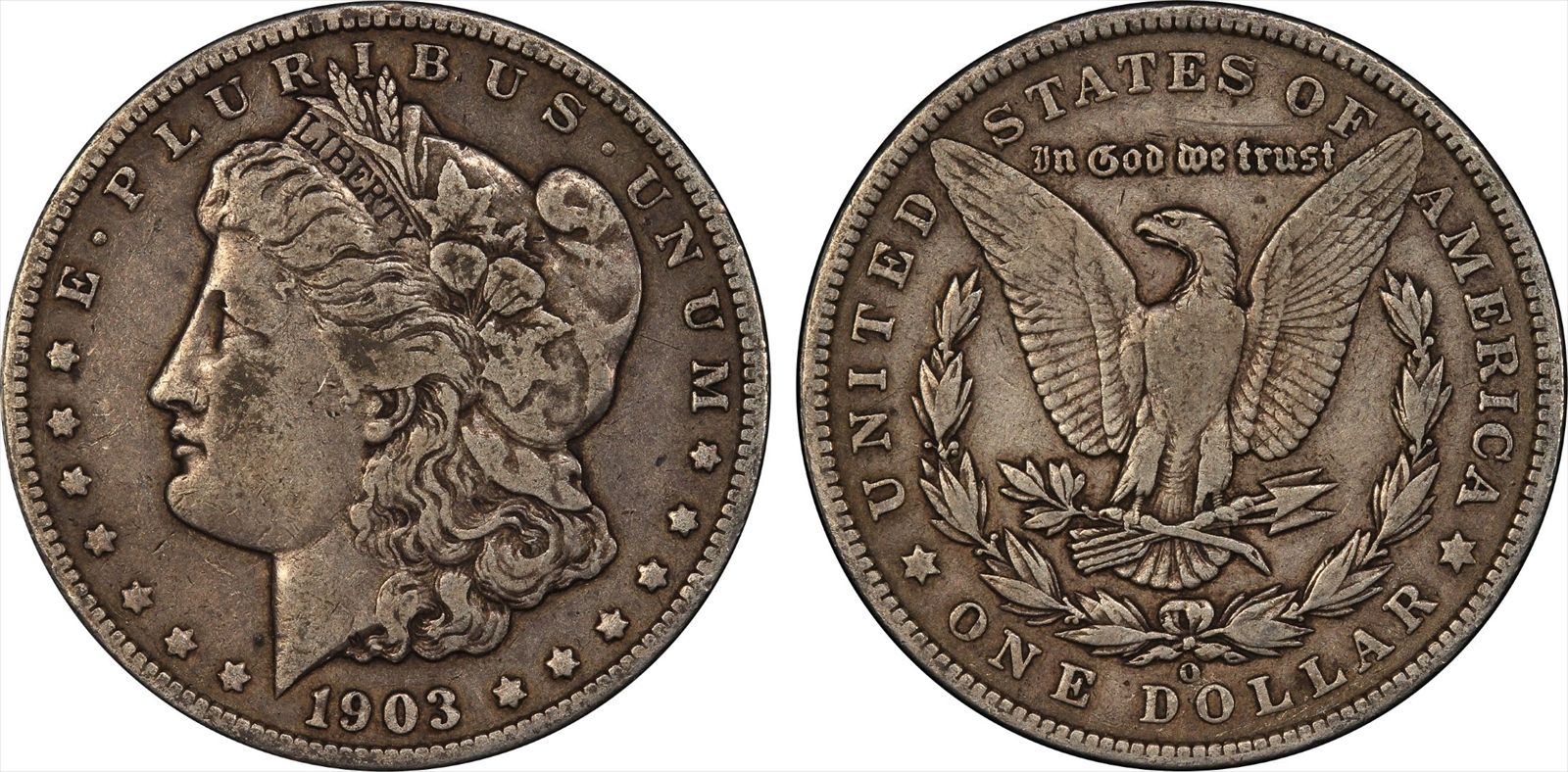
Very hard to find in any circulated grade, PCGS has graded less than 50 in circulated condition. What makes this even more cool is that this is a VAM-2A, apparently an R6 and hardly ever seen. I wonder how many other circulated examples of this VAM exist.
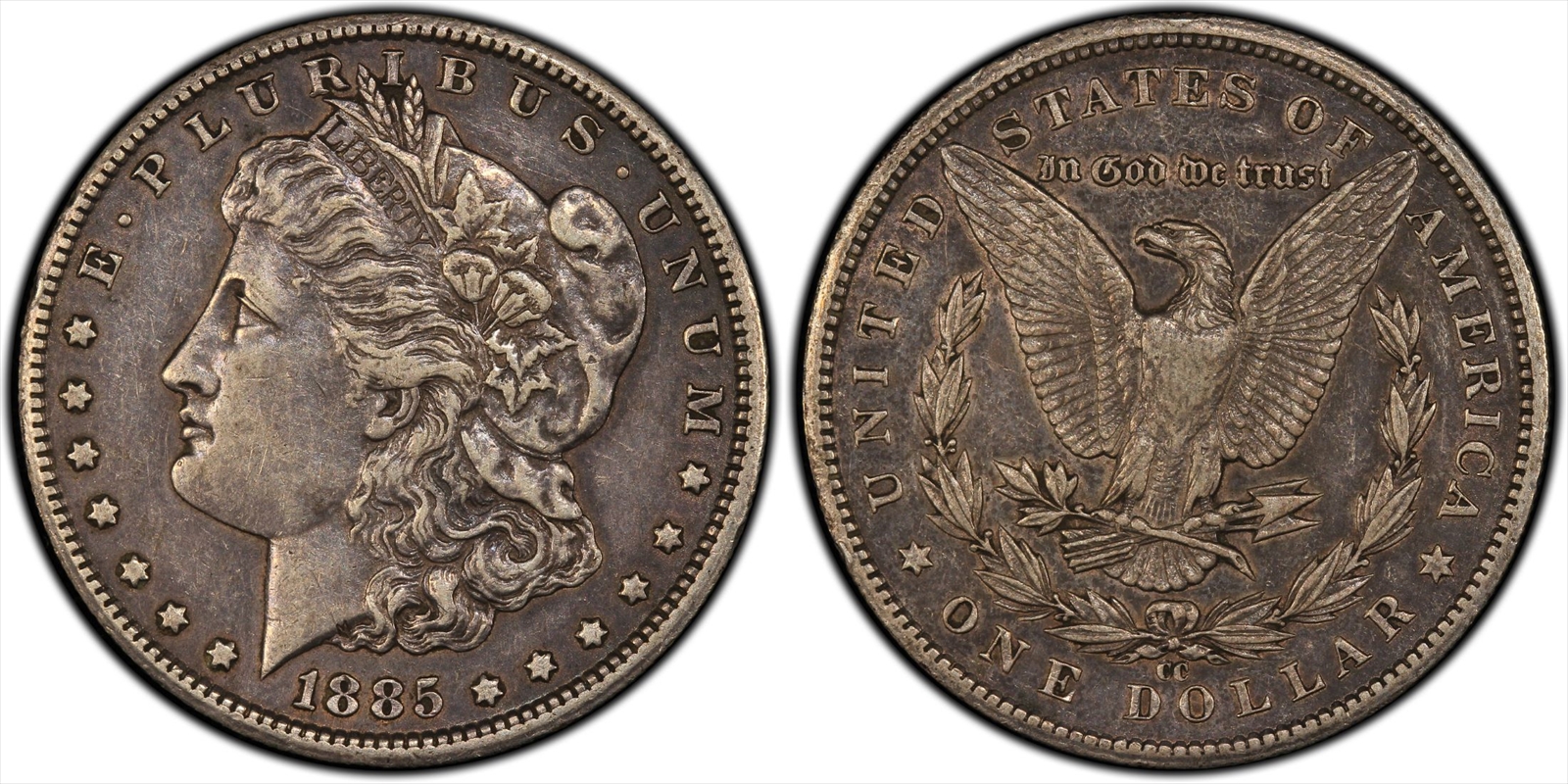
Very hard to find in any circulated grade, PCGS has graded less than 50 in circulated condition. What makes this even more cool is that this is a VAM-2A, apparently an R6 and hardly ever seen. I wonder how many other circulated examples of this VAM exist.

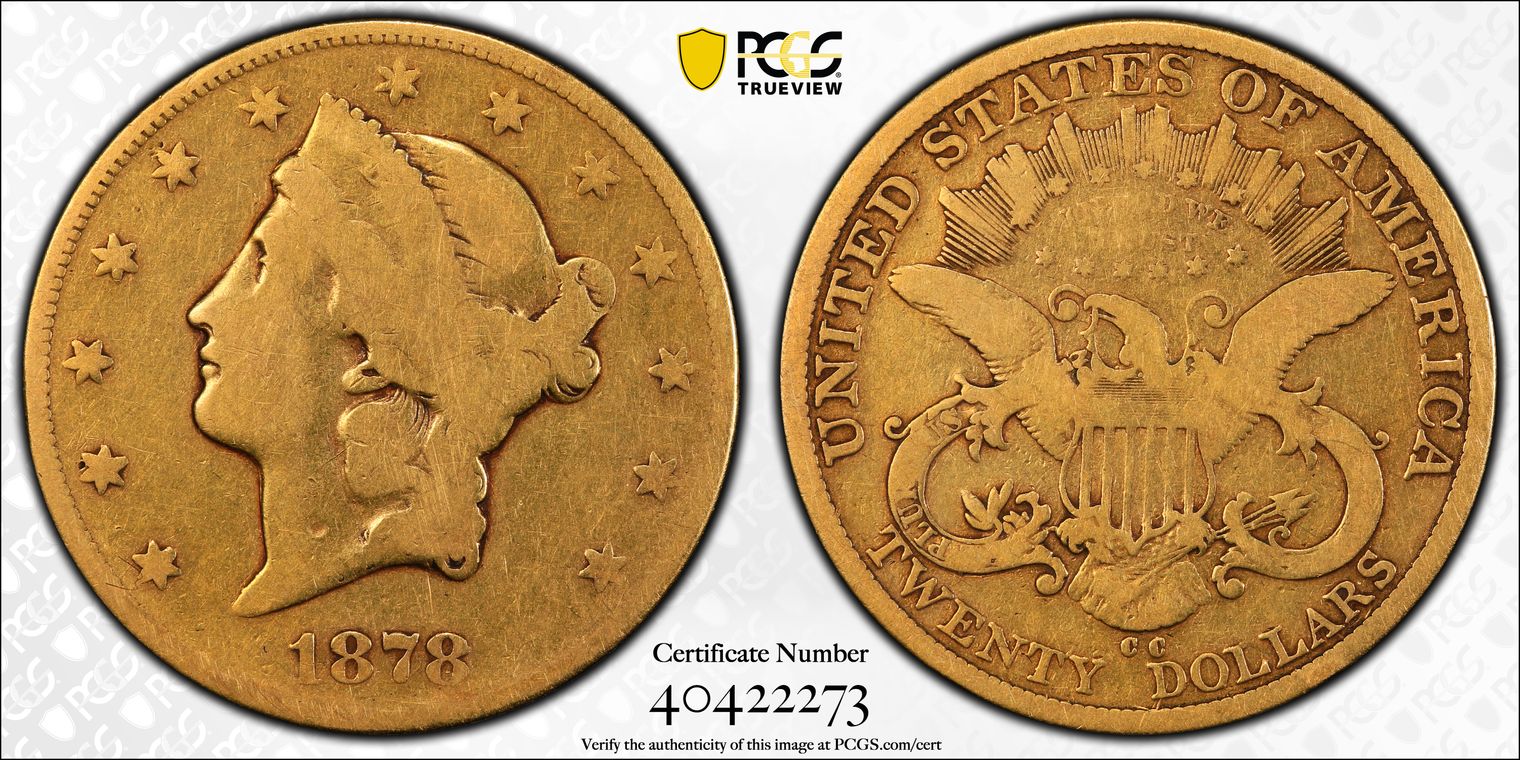
A well worn $20 gold piece that more recently traveled as a pocket piece for an older gentleman in my home town. It's neat to be able to find a piece like this for just a little over melt value. Unsurprisingly this is the lowest graded 1878-CC double eagle at PCGS
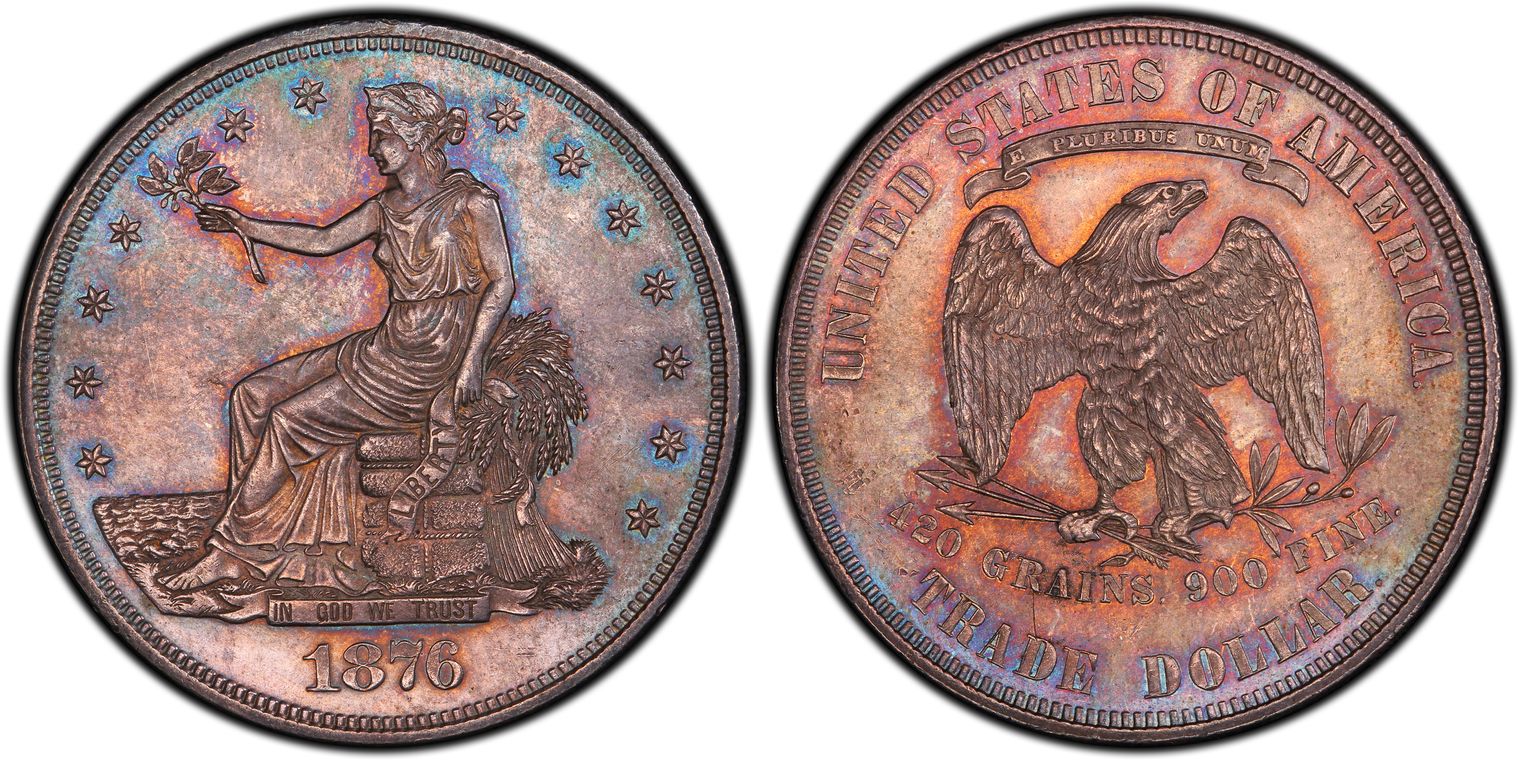
A neatly toned Type I/II centennial year issue preserved in mint state. Of note, this coin shares the same reverse die as the 1876 4F Type I/II proof and 1876 Type II/II proof and business strike issues. A good example of a die that was used to strike both circulation and proof issue coins. This one has prooflike surfaces with die cracks. Higher grade than I normally target but it was attractive and with the shared reverse die I liked it for study. I have only seen 2 or 3 business strikes of this die pair, I don't think many were made. The picture looks cartoonish but the surfaces and tone are really nice. That's what you get from proof dies.
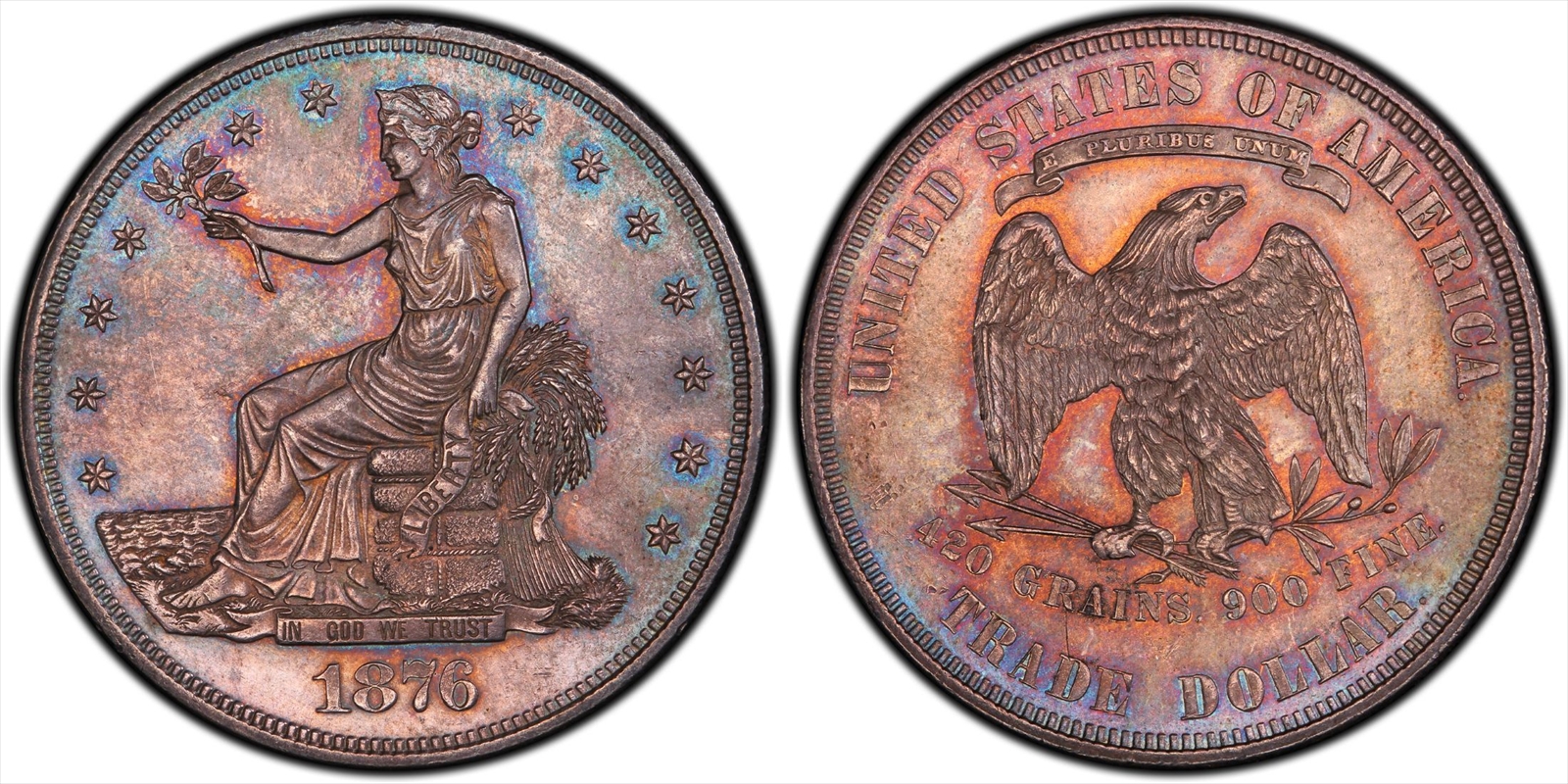
A neatly toned Type I/II centennial year issue preserved in mint state. Of note, this coin shares the same reverse die as the 1876 4F Type I/II proof and 1876 Type II/II proof and business strike issues. A good example of a die that was used to strike both circulation and proof issue coins. This one has prooflike surfaces with die cracks. Higher grade than I normally target but it was attractive and with the shared reverse die I liked it for study. I have only seen 2 or 3 business strikes of this die pair, I don't think many were made. The picture looks cartoonish but the surfaces and tone are really nice. That's what you get from proof dies.
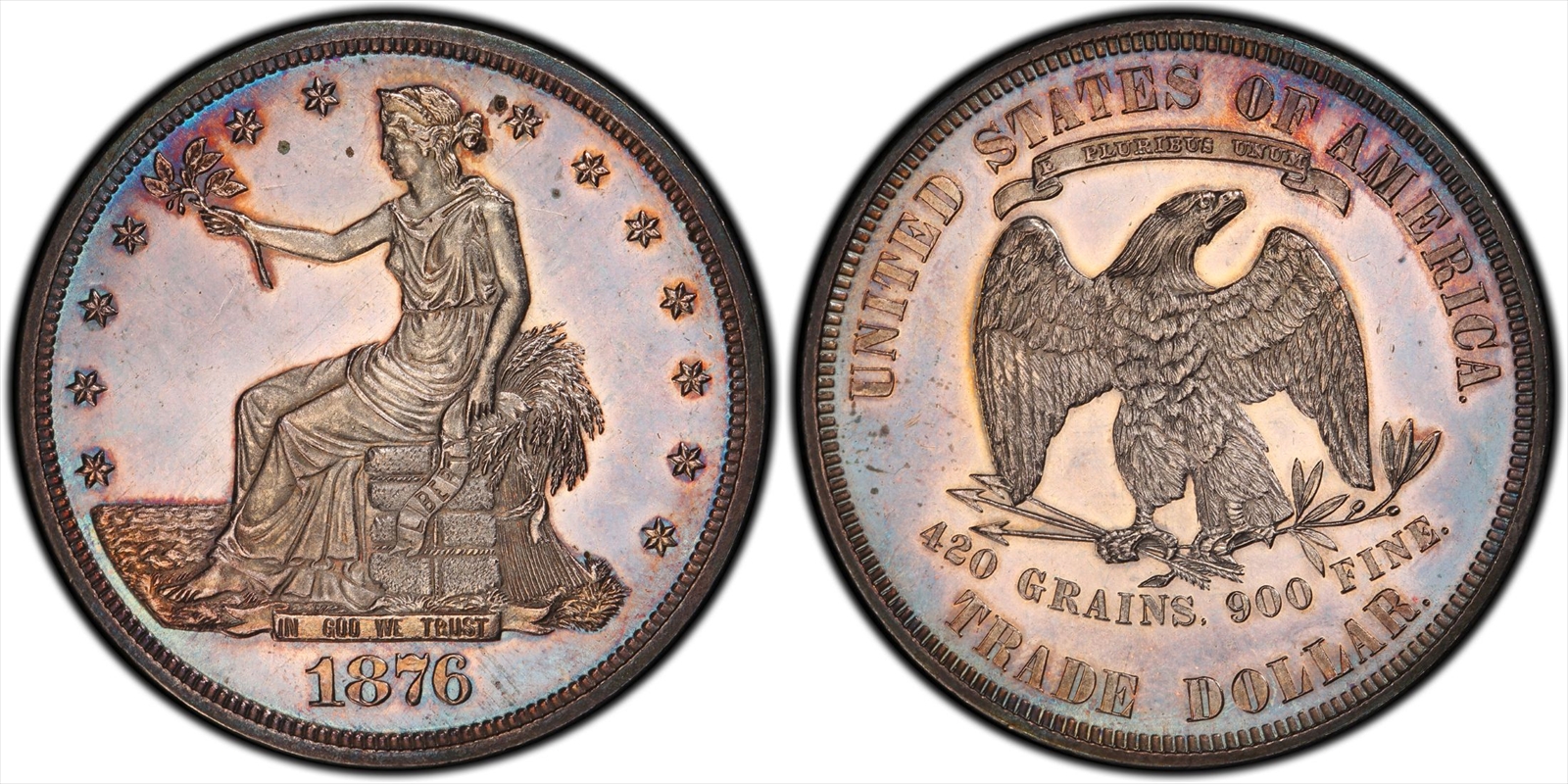
Type I/II 4 Finger. A pretty example of this "transitional" proof with nice mirrored surfaces. Note the obverse shows the liberty scroll tips pointing down and to the left, as normally seen on a Type I obverse. However, Liberty's outstretched hand shows 4 fingers, as normally seen on a Type II obverse. It is unknown how or why this die came to be, whether it was an experimental die, an accidental mistake, or something else. I estimate that about 10% of all 1876 proofs are of this Type I/II 4 Finger variety. CAC Approved.
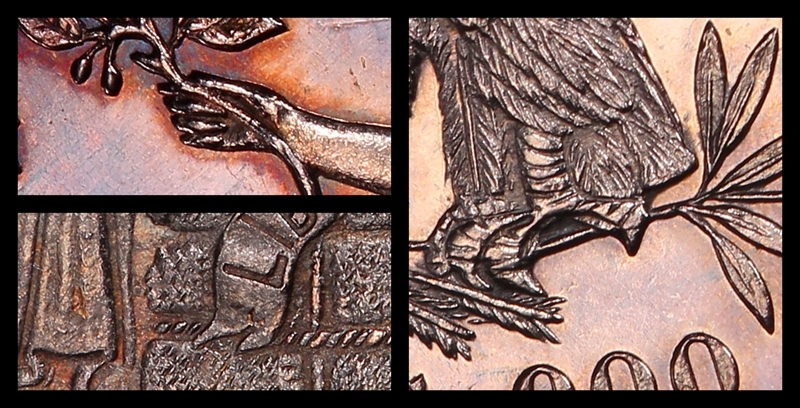
Type I/II 4 Finger. A pretty example of this "transitional" proof with nice mirrored surfaces. Note the obverse shows the liberty scroll tips pointing down and to the left, as normally seen on a Type I obverse. However, Liberty's outstretched hand shows 4 fingers, as normally seen on a Type II obverse. It is unknown how or why this die came to be, whether it was an experimental die, an accidental mistake, or something else. I estimate that about 10% of all 1876 proofs are of this Type I/II 4 Finger variety. CAC Approved.
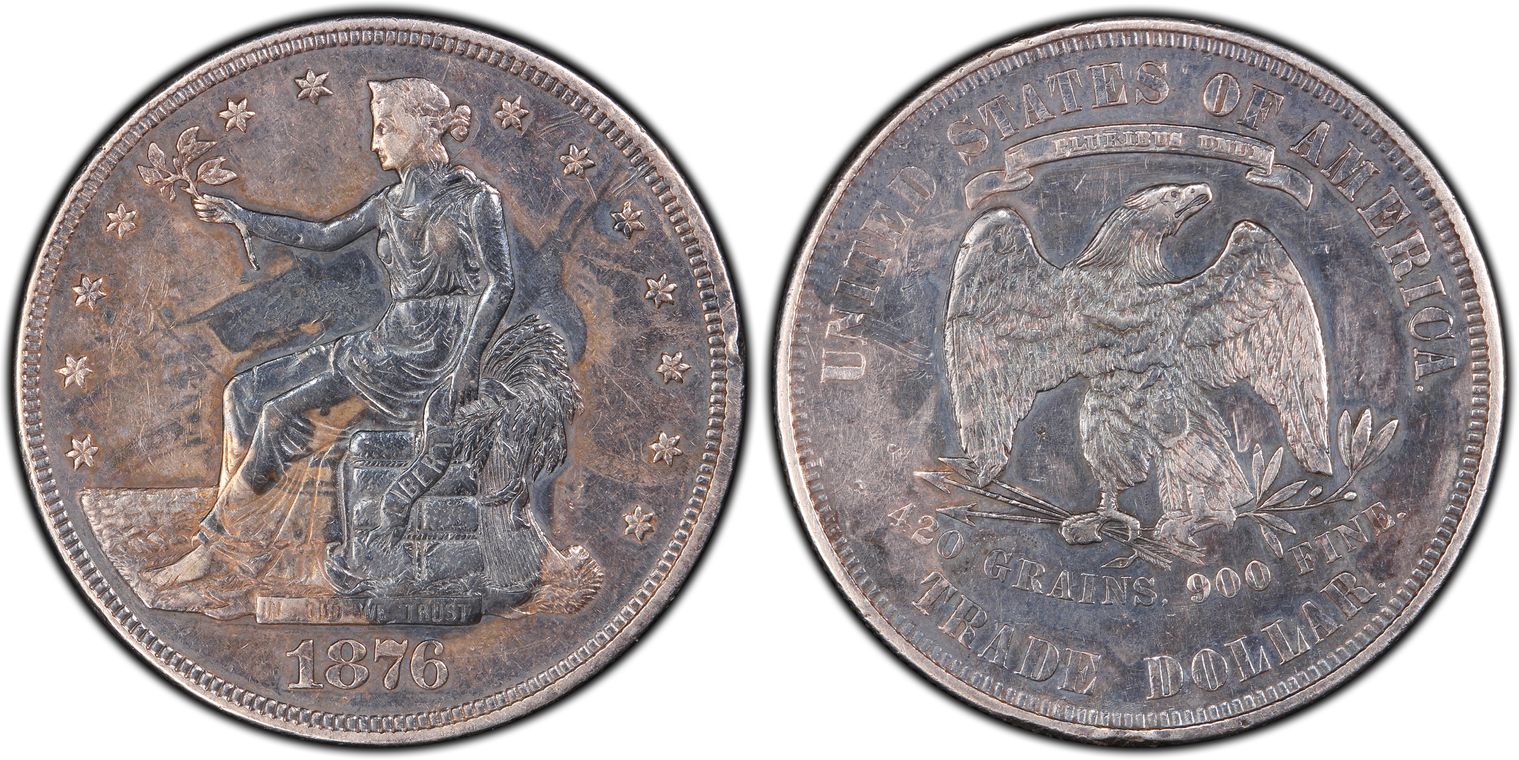
The 1876 Type II/Type II is very rare, this one popped up raw on a eBay in early 2012. The coin looks to have been through a few wars, with some dark staining on the obverse. PCGS deemed that it has"environmental damage" probably based on what looks like an ink stain on the obverse. I have studied this coin for hours and I'm still not 100% convinced that it is either a business strike or an impaired proof. In the right light, the flash of proof-like fields can be observed. Along with the lack of die cracks, this coin possibly was struck as a proof. On the other hand, the obverse head and reverse eagle's talon are not well struck, as one might expect of a proof issue. Based on appearance alone, my gut says this is a worn, spent proof issue coin however there appear to be 2 planchet flaws in the right obverse field around stars 11 and 12. Maybe this was a proof, rejected for quality issues? Either way, a tough coin to find with the Type II/Type II obverse/reverse combination. I'll go with PCGS on this one and refrain from offering a grade. It has it's problems but I'd rather have this look than a scrubbed white coin. I'm waiting patiently for a nice properly graded example to come along. Some day.
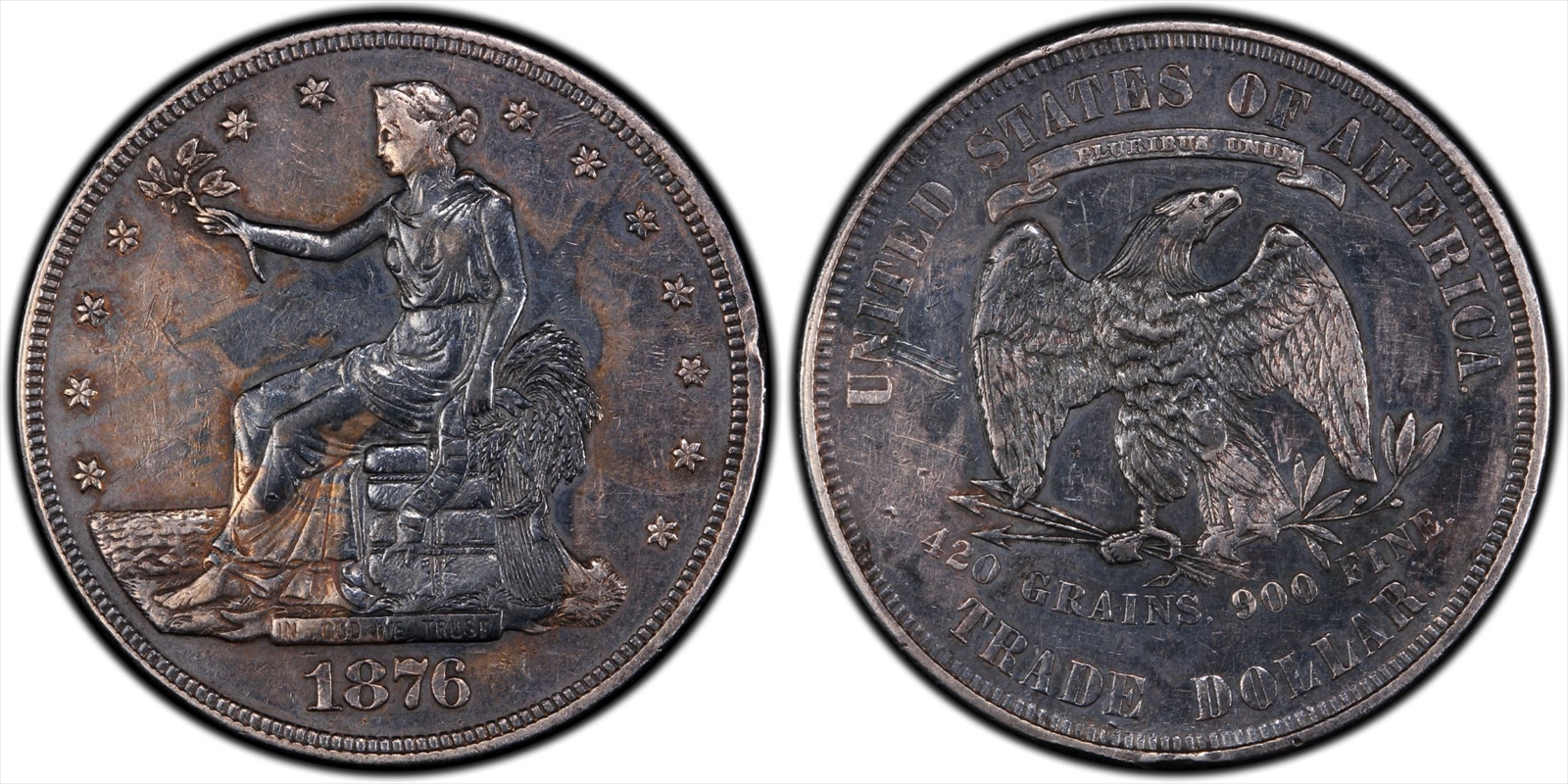
The 1876 Type II/Type II is very rare, this one popped up raw on a eBay in early 2012. The coin looks to have been through a few wars, with some dark staining on the obverse. PCGS deemed that it has"environmental damage" probably based on what looks like an ink stain on the obverse. I have studied this coin for hours and I'm still not 100% convinced that it is either a business strike or an impaired proof. In the right light, the flash of proof-like fields can be observed. Along with the lack of die cracks, this coin possibly was struck as a proof. On the other hand, the obverse head and reverse eagle's talon are not well struck, as one might expect of a proof issue. Based on appearance alone, my gut says this is a worn, spent proof issue coin however there appear to be 2 planchet flaws in the right obverse field around stars 11 and 12. Maybe this was a proof, rejected for quality issues? Either way, a tough coin to find with the Type II/Type II obverse/reverse combination. I'll go with PCGS on this one and refrain from offering a grade. It has it's problems but I'd rather have this look than a scrubbed white coin. I'm waiting patiently for a nice properly graded example to come along. Some day.
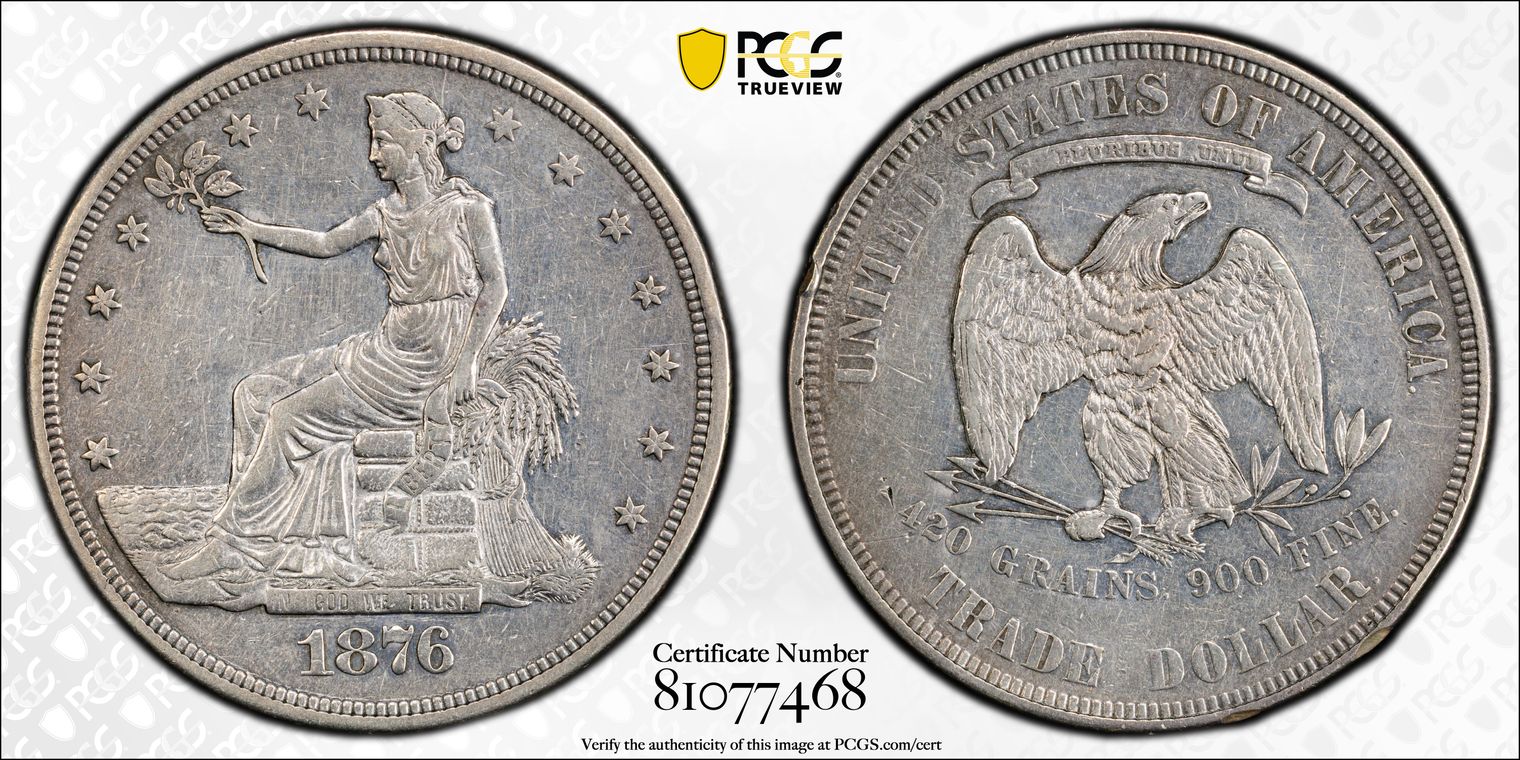
Type 1.5/2 circulation strike example, struck from proof dies. The obverse shows characteristics of both the Type 1 obverse with the tails of Liberty scroll pointing downwards, but also characteristics of the Type 2 obverse with Liberty's outstretched hand showing a thumb and 4 fingers. This is one of my favorite varieties.
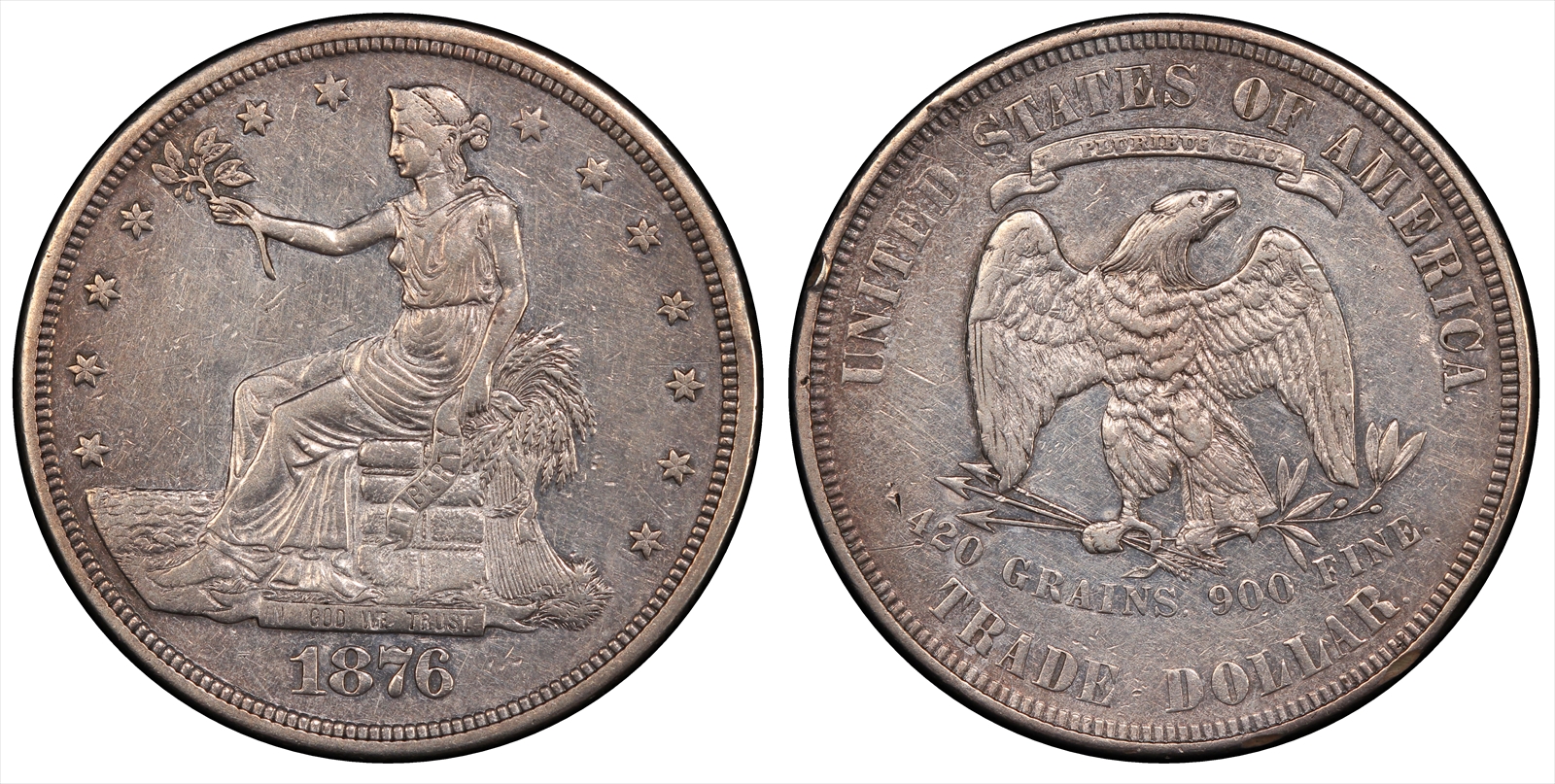
Type 1.5/2 circulation strike example, struck from proof dies. The obverse shows characteristics of both the Type 1 obverse with the tails of Liberty scroll pointing downwards, but also characteristics of the Type 2 obverse with Liberty's outstretched hand showing a thumb and 4 fingers. This is one of my favorite varieties.