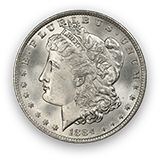





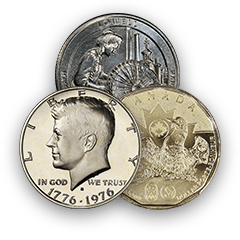
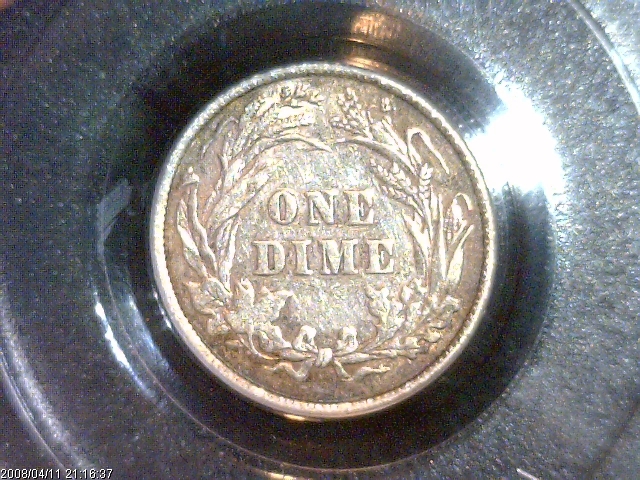
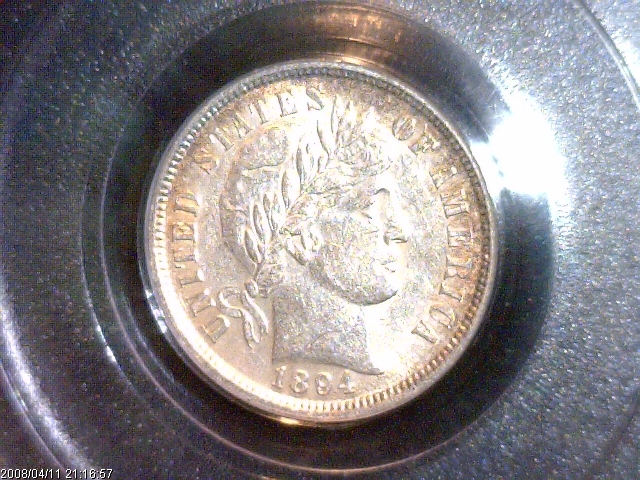
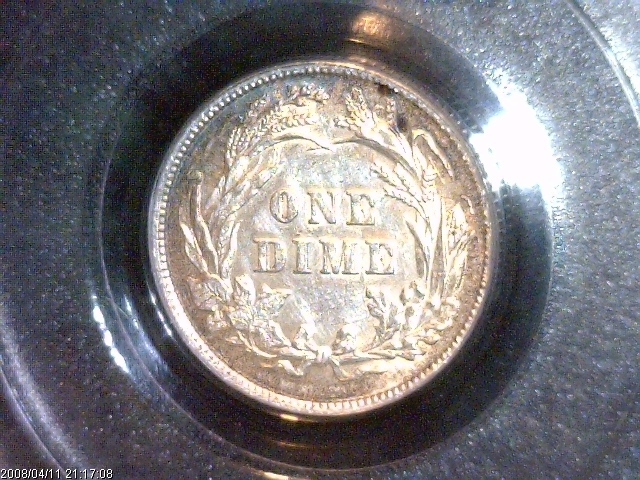
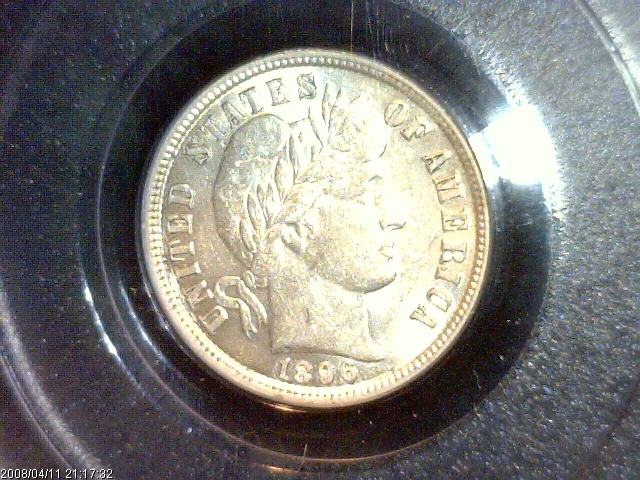
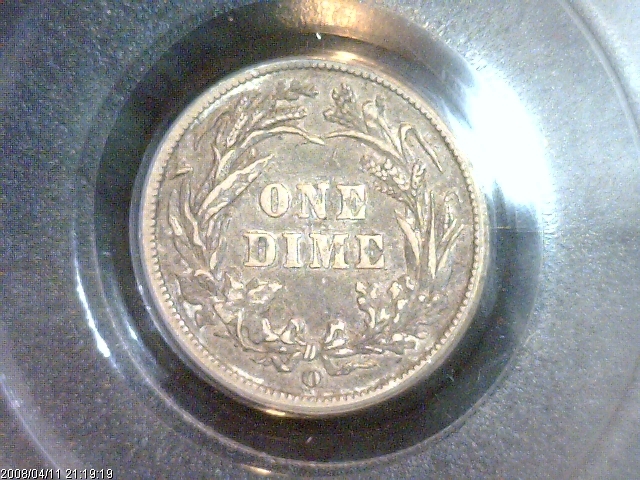
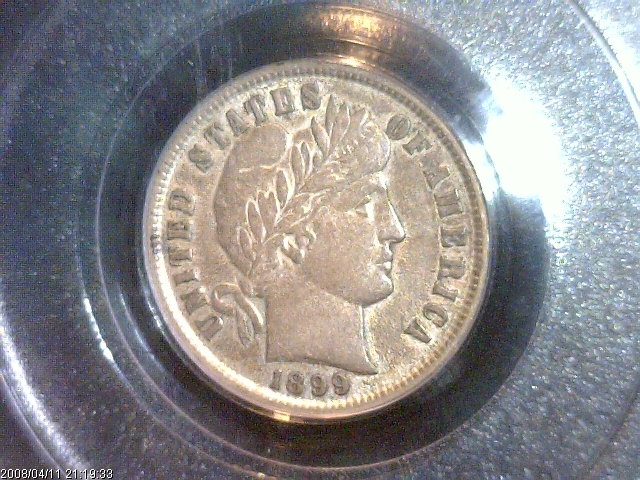
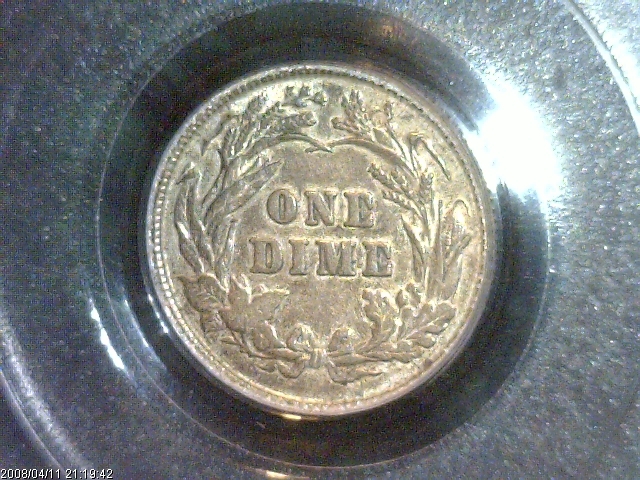
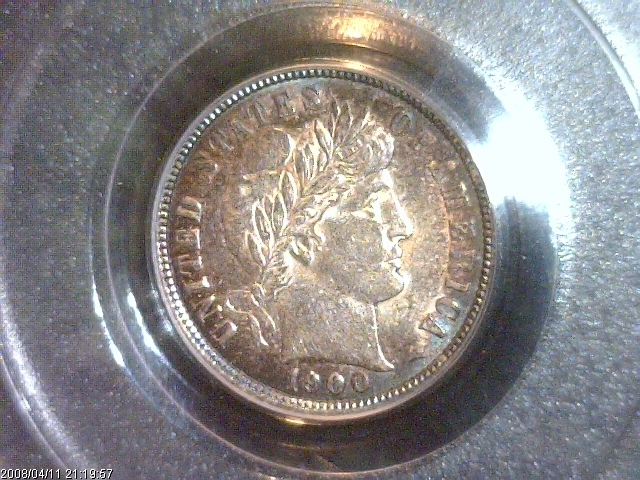
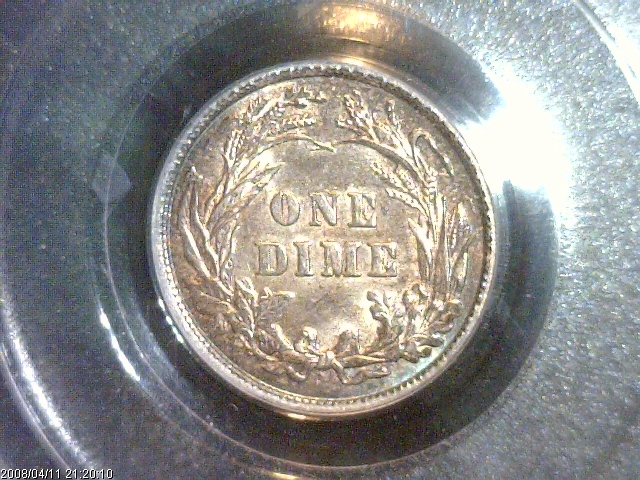
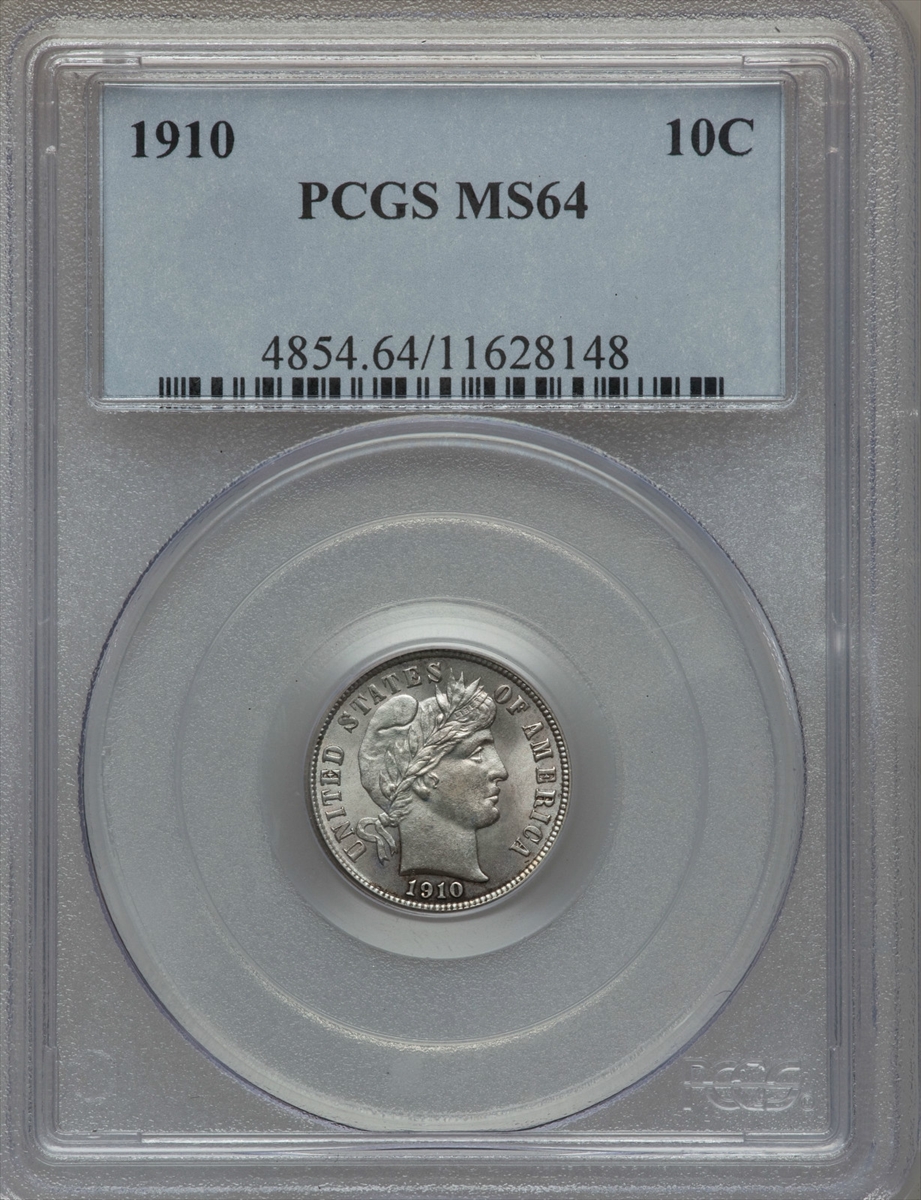
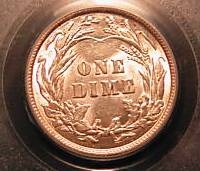
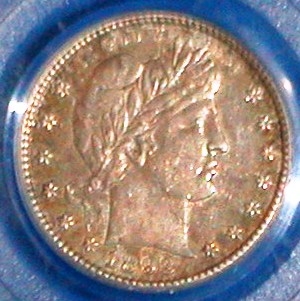
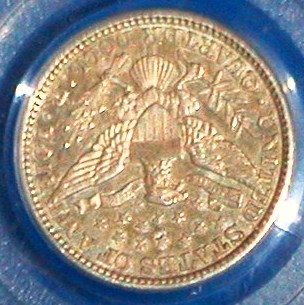
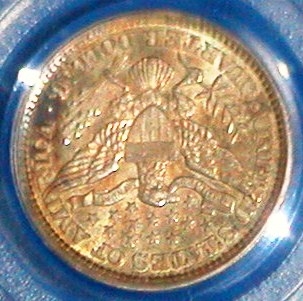
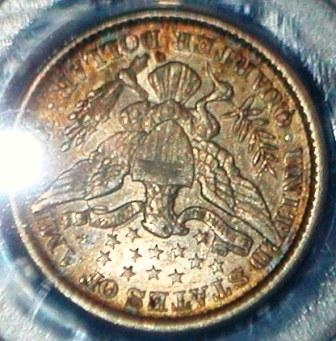
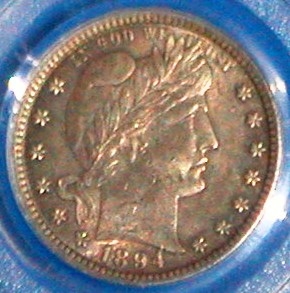
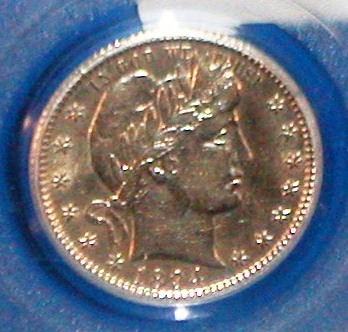
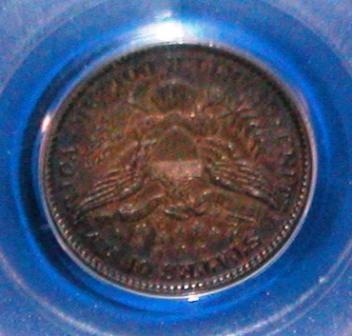
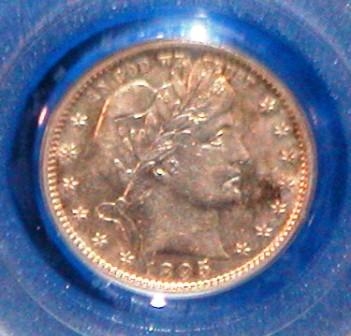
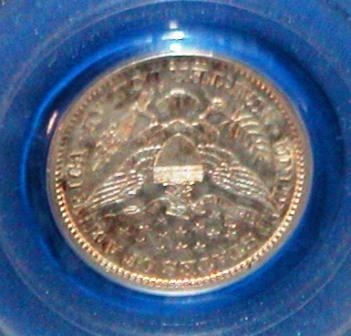
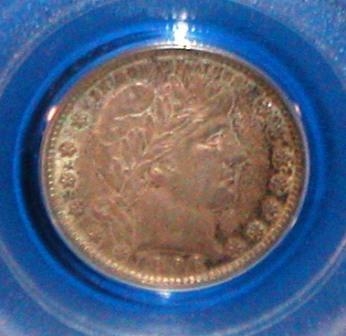
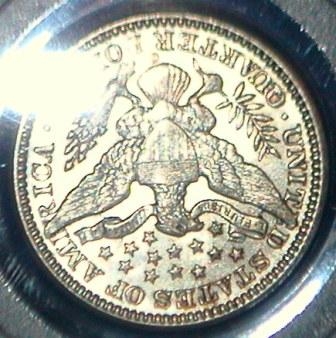
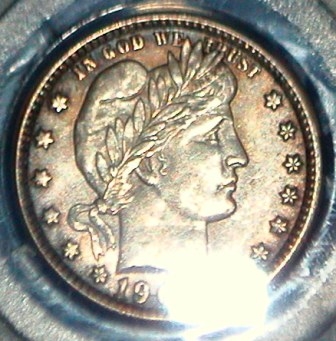
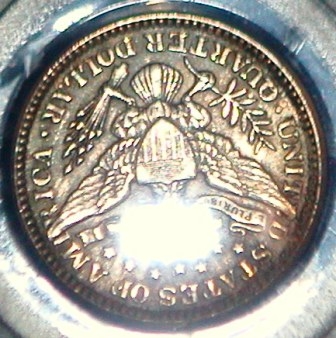
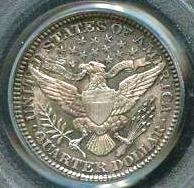
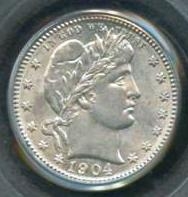
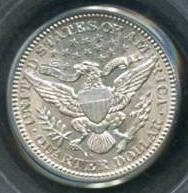
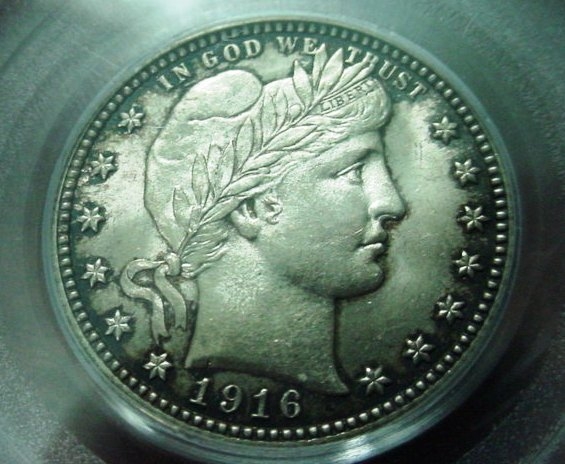
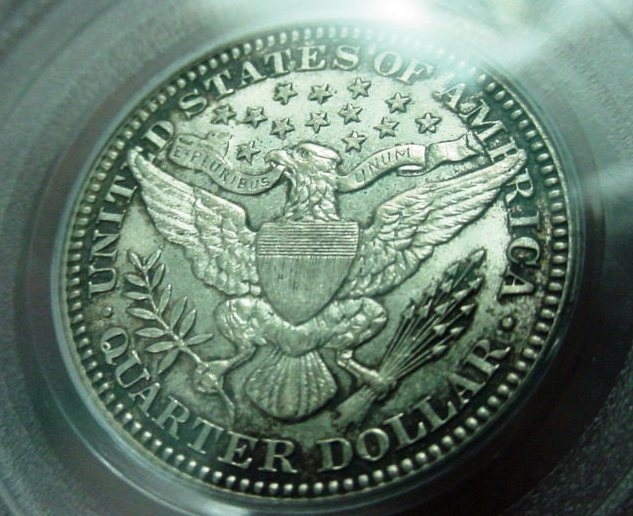
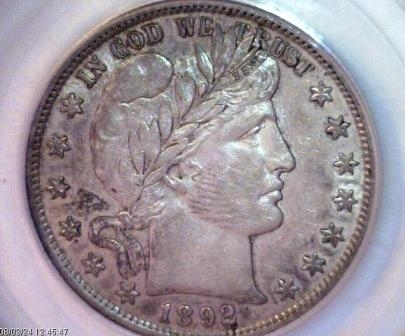
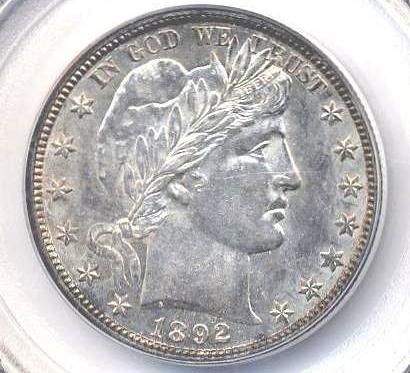
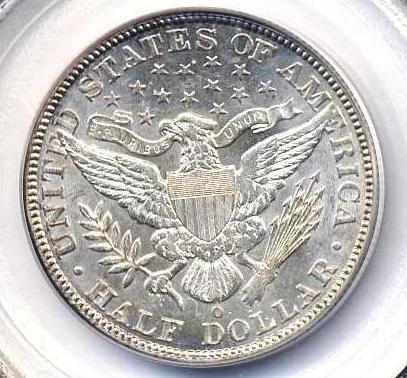
The DFT Barber Series Basic Set Coin Album
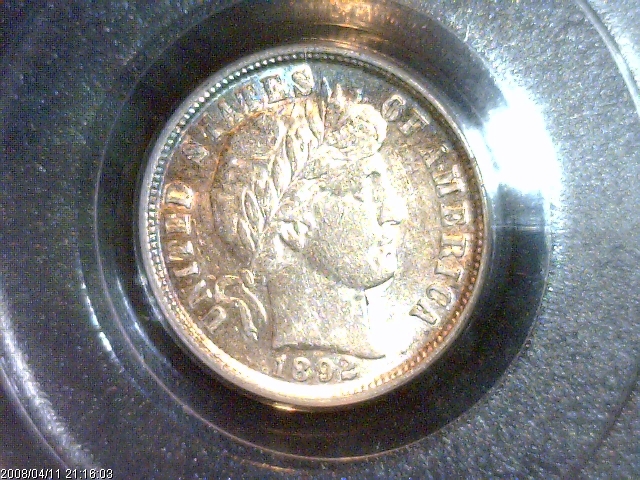
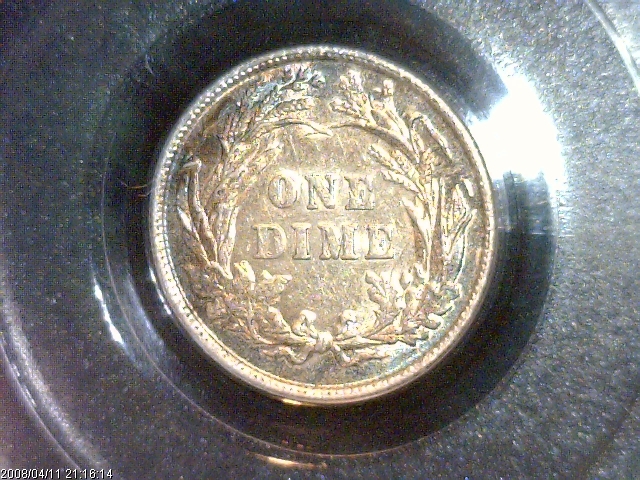

























Federal Power over Immigration and National Identity. In Nishimura Ekiu v. United States (1892), the Supreme Court reaffirmed that the political branches possess broad constitutional authority over immigration, recognizing immigration control as an incident of national sovereignty. Also the "Pledge of Allegiance" was first recited in unison by students in U.S. public schools to mark the 400th anniversary of the Columbus Day holiday, reflecting a growing national unity during a period of rapid immigration and industrialization.
Federal Power over Immigration and National Identity. In Nishimura Ekiu v. United States (1892), the Supreme Court reaffirmed that the political branches possess broad constitutional authority over immigration, recognizing immigration control as an incident of national sovereignty. Also the "Pledge of Allegiance" was first recited in unison by students in U.S. public schools to mark the 400th anniversary of the Columbus Day holiday, reflecting a growing national unity during a period of rapid immigration and industrialization.
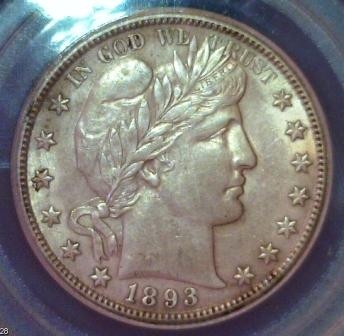
Economic Crisis. The Panic of 1893 produced one of the nation's deepest economic depressions, prompting renewed debate over the constitutional scope of federal regulation of commerce, currency, and labor. The 1893 World's Fair, also known as the World's Columbian Exposition, opens to the public in Chicago.
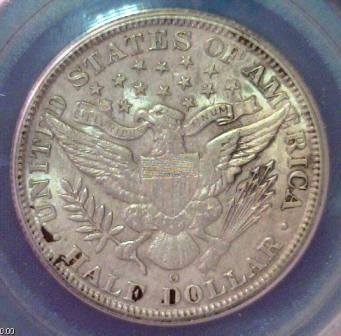
Economic Crisis. The Panic of 1893 produced one of the nation's deepest economic depressions, prompting renewed debate over the constitutional scope of federal regulation of commerce, currency, and labor. The 1893 World's Fair, also known as the World's Columbian Exposition, opens to the public in Chicago.

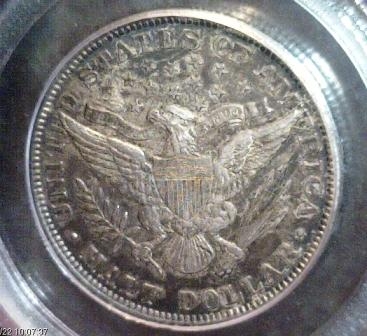
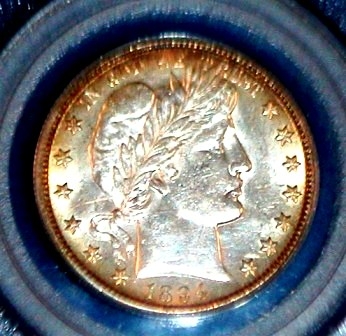
Commerce and Executive Authority. The Pullman Strike (1894) tested federal authority to regulate interstate commerce. President Cleveland used federal troops to restore rail service, foreshadowing the Supreme Court's recognition of broad federal power over interstate commerce.
Commerce and Executive Authority. The Pullman Strike (1894) tested federal authority to regulate interstate commerce. President Cleveland used federal troops to restore rail service, foreshadowing the Supreme Court's recognition of broad federal power over interstate commerce.
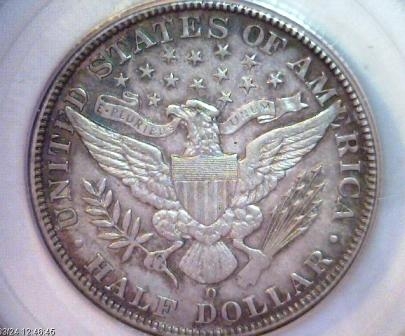

Interstate Commerce. In In re Debs (1895), the Supreme Court upheld federal authority to issue injunctions and use military force to remove obstructions to interstate commerce and the mails, holding that the federal government, in its ability to regulate interstate commerce, has broad powers during labor disputes, affirming the legality of the military suppression of the Pullman Strike.
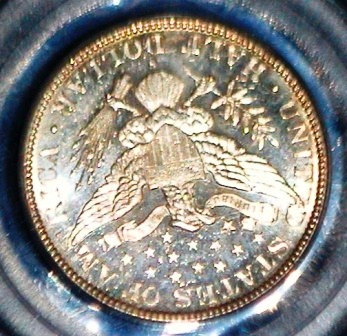
Interstate Commerce. In In re Debs (1895), the Supreme Court upheld federal authority to issue injunctions and use military force to remove obstructions to interstate commerce and the mails, holding that the federal government, in its ability to regulate interstate commerce, has broad powers during labor disputes, affirming the legality of the military suppression of the Pullman Strike.
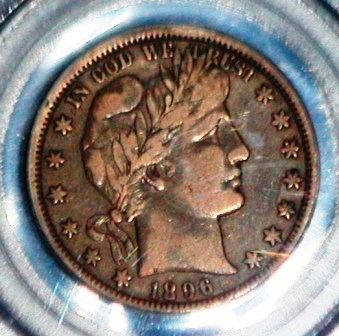
Equal Protection. In Plessy v. Ferguson (1896), the Supreme Court upheld state racial segregation under the "separate but equal" doctrine, narrowing the protections of the Fourteenth Amendment. It would remain the law of the land for nearly six decades until Brown v. Board of Education.

Equal Protection. In Plessy v. Ferguson (1896), the Supreme Court upheld state racial segregation under the "separate but equal" doctrine, narrowing the protections of the Fourteenth Amendment. It would remain the law of the land for nearly six decades until Brown v. Board of Education.
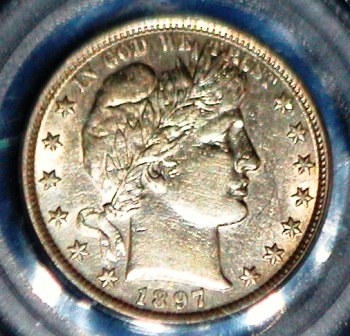
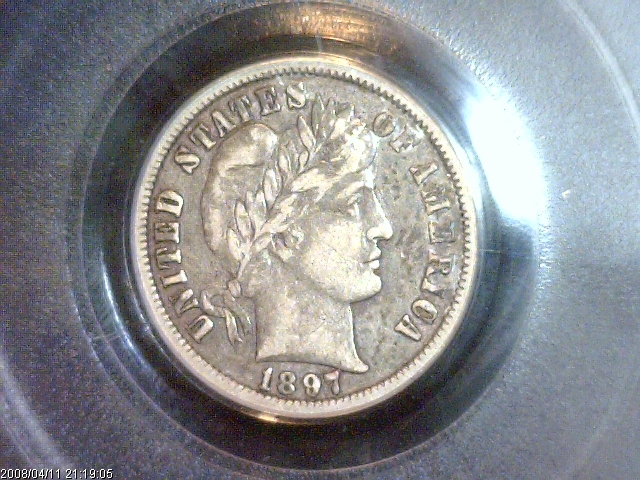
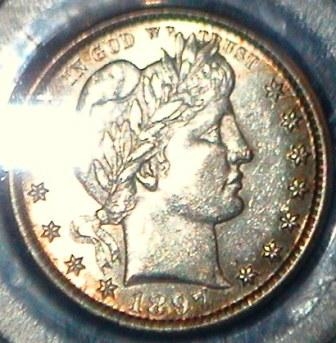
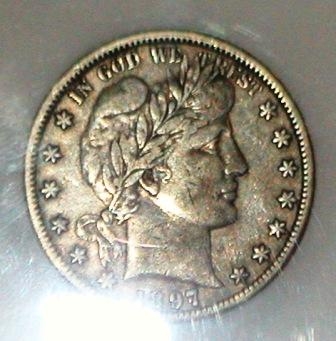
Economic Regulation / Federalism. In 1897, President William McKinley entered office as debates continued over the proper constitutional relationship between state governments and an increasingly active national government during the Industrial Age. The miners strike of 1897 would successfully establish the United Mine Workers Union and brought about the 8-hour work day to the mines.
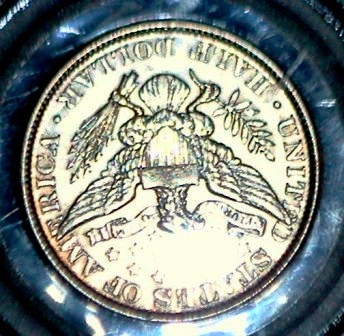
Economic Regulation / Federalism. In 1897, President William McKinley entered office as debates continued over the proper constitutional relationship between state governments and an increasingly active national government during the Industrial Age. The miners strike of 1897 would successfully establish the United Mine Workers Union and brought about the 8-hour work day to the mines.
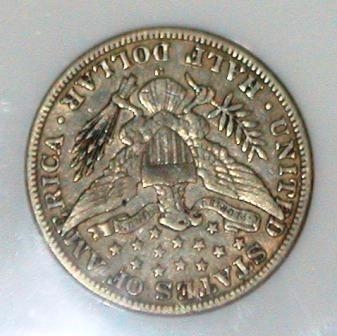

War Powers and Expansion. Following the destruction of the USS Maine in Havana Harbor, Congress declared war on Spain in 1898. The resulting American victory marked the emergence of the United States as a global power, led to the acquisition of overseas territories, and raised lasting constitutional questions concerning war powers, treaties, and territorial government.

War Powers and Expansion. Following the destruction of the USS Maine in Havana Harbor, Congress declared war on Spain in 1898. The resulting American victory marked the emergence of the United States as a global power, led to the acquisition of overseas territories, and raised lasting constitutional questions concerning war powers, treaties, and territorial government.
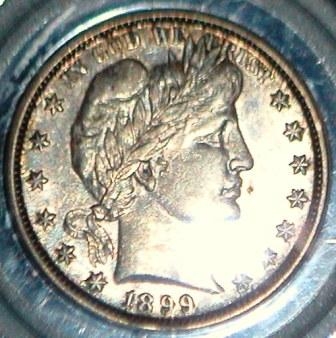
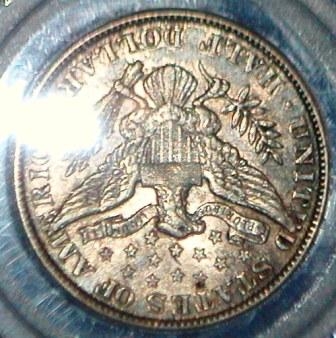
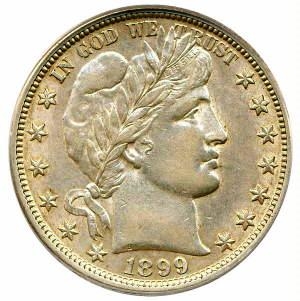
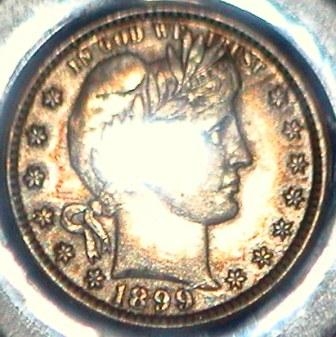
Territorial Government. In 1899, the United States assumed administration of Puerto Rico and the Philippines, setting the stage for the Insular Cases and enduring debates over the Constitution's application beyond the states.
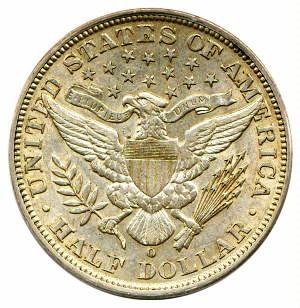
Territorial Government. In 1899, the United States assumed administration of Puerto Rico and the Philippines, setting the stage for the Insular Cases and enduring debates over the Constitution's application beyond the states.
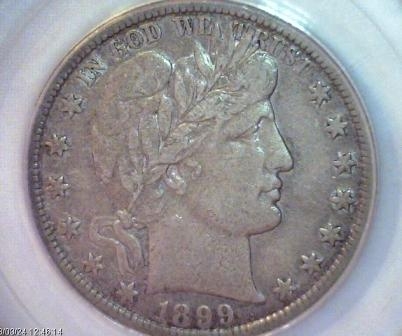
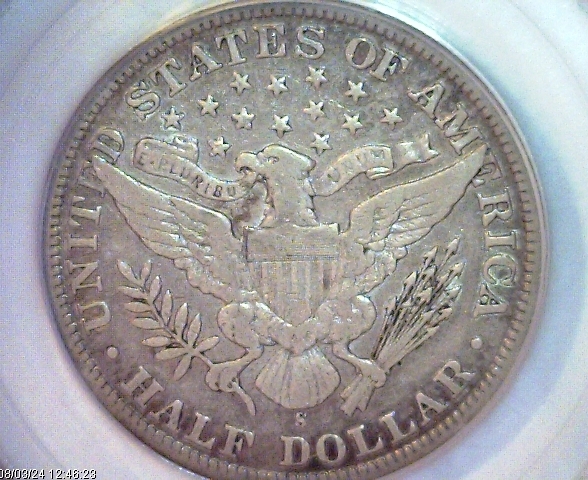
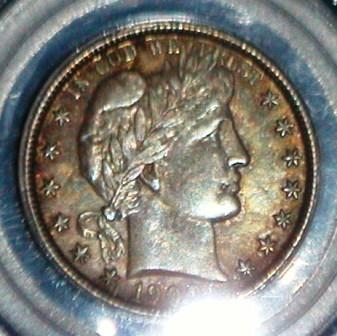
Monetary Authority. The Gold Standard Act of 1900 confirmed gold as the basis of United States currency, reflecting Congress's constitutional authority over the nation's monetary system.
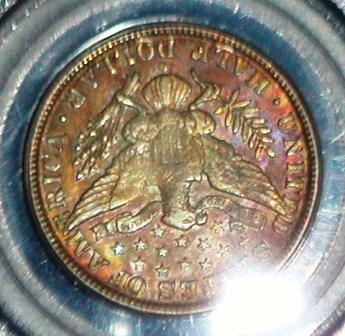
Monetary Authority. The Gold Standard Act of 1900 confirmed gold as the basis of United States currency, reflecting Congress's constitutional authority over the nation's monetary system.
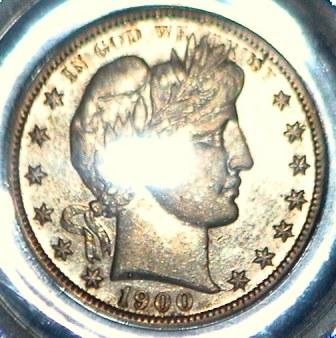
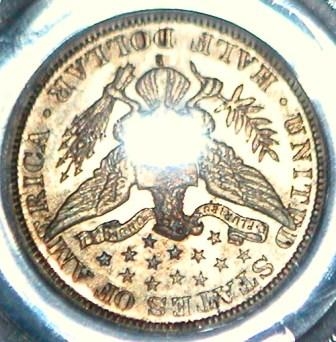
Federal Regulation of Corporate Power. President Theodore Roosevelt called for federal supervision of powerful interstate corporations, asking the United States Congress to curb the power of trusts "within reasonable limits." His policy reflected a growing conviction that private property and freedom of contract did not place monopolistic combinations beyond regulation under Congress's Commerce Clause authority.
Federal Regulation of Corporate Power. President Theodore Roosevelt called for federal supervision of powerful interstate corporations, asking the United States Congress to curb the power of trusts "within reasonable limits." His policy reflected a growing conviction that private property and freedom of contract did not place monopolistic combinations beyond regulation under Congress's Commerce Clause authority.
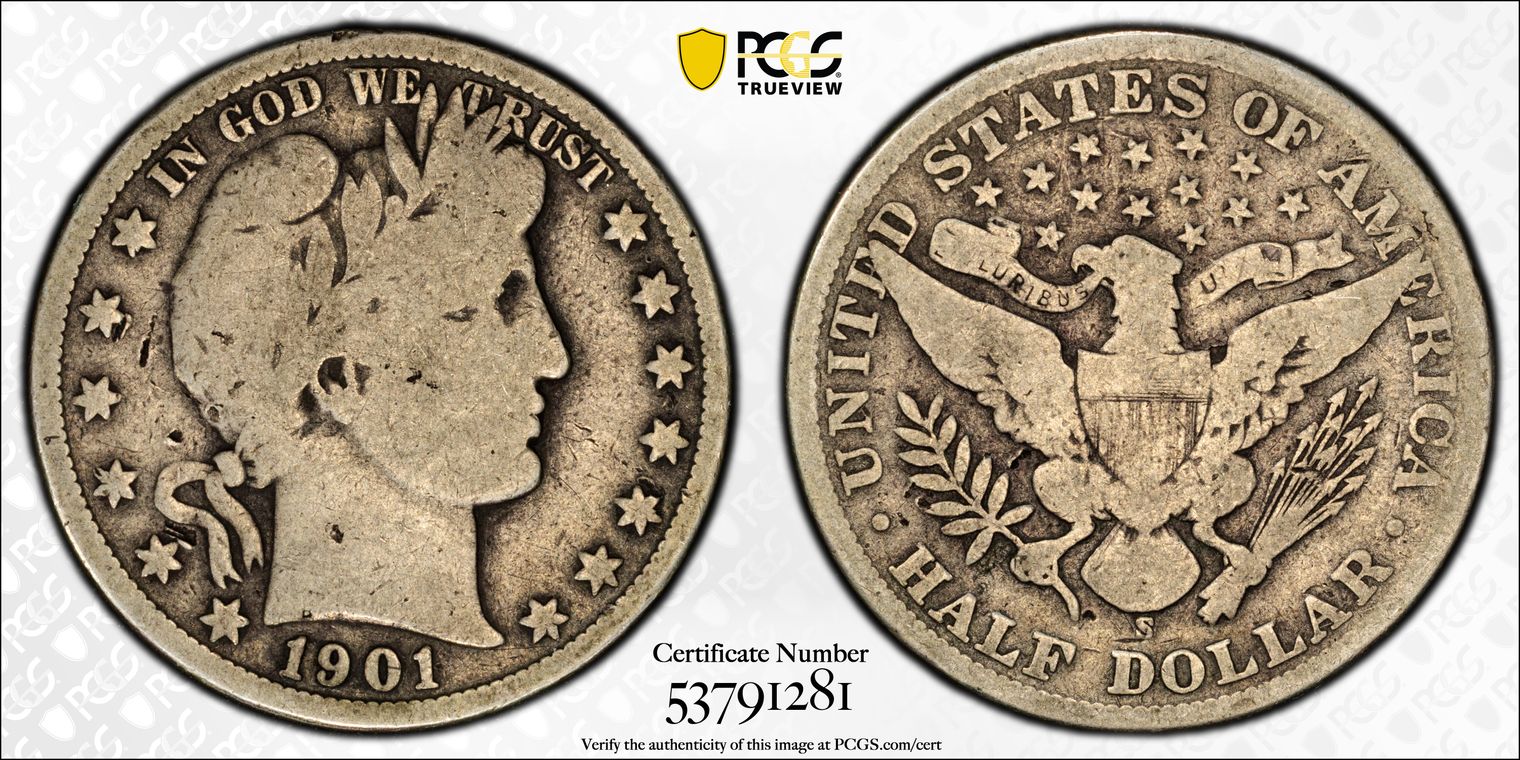
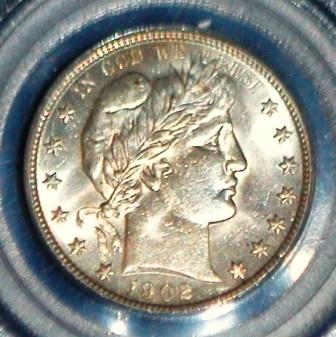
Antitrust Enforcement. The Roosevelt administration brought suit against the Northern Securities Company under the Sherman Antitrust Act, asserting that corporate property rights remained subject to federal regulation when exercised in restraint of interstate commerce.

Antitrust Enforcement. The Roosevelt administration brought suit against the Northern Securities Company under the Sherman Antitrust Act, asserting that corporate property rights remained subject to federal regulation when exercised in restraint of interstate commerce.
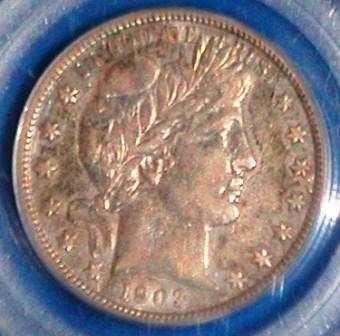
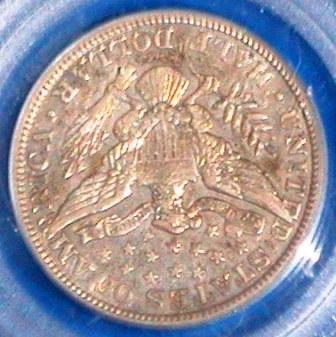
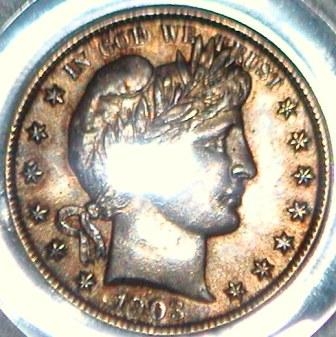
Treaty Powers and Foreign Affairs. In 1903, the Hay-Bunau-Varilla Treaty secured the right to construct the Panama Canal, illustrating the President's and Senate's constitutional roles in conducting foreign relations and approving treaties.
Treaty Powers and Foreign Affairs. In 1903, the Hay-Bunau-Varilla Treaty secured the right to construct the Panama Canal, illustrating the President's and Senate's constitutional roles in conducting foreign relations and approving treaties.


Commerce over Monopoly. In Northern Securities Co. v. United States, the Supreme Court upheld the dissolution of the railroad holding company under the Sherman Antitrust Act. The decision confirmed that Congress could regulate combinations restraining interstate commerce despite claims of private property rights.

Commerce over Monopoly. In Northern Securities Co. v. United States, the Supreme Court upheld the dissolution of the railroad holding company under the Sherman Antitrust Act. The decision confirmed that Congress could regulate combinations restraining interstate commerce despite claims of private property rights.


Federal Regulation of Public Health. Exercising its power over interstate commerce, Congress enacted the Meat Inspection Act and Pure Food and Drug Act in 1906. These laws established national safeguards against adulterated or misbranded products and marked an important expansion of federal responsibility for public health and consumer protection.

Federal Regulation of Public Health. Exercising its power over interstate commerce, Congress enacted the Meat Inspection Act and Pure Food and Drug Act in 1906. These laws established national safeguards against adulterated or misbranded products and marked an important expansion of federal responsibility for public health and consumer protection.


Statehood, Federalism, and Tribal Sovereignty. Oklahoma entered the Union in 1907 as the forty-sixth state, combining Oklahoma Territory and Indian Territory. Its admission extended the Constitution’s federal structure while raising continuing questions concerning tribal sovereignty, Native lands, and the relationship among tribal, state, and federal authority.

Statehood, Federalism, and Tribal Sovereignty. Oklahoma entered the Union in 1907 as the forty-sixth state, combining Oklahoma Territory and Indian Territory. Its admission extended the Constitution’s federal structure while raising continuing questions concerning tribal sovereignty, Native lands, and the relationship among tribal, state, and federal authority.


Federal Law Enforcement. In 1908, Attorney General Charles Bonaparte established a permanent corps of federal investigators, later named the Bureau of Investigation and ultimately the Federal Bureau of Investigation. Its creation reflected the expanding responsibility of the national government to investigate and enforce federal law across state boundaries.

Federal Law Enforcement. In 1908, Attorney General Charles Bonaparte established a permanent corps of federal investigators, later named the Bureau of Investigation and ultimately the Federal Bureau of Investigation. Its creation reflected the expanding responsibility of the national government to investigate and enforce federal law across state boundaries.


Civil Rights and Equal Protection. The National Association for the Advancement of Colored People was founded in 1909 to challenge racial discrimination through public advocacy and litigation. The organization would become instrumental in restoring meaning to the Fourteenth Amendment’s promise of equal protection after decades of segregation and disfranchisement.

Antitrust and the Rule of Reason. In Standard Oil Co. v. United States (1911), the Supreme Court held that the company had unlawfully monopolized interstate petroleum commerce and ordered its dissolution. The decision adopted the “rule of reason,” confirming federal authority to restrain anti-competitive uses of corporate property while limiting the Sherman Act to unreasonable restraints of trade. The Court found violations of the Sherman Act and ordered the enterprise divided.

Antitrust and the Rule of Reason. In Standard Oil Co. v. United States (1911), the Supreme Court held that the company had unlawfully monopolized interstate petroleum commerce and ordered its dissolution. The decision adopted the “rule of reason,” confirming federal authority to restrain anti-competitive uses of corporate property while limiting the Sherman Act to unreasonable restraints of trade. The Court found violations of the Sherman Act and ordered the enterprise divided.

Completion of the Continental Union. New Mexico and Arizona entered the Union in 1912 as the forty-seventh and forty-eighth states. Their admission completed the contiguous United States and extended equal statehood across the continental Nation, while leaving unresolved important questions involving federal lands, water, and tribal sovereignty.

Completion of the Continental Union. New Mexico and Arizona entered the Union in 1912 as the forty-seventh and forty-eighth states. Their admission completed the contiguous United States and extended equal statehood across the continental Nation, while leaving unresolved important questions involving federal lands, water, and tribal sovereignty.


Federal Monetary Authority. Congress enacted and President Woodrow Wilson signed the Federal Reserve Act in 1913, establishing the Federal Reserve System, a national central-banking system intended to provide an elastic currency, supervise banks, and respond to financial crises. The system exercised Congress’s monetary and fiscal powers through the implied authority recognized in McCulloch v. Maryland.

Federal Monetary Authority. Congress enacted and President Woodrow Wilson signed the Federal Reserve Act in 1913, establishing the Federal Reserve System, a national central-banking system intended to provide an elastic currency, supervise banks, and respond to financial crises. The system exercised Congress’s monetary and fiscal powers through the implied authority recognized in McCulloch v. Maryland.


Women’s Suffrage. In 1915, the House of Representatives rejected a proposed constitutional amendment guaranteeing women the right to vote. Although the measure failed to obtain the required two-thirds majority, the vote demonstrated the growing national strength of the suffrage movement that would secure ratification of the Nineteenth Amendment five years later.

Women’s Suffrage. In 1915, the House of Representatives rejected a proposed constitutional amendment guaranteeing women the right to vote. Although the measure failed to obtain the required two-thirds majority, the vote demonstrated the growing national strength of the suffrage movement that would secure ratification of the Nineteenth Amendment five years later.