



[email protected]'s Coin Album
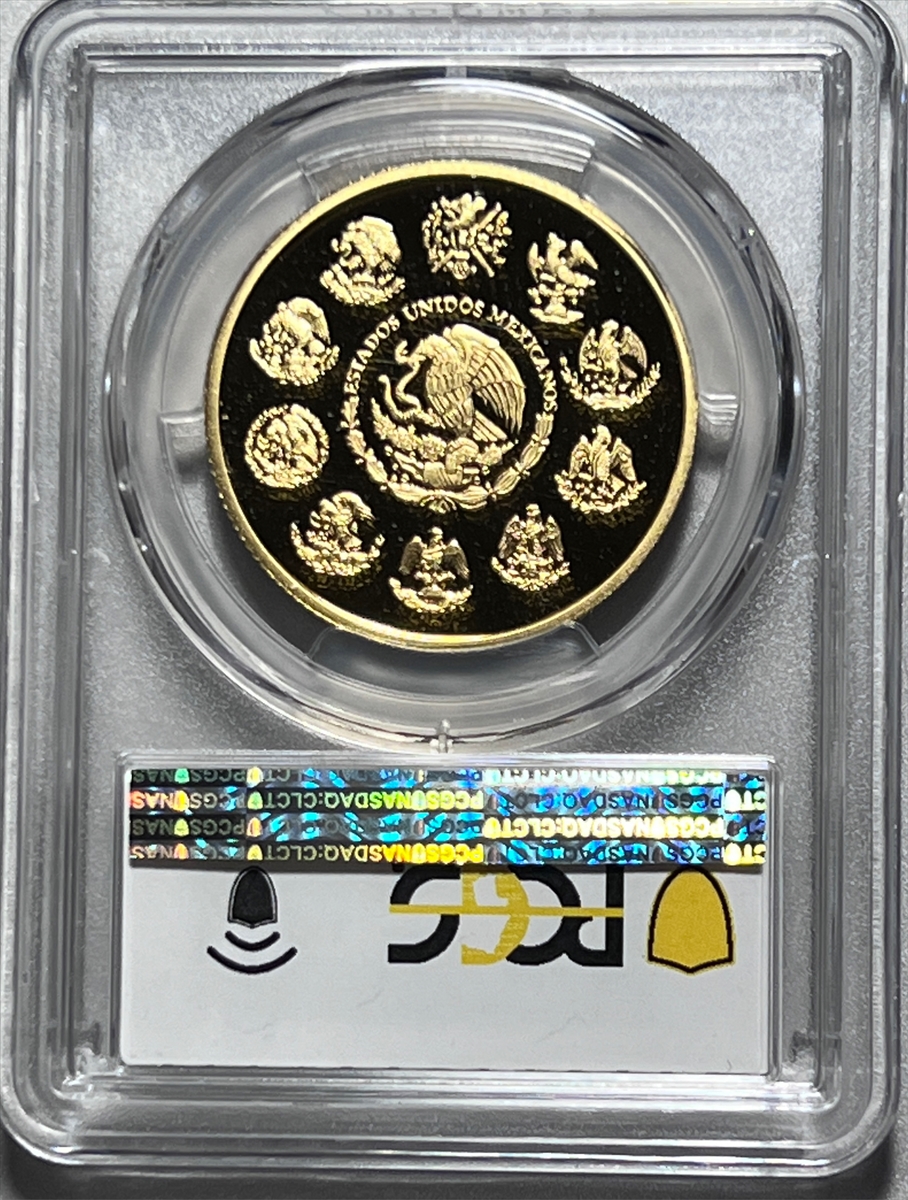
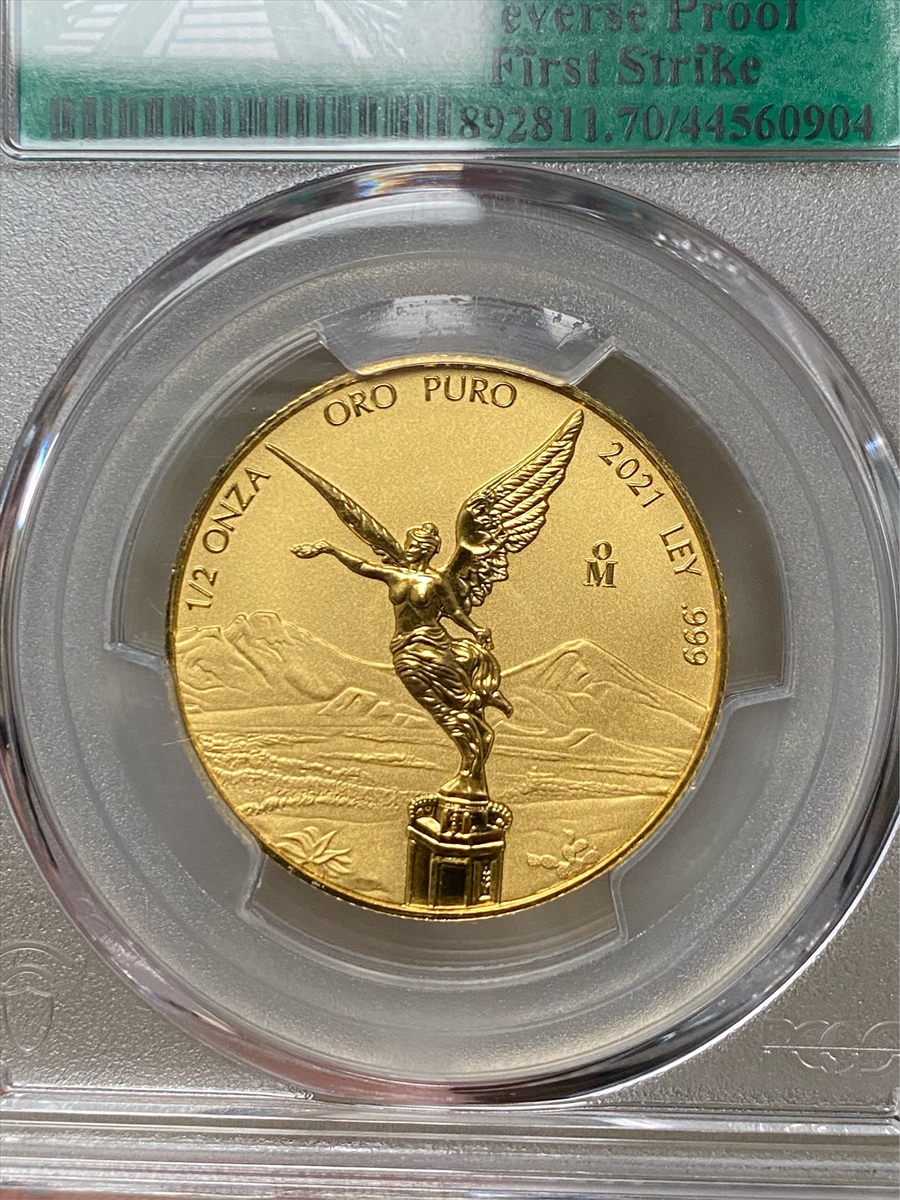
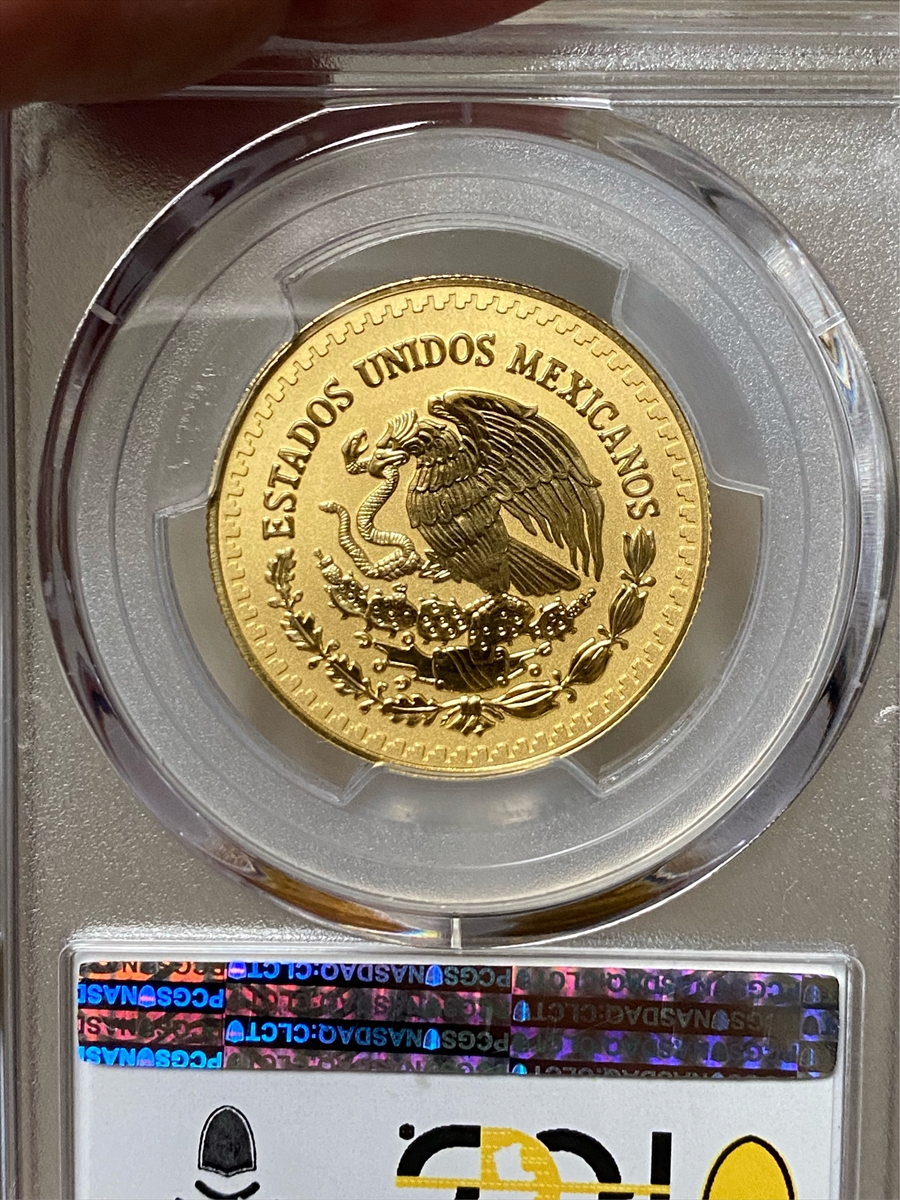
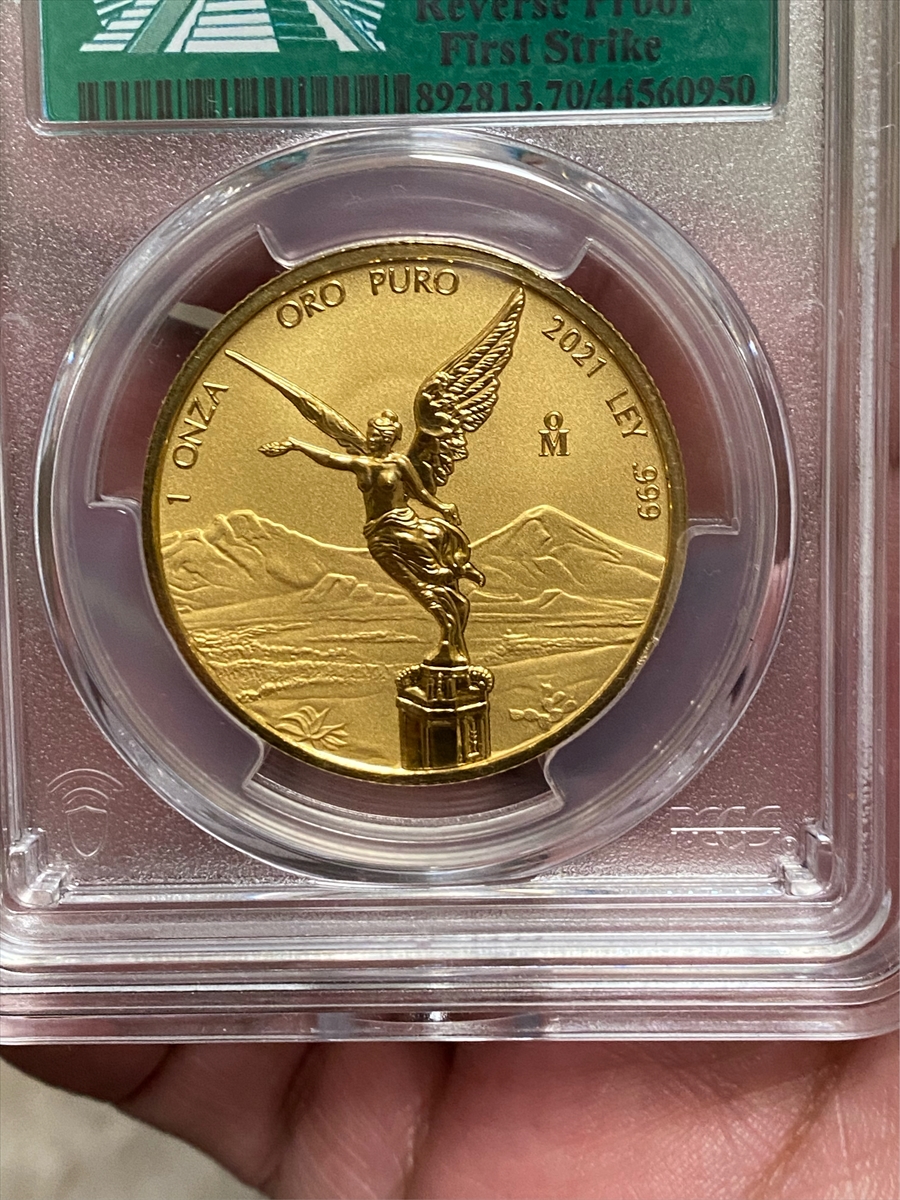
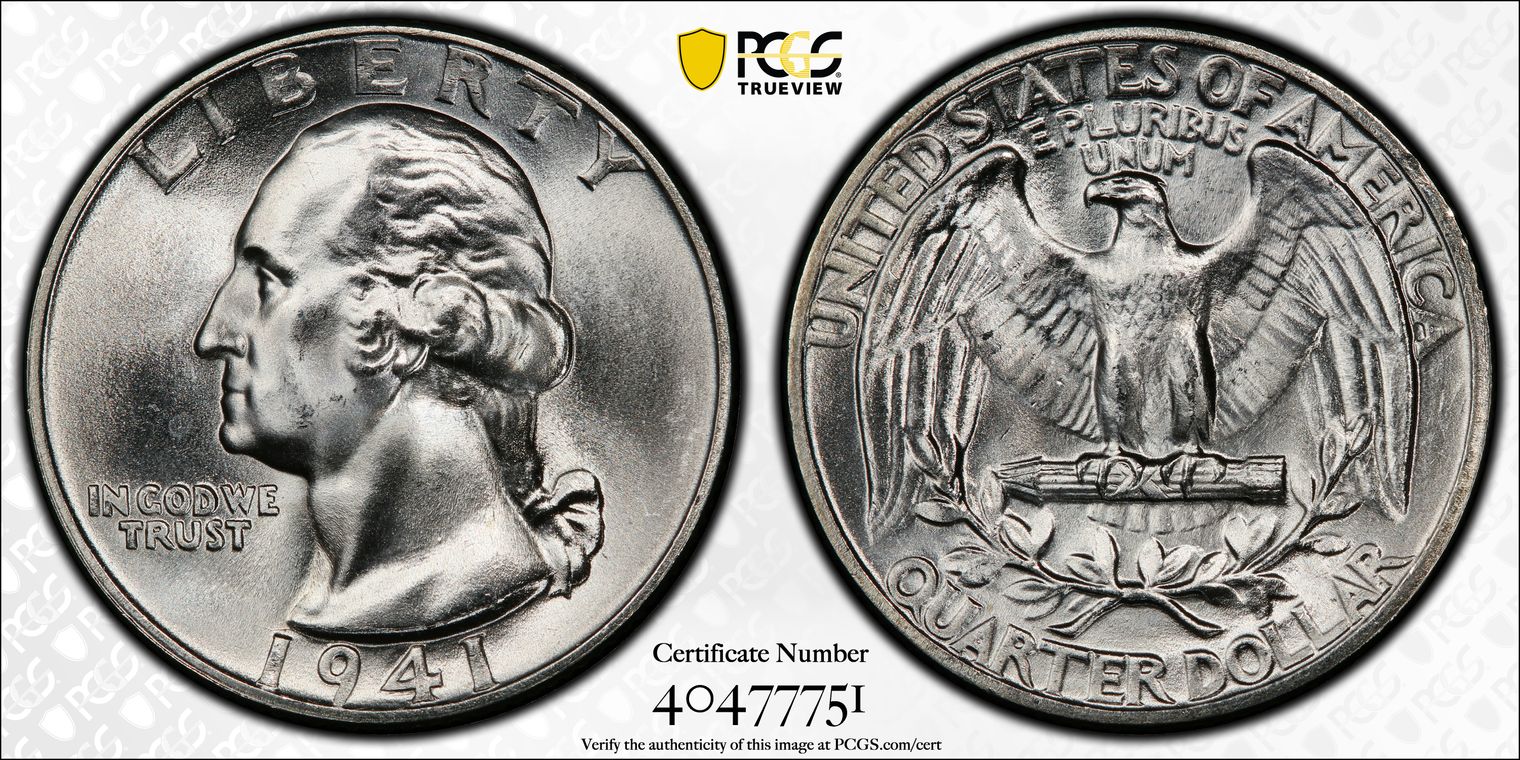
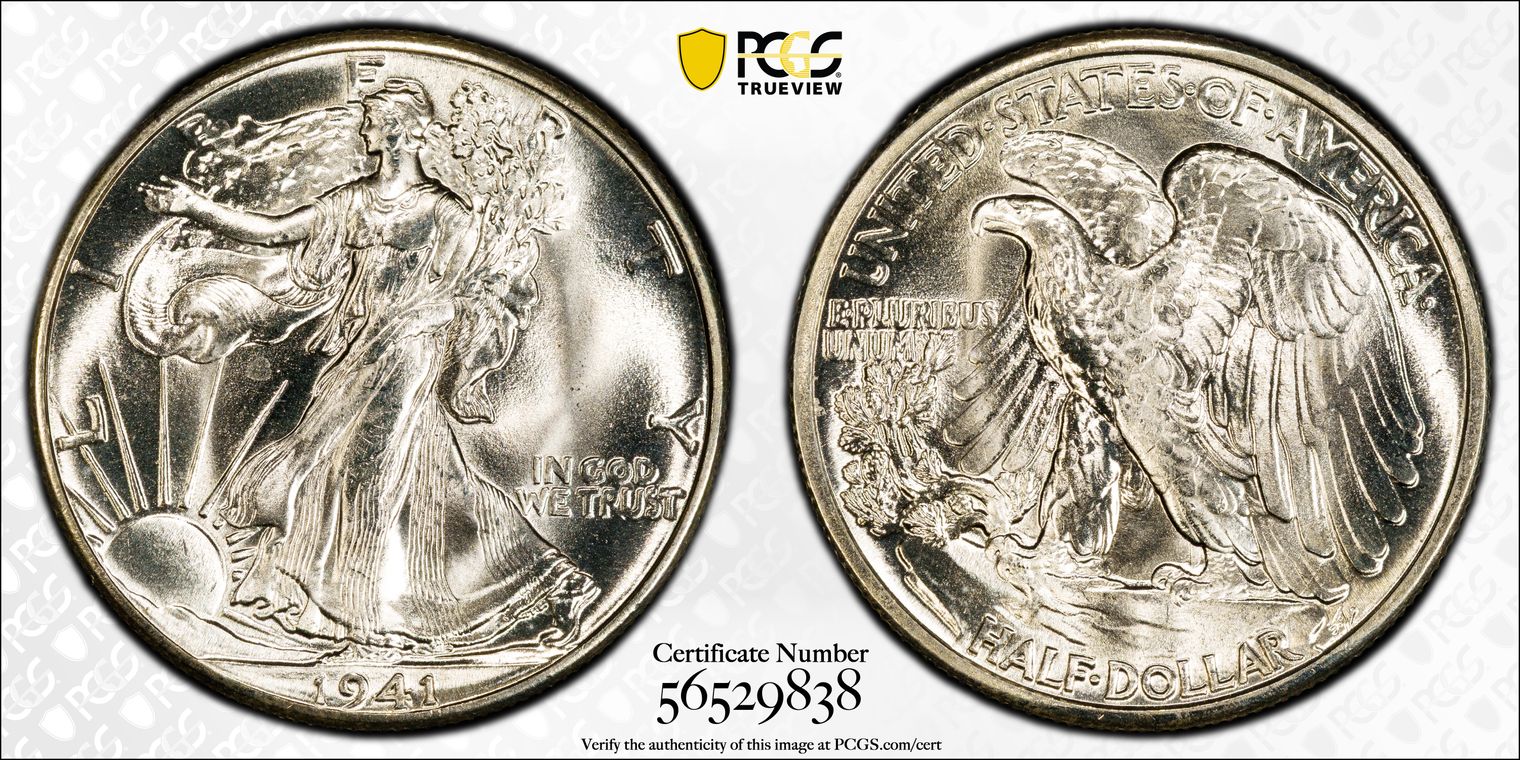
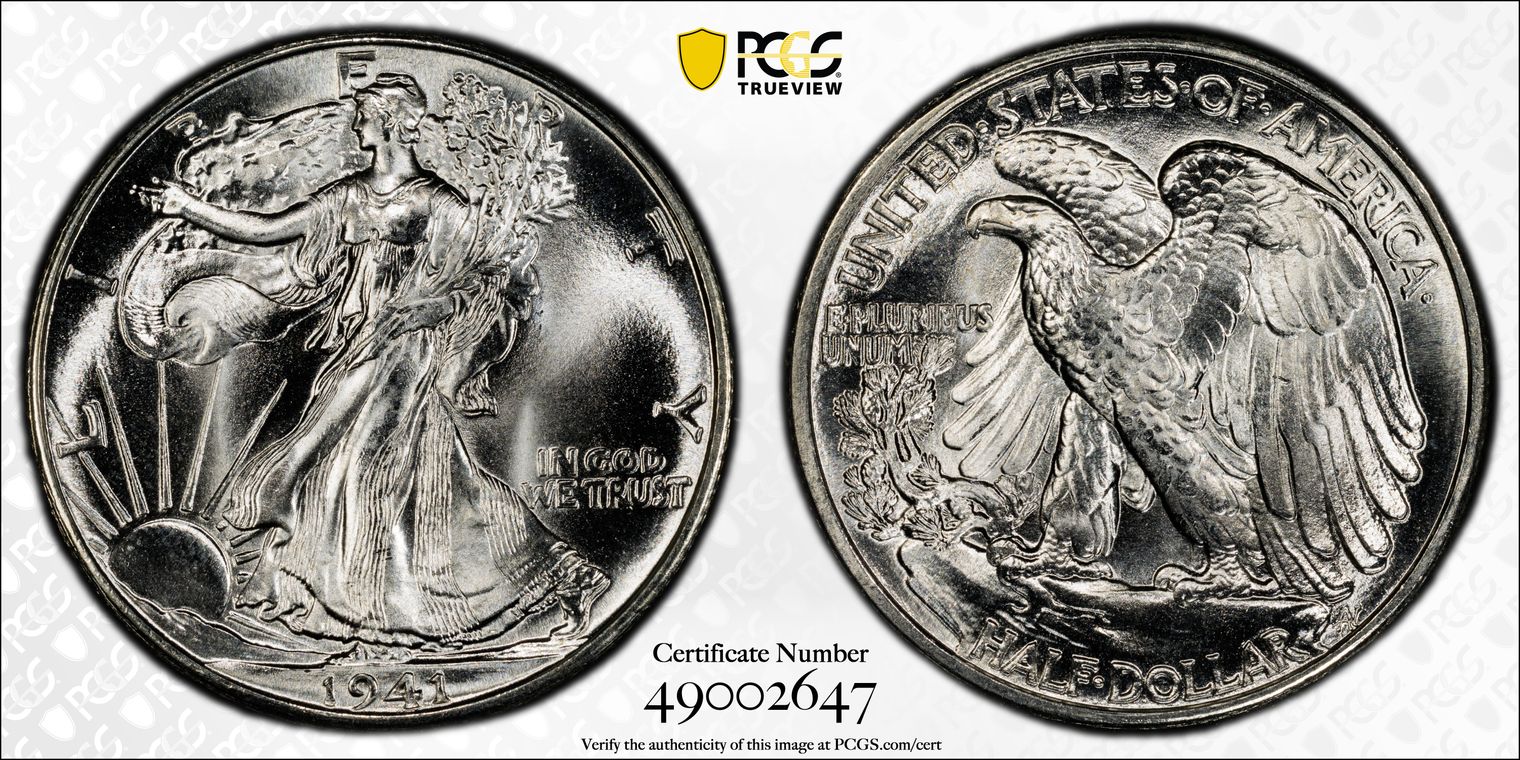
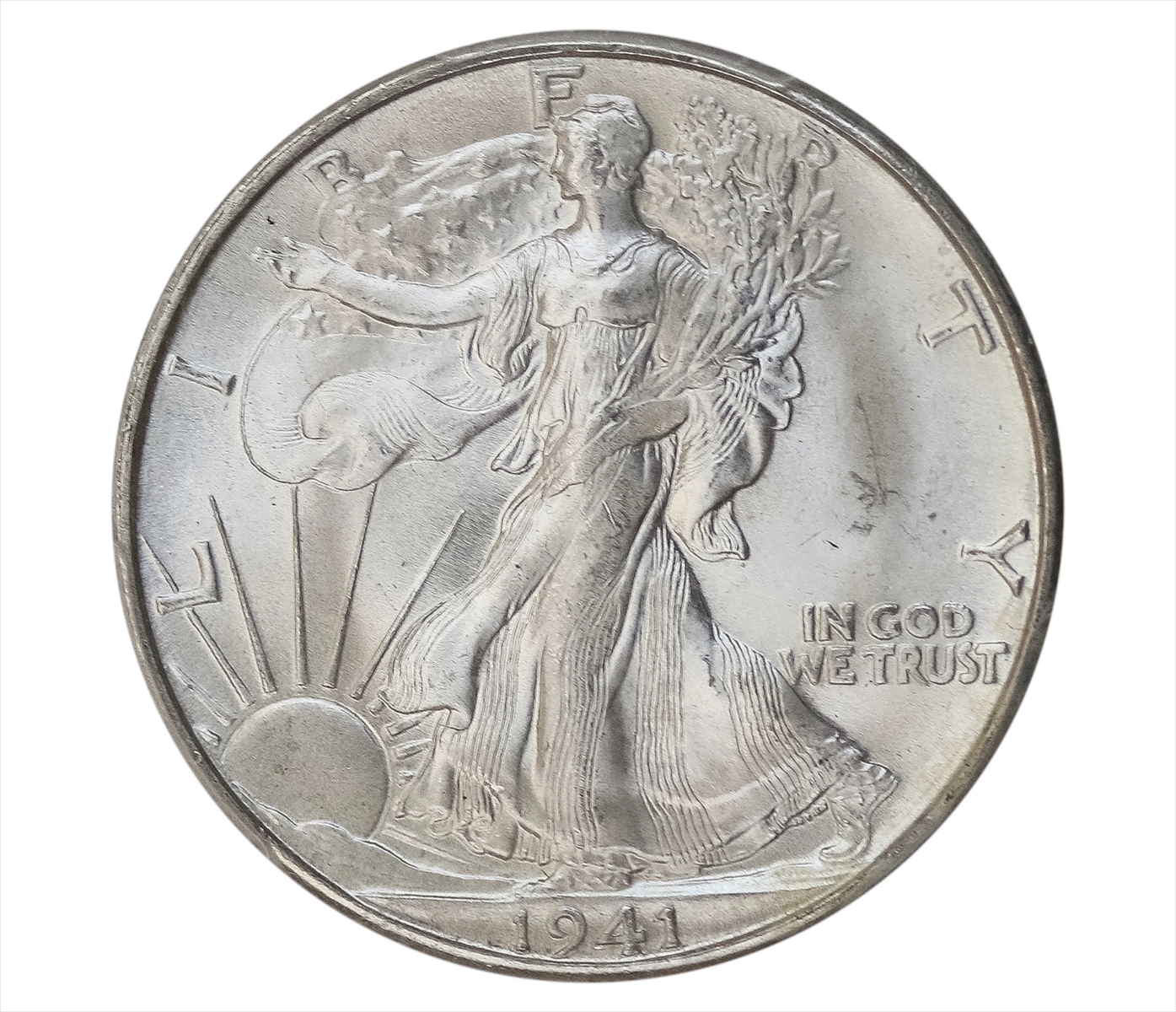
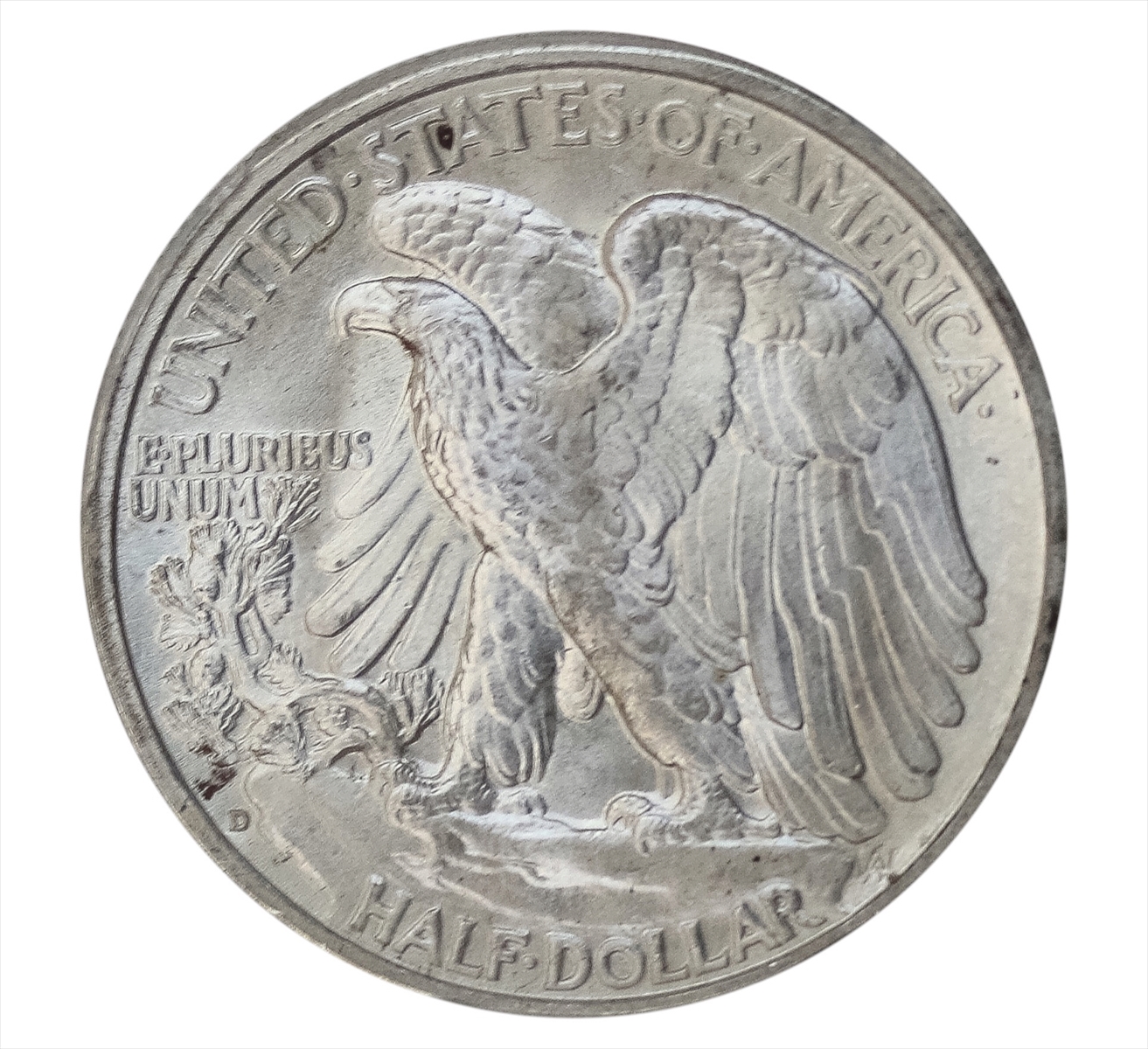
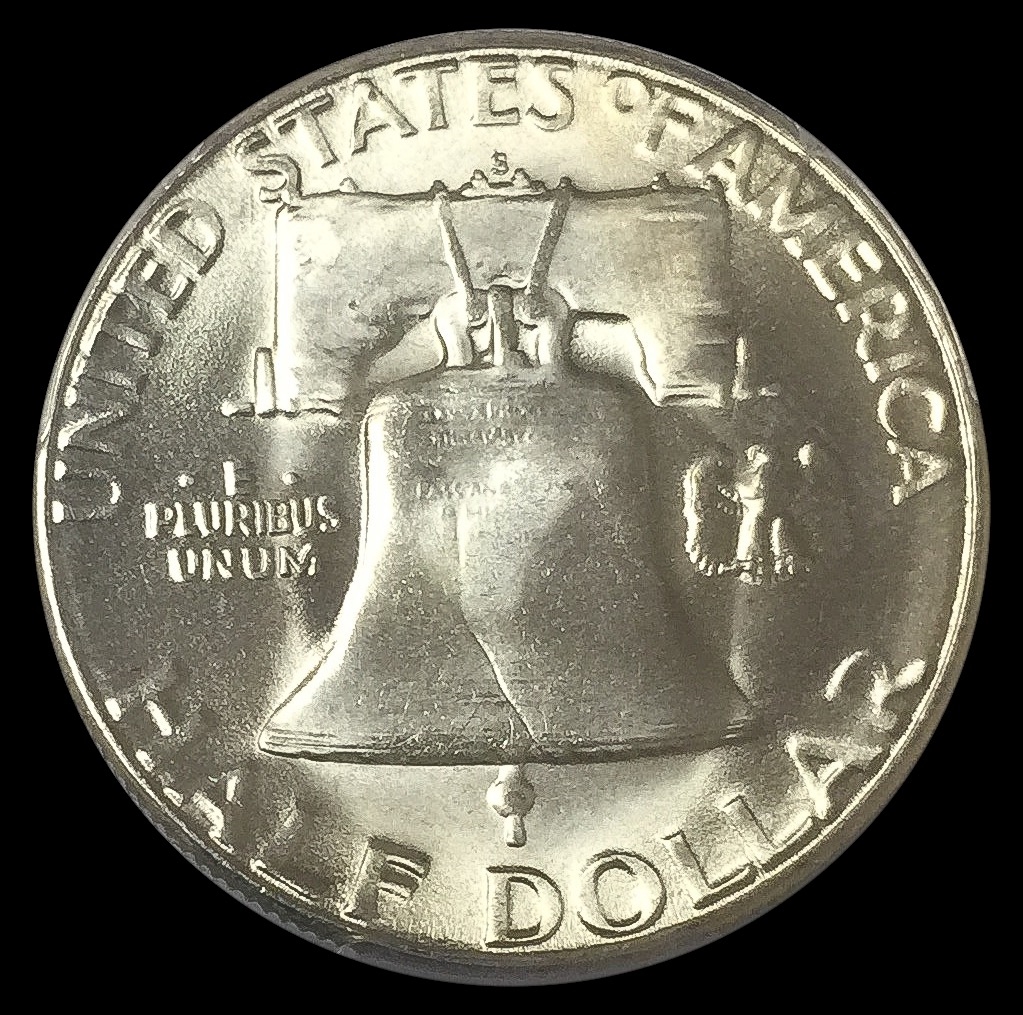
1941 25C MS67+ PCGS CAC. This high-end Superb Gem displays sharply detailed design elements and vibrant mint luster throughout. The impeccably preserved surfaces show 110% blast white gleaming surfaces, with outstanding visual appeal. PCGS has graded only graded 32 examples in this grade and two numerically finer.
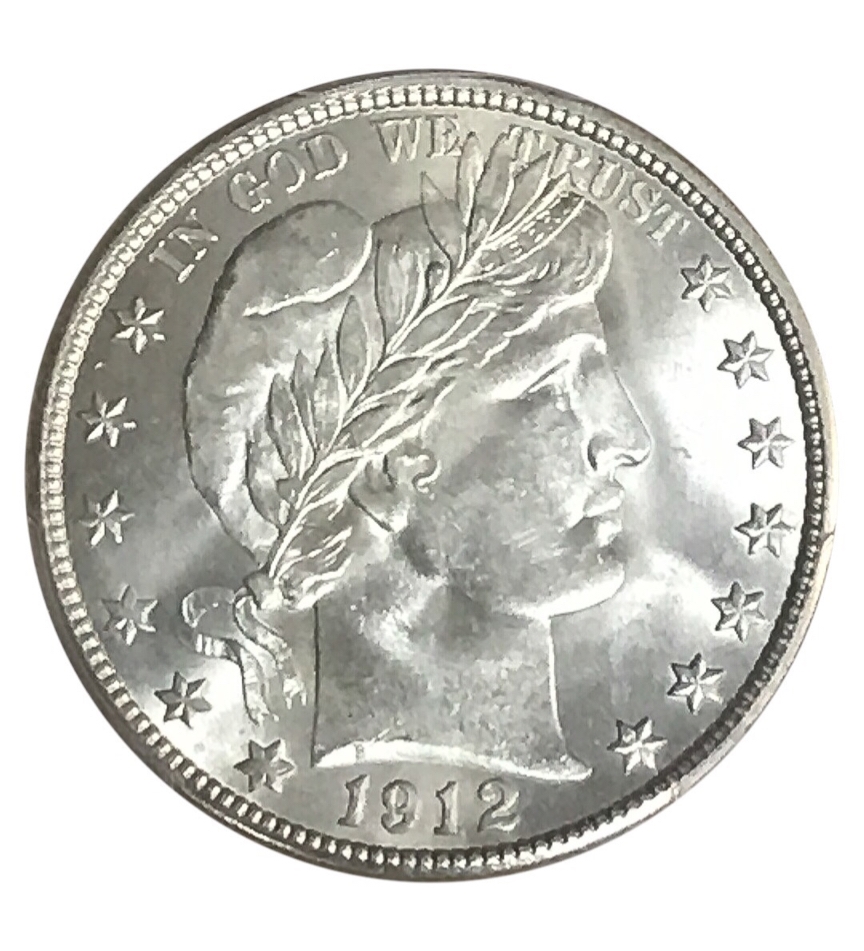
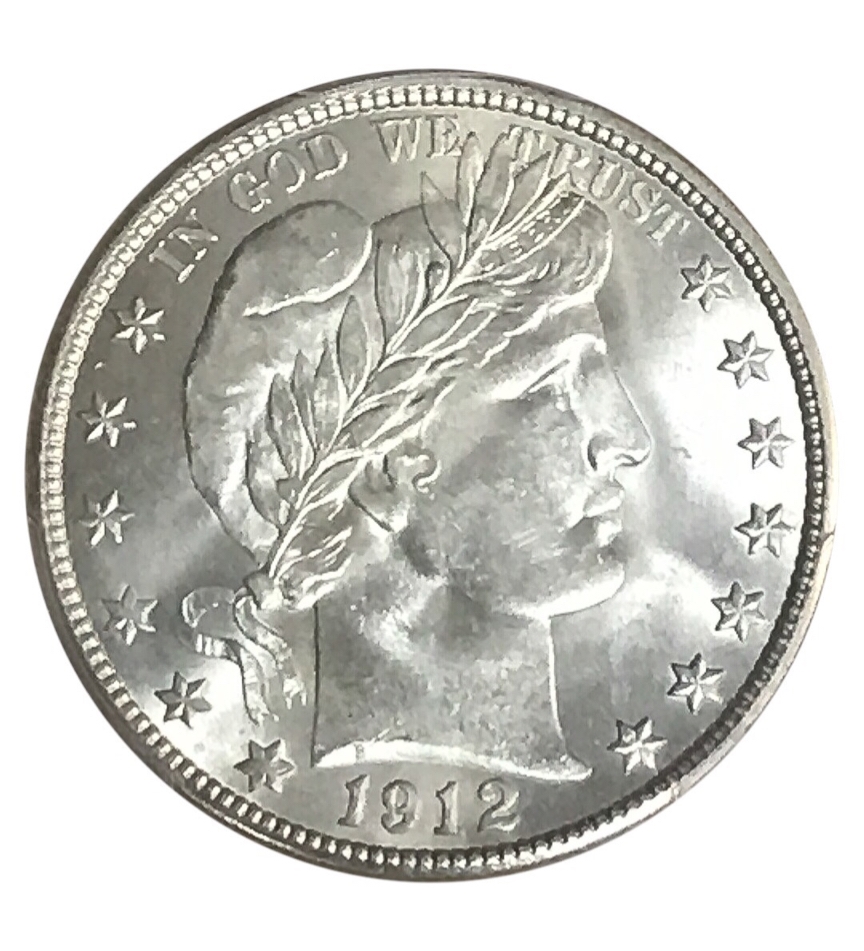
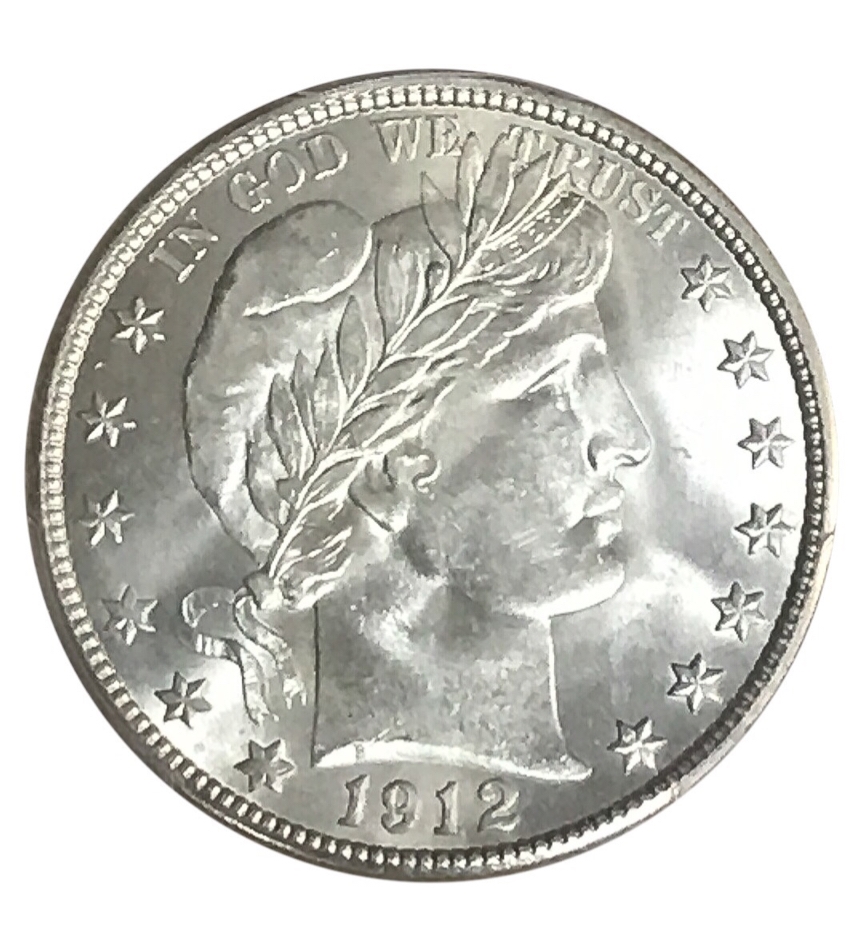
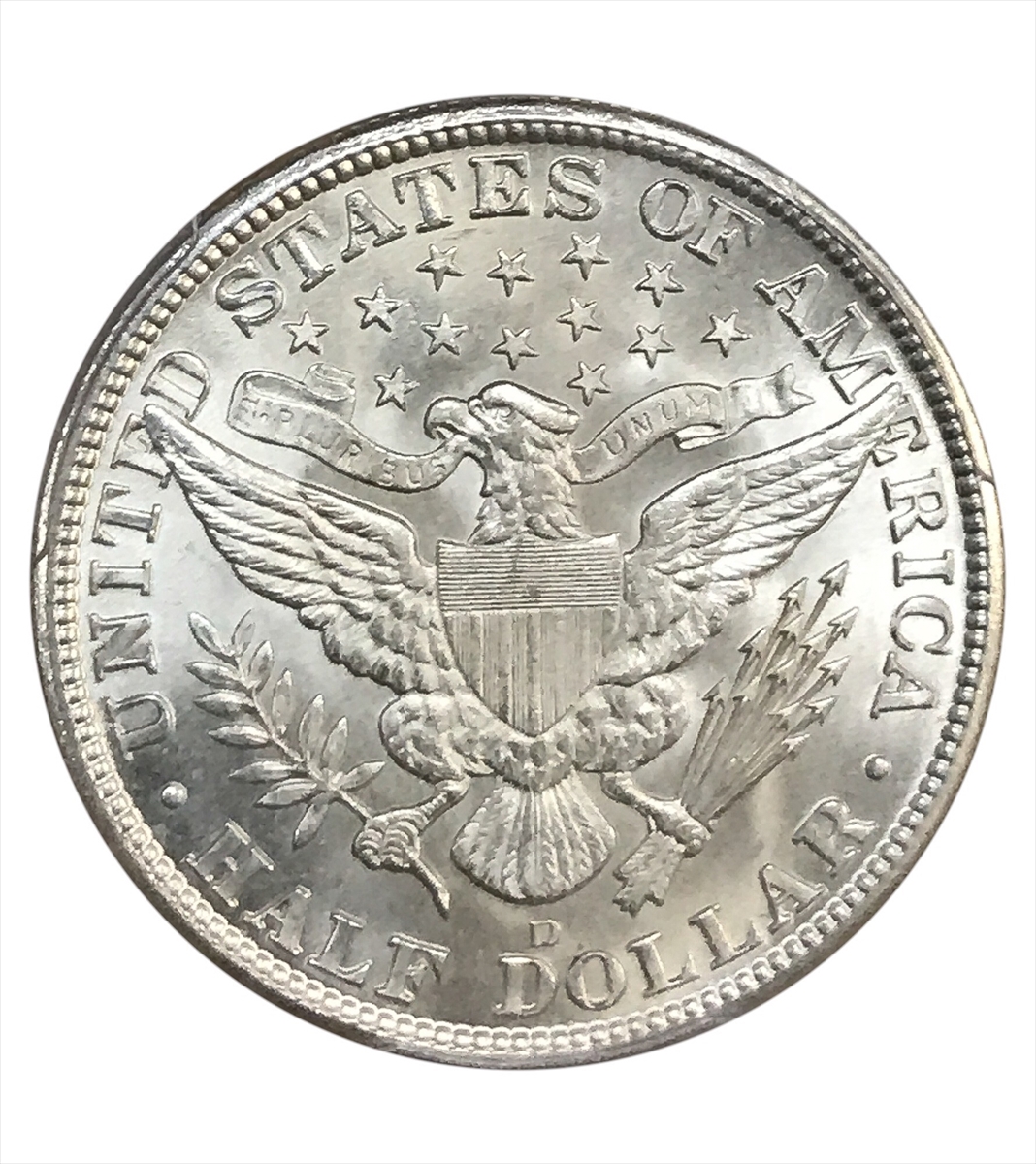
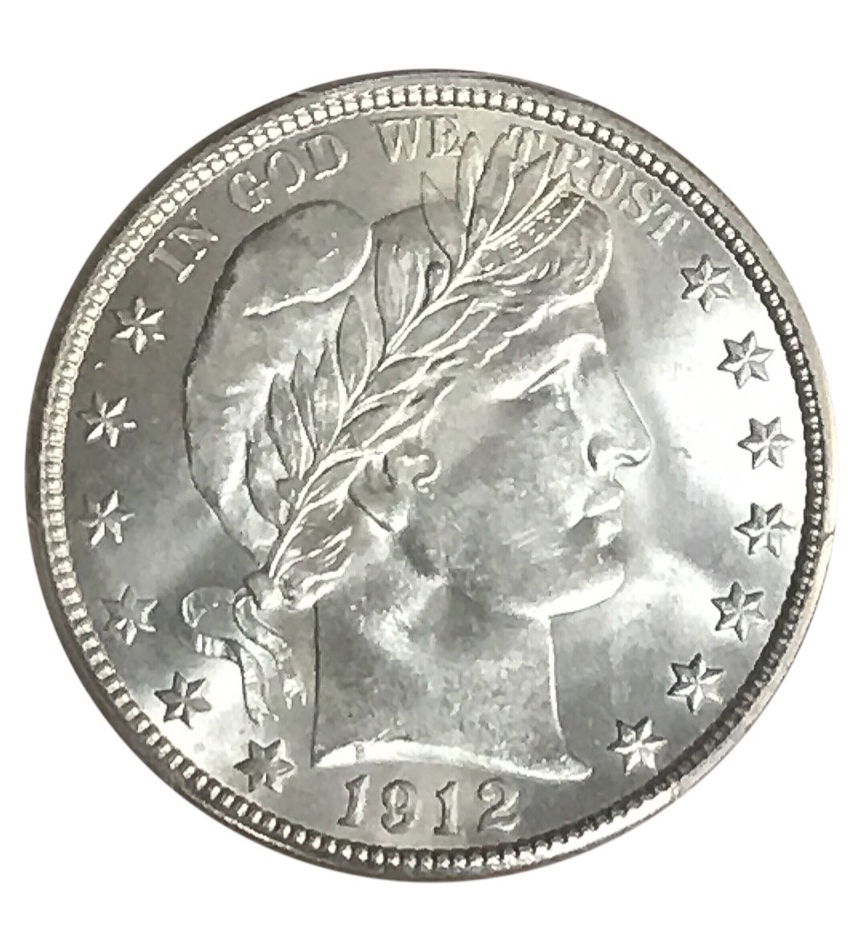
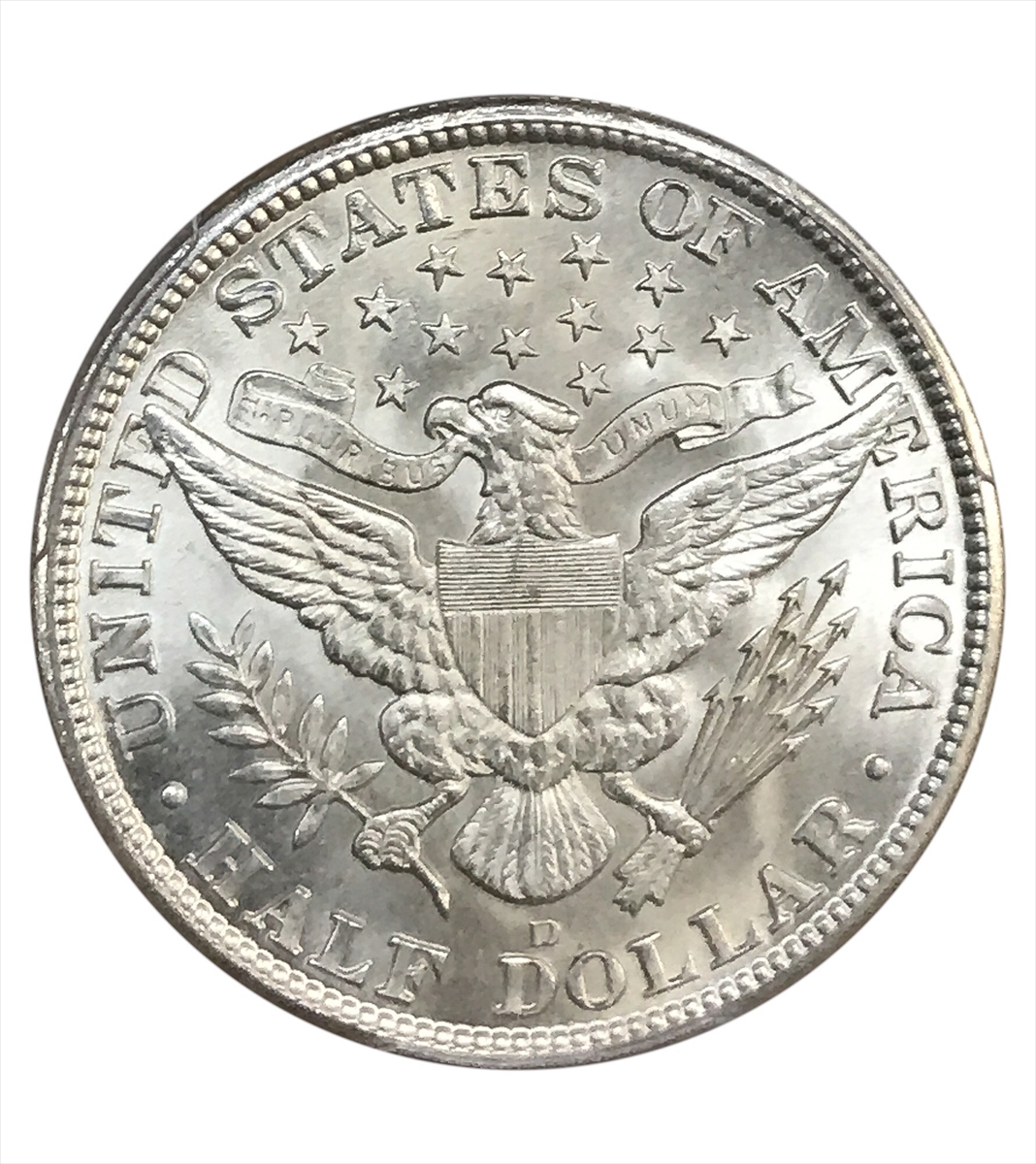
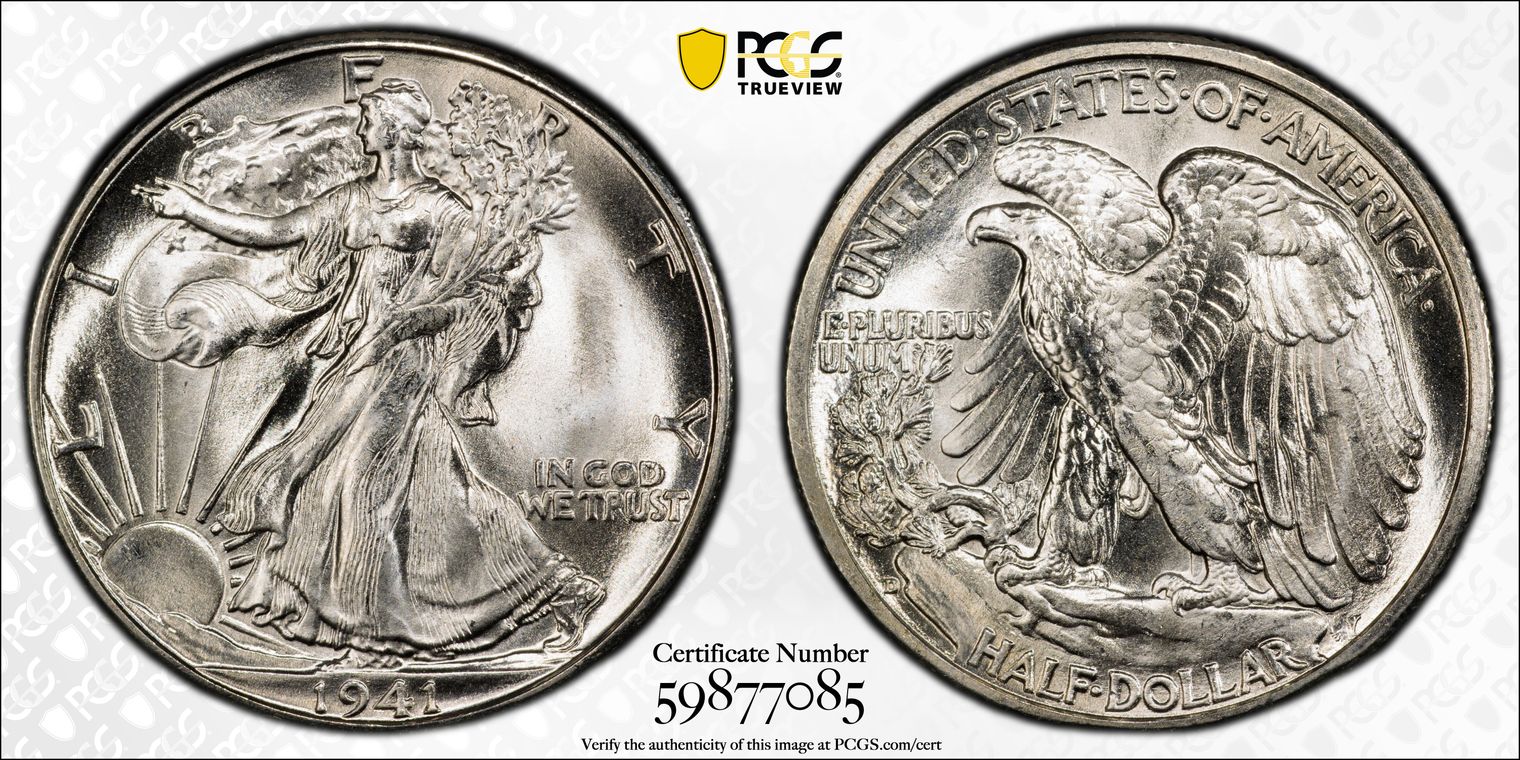

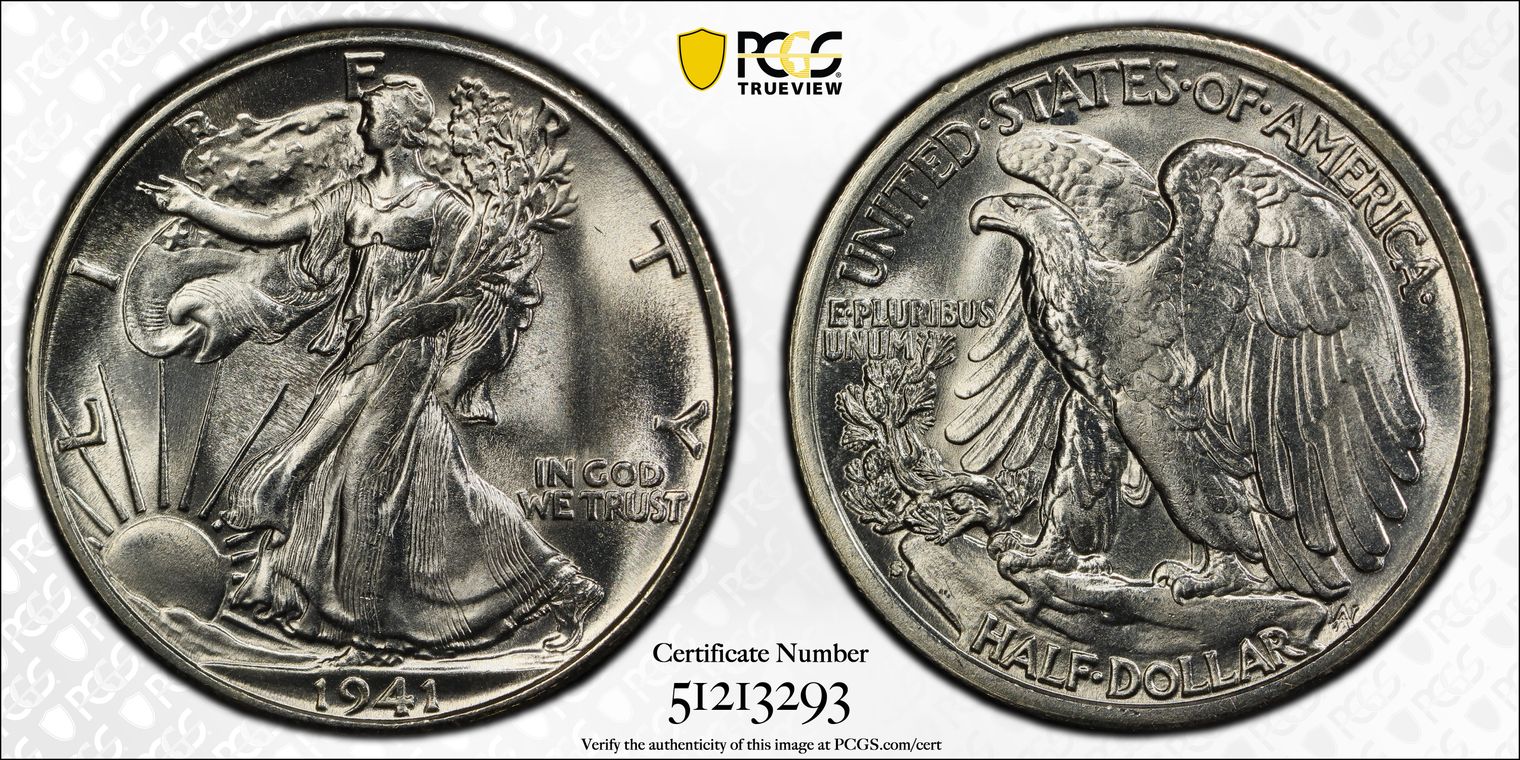
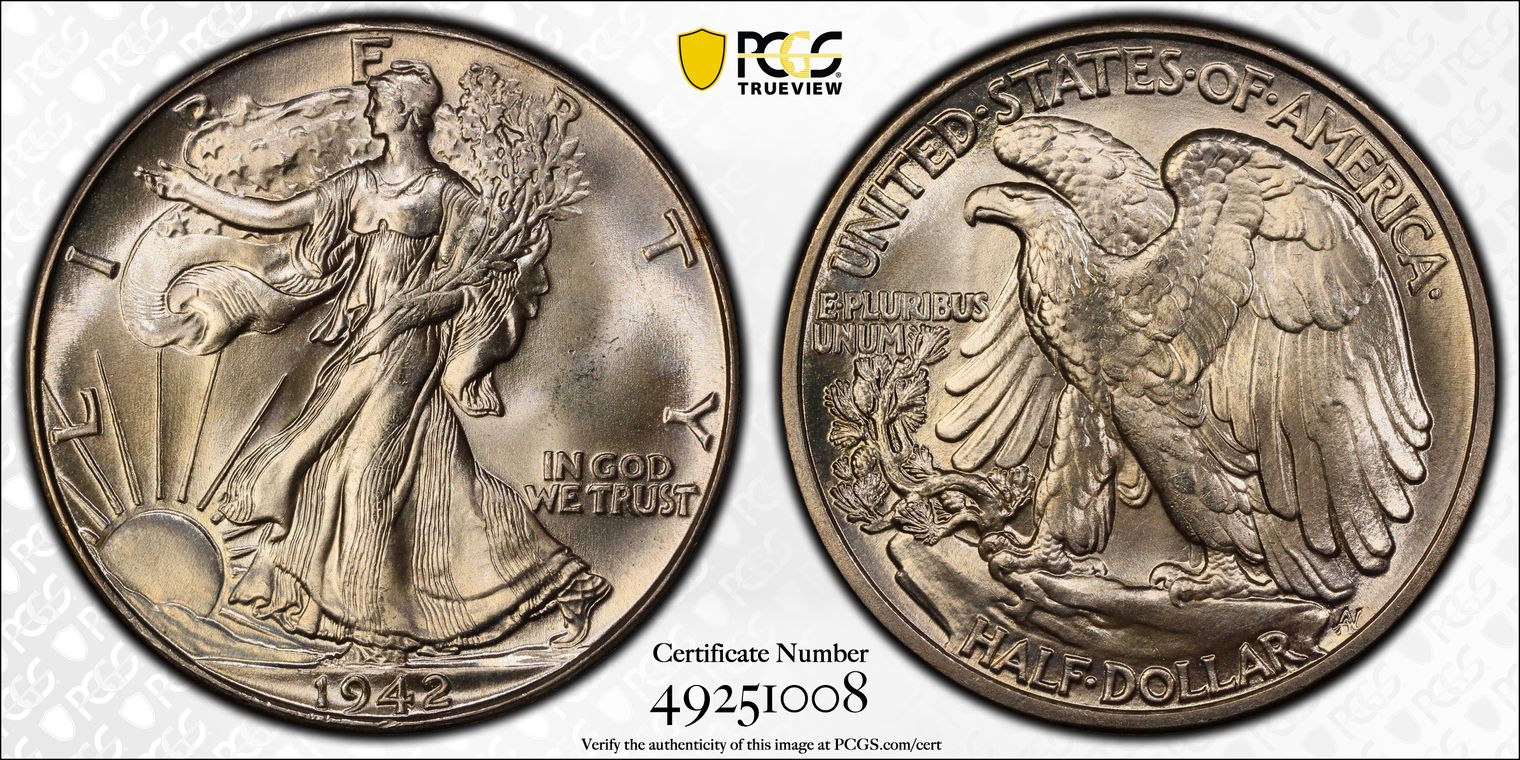
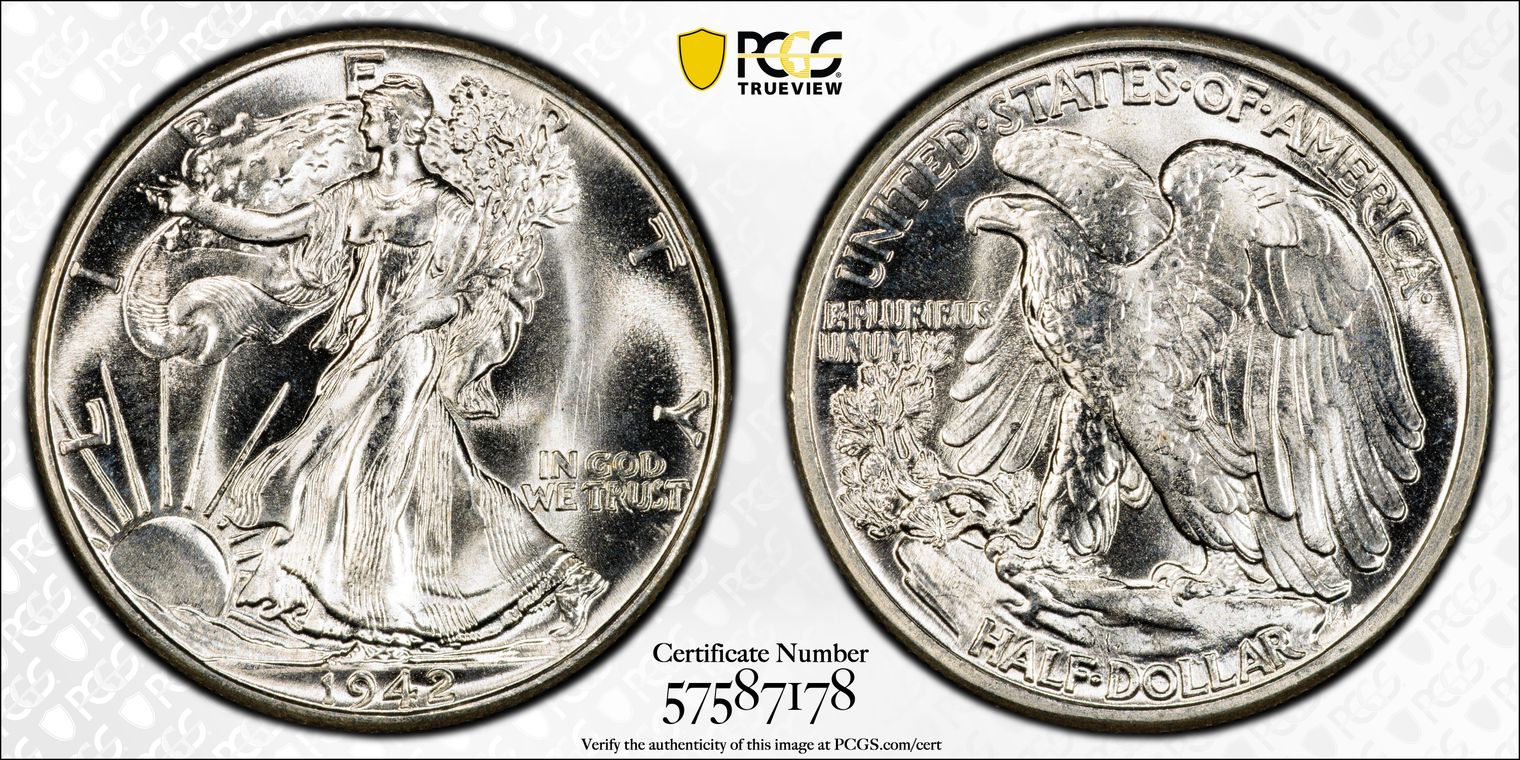
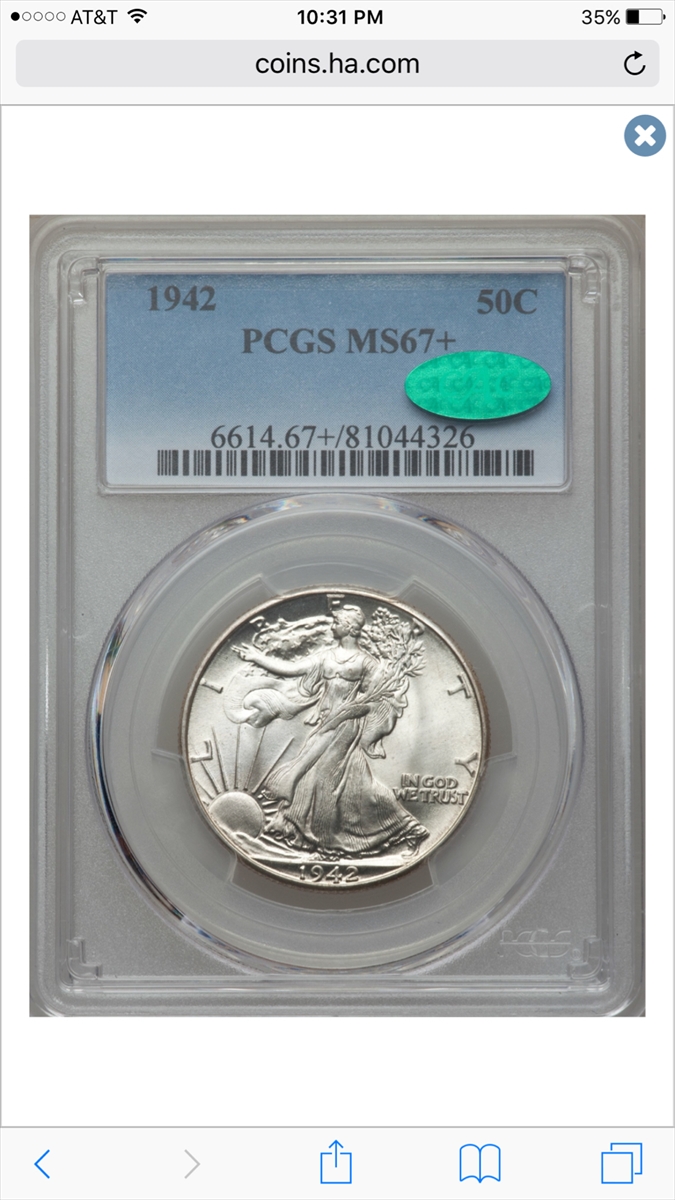
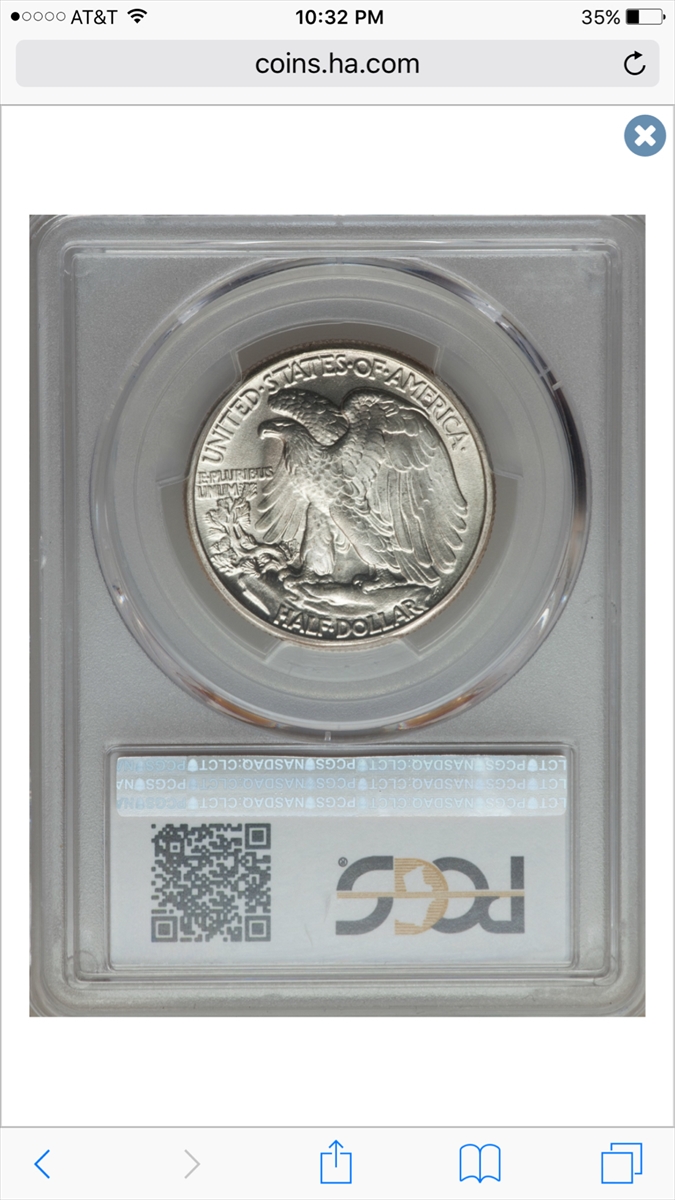
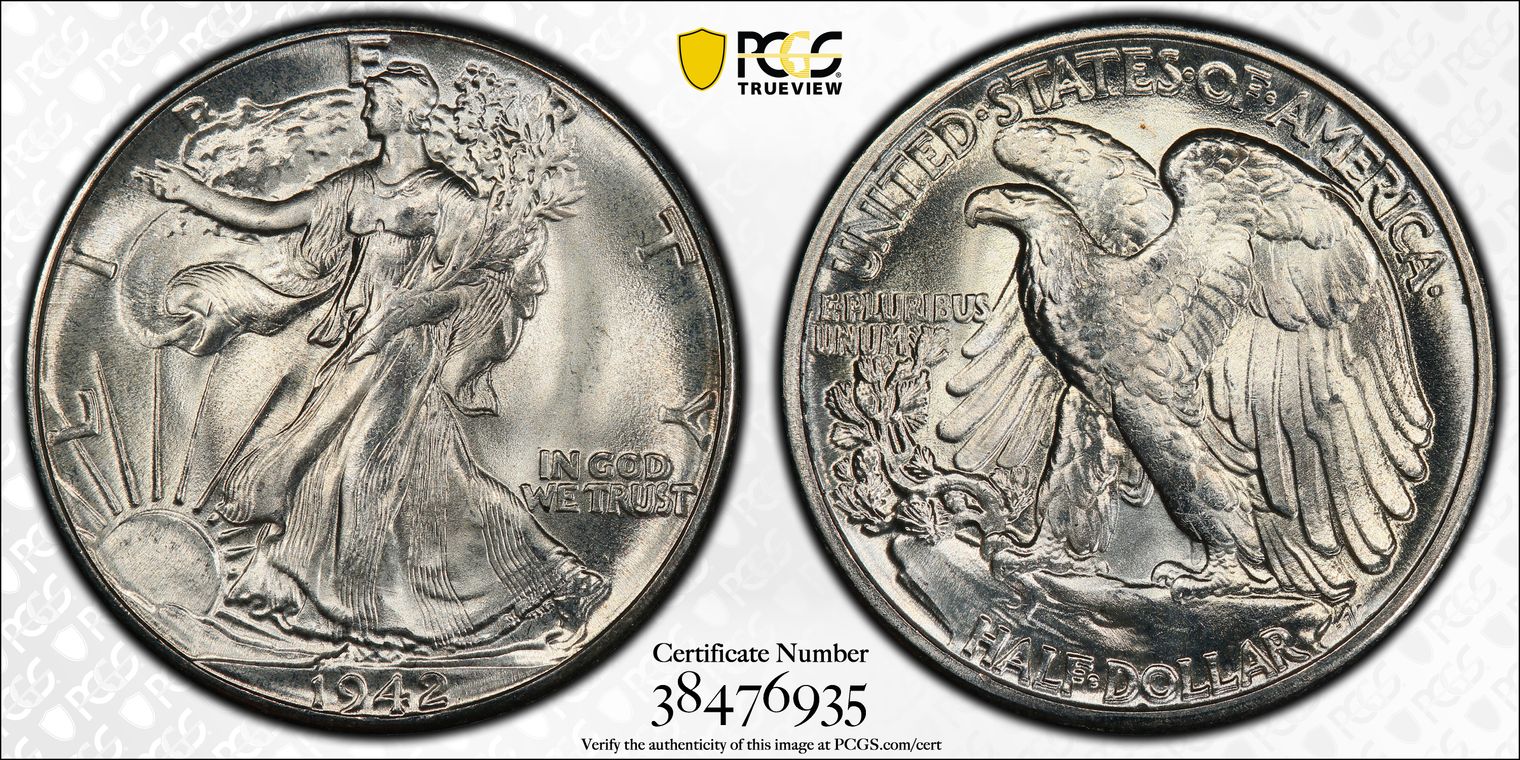

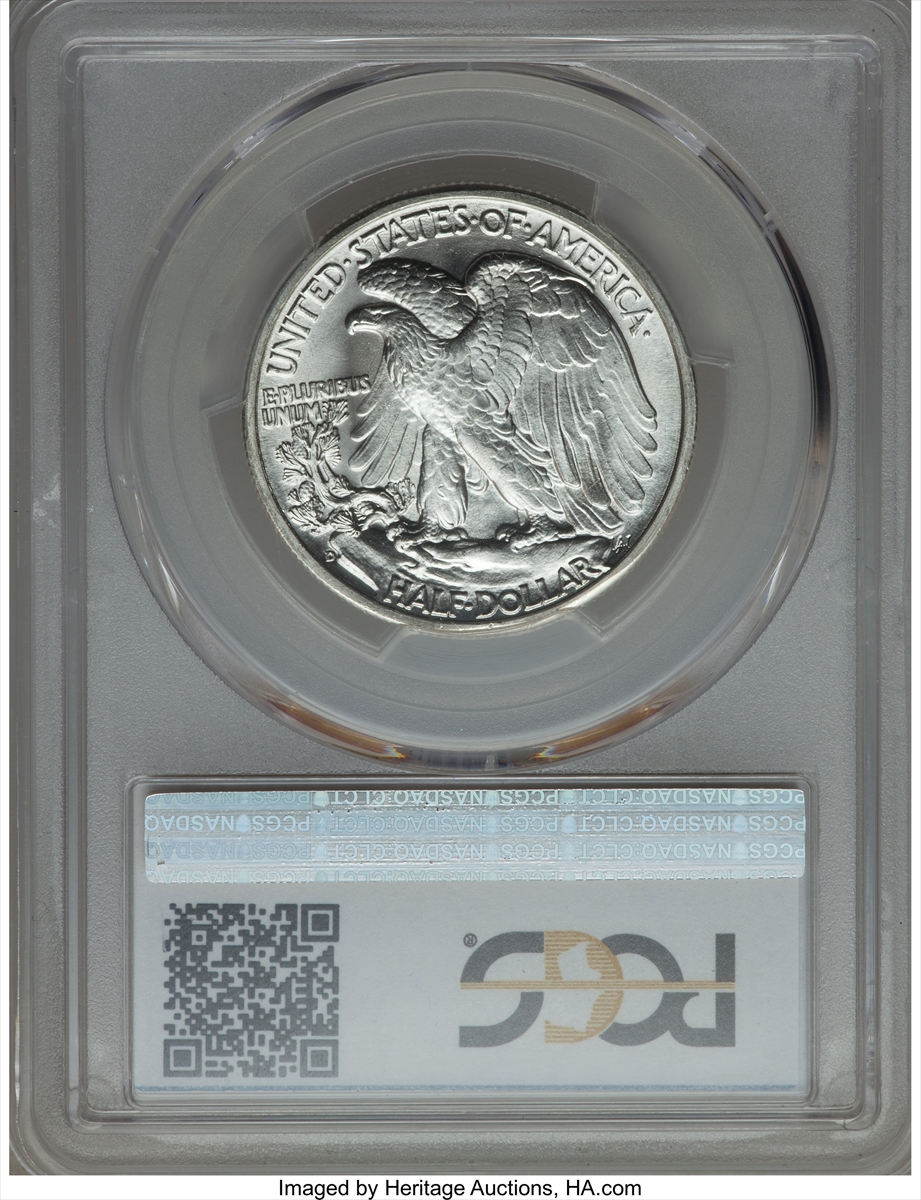
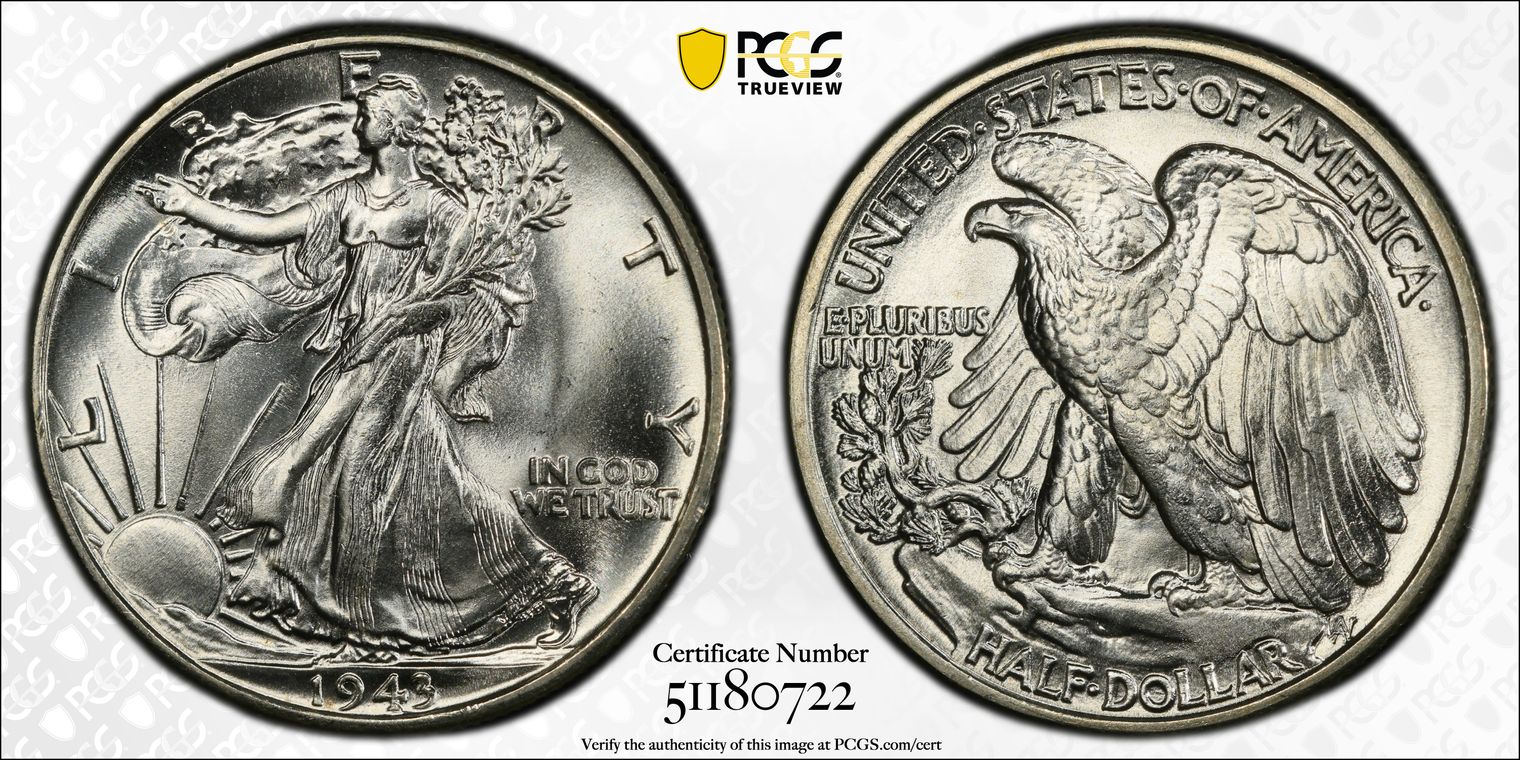
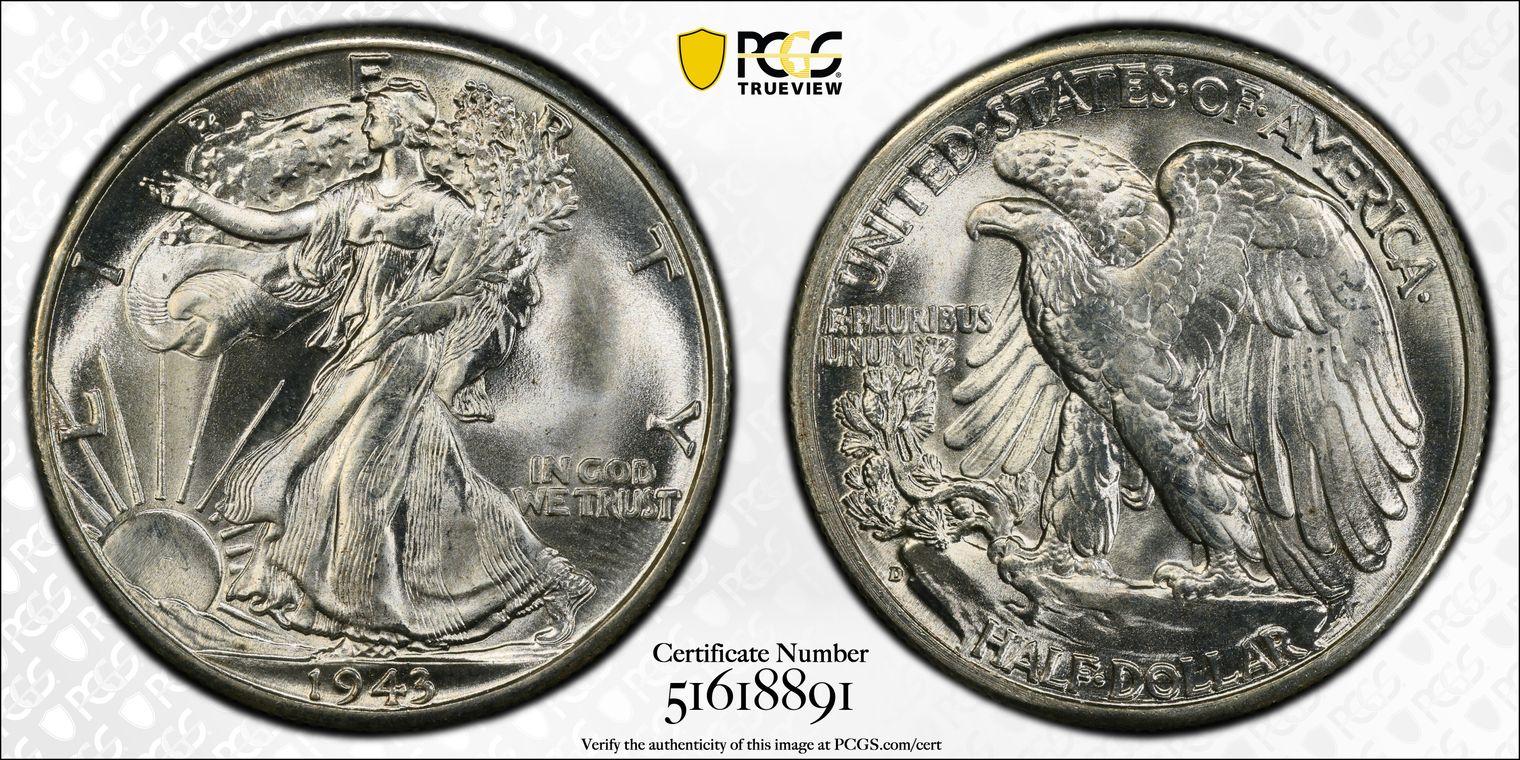
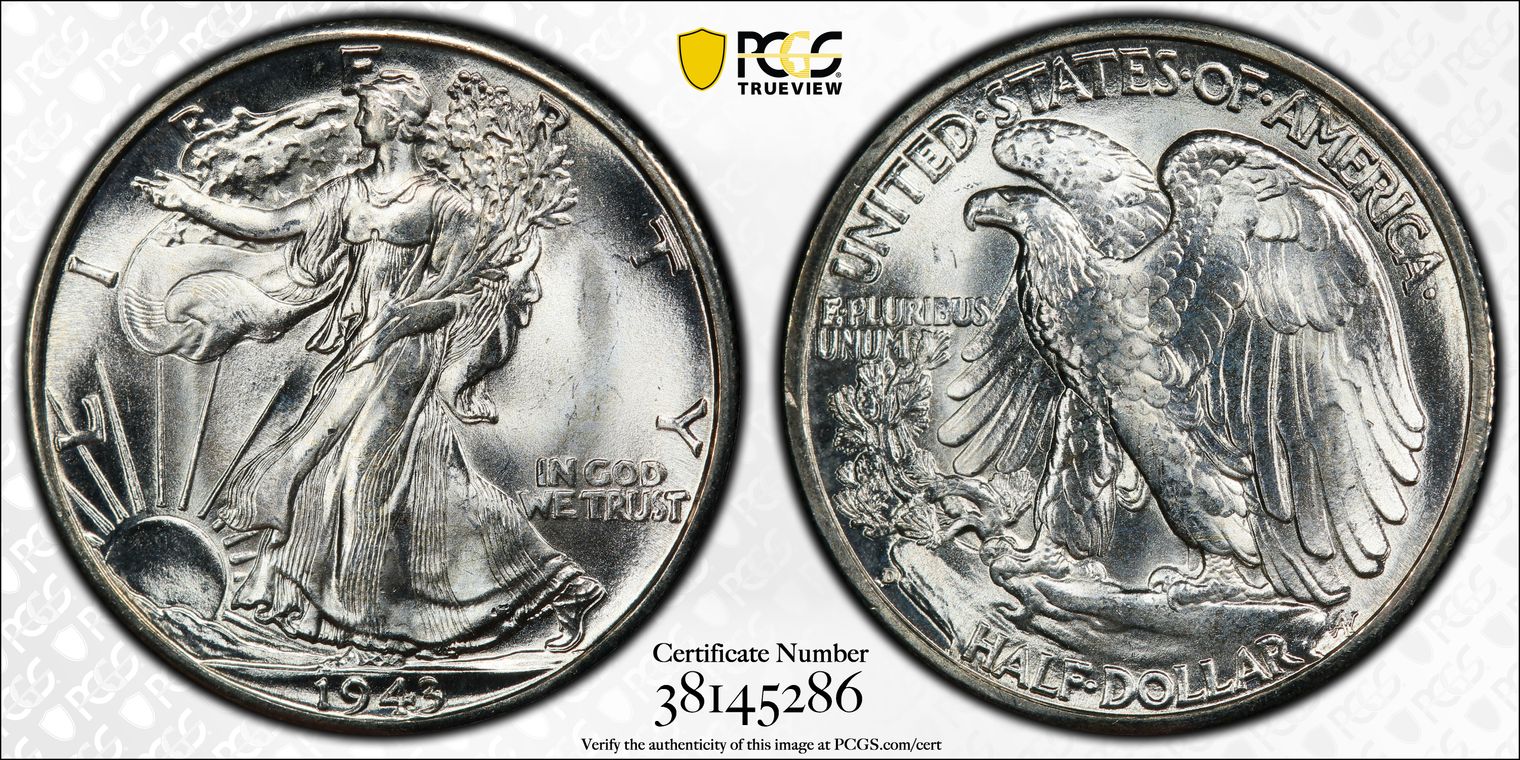
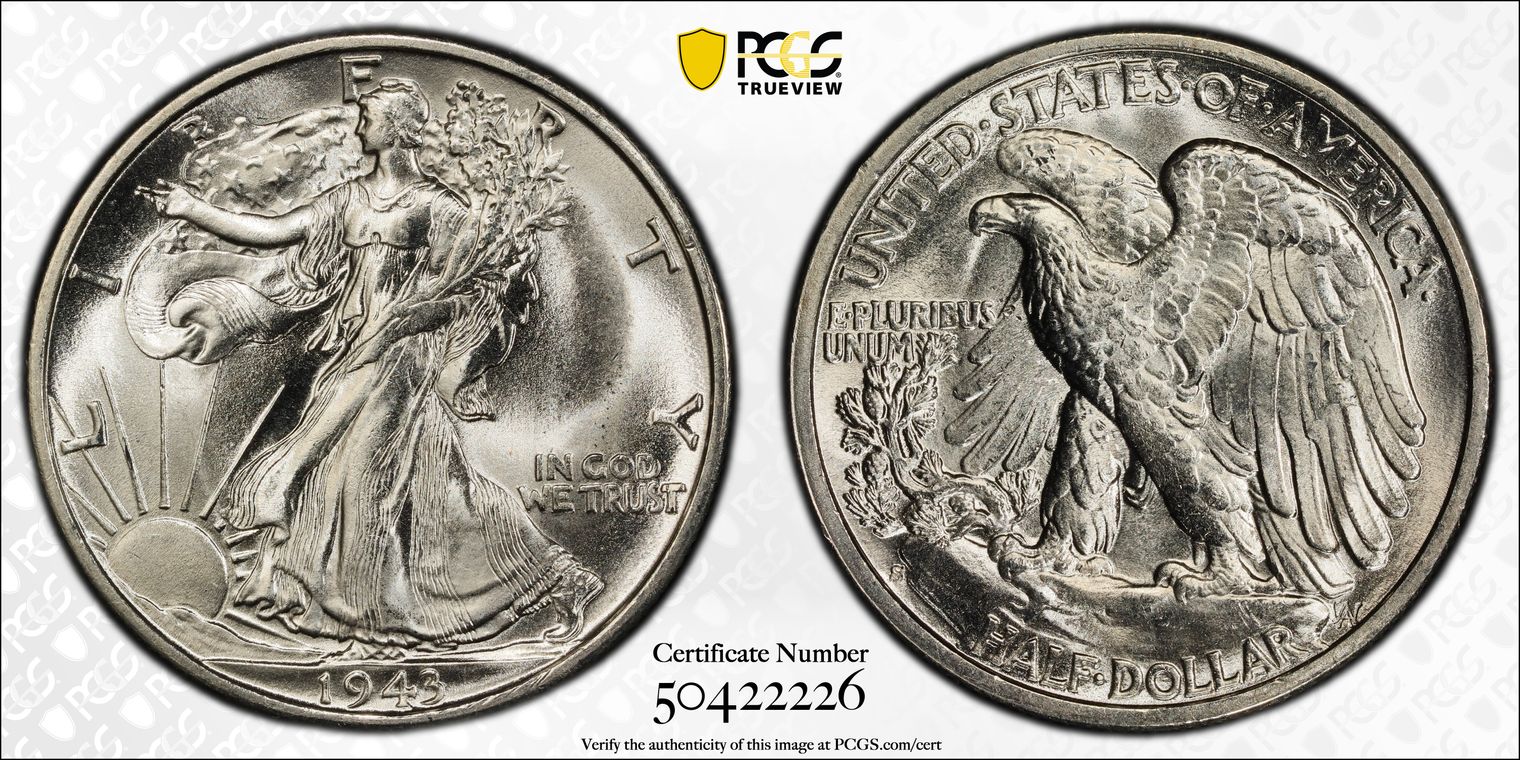
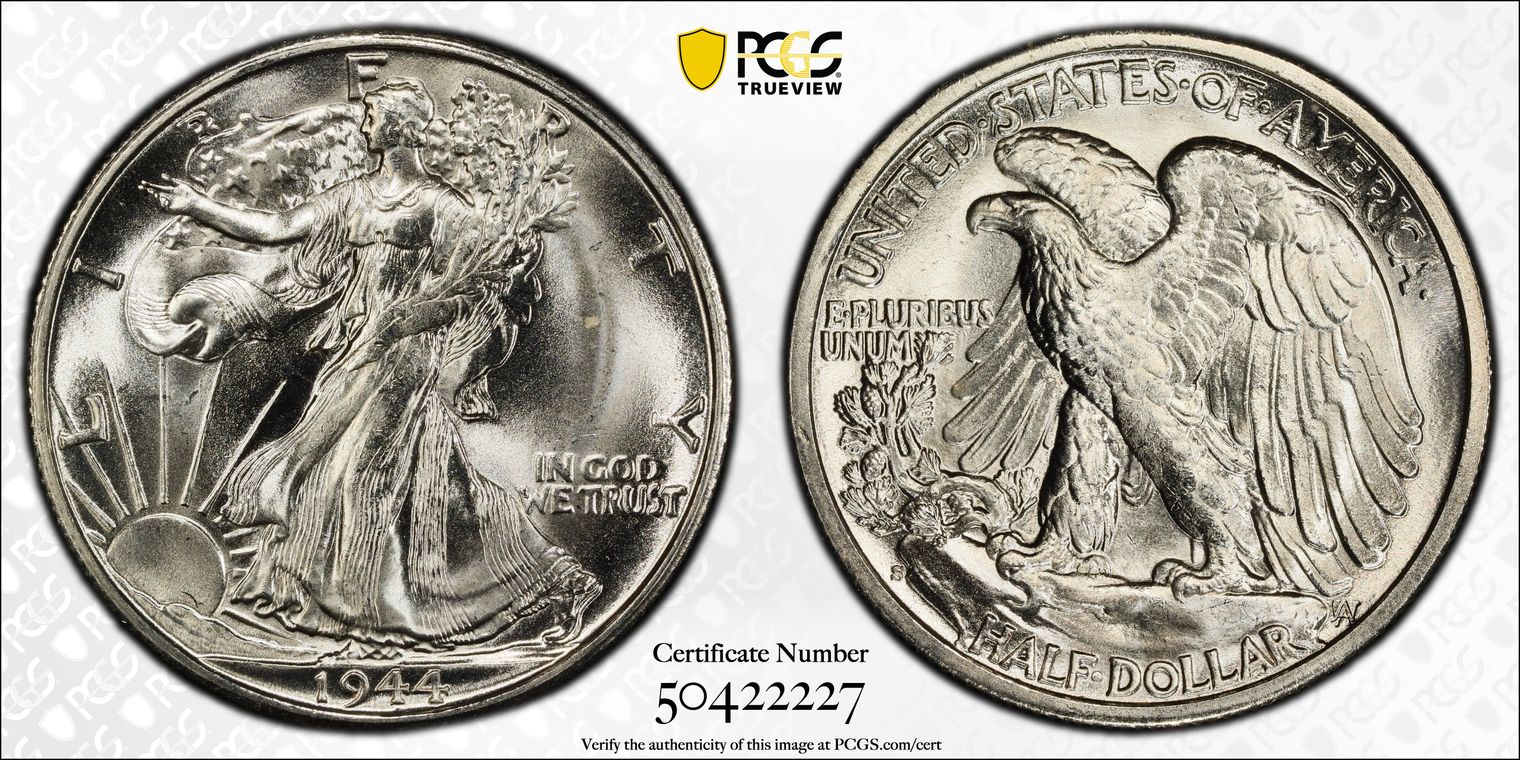
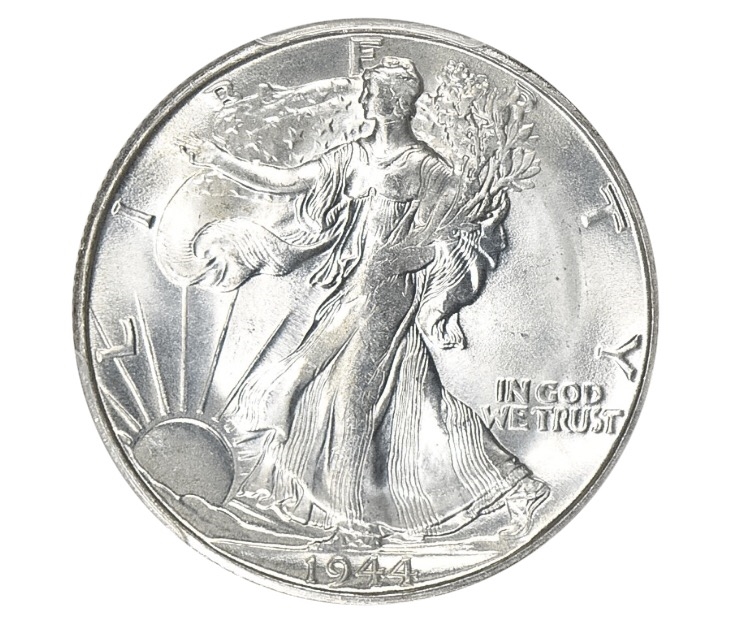
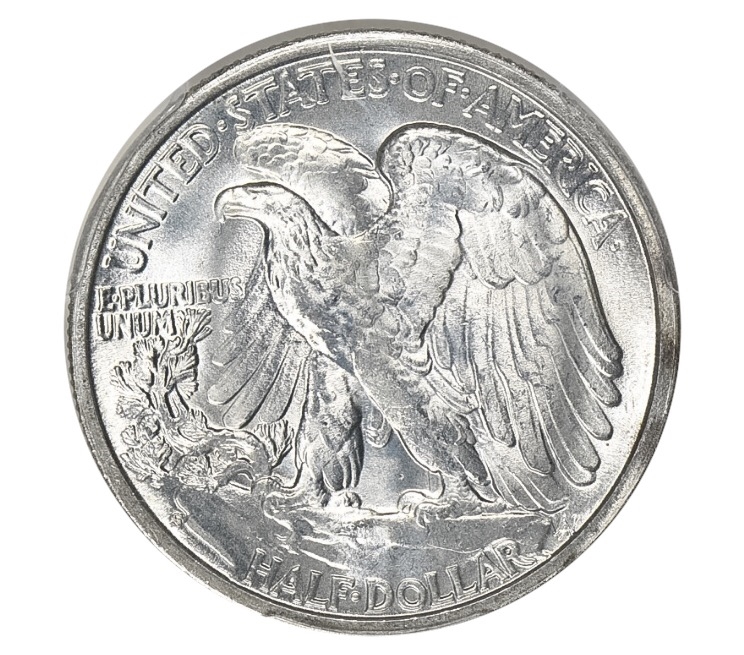
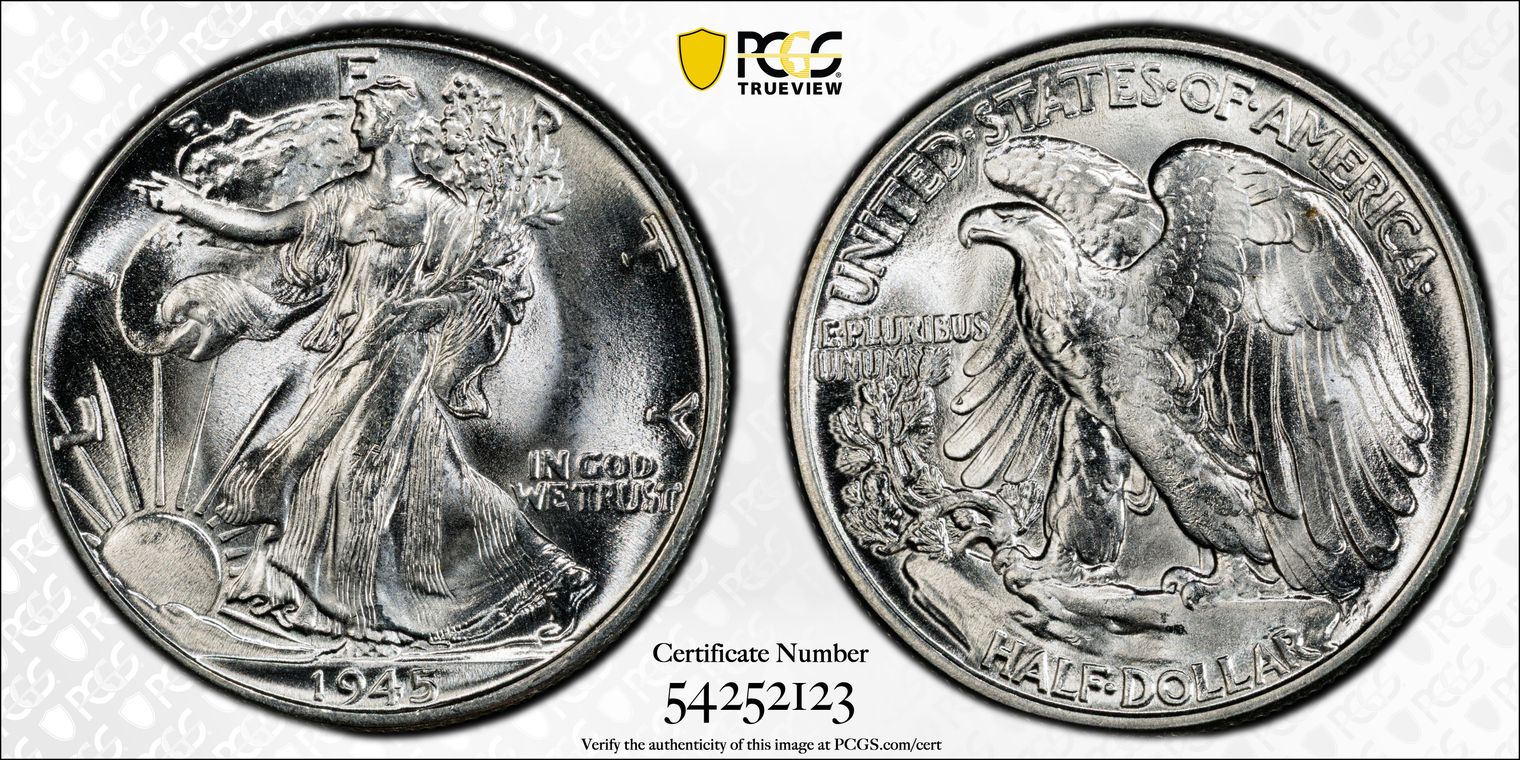
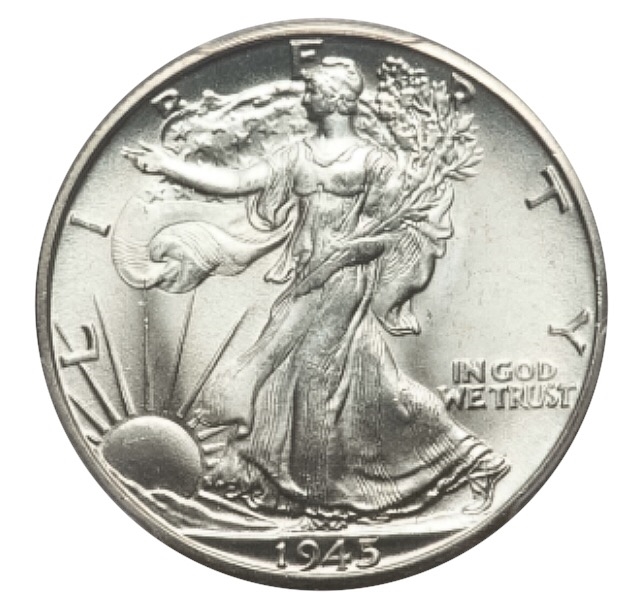
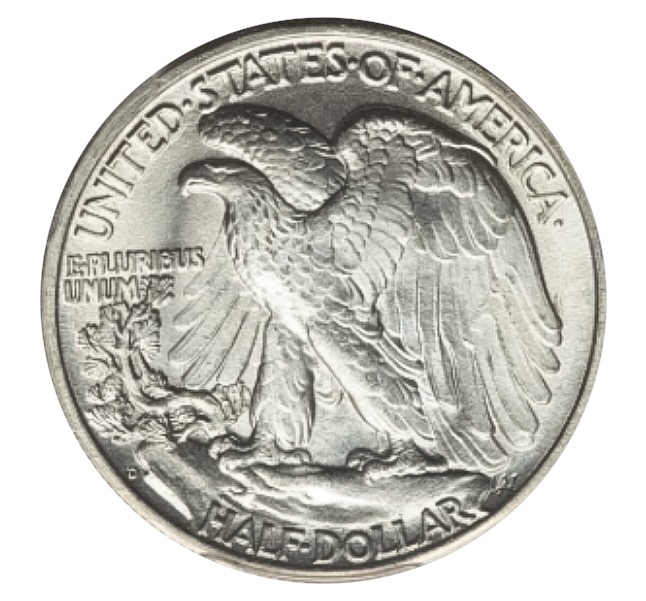

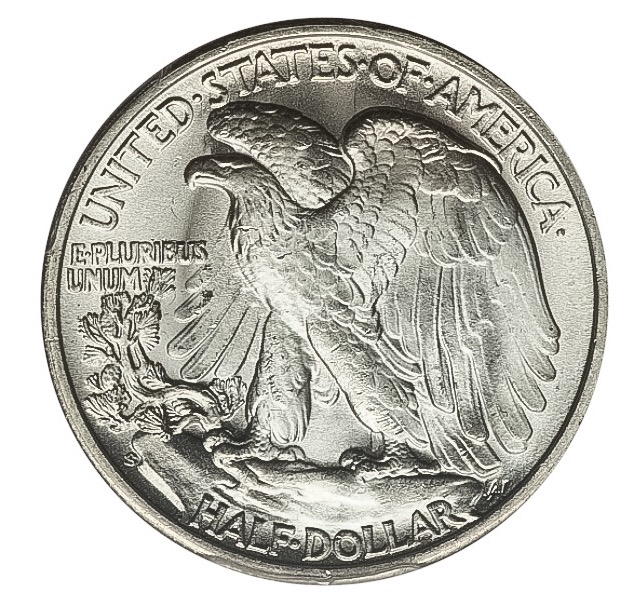
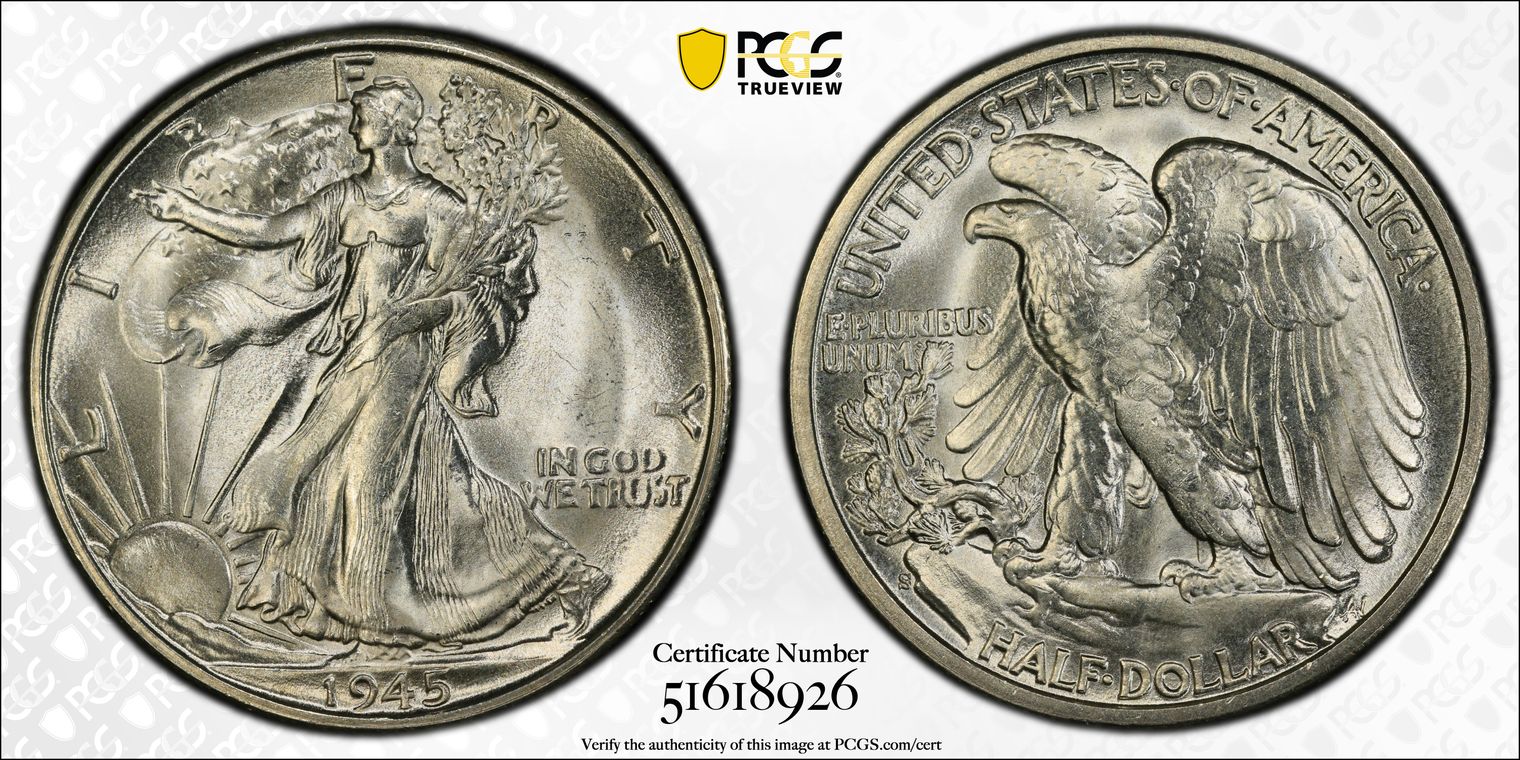
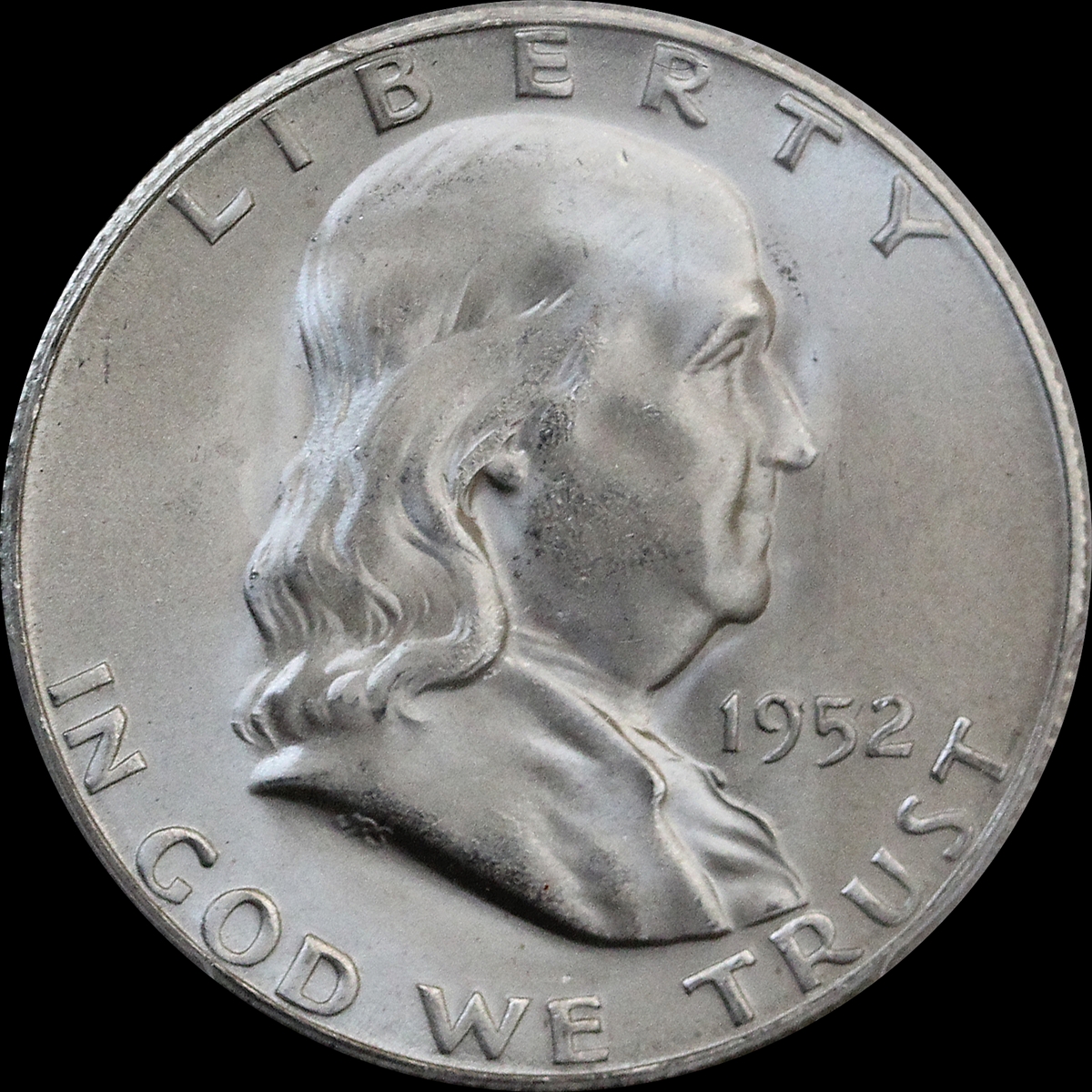
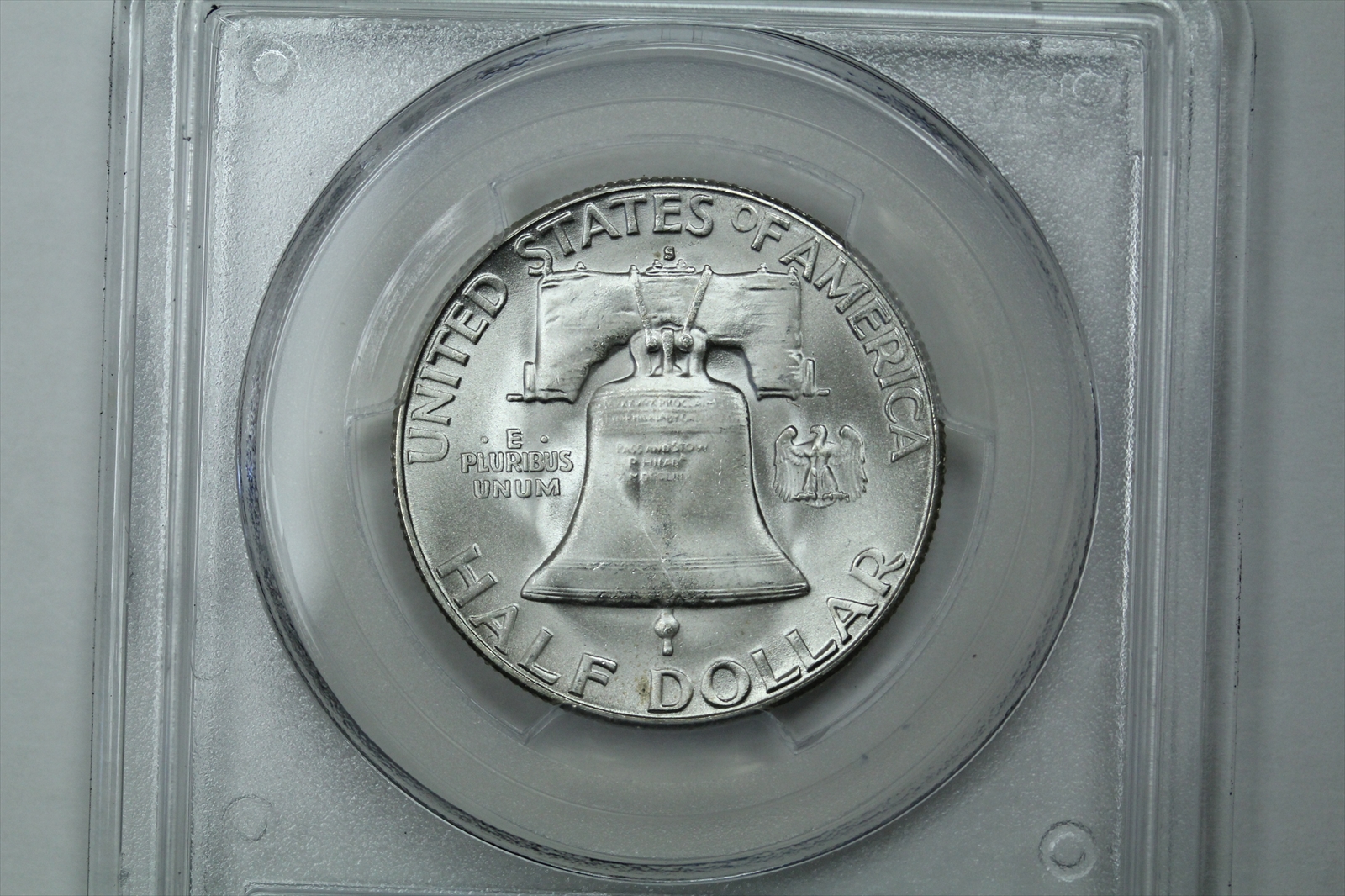
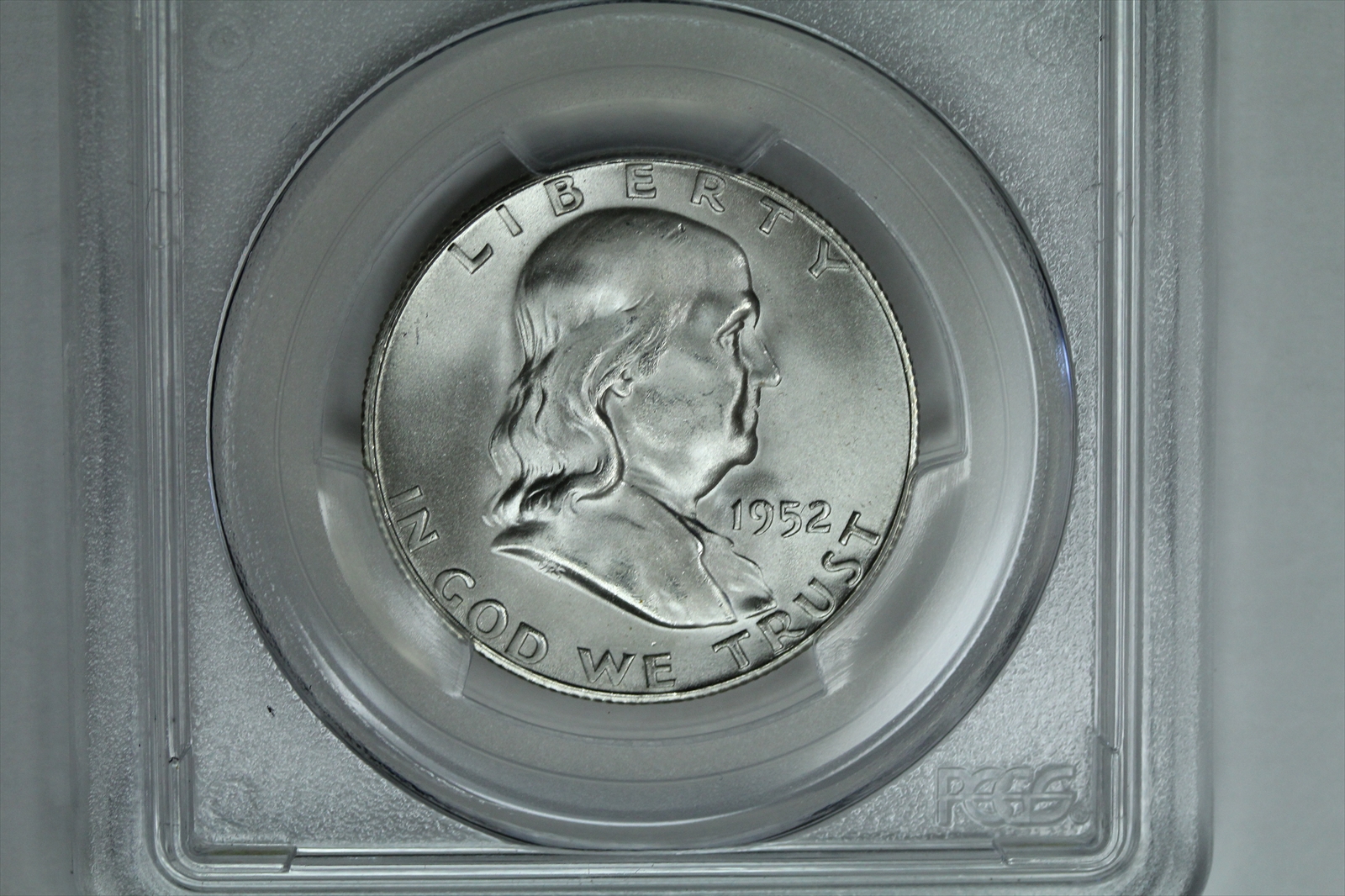
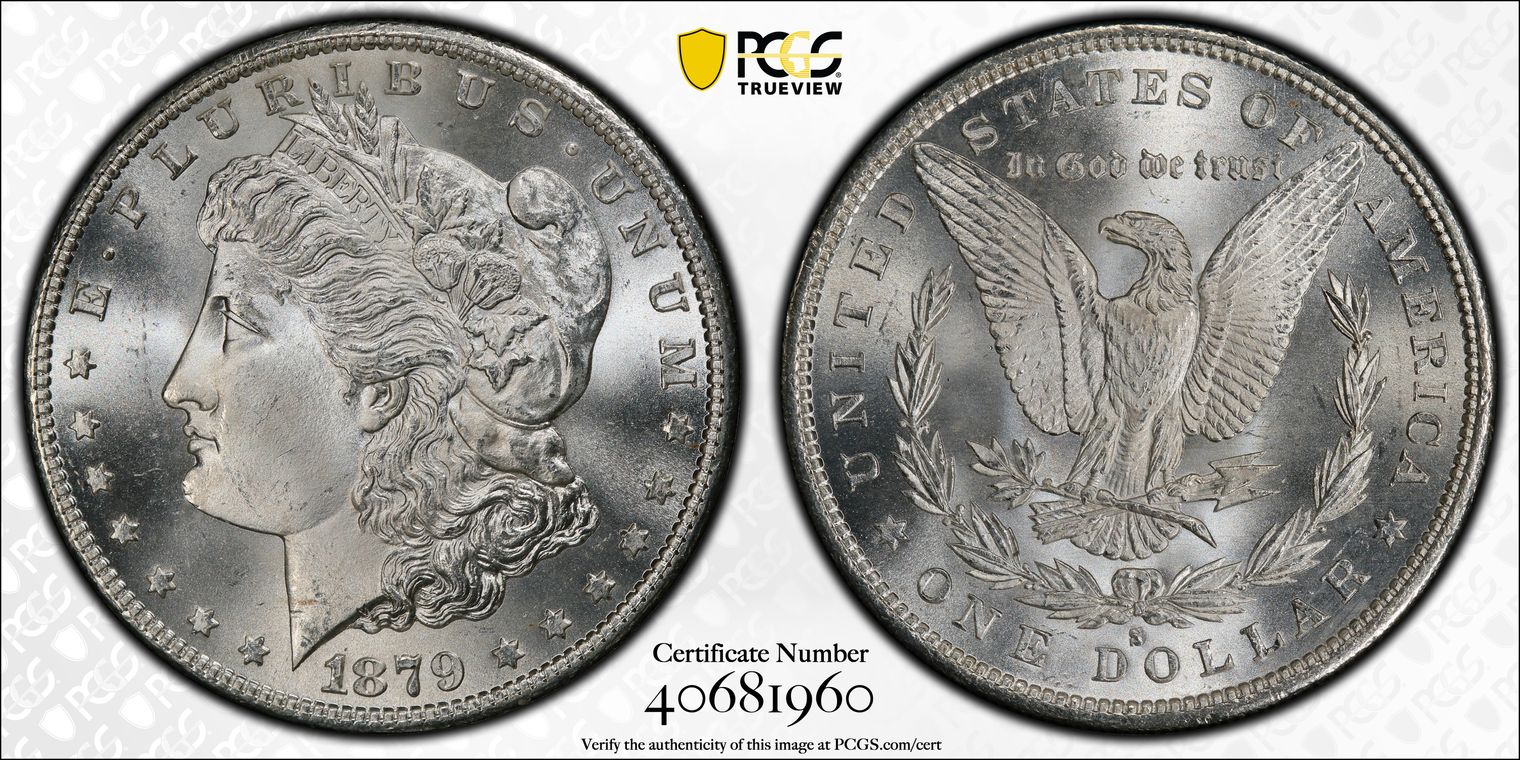
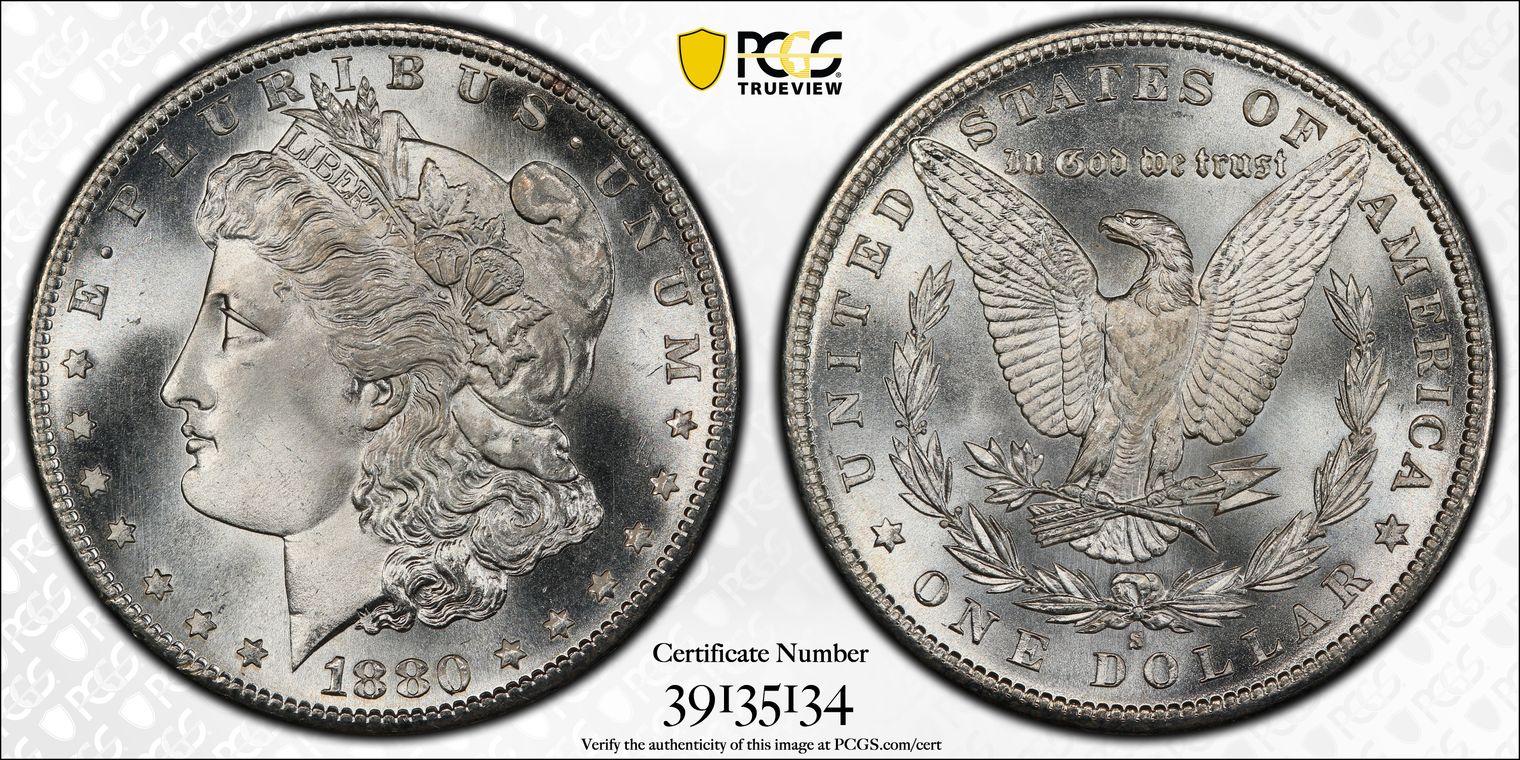
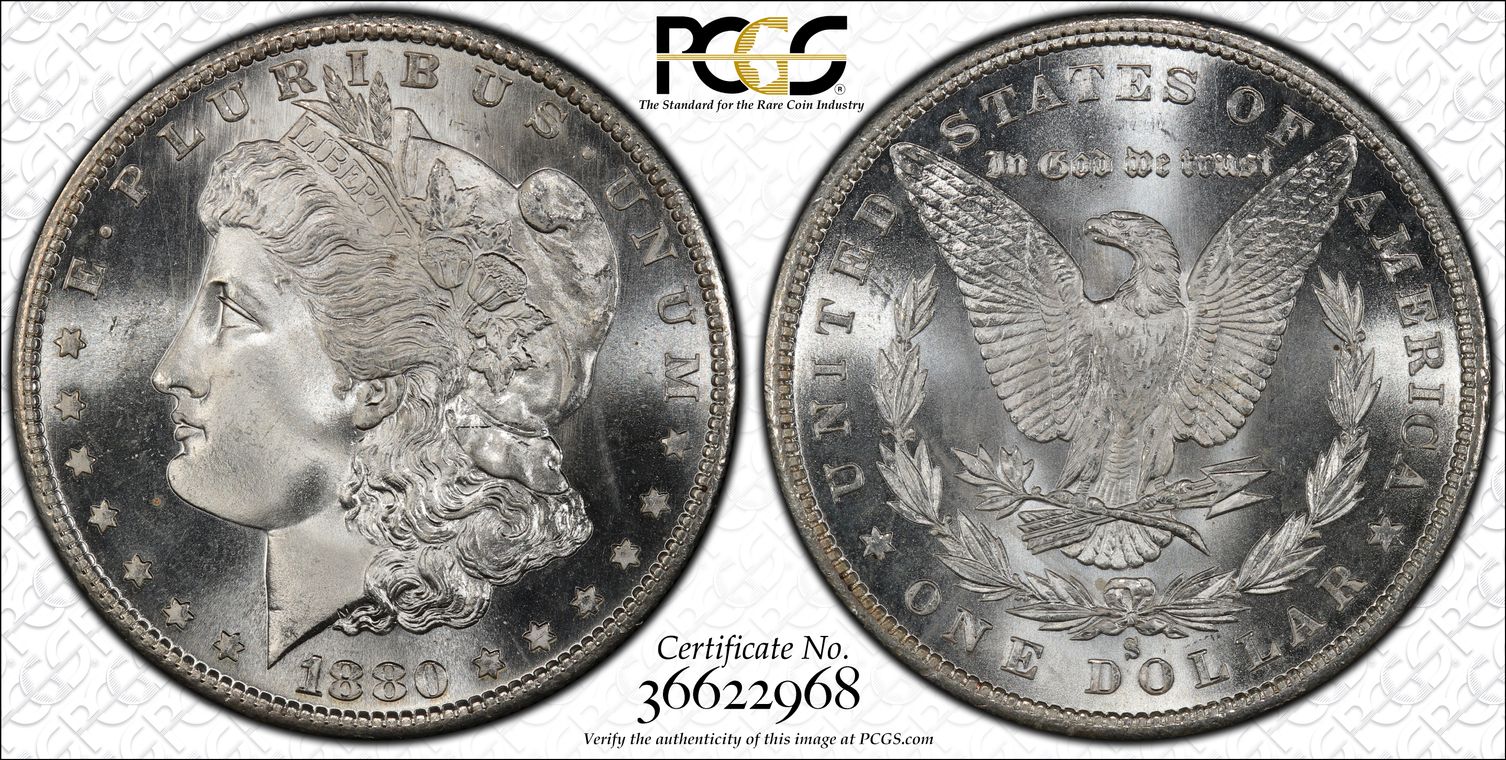
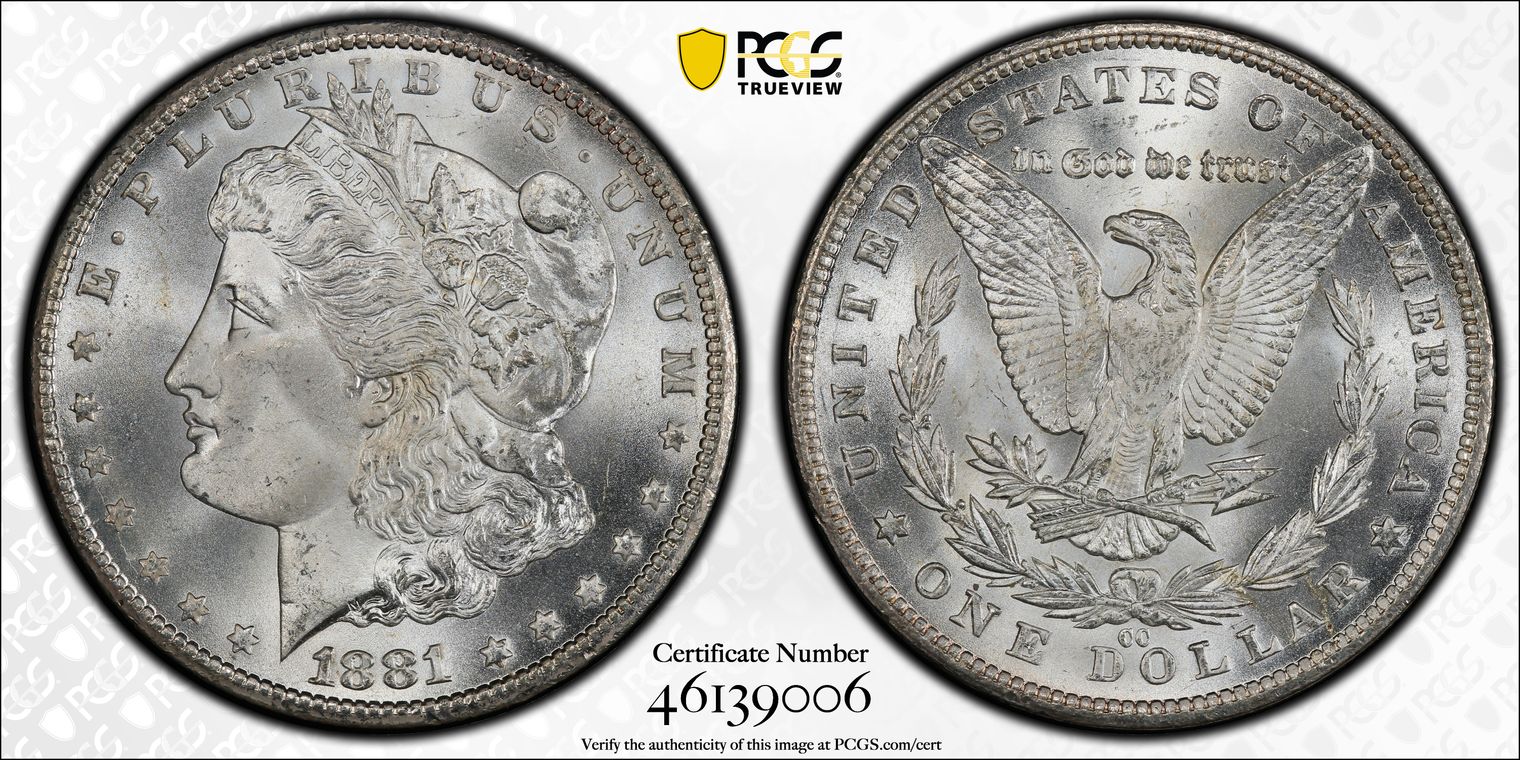
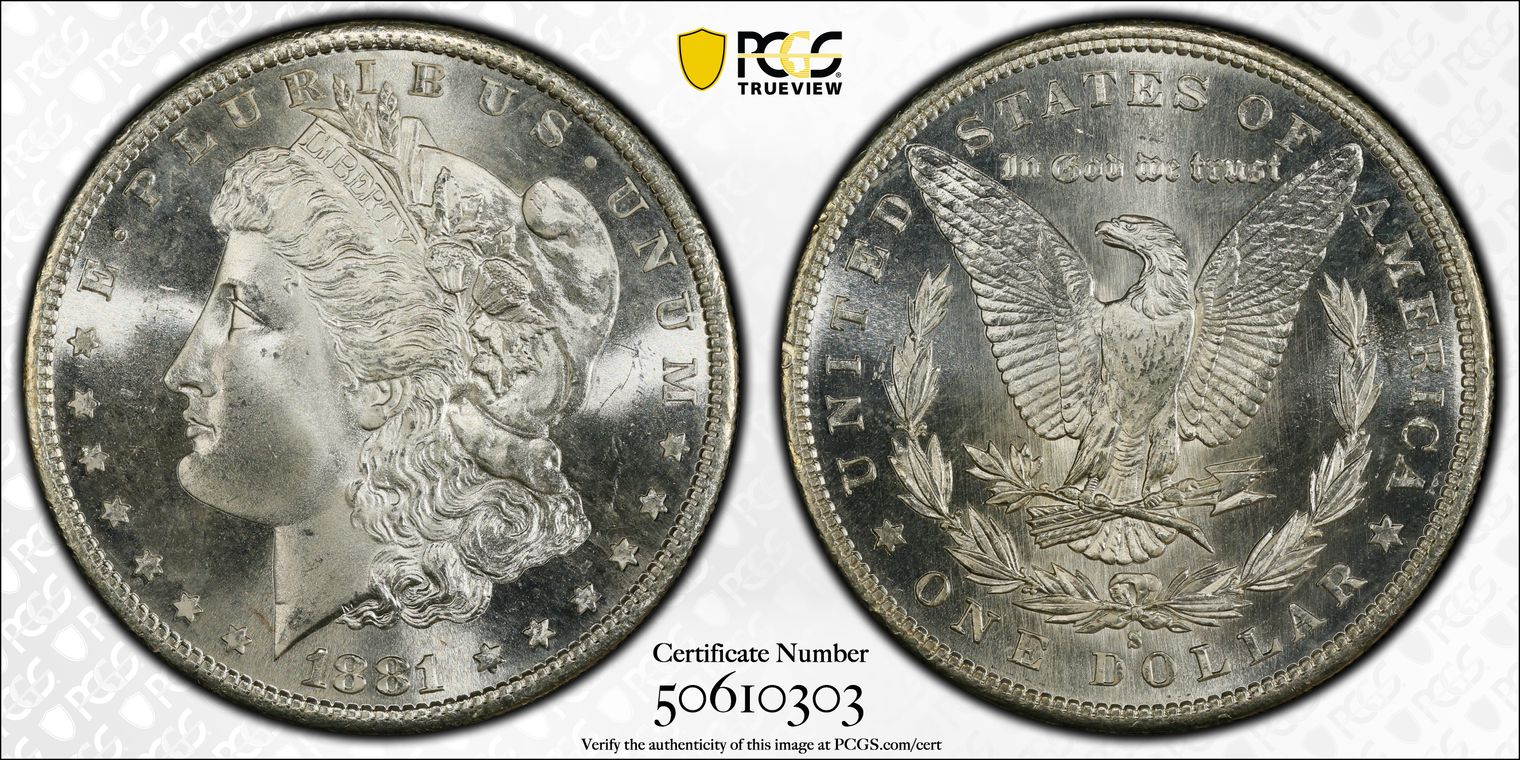
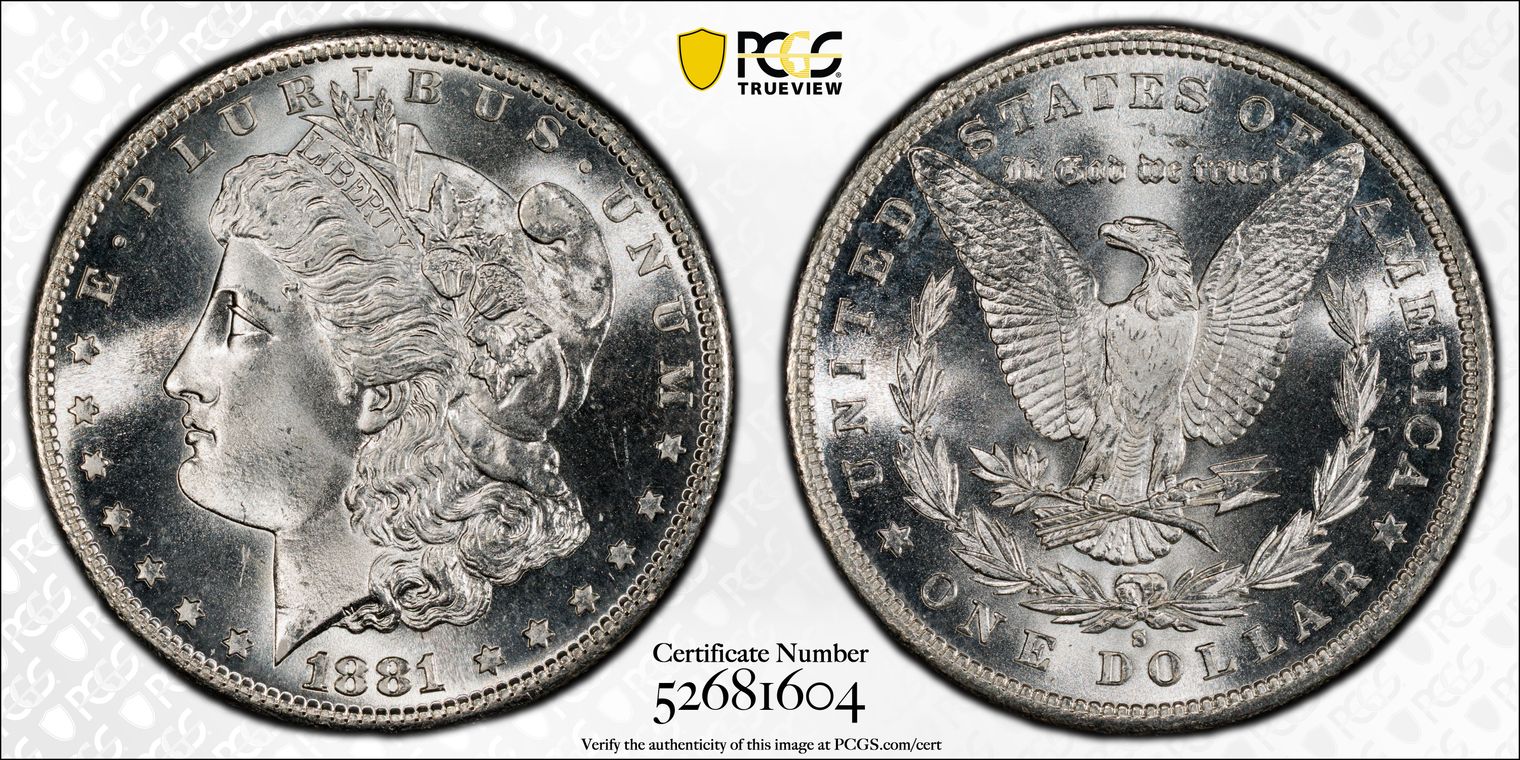
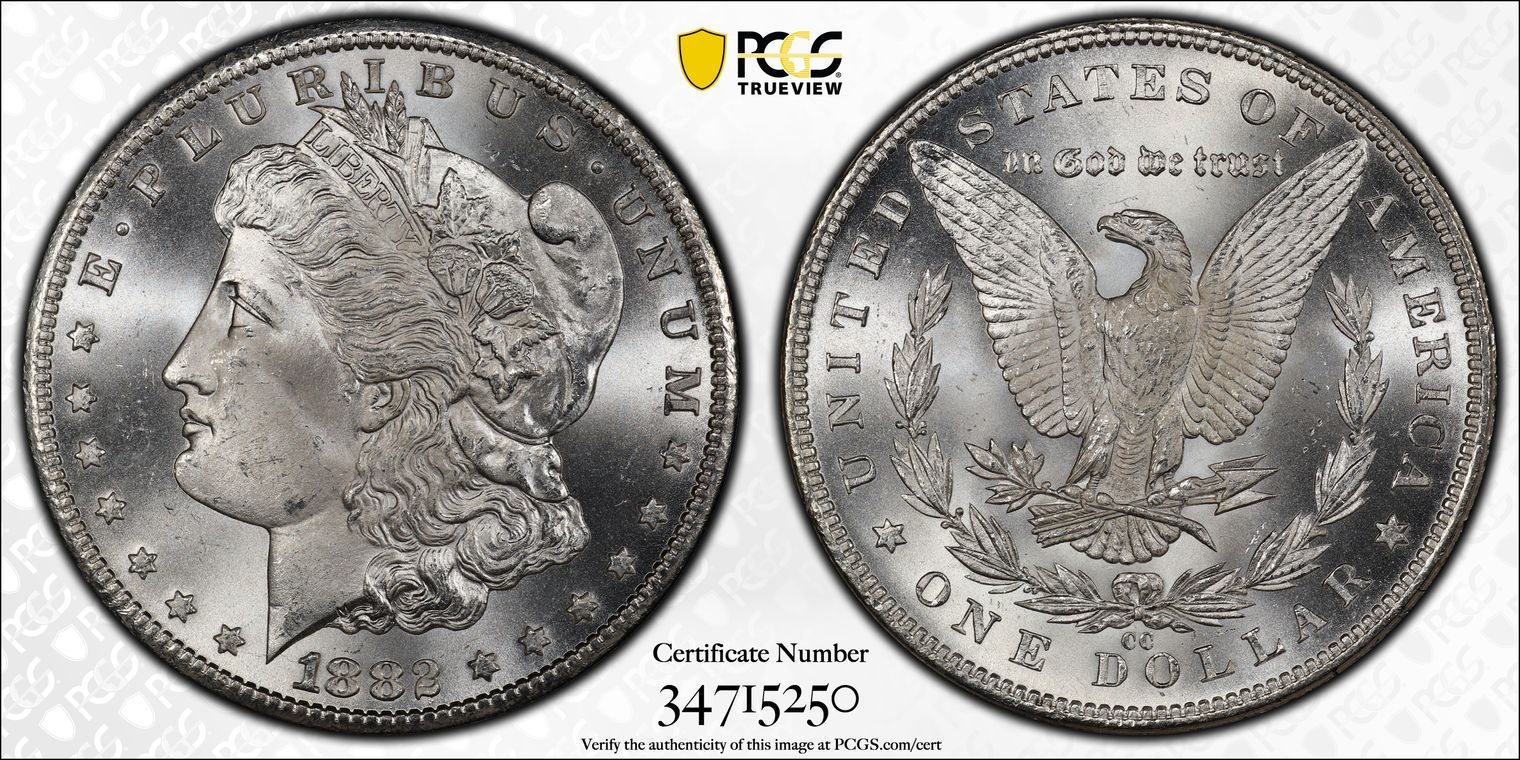
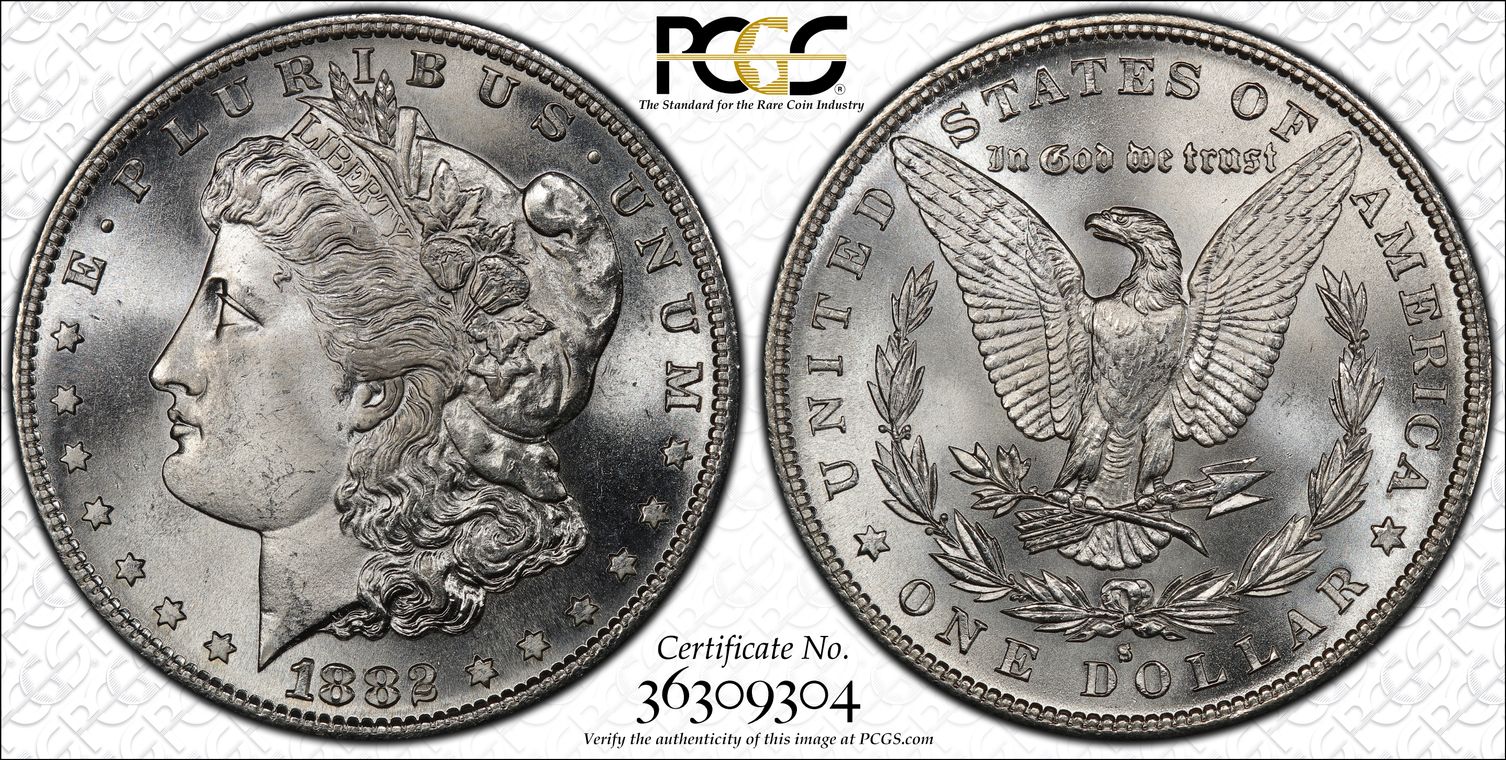
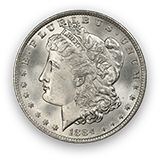
1882-S $1 MS67+ PCGS CAC A Plus-graded Superb Gem Morgan dollar that exhibits sharply detailed design elements and virtually flawless brilliant surfaces, with vibrant mint luster throughout. Overall eye appeal is terrific.
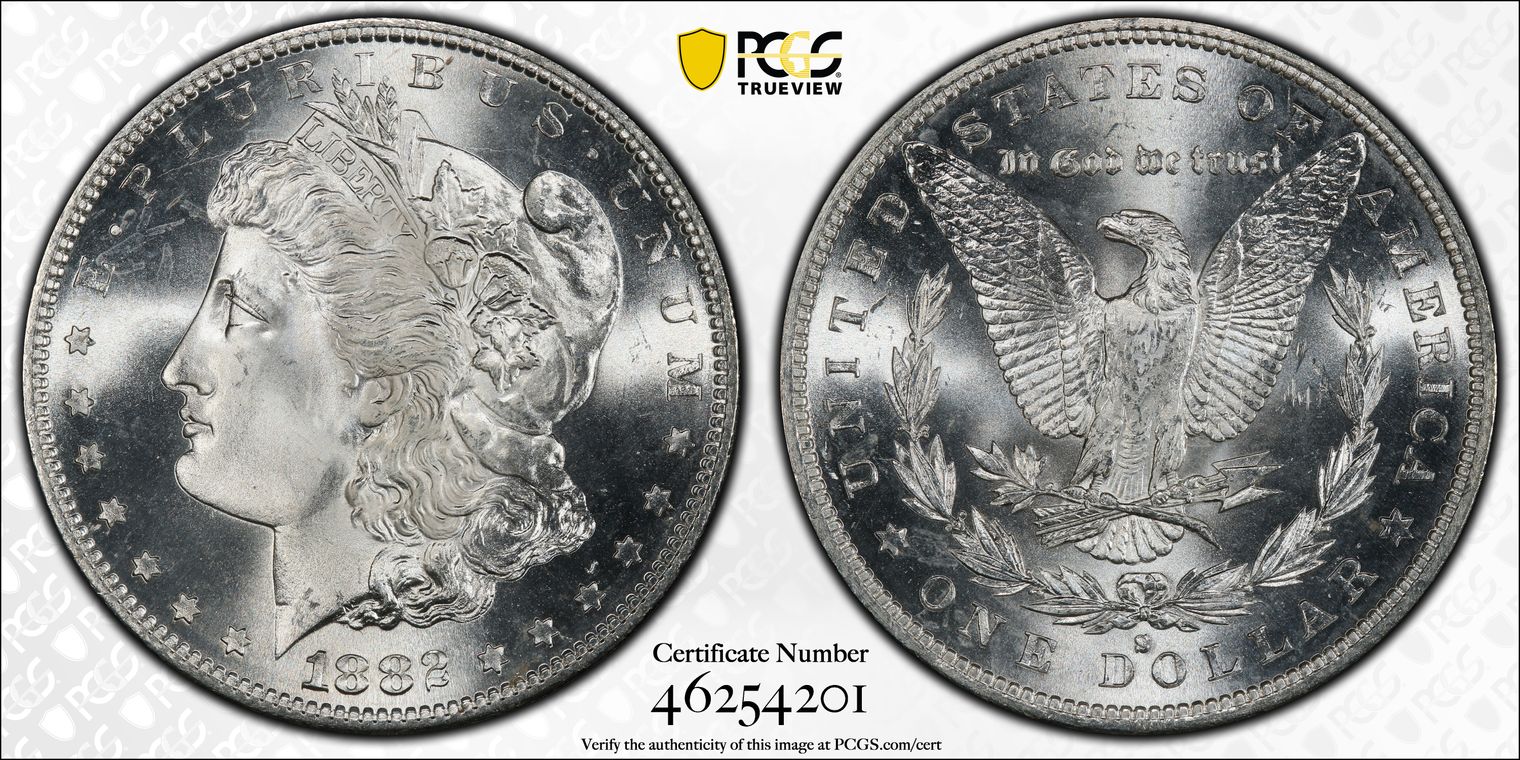
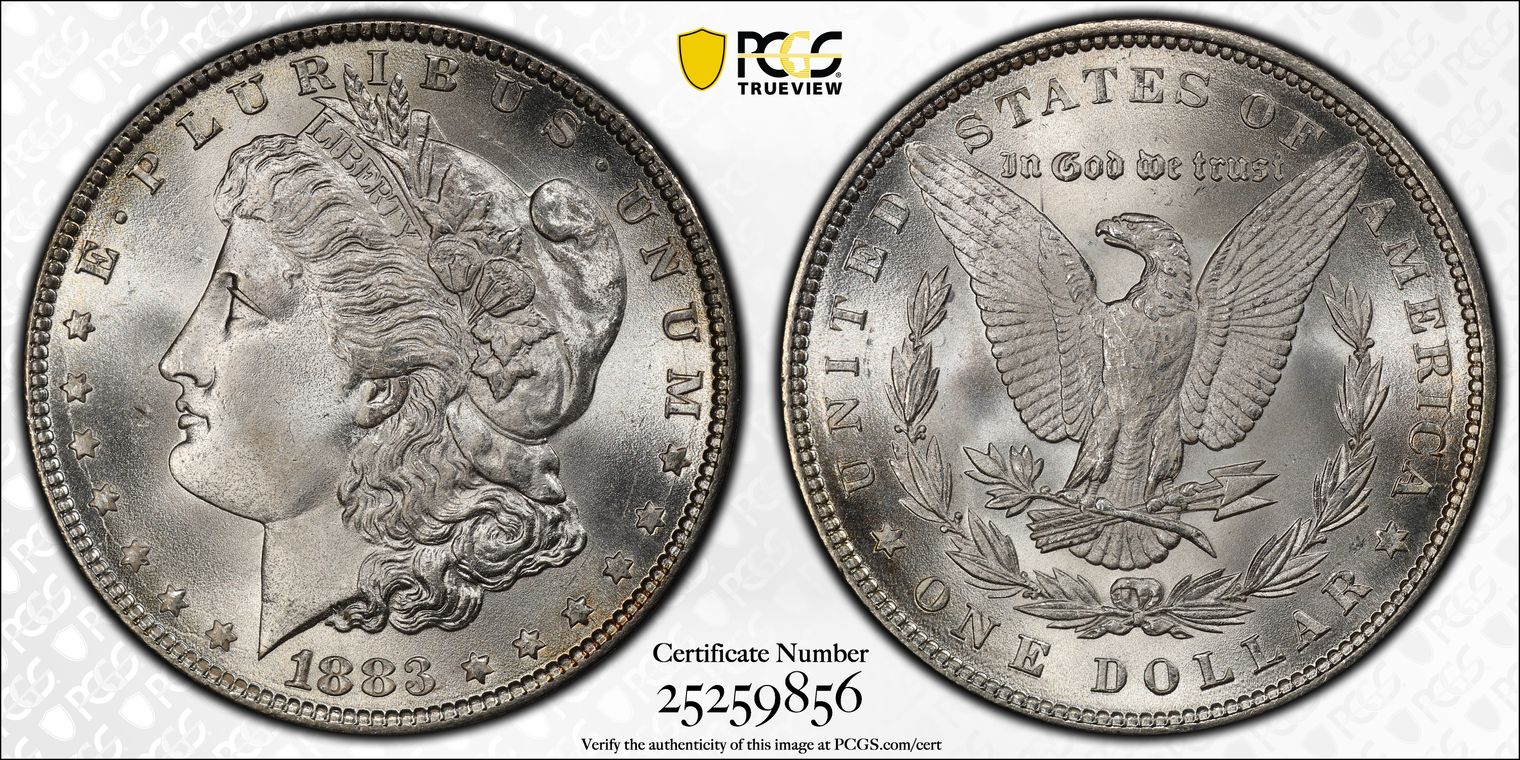
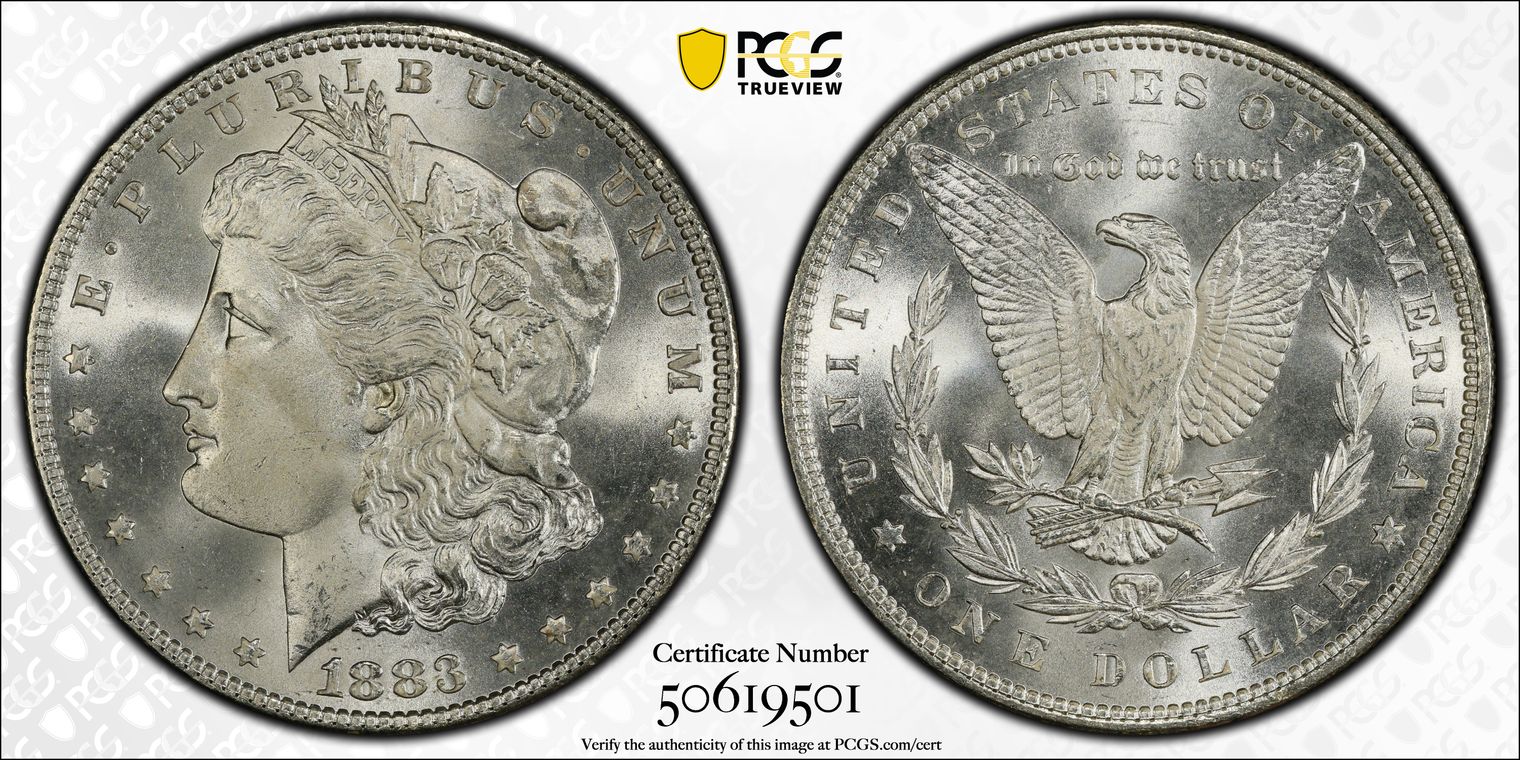
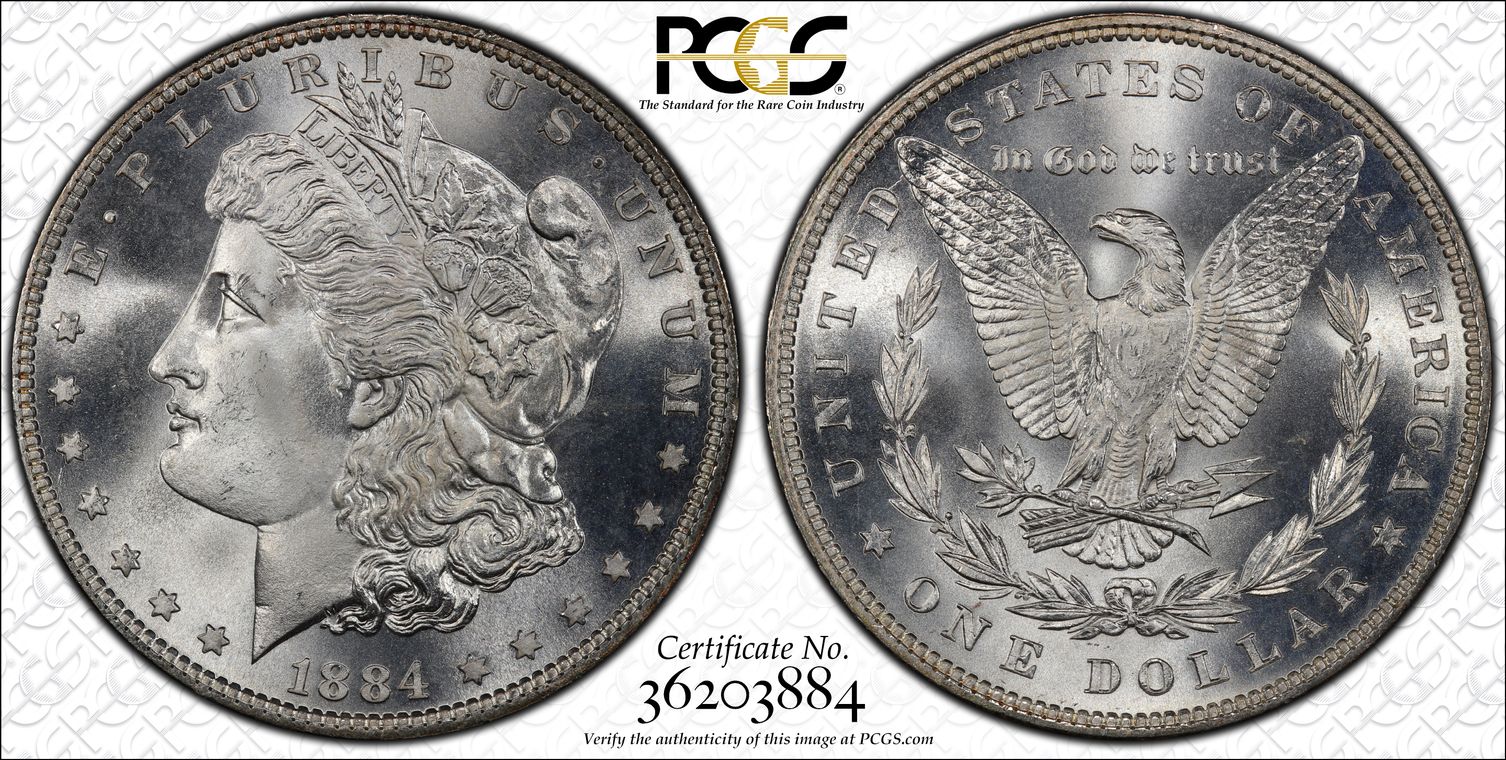
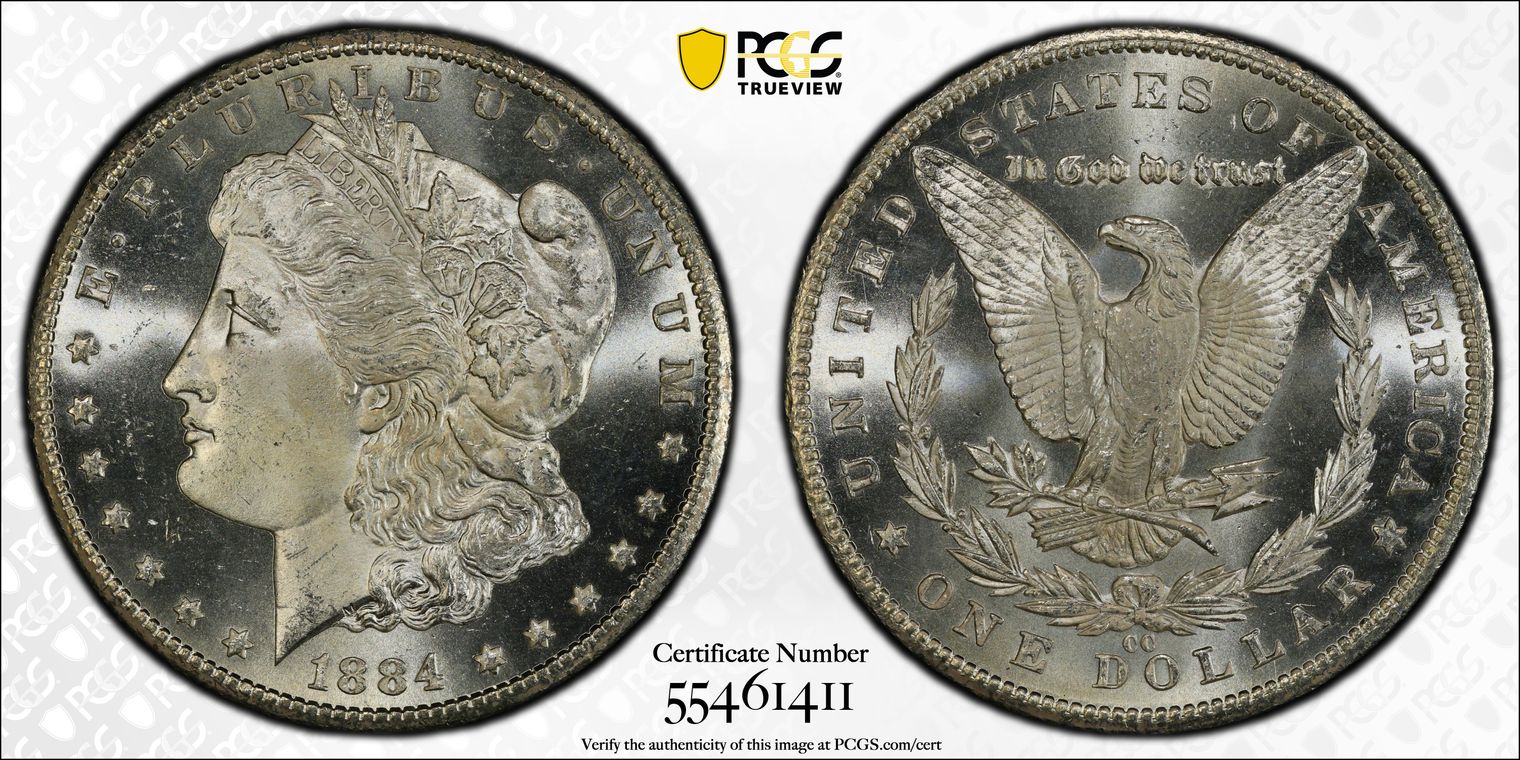
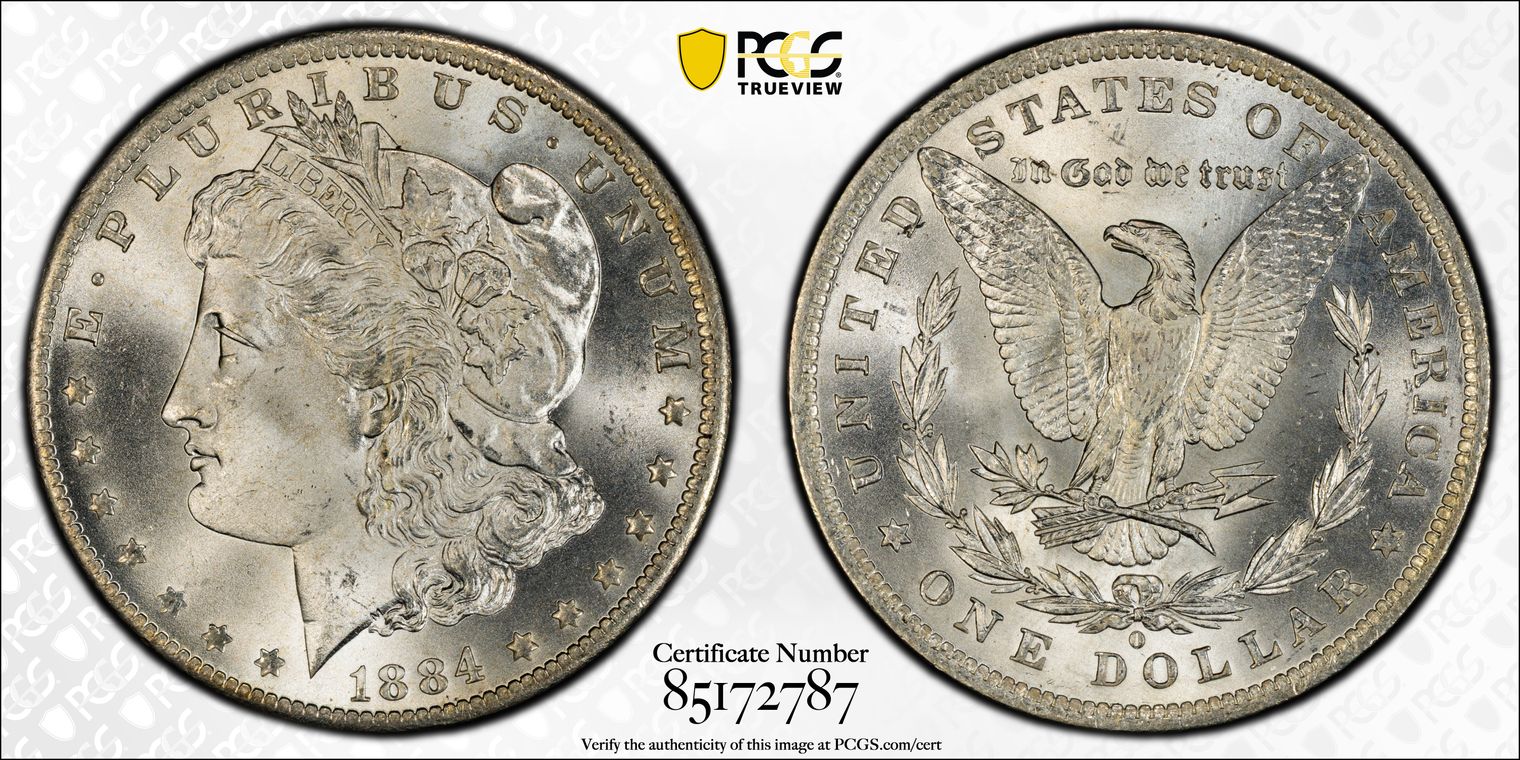
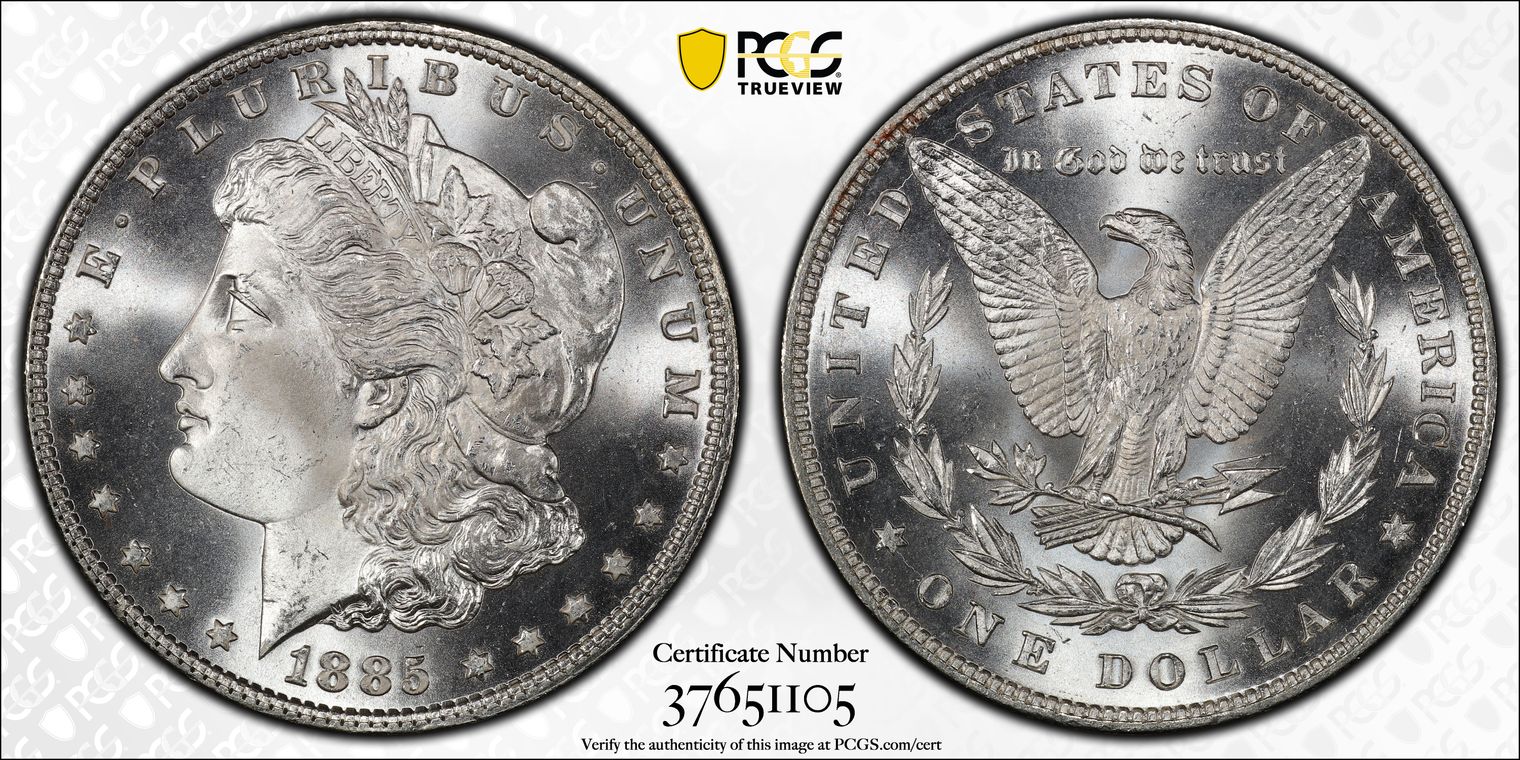
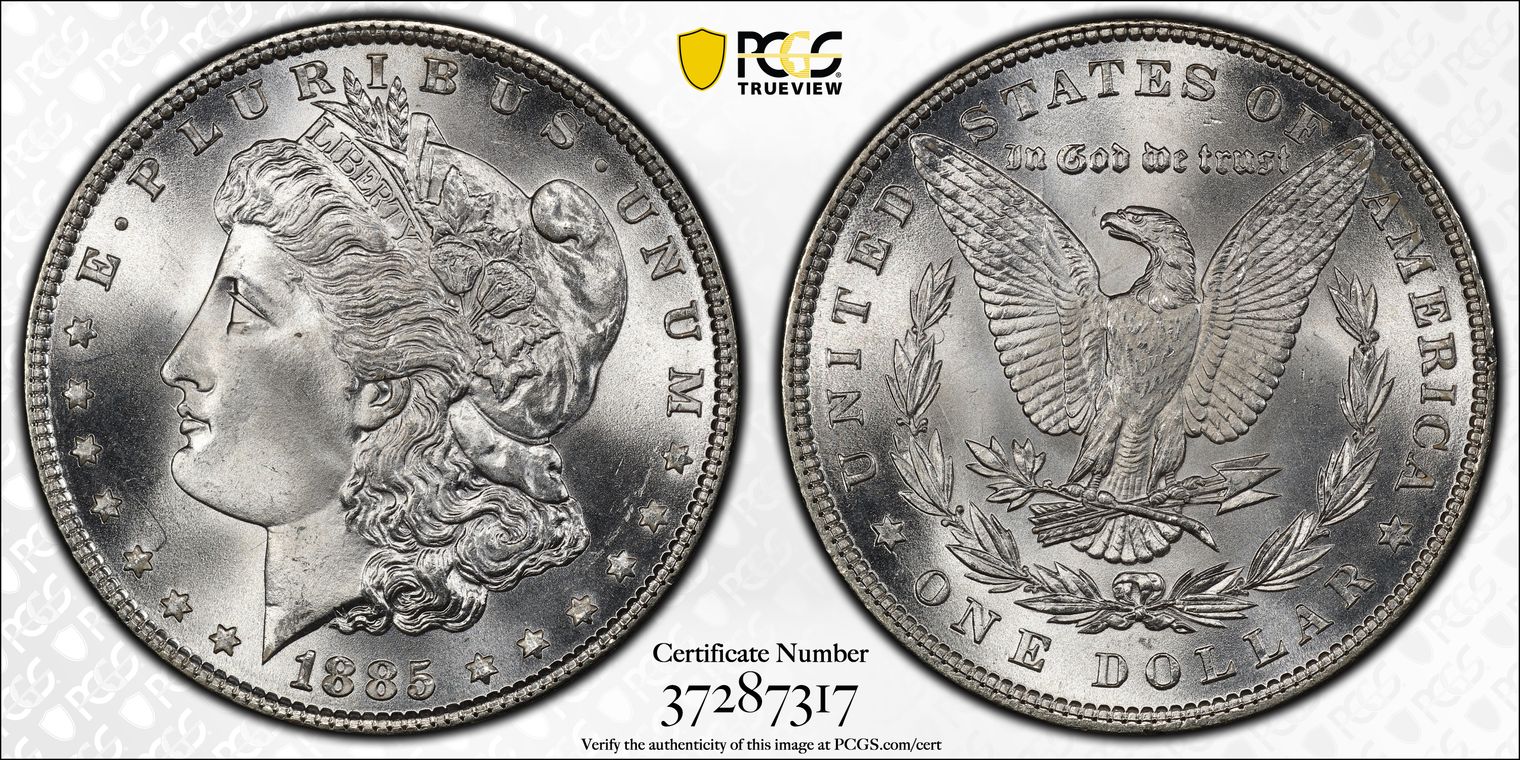
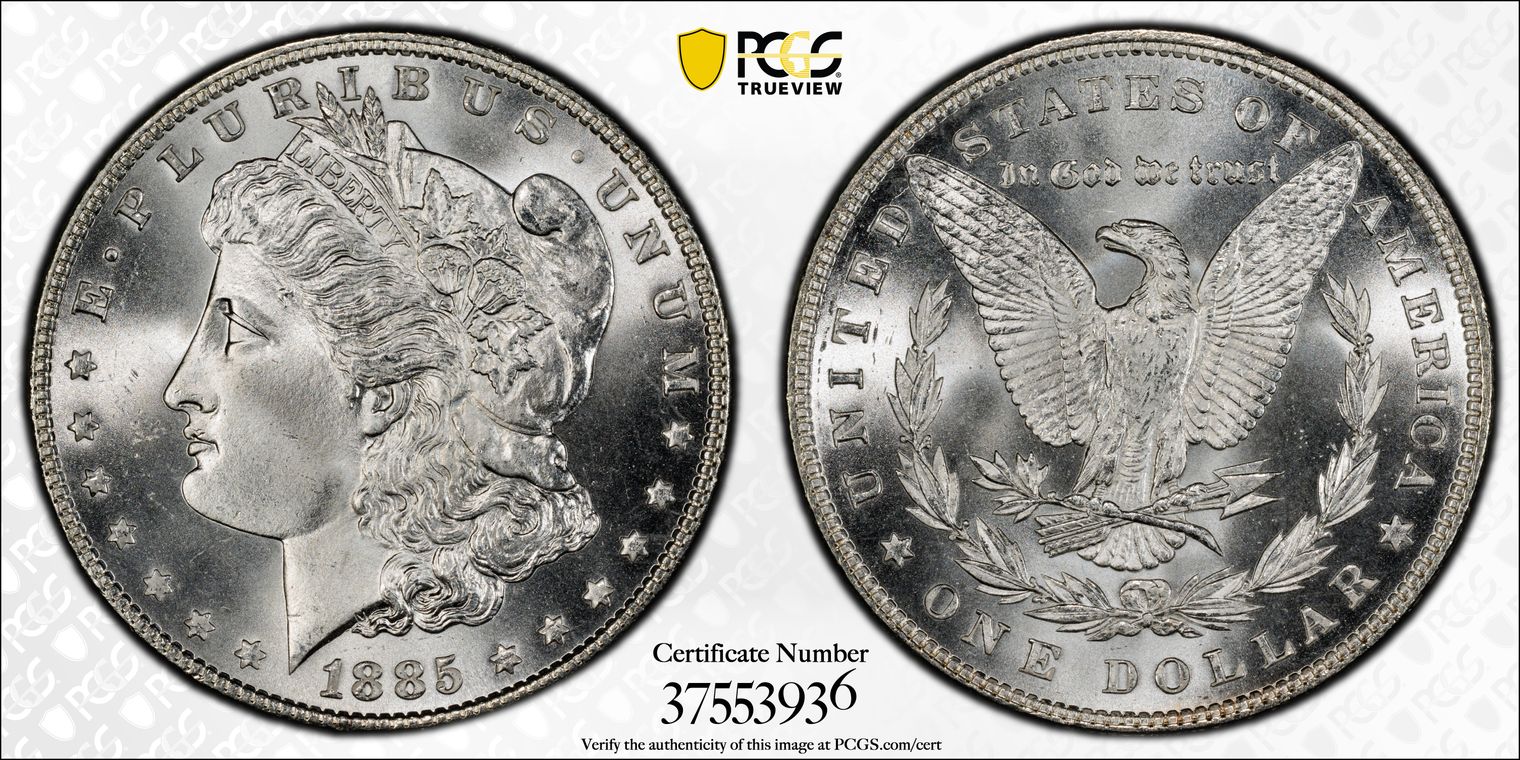
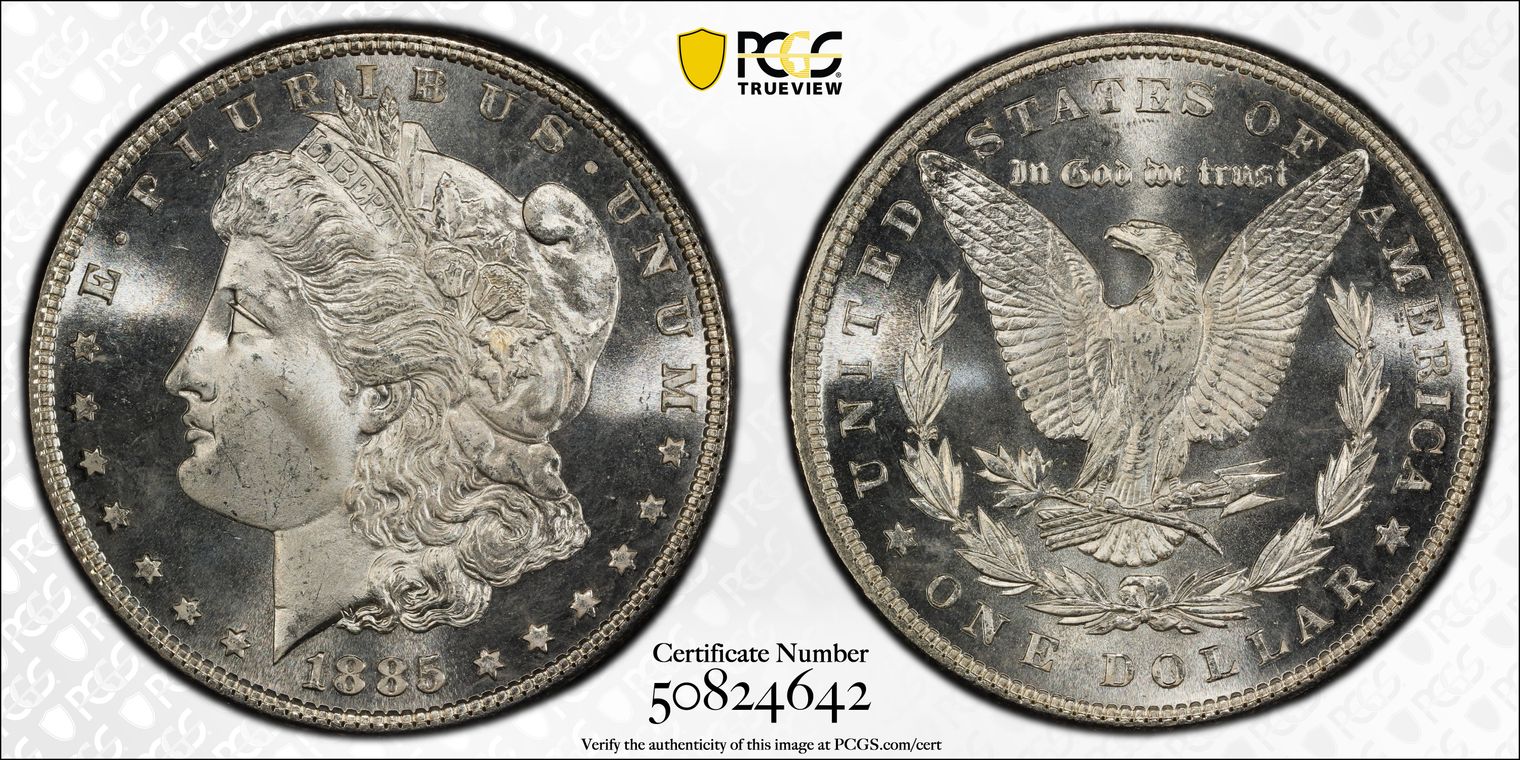
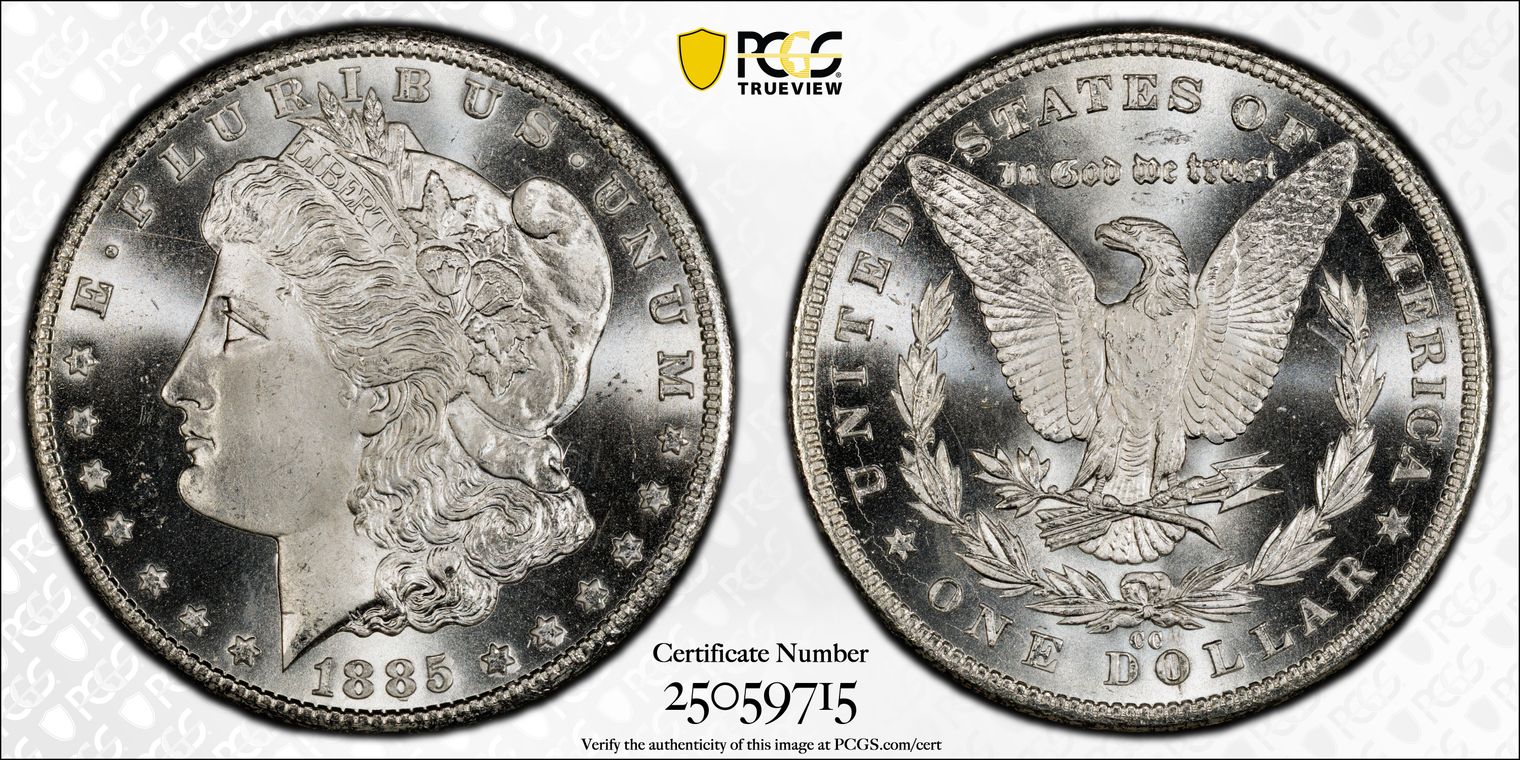
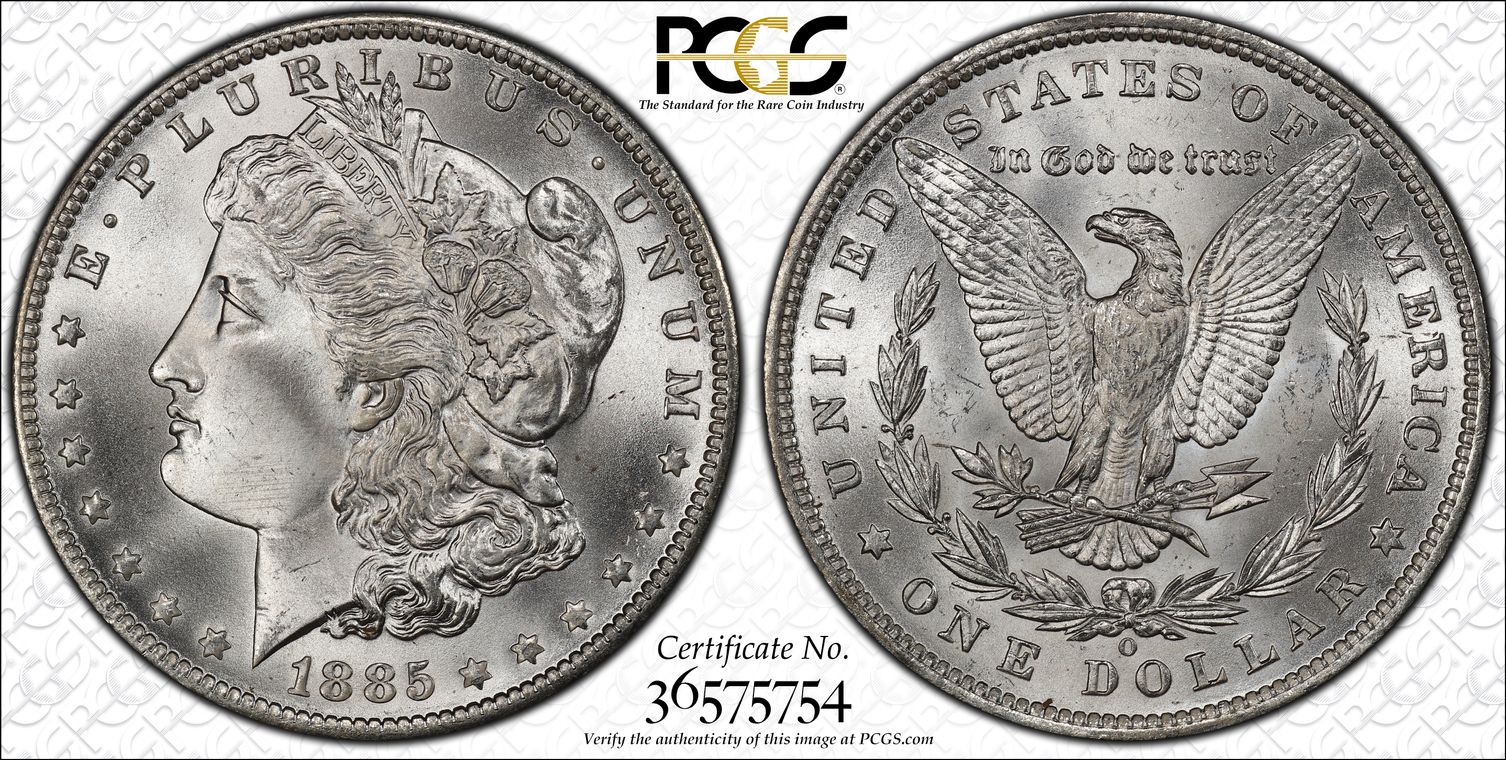
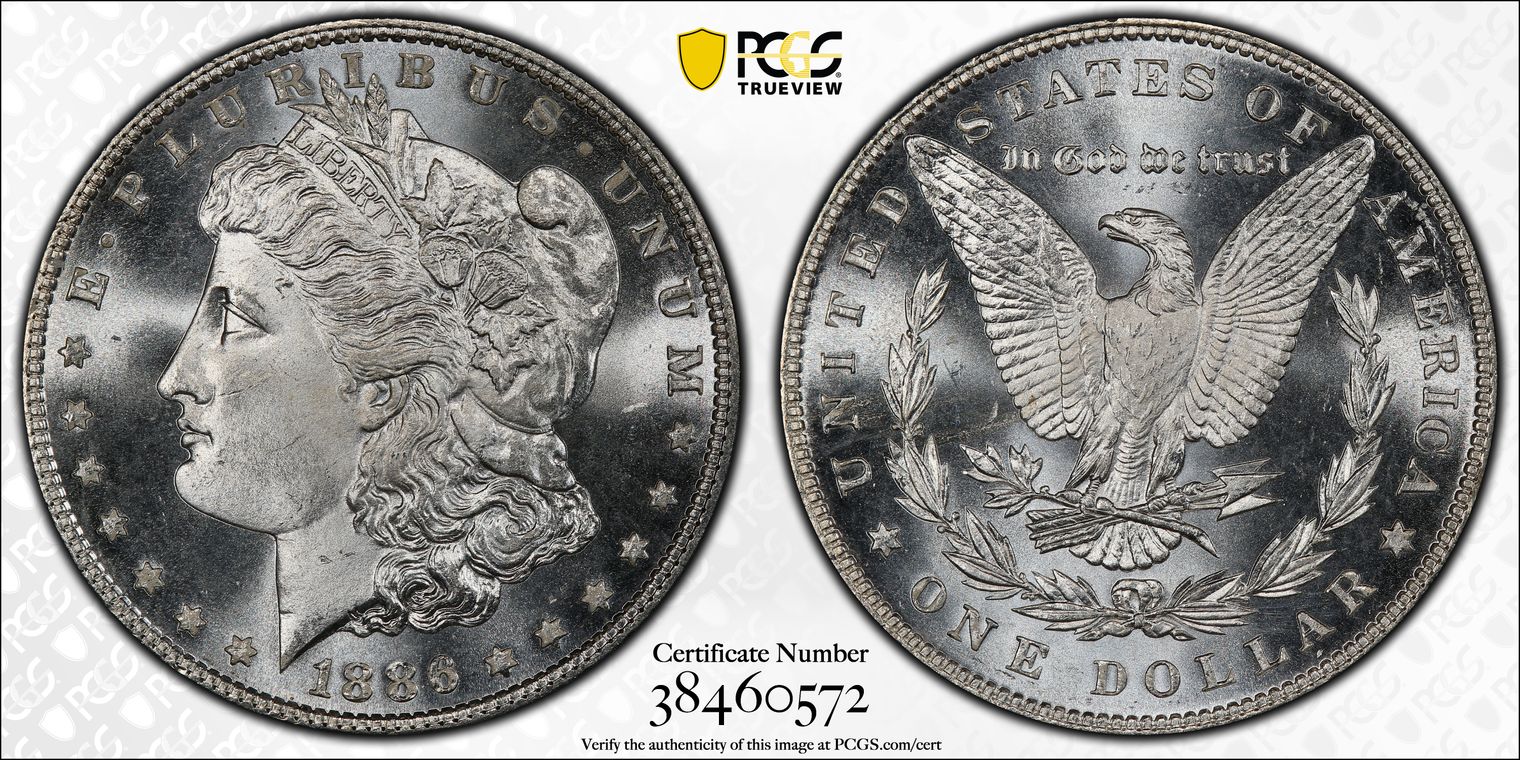
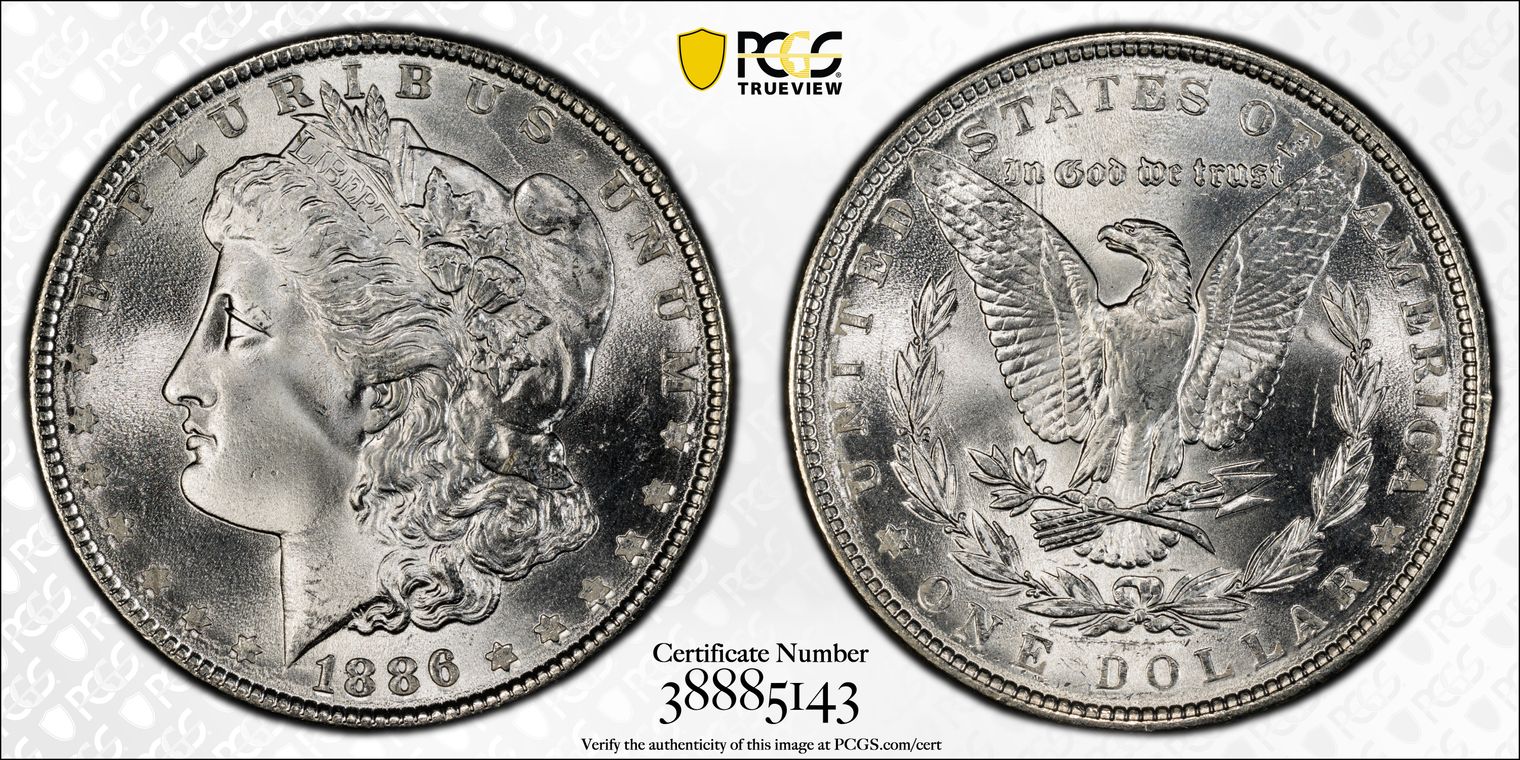
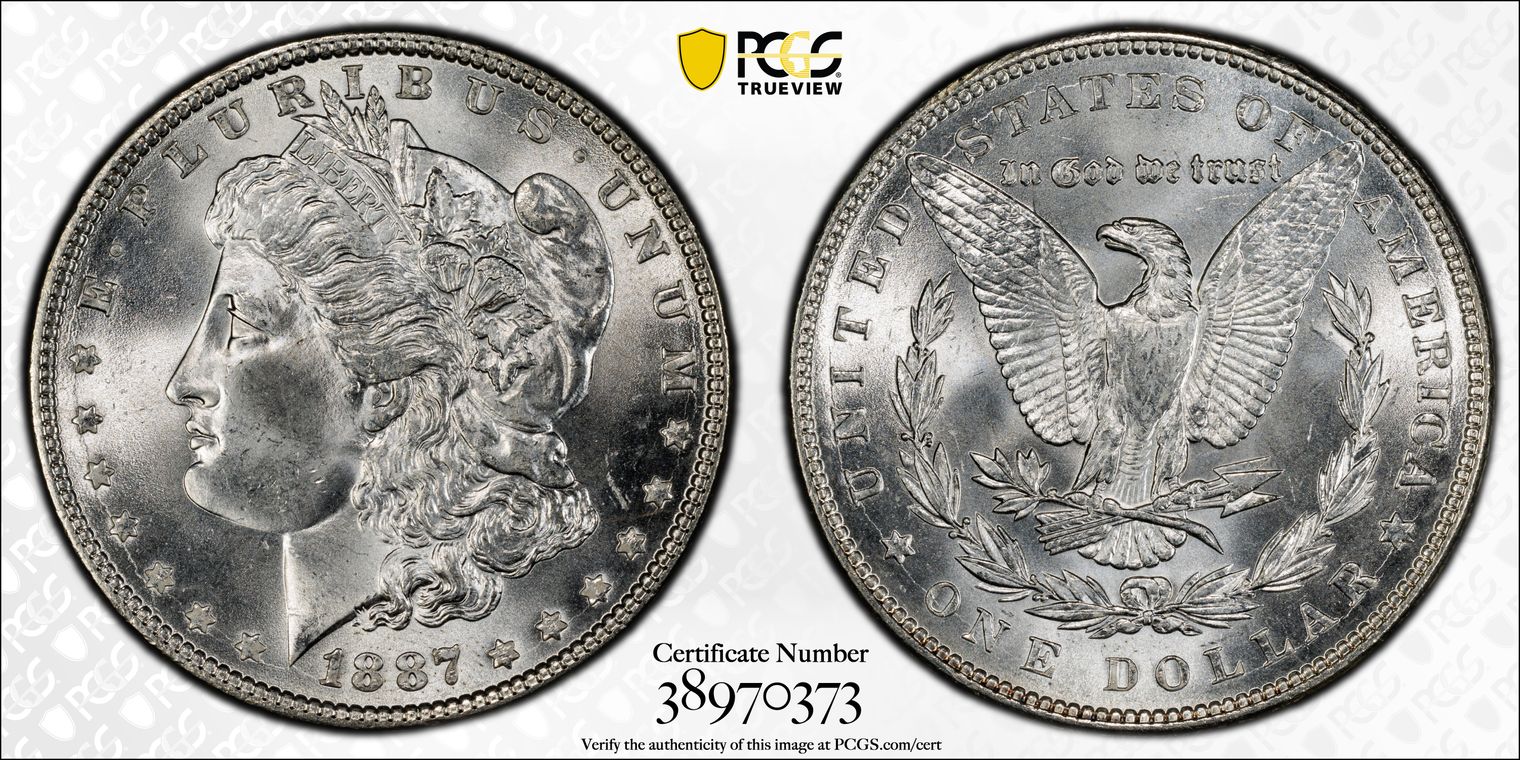
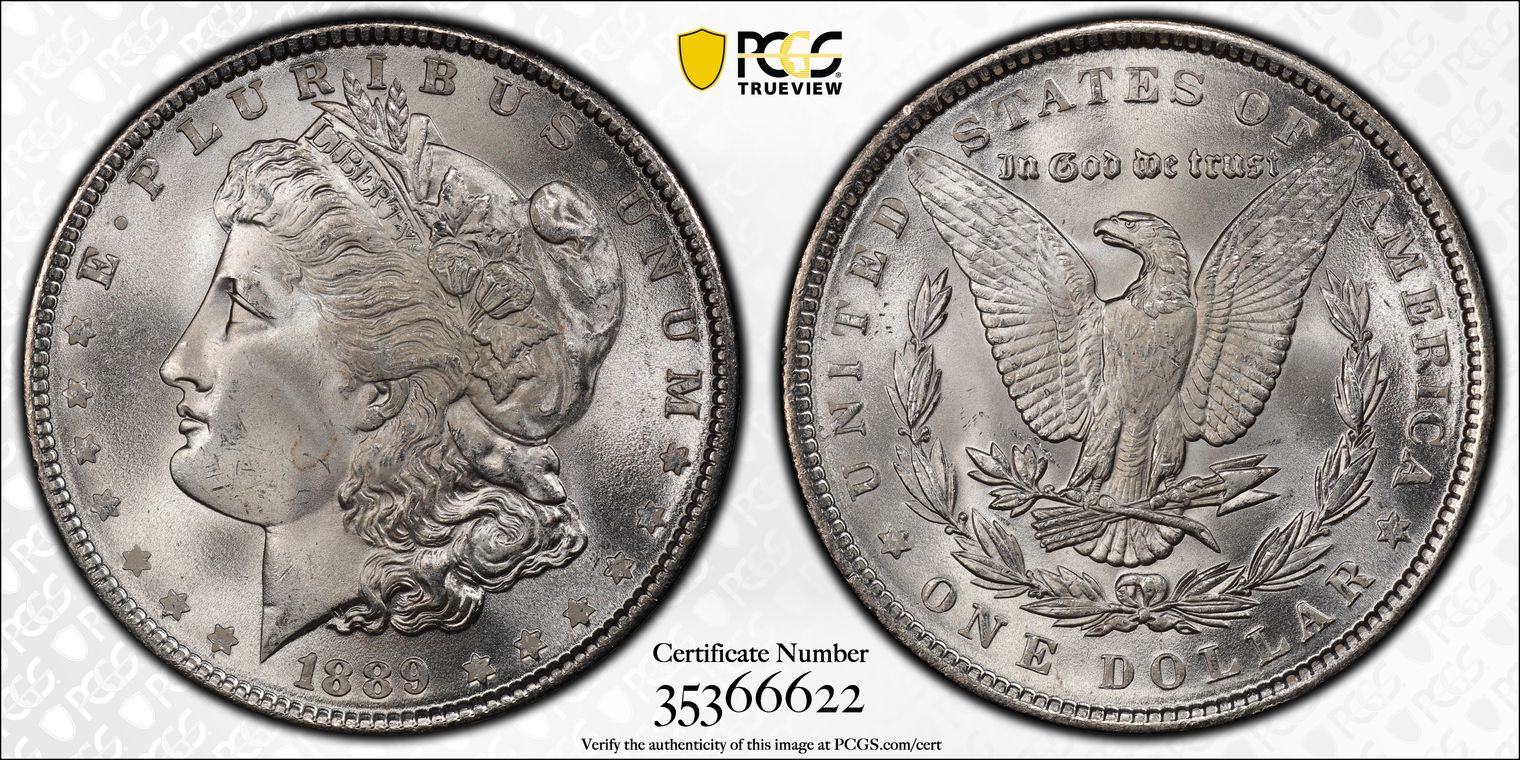
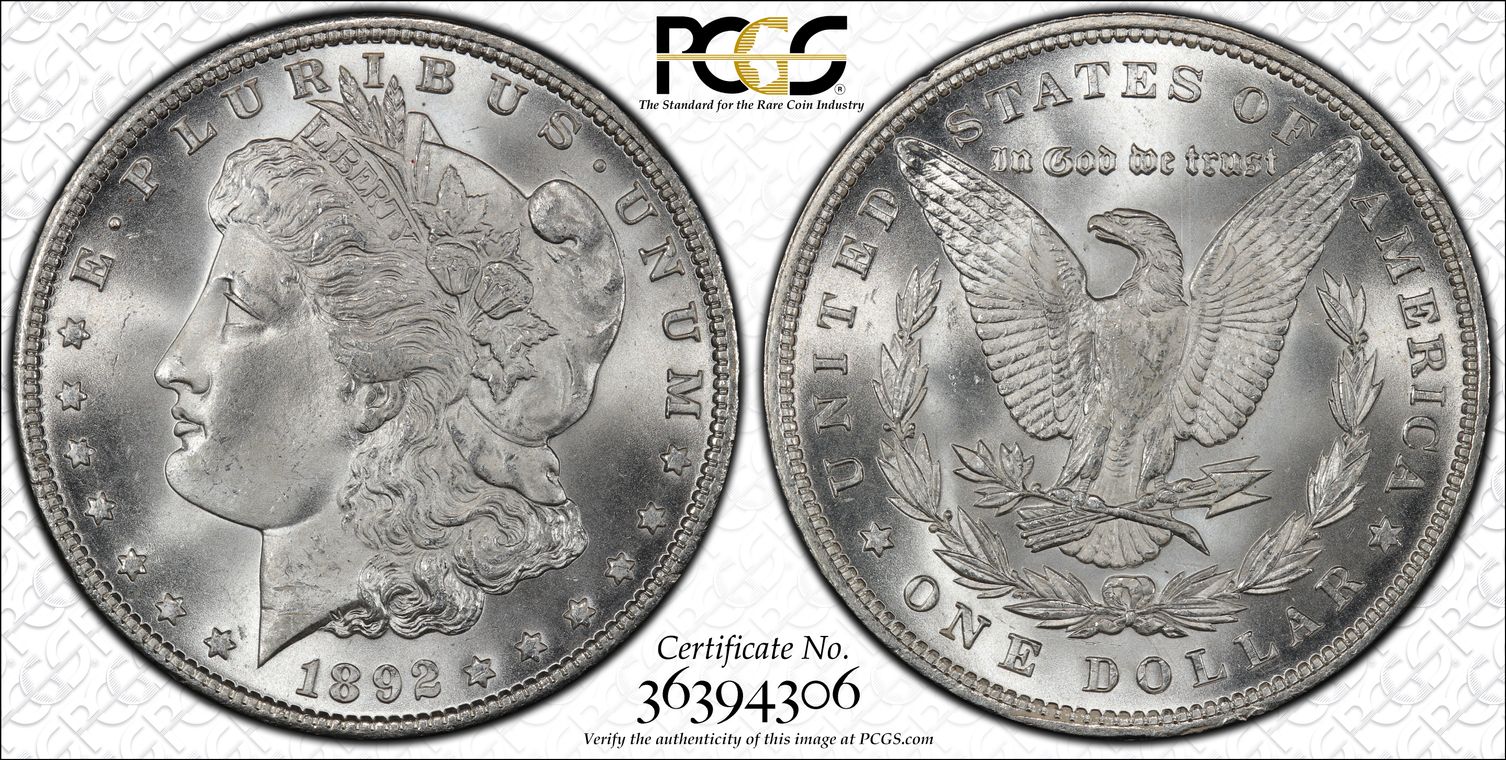
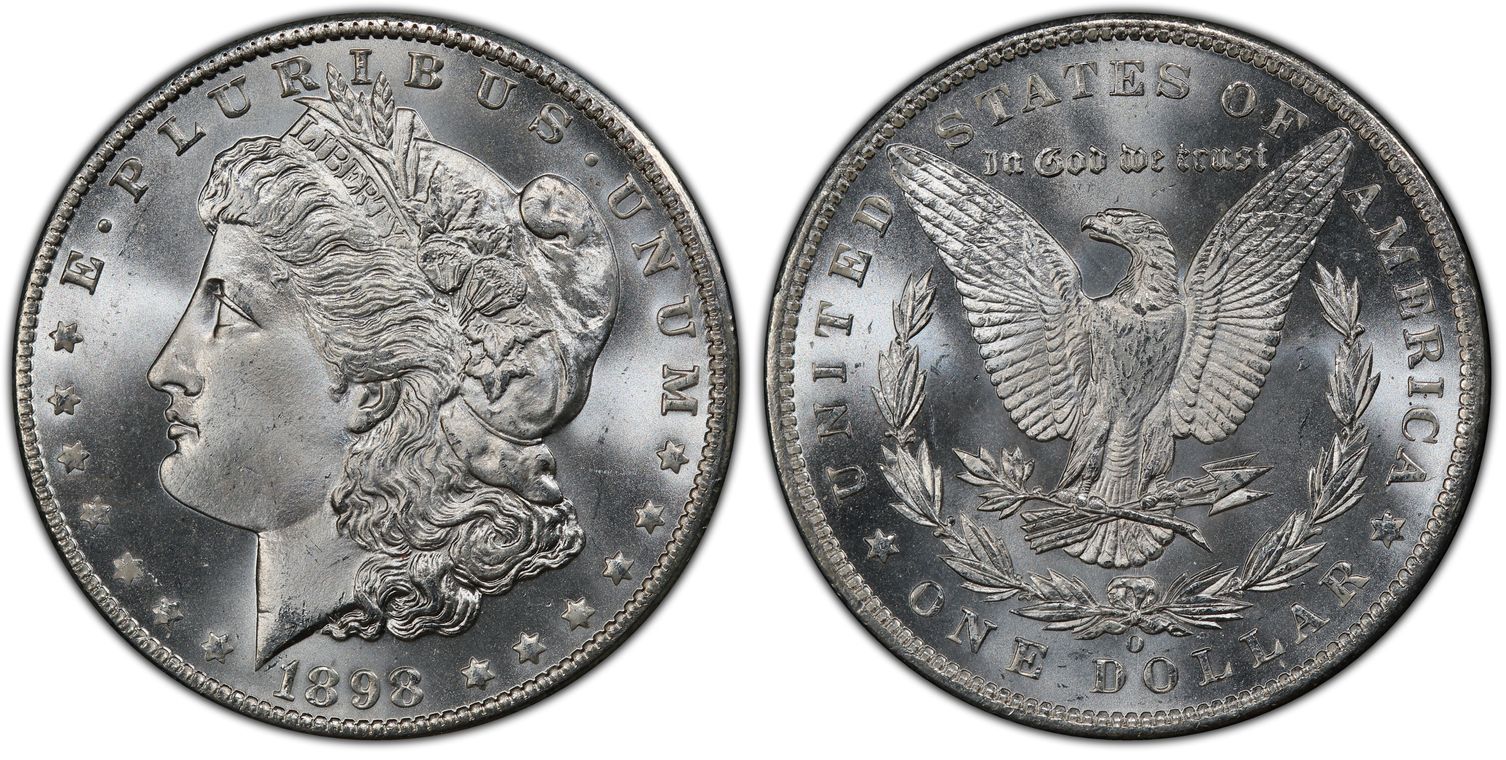
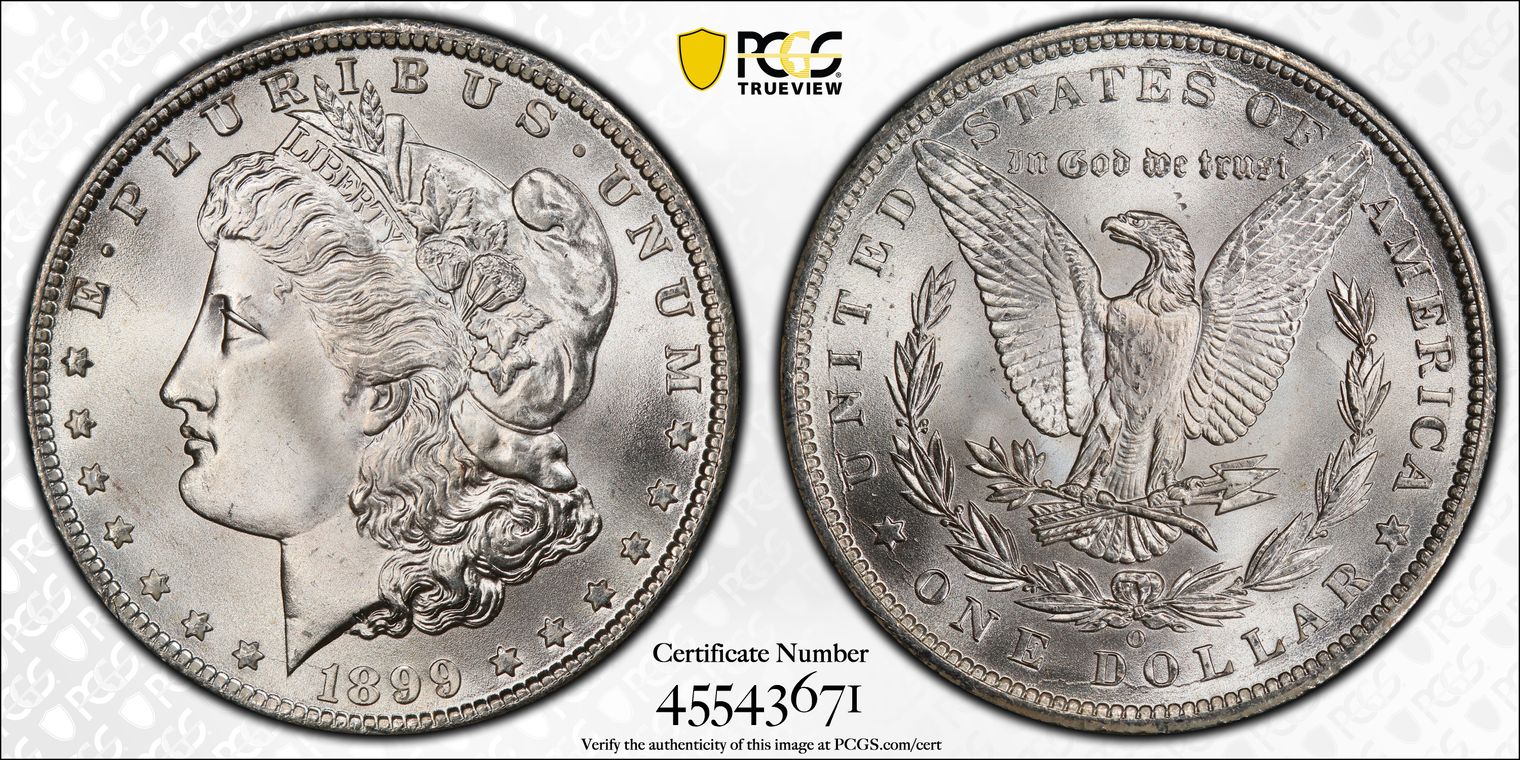
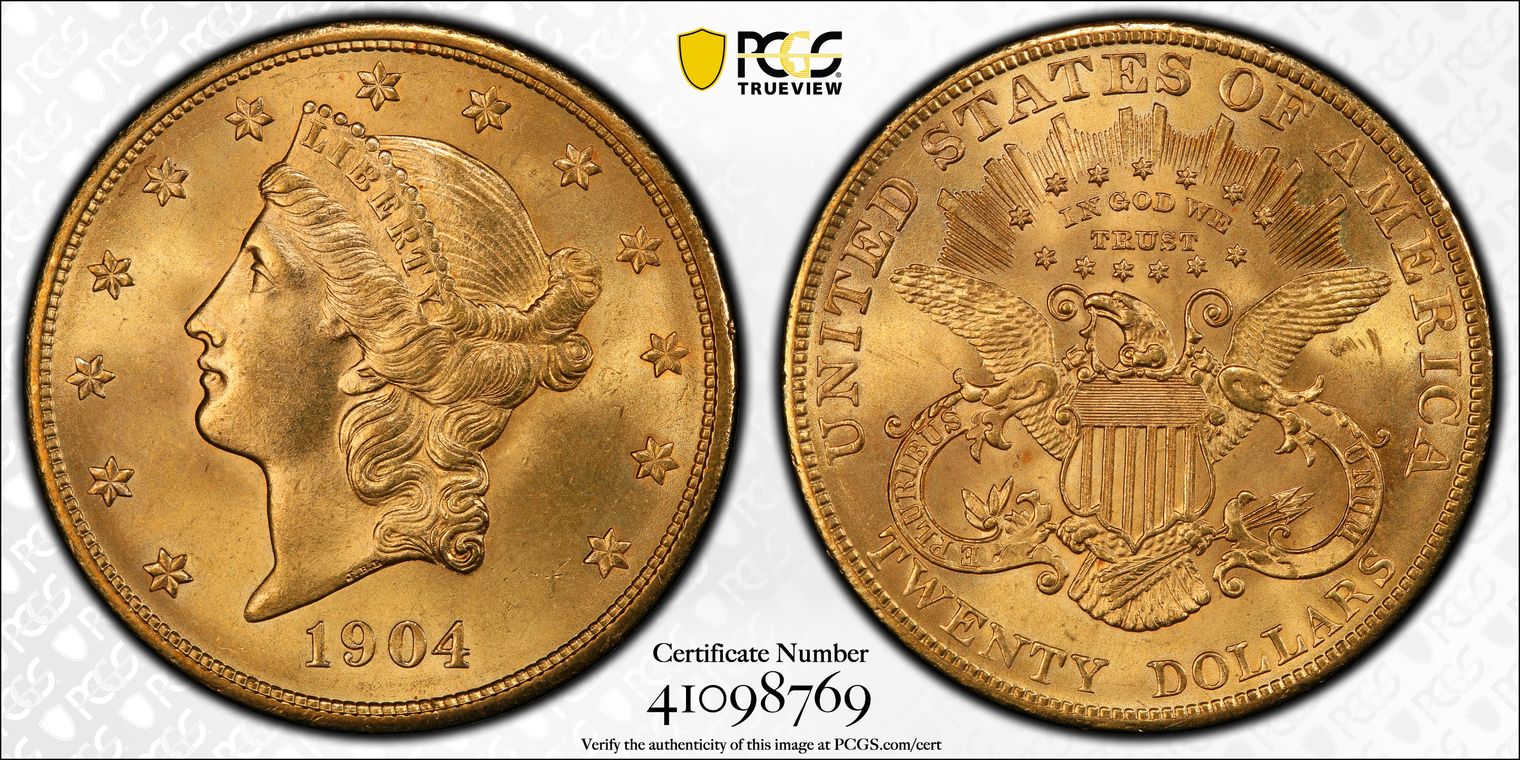
1904 $20 MS65+ PCGS CAC. More than 5,600 1904 double eagles have obtained the MS65 grade from PCGS, yet only 227 qualify for the important PCGS Plus designation to reward their high-end Gem quality. This frosty and lustrous example shows a beautiful rich orange-gold color evenly displayed on both sides of the coin. The strike is razor-sharp and the eye appeal is off the charts.
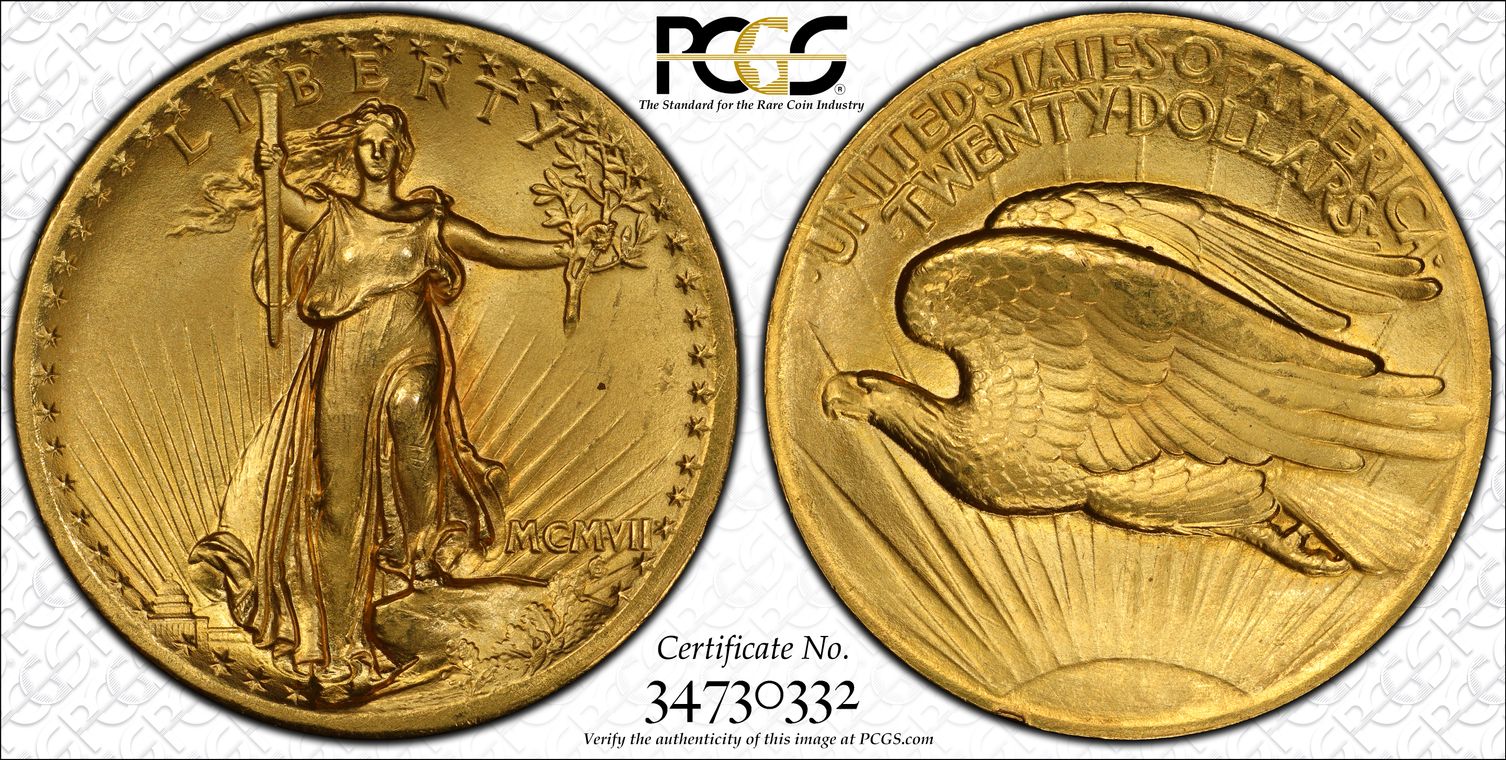
1907 High Relief Twenty, MS64+ CAC AND CMQ Flat Rim Variant 'Original American Art' 1907 $20 High Relief, Flat Rim, MS64+ PCGS. CAC. Paul Bion was a former artist turned art critic, who was a lifelong friend of Augustus Saint-Gaudens. Bion and Saint-Gaudens maintained professional and personal correspondence over the decades, a correspondence that was confusing and contradictory on a professional level. Bion was a chauvinist in the strictest sense of the word, believing only art produced in France could be of the highest order. And yet, Bion recognized Saint-Gaudens' talent as well as those of Englishman James Whistler. Bion cautioned Saint-Gaudens against the danger of wanting to create "original American art." This was a narrow-minded and unfair jab. Bion knew Saint-Gaudens was grounded in Beaux-Arts training and in an appreciation of classical art, as well as being informed by the Italian Renaissance, the Pre-Raphaelites, and contemporary French sculptors such as Auguste Rodin. The creation of "original American art" was exactly what Saint-Gaudens sought. He achieved this goal from the mid-1870s throughout the rest of his life. Undoubtedly, one of the most widely recognized successes was the design of the High Relief twenty dollar gold pieces, produced in late 1907 (after the sculptor's death). These coins, struck in high relief and on a hydraulic press, embodied both classical and American themes, the figure of Liberty on the obverse clearly derived from the Nike of Samothrace, and the eagle on the reverse an American icon. This is an exceptionally well-preserved example of this classically inspired design. The surfaces are bright yellow-gold and there are no distracting contact marks on either side,
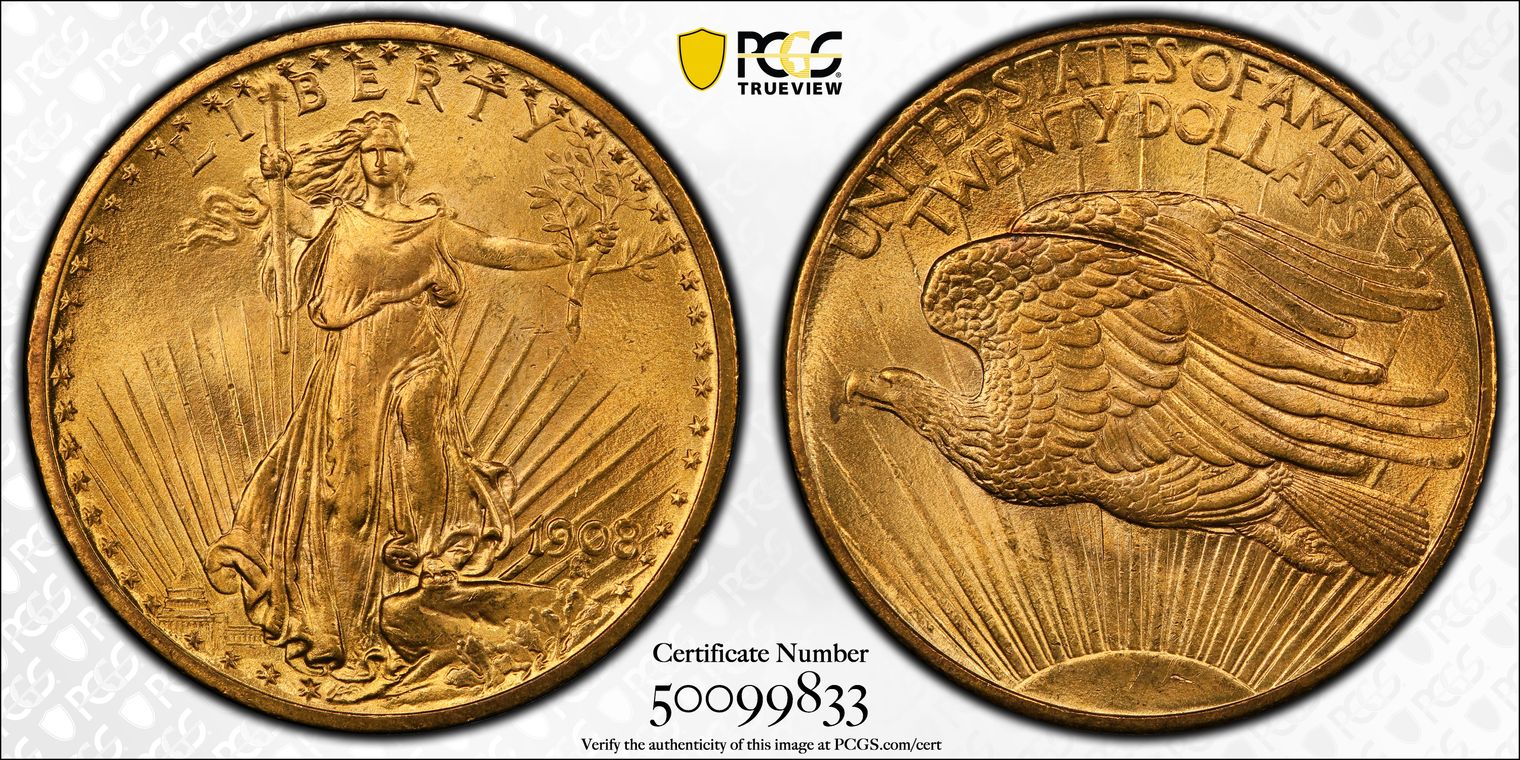
1908 $20 No Motto MS66+ PCGS. CAC. Long Rays Obverse. The 1908 Saint-Gaudens double eagle with no motto on the reverse is easy to locate in high grade, thanks to its mintage of 4.2 million pieces and its presence in the famous Wells Fargo Hoard. This Plus-graded Premium Gem is sharply detailed throughout and the virtually flawless orange-gold surfaces are awash in vibrant mint luster.
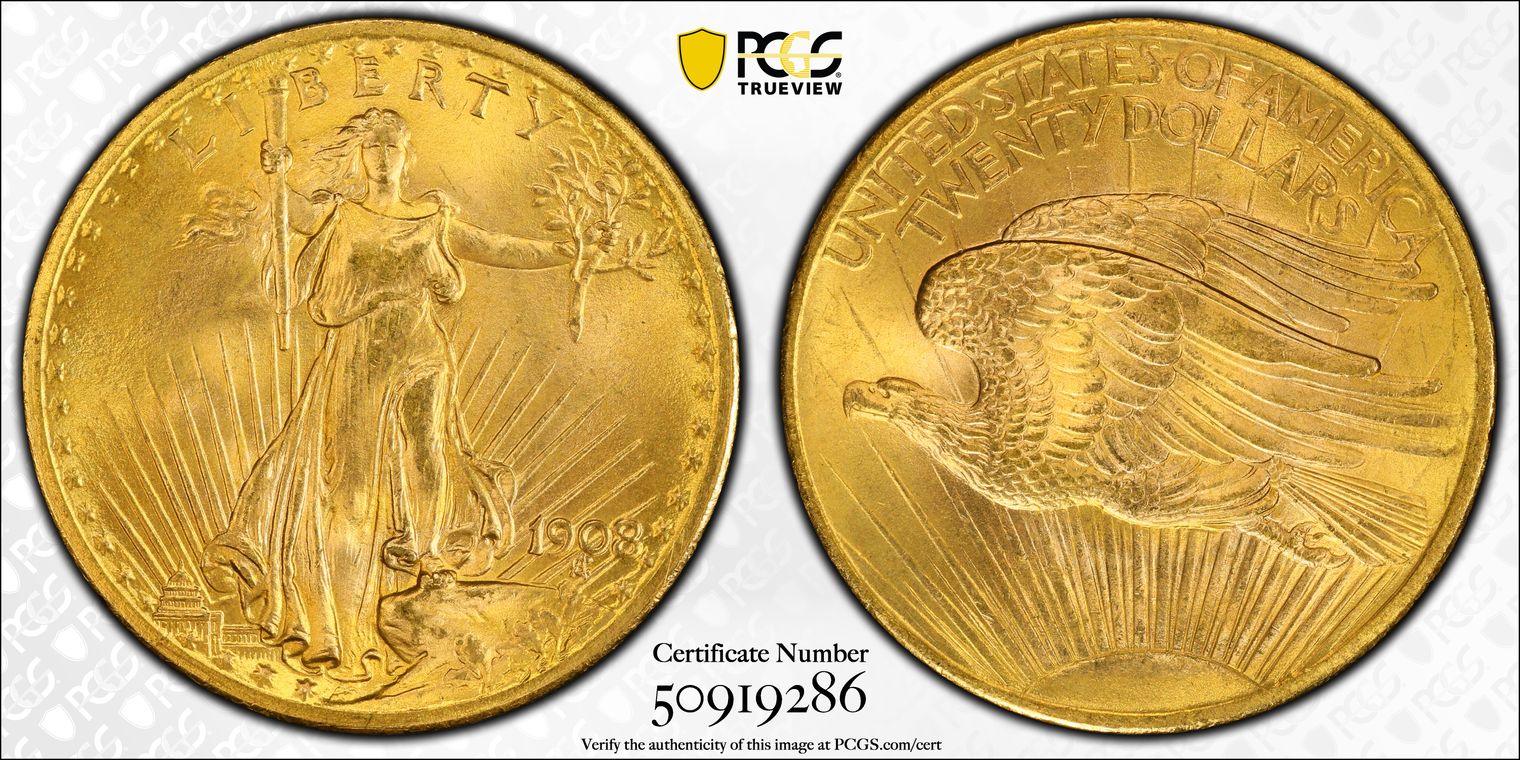
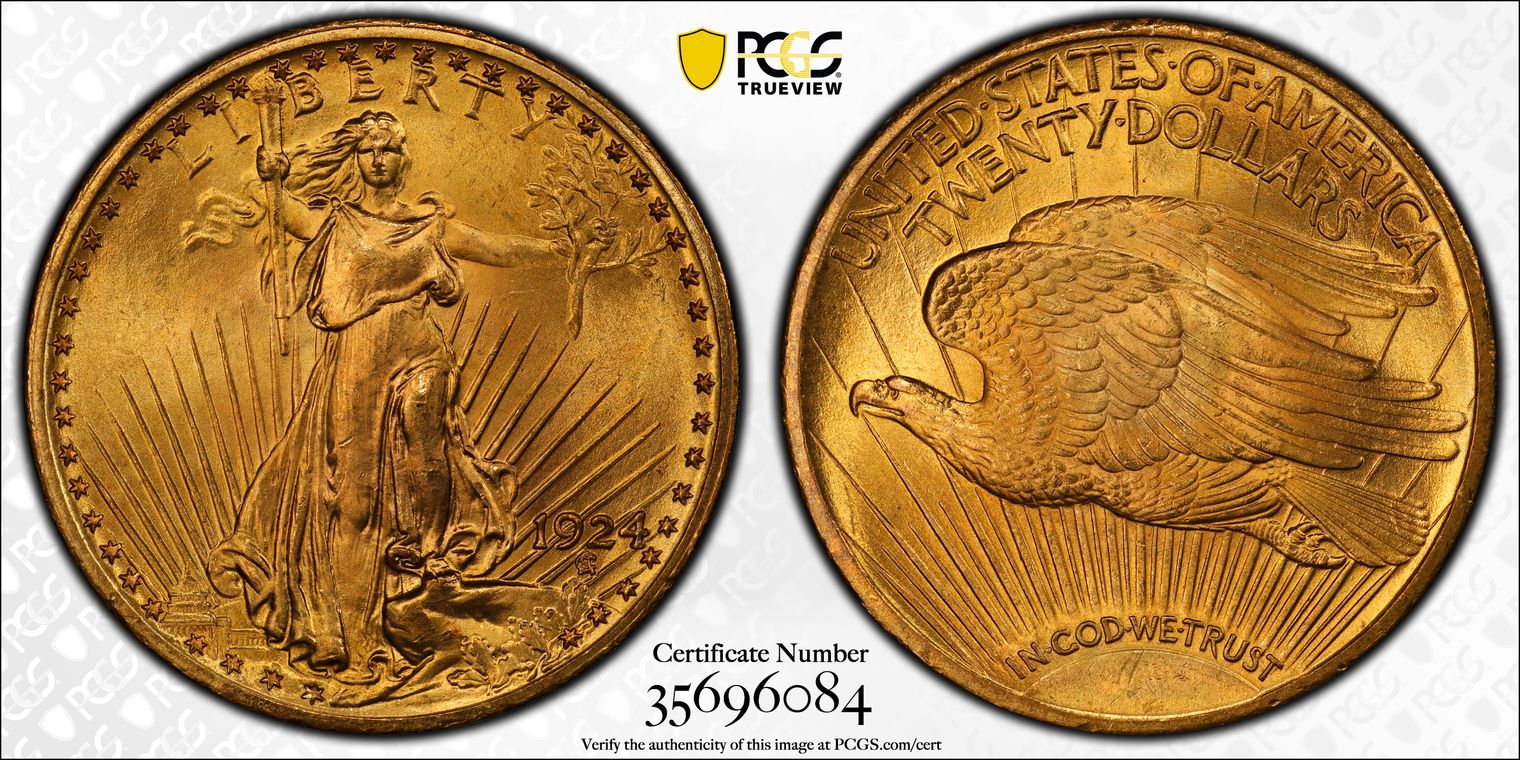
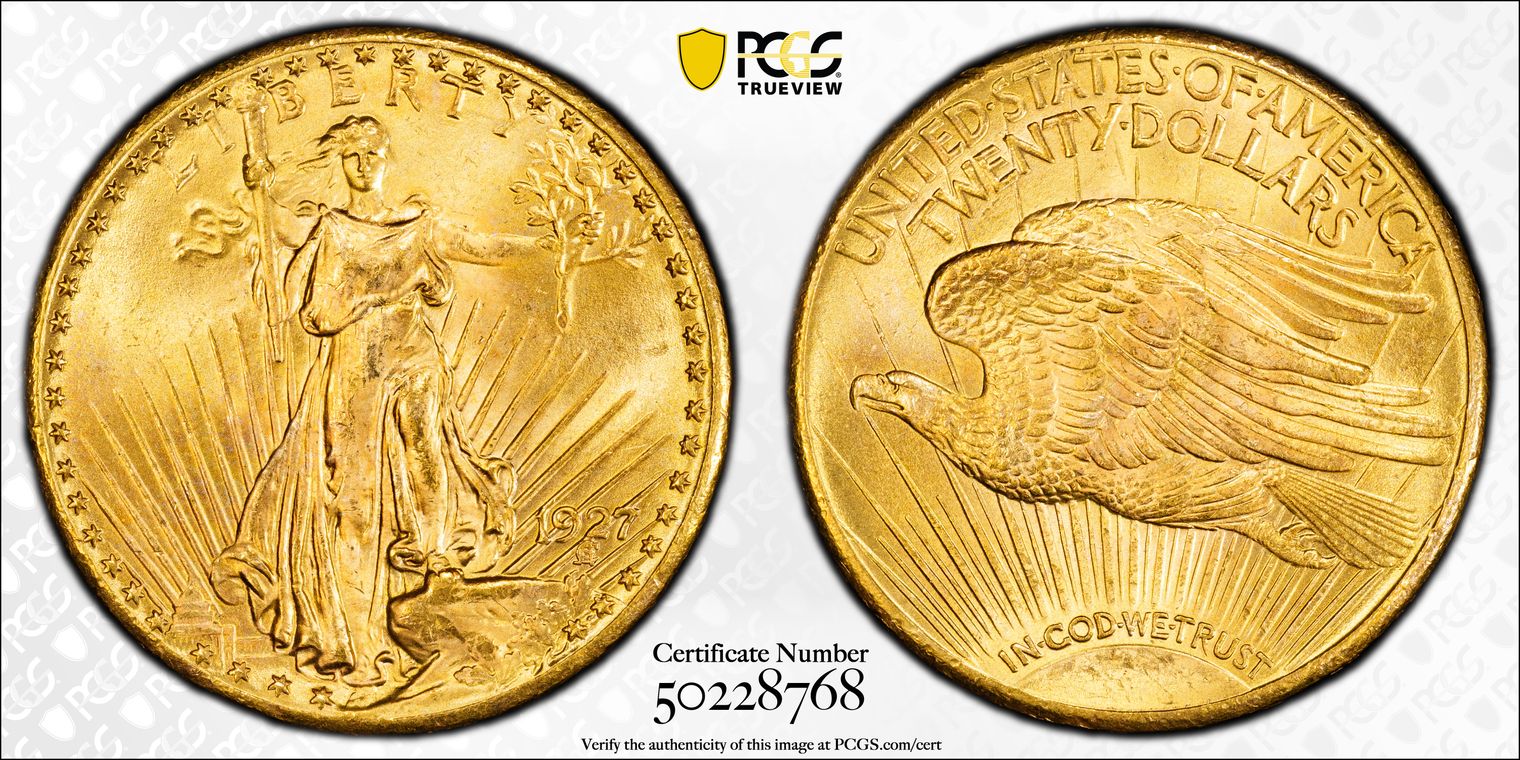
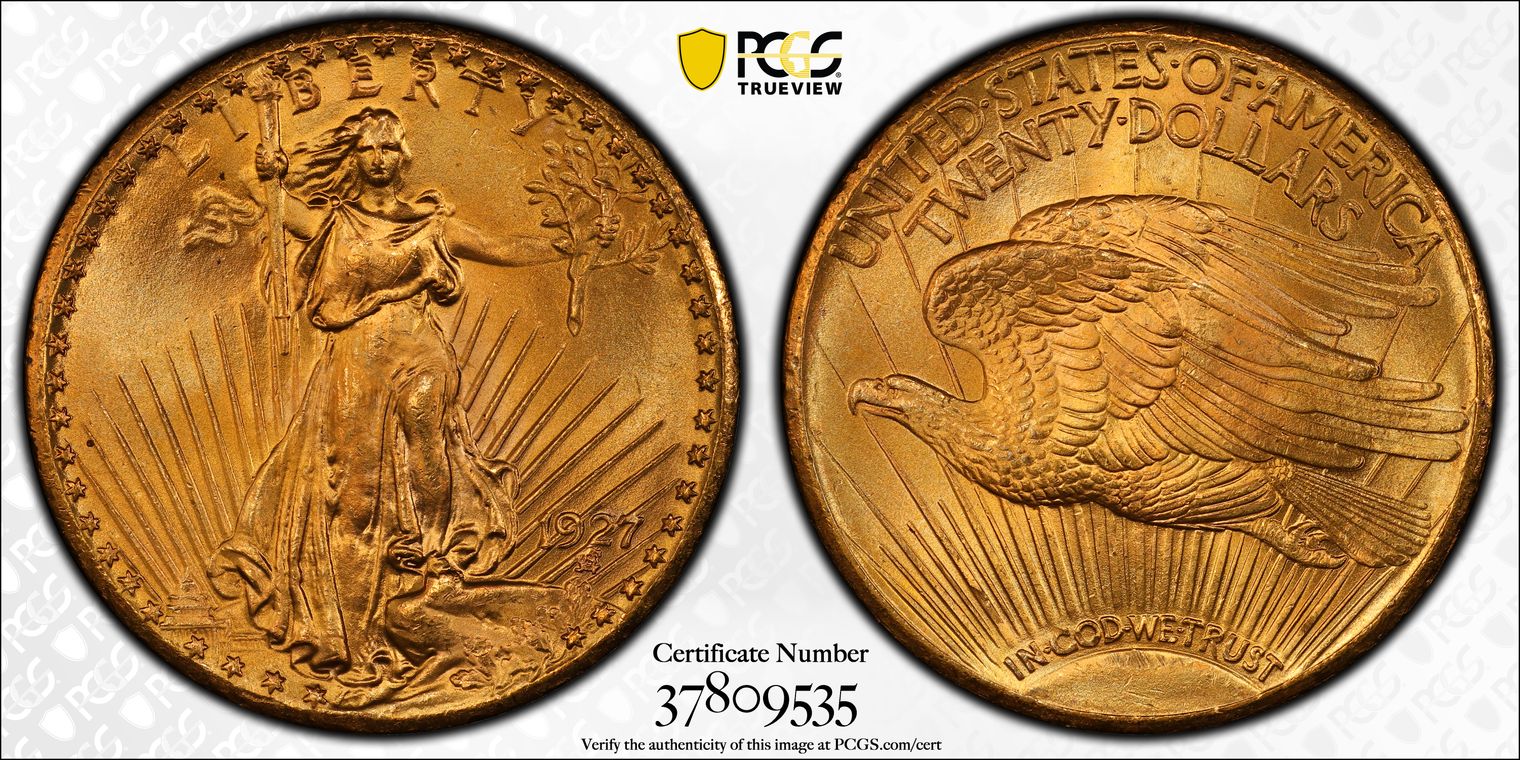
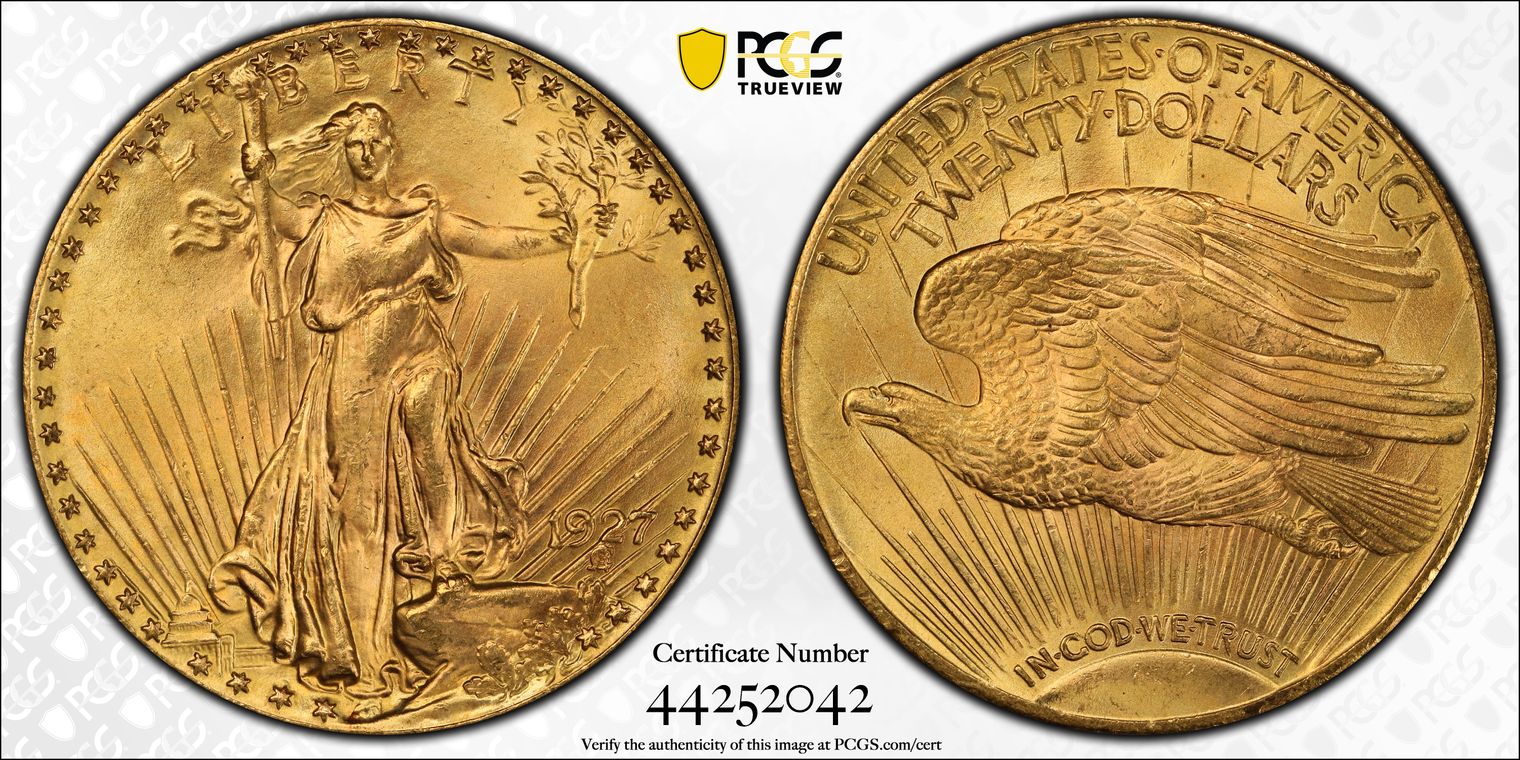
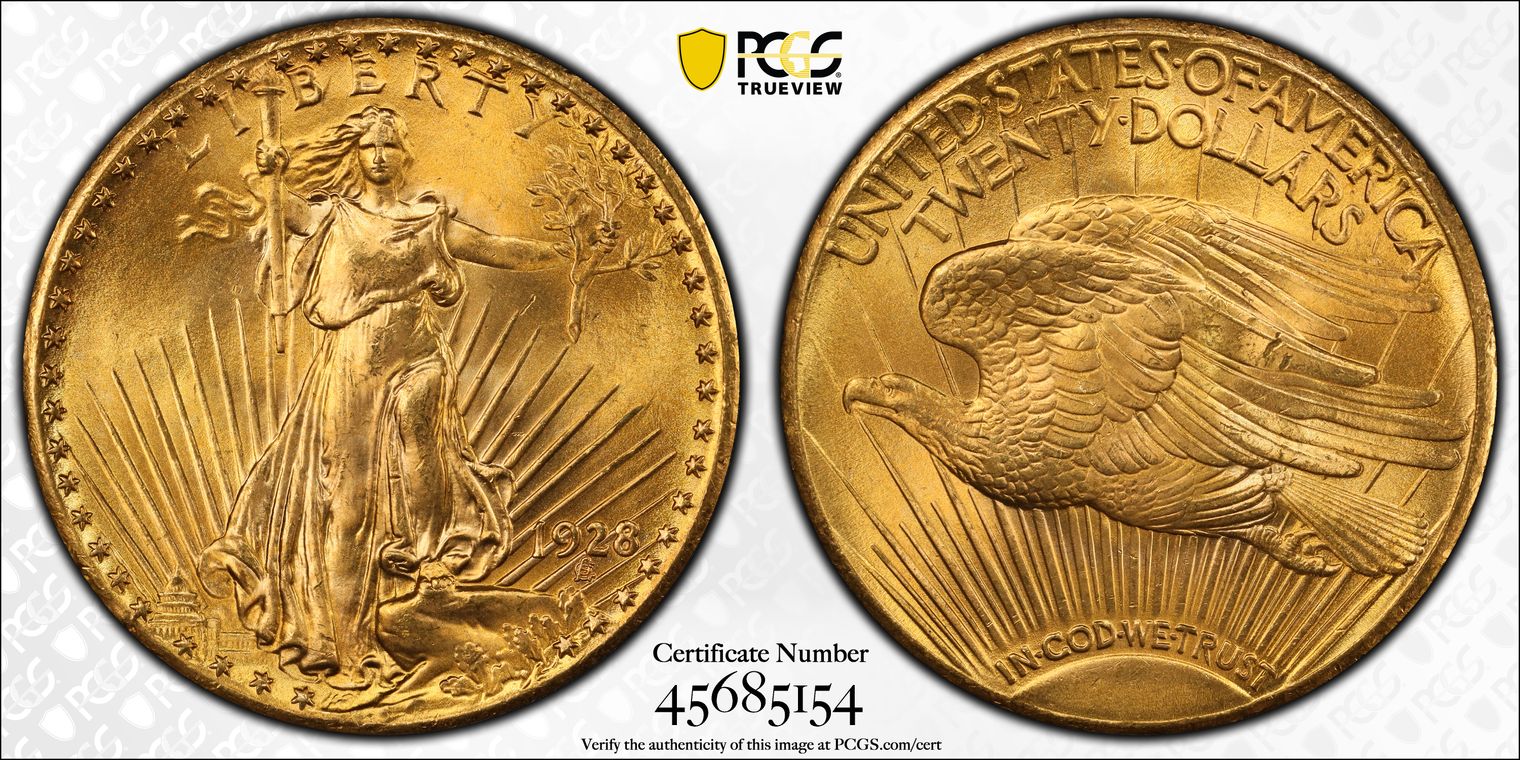
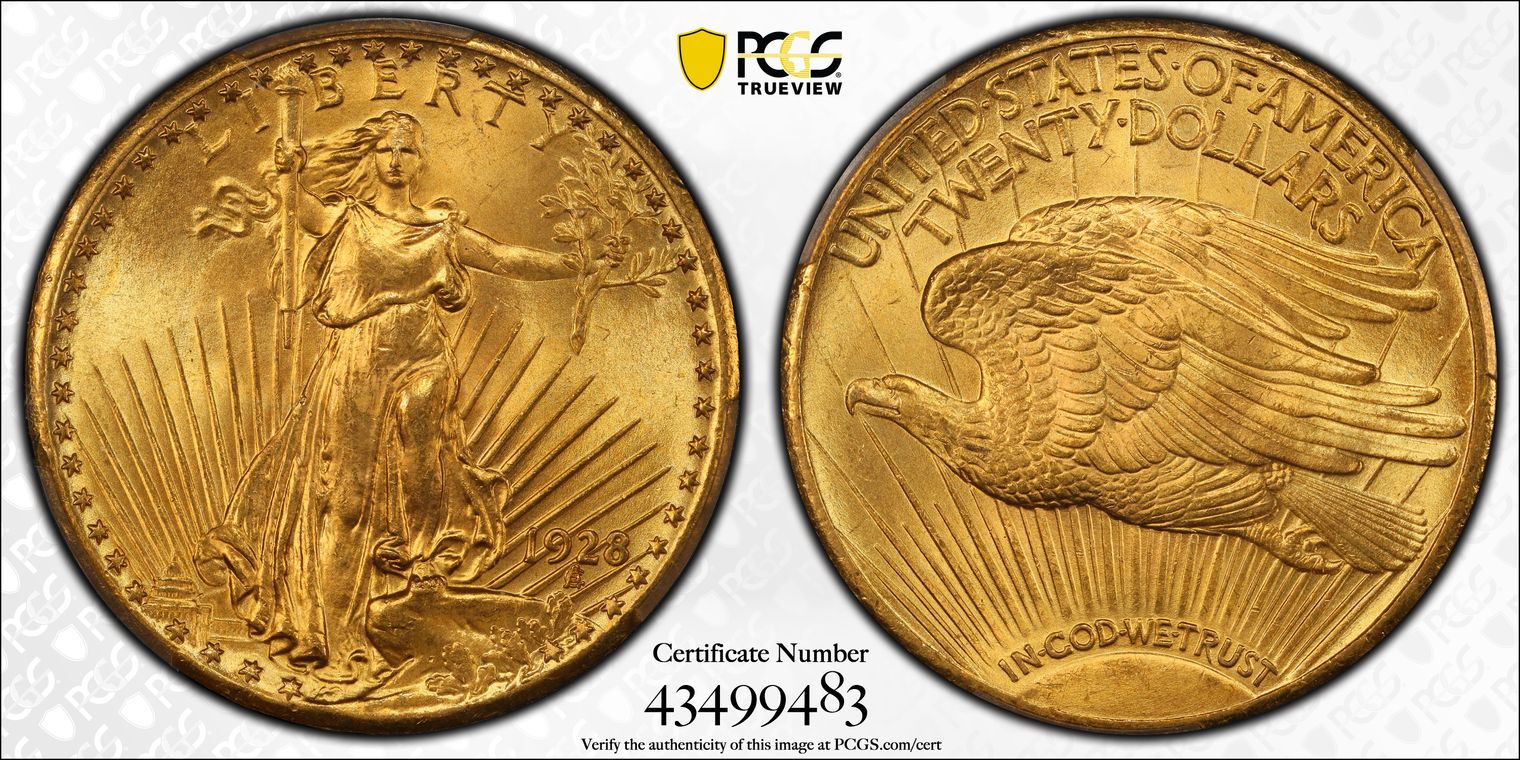
1928 $20 MS66+ PCGS. CAC. Warm orange-gold luster and frosty cartwheel bands illuminate boldly struck devices on this high-end 1928 double eagle. The fields are especially clean, with just a few light marks on the devices preventing full Superb Gem classification. The Plus designation and CAC green label set this piece apart from the majority of its peers.