



Kollektor's Coin Album
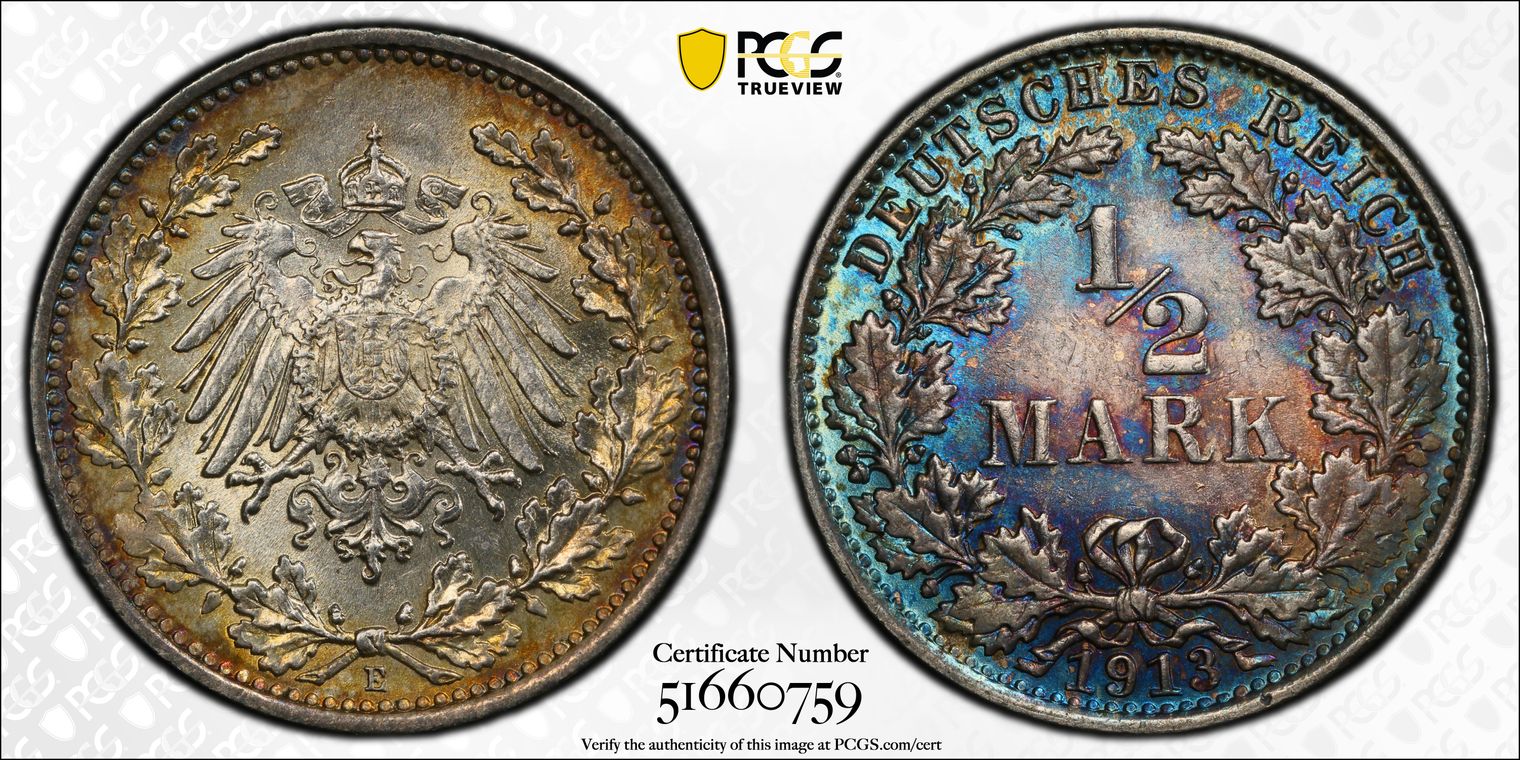
Struck in 1913 at the Muldenhütten Mint (mintmark “E”), this ½ Mark silver coin was issued just a year before the outbreak of World War I, during the final chapter of the German Empire under Kaiser Wilhelm II. The obverse displays the majestic imperial eagle, a proud emblem of the Hohenzollern monarchy, while the reverse frames the denomination within a detailed oak wreath, symbolizing German strength and national unity. These coins played a key role in the daily economy, serving as practical small change in shops, cafés, and train stations across the empire. This example is distinguished by multicolored toning, with deep blues, purples, and coppery hues especially vibrant on the reverse—tones often associated with long-term silver storage. In 1913, a ½ Mark could buy a local newspaper, a glass of beer, or a short tram ride—humble but essential expenses in a society on the brink of profound transformation.
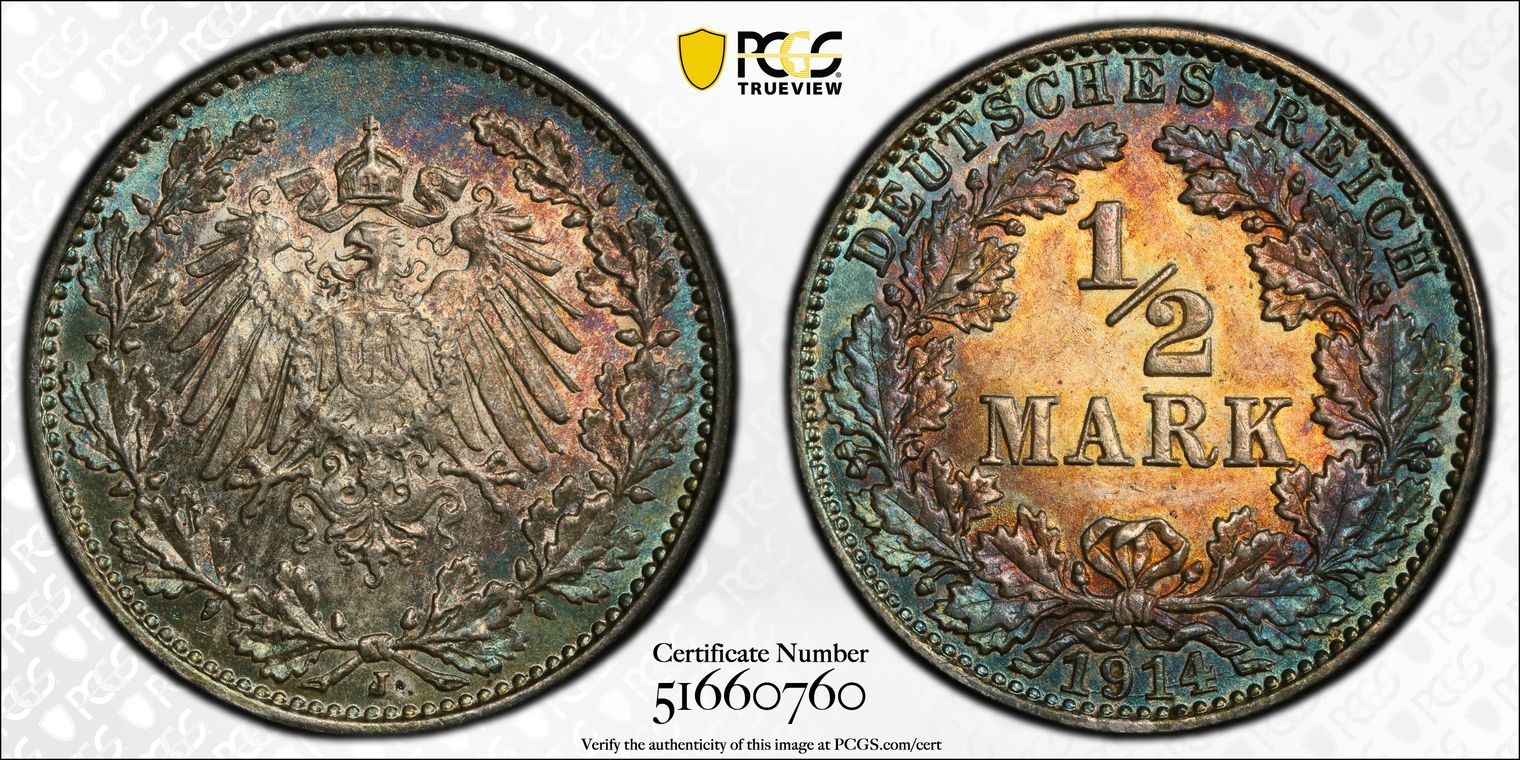
Struck in 1914, just months before the outbreak of World War I, this ½ Mark silver coin represents the twilight of the German Empire’s imperial coinage. Issued under Kaiser Wilhelm II, the coin features the crowned imperial eagle on the obverse—symbolizing strength, unity, and monarchy—while the reverse bears the denomination framed by oak leaves, a long-standing emblem of German resilience and tradition. Minted in Hamburg (Mintmark “J”), this coin was part of a silver-based monetary system that would soon unravel under the pressures of war and inflation. Circulated widely across the empire—from bustling Berlin cafés to rural Prussian markets—the ½ Mark was a vital denomination for daily use. This example displays striking blue, teal, and amber toning, especially around the reverse wreath, adding a layer of beauty to a coin born at the edge of global upheaval. In 1914, a ½ Mark could buy a newspaper, a loaf of bread, or a tram fare—small but essential transactions on the eve of a world transformed.
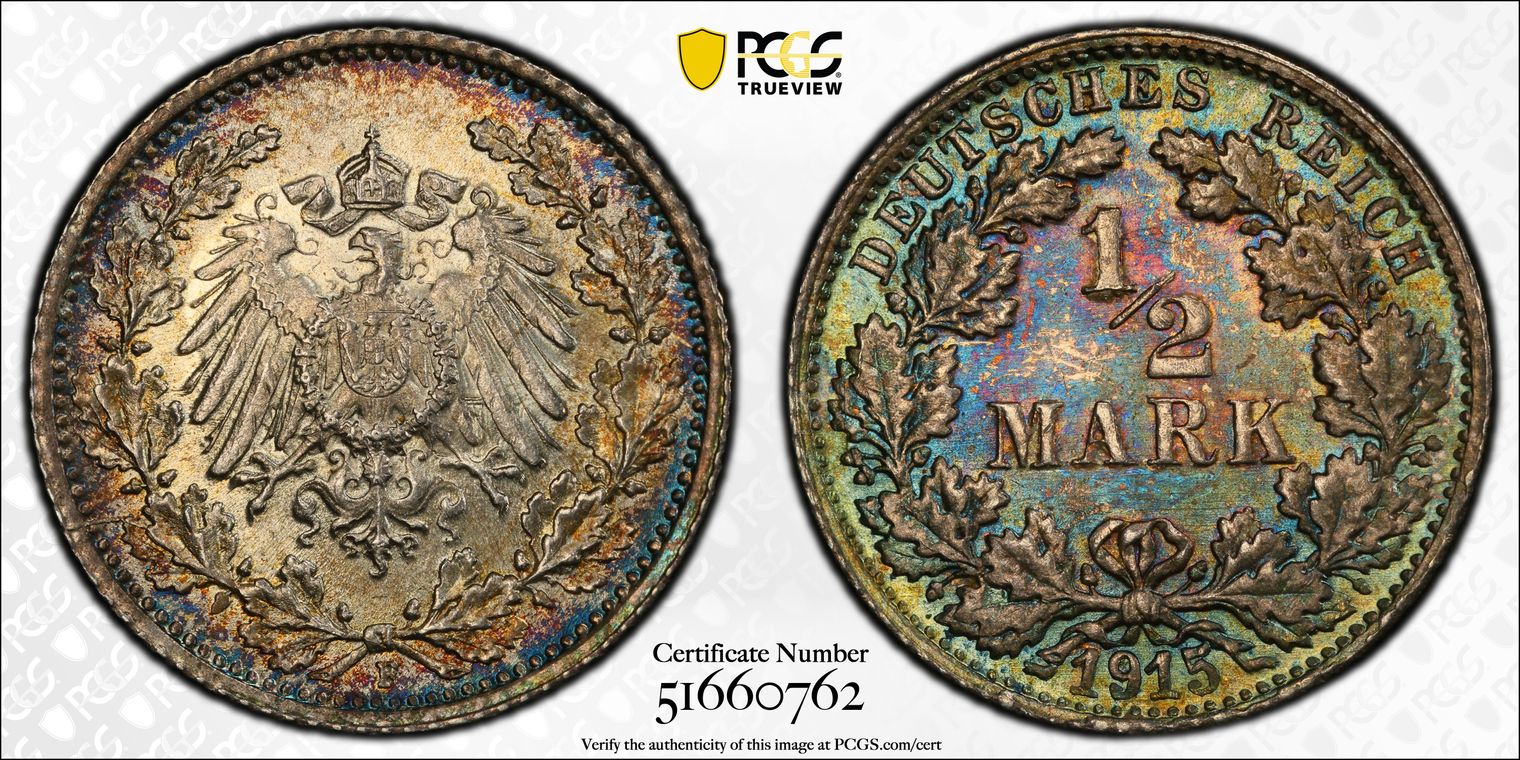
Struck in 1915 at the Stuttgart Mint (mintmark "F"), this ½ Mark silver coin was issued at the height of World War I, as the German Empire strained under the pressures of prolonged conflict. Despite the turmoil, the imperial coinage retained its elegant design: the obverse features the crowned imperial eagle, a symbol of national unity and militaristic pride, while the reverse shows the denomination nestled within a wreath of oak leaves—evoking endurance and strength. Even as silver reserves grew scarce and war rationing intensified, coins like this continued to circulate in daily transactions across the empire, from soldier’s pay to baker’s change. This example exhibits striking lavender, sky blue, and gold iridescence, with rich peripheral toning that speaks to its careful preservation and silver content. In 1915, a ½ Mark could buy a cup of coffee, a small portion of sausage, or a daily newspaper—tokens of normalcy in a society grappling with the growing weight of global war.
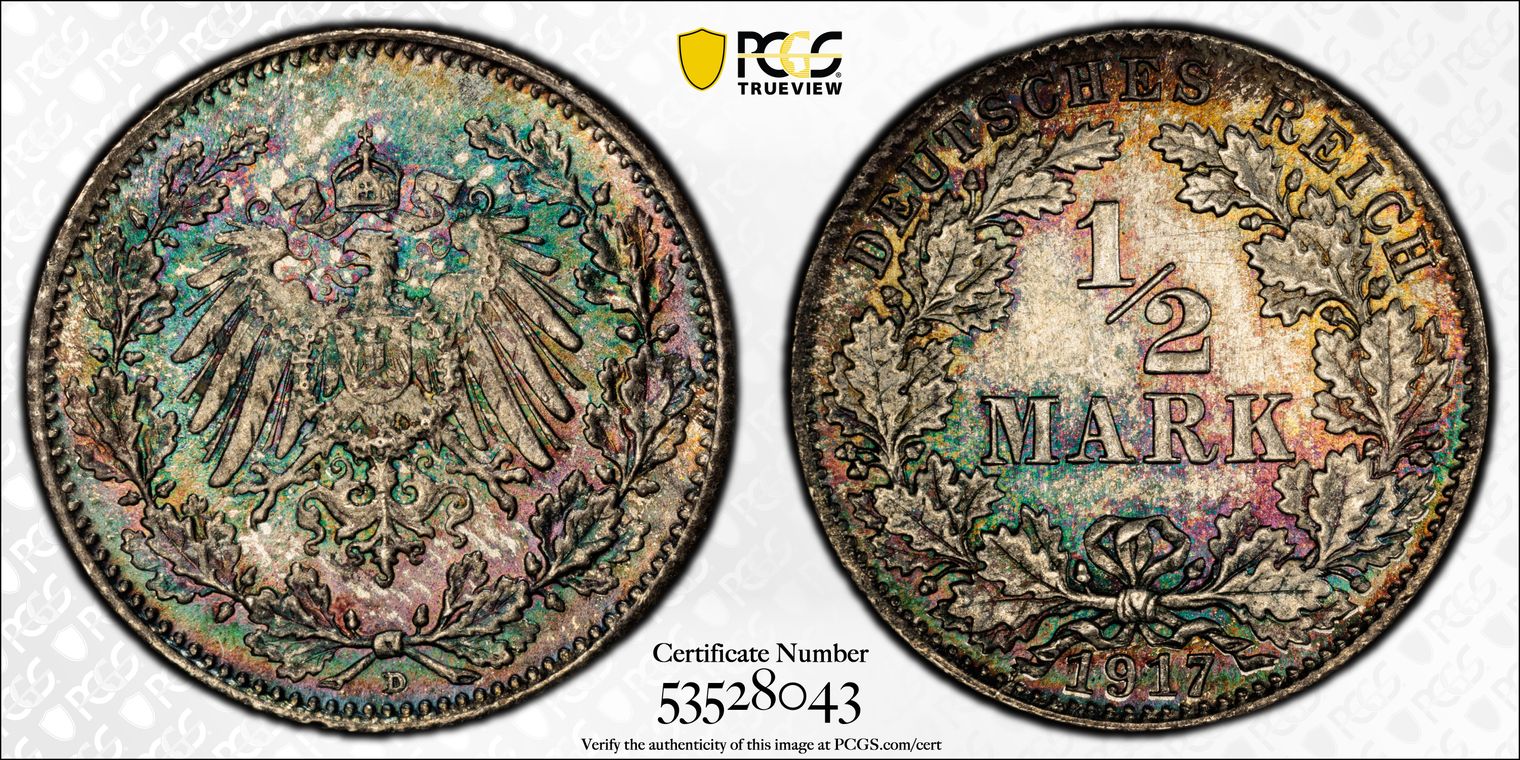
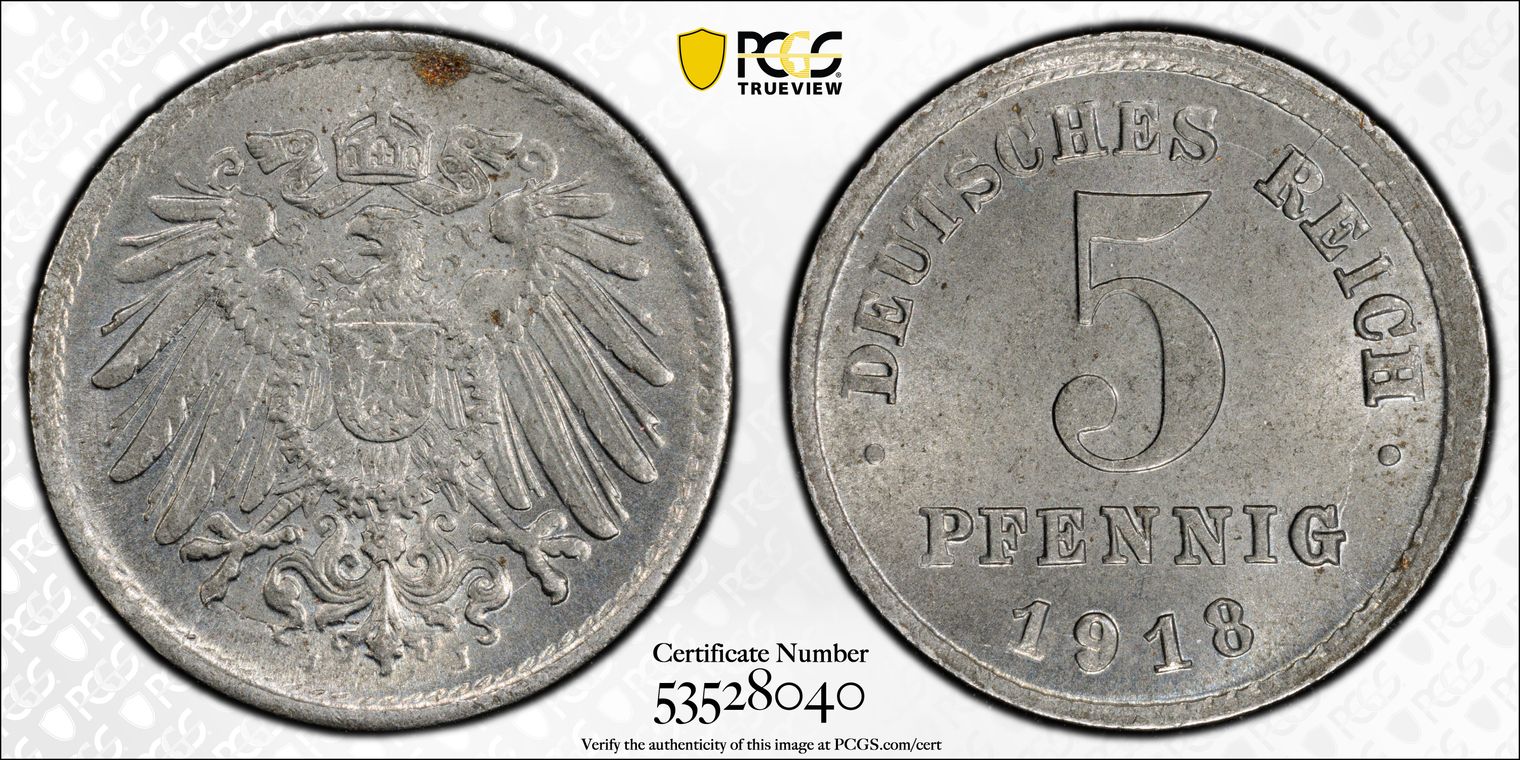
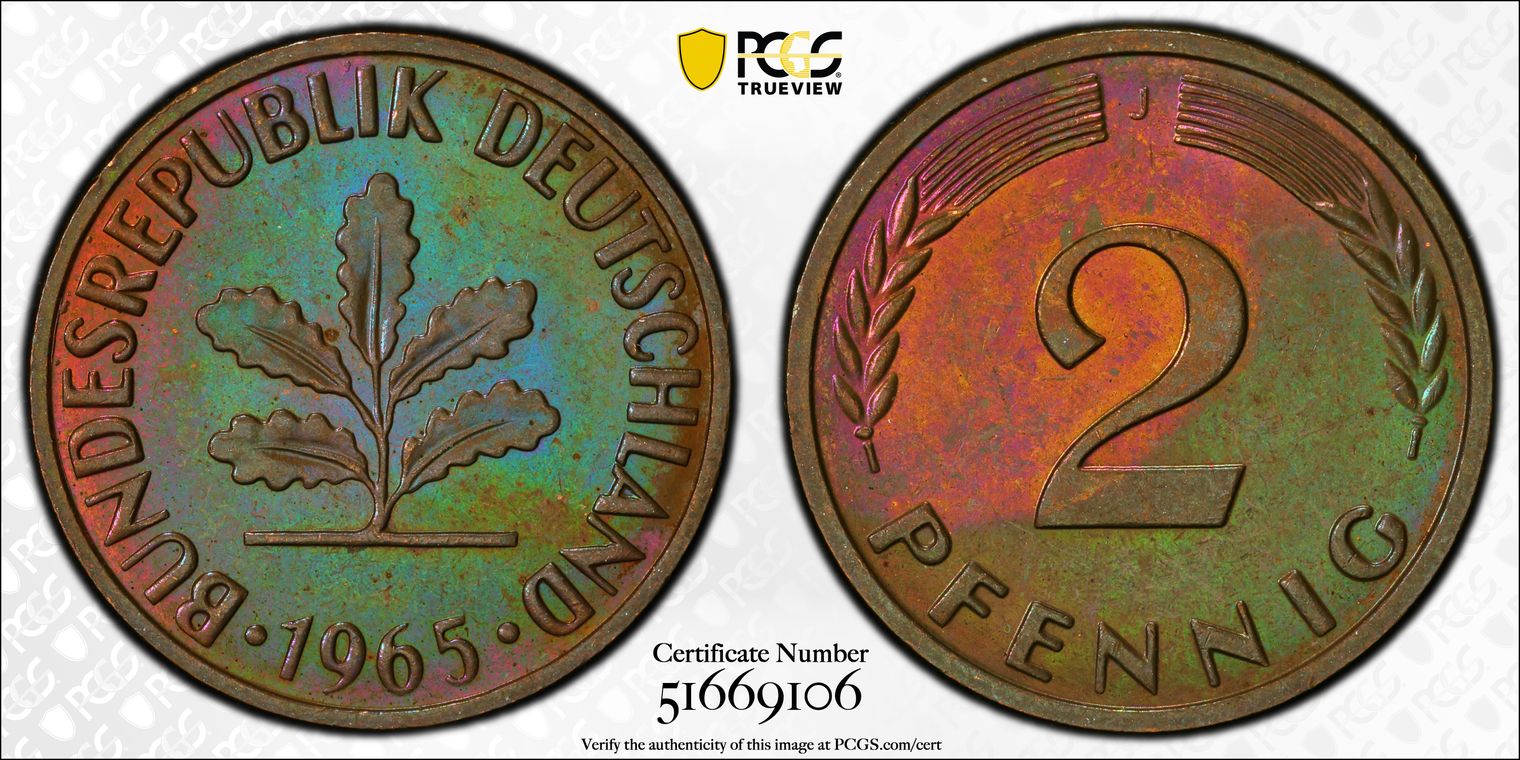
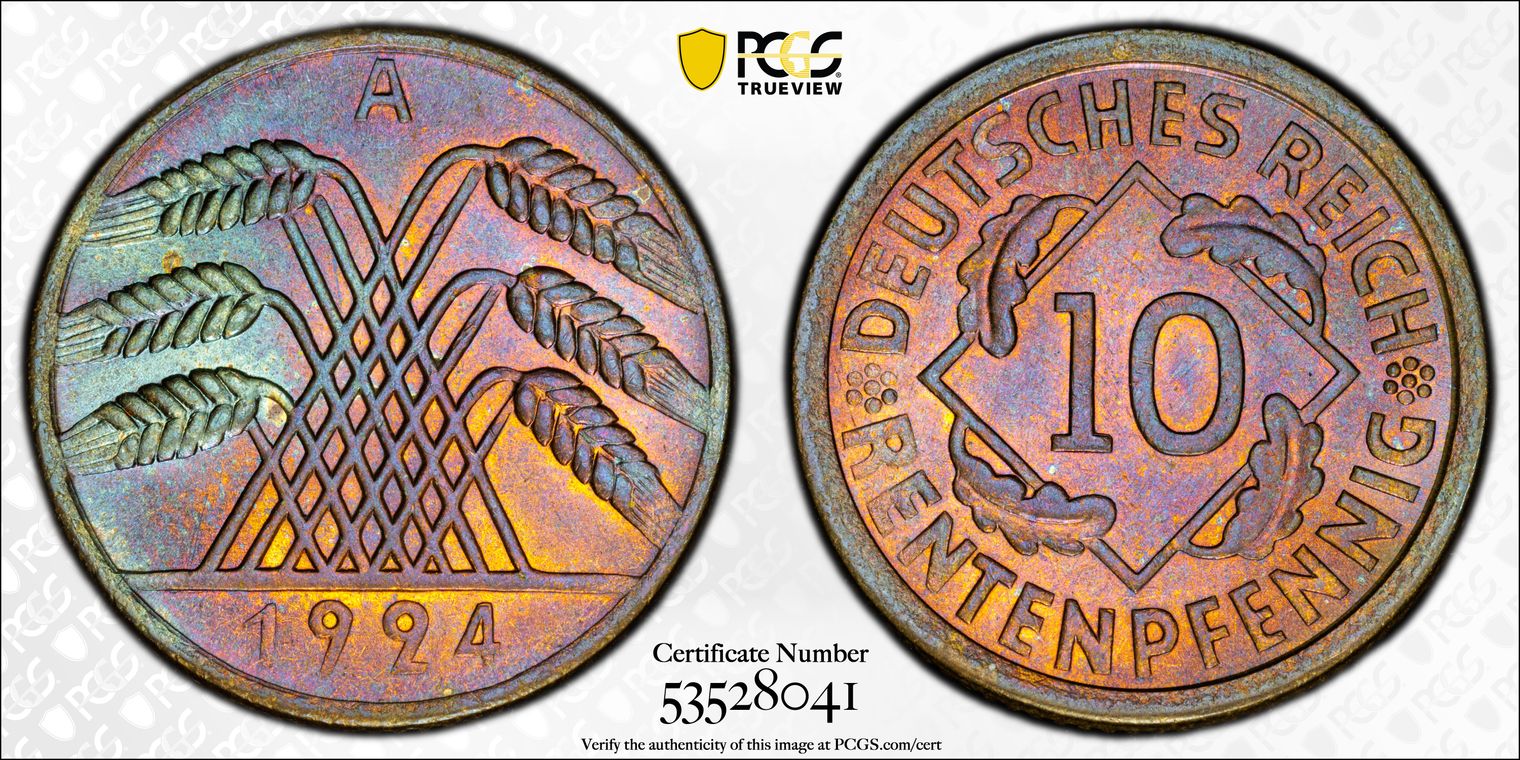
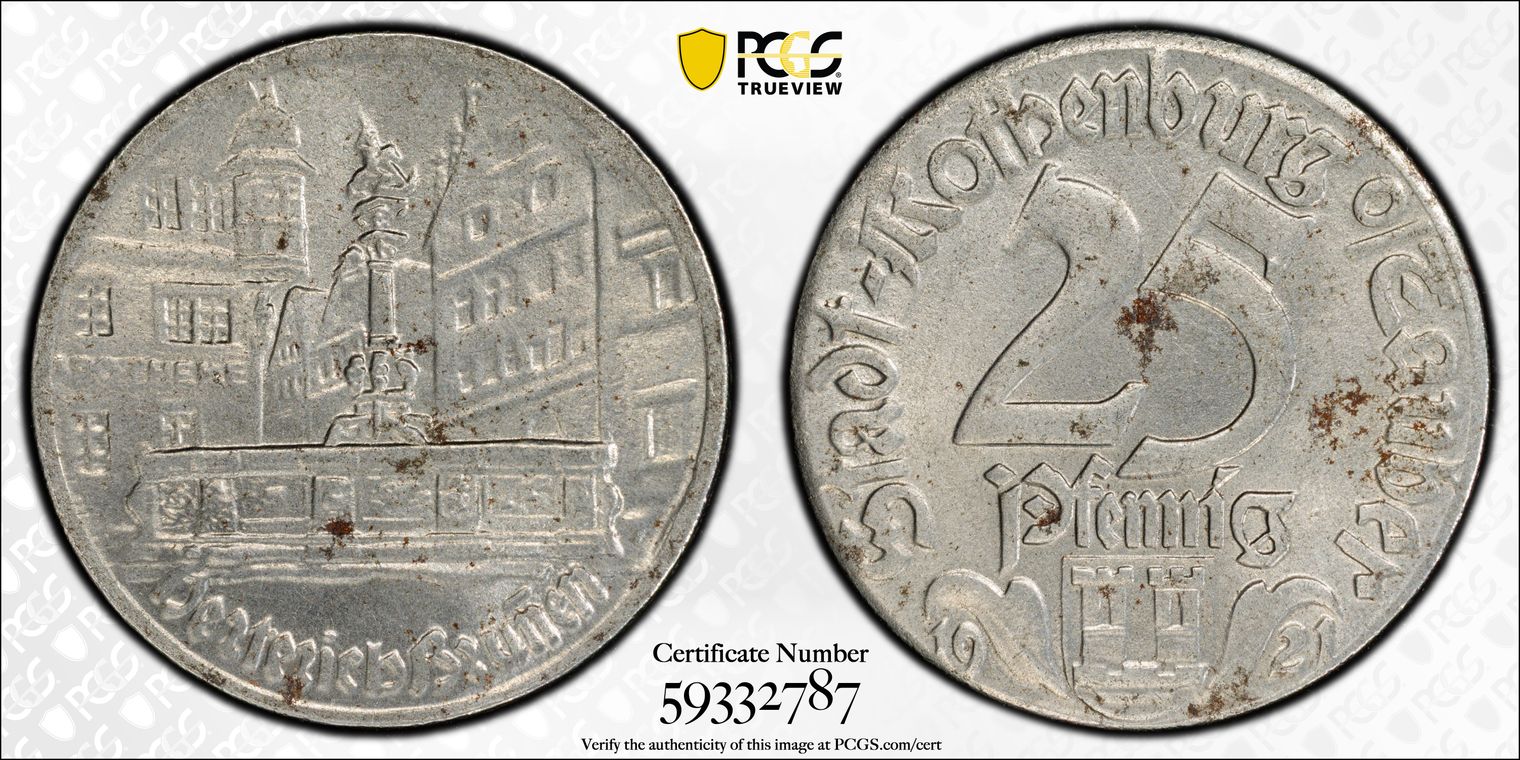
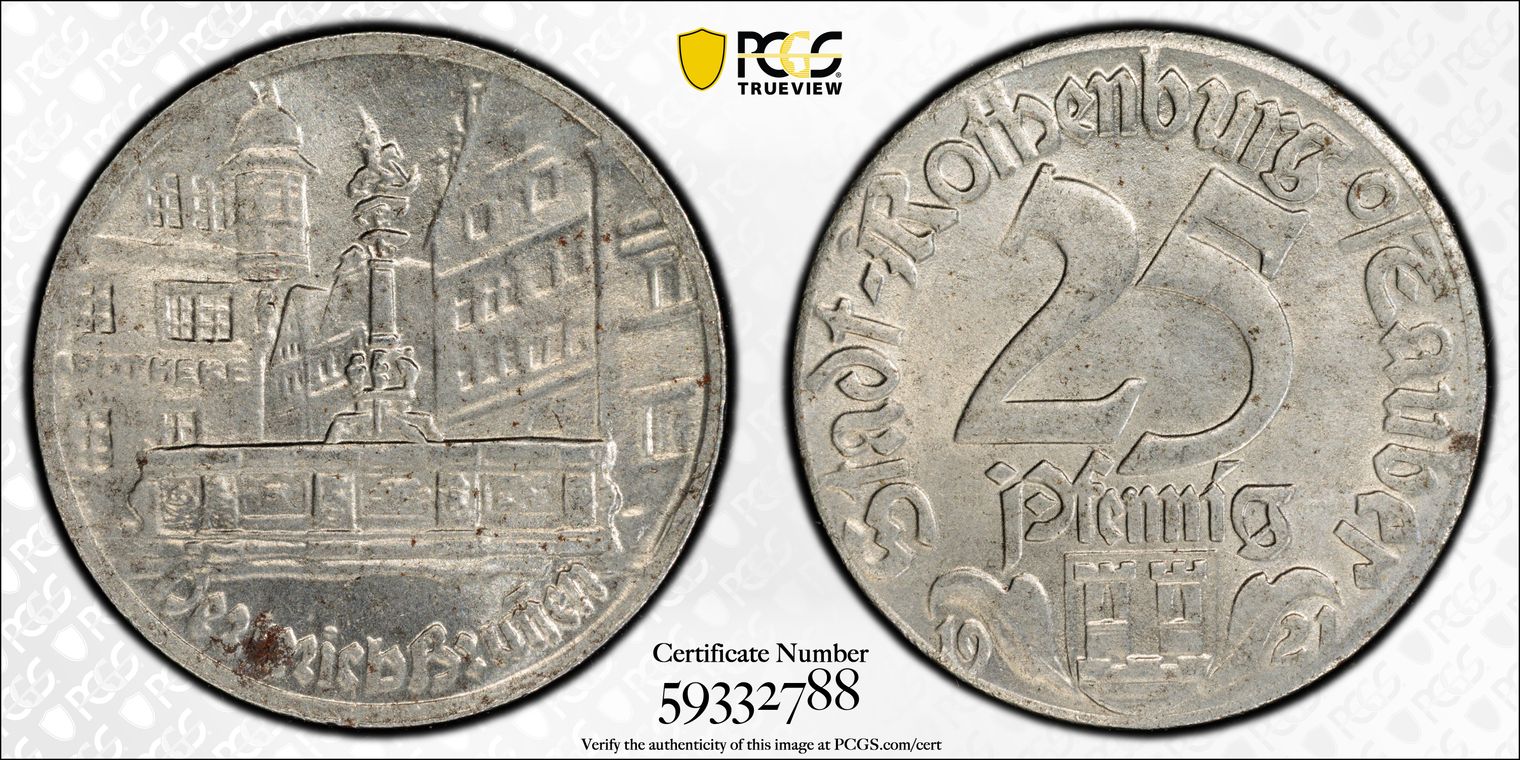
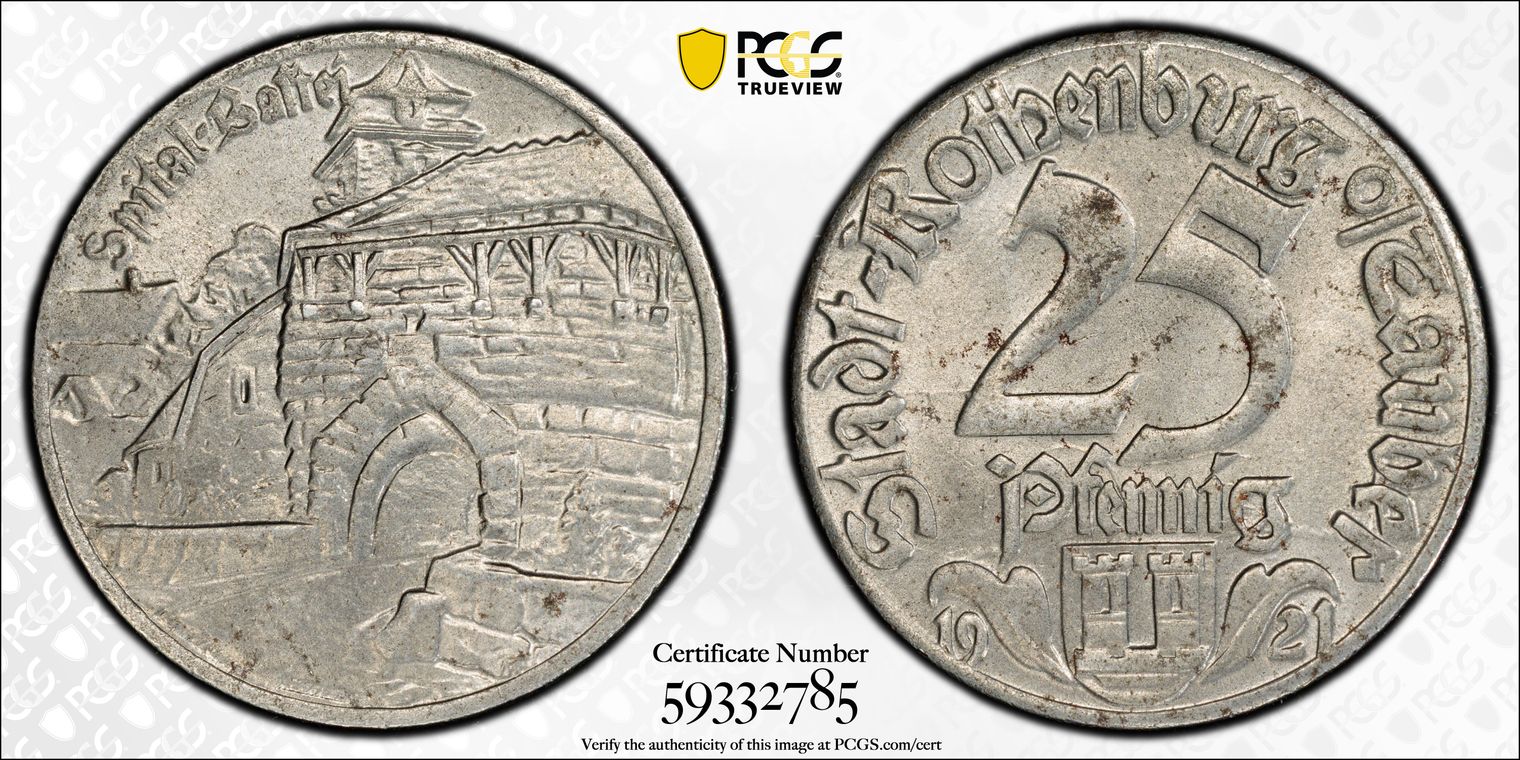
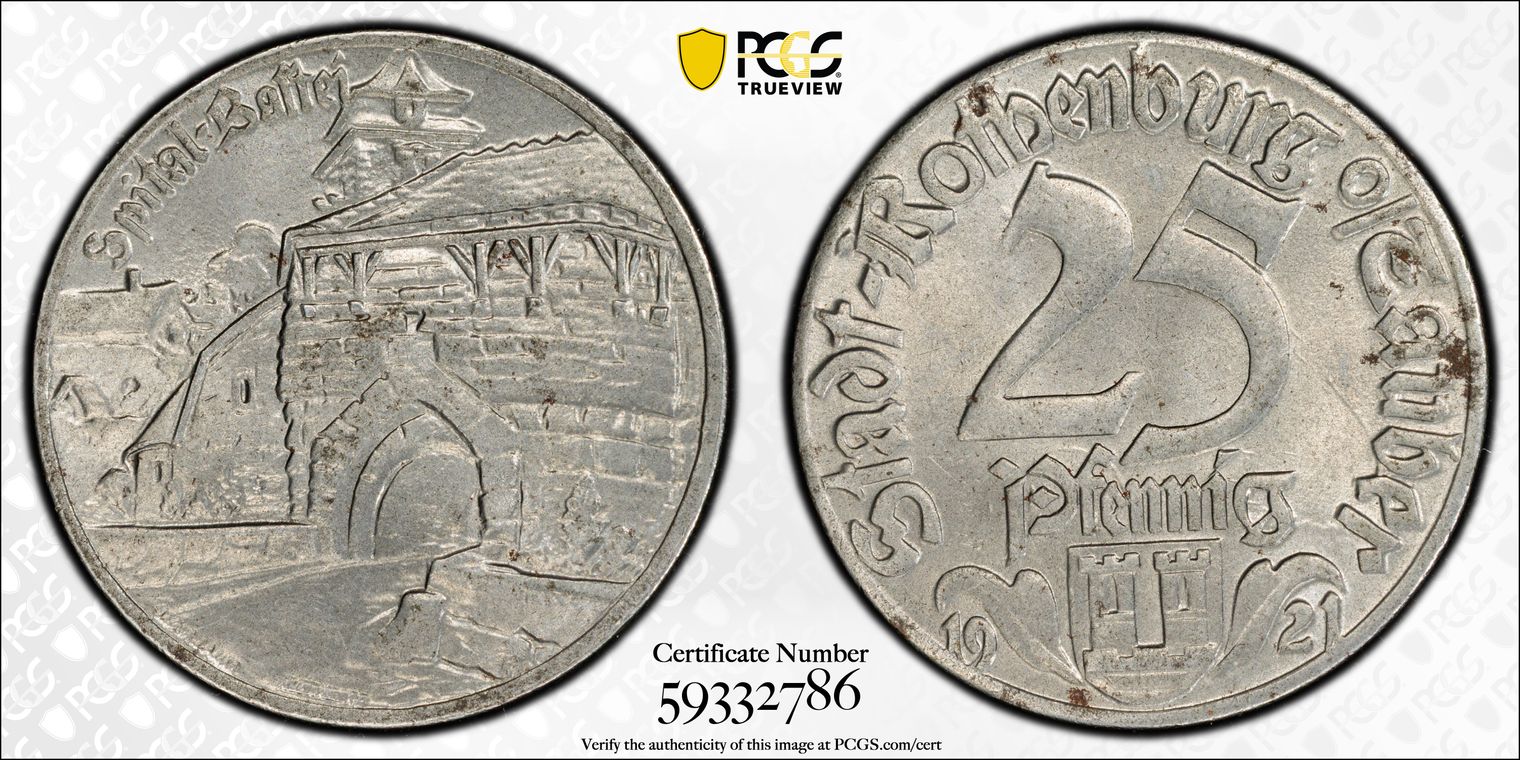
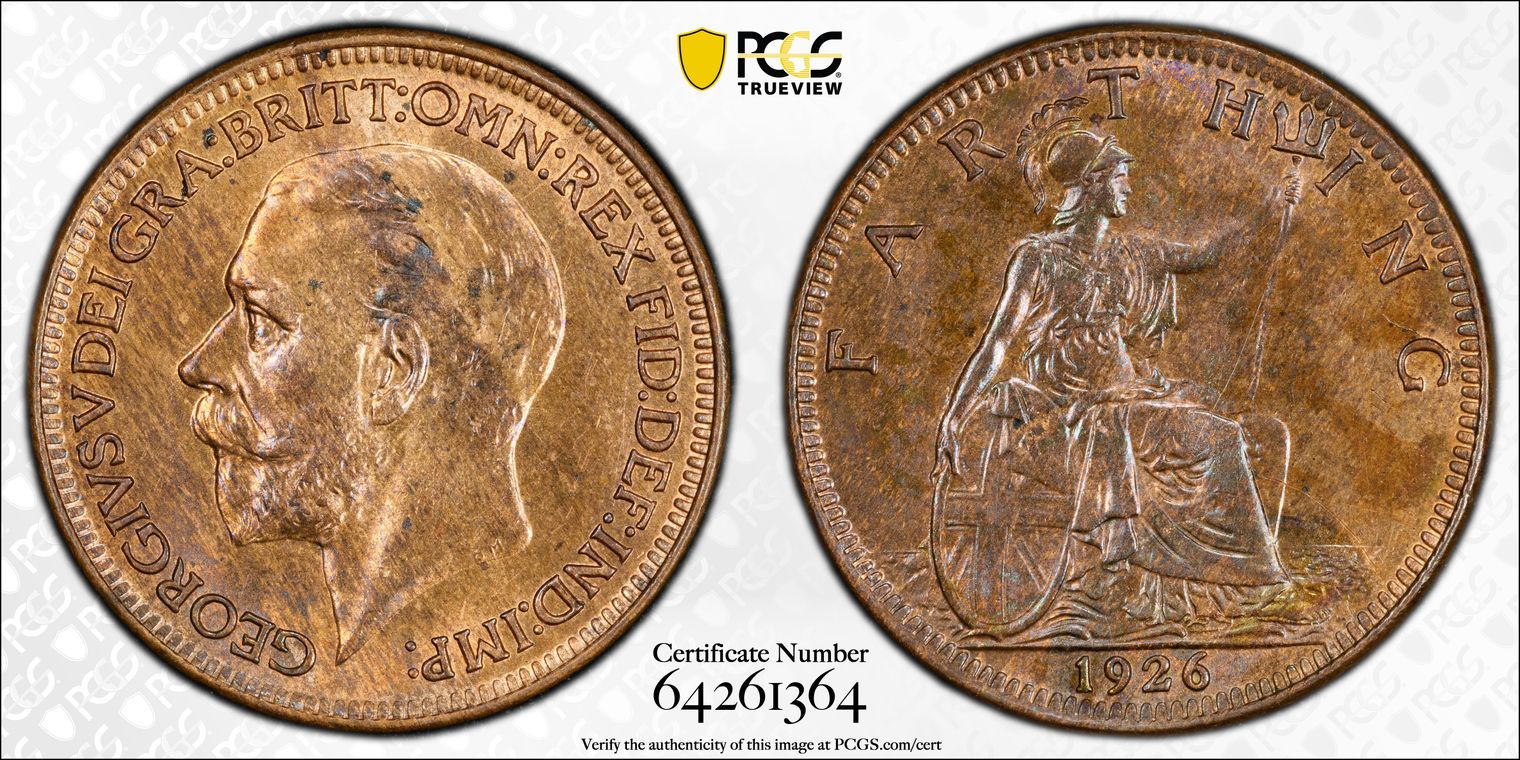
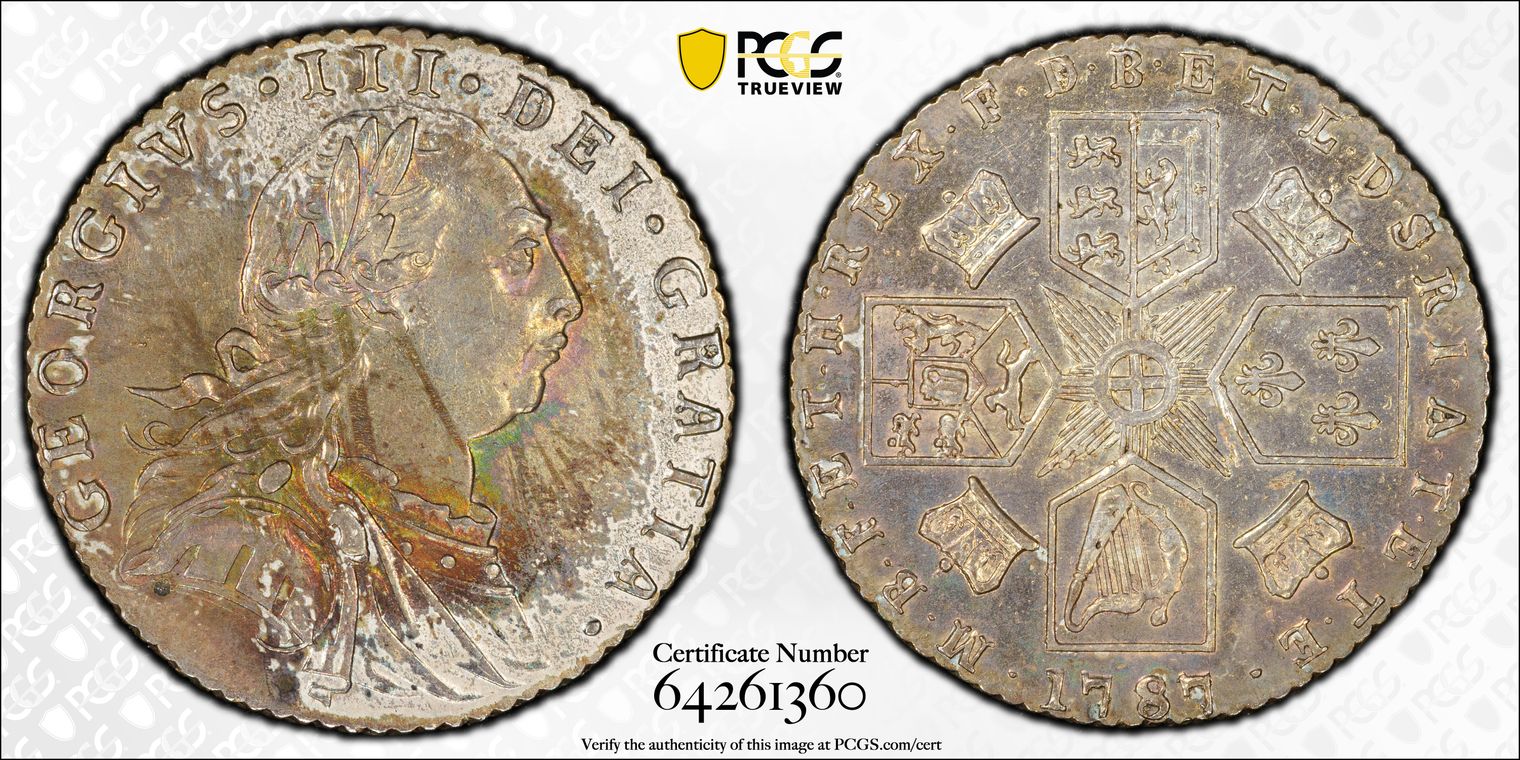
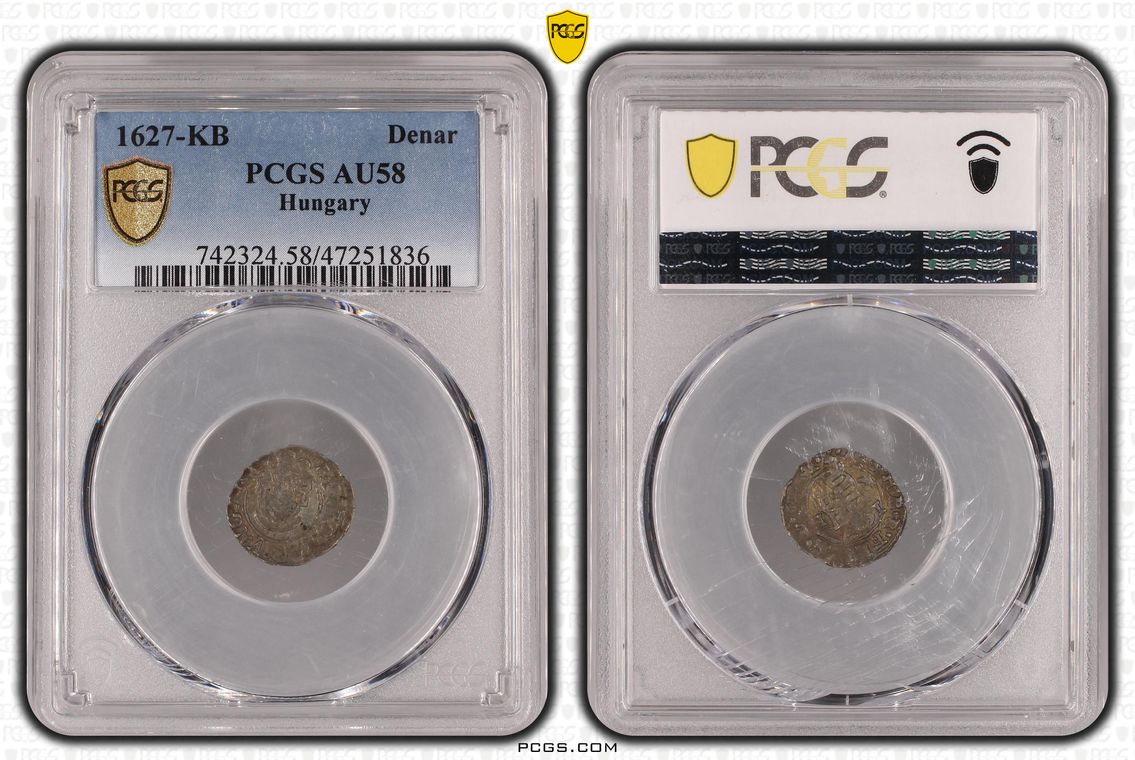
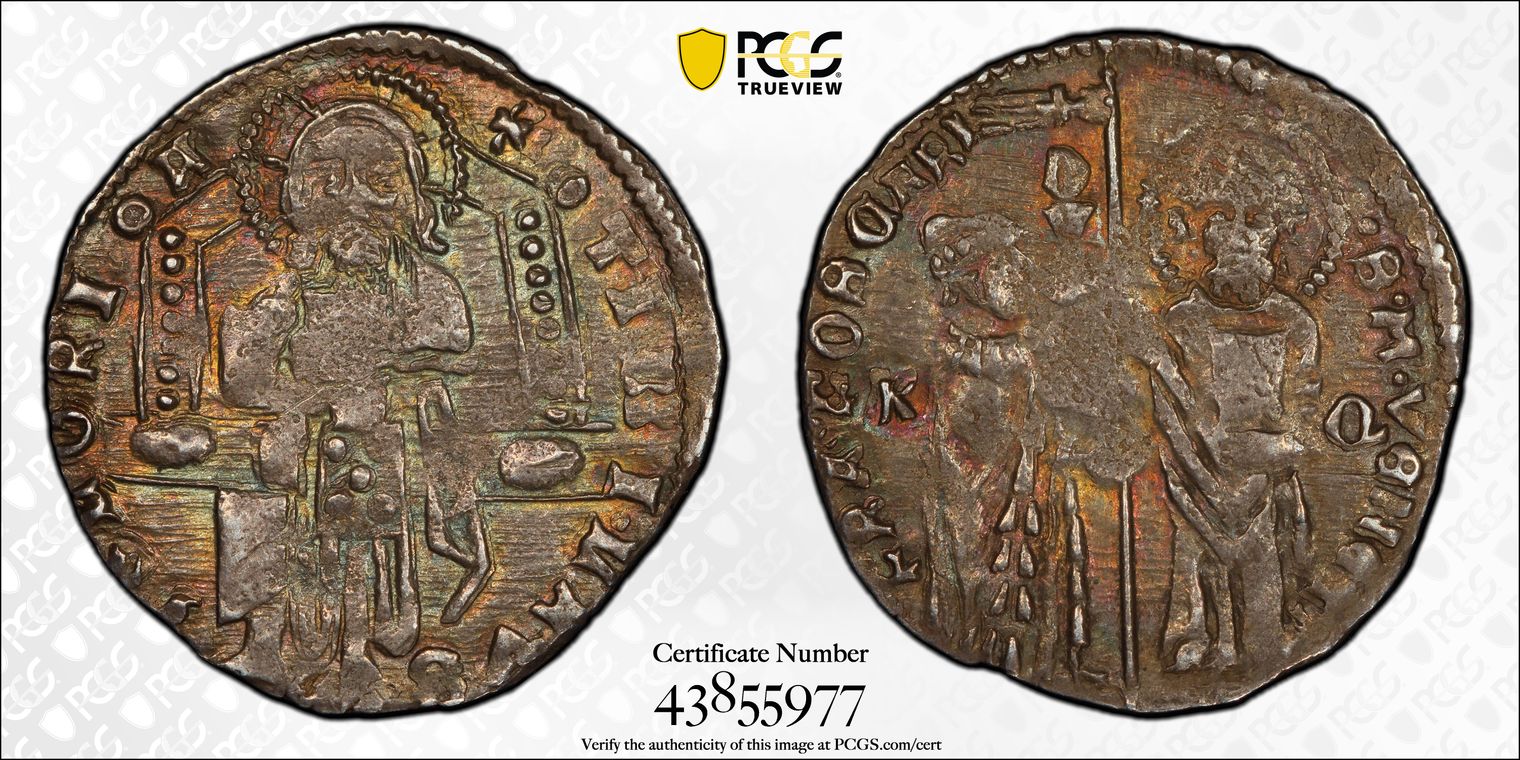
Struck between 1423 and 1457 under the reign of Doge Francesco Foscari, this Venetian silver grosso was minted at a time when the Republic of Venice stood as one of Europe’s most powerful commercial empires. With trade networks stretching from the Adriatic to the Levant, Venice issued the grosso as a trusted silver coin that facilitated both local transactions and international commerce. The obverse depicts St. Mark presenting the gonfalone (banner) to the Doge, symbolizing divine authority and republican legitimacy, while the reverse features Christ enthroned, reinforcing the city-state’s theocratic foundations. The coin’s high silver content and consistent weight made it widely accepted across the Mediterranean world. This example displays attractive toning in shades of violet and bronze, testament to centuries of preservation. In its time, a single grosso could buy a modest meal of bread, wine, and salted fish in the markets of Venice—a small but essential piece of daily life in one of the Renaissance world’s great maritime powers.
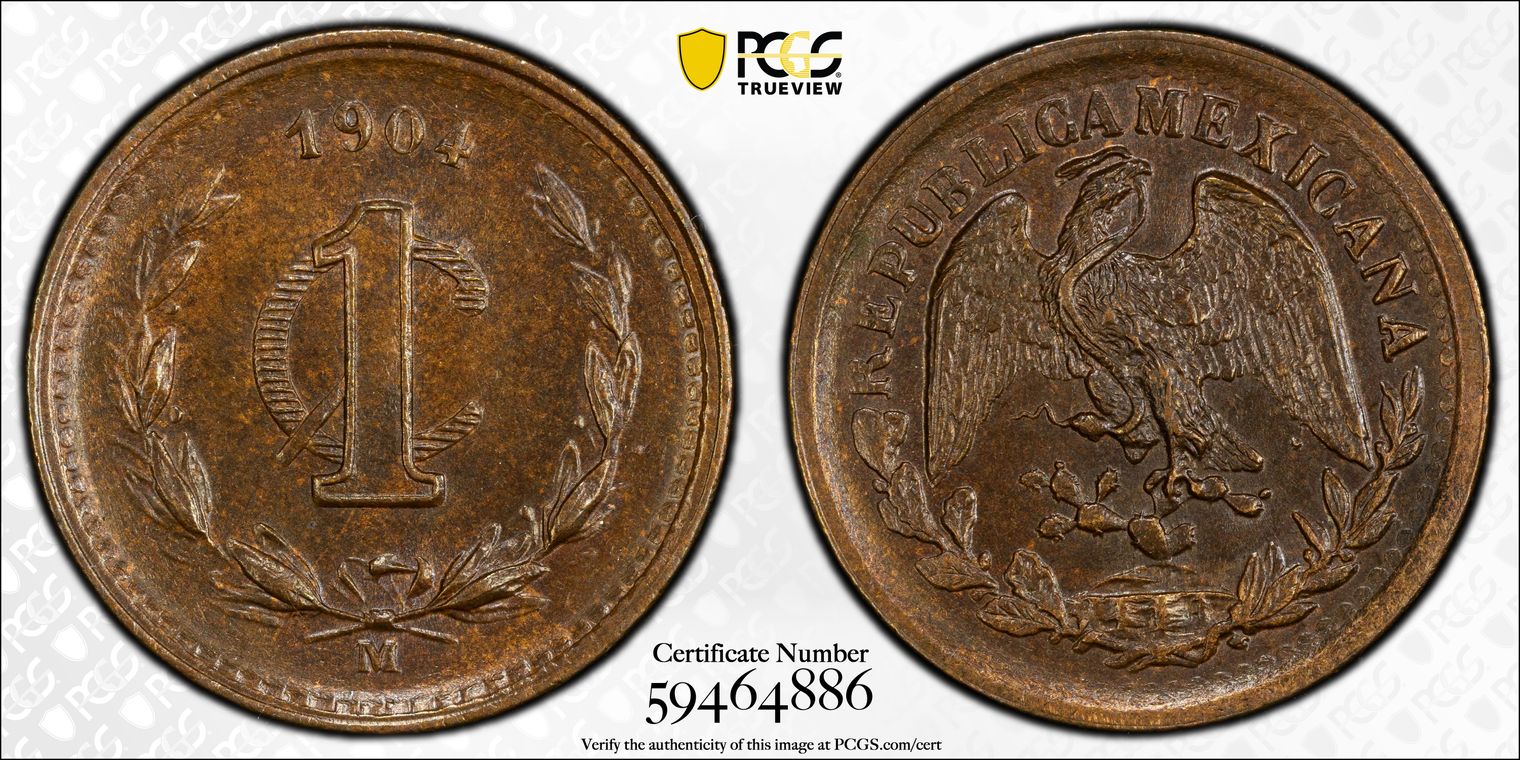
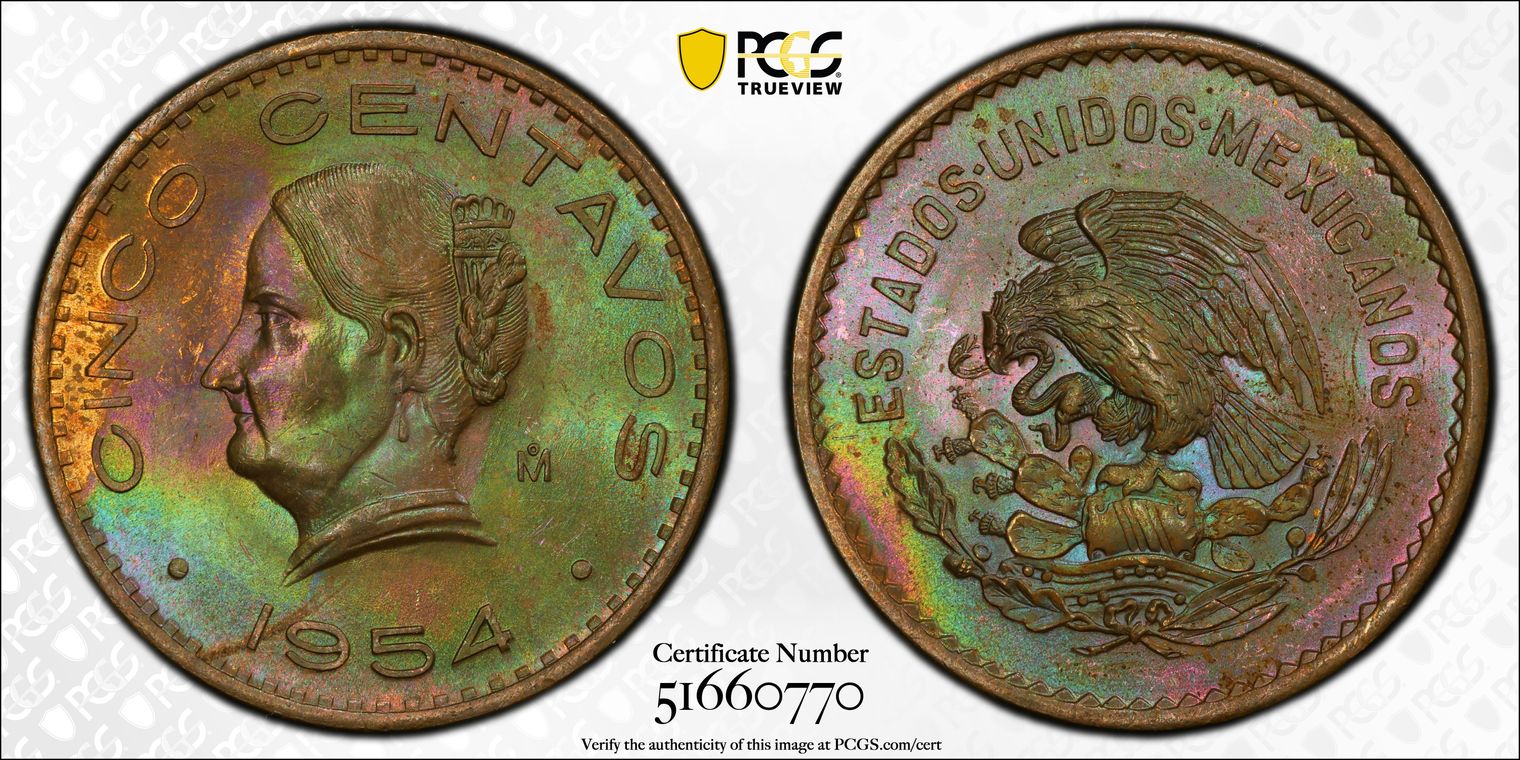
Struck in 1954 at the Mexico City Mint, this 5 centavos bronze coin features the portrait of Ignacia Rodríguez de Velasco, better known as La Corregidora, a heroine of Mexico’s fight for independence. Issued during the presidency of Adolfo Ruiz Cortines, a period of post-war modernization and economic stabilization, this coin reflects Mexico’s effort to celebrate national history through everyday currency. The reverse bears the classic Mexican coat of arms—an eagle devouring a snake atop a cactus—symbolizing victory and rebirth. Coins of this type were widely circulated across a rapidly urbanizing society where public transit, cinema, and open-air markets defined daily life. This example stands out for its brilliant green and violet toning, radiating across the fields in a display rarely seen on mid-century bronze issues. In 1954, five centavos could buy a small snack like a piece of pan dulce or a few fruits from a street vendor—affordable essentials in mid-century Mexico City, where such coins circulated as everyday pocket change.
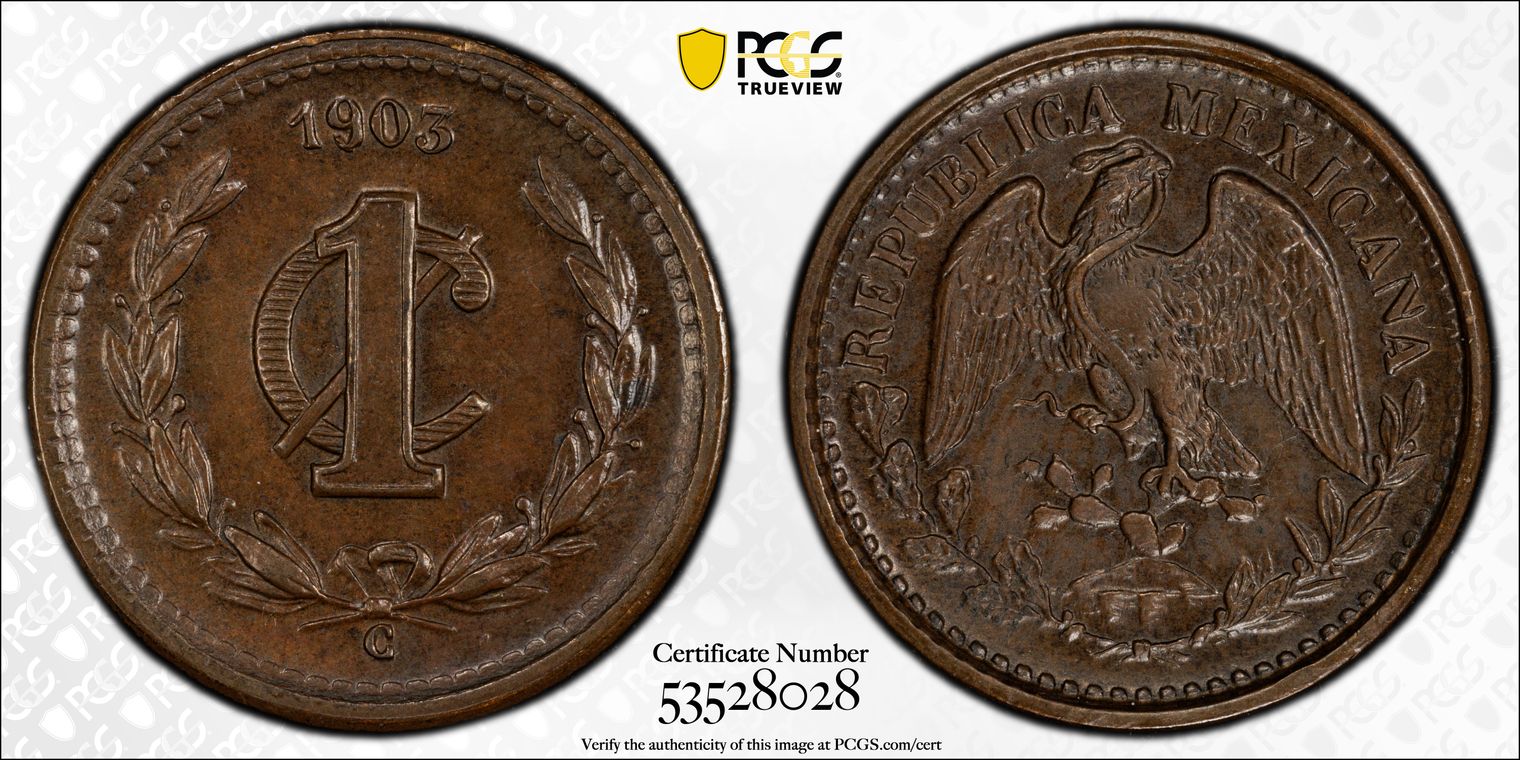
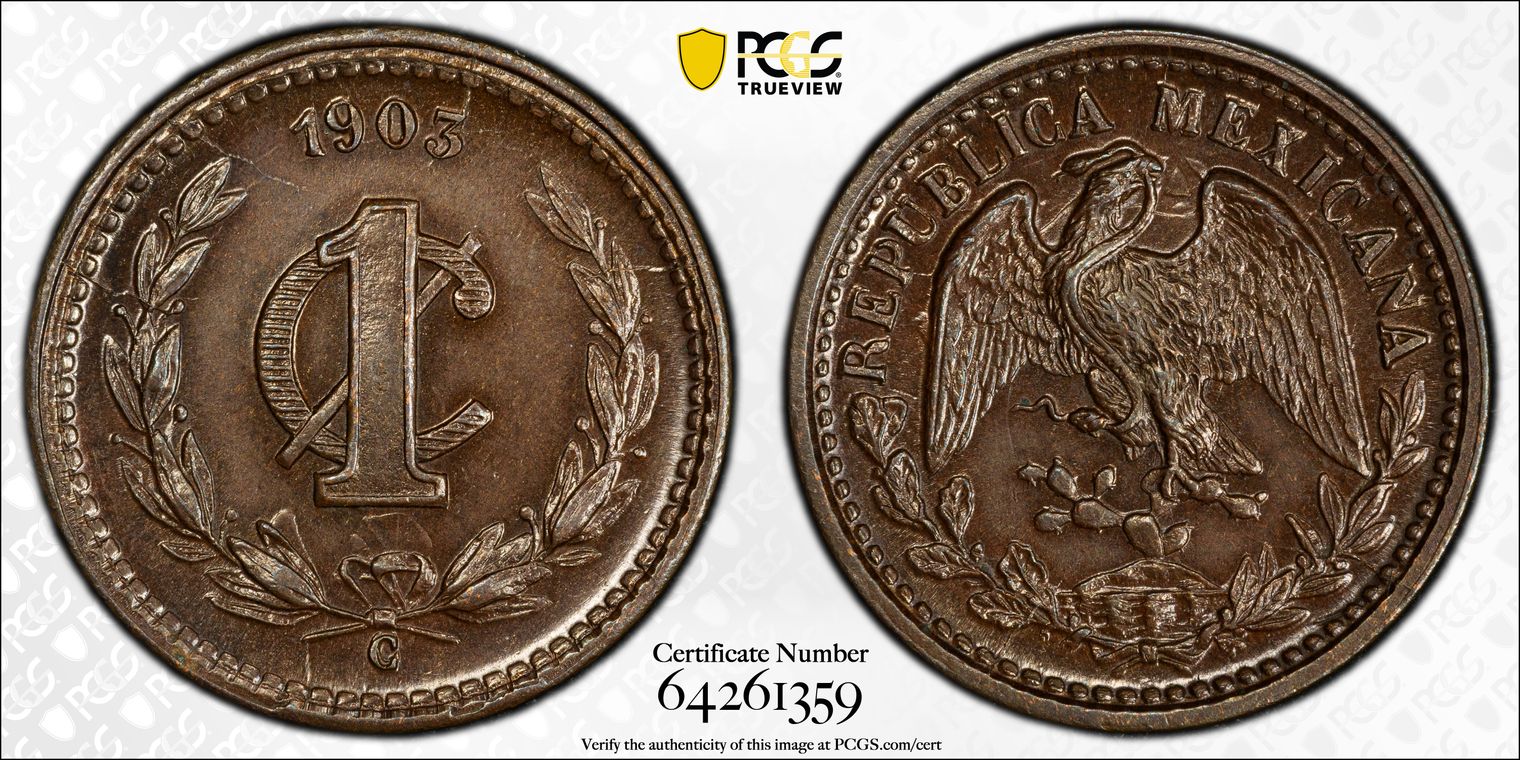
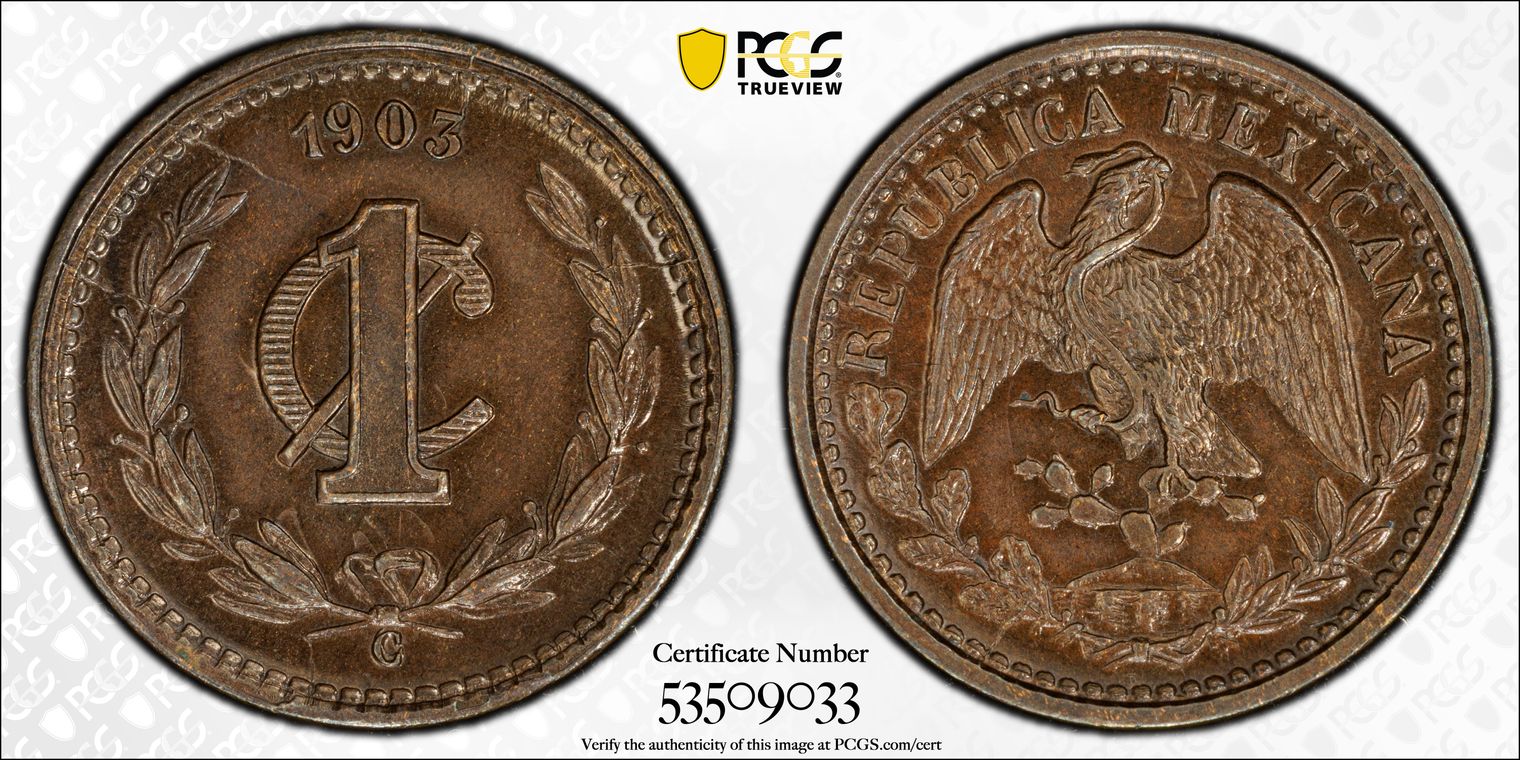
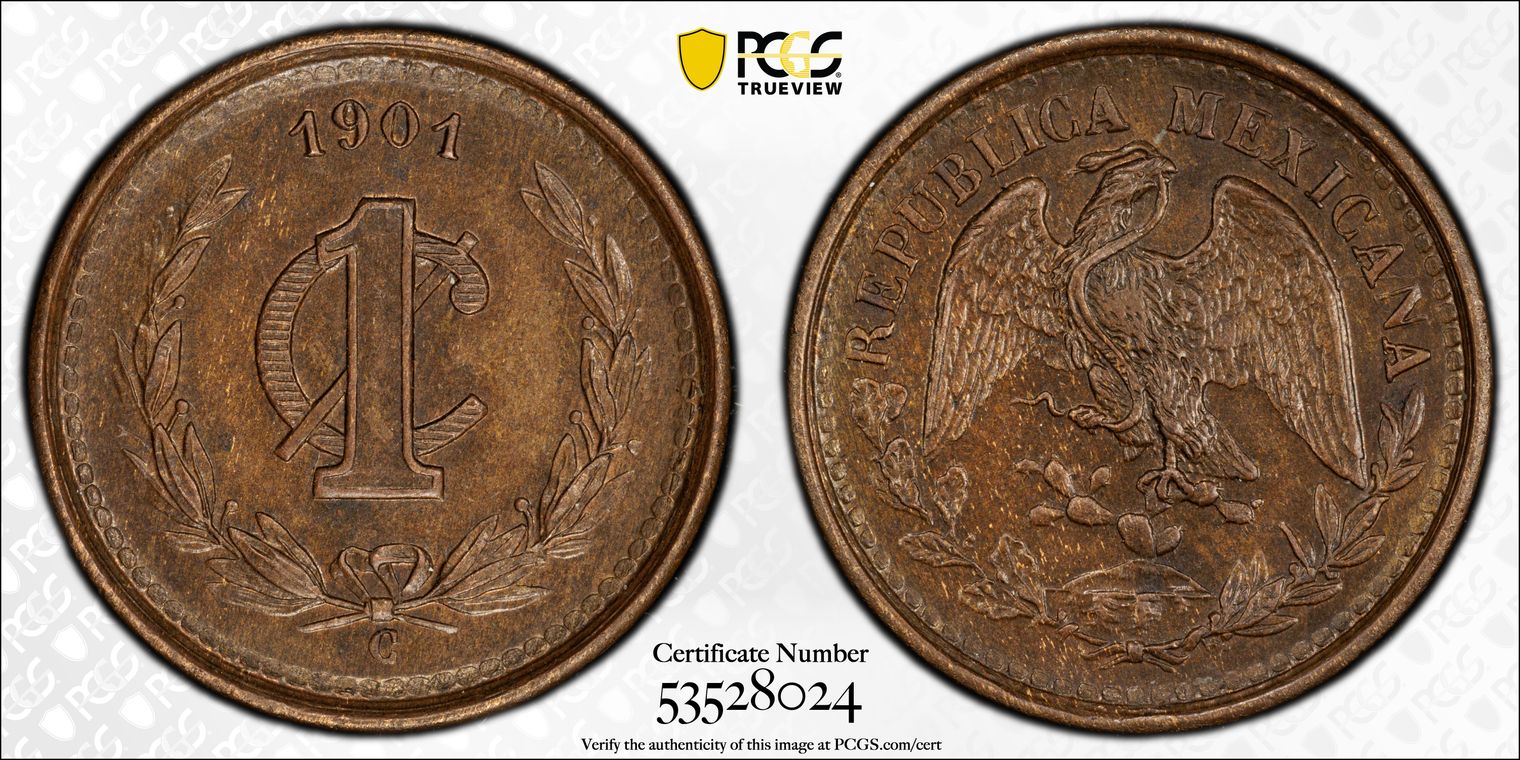
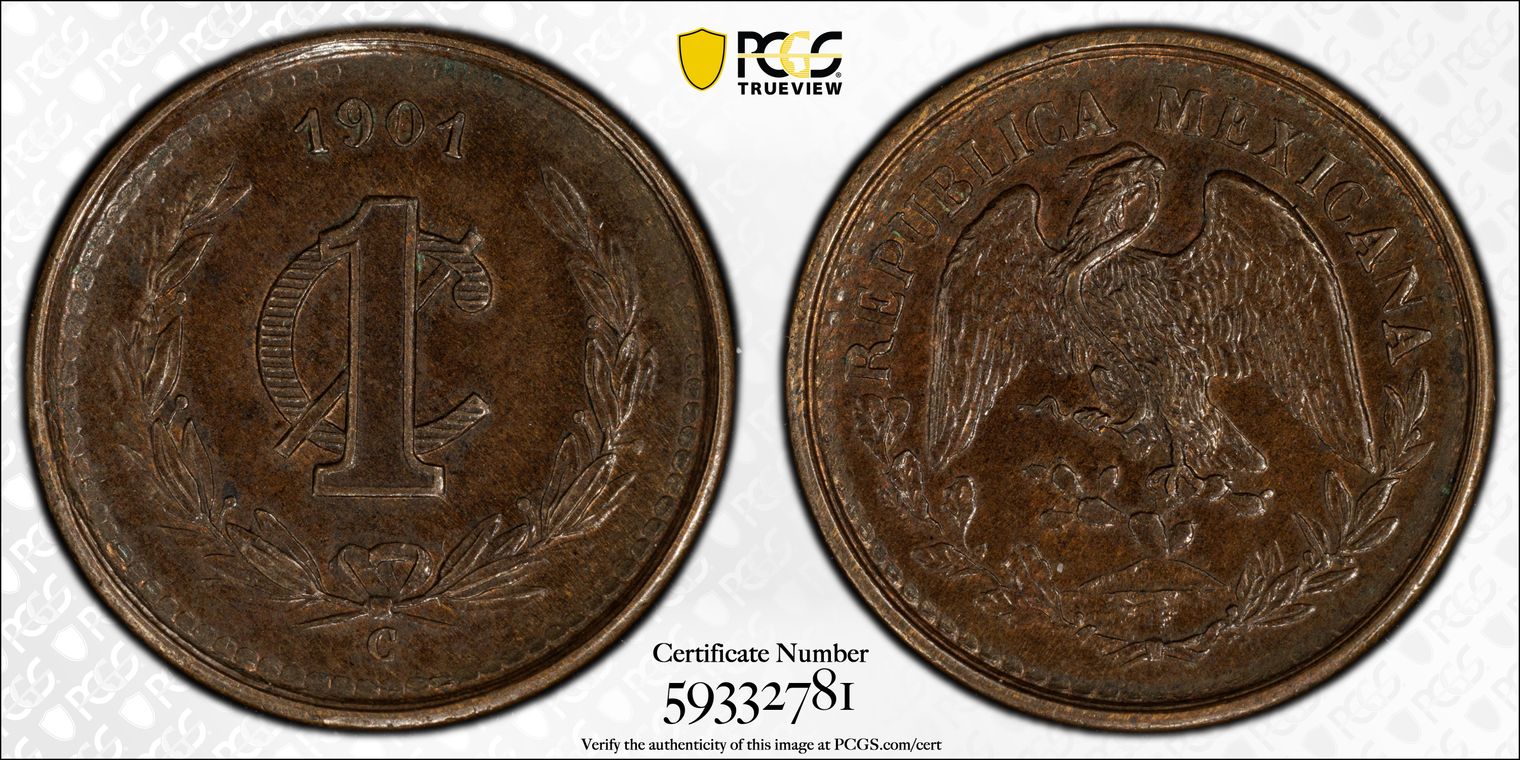
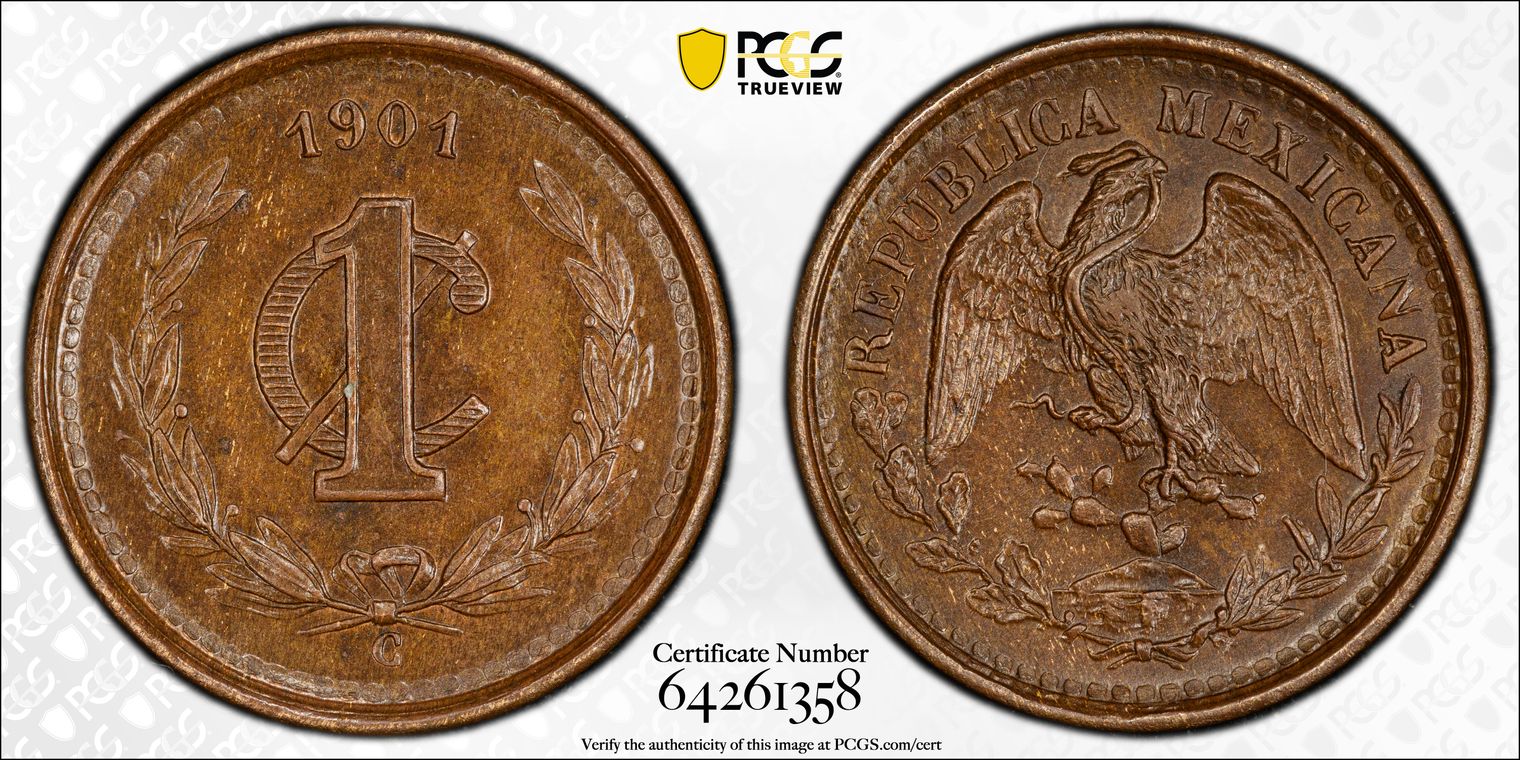
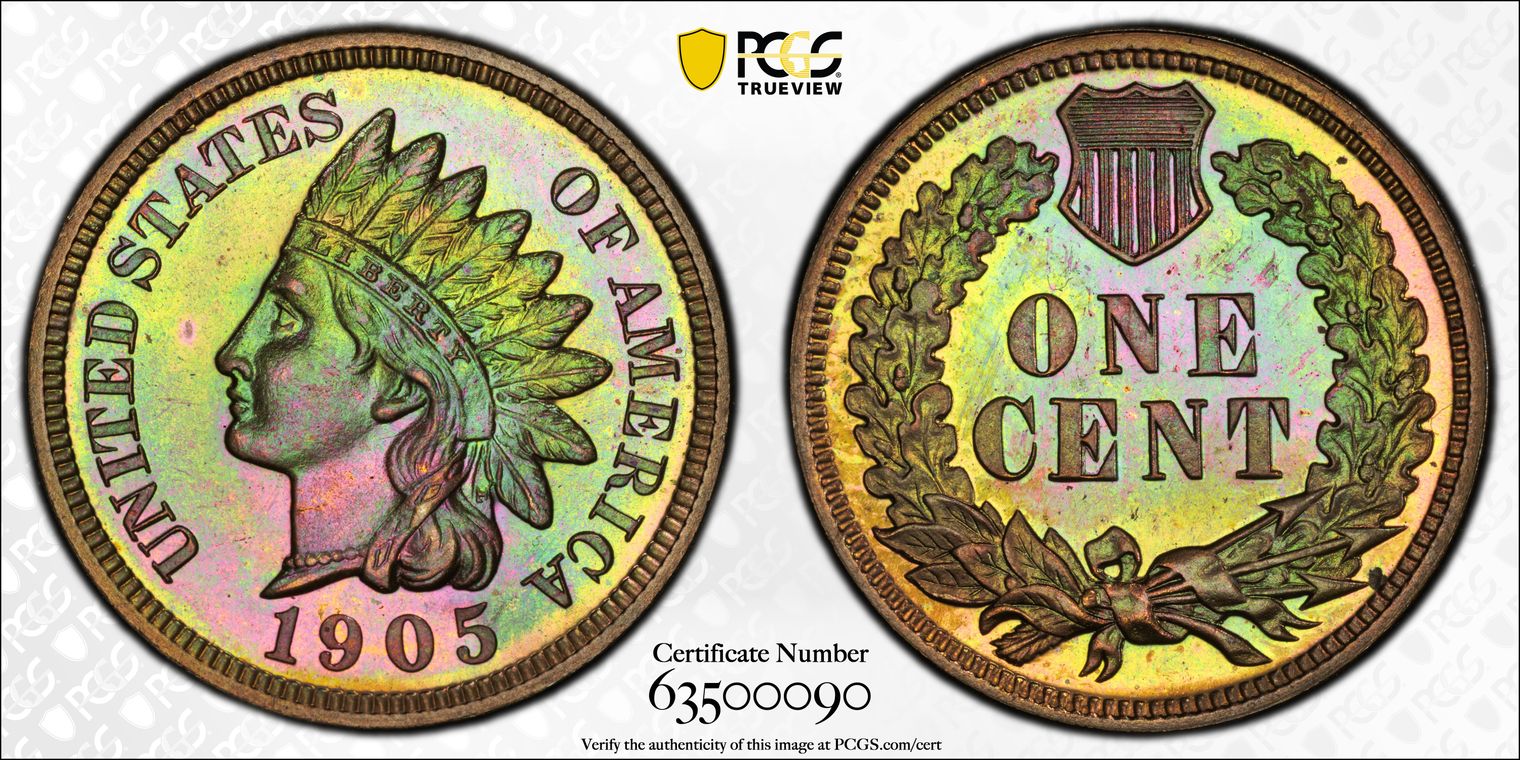
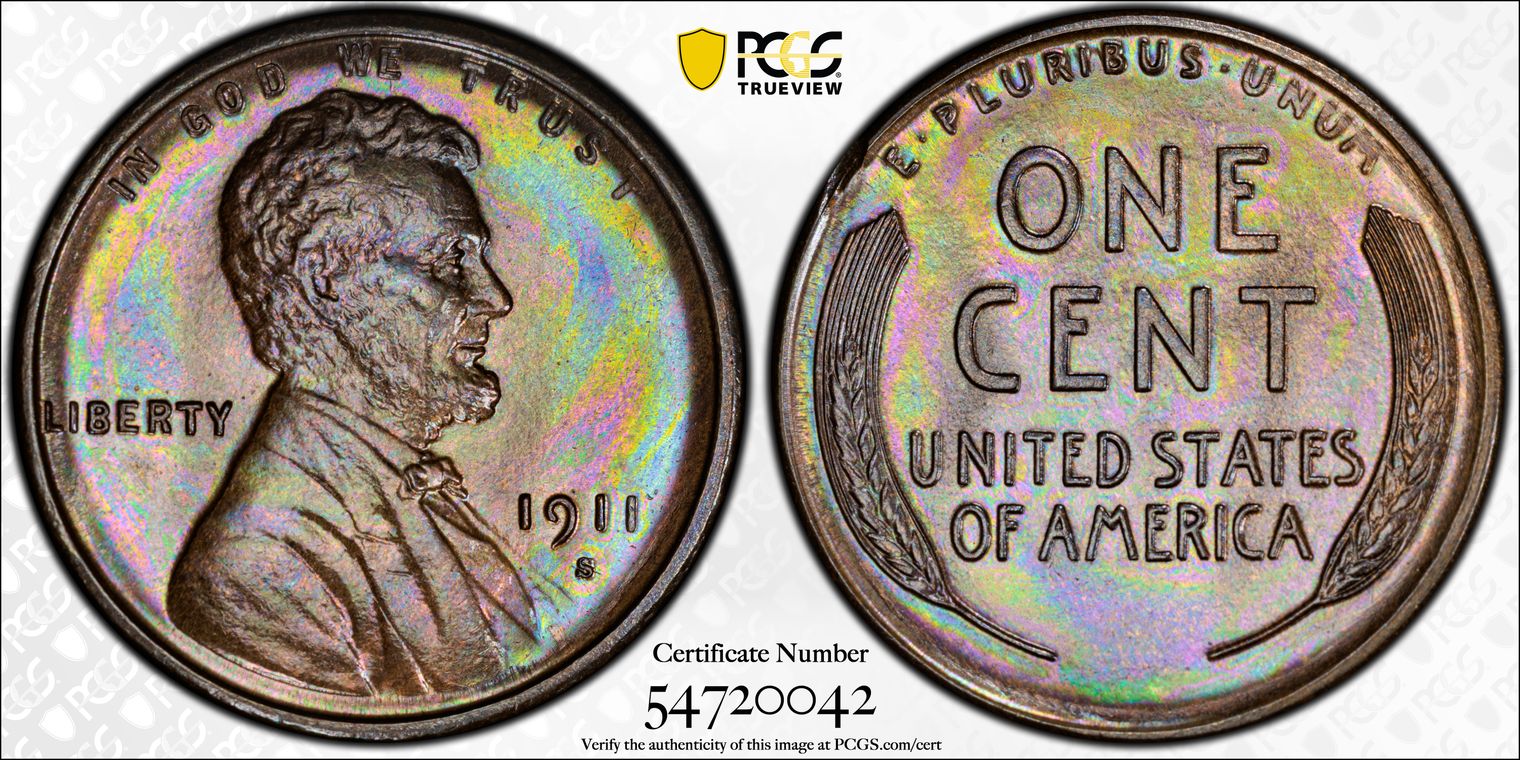
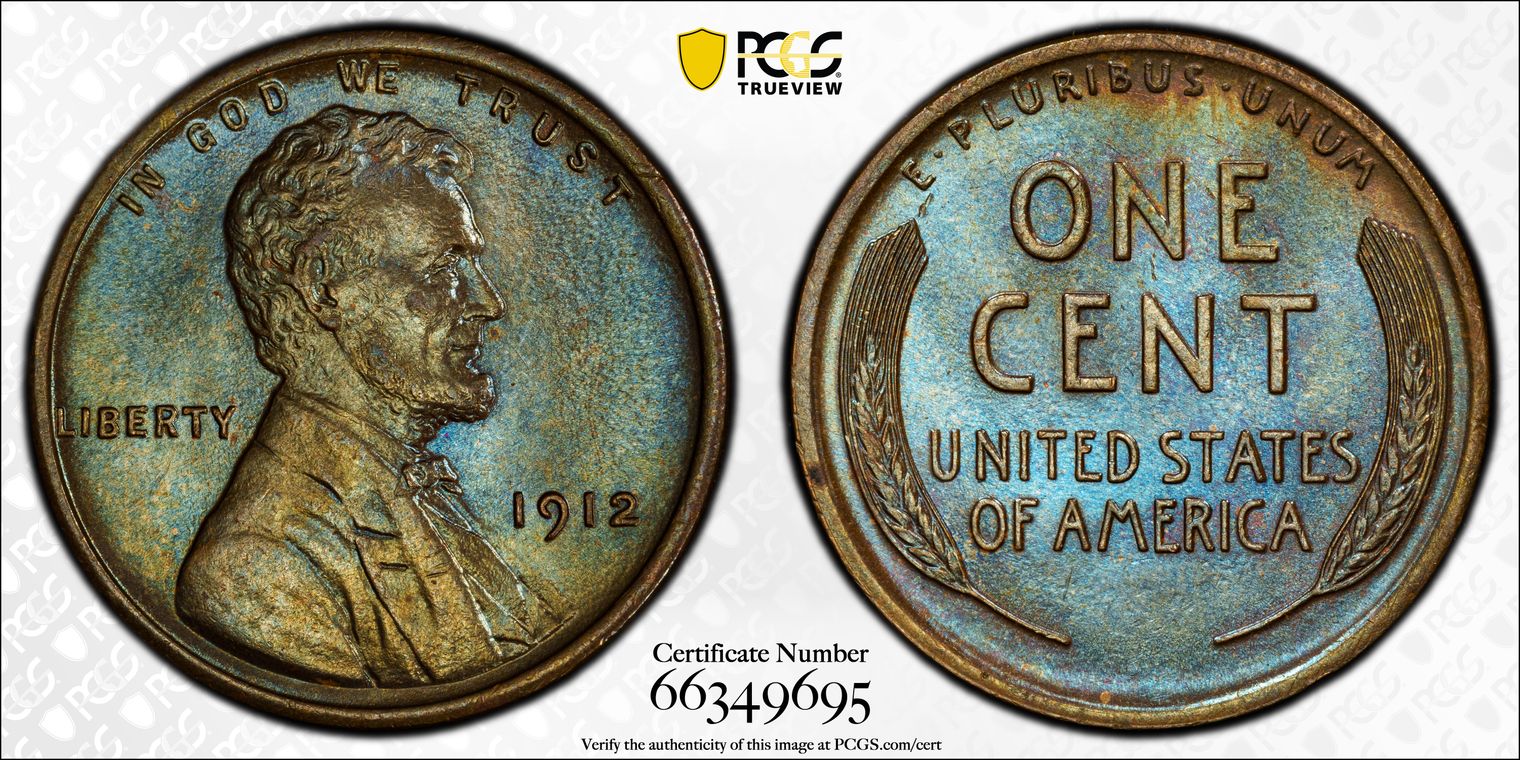
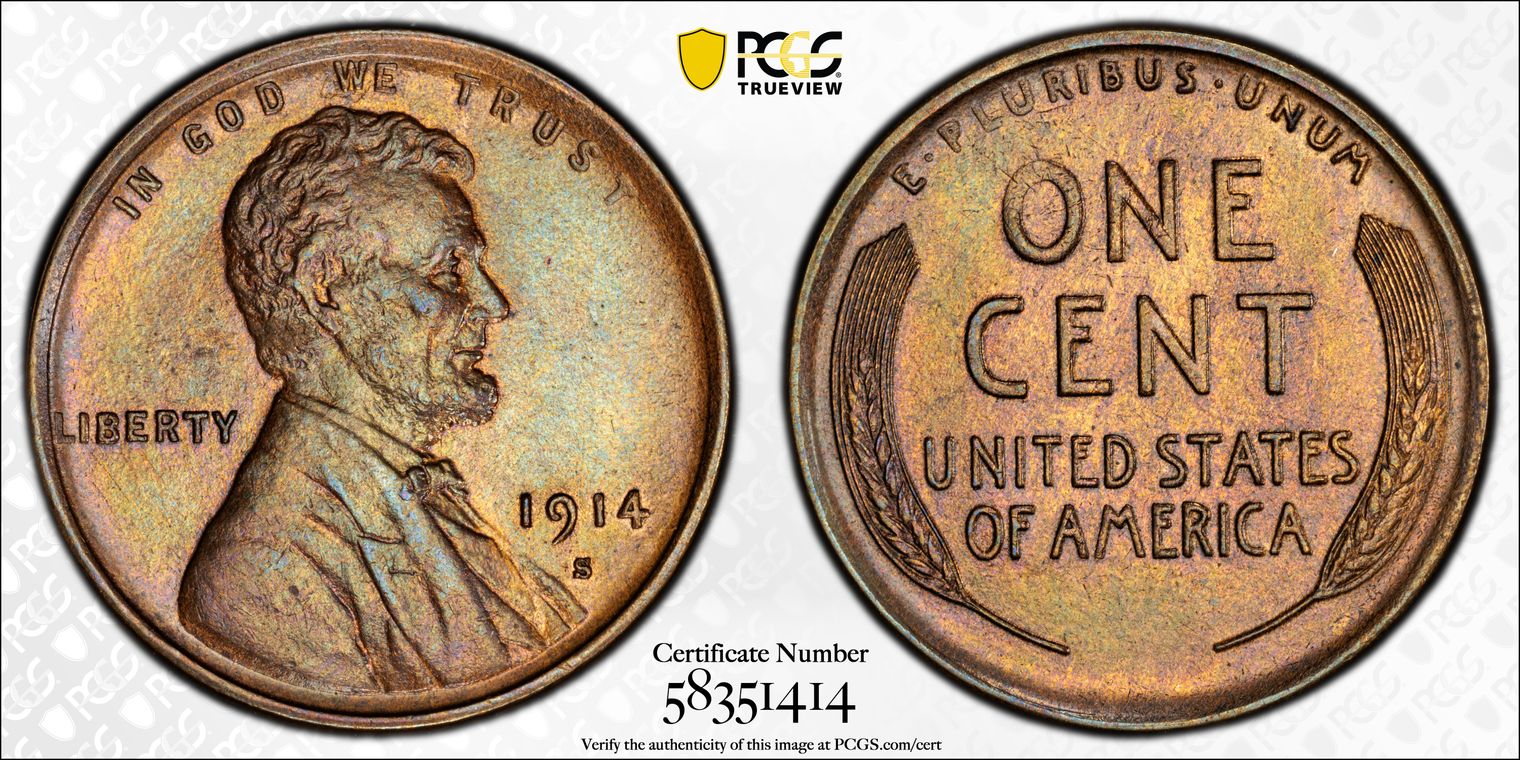
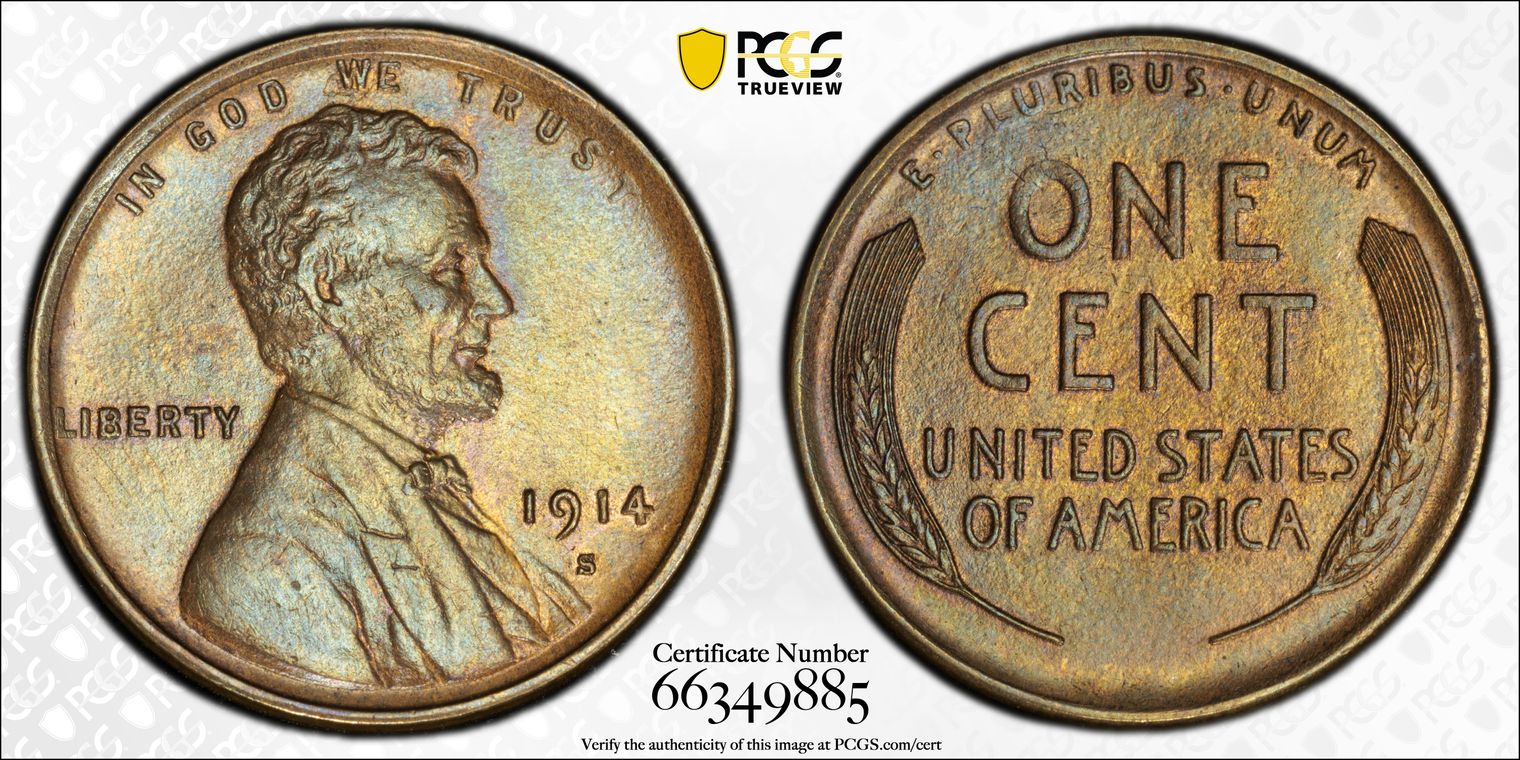
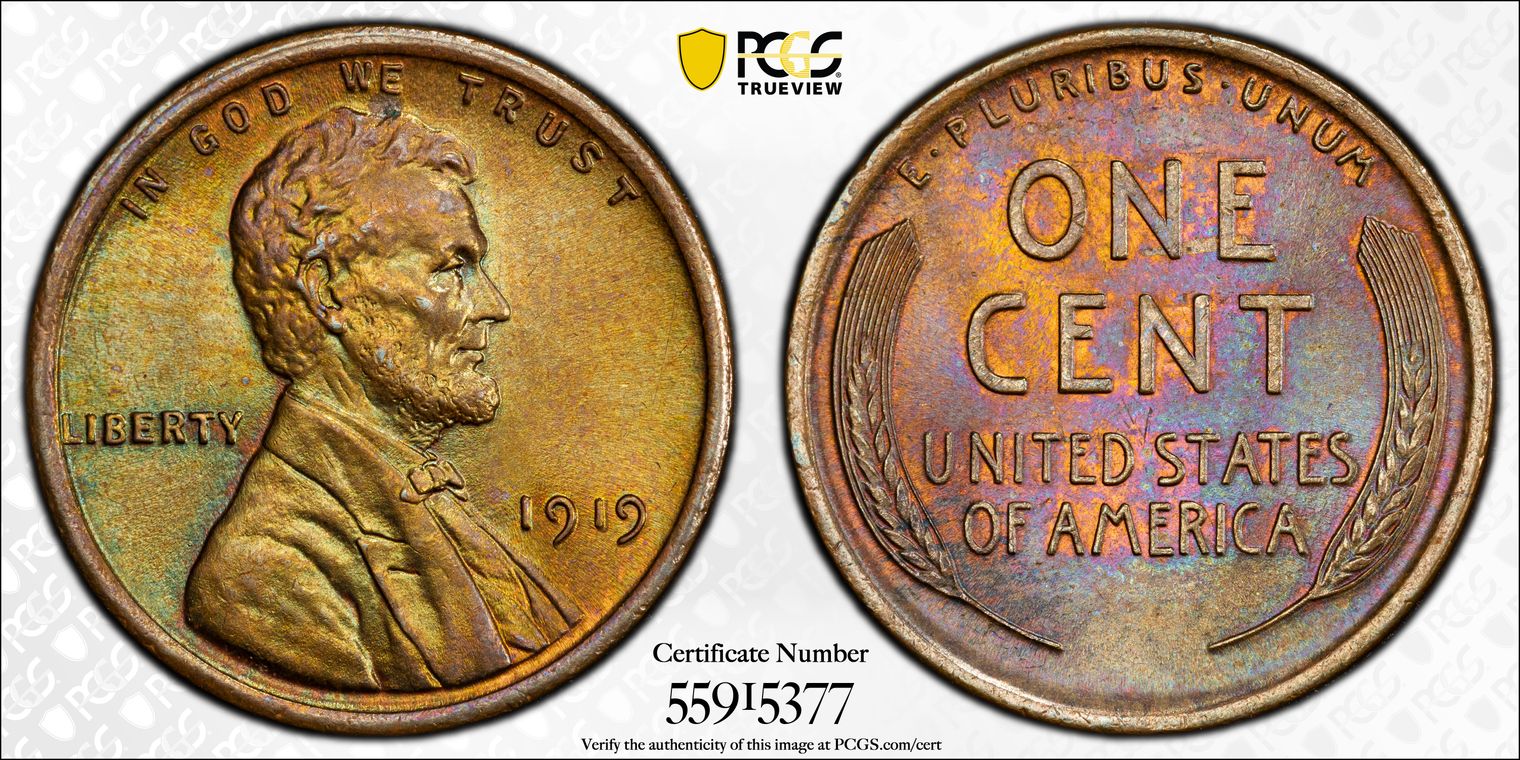
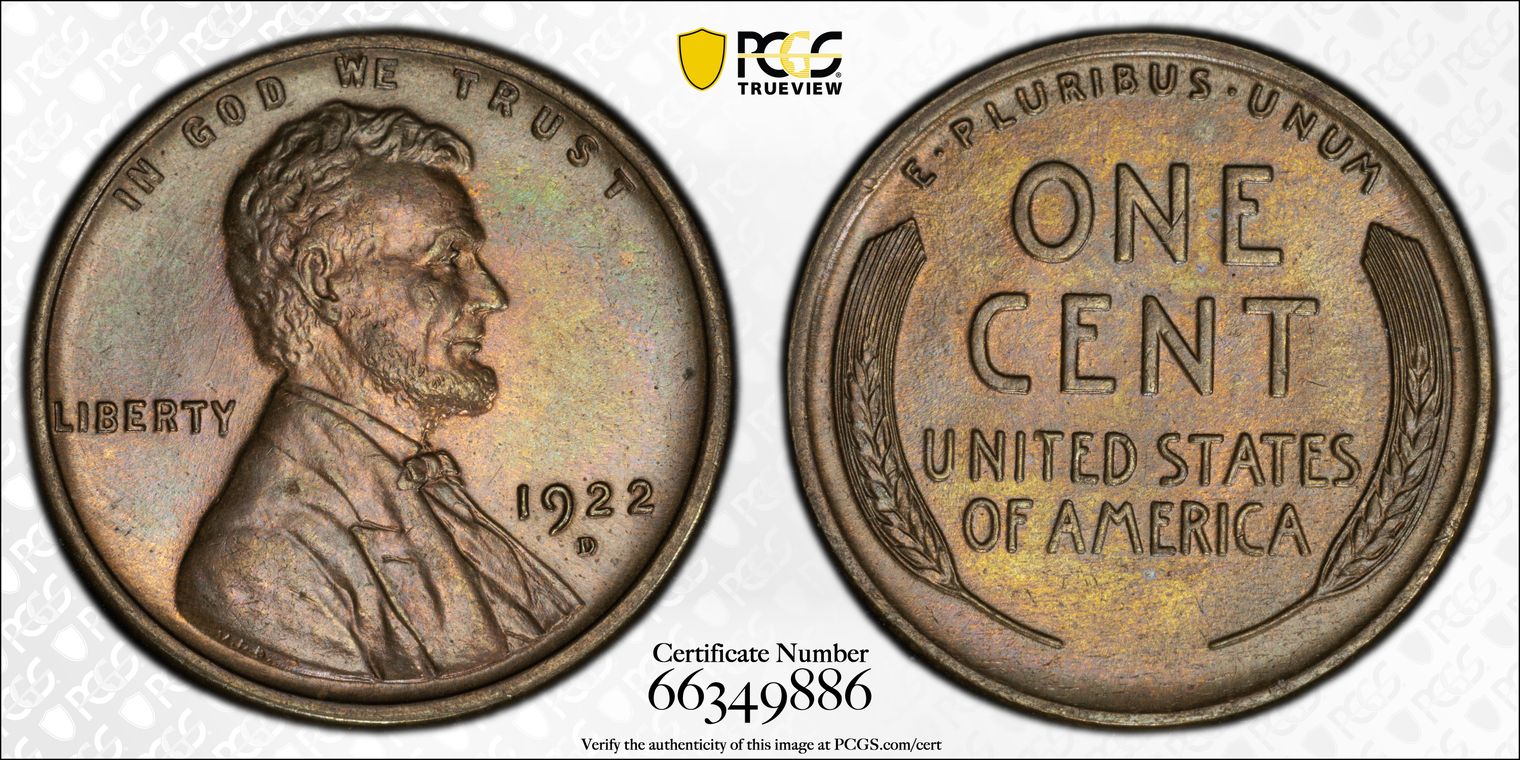
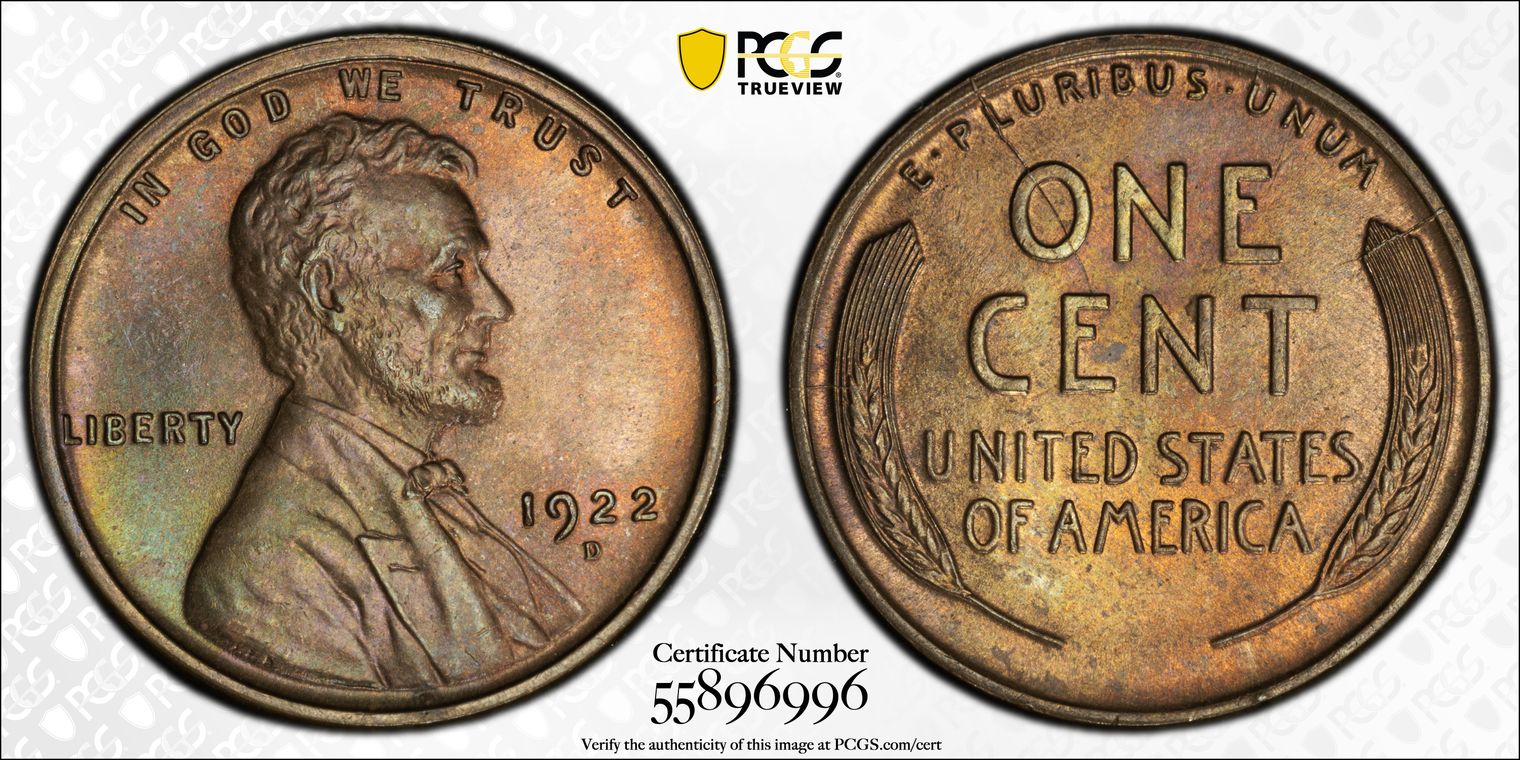
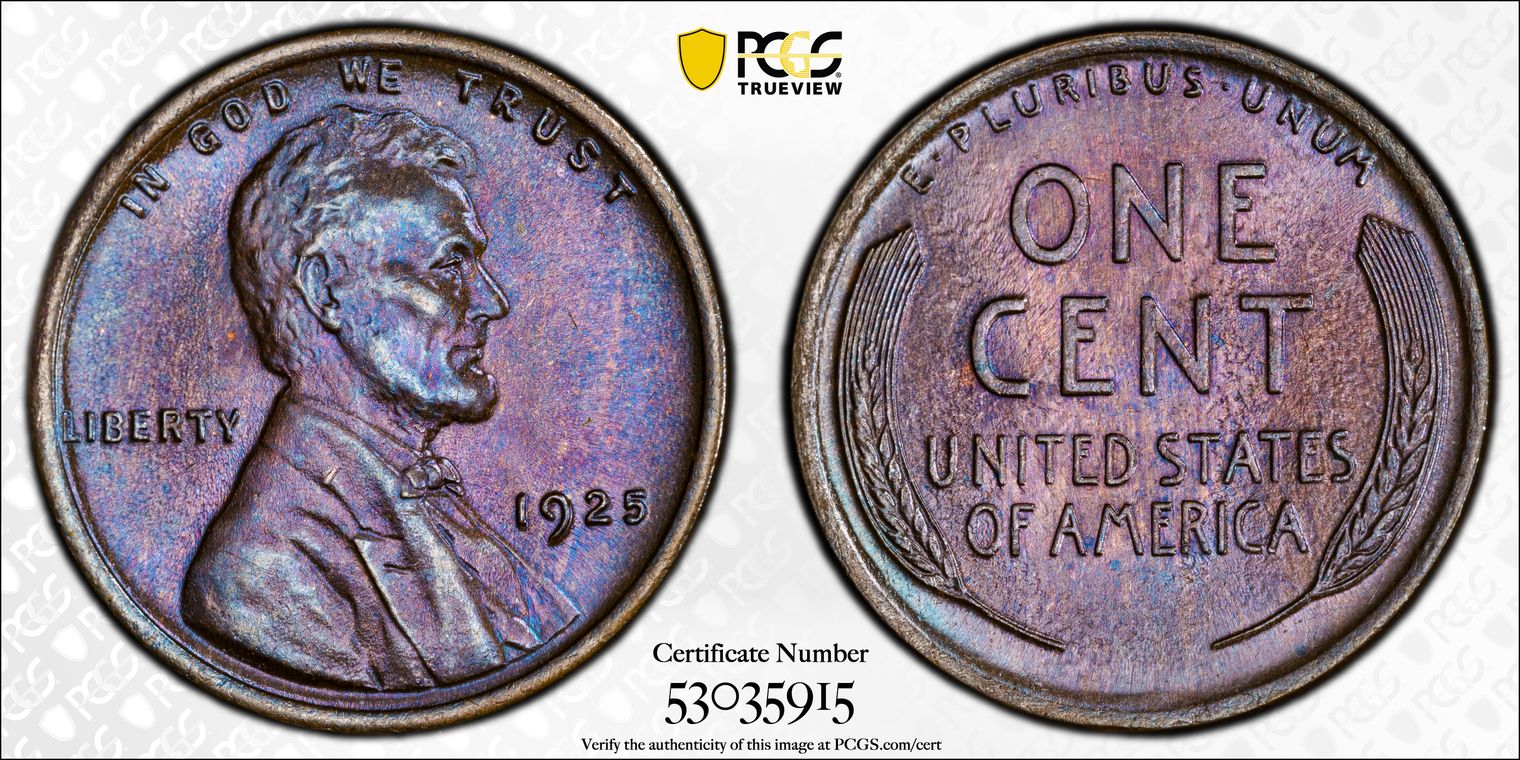
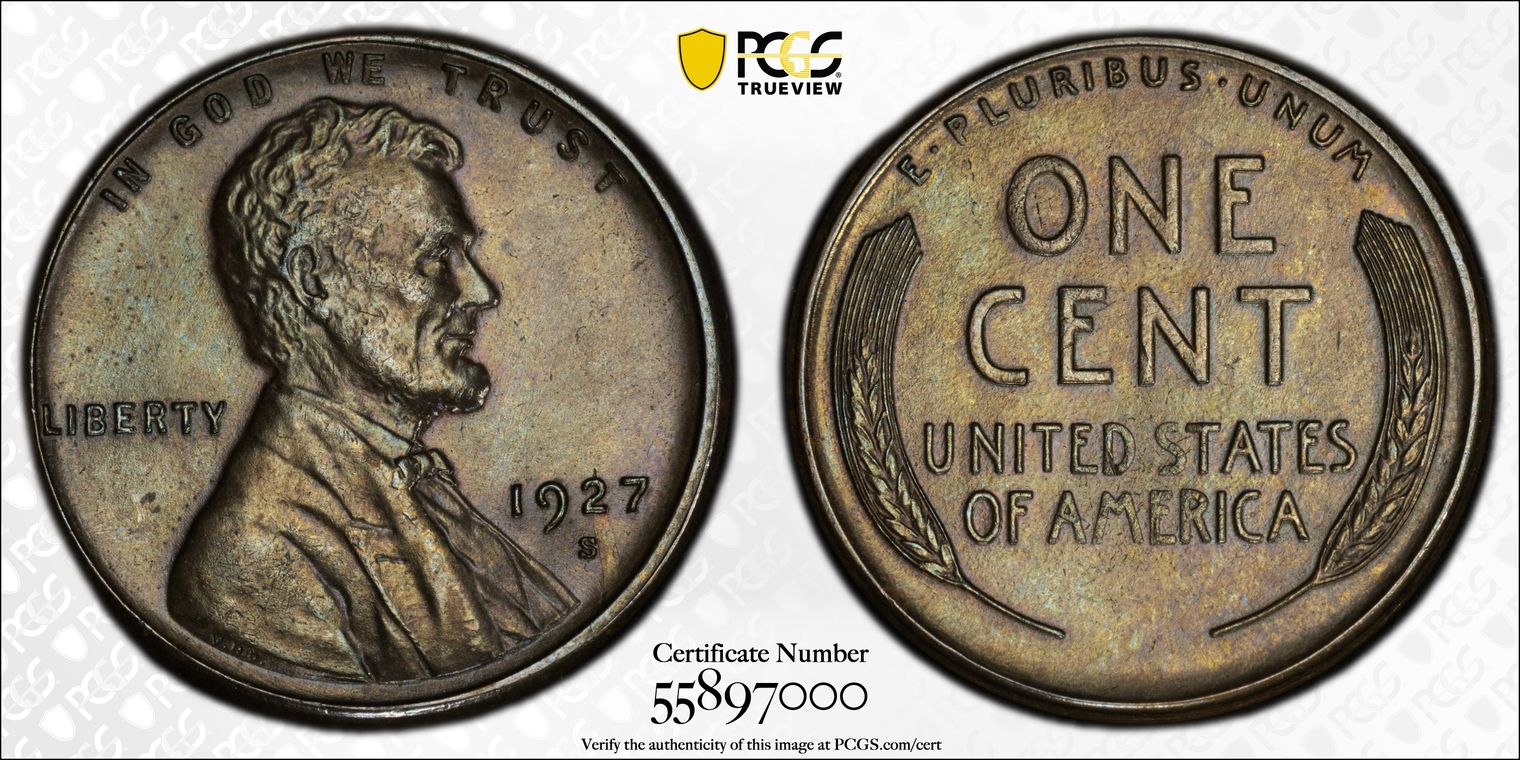
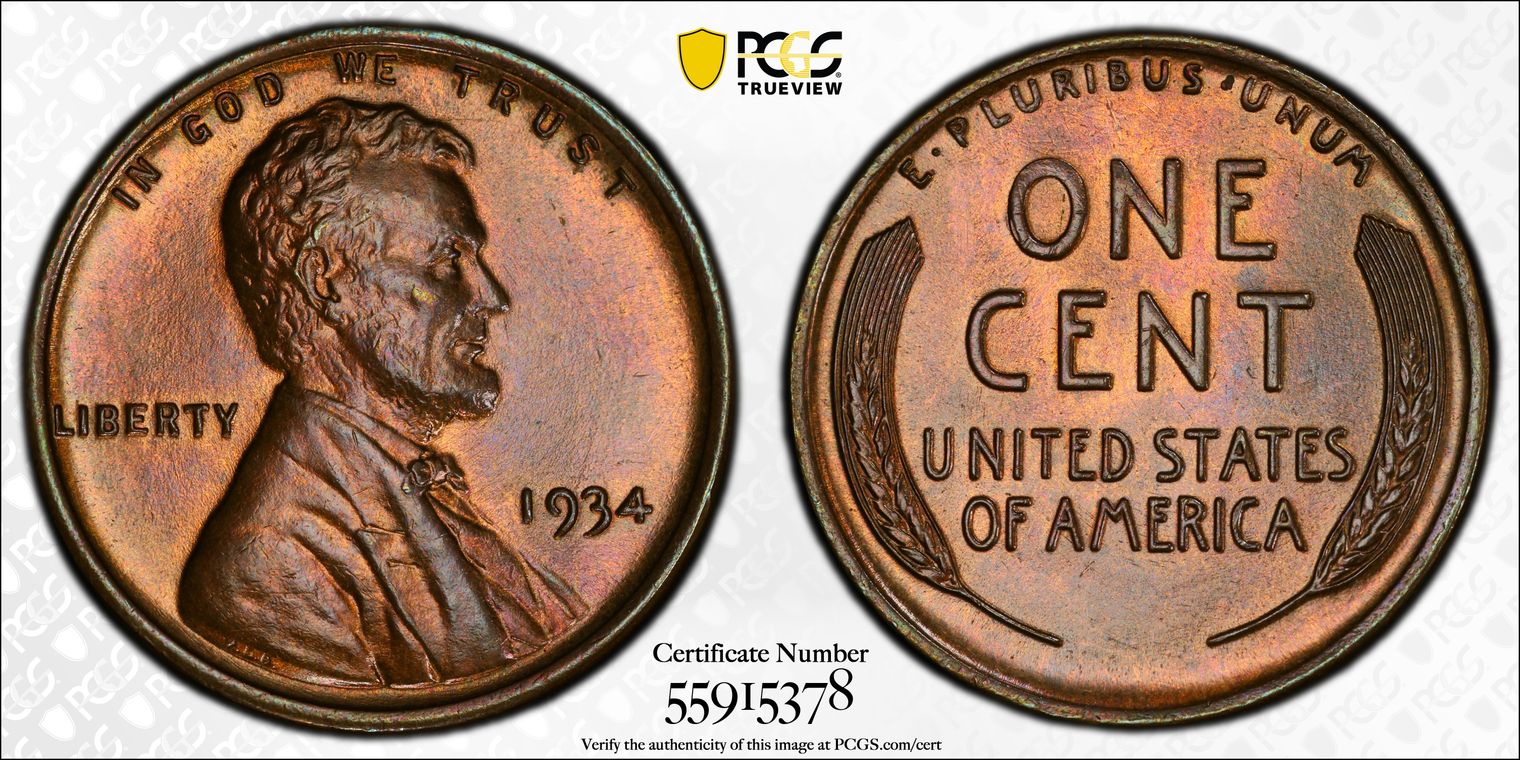
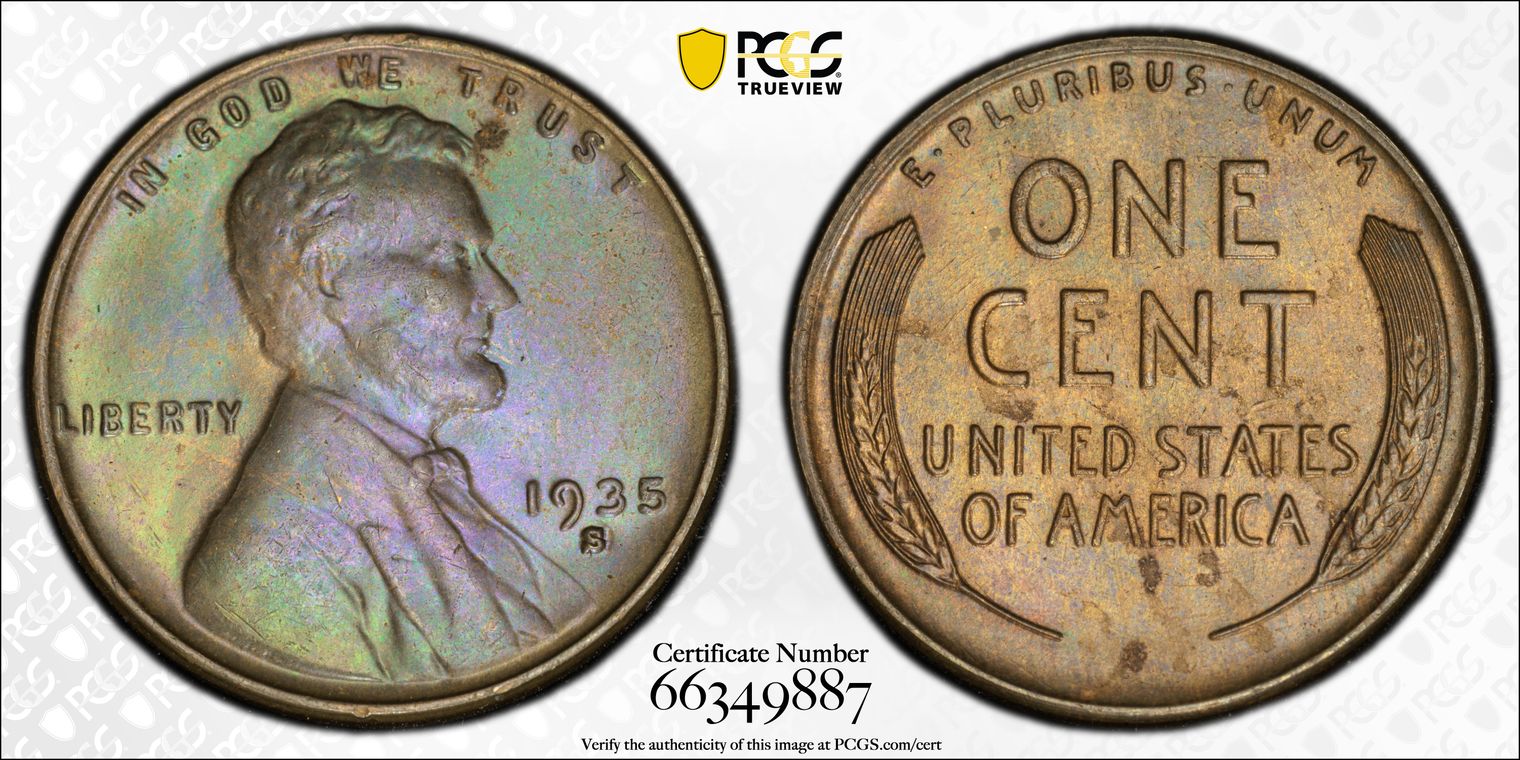
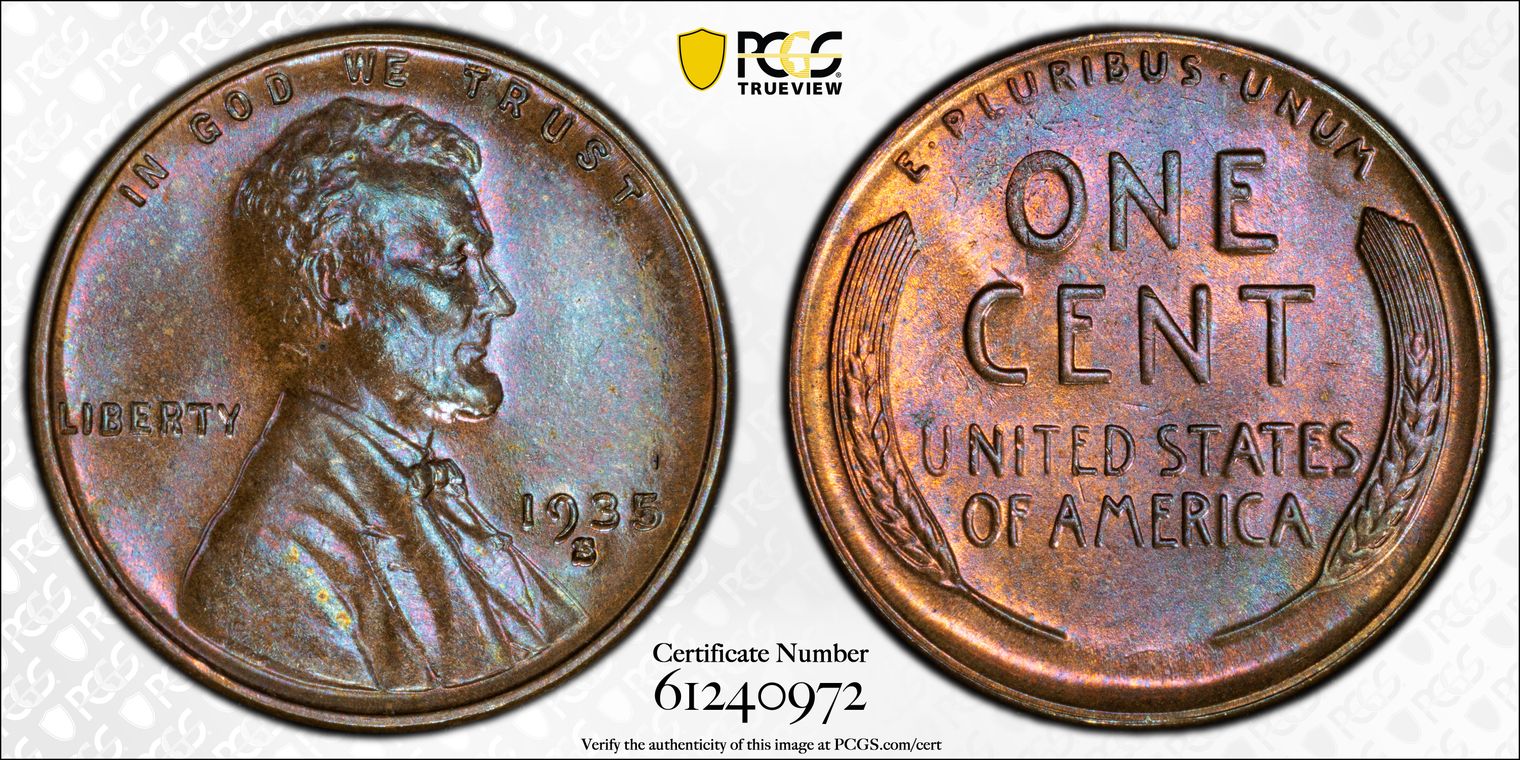
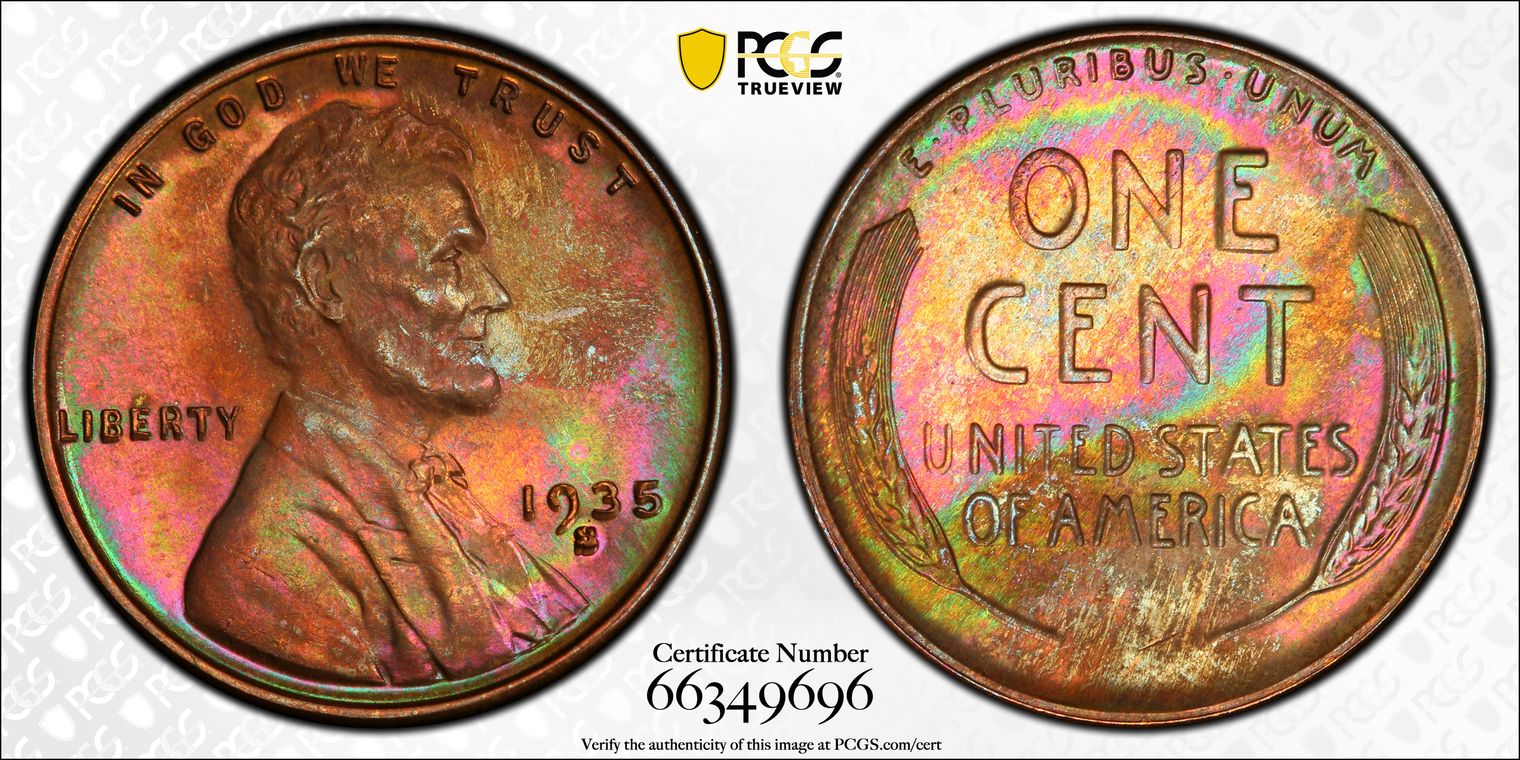
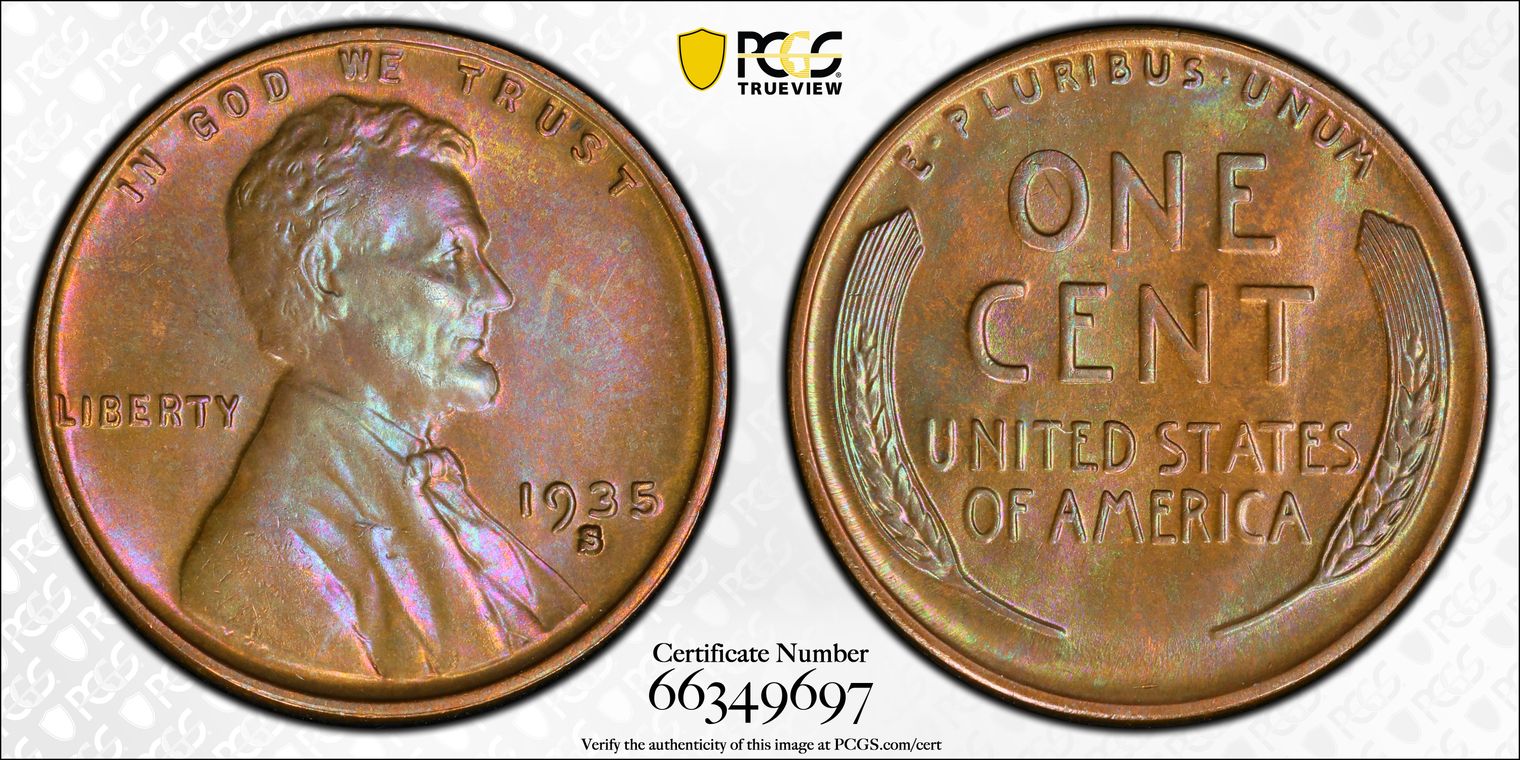
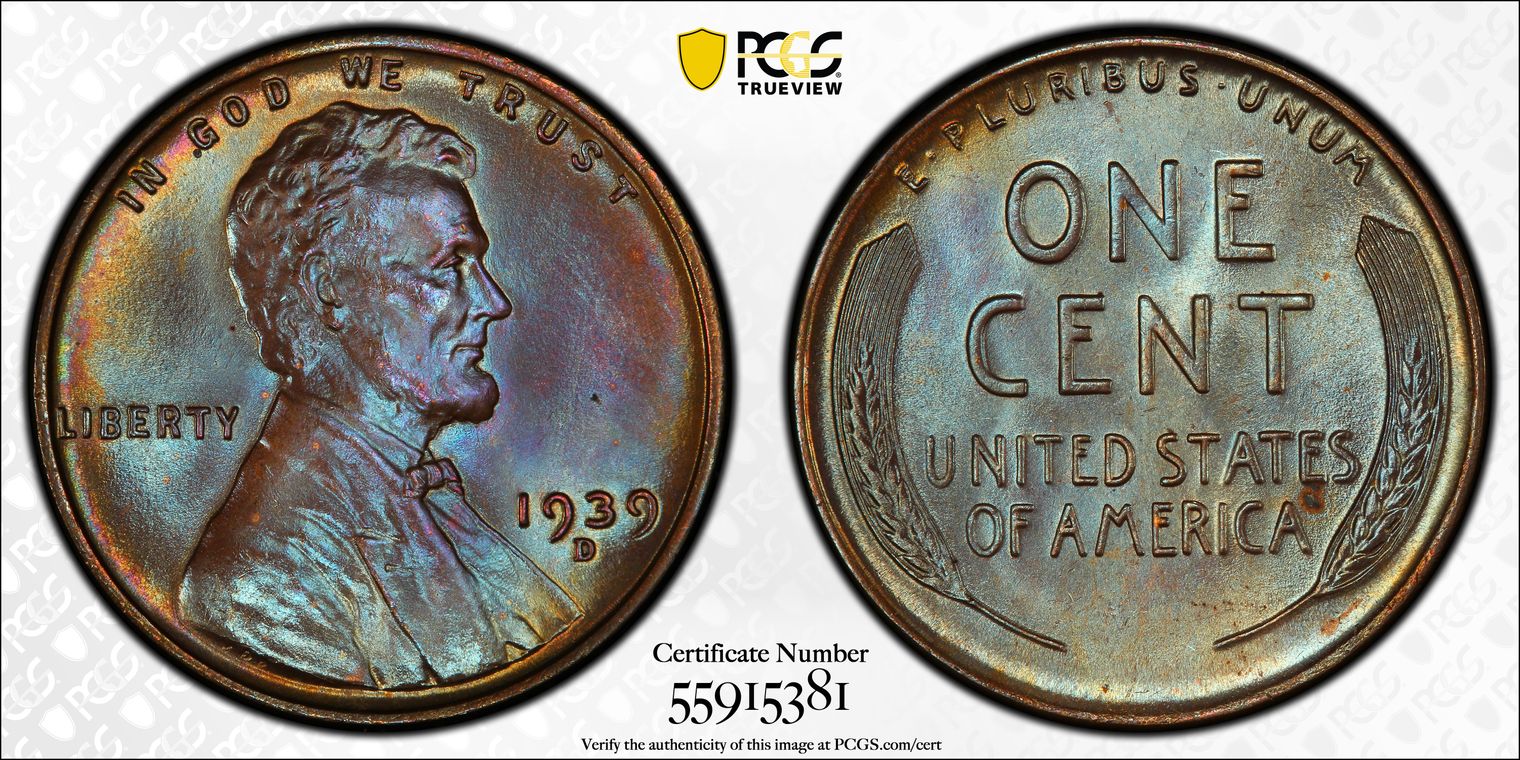
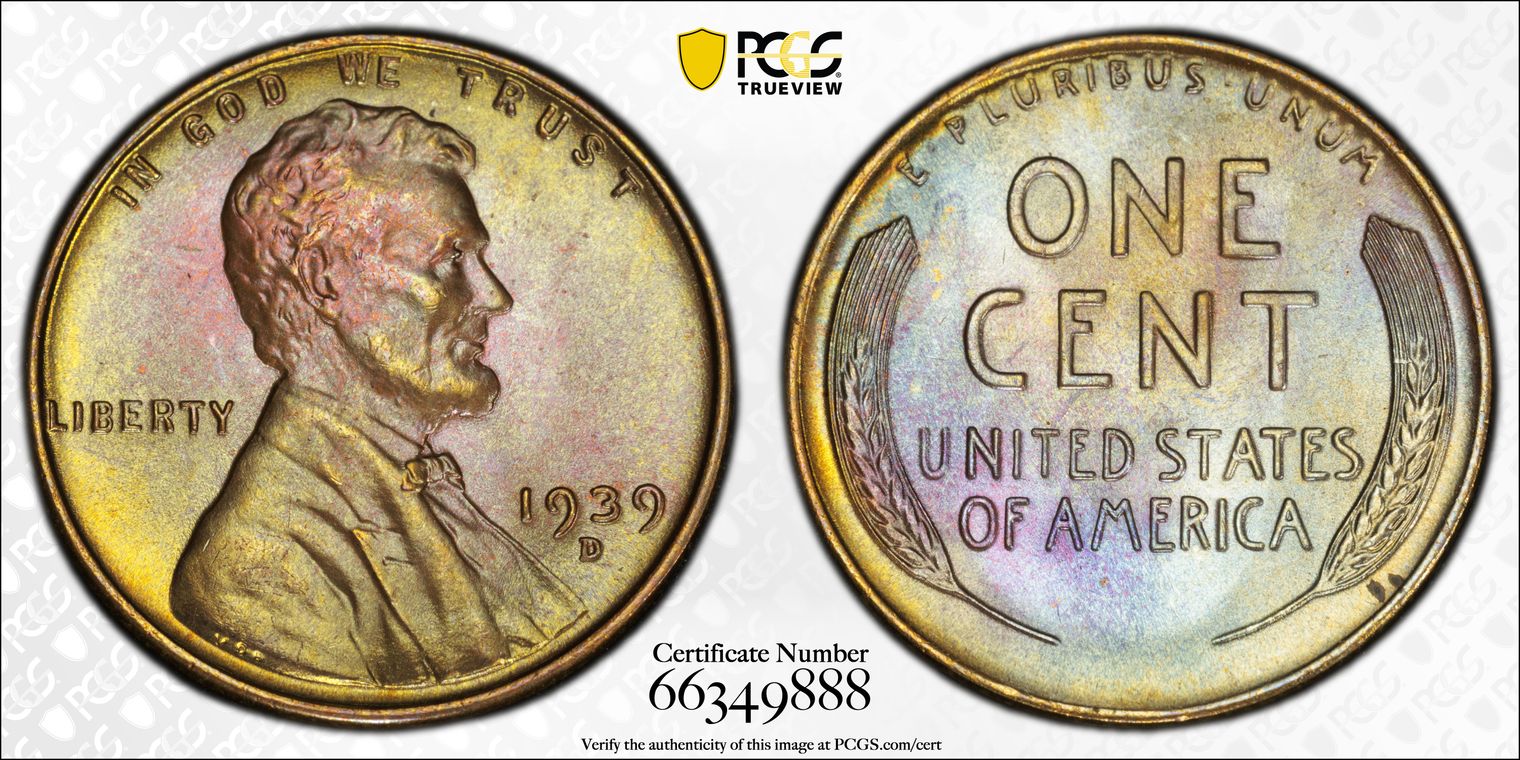
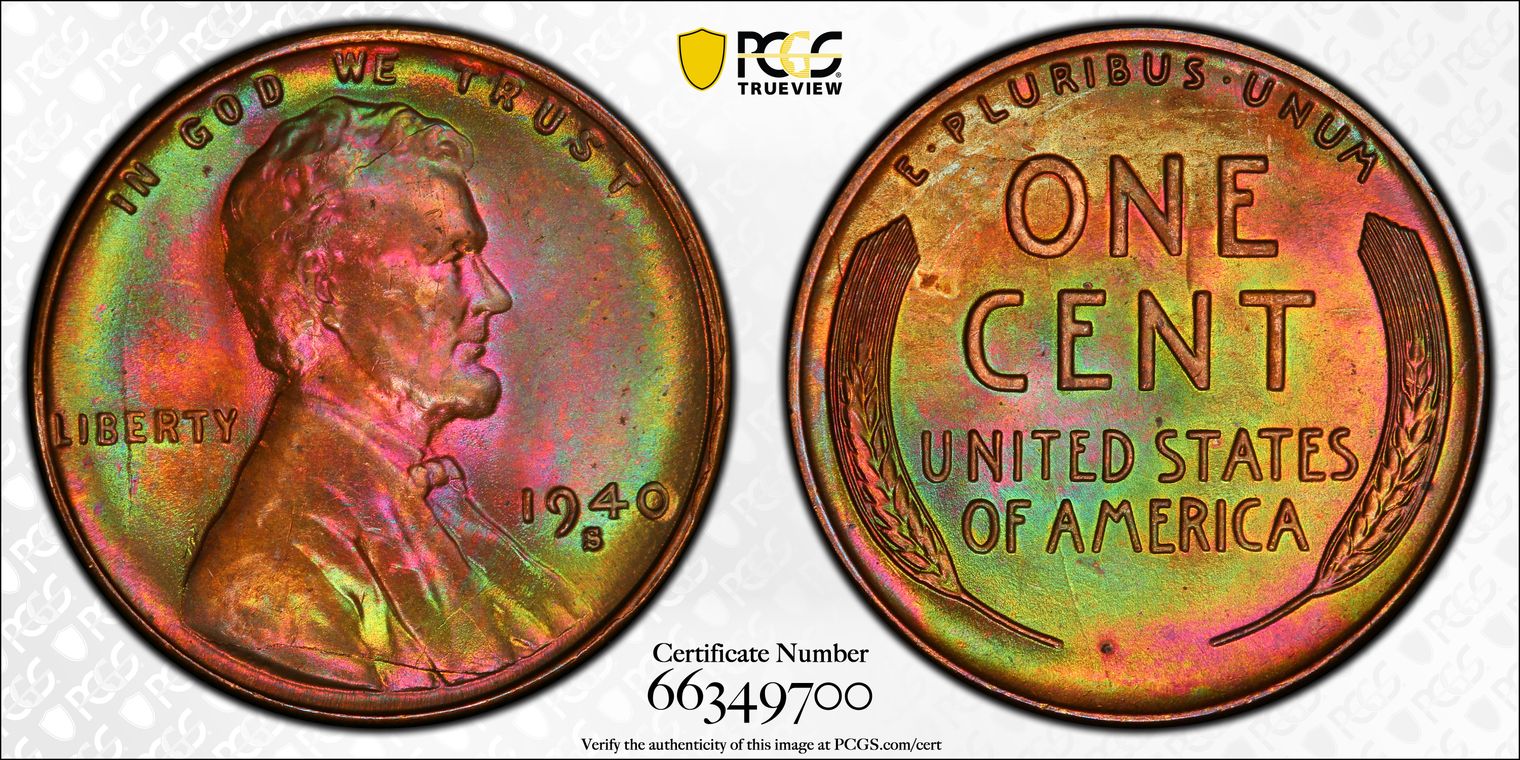
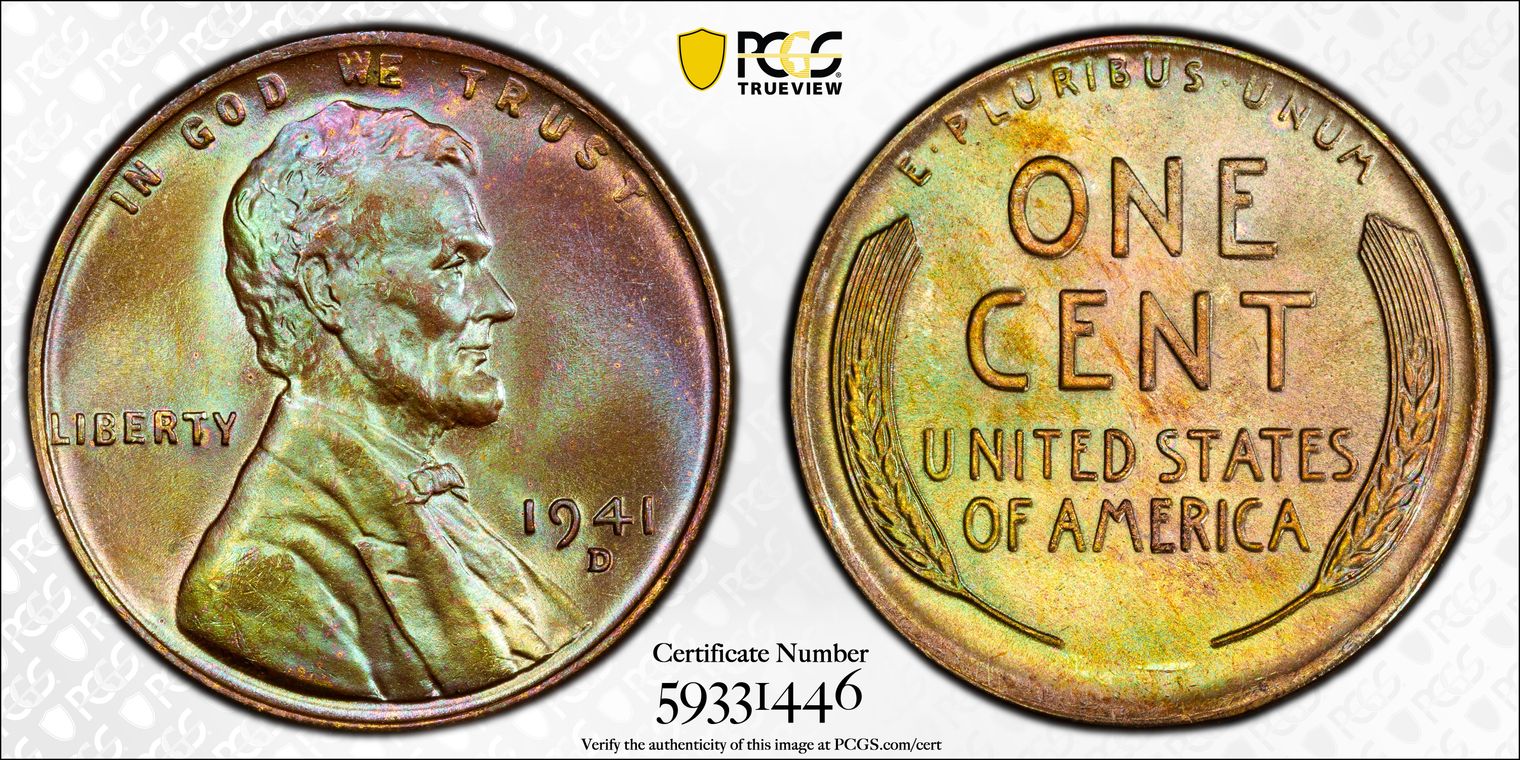
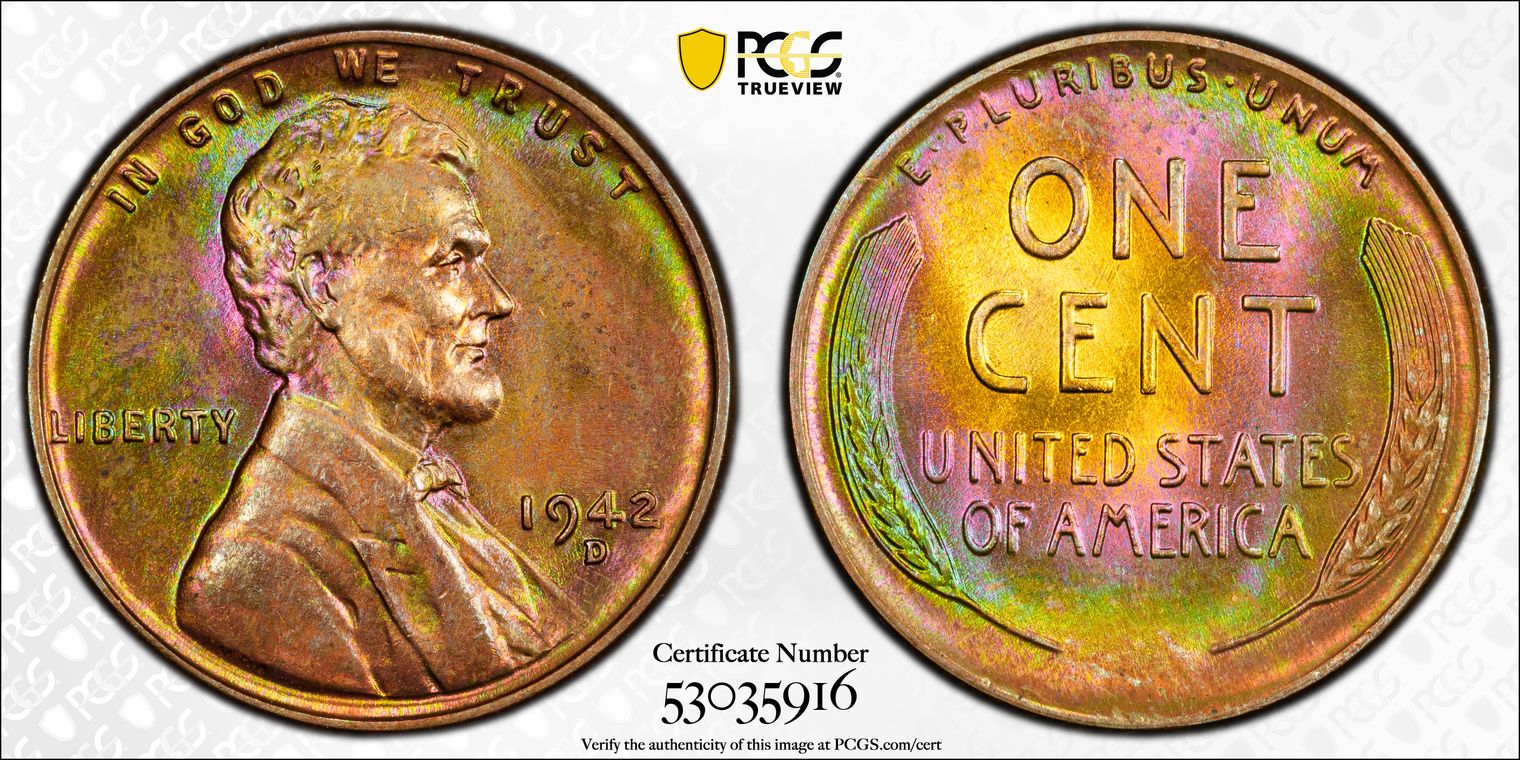
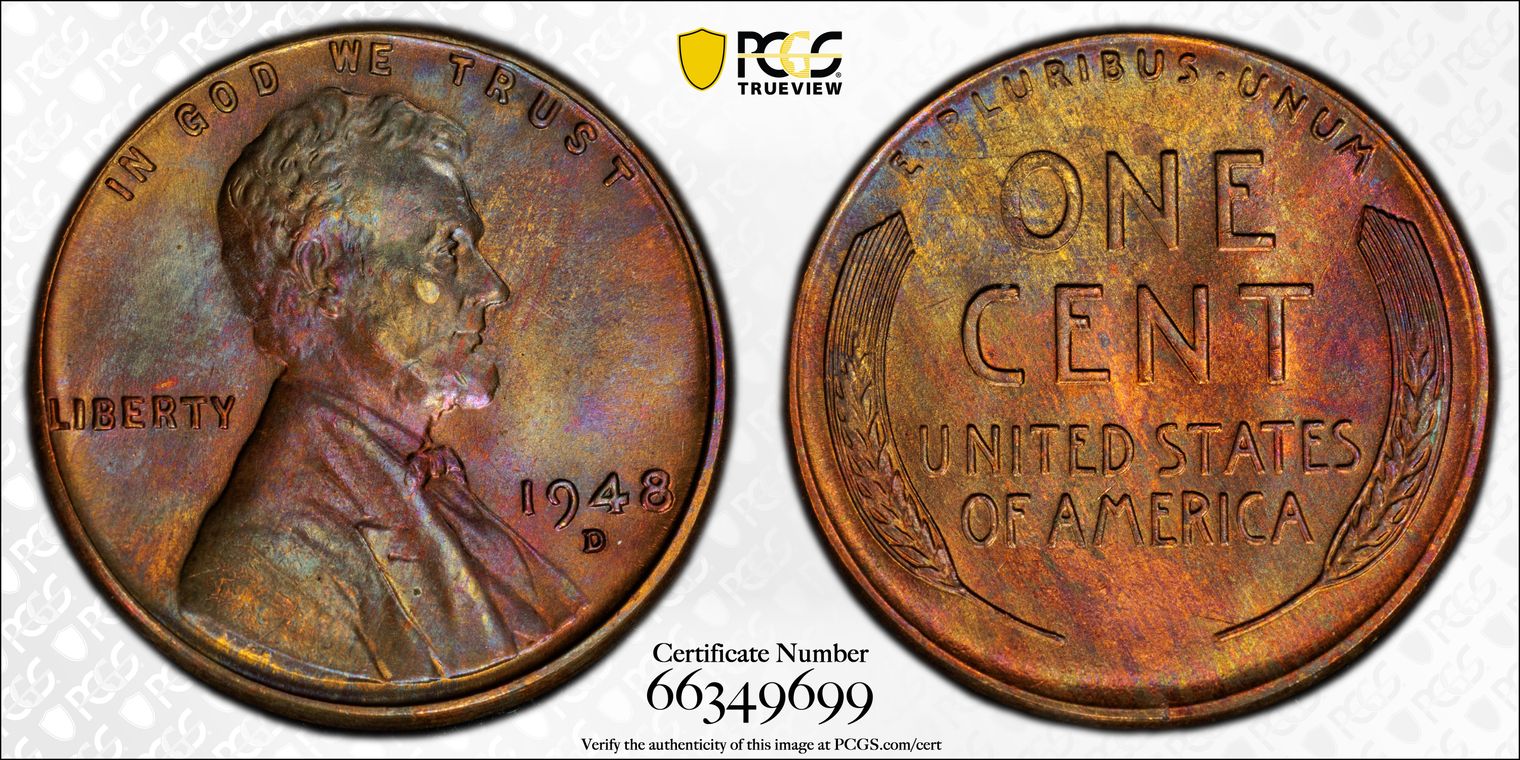
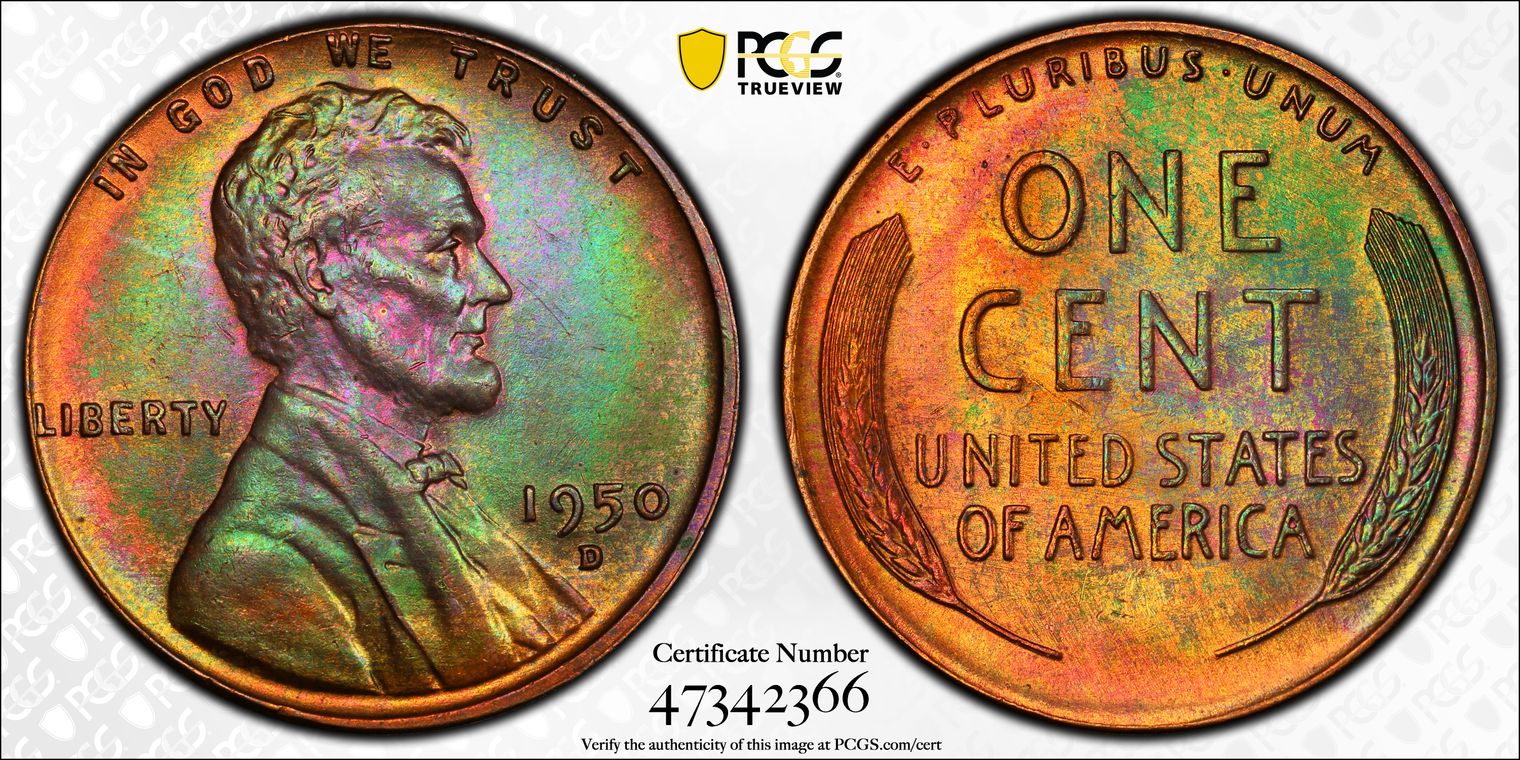
The 1950-D Lincoln Cent, struck at the Denver Mint, came during a postwar period of technological refinement in coin production, with generally strong strikes and smooth planchet quality. While high mintages make the date common overall, examples with standout visual character are far less typical. This PCGS MS64BN coin defies expectation with explosive toning in vivid shades of emerald, magenta, gold, and cobalt, covering both obverse and reverse in an almost neon-like radiance. The color saturation and sharp strike, particularly on Lincoln’s profile and the wheat ears, give this piece exceptional eye appeal that far exceeds its numeric designation.