



[email protected]'s Coin Album
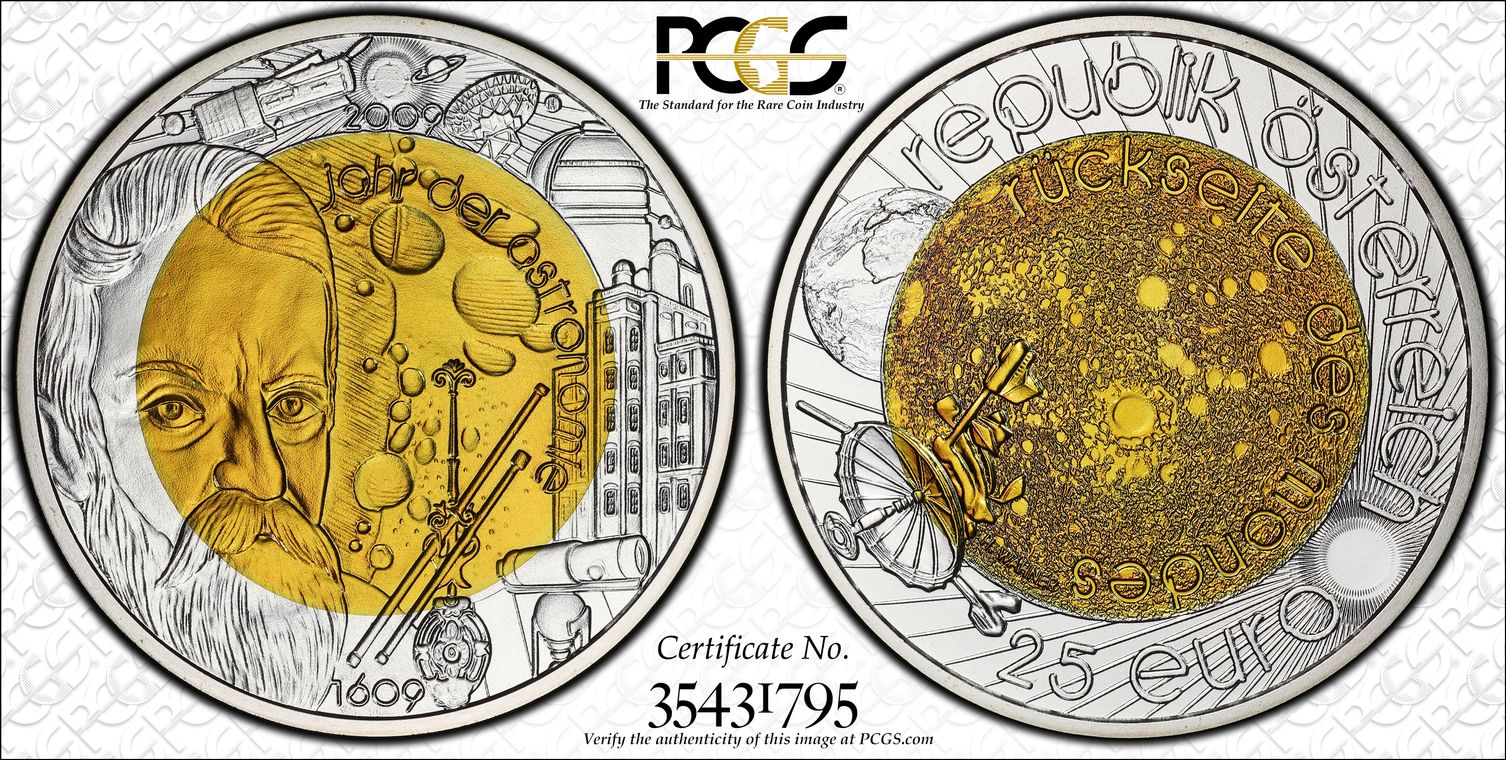
The reverse of this Astronomy coin depicts a deep space probe in the model of Pioneer, Voyager or Cassini. Such probes use a Radioisotope thermoelectric generator (RTG) which uses the decay heat from a pellet of glowing Plutonium.
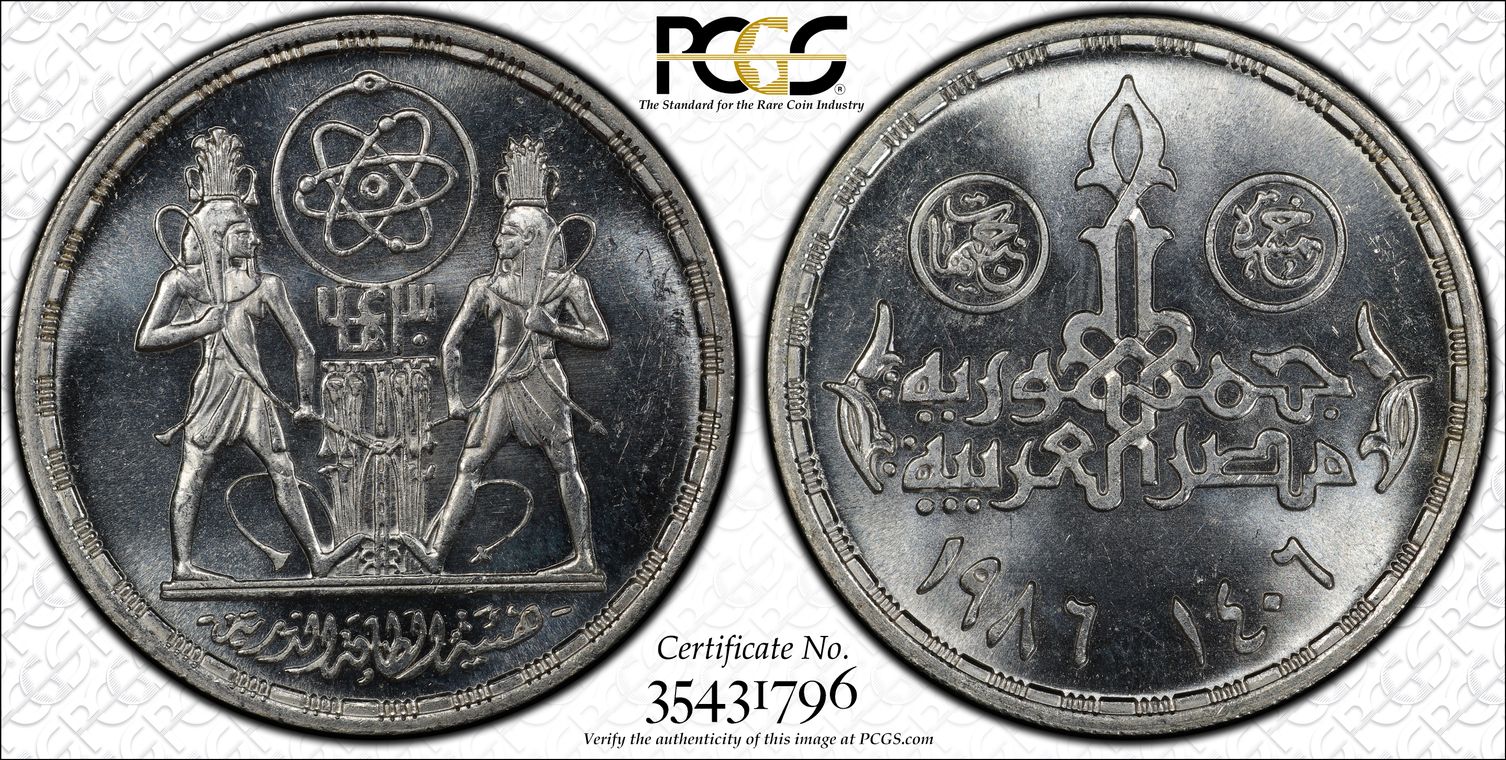
A coin commemorating plans for nuclear power in Egypt. Such optimistic displays on coins end abruptly in 1986.
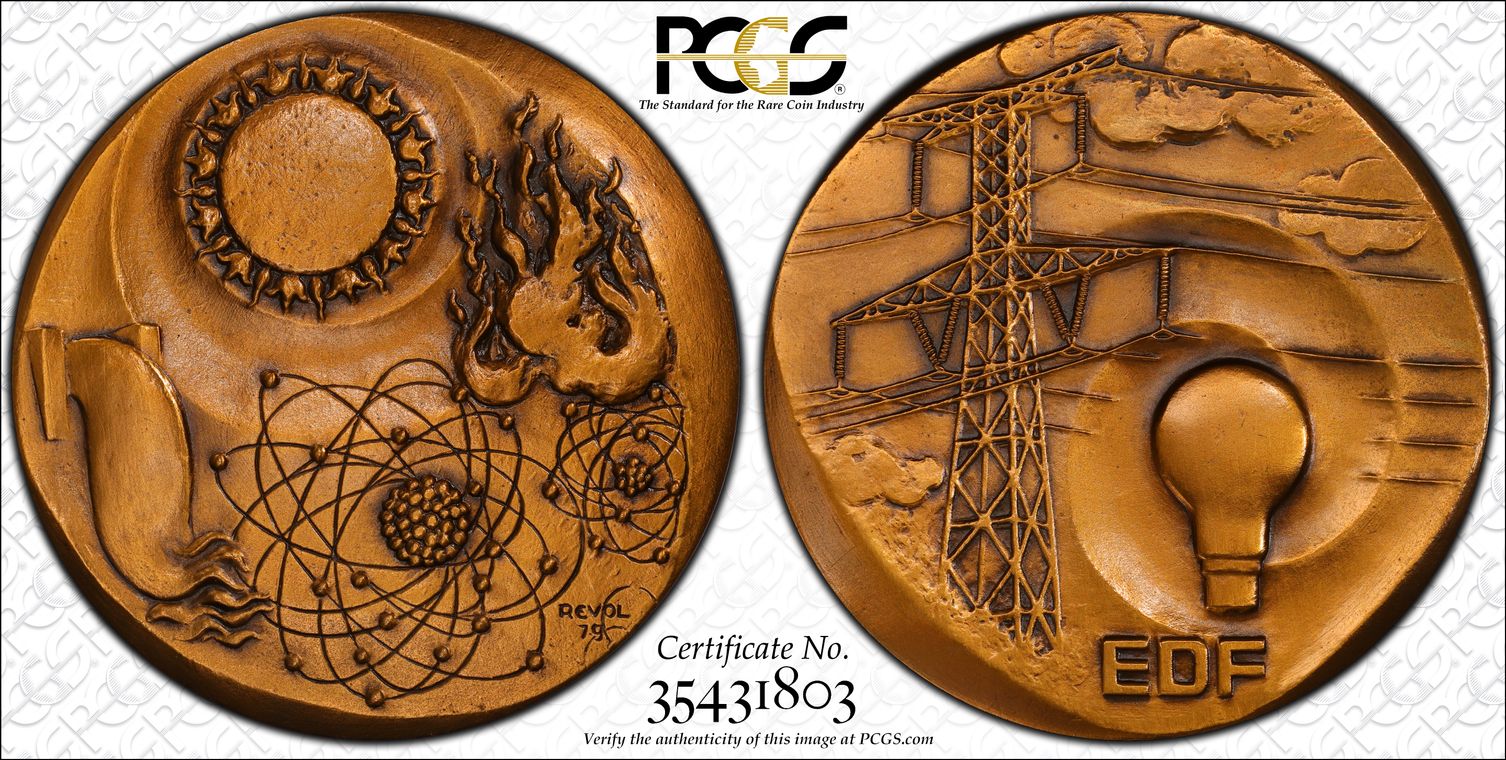
“No oil, no gas, no coal, no choice.” During the energy crisis of the 1970s France found itself in a terrible bind: Its hydro capabilities were tapped, it had no coal or natural gas resources, and it was mercilessly dependent on oil imports for most of its power. The solution to this problem became known as the Messmer Plan, named after the French Prime Minister of the time. It was a massive buildup of nuclear power to make the nation more energy independent. It worked. France now enjoys some of the lowest electricity costs in Europe, has reliable power, and has a grid that has been almost completely decarbonized (without it even being the goal). This ought to be a climate strategy for nations to provide growth and prosperity for populations, but it is not viewed as such in the West. Ignorance, bad press, and outdated utility models are putting US nuclear plants, which produce 60% of our CO2 free electricity, at risk. They have, and will continue to be replaced with cheaper natural gas. I dont know the way forward, but I do know that this technology remains vital for our future. If you want to learn more watch “Pandora’s Promise” on Amazon Prime Video.
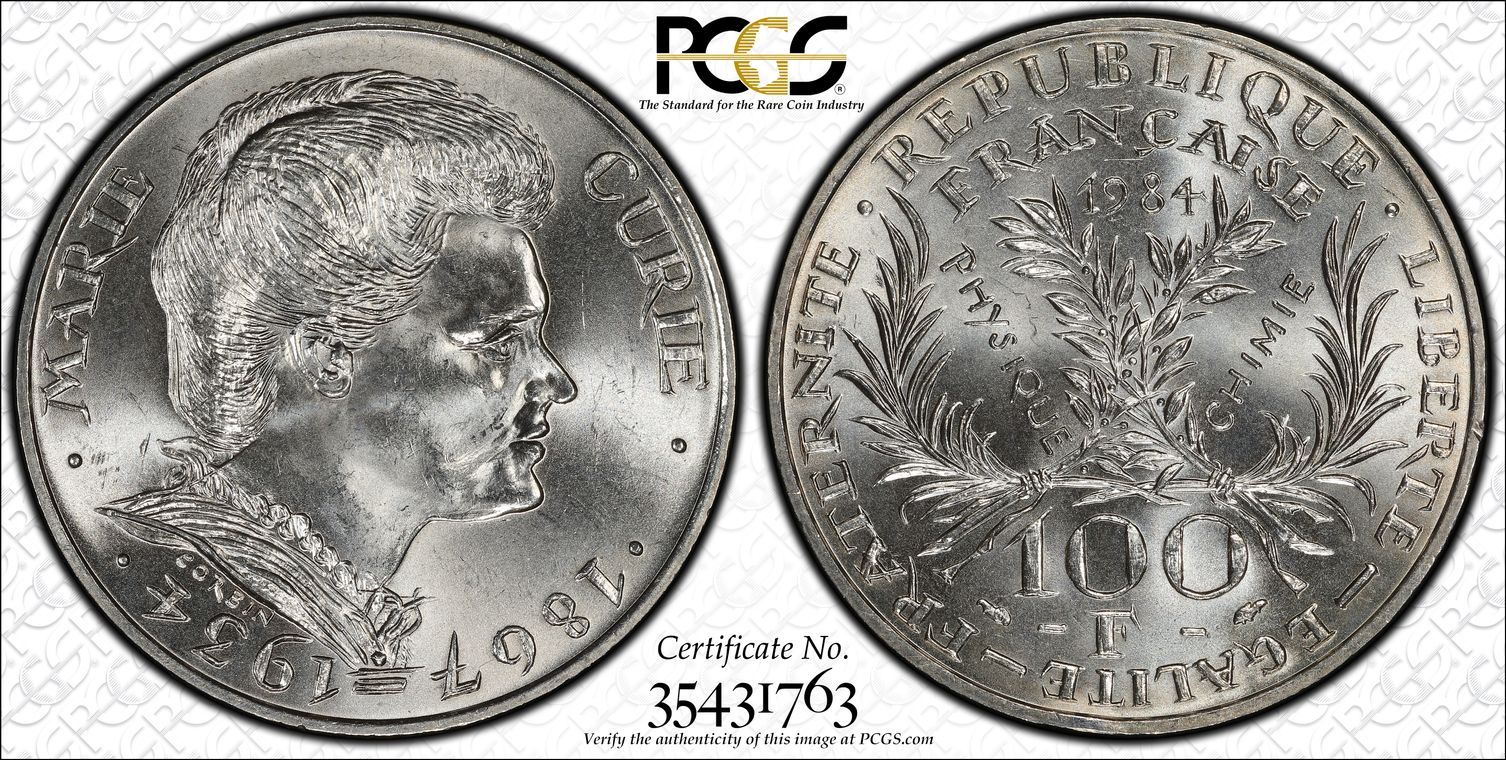
Renowned chemist Marie Skłodowska Curie, who recognized the concept of radioactivity, creating a new field in science.
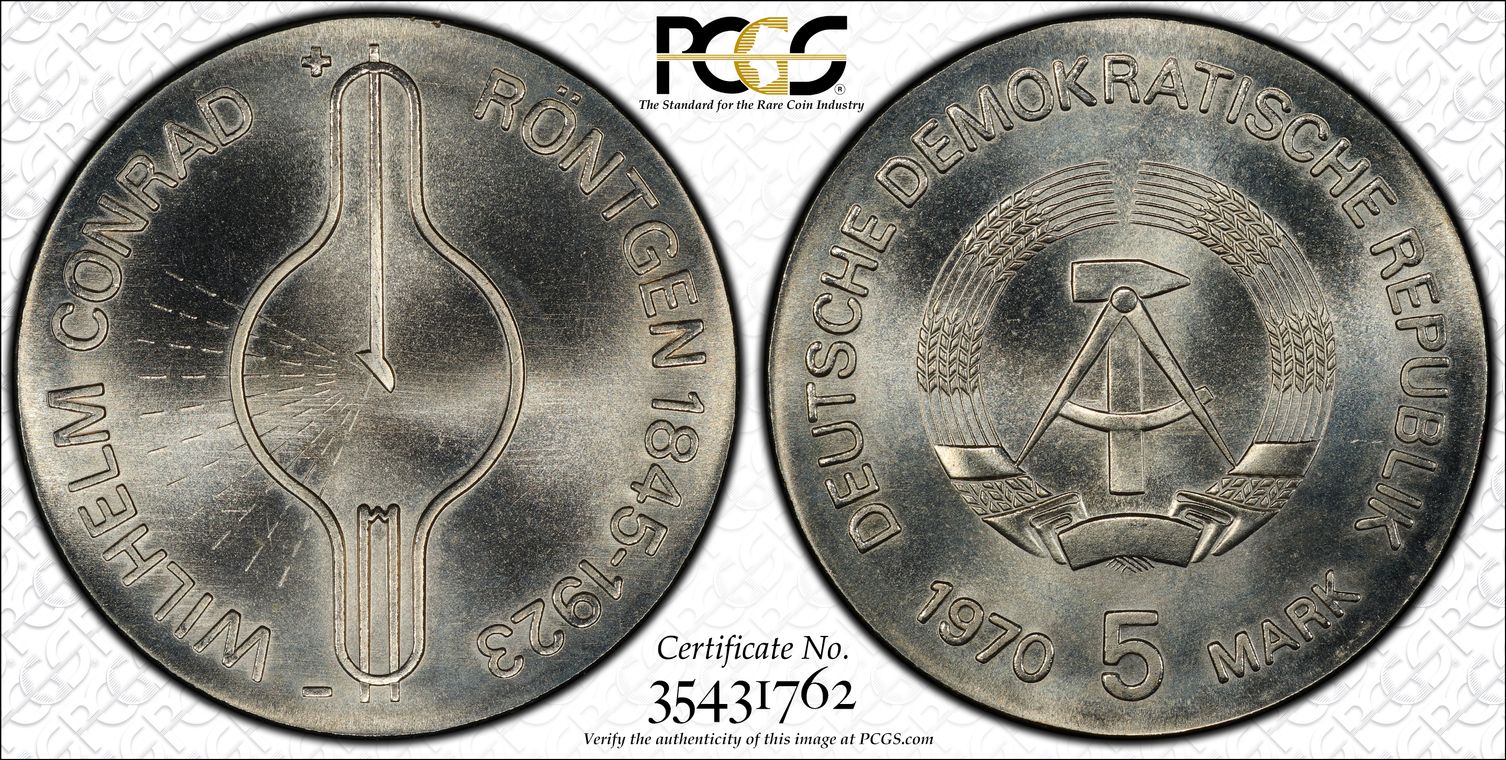
Diagram of Röntgen’s X-ray vacuum tube. Röntgen became the first winner of the Nobel Prize for physics.
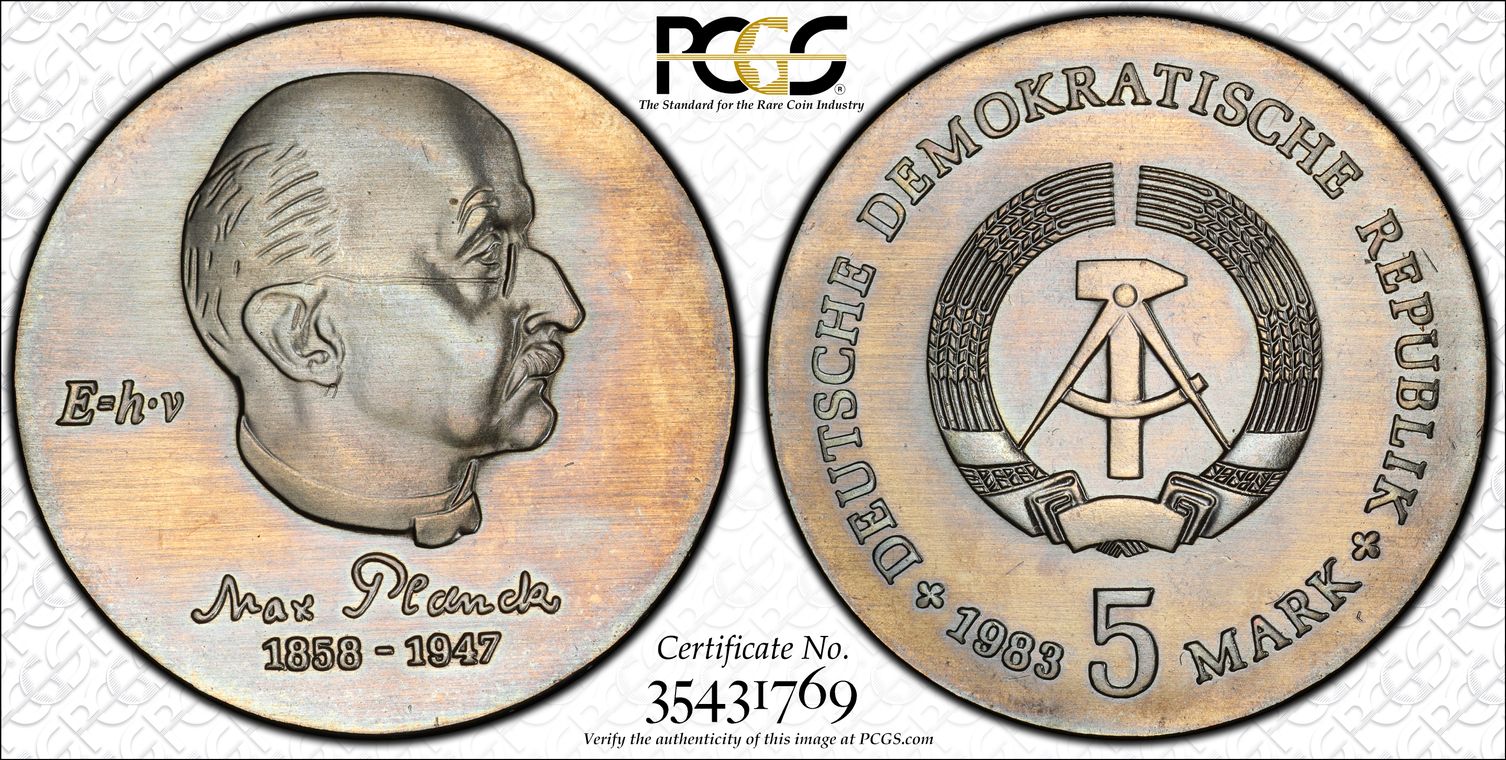
I hazard to include Max Planck, however his work in expanding Atomic Theory and Quantum Theory was instrumental in the discoveries to come.
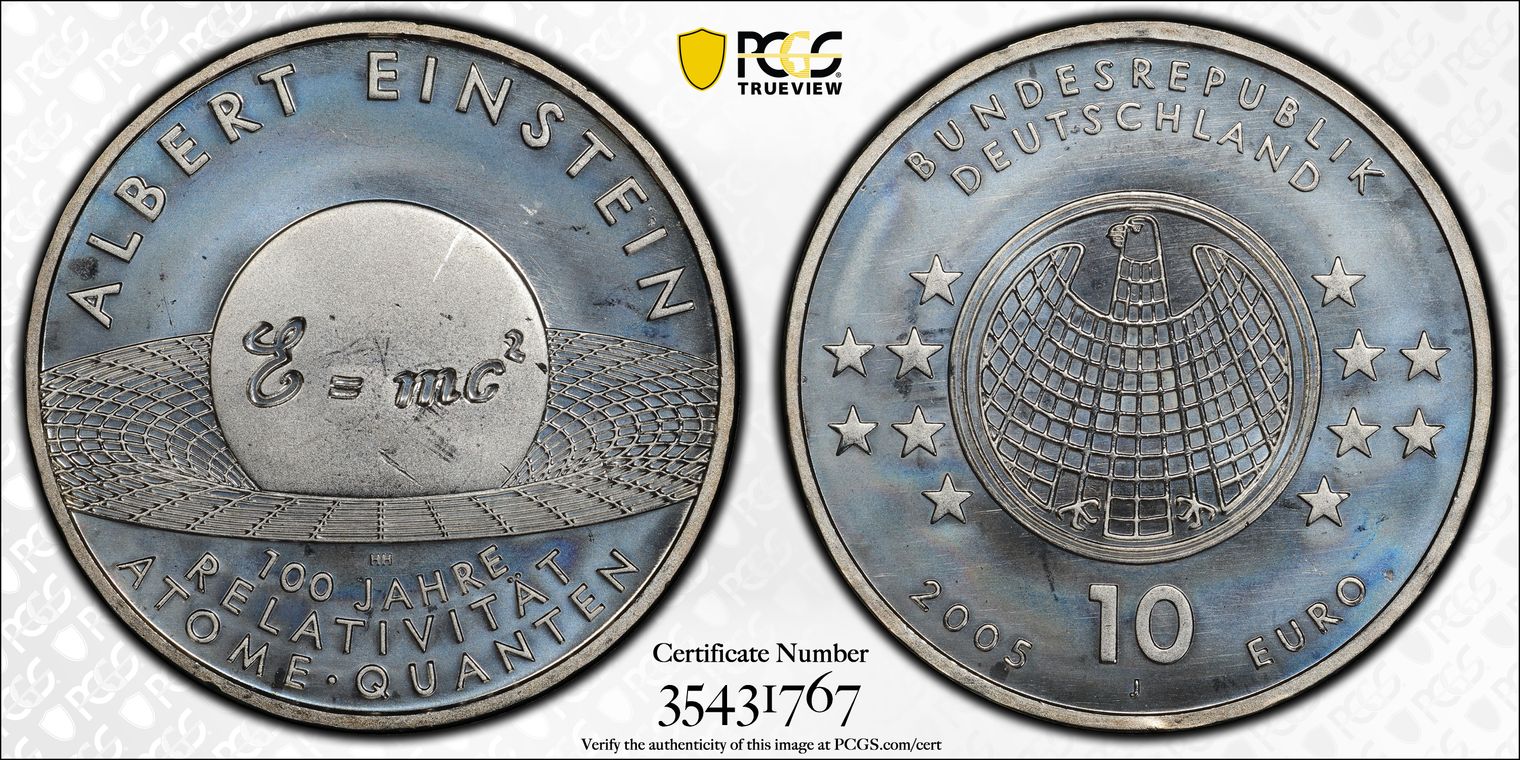
Relativity. E=mc2. Einstein’s discoveries into the nature of matter and energy ushered in a new era of understanding and possibility.
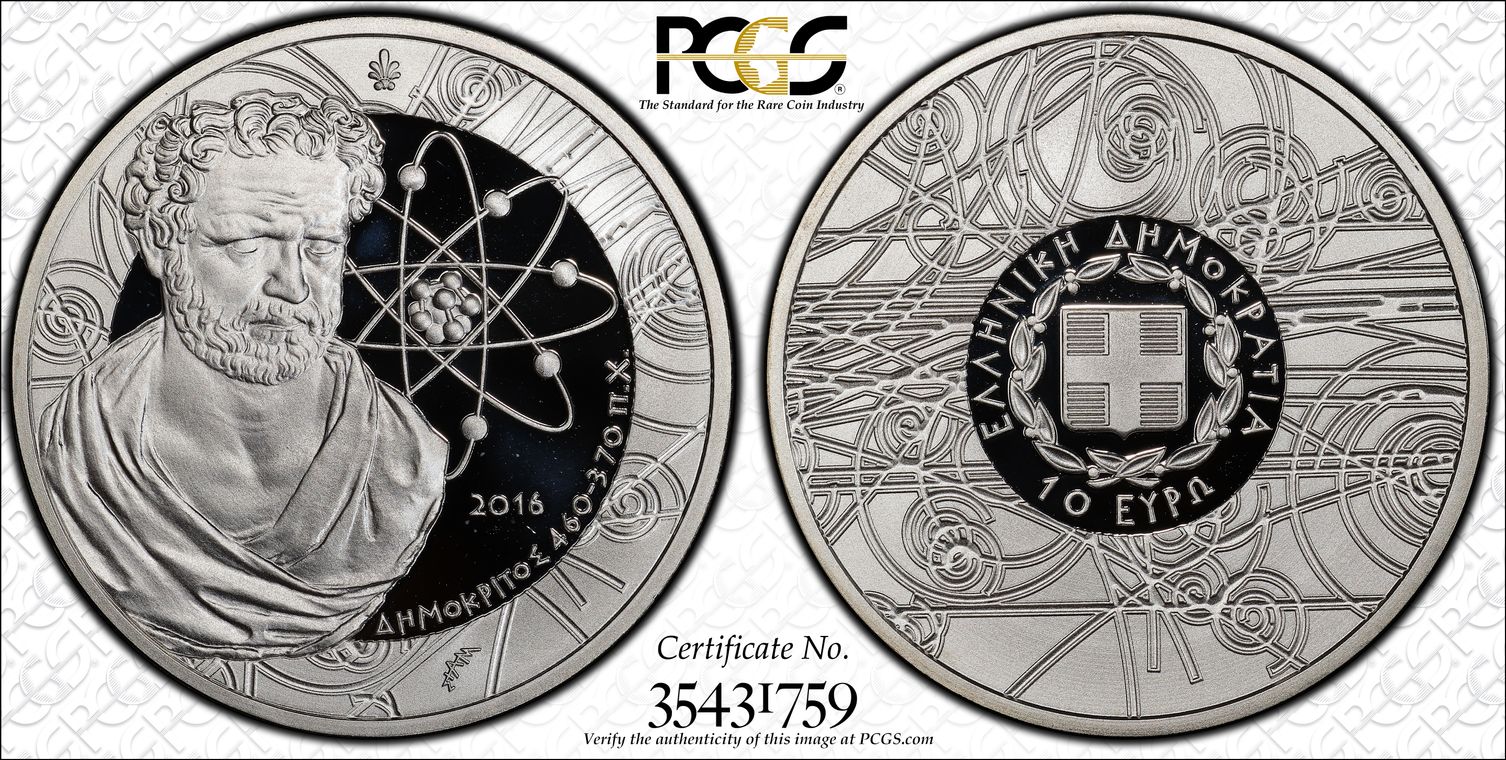
The birth of a primitive concept of Atomic Theory from Democritus, the Laughing Philosopher.
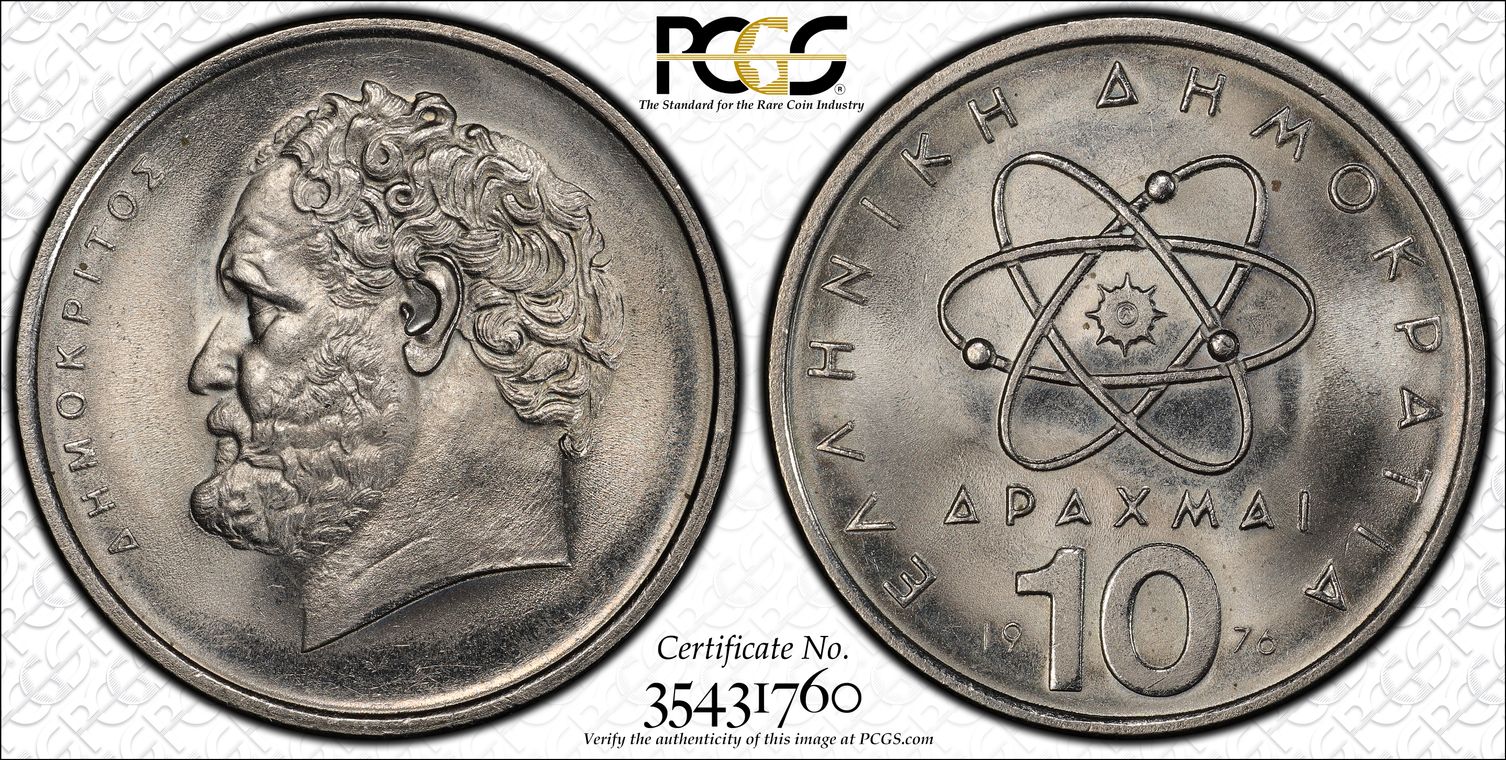
Many consider Democritus the father of modern science.
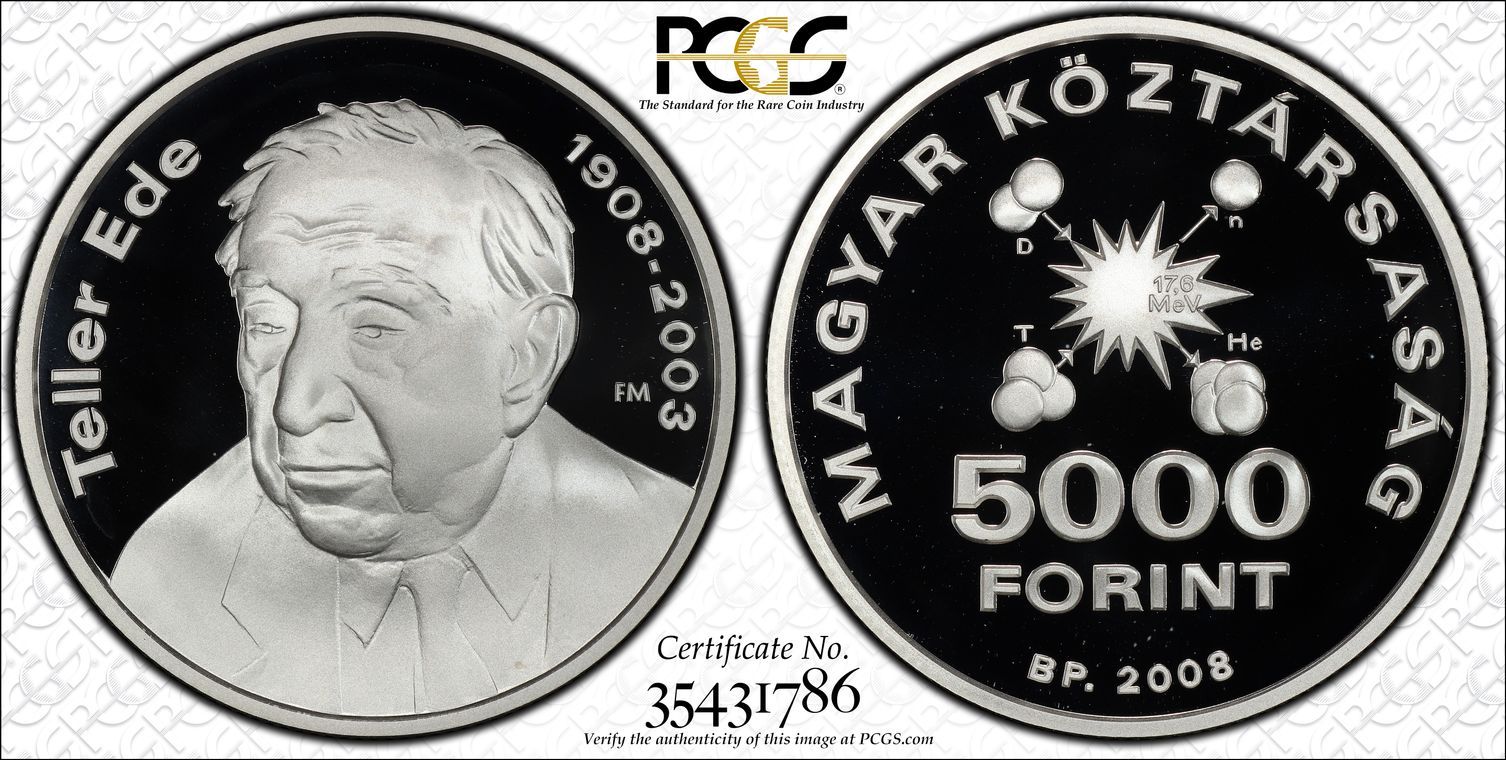
Intelligent. Charismatic. Controversial. Edward Teller, Father of the H-Bomb. Rumored to be an inspiration for Dr.Strangelove, his zealous enthusiasm for nuclear technology troubled many.
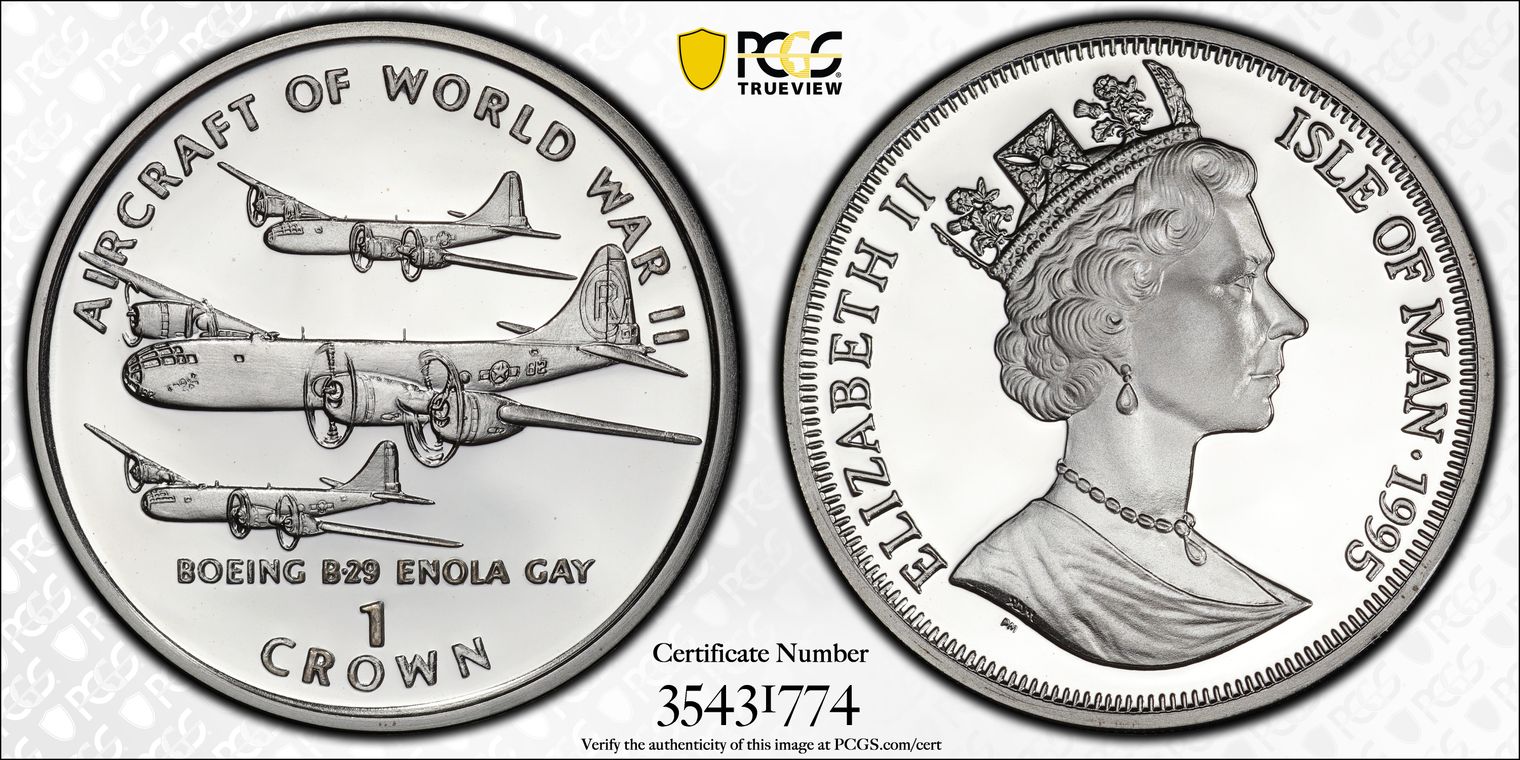
A ridiculous coin that reduces the gravity of what the Enola Gay participated in into that of a mere trinket. Recommended reading: “The Making of the Atomic Bomb.” by Richard Rhodes.
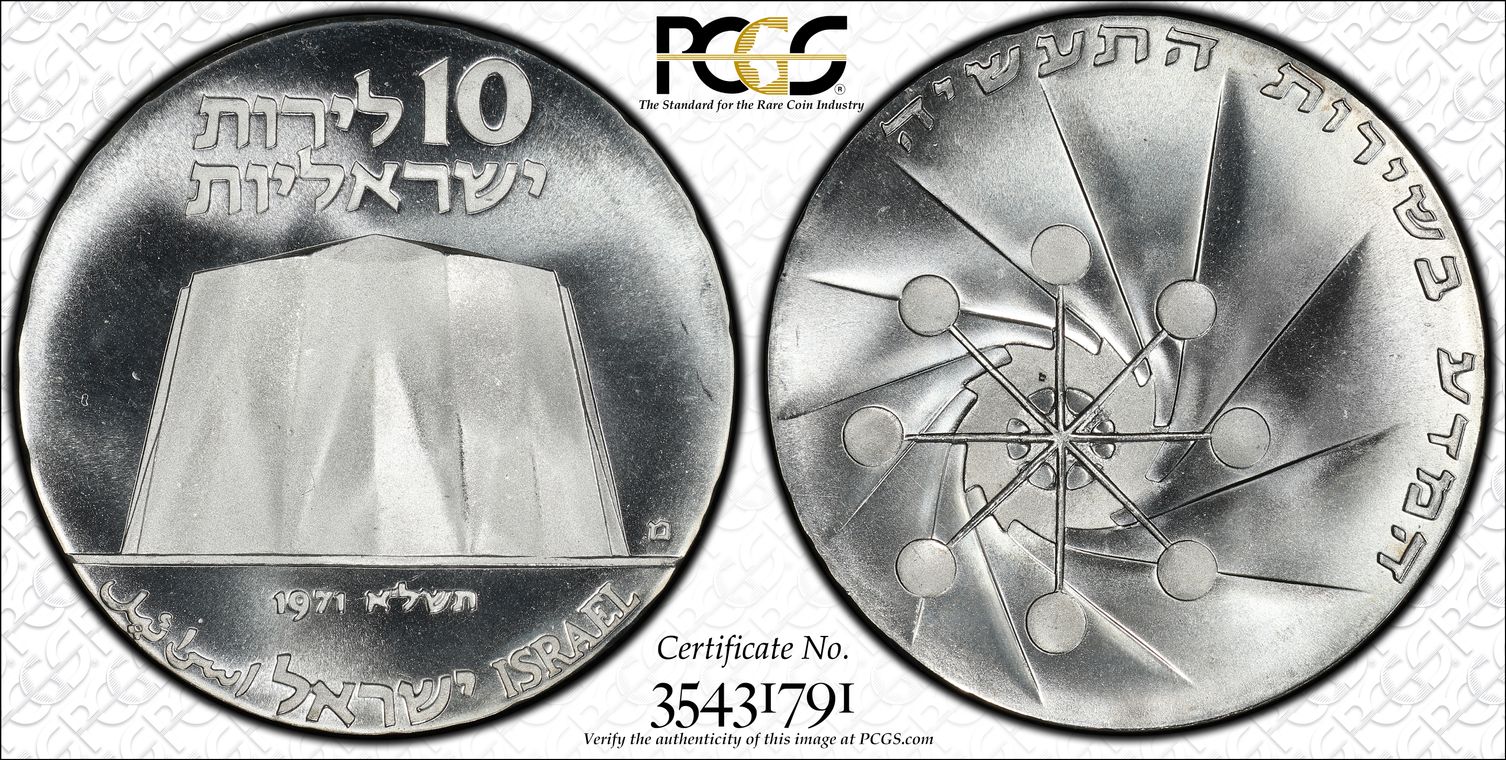
This stylized reactor and atom model also shows the optimism governments had for nuclear power. But despite Israel’s early intentions, no plants have been built (although they have research reactors).
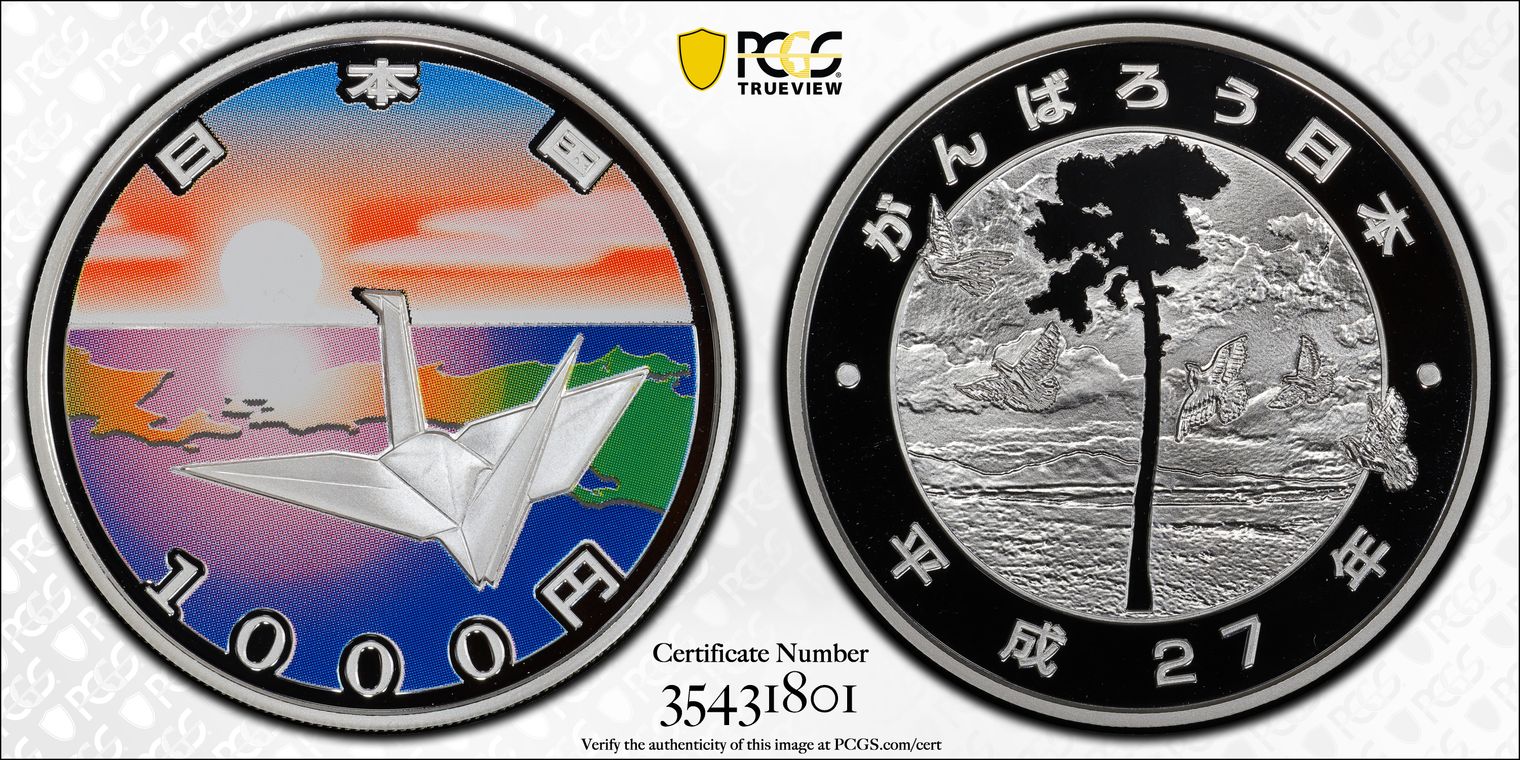
On 11 March 2011 Onagawa Nuclear Plant was struck by the Tōhoku earthquake and tsunami. The reactors shut down, and cooled, and the facility’s gymnasium protected locals in the chaos. Further from the epicenter to the south is Fukushima Diiachi, which fared poorly. Cleanup at Fukushima continues, towns are slowly being repopulated, food is being grown in the prefecture; but misinformation and hysteria about it still pervades online. The reality is that the health and environmental effects of the triple-meltdown has been minimal, and nothing compared to the damage, death and climate disruption from everyday burning of fossil fuels.
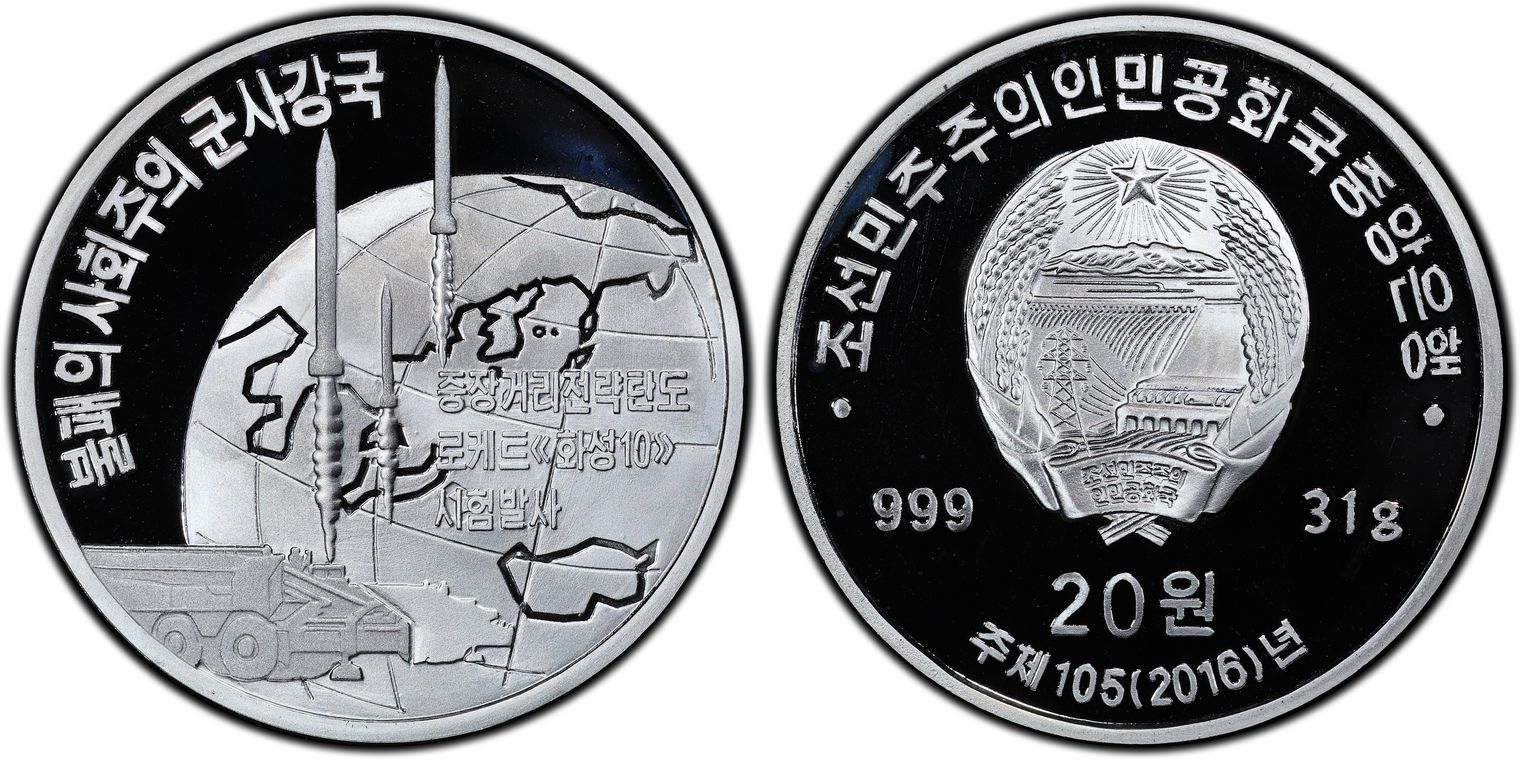
A 2016 North Korean coin commemorating a Hwasong-10 medium range ballistic missile test. The threat from North Korea remains tense, and in flux. While the recent prospect of denuclearization is attractive, what parties conceive of in the meaning of denuclearization is at odds.
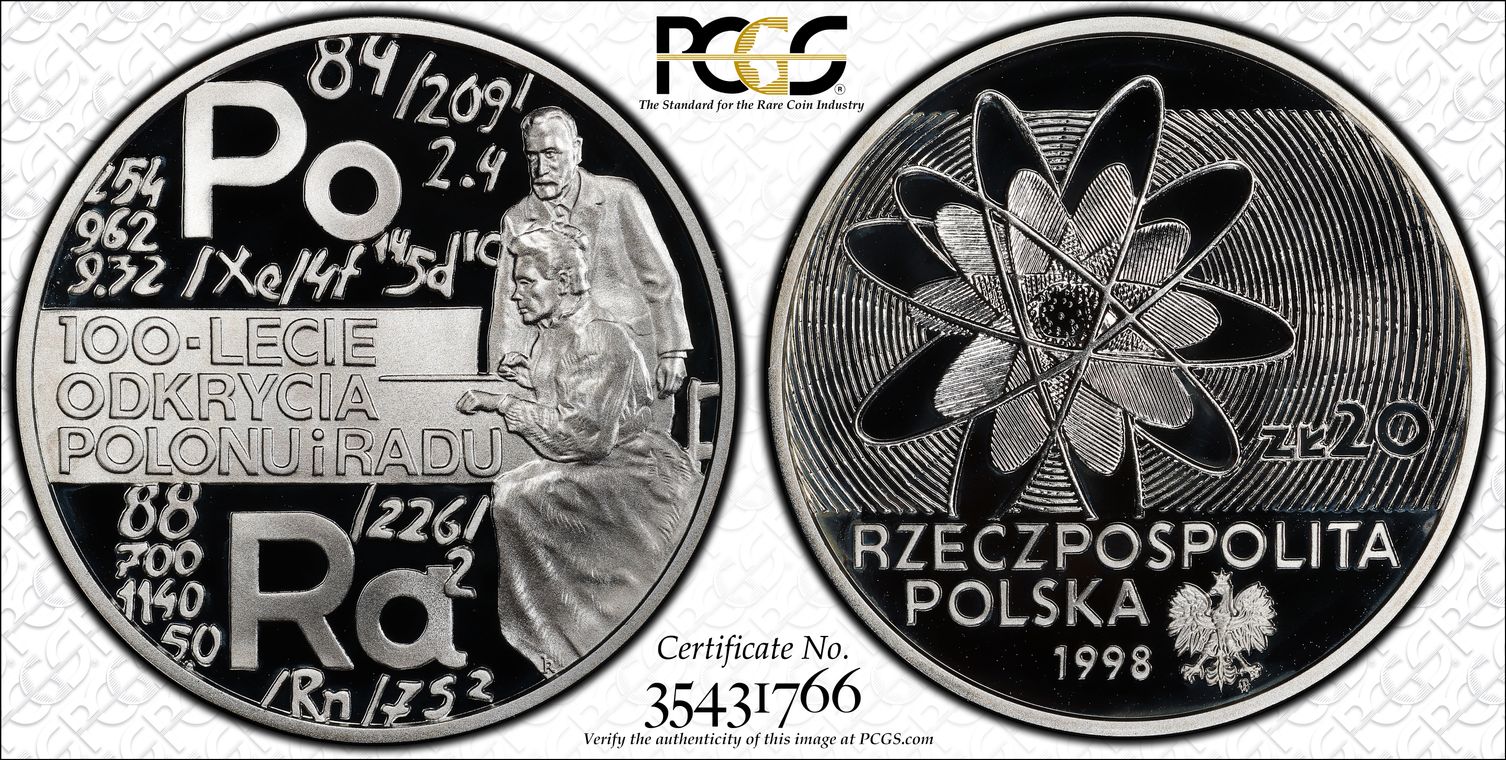
Marie and Pierre Curie, and a depiction of the discovery of Radium and Polonium. Radium was soon used as an early form of radiation therapy along with X-ray radiation.
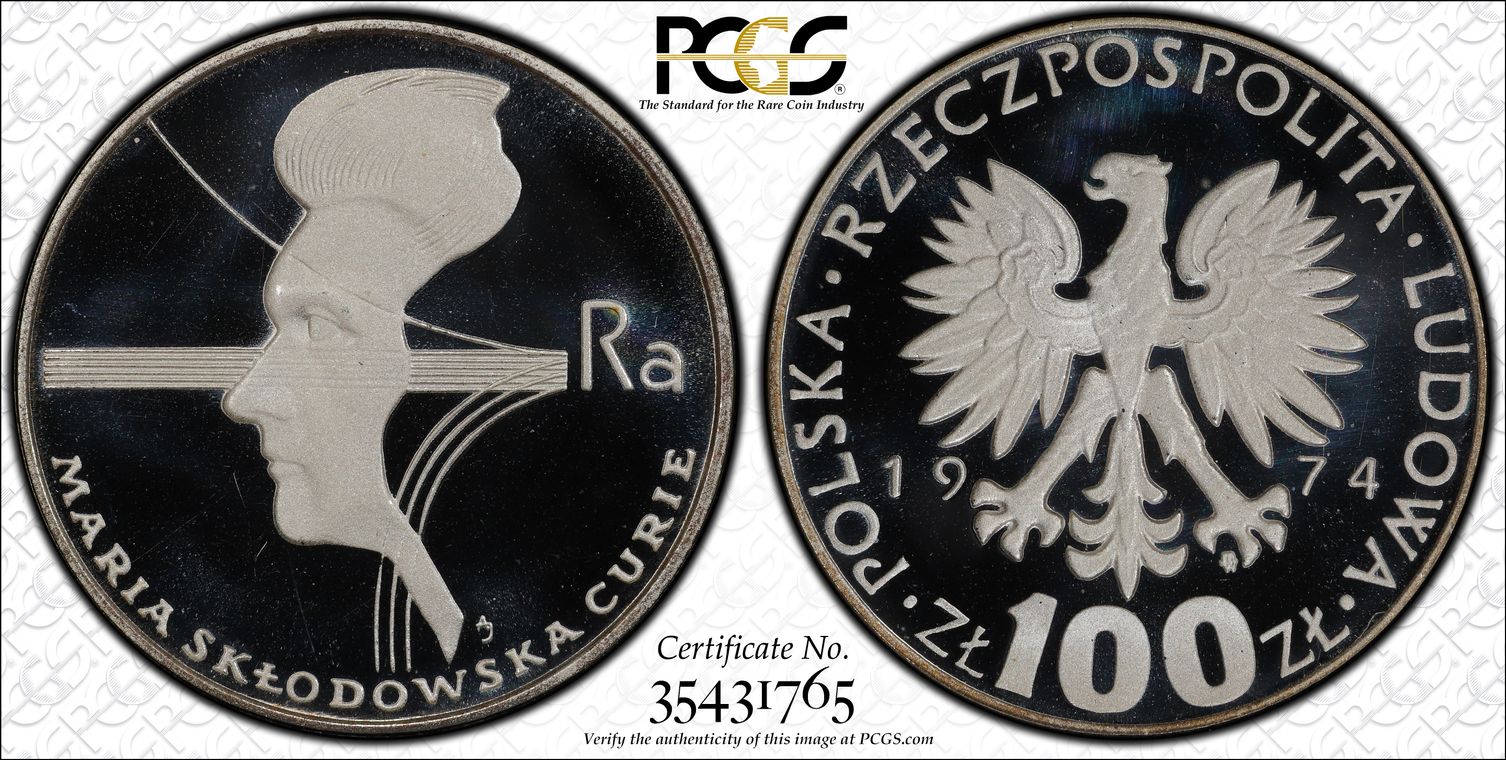
This Curie coin displays the concept of alpha, beta, and gamma radiation.
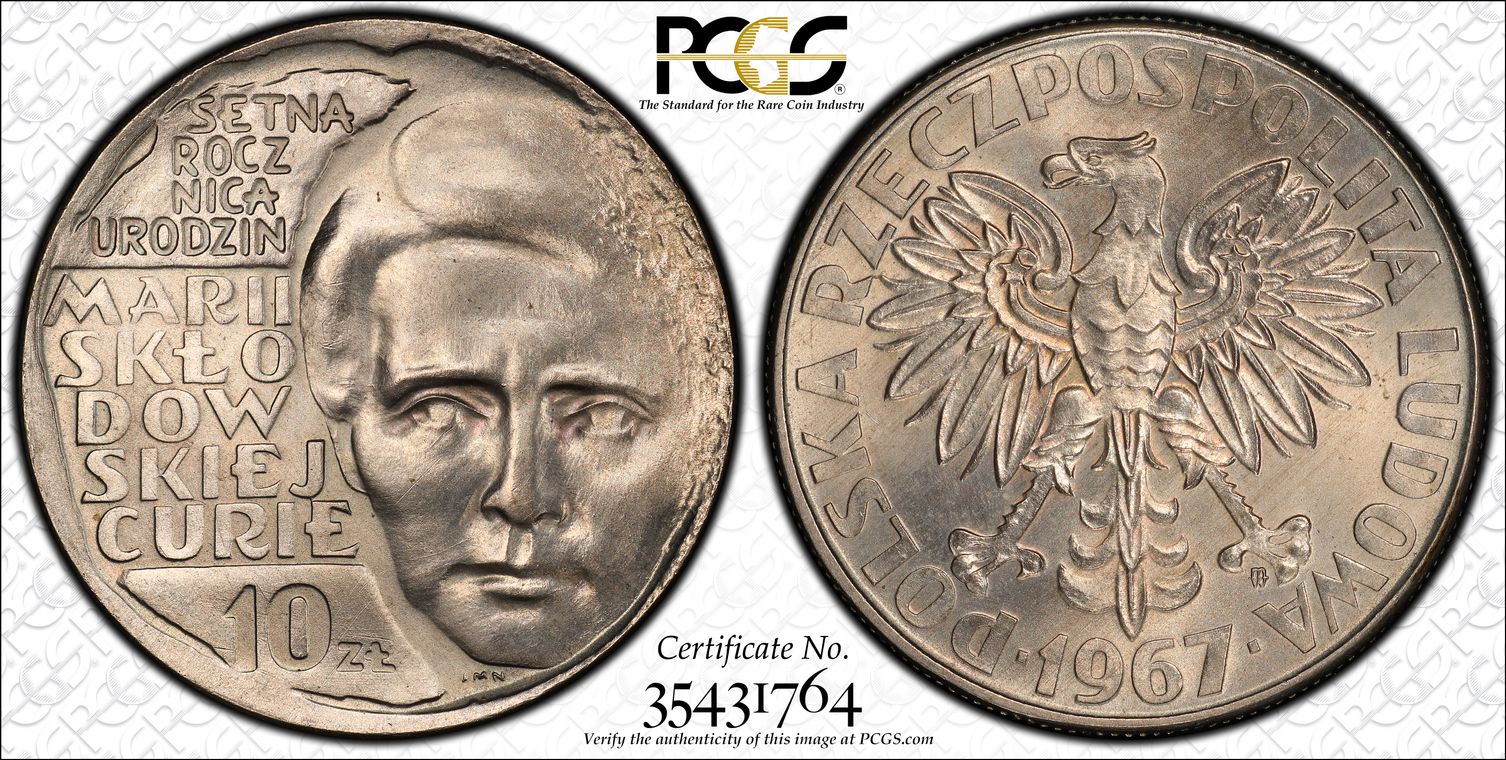
Winner of the Nobel Prize. Twice! Her daughter Irène was also a Nobel Prize winner for Chemistry.
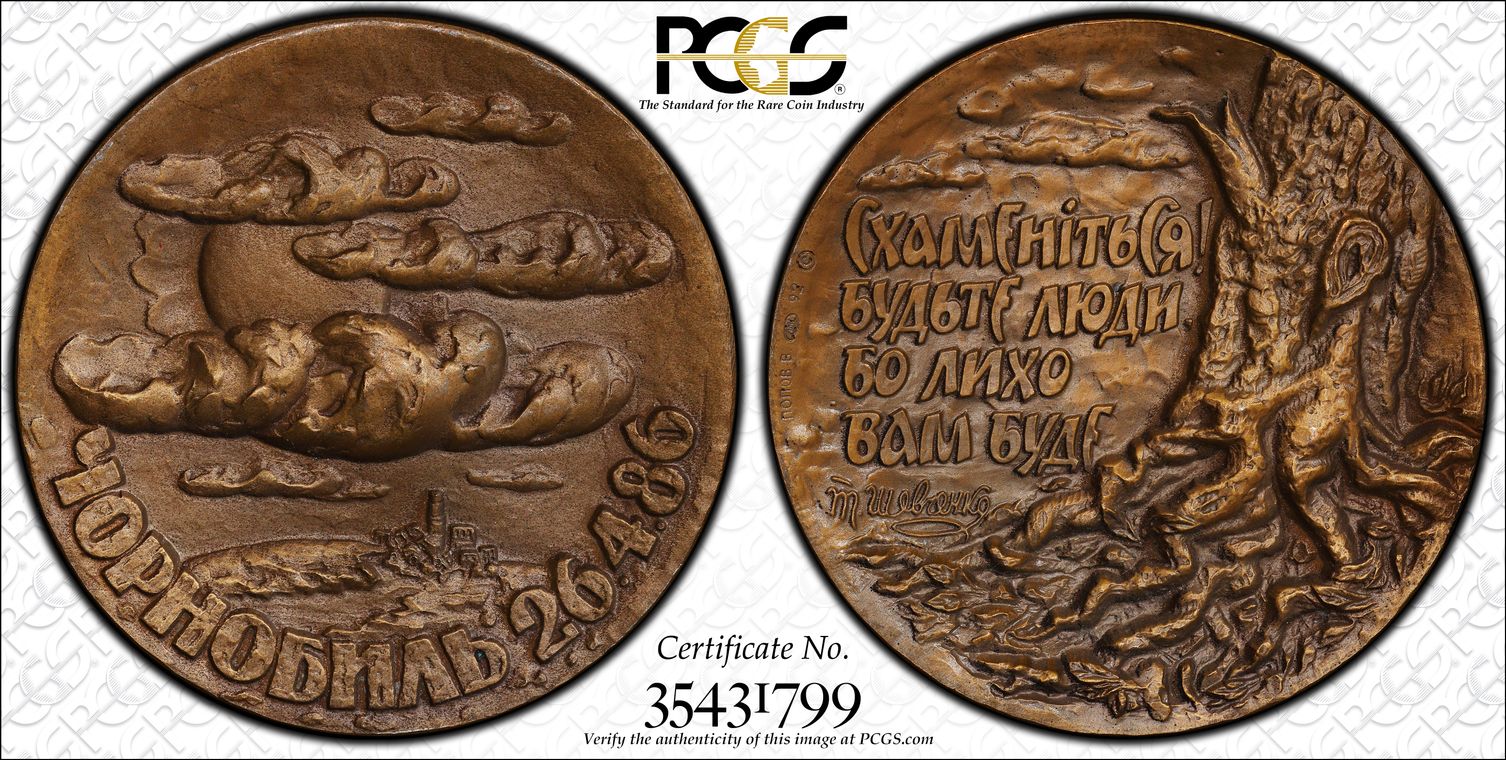
“Keep your wits about you! Be a human being, for evil is impending“ says this Russian/Ukranian medal remembering the tragedy.
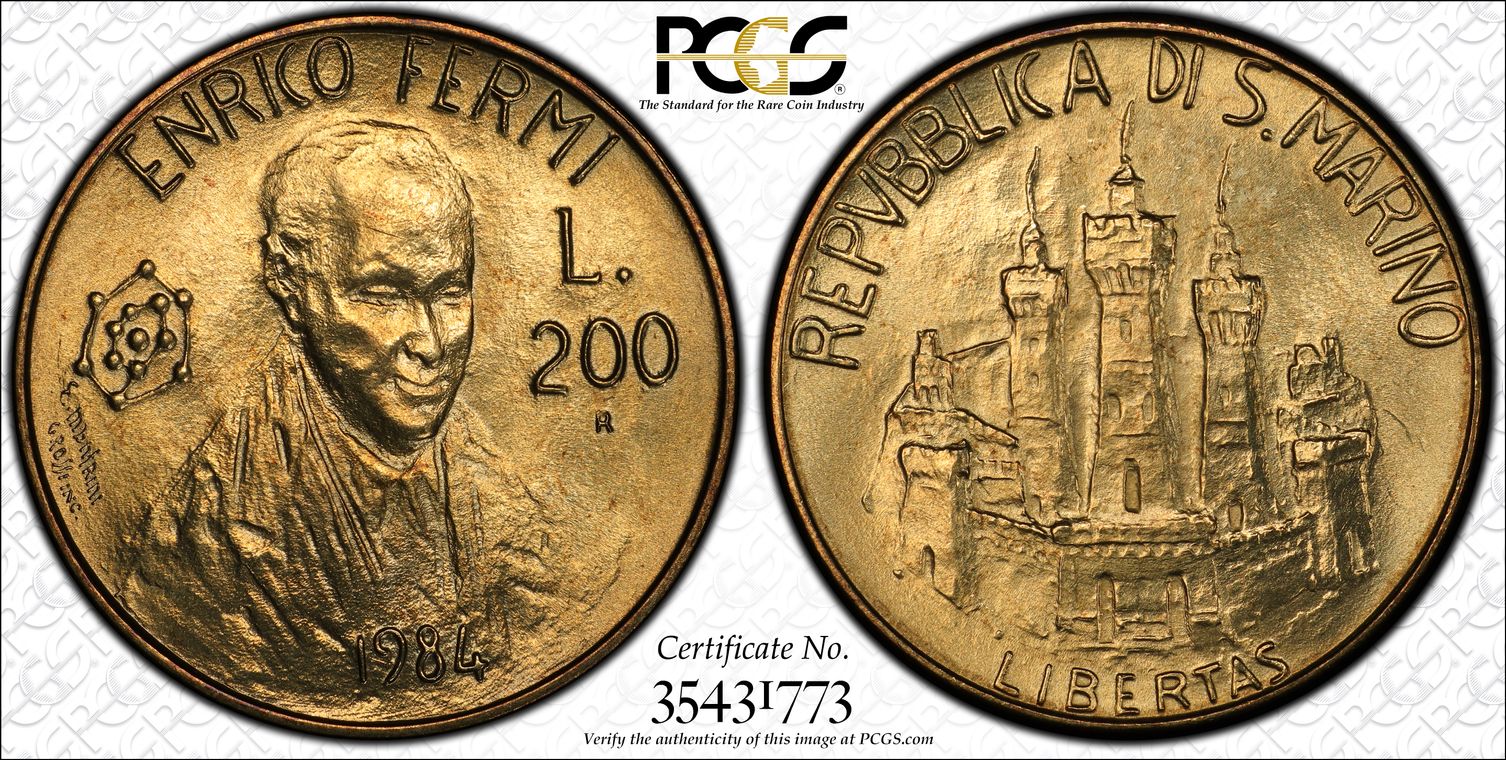
The brilliant Enrico Fermi, who built and tested the first reactor, Chicago Pile 1, or CP1 in 1942. It was the first self-sustaining nuclear reaction, and was a proof of concept that set The Manhattan Project into full swing.
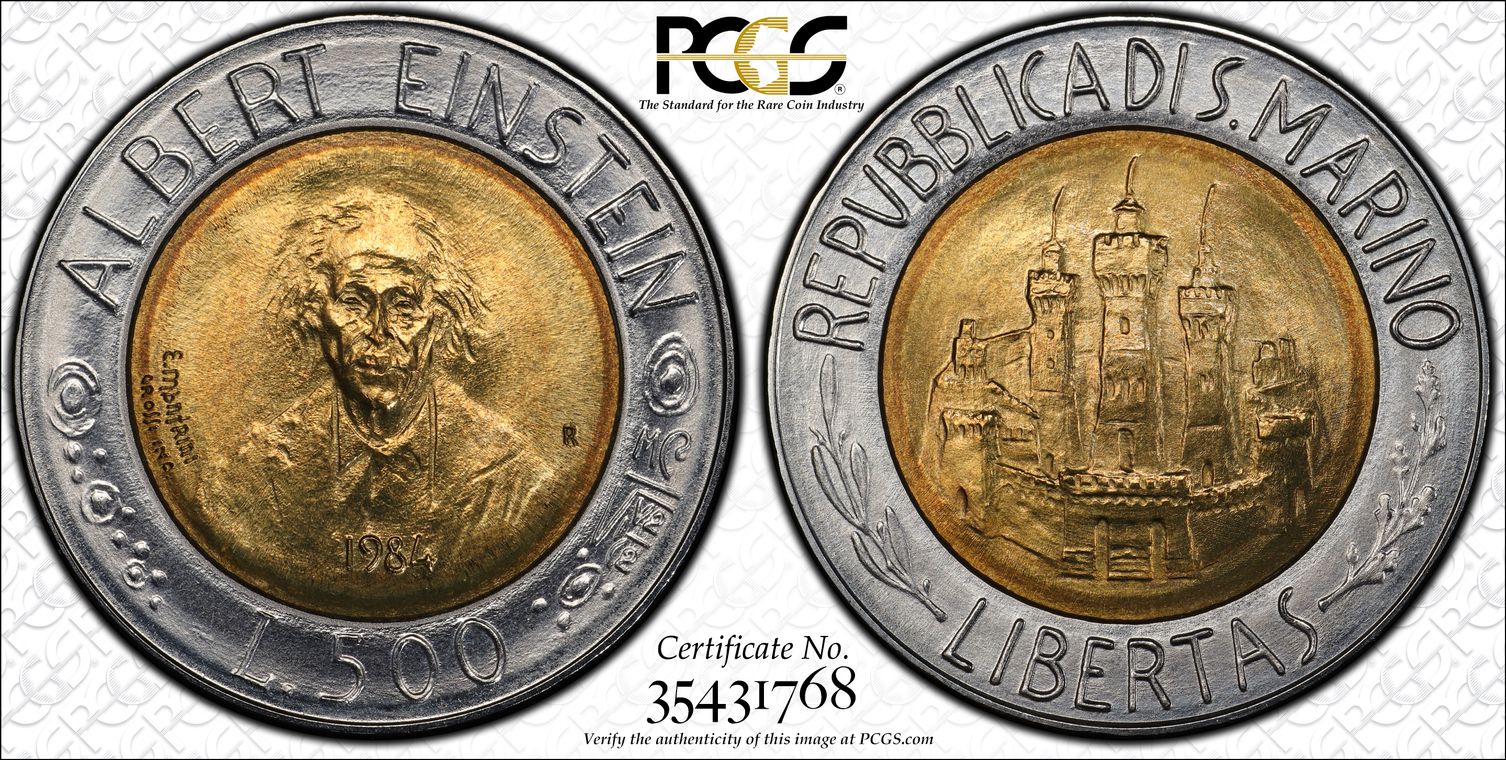
Einstein was a pacifist, but his letter penned with Leo Szilard to FDR on the possibility of a German bomb prompted the creation of the Manhattan Project. Both physicists ultimately regretted having sent the letter.
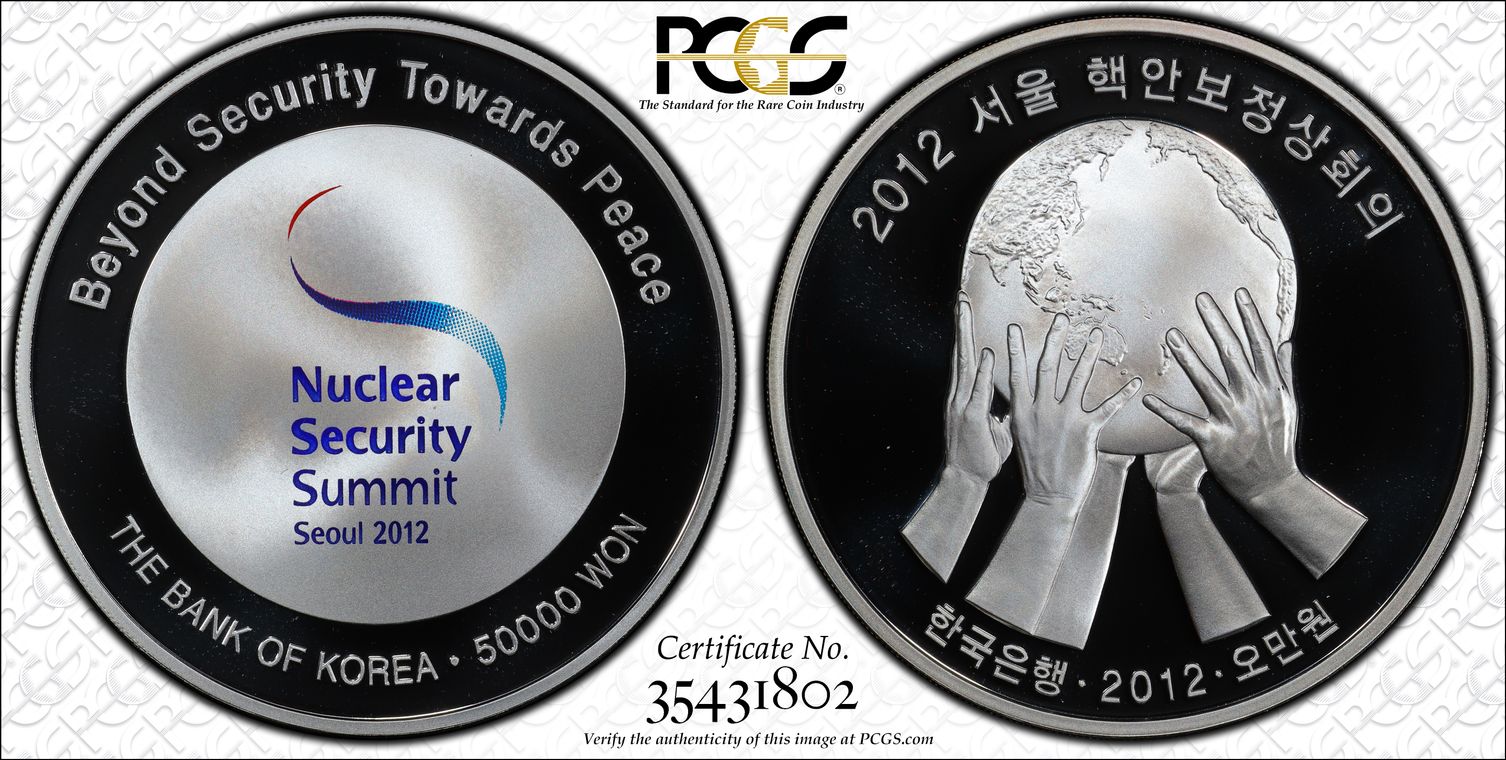
Modern nuclear politics at play. This summit dealt with the threat of nuclear terrorism, trafficking of materials, and securing facilities. EMPs were apparently not discussed, presumably because most what you’ve heard about the phenomenon is utter nonsense.
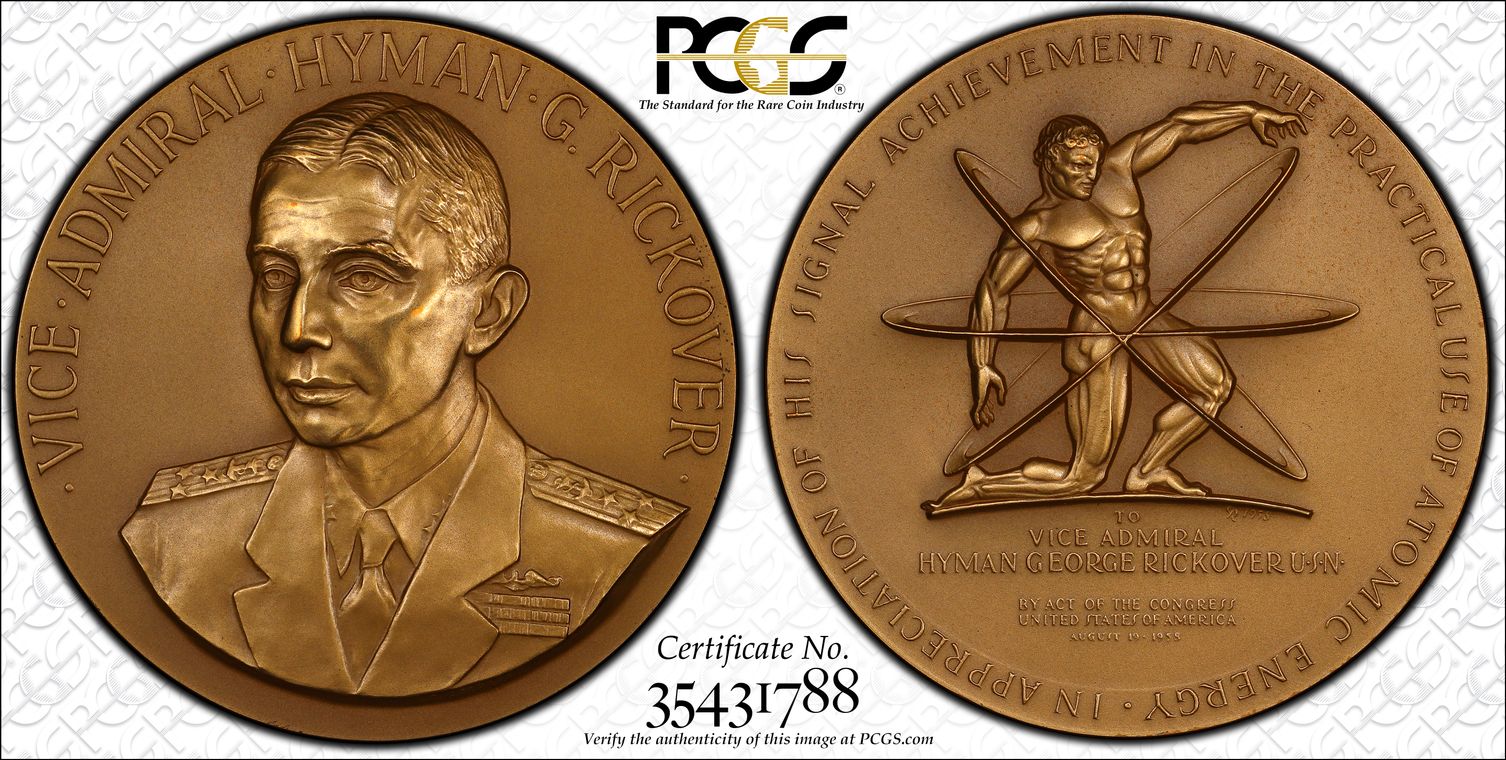
Admiral Rickover spearheaded nuclear propulsion in the US Navy, stressing excellence and an ongoing record for safety. He also oversaw the first commercial nuclear powerstation in the US with the pressurized water reactor.
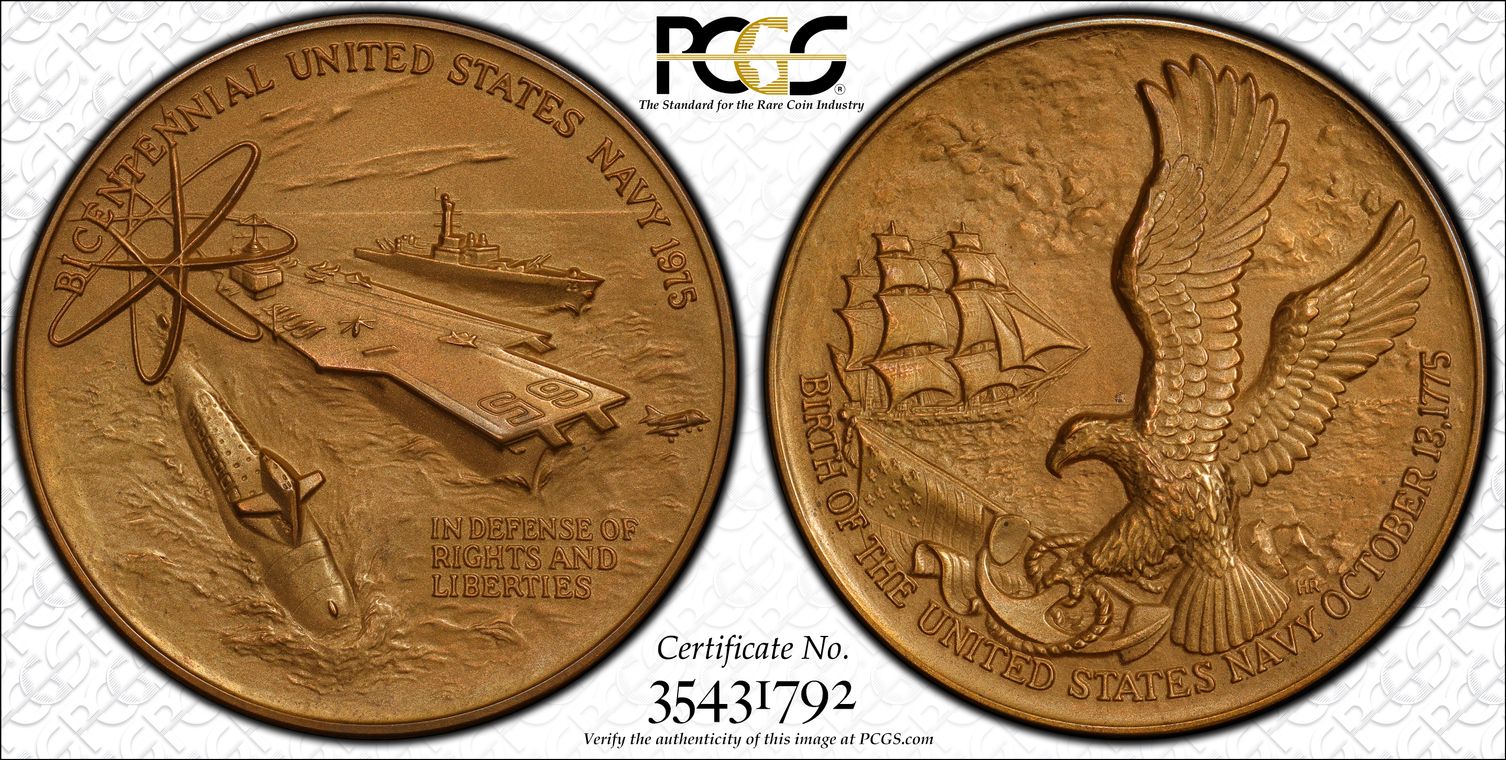
Rickover’s Navy, and a vignette of the Cold War.
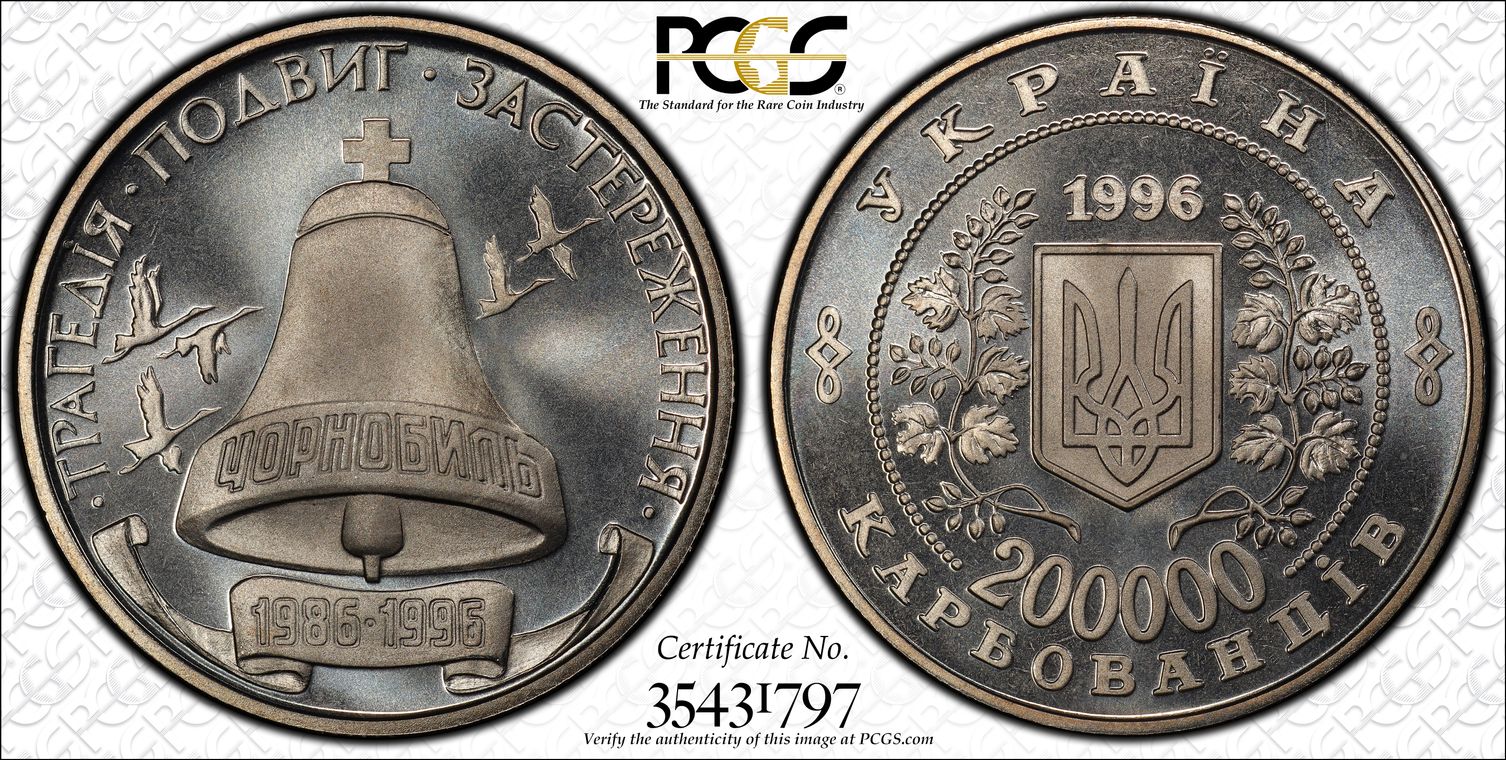
On April 26 1986 an inexperienced staff undertook an experiment at a Soviet RBMK reactor, a deeply flawed design. Soon the world would know the name Chernobyl. A tragedy, time capsule, a warning, a nature preserve, a tourist destination; there’s too much to write, analyze, and understand in this space.
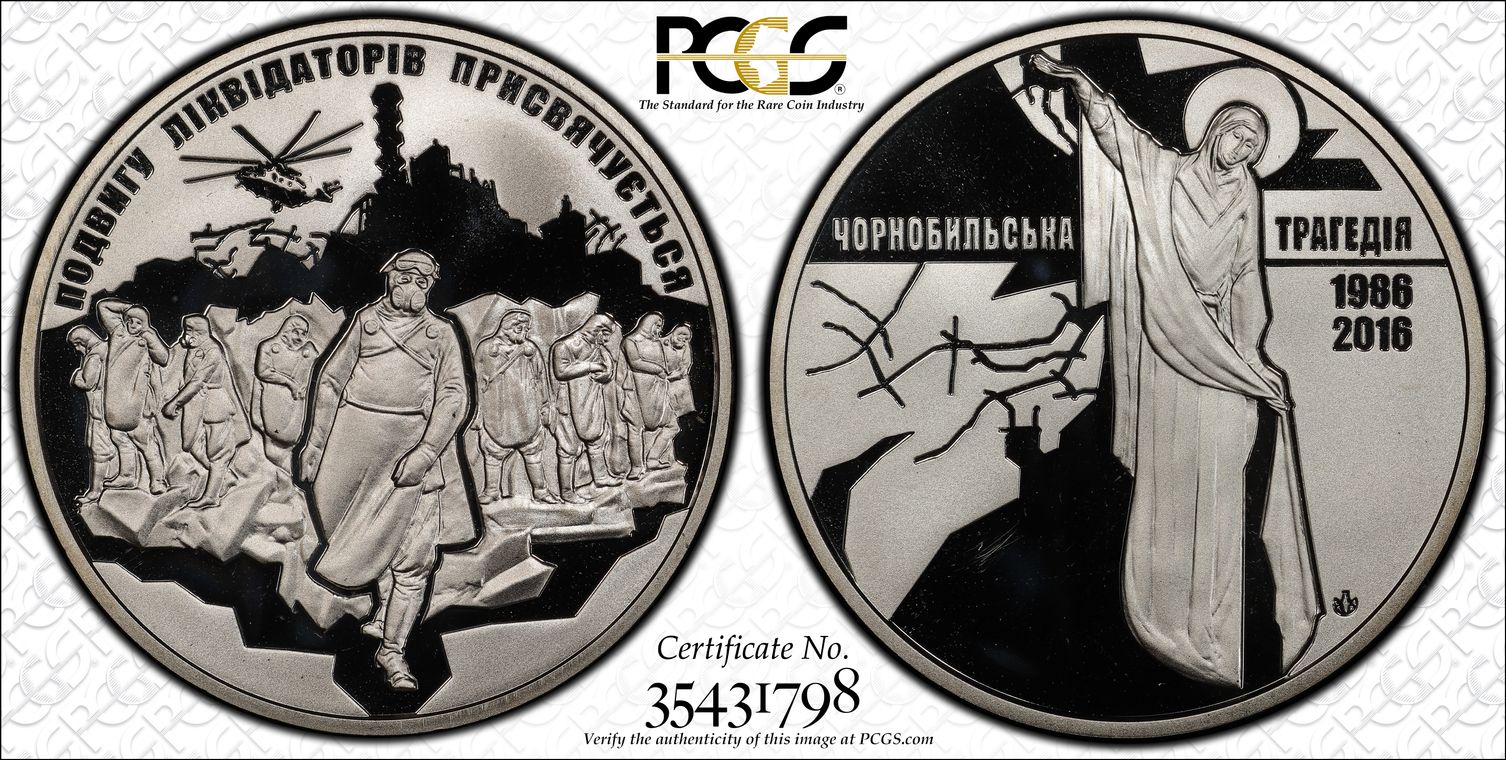
A recent commemorative medal for the Liquidators, who decontaminated the area as well as possible. There were 31 direct deaths in the disasters, and 15 indirect deaths. See the WHO’s April 2011 Chernobyl 25th Anniversary FAQ for more information on heath impacts.