



Hawk Farm Collection - Type Set Coin Album

Purchased from 'Semper Fi Collection of 1796 Rarities'. Noted on holder as Ex. 'McGuigan Collection'. From the 8/22/22 Heritage Auctions sale of the same coin: "1796 Edwards Copy, Low R.7, MS67 Red and Brown PCGS. Our EAC Grade MS65. Rarity. Low R.7, or possibly High R.6. We believe that about a dozen examples of this 19th-century copy exist. PCGS reports the certification of nine examples. Contemporary accounts state that only 12 examples were preserved following Francis Edwards' death in 1865. Surfaces. An amazing Superb Gem, this Edwards copy has lustrous olive-brown surfaces with substantial original red color displayed on both sides. Wispy blue overtones enhance the eye appeal. PCGS Population. Only two of the nine 1796 Edwards copies that PCGS has certified are designated as Red and Brown coins, and both are certified as MS67. Jim McGuigan owned the other coin that he sold into the Missouri Cabinet indicating that he chose this coin as the one to keep for his collection. Commentary. Many collectors consider the 1796 Edwards copy an integral part of a half cent collection, much as the 1837 half cent-denominated Hard Times token is also included in many half cent collections.
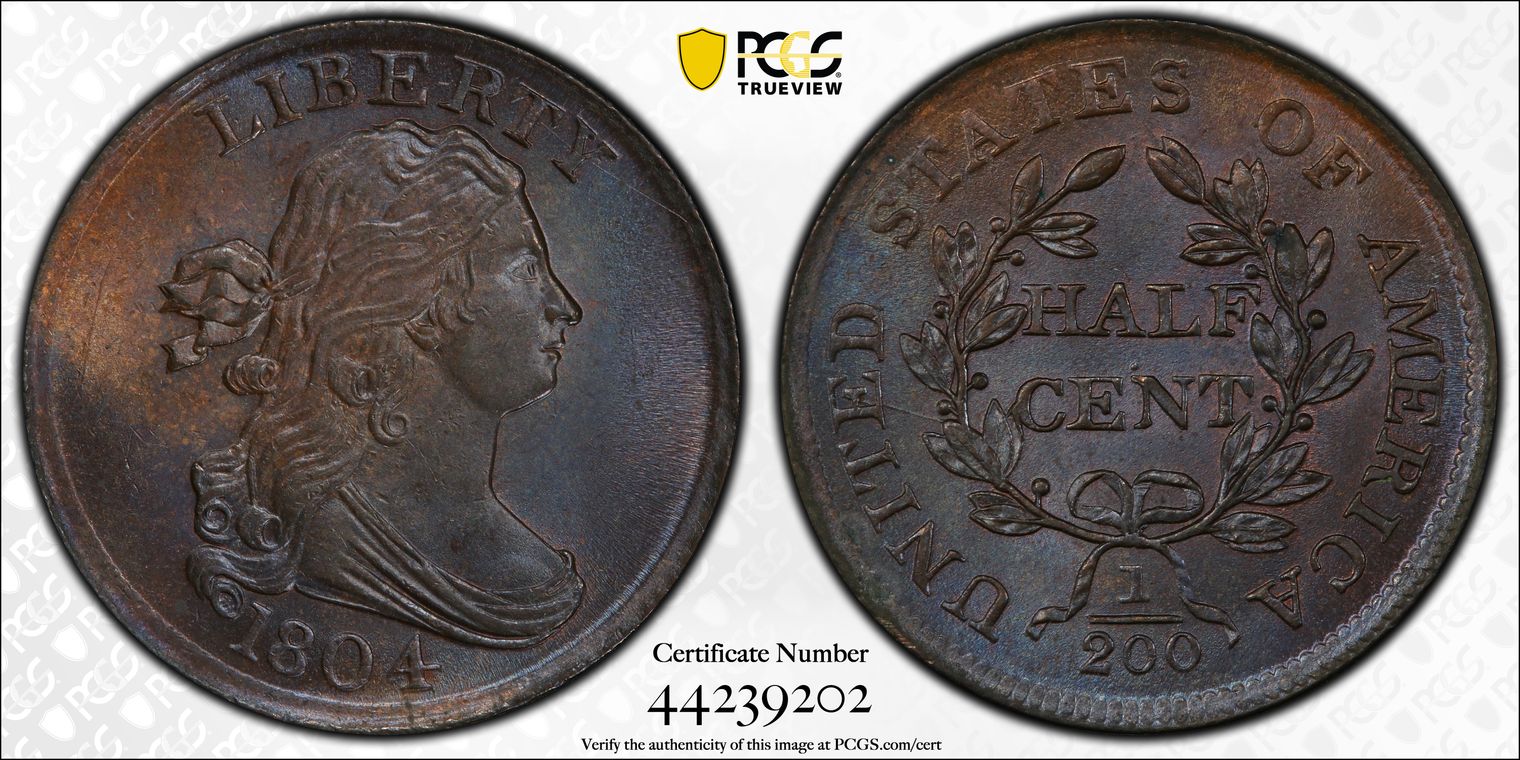
***CAC*** This is the PCGS Coin Facts Plate Coin. Previously sold at 3/21/23 Stack's Bowers Auction: "...Both sides are predominantly toned in beautiful glossy antique copper, although areas of lighter golden-brown at the left obverse and upper reverse borders represent faded mint luster. Lustrous and frosty with a hard, tight texture that is expectably smooth for the assigned grade. Boldly struck, as well, with many design elements sharp to full. This is an extremely popular, easily attributable variety of the 1804 Draped Bust half cent. The Plain 4 date logotype combined with the Stemless Wreath reverse immediately identifies the Cohen-13 die marriage, the only one of this Guide Book variety. This is also the most plentiful die marriage of the issue. Given the number of Mint State coins known Walter Breen (Walter Breen's Encyclopedia of United States Half Cents: 1793-1857, 1983) believed that a hoard of Uncirculated examples may have existed at one time. Manley Die State 2.0 for the variety, with the peripheral lettering on both sides well struck, bold denticulation around half of the reverse border, and a vertical die scratch in the left obverse field. This is the typically encountered die state among extant 1804 C-13 half cents. CAC Population: 2; 0." From PCGS Coin Facts: "The two most obvious differences on 1804 half Cents relate to the 4 of the date. On some coins the horizontal crossbar of the 4 ends with a vertical crosslet; on others the 4 has no crosslet. The Crosslet 4 is slightly less common than the Plain 4. The Plain 4 obverse is combined with two different reverse types: Stems at the base of the wreath and No Stems at the base of the wreath. Only one die variety (Cohen 13) qualifies as the Plain 4, no Stems variety."
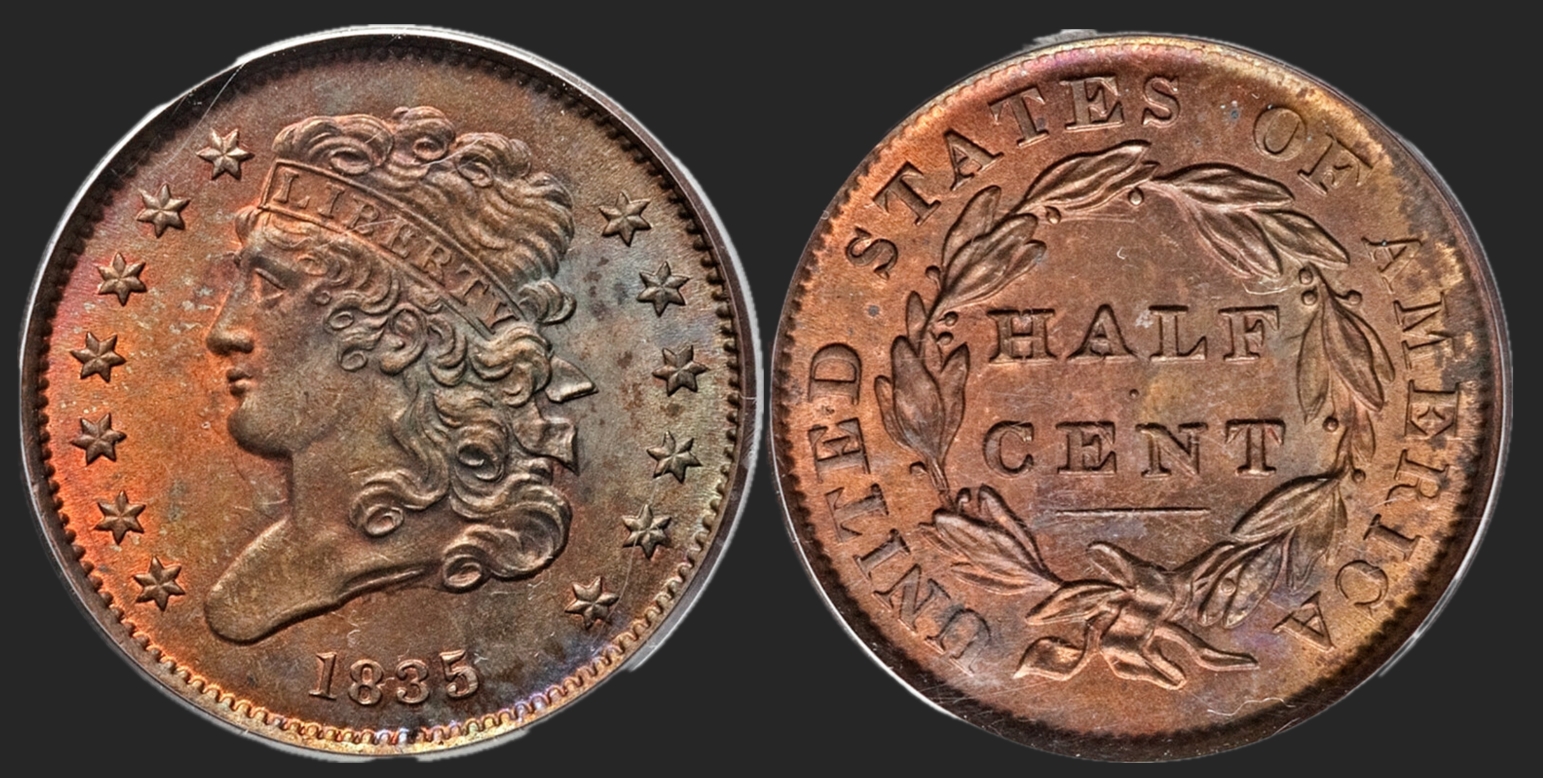
From Heritage Auction description: "C-1, B-1, R.1. Prominent clash marks are visible in the usual locations at the face and chin, and inside the wreath. This Gem combines orange mint color with sea-green and iridescent toning. Ex. Long Beach Signature (Heritage, 9/2013, $3585), U.S. Coins Signature (Heritage, 8/2020, $2160)." From the 2013 Heritage description, it further states: "Our EAC grade MS63. From the Searight Collection".

Ex. Missouri Cabinet. This is a Half Cent Encyclopedia Plate Coin. From the January 2025 Heritage Auction: "R. Tettenhorst (Bernard Edison) of St. Louis, Missouri acquired this beautiful piece in 1970 as a proof and it is recorded in the proof census for the variety in Breen's Half Cent Encyclopedia where it is also the plate coin. Nearly full mint red remains on the reflective surfaces of this lovely piece that shows splashes of blue and violet on the obverse and chocolate-brown on the reverse. This is the only Braided Hair half cent of any date or variety that PCGS has certified as a Specimen (11/24). They apparently believe that it is clearly different than any circulation strike they have examined, yet not meeting their criteria for proof strikes."
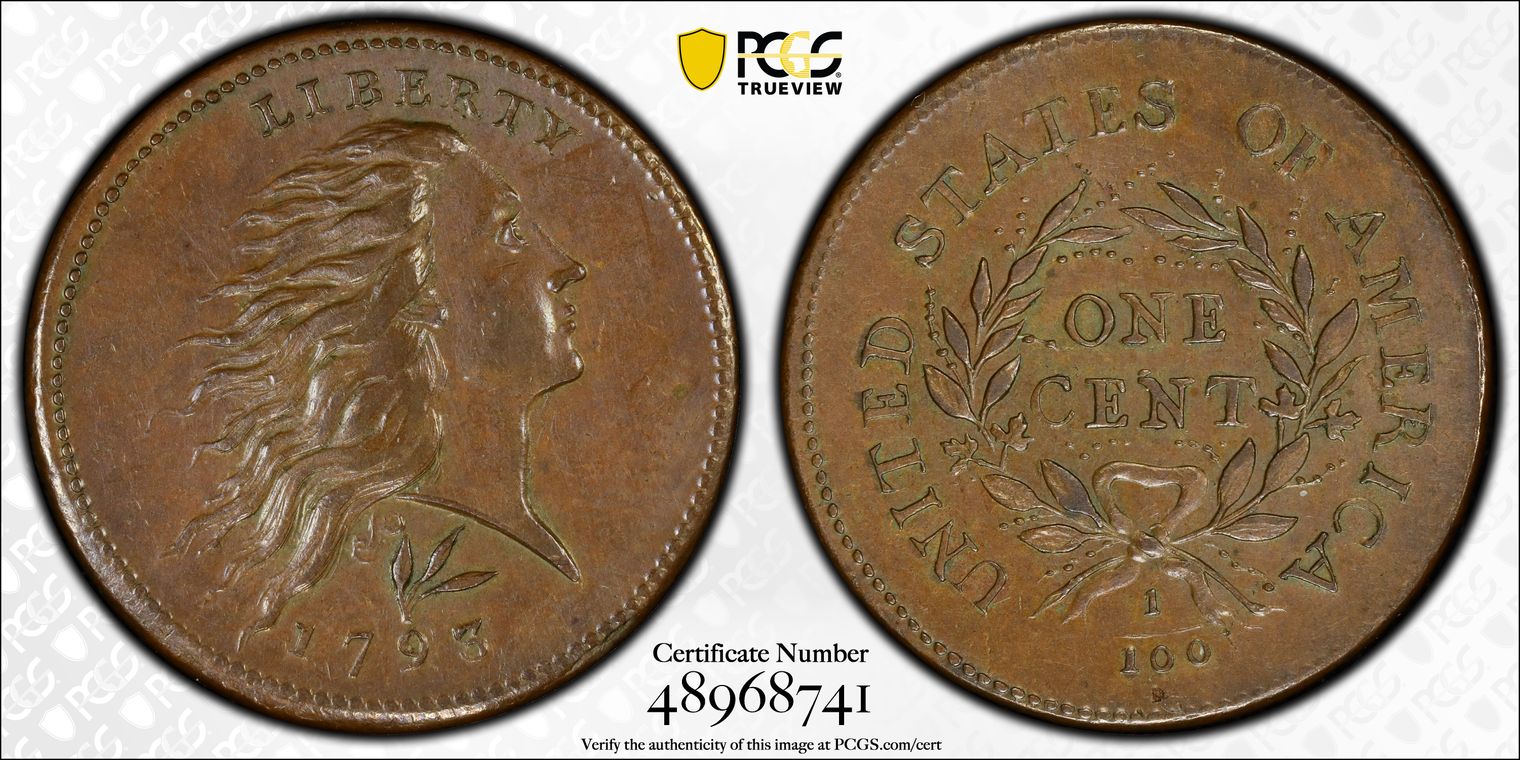
Ex. Colonel Ellsworth Collection. From the Jan 2026 Heritage FUN Auction: "1793 1C S-11c R3- Wreath Cent, Lettered Edge, One Leaf Following DOLLAR, MS62 Brown PCGS. Choice glossy light to medium chocolate brown with frosty lighter brown in the fields and protected areas. The surfaces are smooth and this cent has outstanding eye appeal. The only notable defects on this cent are a small planchet chip near the beads under the denominator and a couple smaller chips under the second T in STATES (all as struck). The edge lettering ONE HUNDRED FOR A DOLLAR with a single leaf following DOLLAR is strong. MDS, Breen state II, with strong die clashmarks at the neck. Graded EF45 Choice and CC#5 in the Noyes census, his photo #39552. This is the only high-grade example classified as "Choice" by Noyes. This cataloger's EAC grade is EF45+, close to AU50. A superior example of the Lettered Edge type of 1793 Wreath cent."
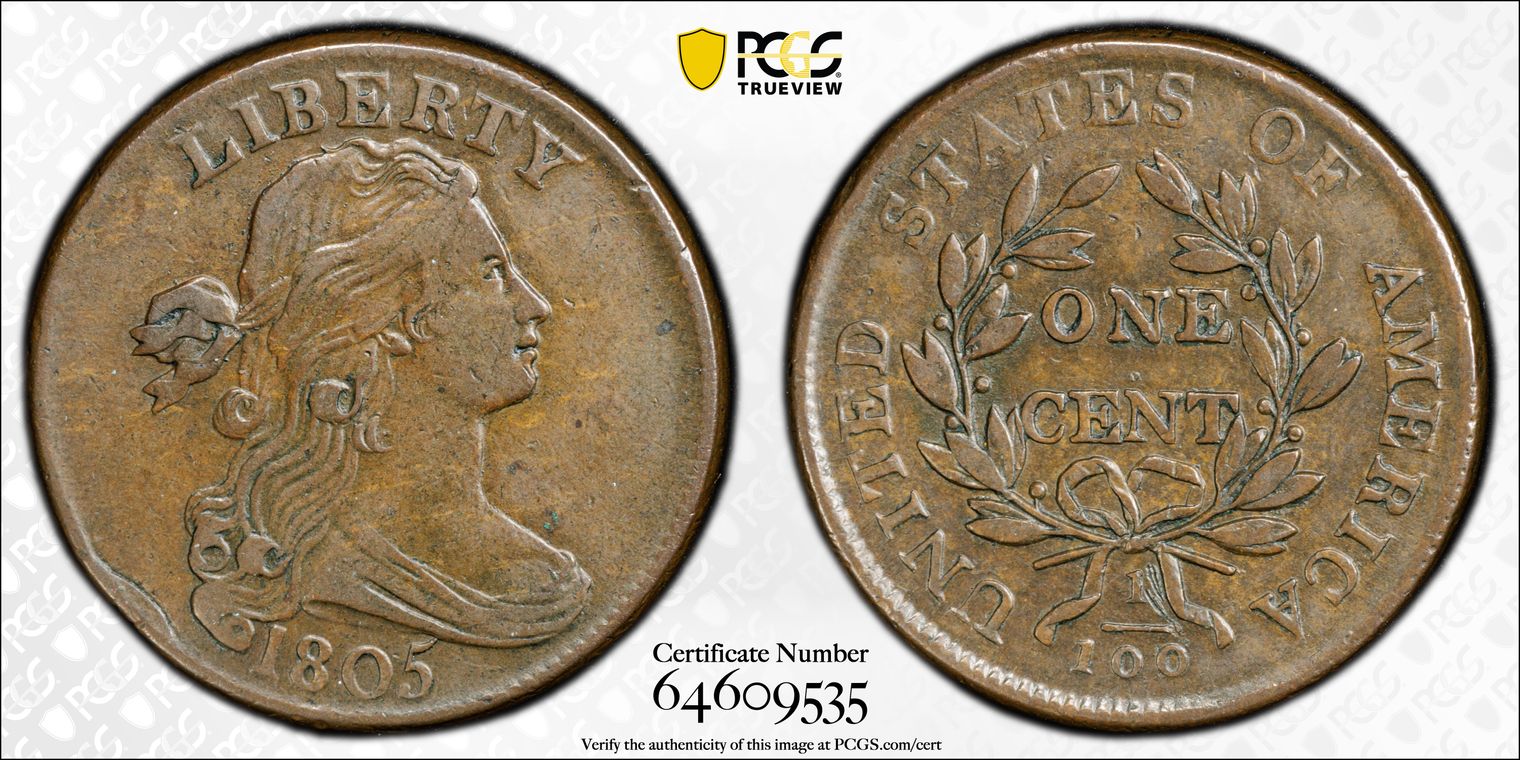

***CMQ*** Ex. Pogue Collection. Provenance includes: David Proskey-1916, Henry C. Hines, Dr. William Sheldon-1972, R.E. Naftzger-1992, "Mint Collection"-1996, From Stacks: "This coin illustrated the Sheldon-284 die marriage in both of Dr. Sheldon's works on early cents. Sheldon bought many of the coins assembled by Henry C. Hines between 1906 and his death 40 years later. It was given top ranking in the Breen/Bland census and in the 1991 Noyes reference. Breen Die State I. Generous faded mint color persists on highly glossy surfaces. Toned a splendid rich chocolate brown on the obverse, the reverse is a shade lighter, with passing cartwheel luster bringing shades of gold, faded red and olive to the forefront. Some light multicolored iridescence is noted on the glossiest portions of the obverse, and an area of darker toning covers Liberty's chin, lips and throat. Scrutiny reveals only a few minor marks, including a cluster around the second digit 1 in the date, a short scratch under Liberty's eye, a single nick above Liberty's head, a few lines inside of star 12, and a short line above the letter O in OF. A microscopic speck rests harmlessly at the base of the reverse. The obverse is aligned significantly to 5 o'clock, raising a high rim around the denticles of the upper left obverse but leaving the denticles of the lower right completely off the planchet. The reverse is similarly aligned, with a high rim and long denticles at the lower left, while still showing the denticle tips at upper right. Two thin lapping lines or fissures in the dies face, one long and one short, run parallel below the left ribbon end at the base of the reverse."

***CAC*** From GFRC: "Ex. Island City Collection. Steely, frosted luster blankets both sides and a light source easily activates flashy cartwheels. Partial red and orange patina is evident in the protected areas, throughout the stars and wreath. A die crack encircles the obverse and serves to identify this example as the N-13 variety. Most of the N-13 pieces originate from the Randall hoard, a wooden keg of large cents found underneath a Georgia railway platform some time after the Civil War."
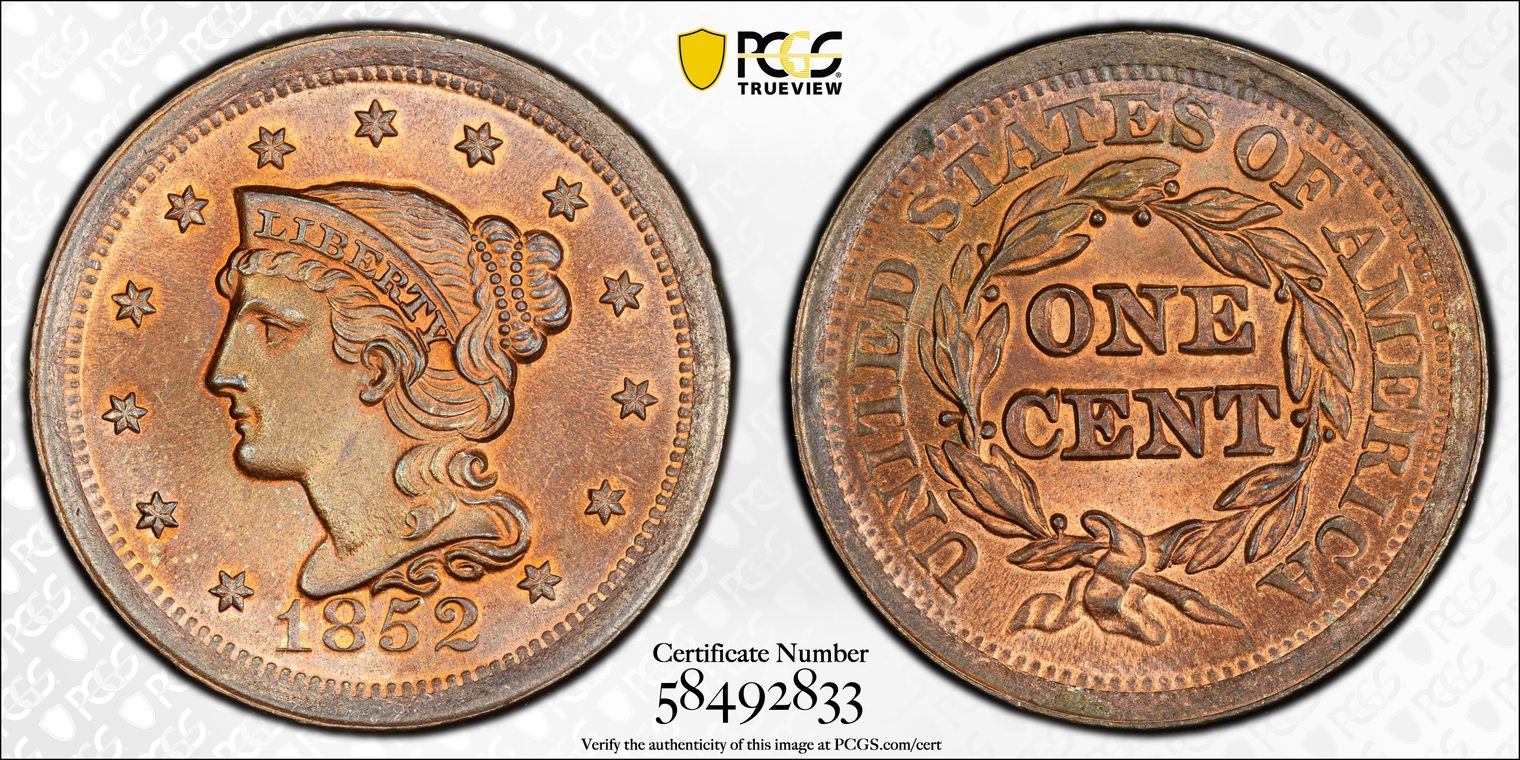

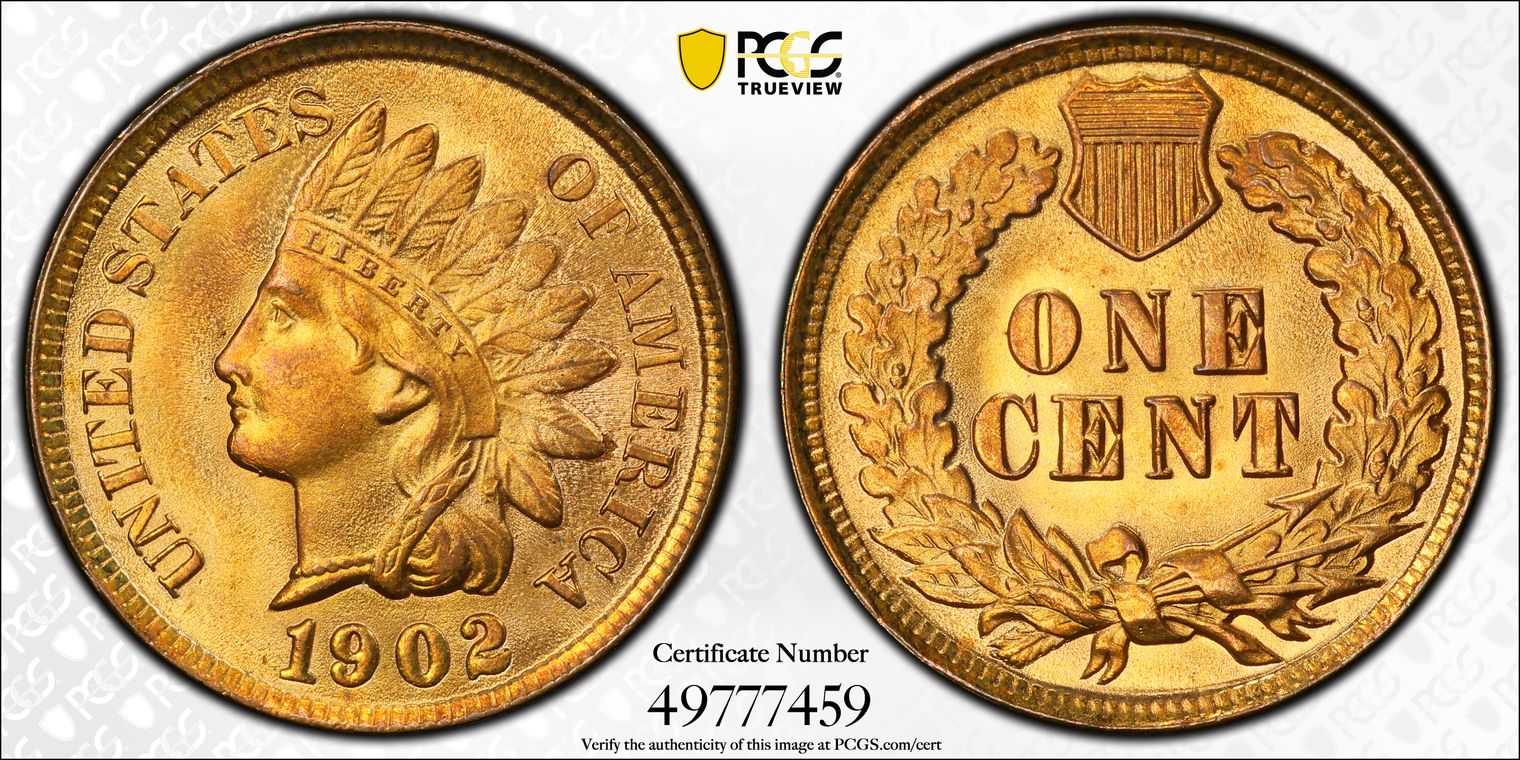

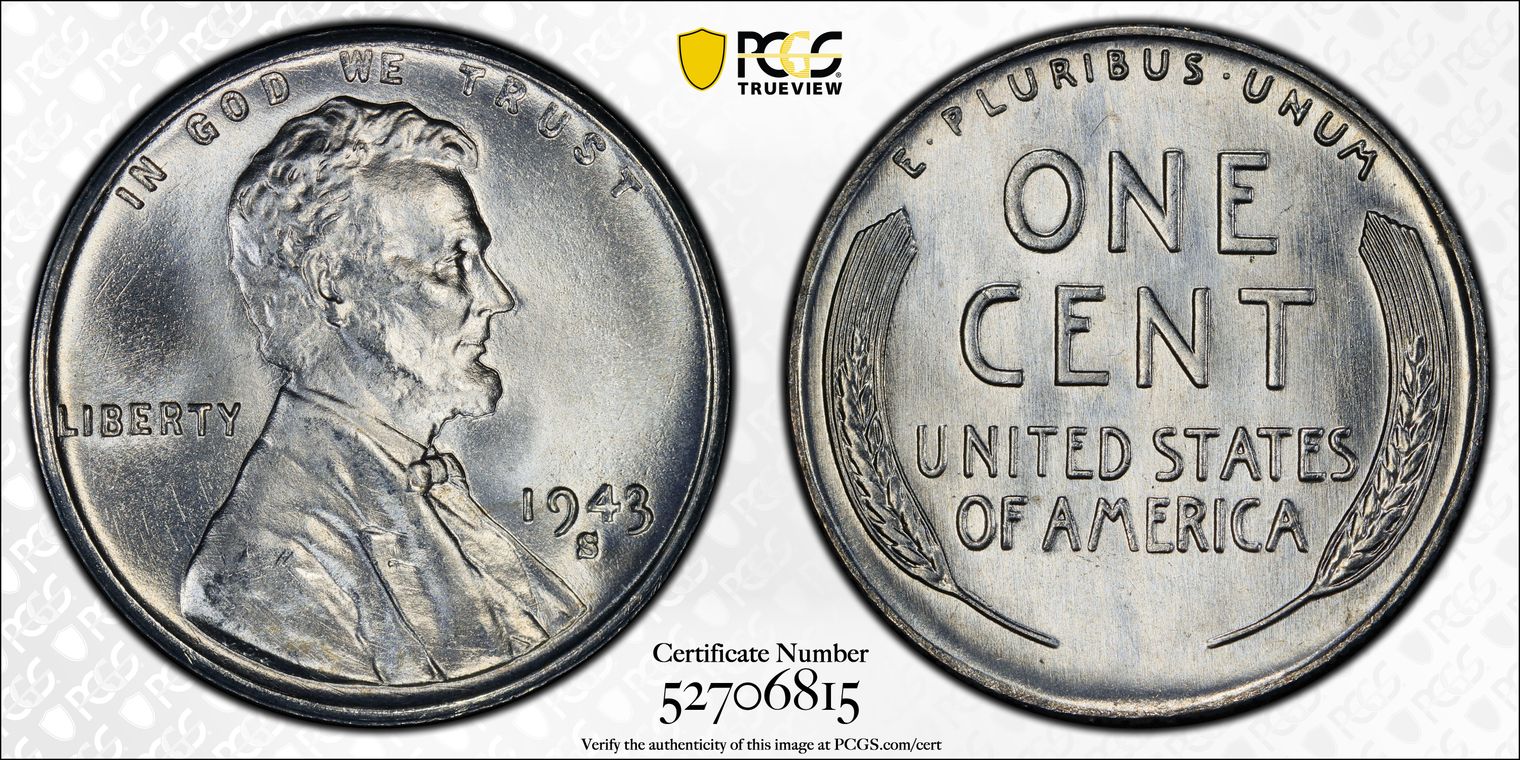

***OGH*** Ex. Stewart Blay / Red Copper Collection From the Lincoln Collection of Lincoln Cents
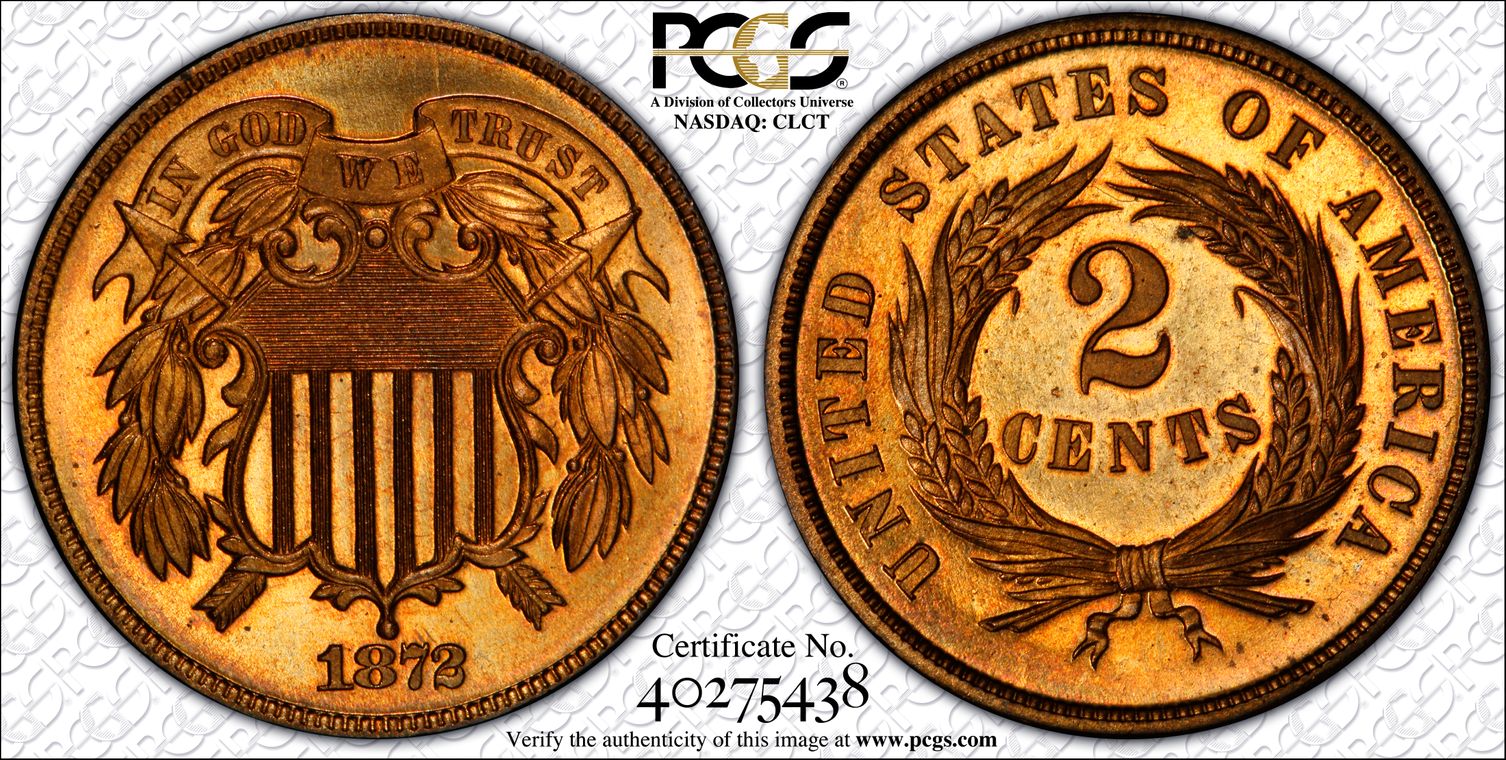
Ex. Simpson Collection. From Stacks: "A simply beautiful specimen, both sides retain full mint color in deep, vivid rose-orange. The surfaces are expectably full in strike detail for the method of manufacture, and they are also exceptionally smooth and well preserved. Ex Simpson Collection; Heritage's 11/2020 Signature Auction, $45,600."
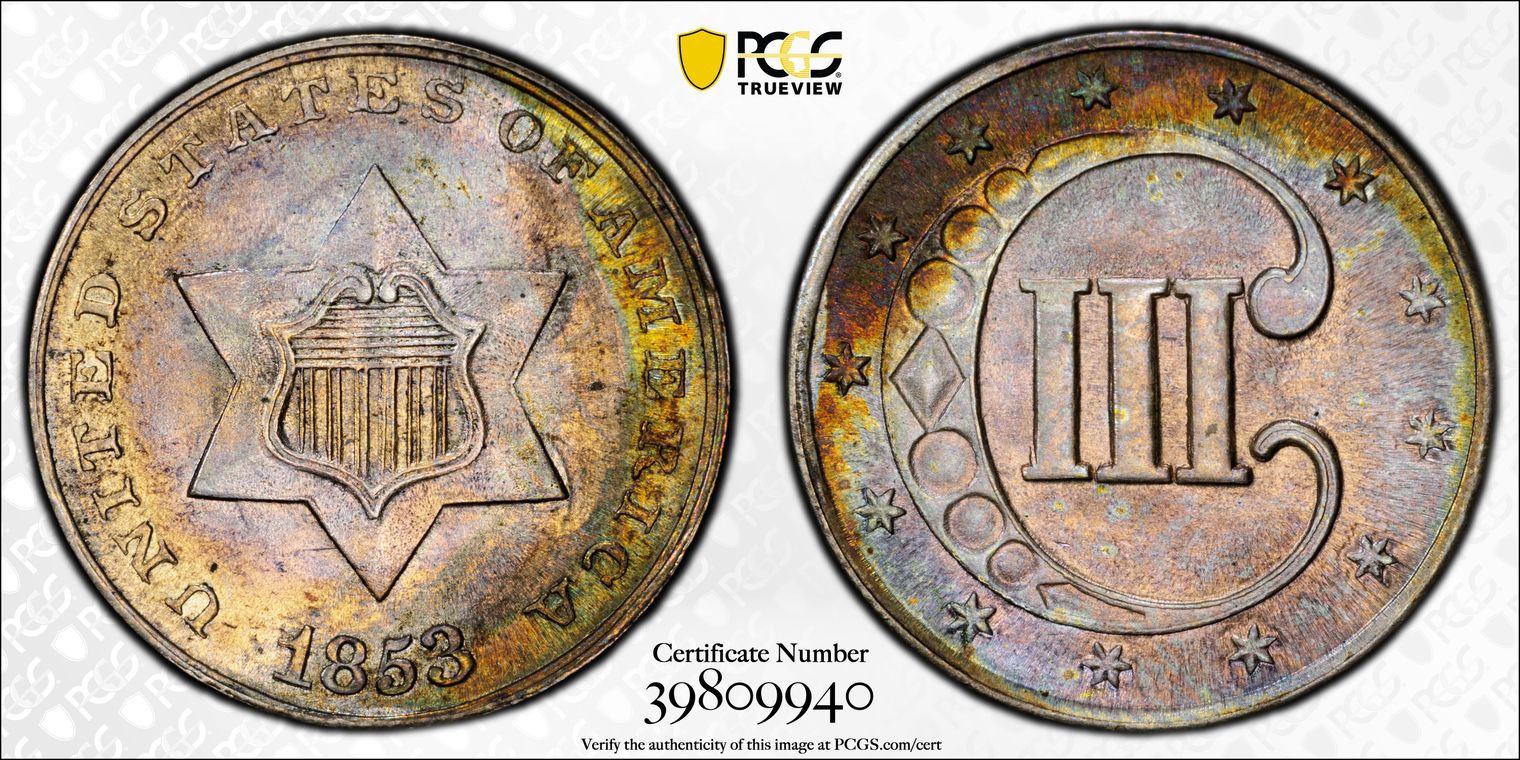
PCGS Coin Facts Plate Coin. From Heritage: "Electric rainbow toning exists on both sides, with the most vibrant colors concentrated at the peripheries of the obverse and the centers of the reverse. Minor weaknesses on the branch above the reverse denomination is insignificant. this important overdate was discovered in 1963 and is likely the result of convenience rather than mistake."

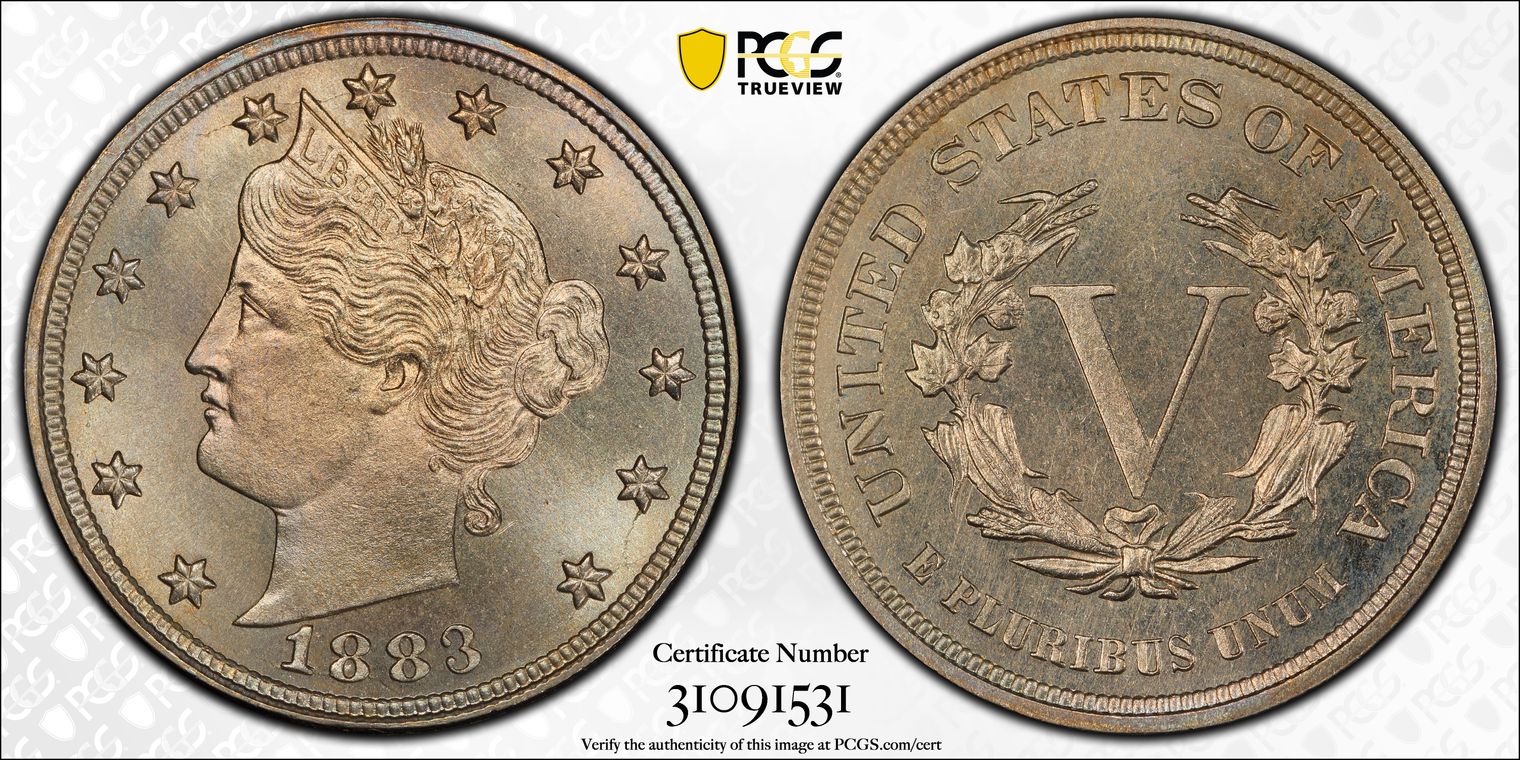

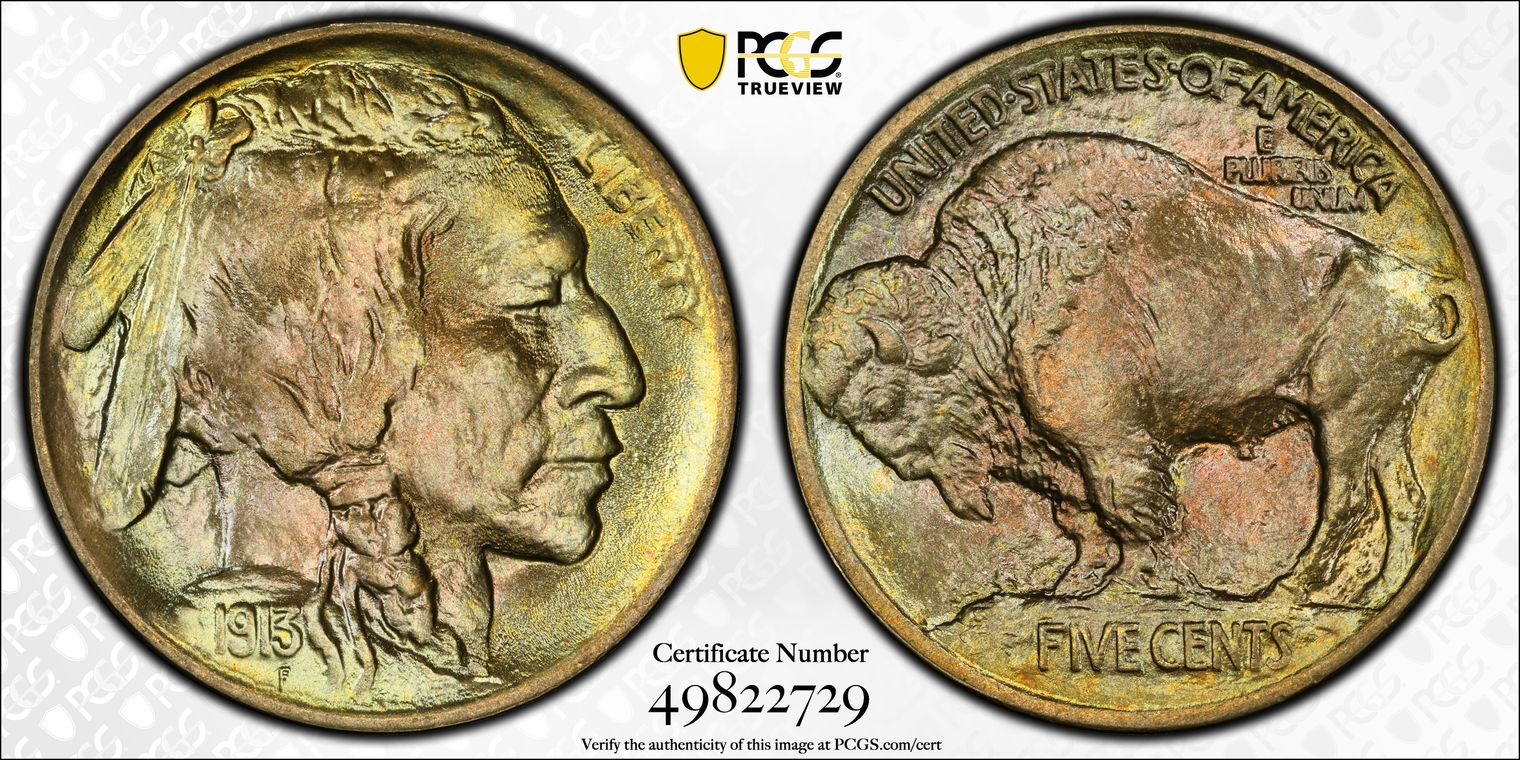
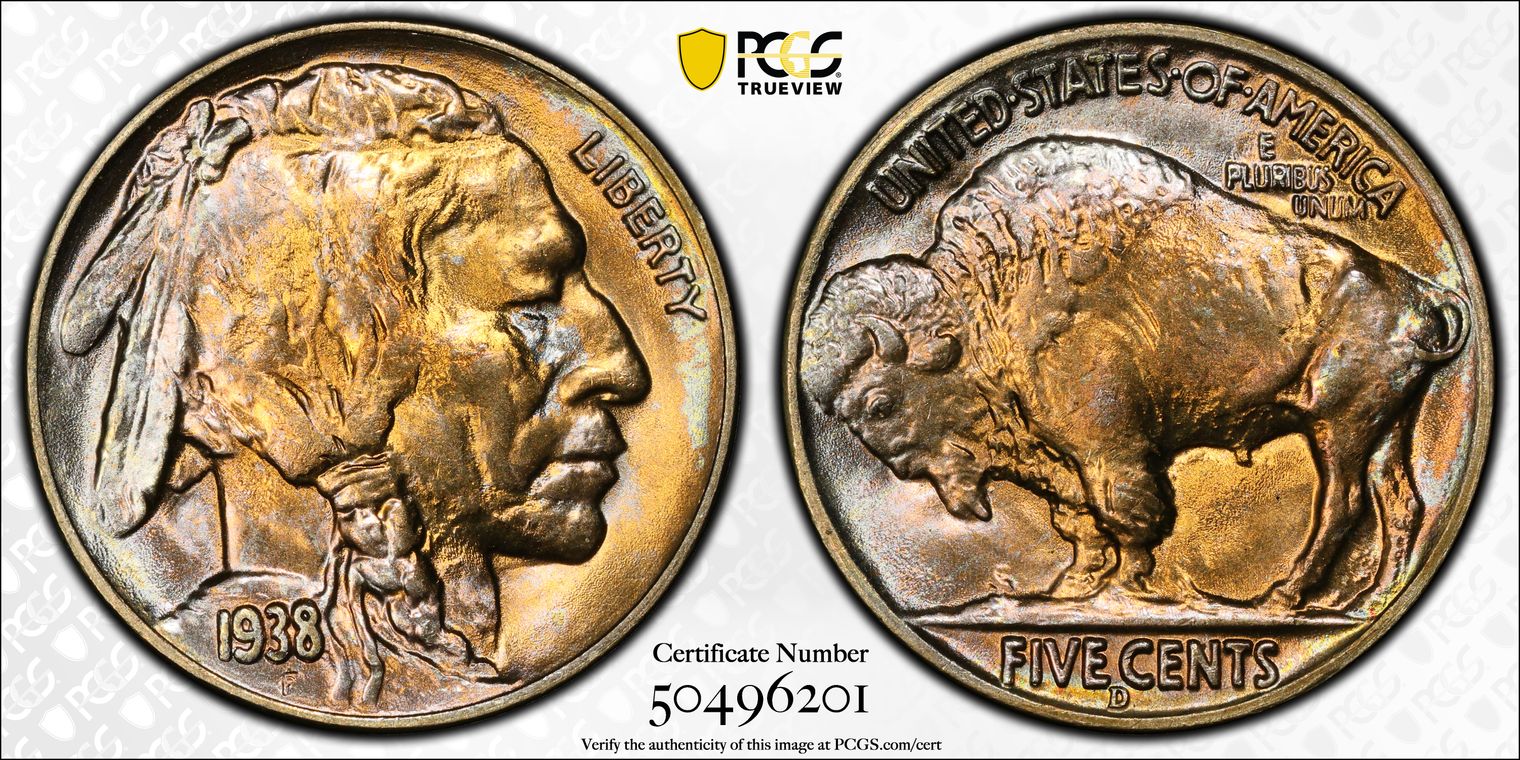

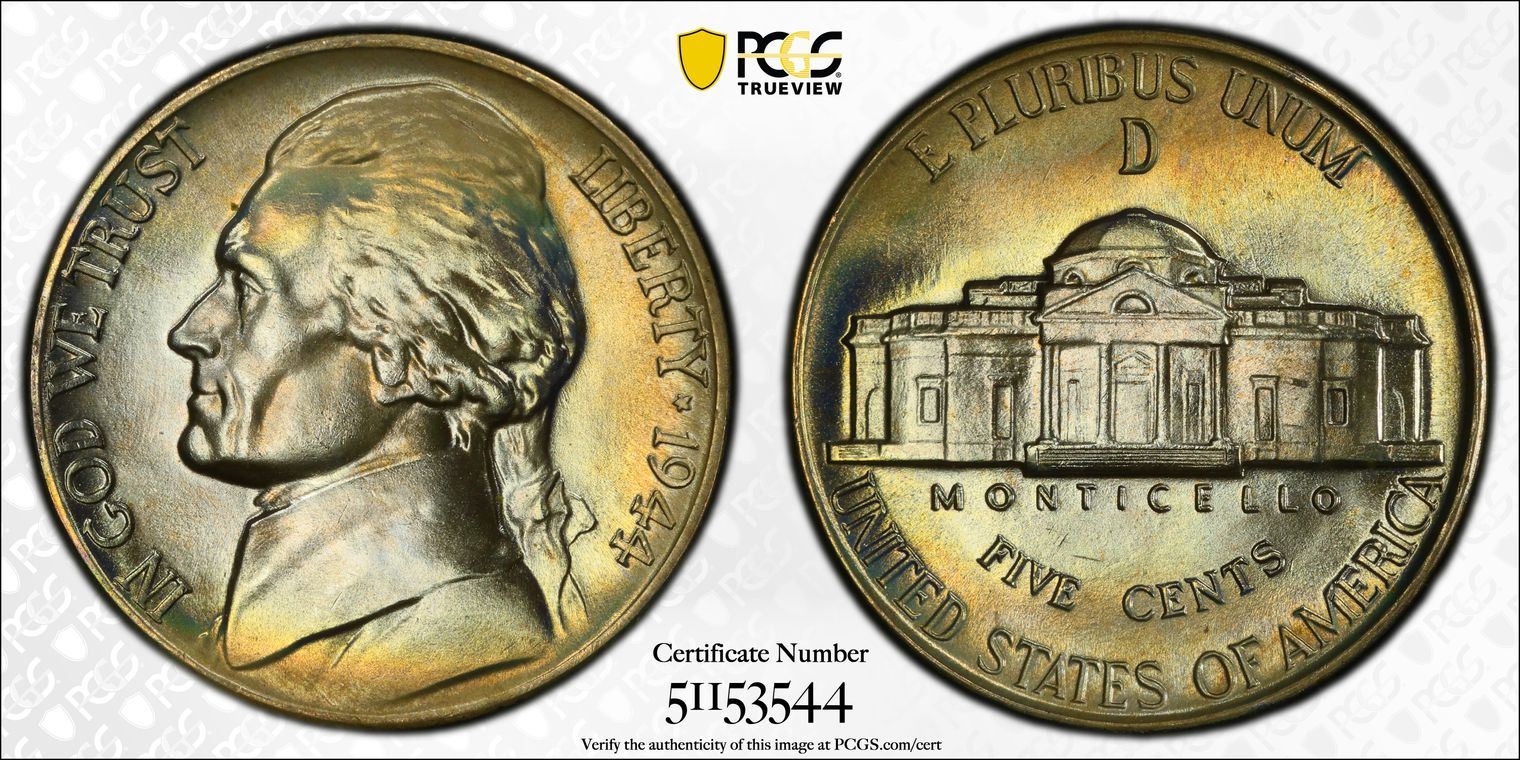
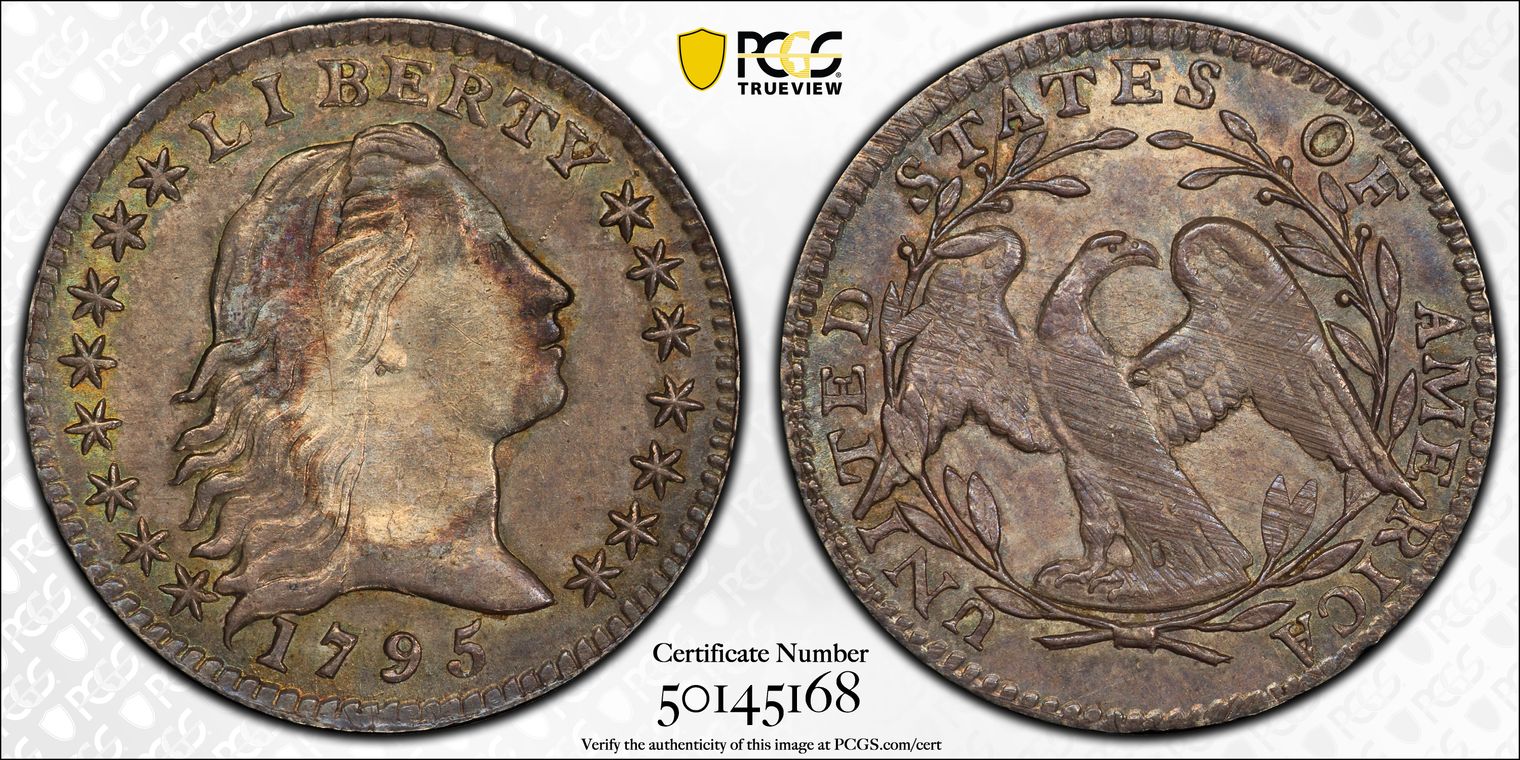
PCGS Plate Coin for LM-8. From Heritage, for this coin in 2021: "V-5, LM-8, R.3 Relatively few Mint State 1795 half dimes exist, and those that do survive are most apt to be examples of either LM-8 or LM-10. They are the two most plentiful die varieties, and the pieces that are most often available to type collectors. The obverse has a ring of golden-brown on the bust, with brilliant silver luster inside the ring, and a pale gray outside. The reverse displays smooth gray luster with hints of ivory. Reverse adjustment marks slant down to the right and left, and they are primarily visible on the eagle."
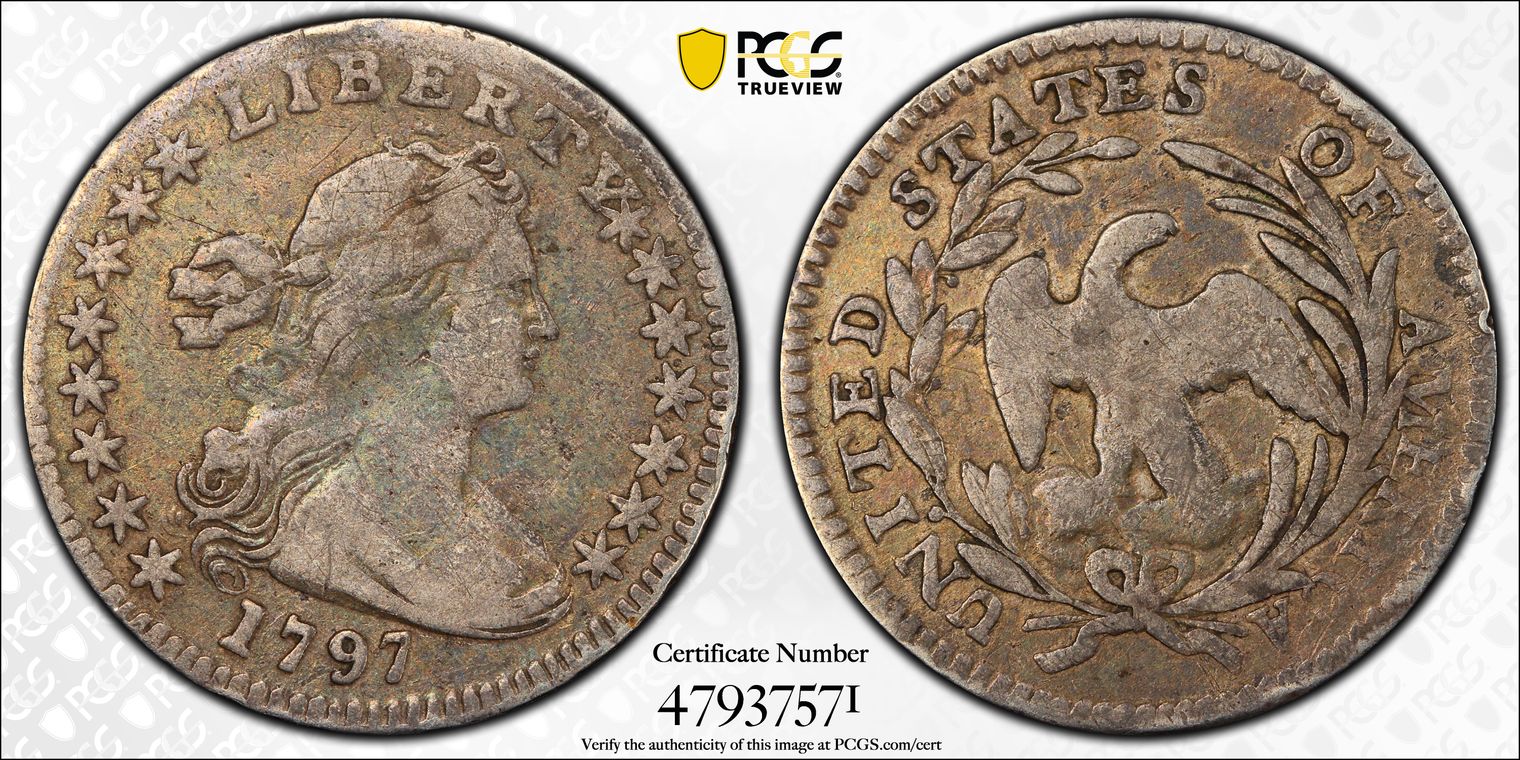
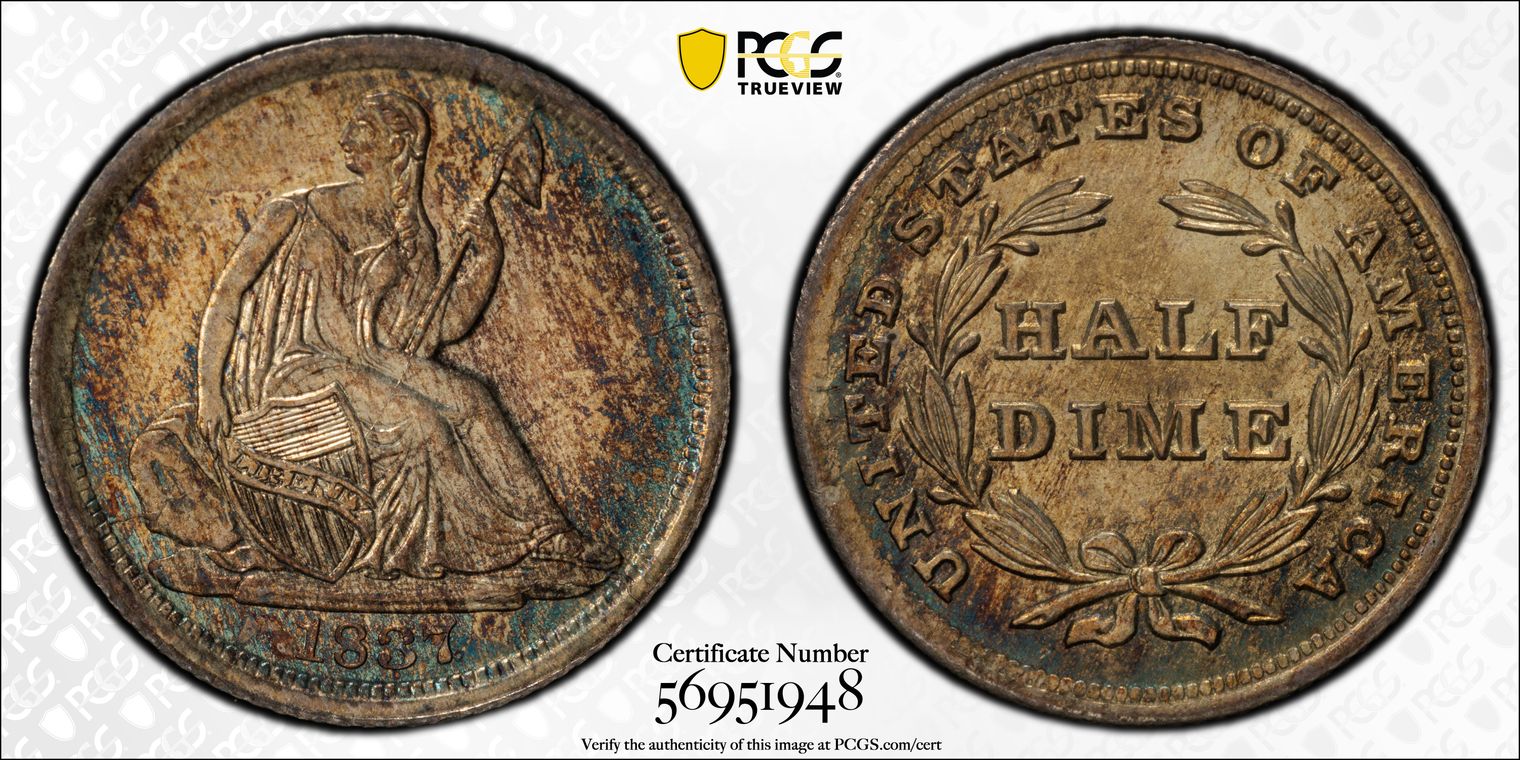

***CAC***. From Heritage: "V-2, Flynn-RPD-002. Stunning light-gray surfaces are surrounded by sage-green and mustard-yellow, with areas of deeper rose-steel. Strike is excellent, with only slight weakness on the head. It is also the important V-2 variety, which sports a boldly repunched date."
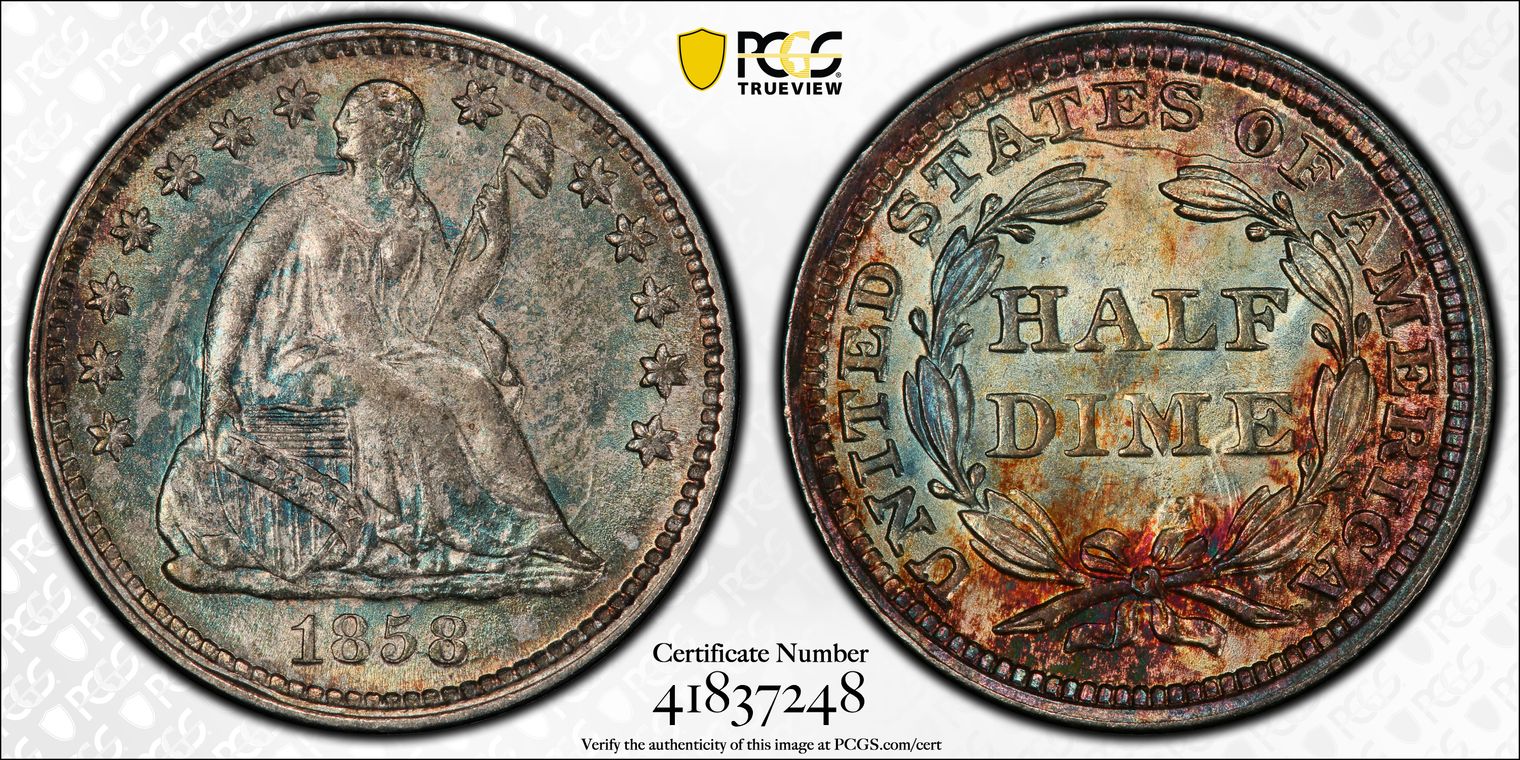
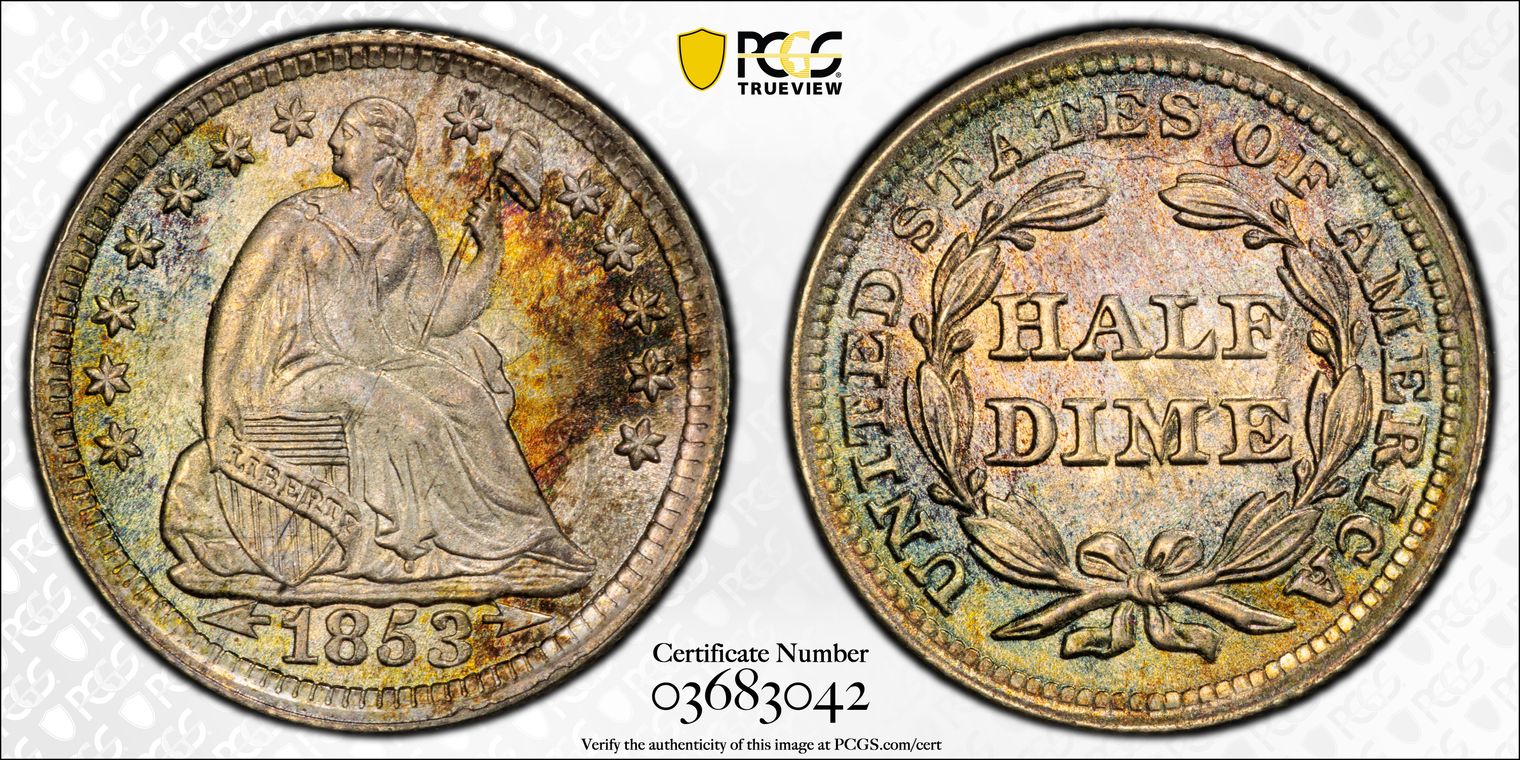
***CAC***. Ex. Bruce Sherman Collection. From Heritage: "More than 13 million 1853 half dimes were struck, a necessary production to replace hoarding of low-denomination coinage and today the 1853 is one of the most easily found dates in the series. At the Superb Gem level, the 1853 half dime again becomes rare - PCGS reports no finer examples. This frosty gem features a burst of tan-gold toning in the right obverse field, while grayish-blue and crimson accents add visual impact. Subtle repeats of those colors imbue the lustrous reverse with outstanding eye appeal. Both sides show prominent die clashing."
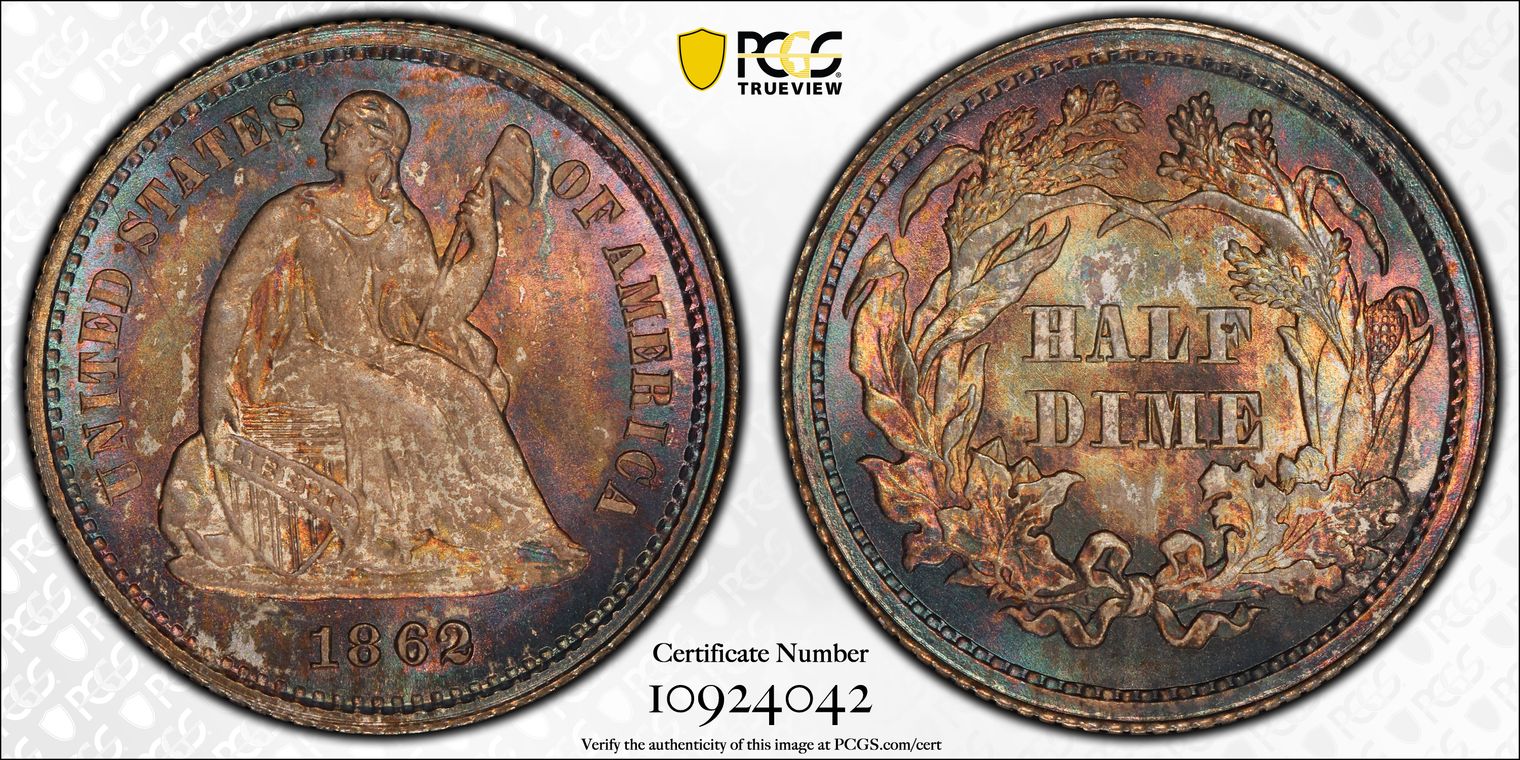
***CAC***. Ex. Bender Collection. From Heritage: "The 1862 is among the more plentiful Seated half dimes from the 1860s, although examples are conditionally scarce at the Superb Gem level and are rare at the MS68 level. The Bender specimen is among the finest examples known, and it is one of just three coins in the top grade to carry CAC endorsement. Beautiful original luster glistens across softly frosted surfaces. Lovely peach-gold, lilac, and steel-blue hues adorn each side, and the strike is suitably sharp. The preservation is virtually flawless."