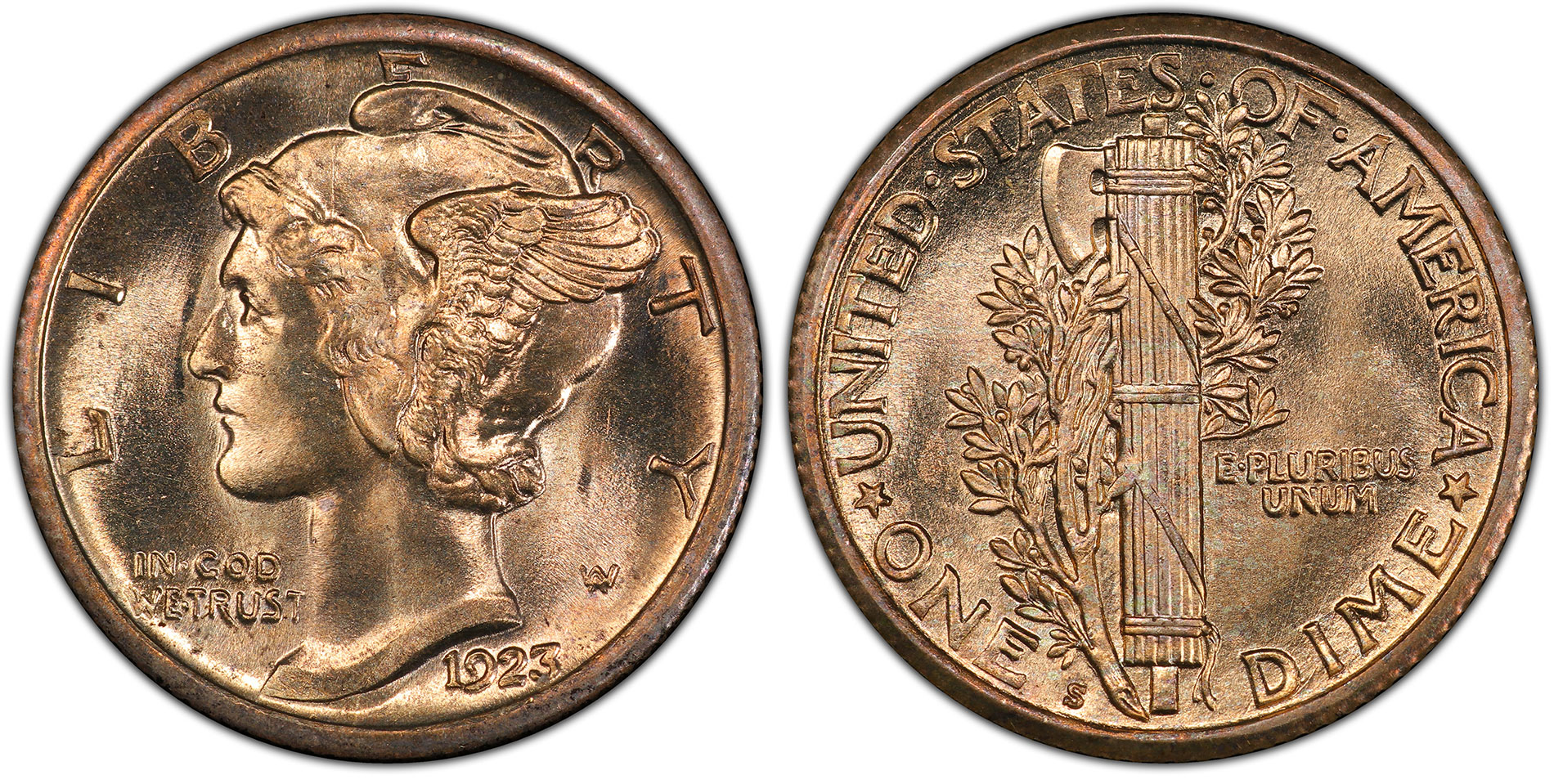
Grading Mint State coins is both an art and, at PCGS, a science – a process that has been carefully and consistently curated for more than 35 years based on our strict standards. It goes without saying that there are distinctions in the gradations between a MS60 coin and a MS61 example, let alone an MS60 and MS70. Yet, the Mint State grading system is much different than the way grading works for circulated coins, where differences in wear are the key factors in distinguishing, say, an XF40 from an XF45.
What are the critical factors that go into grading Mint State coins, all of which show no circulation wear? There are four key considerations that go into grading Mint State coins, including:
- Strike – The completeness/incompleteness of a coin’s intended detail when originally struck.
- Luster – The strength and pattern of light reflected off a coin.
- Surface preservation – The condition of the surface of a coin, notably marks and/or scratches.
- Eye appeal – The elements that “grab” the viewer. The overall look of a coin. Often manifested as “toning.”
*Descriptions are taken directly from the coin grading standards listed in PCGS Rare Coin Market Report.
When it comes down to differentiating coins among the 11 different Mint States grades (MS60 through MS70, inclusive), the degree and presence of any and all of the four factors above are what render a final grade. Expectedly, coins that fall on the lower range of the uncirculated grades will possess the least desirable aspects of the above, whereas specimens in the upper echelons of the Mint State realm will possess the more positive elements of the above criteria. For more information about PCGS grading standards, please visit https://www.pcgs.com/grades.


 Copper & Nickel
 Silver Coins
 Gold Coins
 Commemoratives
 Others
 Bullion
 World
World
 Coin Market
 Auctions
 Coin Collecting
 PCGS News