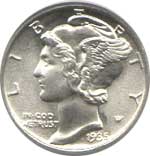
The 2000 ANA Convention is underway in Philadelphia, Pennsylvania, with PNG Day taking place today (August 8) and the official ANA bourse opening to the public tomorrow. The show is crowded with dealers and collectors from around the world, and record prices are being set in some sectors of the market. The auction viewing area for the Bowers & Merena “Sale of the Millennium” is described as “mobbed” and “almost unbelievable,” and, overall, the rare coin business appears to be in the early stages of an ever-strengthening market.
Mercury dimes were on FIRE at the Heritage Rare Coin Auctions “Philadelphia 2000” sale that was conducted just before the ANA Convention began. Here are some of the jaw-dropping prices:
- 1919-D 10c PCGS MS66FB (Full Bands) $218,500!
- 1942/1-D 10c PCGS MS66FB $39,100
- 1942/1-P 10c PCGS MS65FB $36,800
- 1927-S 10c PCGS MS66FB $25,300
- 1923-S 10c PCGS MS66FB $24,150
- 1945-P 10c PCGS MS67FB $24,150
- 1924-S 10c PCGS MS65FB $21,850
- 1935-D 10c PCGS MS67FB $17,250
- 1937-D 10c PCGS MS68FB $16,100
- 1917-D 10c PCGS MS66FB $14,950
- 1939-P 10c PCGS MS68FB $12,650
- 1927-P 10c PCGS MS67FB $10,350
- 1940-S 10c PCGS MS68FB $9,775
The Weekly Market Report spoke with several dealers at their PNG tables today and learned what areas of the market are continuing to roll. Here’s the report from John Dannreuther of JDRC, Inc., of Memphis Tennessee:
“The 18th century and early 19th century silver type coins are selling extremely well, and it’s almost impossible to keep them in inventory. Early gold coins from the same era are not hot, but they’re warm, and a lot of dealers and collectors are asking prices. Type coins such as Barber and Liberty Seated are selling well, but it’s highly competitive and everyone is price-conscious. Dated gold has picked up a little bit, but most buyers are looking for bargains in this area. Silver dollars are especially hot, most notably for MS66 semi-common dates and semi-key coins in MS64.
“Generic gold continues to be the weakest area of the market. A lot of the prices are about 60-70% of what they were less than a year ago and prices seemed cheap even then. This weakness extends to MS65 coins in most denominations as well as MS64 and MS63 coins.”
Noted numismatist and copper specialist Gordon Wrubel is now a vice-president of numismatic acquisitions for Bowers & Merena Galleries of Wolfeboro, New Hampshire. Here are his thoughts on what looks best for 2000 and beyond:
“I’m considering anything that’s nice quality, but most of the focus is in four areas. First, scarce date gold in high quality. I have purchased some MS67 gold dollars and other extremely nice pieces that offer a great value. Another intriguing market segment is early gold. Either circulated or mint state gold from 1795 through 1834 is in demand and still at attractive price levels. Third, early silver type coins are wanted in almost all grades. Finally, prooflike [PL] and deep-mirror prooflike [DMPL] Morgan dollars in MS64 or better are a wonderful value both in common dates and the rarer issues.
“We also have huge want lists to take care of,” Wrubel continued, “so collector coins are always a high priority.”
As recent auction and bourse activity has shown, there is absolutely zero price resistance in some areas of the market, especially in what are called “collector coins.” Meanwhile, proof gold and a few other relatively expensive market divisions are showing mild price resistance, not because they’re “too high,” but because dealers are wishing to keep their money in the most active series. “It may not be long now before we have an old-fashioned raging bull market again,” one dealer noted.
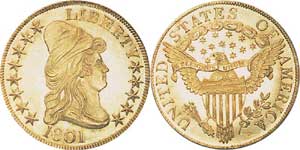
Early gold is in demand and still a good buy
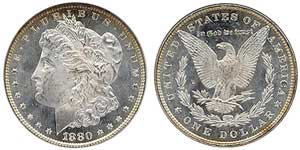
Early gold is in demand and still a good buy


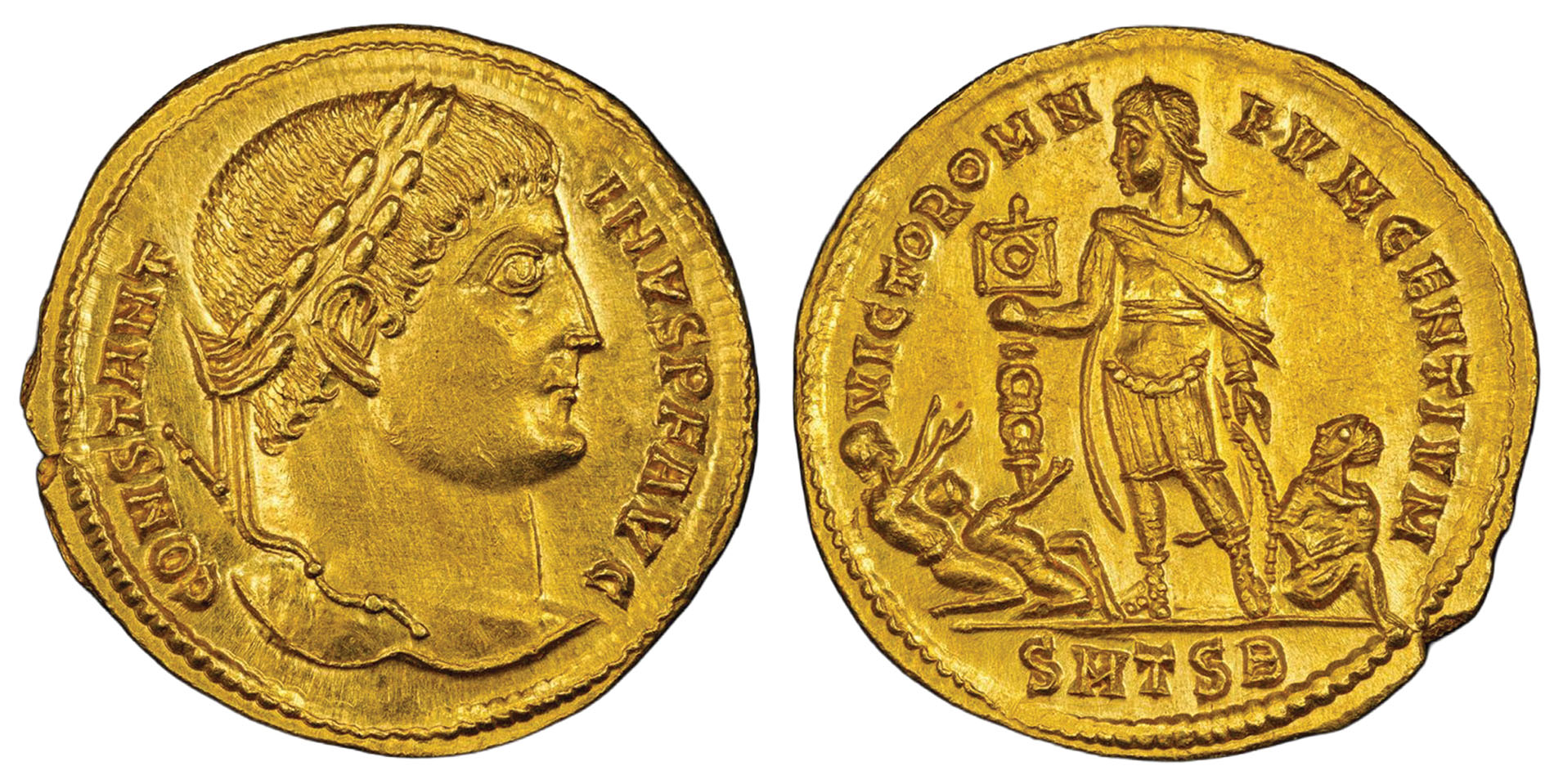


 Copper & Nickel
 Silver Coins
 Gold Coins
 Commemoratives
 Others
 Bullion
 World
World
 Coin Market
 Auctions
 Coin Collecting
 PCGS News