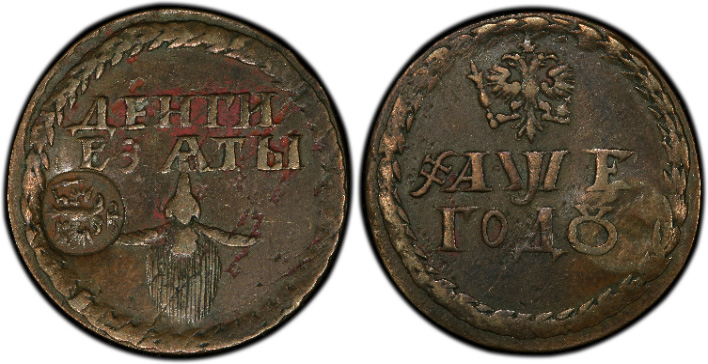
In the late 17th century Russia was falling behind in modernization. When Peter I came into power in 1694 he had many ideas to reform Russia. Over the next few years he came up with a plan to improve Russia. Although Peter was in power, his co ruler Ivan V was against many changes that Peter had planned on making. When Ivan V died in 1696 Peter now could choose the path that he wanted to take towards seeing Russia’s success.
Peter had many ties to western Europe. He was impressed by their methods and adopted them for Russia. These rules would eventually lead to creating a modernized military as well as bringing French and Westerners into his court. Bringing in Westerners was a massive step in the right direction for Russia. Since Peter was trying to replicate Western ideals, having westerners in his court helped clean up the broken system that Russia had in place. Since these rules were based off Western standards there were many changes that the people of Russia were not used to. One of these many rules that came into effect in 1705 was for males in Russian society to shave their beards, or pay a beard tax.
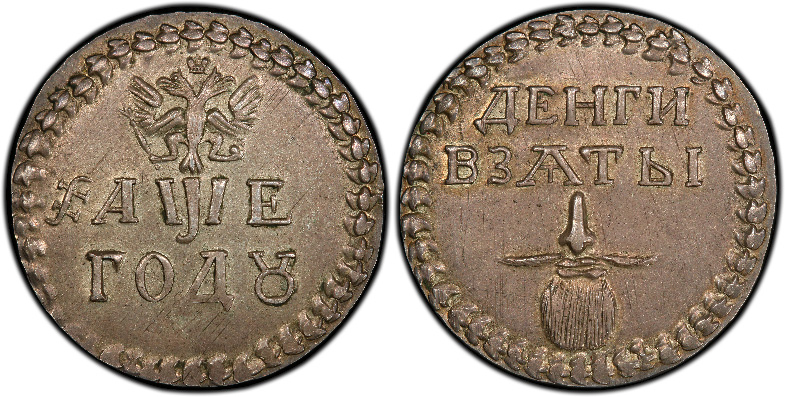
With the new law in effect, all men were required to shave or pay the tax, including: Nobles, military, Court officials, and high-ranking merchants. They had to pay anywhere from 60 to 100 Rubles per year (based on rank) to obtain a beard token. At the time this was not a cheap tax. Peasants were also required to pay one Kopek each time they came into the city to keep their facial hair. Law enforcement surrounded the city to catch everyone who entered with a beard. These tokens were often worn around the necks of bearded men to let law enforcement know that they paid their beard tax. The money that was raised from the beard tax overtime wouldn’t have been much, but the point of this law wasn’t to make revenue for the country. It was to clean up the look of Russia as a whole.
Related Articles:


 Copper & Nickel
 Silver Coins
 Gold Coins
 Commemoratives
 Others
 Bullion
 World
World
 Coin Market
 Auctions
 Coin Collecting
 PCGS News