Some of the most exciting pieces to come through the PCGS Grading Room in recent months include the headline-making physical Bitcoins that have become a newly familiar sight at numismatic auctions and events. Among these is the famous “1000 Cas” Casascius gold piece containing 1,000 BTC. Presently, PCGS grades intact, unredeemed physical cryptocurrency tokens issued by Casascius, Lealana, and BTCC, and unused or redeemed shells by those manufacturers.
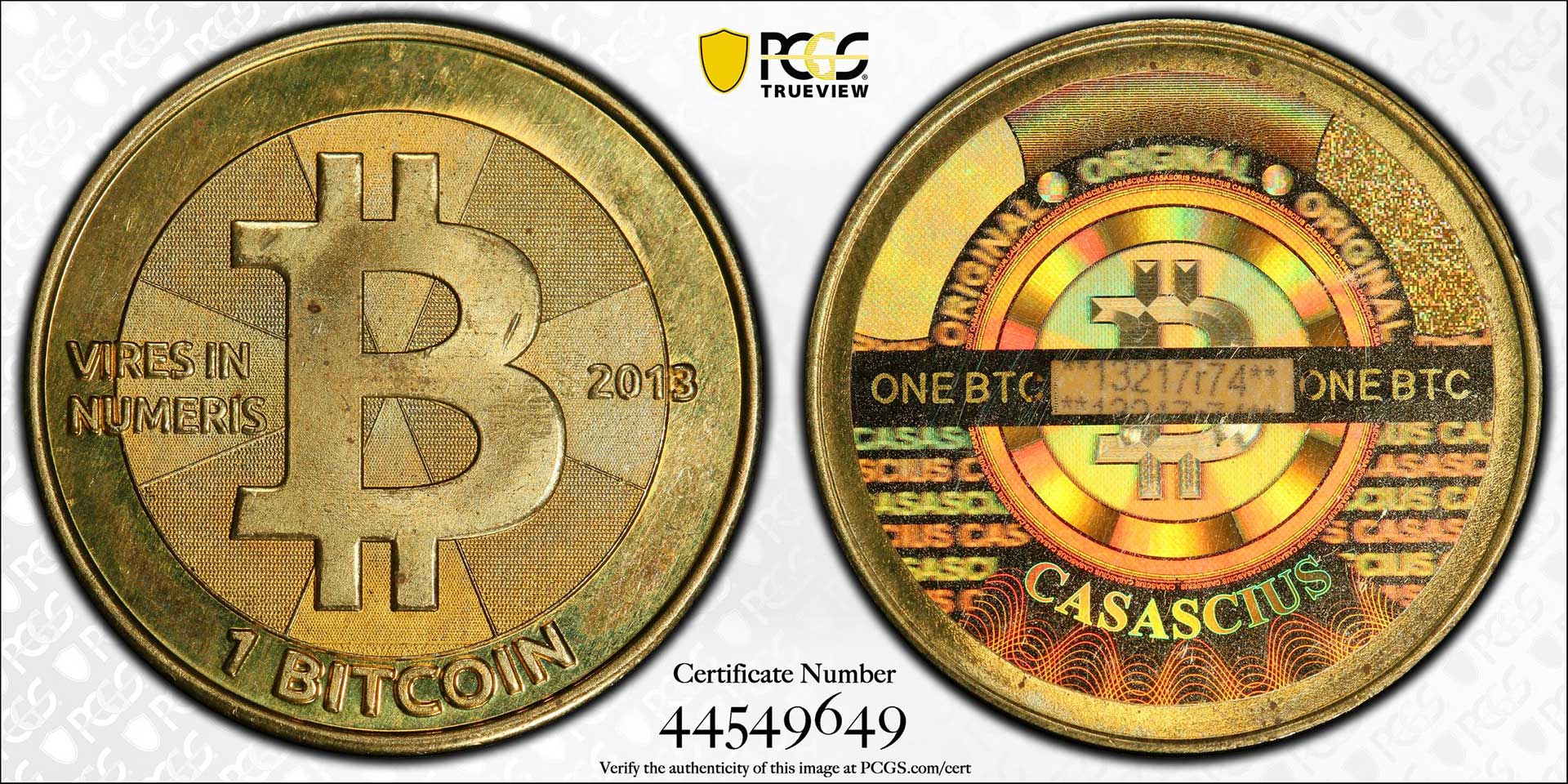
Physical cryptocurrency tokens conceal the private keys necessary to redeem their value beneath a holographic sticker designed to degrade upon peeling. While a digital currency may at first appear antithetical to the tangibility which is a fundamental thrust of traditional numismatics, the story is in fact one of shared origins. Both circulating currency in its bimetallic form and the integrated, double-entry ledger system underlying all modern banking and credit systems are historically rooted in the goldsmithing trade. Most cryptocurrencies seek to solve the same set of problems around immutability, acceptability, and value stability that have plagued nearly all attempts to devise a frictionless medium of exchange.
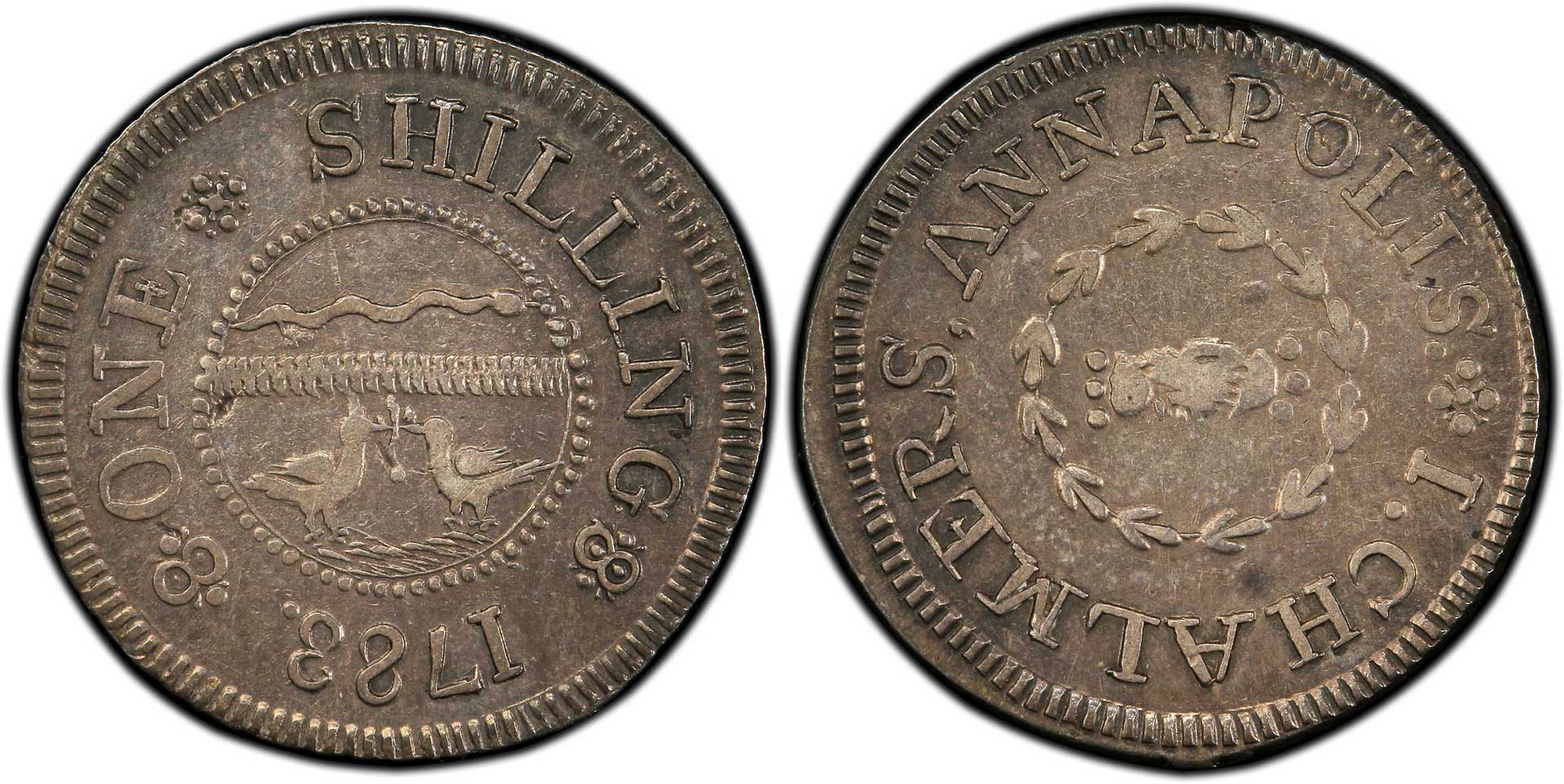
Private attempts to meet the demand for both increased quantities and varied types of circulating coinage have carved some of the most picturesque valleys in the numismatic landscape, from John Chalmers’ silver pieces of Confederation-era Maryland to the pioneer gold issues of the American West. While these issues base much of their claim to value on their metallic content, their paper equivalents — in the form of warehouse receipts, bullion deposit records, and many ill-fated private banknotes — paved the way for global capitalism’s development. Largely folded into the realm of officialdom in the recent era, the currency makers’ travails with counterfeiting, fluctuating relative values, and exchange liquidity provided thought-provoking ground for study and reflection, out of which have risen several alternative blueprints for currency construction.
“Token” is the proper numismatic term for any piece that is denominated but struck under a sovereign authority. Casascius and other makers of physical cryptocurrency tokens seek to combine the allure of tactility with what their advocates believe is a better solution to the anti-counterfeiting and inflation-management problem, in this case via the use of a public ledger and pre-defined supply. As such, they fit nicely into the historic arc of numisma as something which will always in the end derive its value from the consent of its users. The ubiquitous change in our pockets today is in fact comprised of physical-token claims on a different ledger, that of the Federal Reserve.


 Copper & Nickel
 Silver Coins
 Gold Coins
 Commemoratives
 Others
 Bullion
 World
World
 Coin Market
 Auctions
 Coin Collecting
 PCGS News