The other day, I received an email from our CEO asking what the numismatic hobby considered a "modern" coin. My reply was that it was not only a moving target but also somewhat dependent on whom you asked.
I spent a bit of time later that day talking with some of the people here at PCGS and reflecting on my own memories of my time in the business. The following dates all either have (or had) a claim to the honor of being considered the birth of "modern coins."
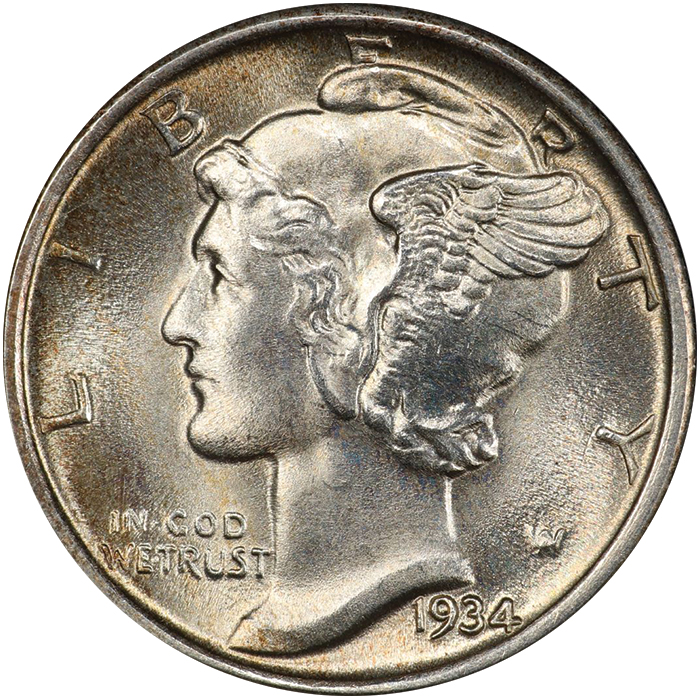
1934 – When I started in the hobby in 1964, 1934 was considered the watershed year dividing the vintage from the modern coins. Due to the depression, coinage from 1931 to 1933 was very sporadic, with only a few denominations being produced in each of these years. By 1934, things got back on track, with cents, nickels, dimes, quarters, halves and dollars all returning to full production. The coin boards also got their start that year, igniting a wave of collecting interest across the country.
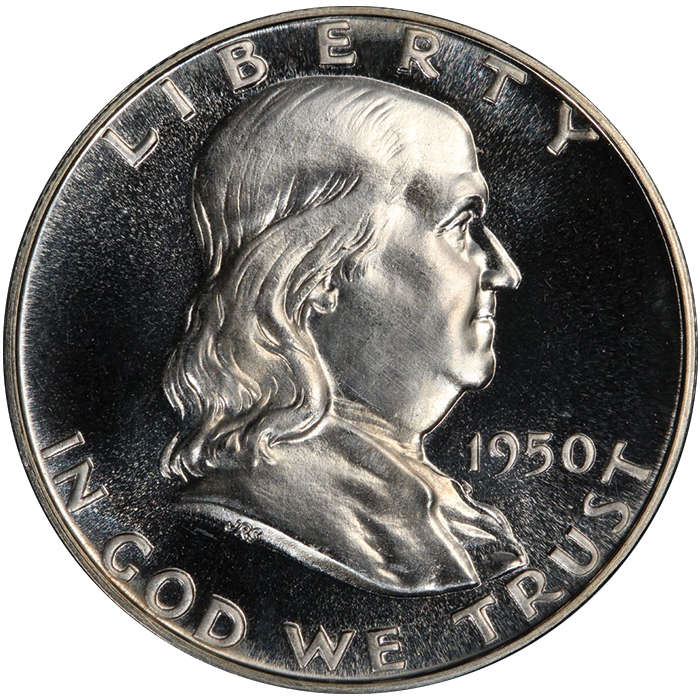
1950 – By the mid-1970s, many were setting the cutoff at 1950. It was that year that the Proof Sets returned to production, generating renewed interest in modern coins from the U.S. Mint.
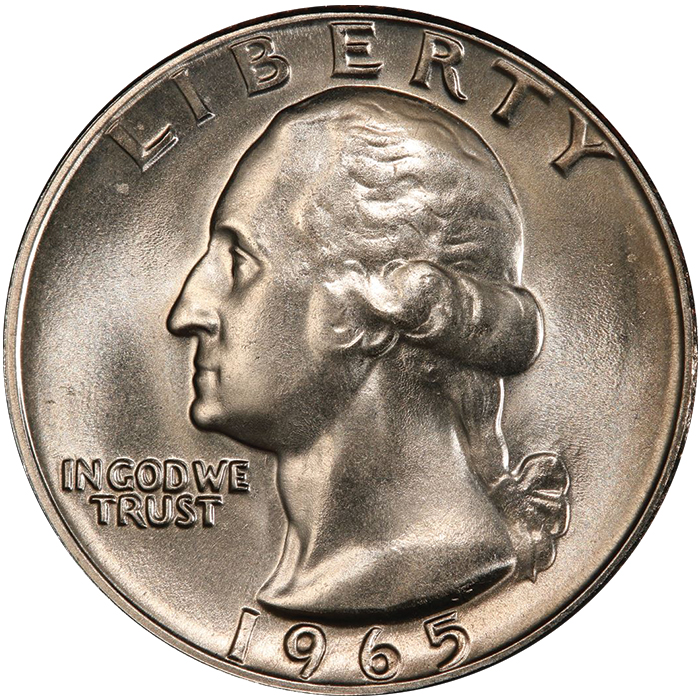
1965 – The removal of silver from most of our circulating coins was a huge event, resulting in the almost overnight disappearance of pre-1965 dimes, quarters and halves from circulation. By the 1980s, many dealers and collectors considered anything pre-1965 to no longer be modern.

1971 – The bulk grading room at PCGS sets the cutoff for modern today to be any coin before 1971. That was the final year of any silver in our circulating coins at all (Kennedy Halves – 1965-1970) and the birth of the Eisenhower Dollar.
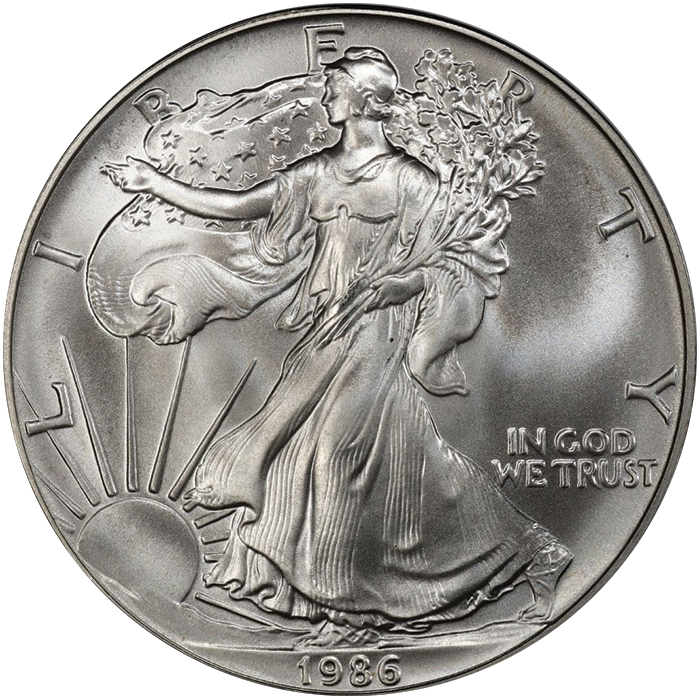
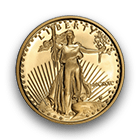
1986 – Among the younger set, 1986 is occasionally mentioned now as a dividing point between vintage and modern coins. This marked the birth of the popular silver and gold eagle coins, and being 32 years ago now, is old enough to pre-date many collectors.
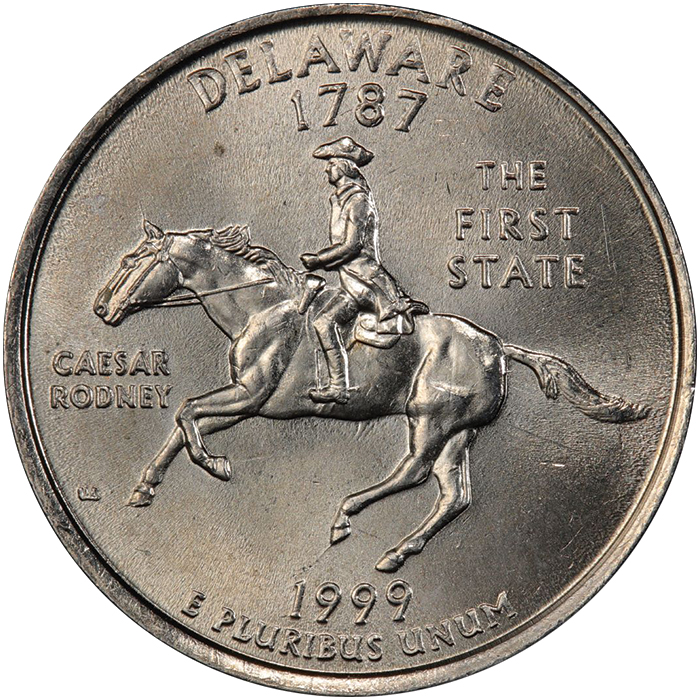
1999 – The most recent year I heard mentioned was 1999 – which marked the birth of the State Quarter program and of course, a wave of interest in our circulating coins. At this point though, it seems a bit early to deem this date as the birth of modern coinage. I believe a majority of collectors would still consider coins from the mid-1990s to be modern.
I occasionally wonder what might have been considered "modern" in the 1930s and 1940s. While few of us can remember that period now, I would guess that 1916 might have marked a dividing point during this period, as it witnessed three new designs enter circulation.
Despite all these contenders, the year most often mentioned by the numismatists at PCGS remains 1965. Even though it is over 50 years ago, coins from that period and later remain widely available in circulation, and aside from a handful of rare die varieties or errors, few coins after this point carry a significant premium unless in extremely high grade.


 Copper & Nickel
 Silver Coins
 Gold Coins
 Commemoratives
 Others
 Bullion
 World
World
 Coin Market
 Auctions
 Coin Collecting
 PCGS News