
My name is Jack Vaughn, and I am a 22-year-old numismatist living in Charlottesville, Virginia. I never precisely knew who or what got me into collecting coins. Growing up, I would go to my grandparents’ house to mow the lawn weekly. As weeks went on, I found myself looking through their jar filled with pocket change. Usually, I would find a few Lincoln Wheat Cents, generally some common dates from the 1940s and ‘50s, but never any silver coins. Nobody introduced me to coins. I just always found myself gravitating back towards them.
If coins could talk, imagine the stories they would tell. I remember eating pizza at the downtown mall when I noticed a coin shop directly across from us. Once I walked in, coins permanently sparked my interest. The high prices marked on the holders of some coins discouraged me from looking at them. I was young. Why look at the expensive stuff when I could buy Wheat Cents out of a tub and choose the dates? I purchased my first Wheat Cent album, along with the star of my small collection: a cull 1857 Flying Eagle Cent that I knew absolutely nothing about.
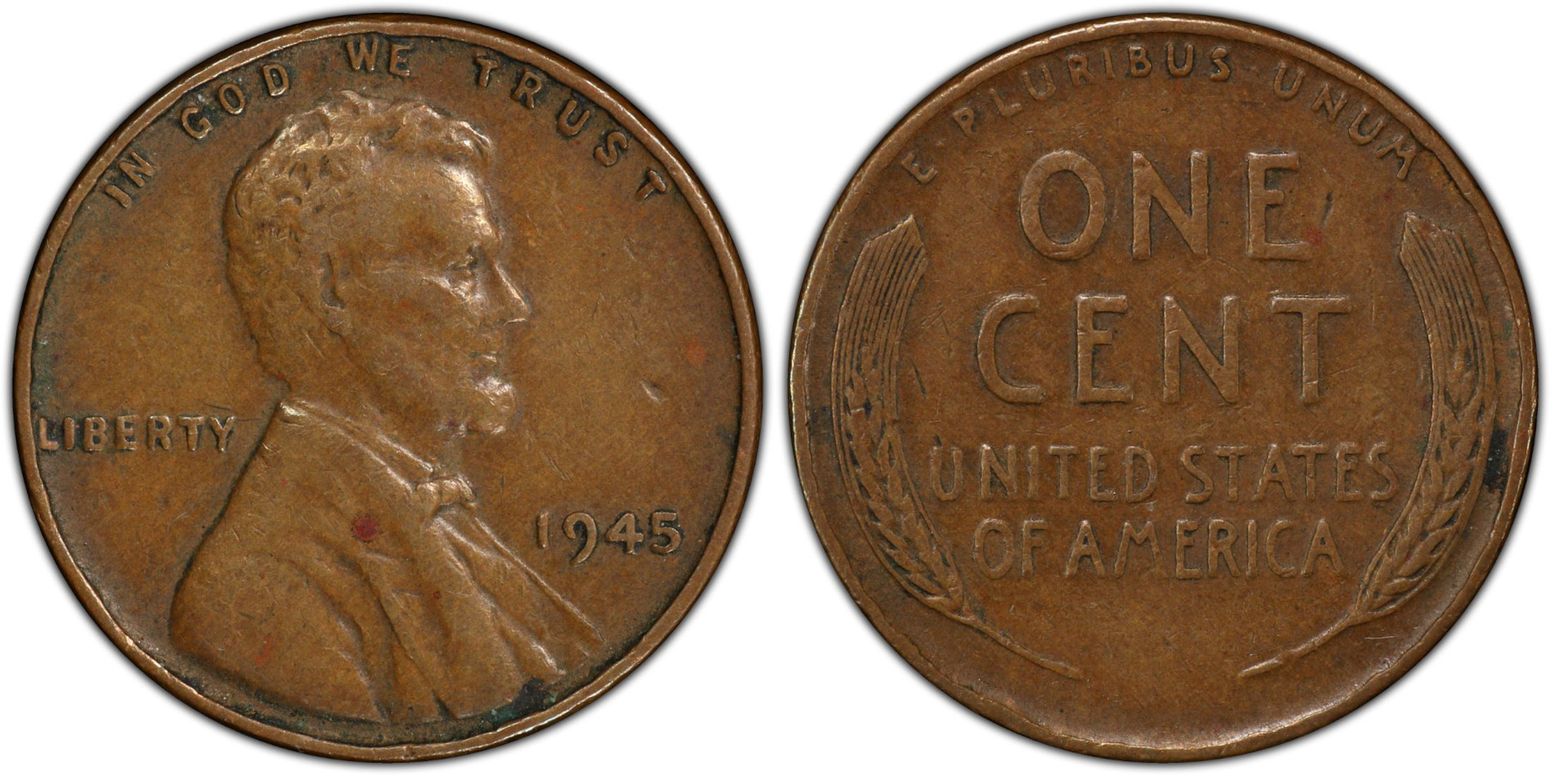
Years went on, and my collection slowly grew. High school came around before I discovered coin-roll hunting, which became a new obsession. I went to the bank and withdrew what I could afford in change. A box of pennies is $25, a box of nickels is $100, dimes go for $250, and so on. Generally, I was looking through pennies and dimes. I averaged about 20 Wheat Cents per box, and only a few, if any, silver dimes were found with each box.
Despite my relatively scant findings, what I found intriguing about coin-roll searching was that it teaches a new appreciation for how rare things are. If you go through enough coins, you start to pick up on subtle nuances. The design relief by year, composition, average wear, remaining color, general look, etc. With more experienced eyes, I naturally started finding more things in circulation.
For example, a pre-1970 copper Lincoln Cent in full Red is something I would notice when I came across it. I am not suggesting this is a rare find, but amongst circulating pocket change, finding a Red 1969-S Lincoln Memorial Cent is just as eventful as finding a cull Wheat Cent. The inexperienced eye may skip right over that. I also learned about other things, such as the differences between machine doubling and hub doubling. To a lot of new collectors, it can be challenging to understand the differences. Once you do, though, it is hard to unsee.
It was not until college that I really started to amp up my collection. I began selling the stuff I did not care about and placing that money into better, more exciting coins. People commonly refer to this as pruning a collection. I had also been working more consistently and, consequently, could save more money. Over time, I began building a type set. To afford this, I sold coins I already owned – most of which were the coins I found in circulation years ago. Eventually, all my original circulation finds were gone. I had graduated to buying and selling coins to upgrade my sets. For a while, I was so tunnel visioned into the hobby that I never realized I had begun profiting off these coins as I sold them through my business platform (on Instagram, @numisjatics). Since then, it has been an upward climb. The expensive coins I once overlooked as a child became the ones “on my desk this week.”
Above profits, my main goal is to gain exposure and learn everything I can. I would rather move hundreds of higher-end coins through my hands at a break-even point than sit on a few coins to make a negligible profit. I want to grade coins for a living one day. If that is to become a possibility, I need to get my eyes on everything I can, and a lot of it.


 Copper & Nickel
 Silver Coins
 Gold Coins
 Commemoratives
 Others
 Bullion
 World
 Coin Market
 Auctions
 Coin Collecting
 PCGS News