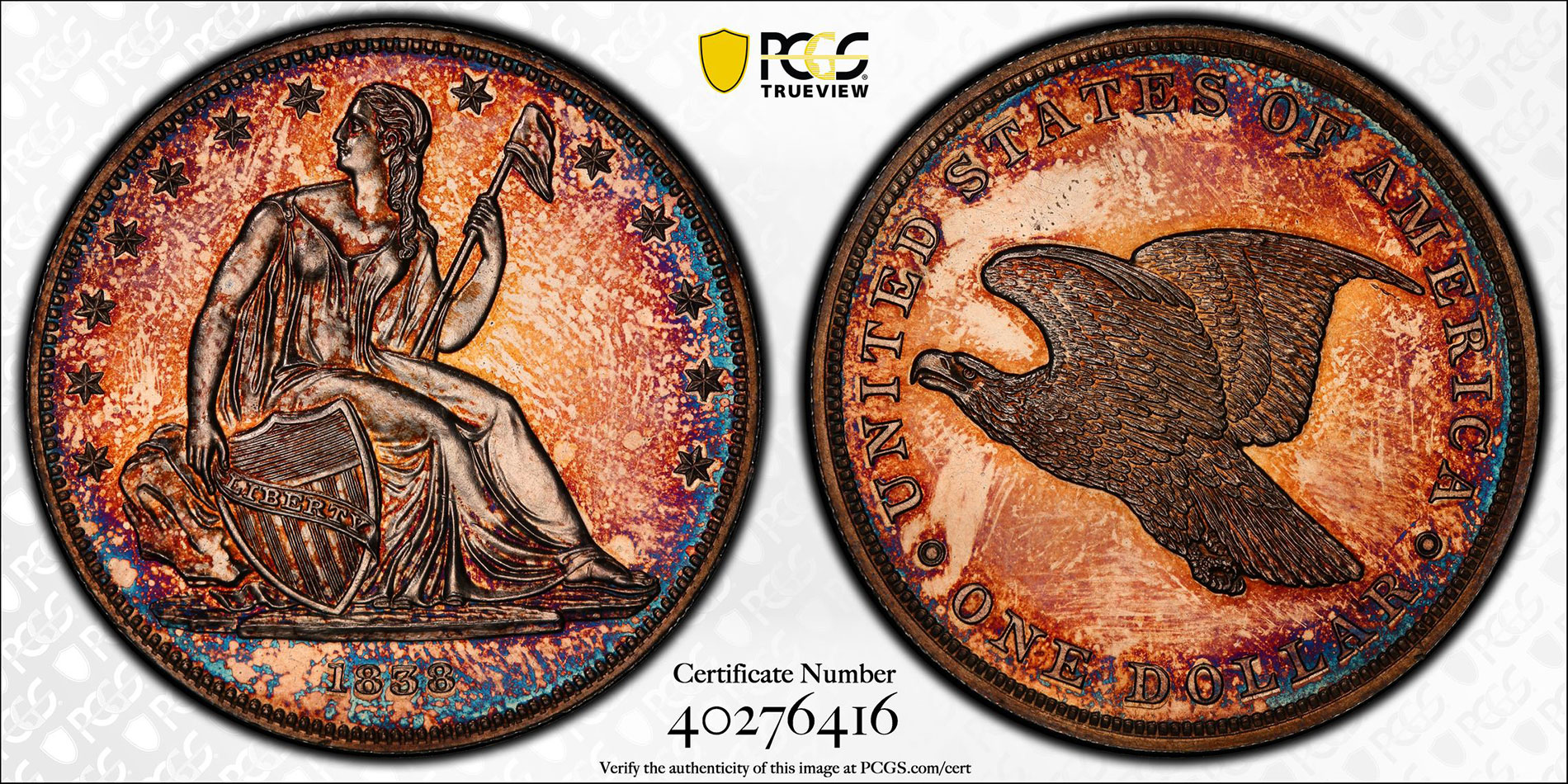
Notice anything unusual about this 1838 Gobrecht Dollar?
One of the most fundamental processes in coin grading and authentication is examination of the surfaces for abrasions, alteration, or other forms of post-production harm. Sometimes, however, we encounter an aberration in a coin’s field that – while seemingly out of place – has a fabric and finish consistent with the rest of the coin, and indeed there are several potential sources of such oddities that are of an entirely benign, and often quite intriguing, nature.
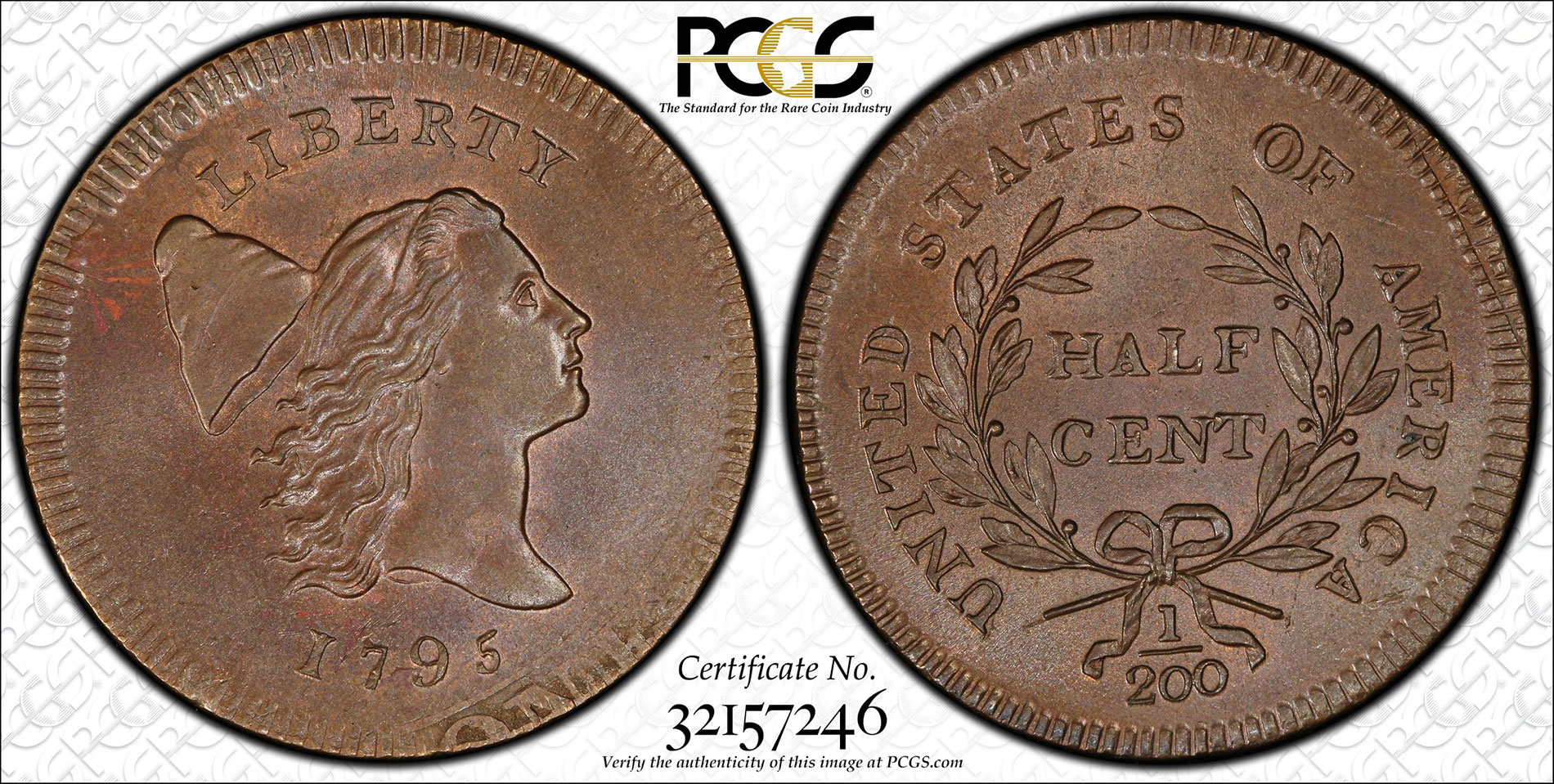
Overstrikes are coins or tokens struck using an already struck example of a different issue as a planchet (then referred to as the undertype). This may occur inadvertently, but is most often intentional, with extant coins serving as a convenient and economic alternative to requisitioning a freshly manufactured batch of blanks. While an overstriking typically obliterates the majority of the undertype, this can frequently be identified via discernible remnants of the design in the fields, or on the edge. Such apparitions, such as the word “ONE” below the date on the imaged 1795 Half Cent, do not generally detract from the grade of a piece, as they were present at the time of striking.
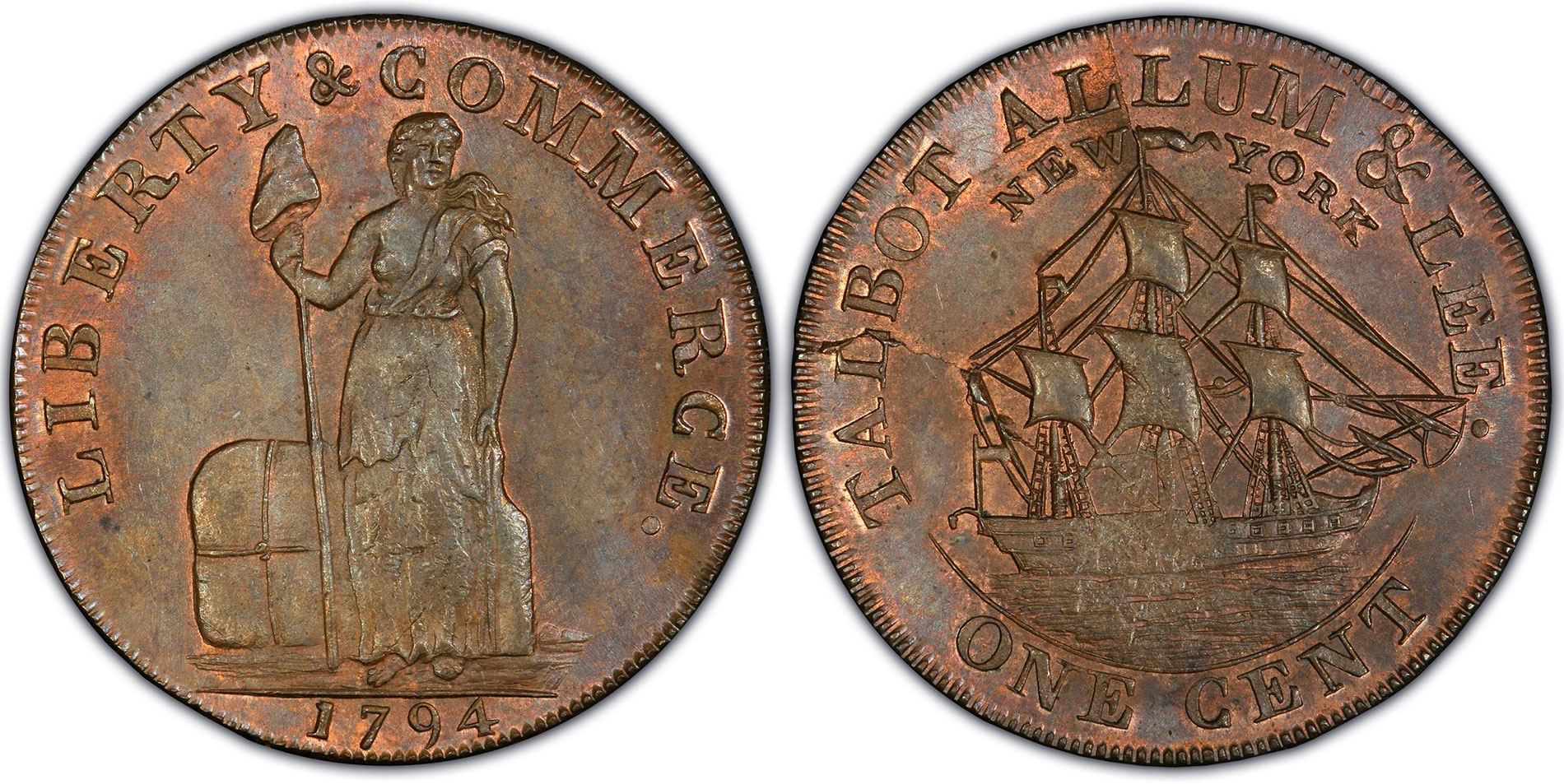
Talbot, Alum, and Lee Cents – private British tokens imported to the United States in the 1790s to supplement circulating federal and states’ issues – are often found as undertypes on 1795 and 1797 federal half cents, many having been purchased by the nascent U.S. Mint for that purpose. Meanwhile, some of the rarest Talbot varieties are those with nonstandard edge lettering, the result of being themselves overstruck on other contemporary tokens. The second John J. Ford, Jr., sale in 2004 included a unique 1795 piece with an edge reading “Current Everywhere” in place of “We Promise to Pay the Bearer One Cent.” Are there more to be found?
While such planchet repurposing was commonplace in the early era of the United States Mint, overstrikes from later eras are considered mint errors and are can be highly desirable, as when a struck cent makes it into a nickel-planchet hopper at a U.S. Mint, thereby creating a “double denomination” error.
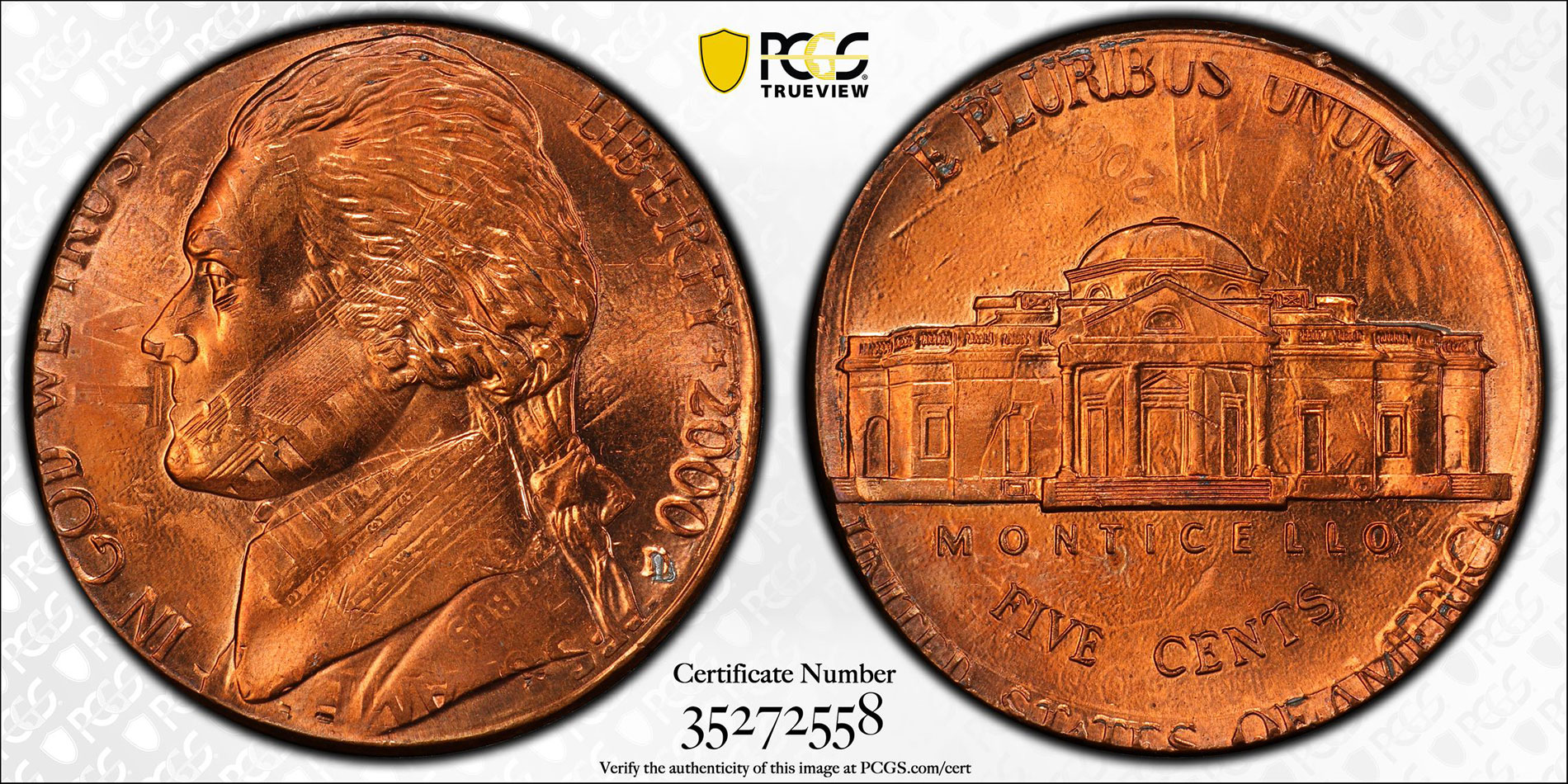
In contrast to overstrikes, multistrikes are pieces struck more than once from the same die pair. If the planchet rotates within the collar or flips over between impressions, visually spectacular errors can be created.
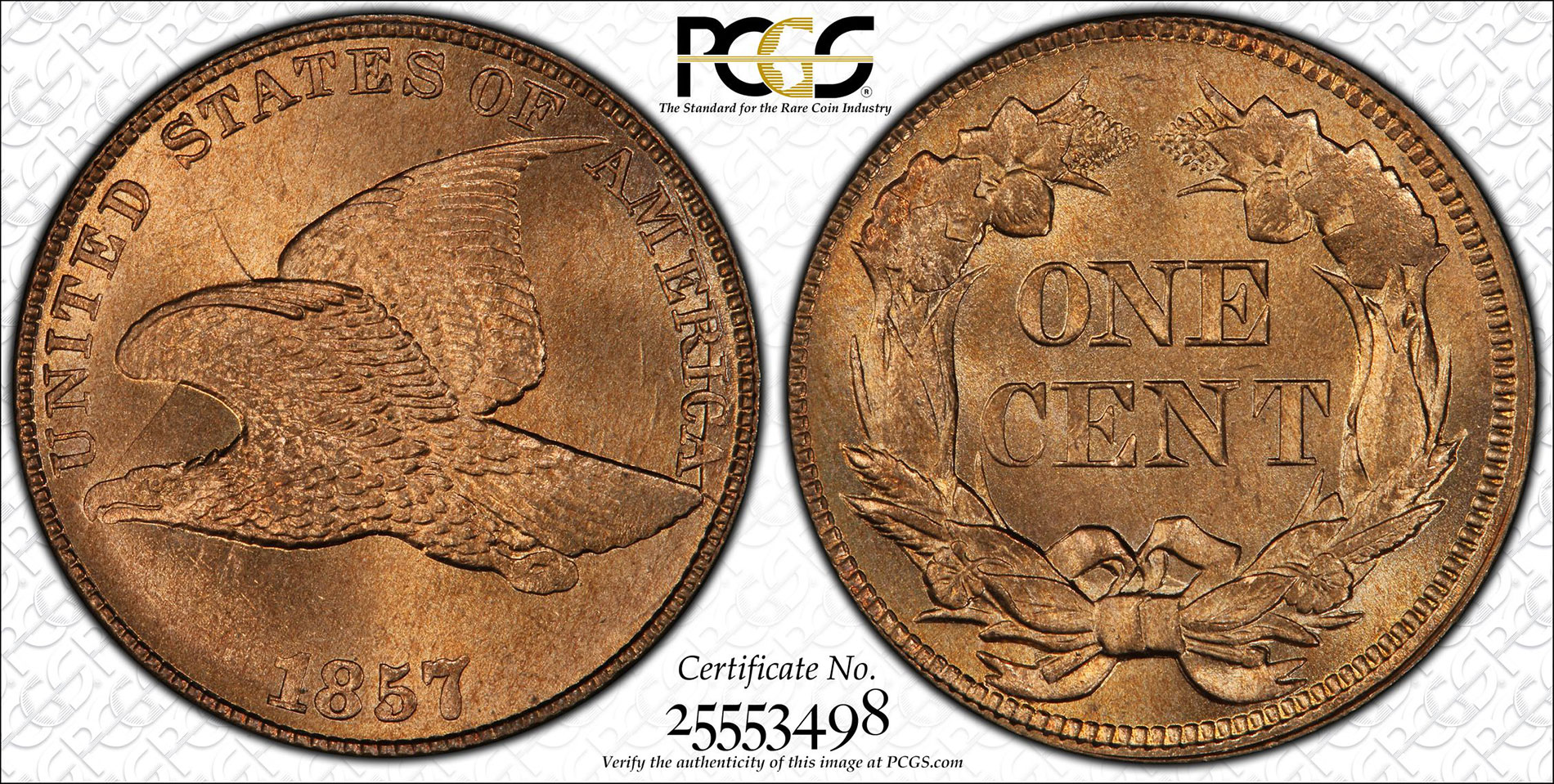
Die clashing is evidence of a permanent impression left on a die from its collision with another (usually mated) die without a coin in between to cushion the blow and absorb the design. In some series, such as the Three Cent Nickels from the middle of the 19th century, this is common, and such pieces command no premium. In other instances, they can be highly collectible. This 1857 Flying Eagle Cent obverse die was somehow clashed with the reverse die from a contemporary Liberty Seated Half Dollar, leaving dramatic evidence on the obverse: the projections from the eagle’s beak, front wing, and tail are all clash marks and not at all detrimental to the grade.
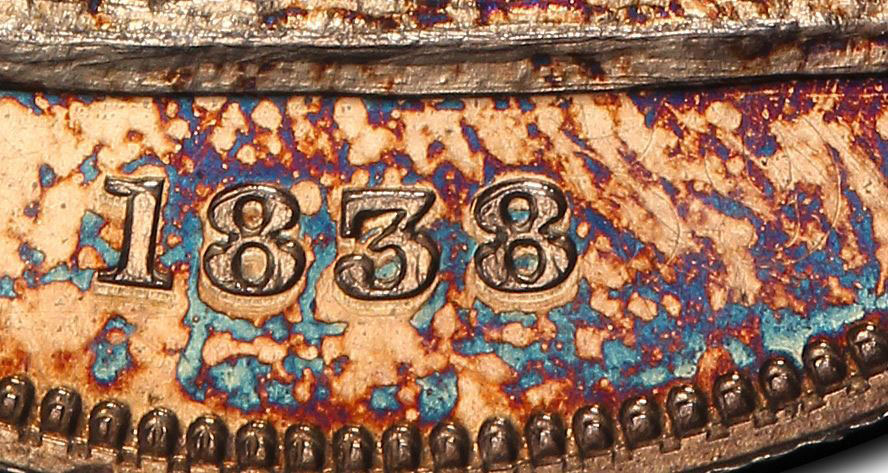
Occasionally, an overstrike reveals an important historical fact. This Judd-84 Gobrecht Dollar is dated 1838, but close examination reveals an undertype – a silver dollar dated 1859! This example is a genuine U.S. Mint product of the utmost beauty and rarity, struck with 1838 dies, just at a much later date. Can you think of another famous early dollar overstruck on a coin from the 1850s? Hint: it’s unique and in the Smithsonian.


 Copper & Nickel
 Silver Coins
 Gold Coins
 Commemoratives
 Others
 Bullion
 World
World
 Coin Market
 Auctions
 Coin Collecting
 PCGS News