

Whether you are a numismatist or silver stacker, being flexible is crucial. What do I mean by flexible? For the numismatist, it means having both the knowledge and wherewithal to act if and when an opportunity presents itself. A good deal might involve a purchase or a sale.
Knowing exactly what you have in terms of value allows you to sell quickly if it is to your advantage. Conversely, the knowledge you have built in your area of expertise allows you to take advantage of a good buy because you already know it is good value. Doing your homework allows you to act immediately.
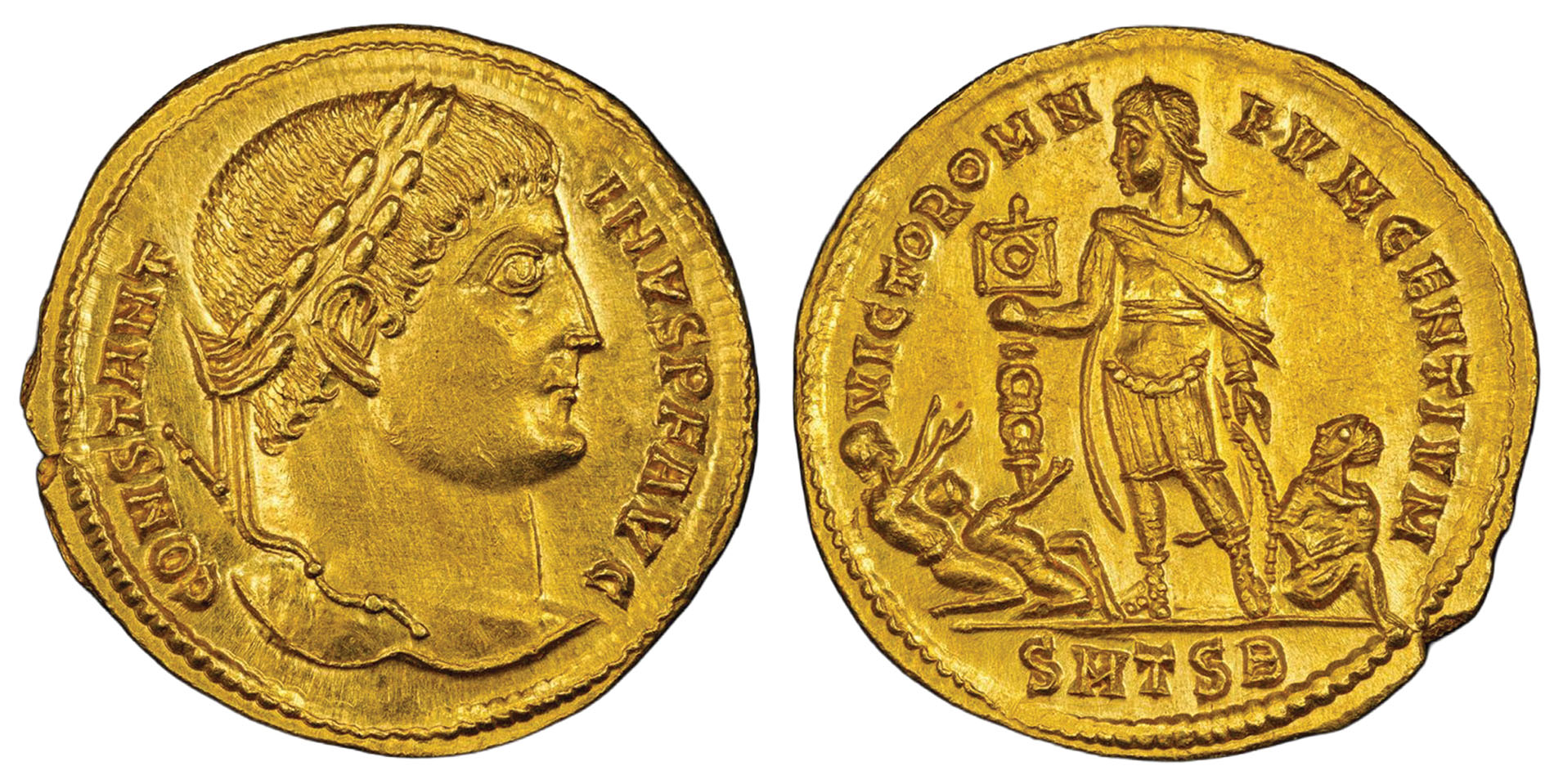
If you are pursuing specific coins, know the price levels that coins of the same grade have sold for recently. With the focus on bullion, take advantage of good buys in your area of interest, but always be prepared to cherry pick a great coin you might not collect. Financial markets like to call it buying on the dip. While we may not be experiencing a dip, buying a great value at a little less is always good. Buy PCGS-graded coins and bullion items – do not waste your money on marginal-quality “bargains”!
Bullion investors must know their market also, but their targets and expectations are measured differently. Often a bullion investor has a target price at which they are a buyer or seller. Always remember the point of sale when investing in bullion items. Especially when you want to sell your item immediately once a target price is met, any barrier to the sale of that item is bad. Don’t hamstring yourself with damaged or discount-tier bullion items.
When discussing bullion with others I often hear, “I like silver at these levels, but I’m a seller if it reaches $40 an ounce again.” No kidding, I have heard this sentiment voiced dozens of times over the last five years. In other words, “I like it when it is less expensive, but…”
Many times a bullion enthusiast’s buy-and/or-sell decision is based on when a target price level is reached. Once again, don’t make it harder on yourself with bullion material that is difficult to immediately sell. While you can’t control the spot price, you can control the saleability of your coins or bullion items.
Is it any surprise we would all like to buy low and sell high?
Despite some normal seasonal stagnation in both bullion and numismatic markets, 2024 has been strong in most financial markets including the bullion markets. Rare and key-date coins continue to bring strong prices when available, but there has been some slowing of demand in more generic numismatic material. Much of this softness is due more to the strength of the bullion business versus any weakness in coin prices. Indeed, sales of graded rare coins at the American Numismatic Association World’s Fair of Money back in August were strong and active, but dealers generally brought their best, more expensive merchandise.
We’ve seen some all-time-high prices for gold over the past months, with demand for most of the other metals strong – except for copper, whose price has generally trended downward due to lower industrial demand. But why did I bring up copper?
In a recent Wall Street Journal article, a new artificial intelligence (AI) development concerning metal’s mining technology is promising better predictability of both the extent and concentration of mineral deposits. This is promising better exploration results for copper, nickel, cobalt, and lithium mining. Why not gold, silver, platinum, and palladium, too?
On a side note, I recently heard a term in relation to the price of copper. The premise is that the price of copper is a good sign of the health of the economy. While in the last several months copper reached nearly $5 a pound, it had fallen back more than 15% at the time of this writing. They call it Dr. Copper.
Interestingly, many copper enthusiasts stack pre-1982 Lincoln Cents at their face value for their copper metal value. Stockpiling of copper cents is allowed, but melting any of these coins is presently illegal in the United States. While I haven’t followed the price of nickel quite so closely, I would be curious as to the price levels in comparison to copper and the other precious metals – gold, silver, and platinum.
My departure into a discussion about the metals behind our coins and bullion markets is important.
Ultimately, the spot price of a bullion item often determines whether a particular deposit will ever be mined or even explored. For example, in my career, I’ve experienced gold prices at under $300 and over $2,500 an ounce. Many gold deposits are not profitable to mine at $300 an ounce gold, but it is a different story at $2,500 gold.
Do you remember seeing any gold mining or exploration shows on any cable channels when gold was $300 an ounce? Probably not… Let’s look at the technology angle a little closer now, too.
Especially with new AI technology in play, mining will change to more focused applications versus a function of how many tons of ore must be mined to produce XYZ ounces of silver or gold. All of these technological and industrial advances will affect our bullion and numismatic markets. As our technological advances are applied to industry, our markets will adjust.
As an experienced professional numismatist, I may be biased about various elements of the market. Yet I’m intrigued by the limited supply and the fact that no more will be produced. That being said, I like rare coins, but I also always keep some bullion. Where do you stand?




 Copper & Nickel
 Silver Coins
 Gold Coins
 Commemoratives
 Others
 Bullion
 World
World
 Coin Market
 Auctions
 Coin Collecting
 PCGS News