I’ve been a coin collector since 1992, and over the years I’ve hit my share of snags and pitfalls in building sets. I live at – or mostly below – my means as a collector, and by that I intend to say I’ve almost never ventured out on building a set I didn’t feel I could complete within the income I was earning at that given time.
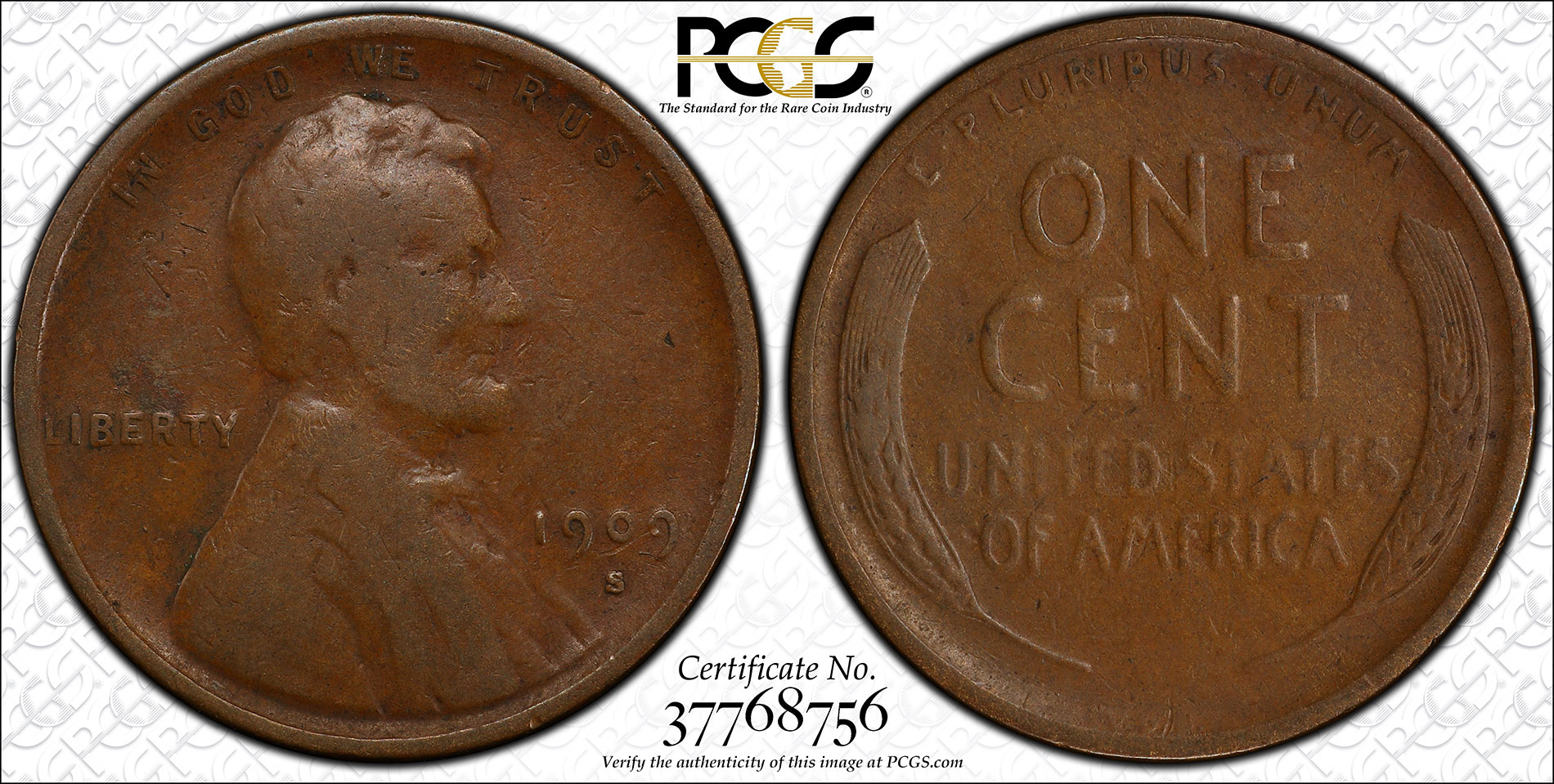
Consequently, I’ve scarcely had a “hole” in my set stay open for periods of many years, with the exception of the 1909-S VDB Lincoln Cent in my Lincoln Cent set. I finally bought that storied rarity as an adult to complete the Lincoln Cent set that I had started in one form or fashion or another in my childhood. It was an expensive buy and remains one of the biggest amounts I’ve ever paid for a single coin. Suffice it to say, I’m not raising paddles in any bidding wars for the 1804 Draped Bust Dollar, or at least not yet.
The issue of budget has always been on my mind, and similarly I’ve heard a lot of fellow collectors use the terms “price” versus “cost” during my numismatic journey. Early on, I chalked up those two synonymic terms to mean roughly the same thing – how much one spent to buy a certain coin. And perhaps that is precisely what many of those folks were referencing.
But in more recent years I’ve parsed the definitions of those two terms within the nomenclature of our hobby or really for any recreational venture wherein one finds themselves spending big bucks on things that don’t fall into the category of “physical needs” on psychologist Abraham Maslow’s Hierarchy of Needs. I realize that price and cost really aren’t the same thing. Not at all… At least not in my understanding of the situation.
Price, in my view, is the numerical figure written on a label and affixed alongside a coin in dealer’s case. Cost, on the other hand, has a less literal meaning to me. It can be measured in the equation between “how much will this affect my bank account and how important is it to me to have this coin?”
The 1909-S VDB Lincoln Cent was a coin I bought for myself after getting my first regular job and paid for it using a layaway plan from a prominent dealer in the Mid-Atlantic states. I haven’t before or since used layaway to buy anything, and I don’t buy coins that cost more than the amount I’ve saved to buy them – in cash. And let me promise you these aren’t very expensive pieces I’m buying, either (yet, I enjoy what I collect). But, deciding which coins I really “need” and rationalizing their purchases when I still have a mortgage document I wish to burn someday sooner rather than later? Hmmm…
That’s the other side of “cost” that matters to me… What’s the cost of having an empty hole in my set? Sure, I can wait to fill buy a particular coin or two – I’m not necessarily devoid of patience. But waiting too long becomes a very real concern in an active marketplace like the one we have today, whereby coin prices are increasing at a rapid pace across the board. Will I be able to afford “X” coin in “Y” years if I keep waiting to buy it? Will I even want to keep working on a certain set if I can’t realistically afford every coin in it?
These are the questions some of us need to be asking ourselves as collectors – especially those of us for whom money is an object. The price tag may tell me one thing, but the considerations of whether to buy or not to buy, and what happens to my collection if I do, or conversely don’t, buy said item now. Well, that’s the question, right? Or, maybe it’s the rub, to paraphrase the great William Shakespeare. Cost… The cost’s the thing…
*Any opinions or claims expressed herein are solely those of the author and do not necessarily reflect those of Professional Coin Grading Service, its affiliates, or subsidiaries.


 Copper & Nickel
 Silver Coins
 Gold Coins
 Commemoratives
 Others
 Bullion
 World
World
 Coin Market
 Auctions
 Coin Collecting
 PCGS News