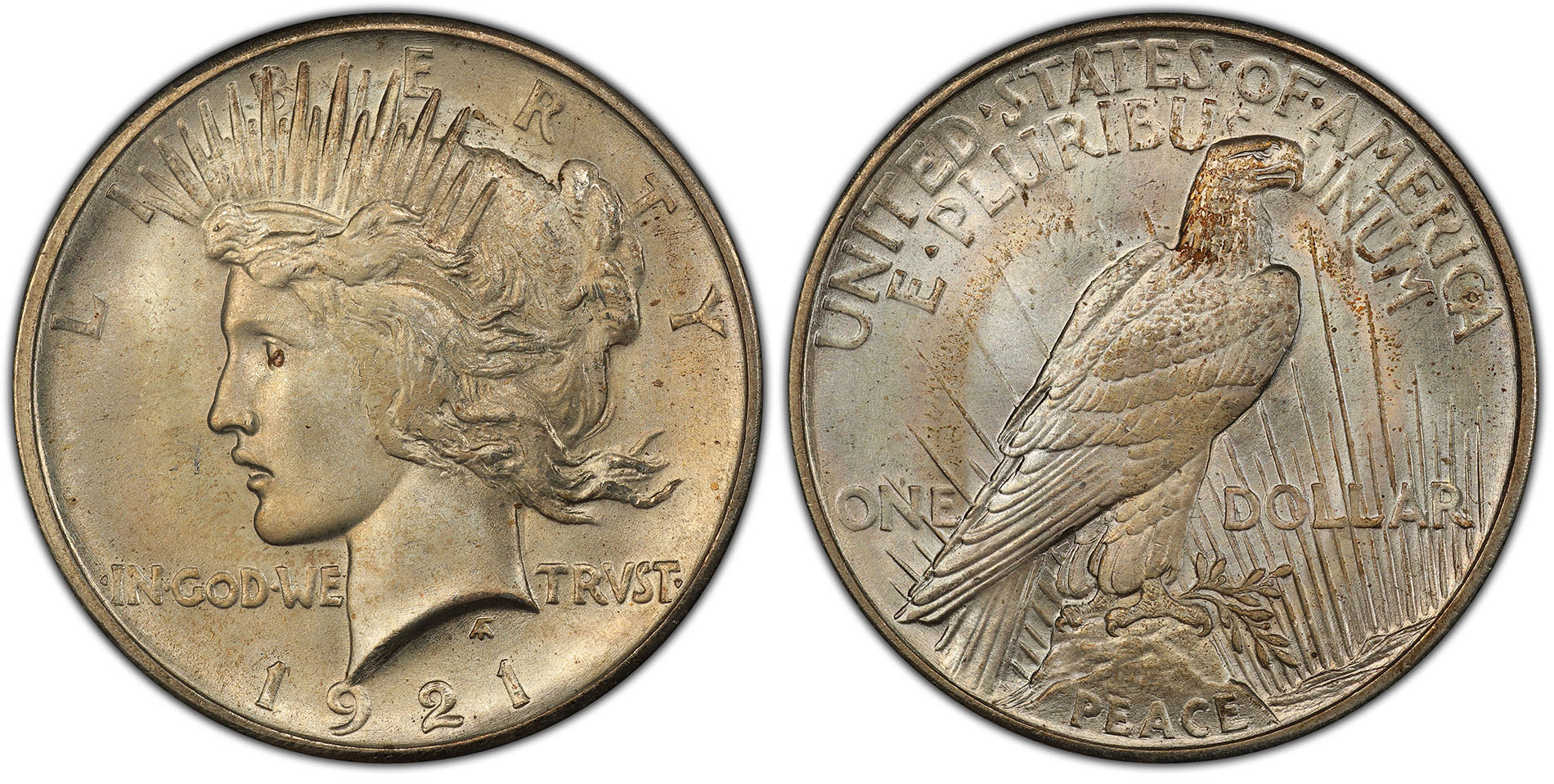
The Peace Dollar design was to symbolize the concept of peace as a guiding principle for humanity in the future – that’s an ideal we can all get behind, right? Yet, after the issuance of the 1921-dated Peace Dollar in early 1922, there was little fanfare surrounding this silver dollar series afterward. The Peace Dollar didn’t really fare any better than the Morgan Dollar had in terms of its popularity as a circulating coin in commerce.
Even today, many overlook the series when considering the mintages of Peace Dollars during their 15-year longevity as a series, with coins being minted in only 10 of those 15 years. Just over a million examples of the inaugural 1921 Peace Dollars were produced. Although there were more than 35,000 examples of 1922 Peace Dollars produced with the higher-relief design of 1921, few were found in circulation, and there are only a handful known today in a couple of finishes.
In 1922, a total of more than 84 million Peace Dollars with the lower-relief design were produced at the Philadelphia, Denver, and San Francisco Mints. The total mintage of all other Peace Dollars from 1923 through 1935 was just over 105 million. Of the issues struck from 1922 through 1935, more than 45% of the total coins issued would be struck in 1922. Only four other dates (besides the three 1922 issues) of the 24 total issues have a mintage of over 10 million. That in itself is very illustrative.
Just the 1922, 1922-D, 1922-S, 1923, 1923-S, 1924, and 1925 strikes have mintages of more than 10 million coins, but what is most curious is how a majority of the other 17 issues were actually produced, and they were used quite heavily! Between the lower production figures and higher usage for many of these lower-mintage Peace Dollar dates, scarcity and therefore higher demand becomes obvious.
Let’s do the math. The total mintage of Peace Dollars from 1922 through 1935 is roughly 190 million total coins. The seven issues with mintages of more than 10 million each combined total 156 million. The other 17 dates comprise only 34 million of the total 190 million struck, or just 18% of the total production for the entire series.
The silver dollar in terms of commerce was cumbersome and heavy, but they were used in the Midwest and West to a much larger degree than in the East, where most of the higher-mintage Philadelphia coins would have been distributed if needed. Much of the coin’s supply and popularity today are both products of their sporadic and highly regional distribution and, in some cases, massive overproduction. Peace Dollars made in both Denver and San Francisco were more heavily circulated in terms of mintages than their Philadelphia Mint counterparts.
The production percentages by mint, too, are out of proportion. From 1922 through 1935 total Peace Dollar mintages for the three mints were as follows: Philadelphia 110 million, Denver 27 million, and San Francisco 52 million. Obviously, despite the larger East Coast population and distribution area, the total Denver and San Francisco mintages spread over nearly two-thirds of the continental U.S. in terms of distribution meant many of the Denver and San Francisco coins were more heavily circulated than their Philadelphia Mint brethren.
Peace Dollars struck in Denver and San Francisco fulfilled their purpose and enabled commerce. While there are some scarce Philadelphia Mint dates, it was the Denver and San Francisco Mint Peace Dollars that got used.
Regardless, why did bags of uncirculated Peace (and Morgan) Dollars exist in the 1960s? It seems the U.S. Mint struck more Peace Dollars than were perhaps necessary for circulation. That being said, collectors today are able to locate, purchase, and assemble complete sets of Peace Dollars containing all 24 business-strike issues in all but the highest grades. Indeed, a circulated set of Peace Dollars is not only affordable but relatively easy to build.
Are you up for a bigger challenge? It can be done!
In comparative terms, I’ve always felt Peace Dollars were undervalued in relation to Morgan Dollars. Yes, I know it’s like comparing apples and oranges. They’re both fruit and they’re both silver dollars. Just like with Morgan Dollars, there is a lot more to the story. But Peace Dollars haven’t necessarily received the attention nor the appreciation in terms of price they probably deserved years ago.
As a former dealer who bought these coins long ago, I twice handled Peace Dollar deals involving original uncirculated rolls in fairly large quantities. No there weren’t bags, but there were lots of uncirculated rolls of mintmarked dates in both deals.

Just as an example, in my personal experience having bought rare coins over several decades years ago, I would buy 10 rolls of Philadelphia Mint Peace Dollars for every Denver or San Francisco Mint uncirculated roll of Peace Dollars. Also, in general terms, prices for mintmarked Peace Dollars are higher than their Philadelphia Mint counterparts.
Let’s look at the hard numbers in terms of price… In this chart below, I’m going to compare prices on all 24 business-strike issues in the series based on PCGS Price Guide numbers, when available, from July 2018 and July 2023 in the grades of MS63/63+, MS64/64+, and MS65/65+.
| Date/Mintmark | Mintage (in millions) | Pop/Pop Plus | Grade | PG-July 2018 | PG-July 2023 | ||
| 1921 | 1.006M | 5,221/62 | 63 | 425/475 | 1,050/1,400 | ||
| 4,893/226 | 64 | 725/1,150 | 2,000/2,750 | ||||
| 1,568/101 | 65 | 2,150/3,100 | 4,000/6,500 | ||||
| 1922 | 51.737M | 77,830/90 | 63 | 50/55 | 80/90 | ||
| 60,389/933 | 64 | 60/70 | 110/130 | ||||
| 8,446/146 | 65 | 125/175 | 185/285 | ||||
| 1922-D | 15.063M | 4,227/11 | 63 | 95/105 | 140/150 | ||
| 4,139/123 | 64 | 135/175 | 250/325 | ||||
| 1,421/73 | 65 | 525/750 | 575/1,100 | ||||
| 1922-S | 17.475M | 3,688/16 | 63 | 85/105 | 150/175 | ||
| 2,445/162 | 64 | 200/450 | 300/475 | ||||
| 485/60 | 65 | 1,350/3,250 | 1,450/5,500 | ||||
| 1923 | 30.8M | 102,437/131 | 63 | 50/55 | 80/90 | ||
| 105,155/1765 | 64 | 60/70 | 110/130 | ||||
| 19,995/361 | 65 | 125/175 | 185/285 | ||||
| 1923-D | 6.811M | 2,276/14 | 63 | 165/195 | 325/350 | ||
| 1,742/51 | 64 | 325/400 | 525/550 | ||||
| 565/47 | 65 | 1,000/1,250 | 1,200/1,600 | ||||
| 1923-S | 19.02M | 4,292/42 | 63 | 75/105 | 140/185 | ||
| 2,504/210 | 64 | 325/600 | 375/750 | ||||
| 222/15 | 65 | 2,350/8,000 | 2,600/14,400 | ||||
| 1924 | 11.811M | 16,490/37 | 63 | 50/55 | 80/90 | ||
| 17,940/322 | 64 | 60/70 | 110/140 | ||||
| 4,185/71 | 65 | 125/175 | 240/285 | ||||
| 1924-S | 1.728M | 1,751/25 | 63 | 475/525 | 700/775 | ||
| 1,446/176 | 64 | 1,050/2,200 | 1,400/2,400 | ||||
| 110/14 | 65 | 6,500/11,000* | 7,000/11,000 | ||||
| 1925 | 10.198M | 15,893/33 | 63 | 50/55 | 80/90 | ||
| 23,929/502 | 64 | 60/70 | 110/130 | ||||
| 9,349/209 | 65 | 125/175 | 185/325 | ||||
| 1925-S | 1.61M | 3,352/65 | 63 | 240/325 | 400/450 | ||
| 2,292/297 | 64 | 600/1,600 | 1,000/3,000 | ||||
| 55/2 | 65 | 22,000/75,000 | 40,000/140,000 | ||||
| 1926 | 1.939M | 4,993/17 | 63 | 95/99 | 160/190 | ||
| 5,141/150 | 64 | 125/165 | 300/375 | ||||
| 1,705/93 | 65 | 400/725 | 600/850 | ||||
| 1926-D | 2.348M | 1,826/8 | 63 | 240/260 | 450/485 | ||
| 1,926/55 | 64 | 415/500 | 550/650 | ||||
| 907/39 | 65 | 925/1,650 | 1,200/1,900 | ||||
| 1926-S | 6.98M | 3,372/14 | 63 | 105/140 | 215/225 | ||
| 2,665/119 | 64 | 250/375 | 450/475 | ||||
| 906/60 | 65 | 700/1,400 | 1,000/2,100 | ||||
| 1927 | 848K | 3,486/31 | 63 | 175/225 | 300/325 | ||
| 2,327/117 | 64 | 450/750 | 575/800 | ||||
| 436/36 | 65 | 1,500/6,500 | 2,100/4,500 | ||||
| 1927-D | 1.269M | 1,863/28 | 63 | 425/475 | 800/1,000 | ||
| 1,348/75 | 64 | 1,050/1,800 | 1,700/2,600 | ||||
| 218/35 | 65 | 4,250/10,000 | 4,500/10,000 | ||||
| 1927-S | 866K | 2,248/32 | 63 | 525/625 | 850/950 | ||
| 1,654/173 | 64 | 1,000/1,600 | 1,600/2,000 | ||||
| 99/8 | 65 | 8,500/25,000 | 6,500/21,500 | ||||
| 1928 | 360K | 2,986/31 | 63 | 625/750 | 875/950 | ||
| 2,221/154 | 64 | 850/1,500 | 1,350/2,150 | ||||
| 400/44 | 65 | 3,500/8,500 | 4,750/7,750 | ||||
| 1928-S | 1.632M | 2,431/35 | 63 | 425/575 | 675/725 | ||
| 2,086/317 | 64 | 850/1,500 | 1,800/3,800 | ||||
| 70/4 | 65 | 16,500/42,000 | 22,500/70,000 | ||||
| 1934 | 954K | 2,533/10 | 63 | 195/245 | 325/385 | ||
| 2,357/69 | 64 | 300/450 | 500/625 | ||||
| 871/43 | 65 | 600/1,250 | 950/1,250 | ||||
| 1934-D | 1.569M | 2,175/23 | 63 | 300/365 | 425/475 | ||
| 1,547/62 | 64 | 475/700 | 675/800 | ||||
| 547/39 | 65 | 1,250/2,250 | 2,000/3,150 | ||||
| 1934-S | 1.011M | 679/8 | 63 | 4,500/4,750 | 7,500/8,000 | ||
| 629/68 | 64 | 6,500/7,450 | 10,000/10,500 | ||||
| 218/35 | 65 | 8,500/1,4500 | 12,500/14,000 | ||||
| 1935 | 1.576M | 3,435/19 | 63 | 125/150 | 285/315 | ||
| 3,142/120 | 64 | 210/285 | 450/500 | ||||
| 1,200/64 | 65 | 600/850 | 875/1,050 | ||||
| 1935-S | 1.964M | 1,466/30 | 63 | 425/450 | 675/725 | ||
| 1,695/135 | 64 | 600/750 | 1,000/1,350 | ||||
| 803/81 | 65 | 1,150/1,750 | 1,750/2,400 | ||||
| Set Total 63/63+ | $9,920/$11,164 | Set Total 63/63+ | $14,015/15,425 | ||||
| Set Total 64/64+ | $16,675/$24,680 | Set Total 64/64+ | $22,365/30,205 | ||||
| Set Total 65/65+ | $84,750/$219,425 | Set Total 65/65+ | $95,875/319,545 |
I knew Peace Dollar prices had increased in the last several years, but I was in no way prepared for how much they had appreciated. In all six grades for which PCGS Price Guide numbers are compared there were significant increases. Let’s look at the set numbers in all six grades first:
- MS63, $9,920 to $14,015 – 42%
- MS63+, $11,164 to $15,425 – 28%
- MS64, $16,675 to $22,365 – 39%
- MS64+, $24,680 to $30,205 – 19%
- MS65, $84,750 to $95,875 – 12%
- MS65+, $219,425 to $319,545 – 32%
The biggest date winner in terms of appreciation is no big surprise. The one-year type date example 1921 first year of issue is finally realizing the support the date has always deserved. In all six grades cited the appreciation has been remarkable:
- MS63, $425/$1,050 – 147%
- MS63+, $475/$1,400 – 195%
- MS64, $725/$2,000 – 176%
- MS64+, $1,150/$2,750 – 140%
- MS65, $2,150/$4,000 – 86%
- MS65+, $3,100/$6,500 – 110%
While all dates appreciated in value over the last five years, the numbers illustrate another fact quite clearly. Mid-grade Peace Dollars grading MS63, MS63+, MS64, and MS64+ performed exceptionally well. The smallest appreciation by set grade was MS65, at only 12%. I would submit that the price and overall supply of especially scarce dates in MS65 makes this both a financial and logistical challenge, and indeed might explain the modest MS65 appreciation.
Indeed, I was forced to plug in a price number for 1925-S in MS65+ for July 2018 because PCGS did not have a value for the grade at that point. So many dates in MS65 and especially MS65+ are often not available and the prices vary significantly depending on the eye appeal of the individual specimen. Many of these dates, especially the 1924-S, 1925-S, 1927-S, and 1928-S are especially challenging because of higher levels of circulation (in comparison to mintage), poor overall quality of strike (no known full strikes), and many examples with spotting or toning issues.
In terms of overall impressions from these PCGS Price Guide numbers is the fact that those great collector-grade coins in the more affordable MS63 through MS64+ grades appreciated most in terms of percentages. I believe this illustrates the value we as collectors place on having the best coin (we can afford) in our sets. This may also be a reflection of increasing interest in this series, with the release of the 2021 Peace Dollar.

Struck by the United States Mint to honor the 100th anniversary of the first Peace Dollar, this coin was offered on August 10, 2021, and had an issue price of $85 each. The run of 200,000 coins sold out immediately. Others are being released in 2023 and more may follow. At the very least, having a 2021 Peace Dollar as an example of 21st-century minting perfection would be a great acquisition for any fan of this classic series, which clearly has many great things ahead for it.


 Copper & Nickel
 Silver Coins
 Gold Coins
 Commemoratives
 Others
 Bullion
 World
World
 Coin Market
 Auctions
 Coin Collecting
 PCGS News