Building a collection that you’ll be proud to show off takes work – and time. Whether you collect mid-grade circulated coins or “top-pop” Set Registry specimens, a little planning at the outset can pay valuable dividends, when and if you finally sell your holdings. Determining an acquisition strategy should also be a part of your plan.
Focus and Consistency Win!
Of course, what you decide to collect is up to you. However, I recommend building a collection or set that is consistent in grade, grading service, and eye-appeal. Still, there will be circumstances in which you might not be able to collect the same grade for every coin, especially when going after top-pop coins, i.e. the highest grade certified for a specific coin issue. For instance, early gold coins might top out at VF35, AU58, or MS62 for specific coin issues. While the grades in that type of collection may not be numerically consistent, collecting top-pops accomplishes consistency in your plan.
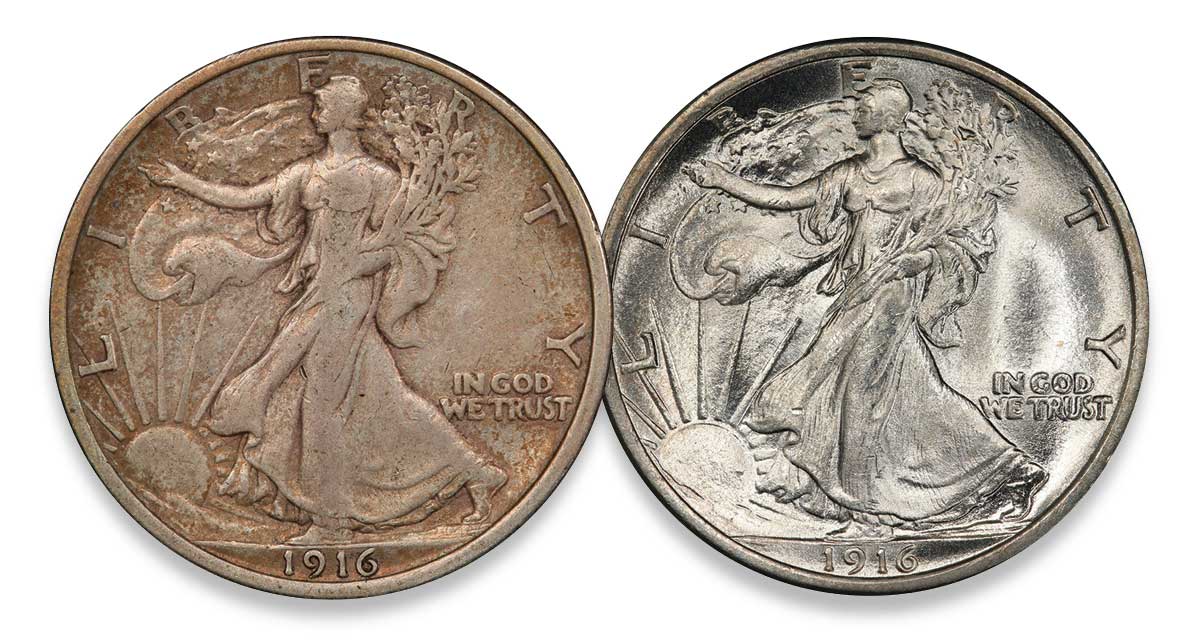
As another example, several years ago I sold a complete collection of Walking Liberty Half Dollars for the family of a lifelong collector. Even though the collector could afford more, he had a cost limit of $1,500 per coin. When he completed the set, some of the coins were MS64, MS65, or MS66 and several were only VF, XF, or AU. That particular set composition didn’t lend itself well for an auction, nor did it appeal to many other collectors as, say, an all-AU58 or -MS66 set might. Therefore, the set had to be sold to a dealer at a discounted wholesale price. In the end, I offered it to several dealers on a closed-bid basis, so we did the best we could to get the set sold at a fair price.
I firmly believe that collectors who put thought, research, and strategy into their collections at the outset will derive more personal enjoyment and financial rewards from it than someone who is merely buying “hole-fillers” by way of purchasing the first example they run across for a needed issue. Over the years, I’ve seen and purchased lots of collections that are really helter-skelter accumulations of various U.S. and world collector coins, bullion coins, proof and mint sets, incomplete albums, and the like. “Focus” was obviously not part of the plan for those collectors!
Do You Have an Acquisition Strategy?
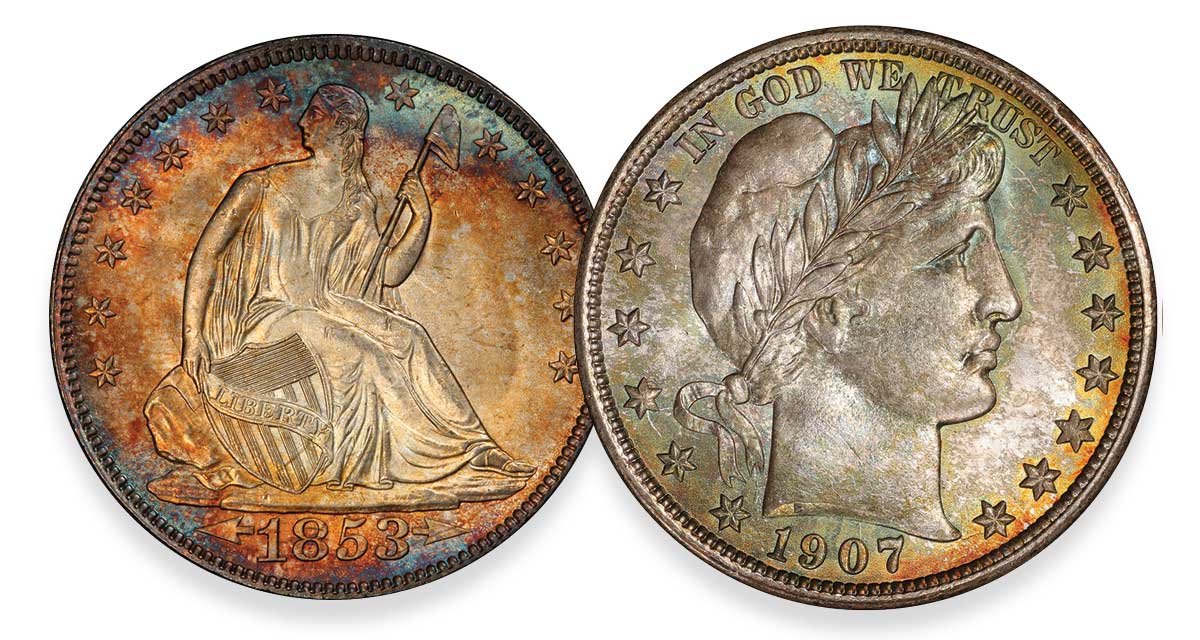
How and where are you going to find the coins you’ve decided to collect? That really depends on what you’re collecting. For example, VF-grade Indian Cents are not likely to appear in auctions. You’ll primarily find them at coin shows, shops, or online in dealer inventories. On the other hand, coins like the caliber of MS66 and MS67 Liberty Seated and Barber Half Dollars are most likely to be found in major auctions. During the past 20 years, those kinds of coins and sets have turned up much less frequently with dealers, because sellers have come to favor auctions for selling high-end coins.
You may be a collector who enjoys searching for coins, working with dealers, and bidding in auctions, but that process is too time consuming and mistake prone for others. Therefore, especially if you collect coins that are a challenge to find, I recommend partnering with a dealer or agent who can also serve as your guide and mentor. Dealers who specialize know where lots of great coins are and who owns them. If you find a dealer who you believe in, trust, and get along with, please be loyal to him or her. A mentor or agent can be a valuable resource, and you can have a lot of fun together in the process for years to come!
Speaking of years, that’s how long it will take to build most collections. Availability of the coins you want to collect is of prime importance. Some top rarities may come on the market, literally, only once in a lifetime. But I want to focus on more ordinary coins in the next section. I’m going to select seemingly common coins for a series, to illustrate how infrequently some of them tend to appear at auction.
Seemingly Common Coins that Scarcely Come to Market
As a member of the PCGS Price Guide team, I review auction prices realized and make countless data-based decisions each day while updating coin prices. Knowing the rarity, characteristics, and significance of each coin issue is part of the process. My numismatic research and reference library, which I’ve been building since I was a teenager, gets used for this purpose on nearly a daily basis.
To obtain auction prices realized data, the PCGS Price Guide team uses information provided by Certified Coin Exchange (CCE), which is owned by Collectors. Hundreds of coin dealers across the U.S. have the exact same information available to them through CCE. This data is similar to that which you can access on your own, for free, through the PCGS Auction Prices archive that can be found online at www.pcgs.com/auctionprices. Sales data from more than 5.5 million auction lots is available from most of the major auction houses, with a sales value of more than $8 billion.
While thoroughly reviewing auction prices realized for a given series, a growing trend stands out: high-grade coins for many common to scarce coin issues are being held off the market for long periods of time. “Trophy Rarities” are easy to research and write about for this topic, but I thought I’d focus on more common coin issues that are more meaningful to mainstream collectors.
Availability of coins is an important consideration when planning out a collection. Some first-rate collections can be built and completed in a couple years, others may require five to 10 years, and still others may take some 10 to 20 years to complete. A few collections, with major rarities as a part, may go uncompleted for several generations or a lifetime, depending on whether the coins ever become available.
The following random examples of a lack of auction appearances over time are for PCGS-graded coins only, and only from auction prices realized data available on CCE, which incorporates data from most, but not all, major auction companies.
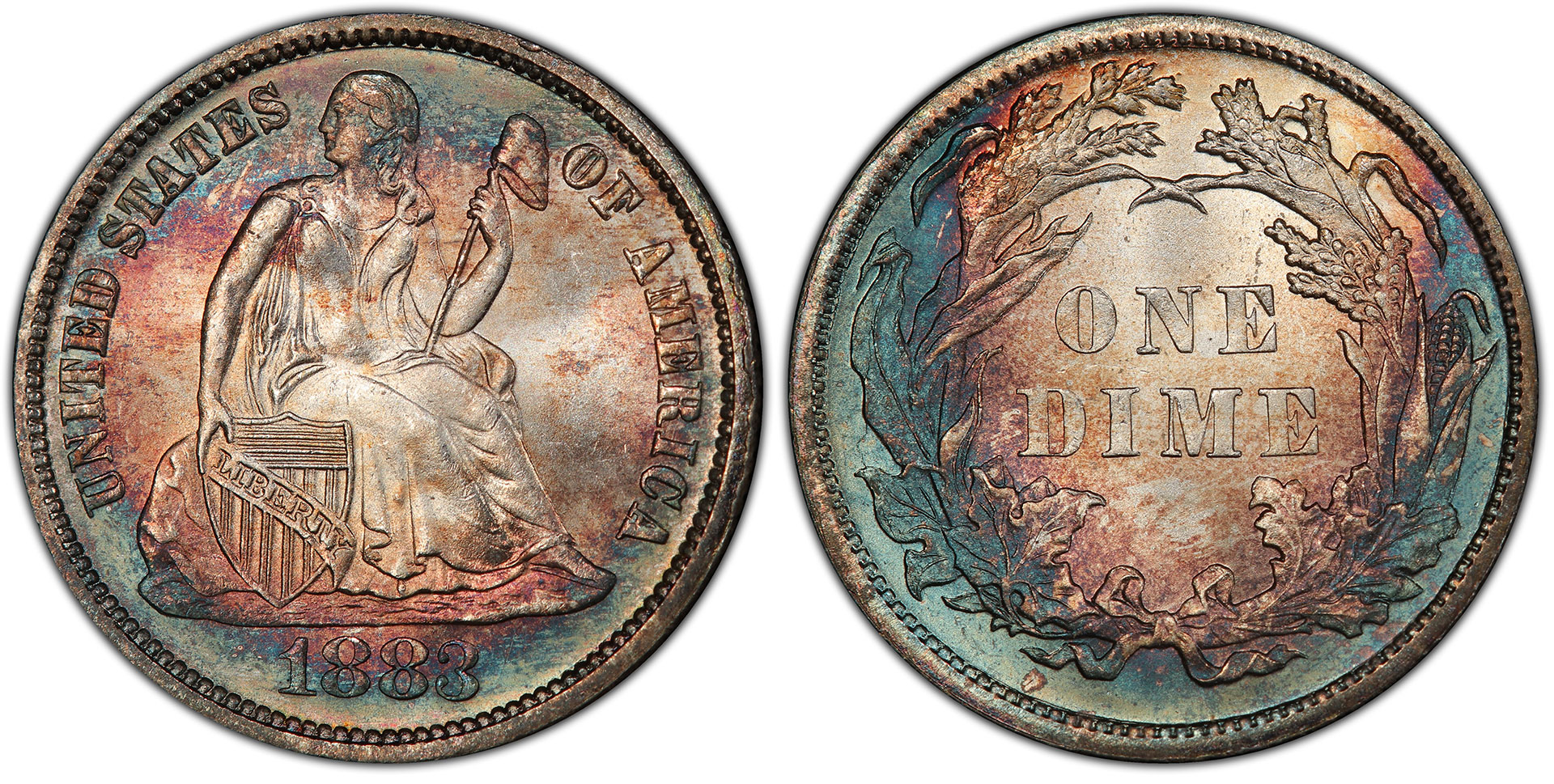
The first example illustrates two high-mintage, high-population coins: Liberty Seated Dimes from 1876 and 1883. Many coins of this era have “top-pops” of just one or two coins. These two have top-pops of six in MS67 for the 1876 and four in MS68 for the 1883. The last auction appearances for these coins were in October 2008 and July 2014, respectively. To date, that’s 14 and eight years.
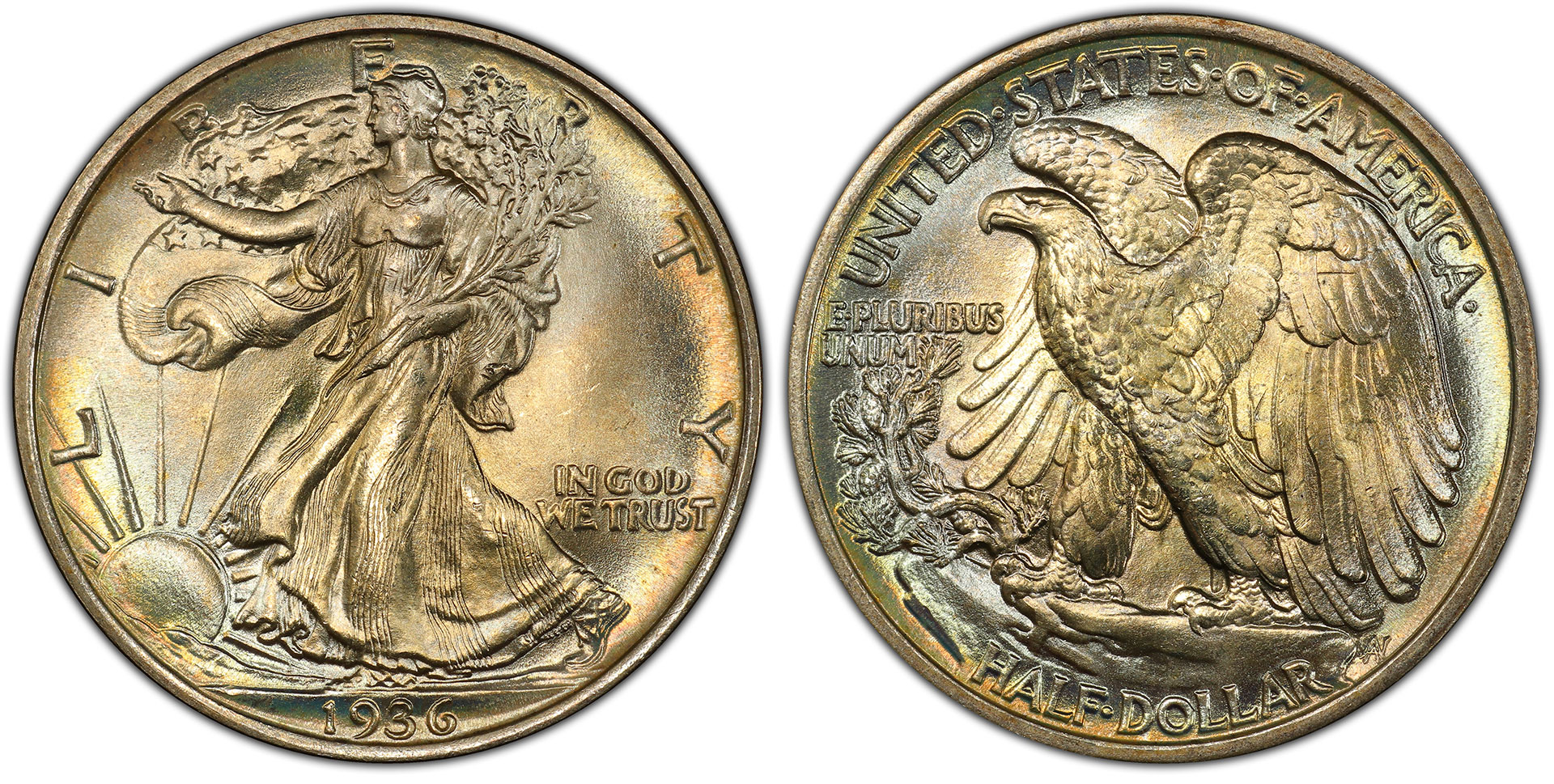
The 1936 and 1938 Walking Liberty Half Dollars are common-date coins with mid-level PCGS populations. The top-pop for each issue is MS68. With an MS68 population of four, only two MS68 1936 Walkers have ever come up for sale at public auction – way back in 1990. That was 32 years ago, when they both appeared in RARCOA Auction ‘90. The MS68 1938 half – pop one – was sold once at auction more than a decade ago in November 2011.
The top PCGS pop is six for the non-Full Bell Lines (FBL) 1949-D Franklin Half Dollar. If you want one of these six coins, you’ll most likely have to wait many, many years. There has only been one auction sale of this issue and grade, which was back in 2006. The 1953-S Franklin Half Dollar with Full Bell Lines is the key to the series, but it’s a Franklin Half Dollar — not a challenging type piece like a rare early gold coin. Just 49 of the 1953-S halves have been designated by PCGS as displaying Full Bell Lines. The top-pop for this issue is just one specimen graded MS67. It has never appeared at auction, as reported by CCE. In MS66FBL, the population is two. There have been two auction sales reported in this grade — both in 2001 — that’s some two decades ago!
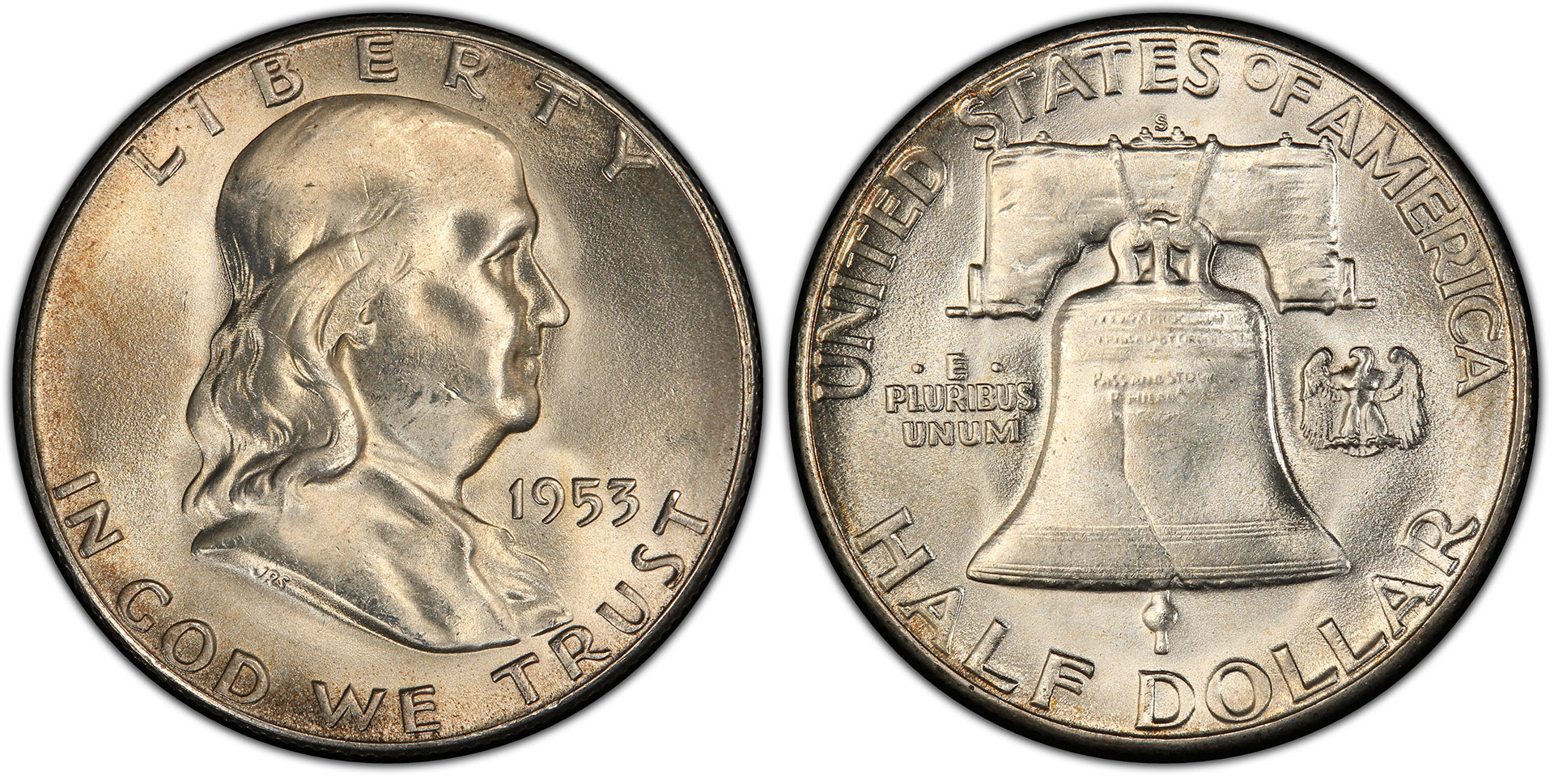
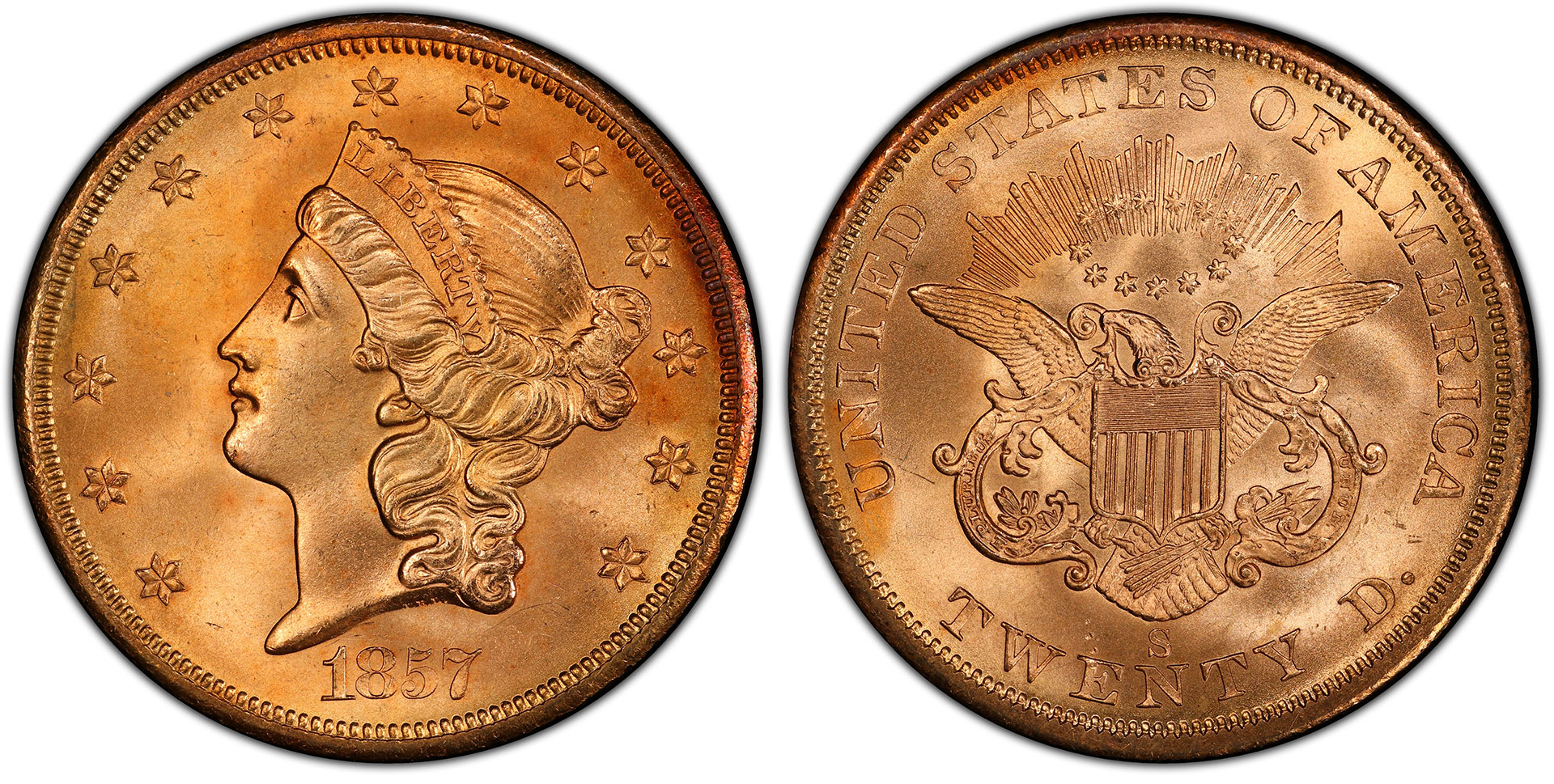
The 1857-S $20 Liberty has the highest PCGS population of any Type I Double Eagle, at 7,365. This is the coin issue that was recovered in quantity from the S.S. Central America shipwreck. The highest graded has a pop of only one in MS67+, which has never appeared at auction, according to CCE sales data. However, 15 of these coins have been graded MS67 by PCGS, but just one auction sale is noted: in 2000, just as the coins recovered from that shipwreck were starting to be released. The 1861 Type 1 Liberty Head Double Eagle has, by far, the highest mintage of any Type 1 Double Eagle, at 2,976,387. A total of 12 of the 1861 Double Eagles have been graded MS64 by PCGS, with seven coins grading higher – the top being MS67. The last time an MS64 example was auctioned was in 2006!
The Bottom Line
When you’re planning your collection or investment, use the PCGS Population Report along with PCGS Auction Prices to assess the future availability of the coins you want to collect. You might discover that it’ll be unlikely for you to complete the collection within the timeframe you’ve planned for. Or, perhaps you might be pleasantly surprised and find that the set you want to build is possible sooner.


 Copper & Nickel
 Silver Coins
 Gold Coins
 Commemoratives
 Others
 Bullion
 World
 Coin Market
 Auctions
 Coin Collecting
 PCGS News