
The appreciation of a coin can come in many forms from the culture, history, and intrinsic value. What is often lost is that coin’s value contemporary to its time when issued for purchase of goods and services. As for the time of the Republic of China, there are many sources that can shed light on the coinage as a means of exchange that adds to the numismatic and historical context to these coins.
Prior to the Republic of China, the Chinese monetary system was a mess. Hundreds of different currencies were in circulation leading to a complex exchange between them. The silver standard practiced in China for more then 300 years since its instruction during the Ming Dynasty would set much of the exchange to the weight and fineness of the silver in commerce. During this system, taels of silver and cast cash coins ran in a parallel monetary system. In 1902, it is recorded that the silver value of one silver dollar in circulation would be roughly equal to 88 copper coins. It is recorded again in 1926, the 15th year of the Republic, that the silver in one dollar was equal to 261 copper coins.

Another difficulty with determining value in some contemporary sources is discrepancies in governmental expenditures and that of normal people. For example, after the 1911 Revolution, the deposed Qing Dynasty Emperor Puyi was allowed to continue to live in the Forbidden City and was given a government allowance of four million silver dollars per year. The problem was the six-year-old Puyi didn’t understand the cost of goods, and his living costs were greatly inflated by arbitrage from people who sold to his court. An example of this was that a single egg had been inflated to $12 or more. So, when looking at some documents, such as the cost of goods and expenditures in the Forbidden City, they didn’t equate to the normal value of exchange.
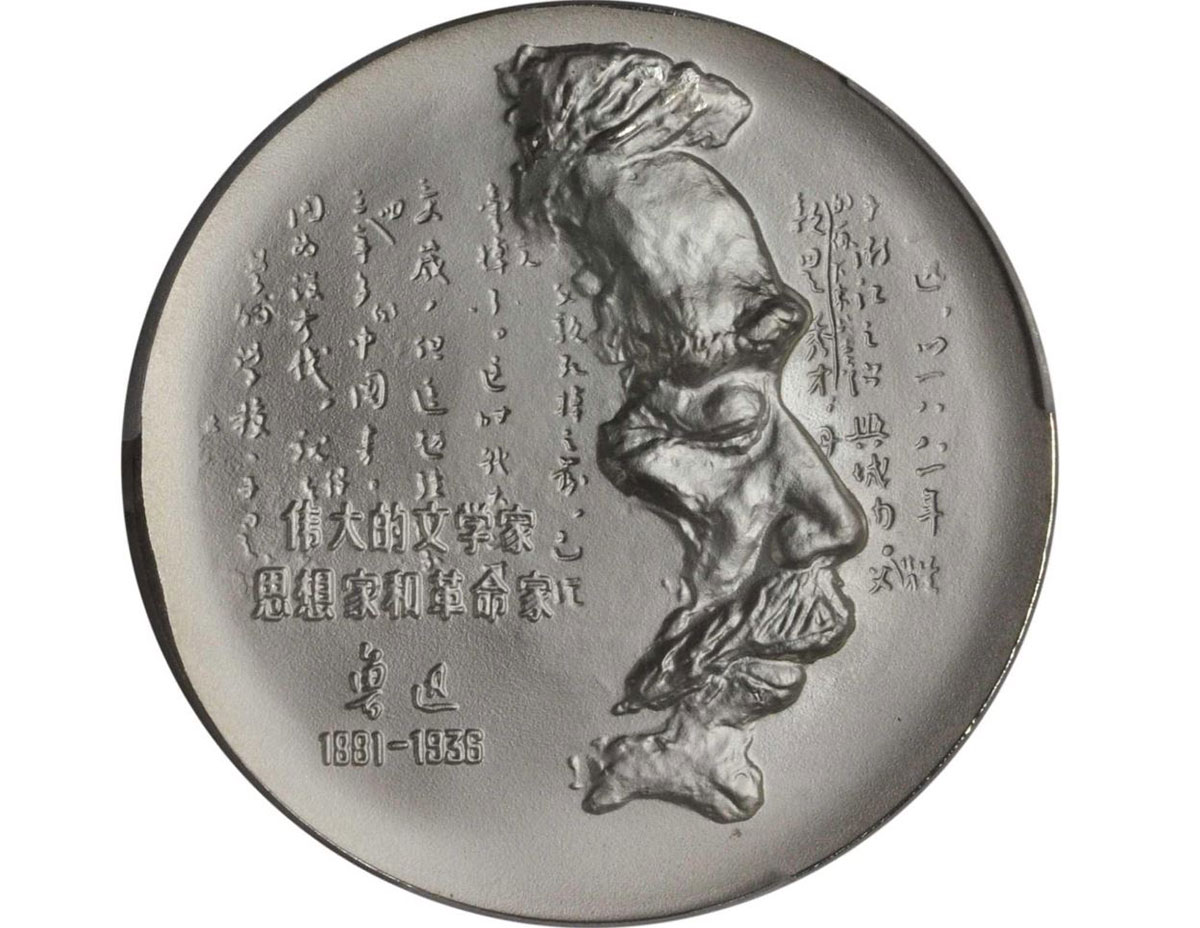
A very good source to understand the value of circulating coinage is the cost of food. In Shanghai during the Republic period a bowl of plain noodles may cost an individual a single copper coin. A more complex picture of value is written in Lu Xun’s book Kong Yiji, which explains that once a bowl of wine would cost four coppers 20 years before, but now cost 10 copper coins. Often when drinking snakes were purchased, a single copper could buy a plate of salted bamboo shoots or a plate of huixiang peas flavored with aniseed. It would cost 12 copper coins to buy a meat dish to go with the wine.
With the Chinese culture treating relatives or friends to dinner often, silver would have to be used for the purchase of the meal. In the Lao She novel Rickshaw Boy, Xiangzi spends a full silver dollar to treat his mother-in-law to a fine dinner. Xiangzi, a rickshaw puller, worked hard for three years to save 100 silver dollars to win his mother-in-law’s favor with the one dinner costing him a month of savings to show his good faith. In another source, Mr. Lu Xun’s diary, he wrote that a silver dollar treated four guests to a hot pot dinner at Dong Lai Shun. When famous writer Yu Dafu met Shen Congwen for the first time, he treated the broke Shen to his first meal in three days at Siruchun Restaurant, costing him $1.70 in silver. This event would have a lifelong friendship between Yu Dafu and Shen Congwen.
Like anywhere else in the world, The Republic of China had great wealth inequality depending on one’s job and location. Some monthly salary wages for laborers in Shanghai could be $30 a month. In contrast, future leader Mao Zedong, while working as a librarian in Peking University, got paid $8 a month for his part-time job. With salary unpaid and delayed he lived in financial distress due to his income. In contrast, a professor at a college in China could see a salary from $200 to $1,500. For example, Hu Shih was the best paid, with his starting salary of $260 and eventually hitting a monthly average of $1,500 in the 1930s. In December 1928, Hu Shih had a royalty payment for his books and other payments showing an income of nearly $30,000.
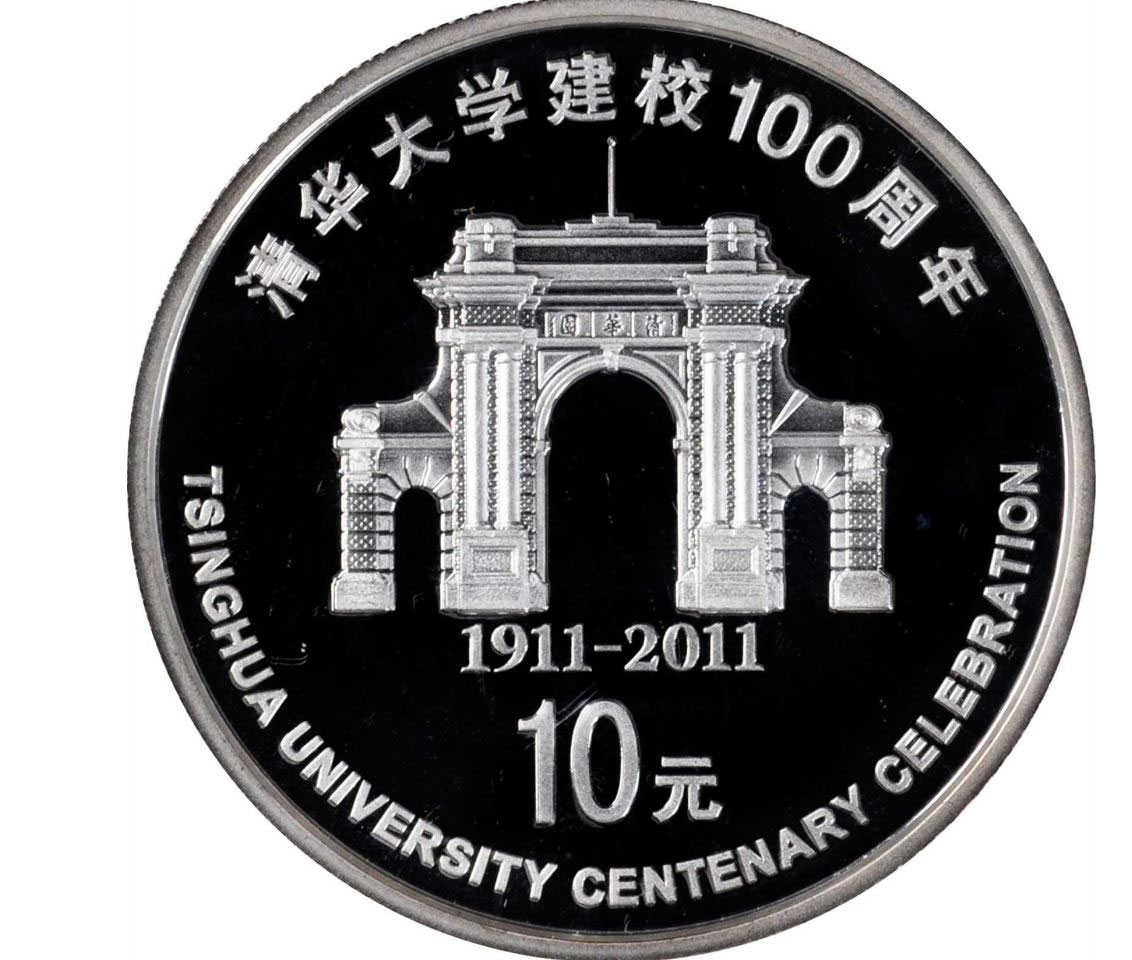
Education was very expensive in the Republic of China. While there was desire to become an educated elite in the Republic the costs were simply out of the range for most people. To enter college, a person would have the expenses of traveling to that college and paying $3 for a non-refundable entrance exam to see if they could get approved. If admitted, students at Peking University could expect tuition fees of $60 a year; Tsinghua University was $40 a year, and Nankia or Fudan University was $100 a year – all of these usually reserved for only the affluent.
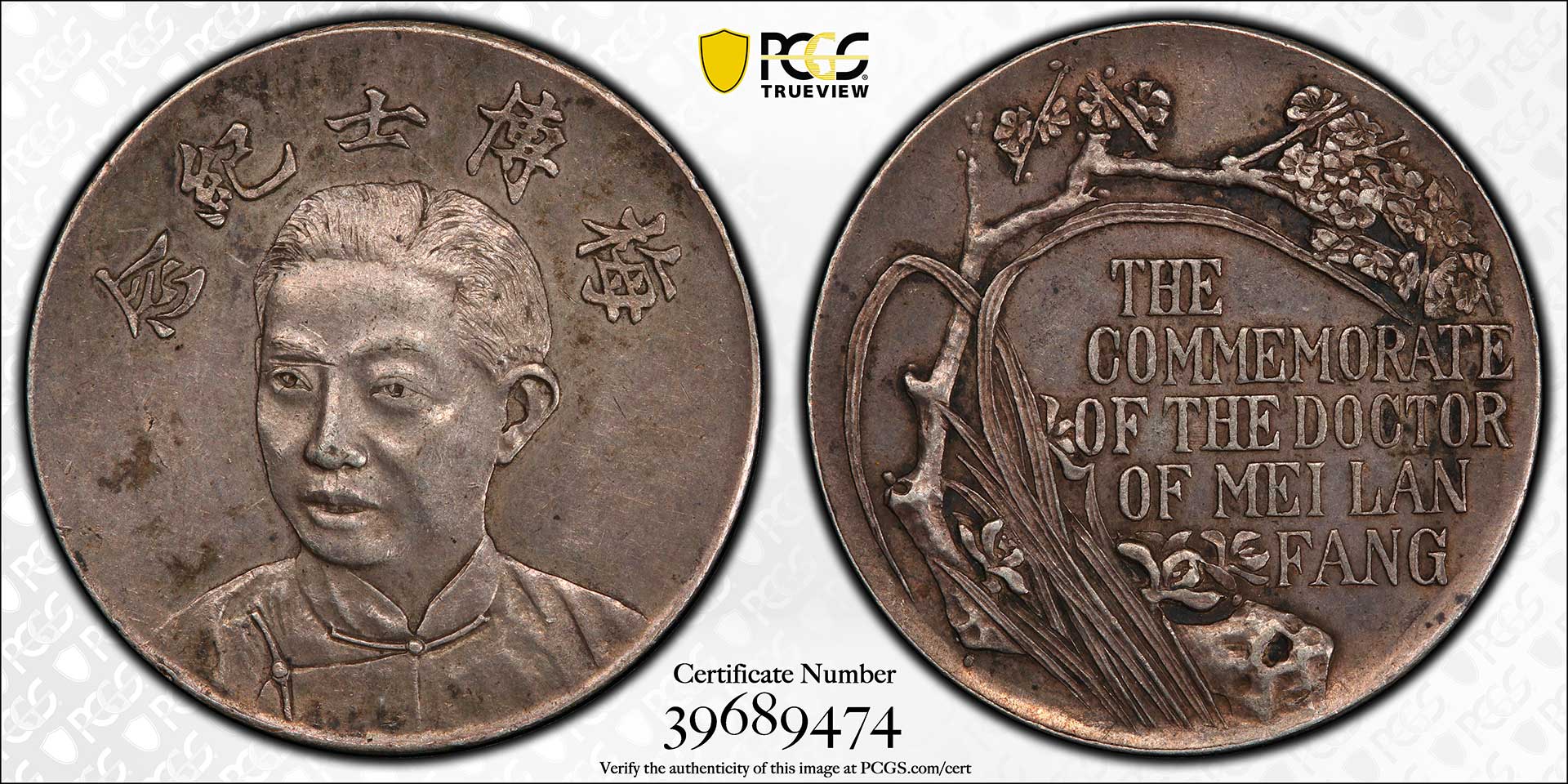
Entertainment in the Republic of China also reflects the relative value of money. The Peking Opera, a group of master performers, had high wages for the most skilled performers. Tan Xinpei, who was a star at the time, was paid $800 per day when he performed in Shanghai from 1912 until 1915. Master Mei Lanfang was paid $1,500 per show. While these performers were paid very well, the average ticket price to watch the show for an individual was a single silver dollar. An evening of entertainment might be watching a show for a dollar, buying a newspaper for three or four copper coins, and taking a rickshaw ride for seven or eight copper coins.
Today in China, there is a standard monetary exchange system of 10 jiao for 1 yuan, compulsory education for all citizens, and dining out with family and friends is a common and affordable expense. Understanding the value of a single silver dollar from the Republic period is to not take for granted the value it would have been to an individual’s livelihood.


 Copper & Nickel
 Silver Coins
 Gold Coins
 Commemoratives
 Others
 Bullion
 World
 Coin Market
 Auctions
 Coin Collecting
 PCGS News