Upon looking at vintage coins, one may notice that many of them have ornamental design elements near the rim that aren’t often seen on newer coins. These decorative design details that are sometimes likened to teeth or saw serrations around the perimeter of a coin’s obverse and/or reverse are largely a thing of the past, as a glance at the outer design borders of most contemporary coins will quickly reveal. But there are many reasons why coins of yore bear denticles – a word whose linguistic root refers to teeth and according to Merriam-Webster means “a conical pointed project (such as a small tooth).”
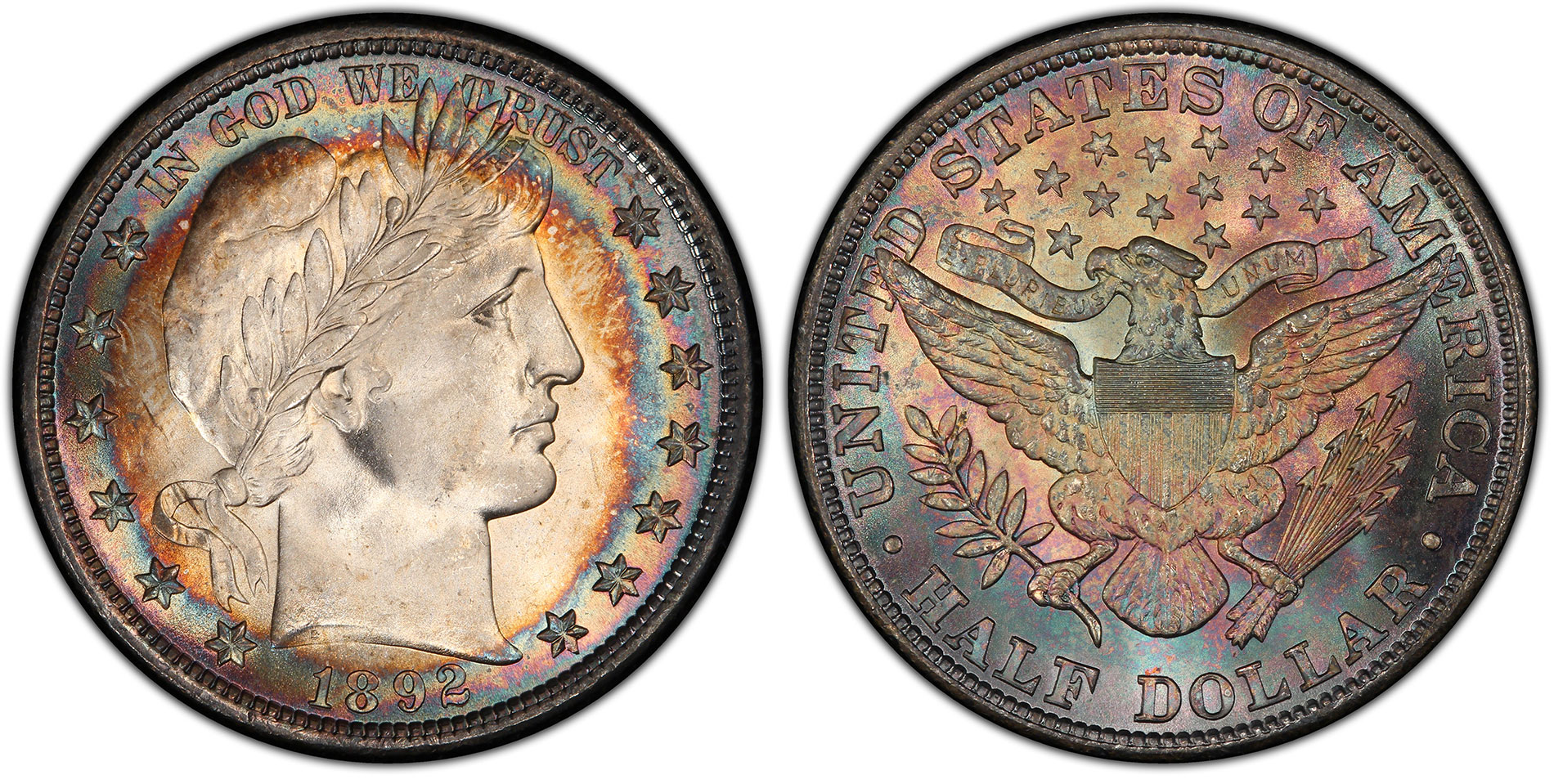
Denticles Dissuaded Edge Shaving
Back in the day, many coins were made from precious metals that, even in tiny quantities, prompted industrious – many might rather say unscrupulous – individuals to shave the edges to obtain small amounts of valuable bullion and flip the altered coin for its stated face value. One common method involved filing away the edge of the coin to the point that it registered a barely noticeable difference in the coin’s overall diameter.
The introduction of edge reeding, edge lettering, and other ornamental elements on the edges of coins helped mitigate such metal-shaving activity, but denticles further reduced the likelihood of someone removing metal from the edge of the coin. A coin missing a significant amount of its edge metal would be easily evidenced at a glance by the absence or altered truncation of its rim details, such as denticles.
Denticles Deter Counterfeiters
Counterfeit coins have seemingly always been a problem… Even 100 years ago, unscrupulous folks with too much time on their hands crafted fake coins. As remains the case today, the devil is in the details for counterfeiters. Accurately replicating minute features on a counterfeit coin takes painstaking work and is often virtually impossible to successfully execute for those without the skill and experience as acquired by a master engraver with the best tools of the minting trade at hand.
Denticles were often especially difficult to accurately relay on a counterfeit coin, and in this way these small details helped prevent the creation of counterfeits. Sadly, modern-day fakers have worked their ways around this with the mass commercial production of laser scanners and other technology that has sometimes fallen into the wrong hands.
Denticles Aided Striking
There’s a lot that goes into perfecting the way a finished coin looks when it’s struck. It’s not just about creating a design that the public will enjoy. If the coin’s design doesn’t strike up correctly, that’s a big problem. One of the trickiest issues sculptors and engravers must account for when designing a coin is metal flow. The presence of denticles and other peripheral elements on the design canvas can help control metal flow in such a way that ample planchet material would be present on other areas of the coin to fill small slots and grooves elsewhere under the die to achieve a fully struck coin.
Denticles Help Protect the Design
One reason coins are designed with a rim is to help mitigate the speed with which a design wears away over the course of the coin’s time in circulation. Denticles can only help further protect a coin’s main design from wearing into oblivion through everyday use in commerce. In such a way, denticles – largely regarded as decorative elements – serve a very important function in improving a coin’s useful lifespan.
Denticles Are Artistic
For all the discussion behind the practical purpose of denticles on coins, they can fulfill the imaginative whims of the coin sculptor and engraver. Many coins of the 18th, 19th, and 20th centuries feature denticles, which can help better frame the central devices and augment the apparent thickness of the rim. Denticles, beading, and other peripheral ornamental elements have seemed to go the way of obsolescence in recent decades, falling away in favor of thinner, more pragmatic rims. But there may once again come a day when coin artists resurrect the ornamental flair that denticles bring coins.


 Copper & Nickel
 Silver Coins
 Gold Coins
 Commemoratives
 Others
 Bullion
 World
World
 Coin Market
 Auctions
 Coin Collecting
 PCGS News