In the course of reading this article or that on coinage, you may have come across two words that seem roughly similar but certainly aren’t identical. These terms are “type” and “subtype.” Now, it doesn’t take a wordsmith to know that “type” serves a parental role to “subtype,” and that thus a subtype must be derivative of and somehow smaller than type. But how so? And in what manner as it relates to coins?

Collectors usually use the nomenclature “type” to refer to a given design of a particular style of coin within a certain denomination. That is, the Morgan Dollar is a “type” of dollar coin, just as the Lincoln Cent is a “type” of one-cent coin. Also, the Morgan Dollar is a distinct “type” of dollar as compared to its predecessor, the Liberty Seated Dollar – symbolizing its own “type” of dollar. Perhaps you see where we are going with this… Furthermore, the term “type” is often used to refer to vintage coinage that is more often collected not by date and mint mark (as is typical with more modern coinage) but rather pieces that are widely collected only as standalone representatives of that series for the purpose of showcasing that “type” of coinage in a larger collection of other coins originating from a certain period of time, nation, or what have you.
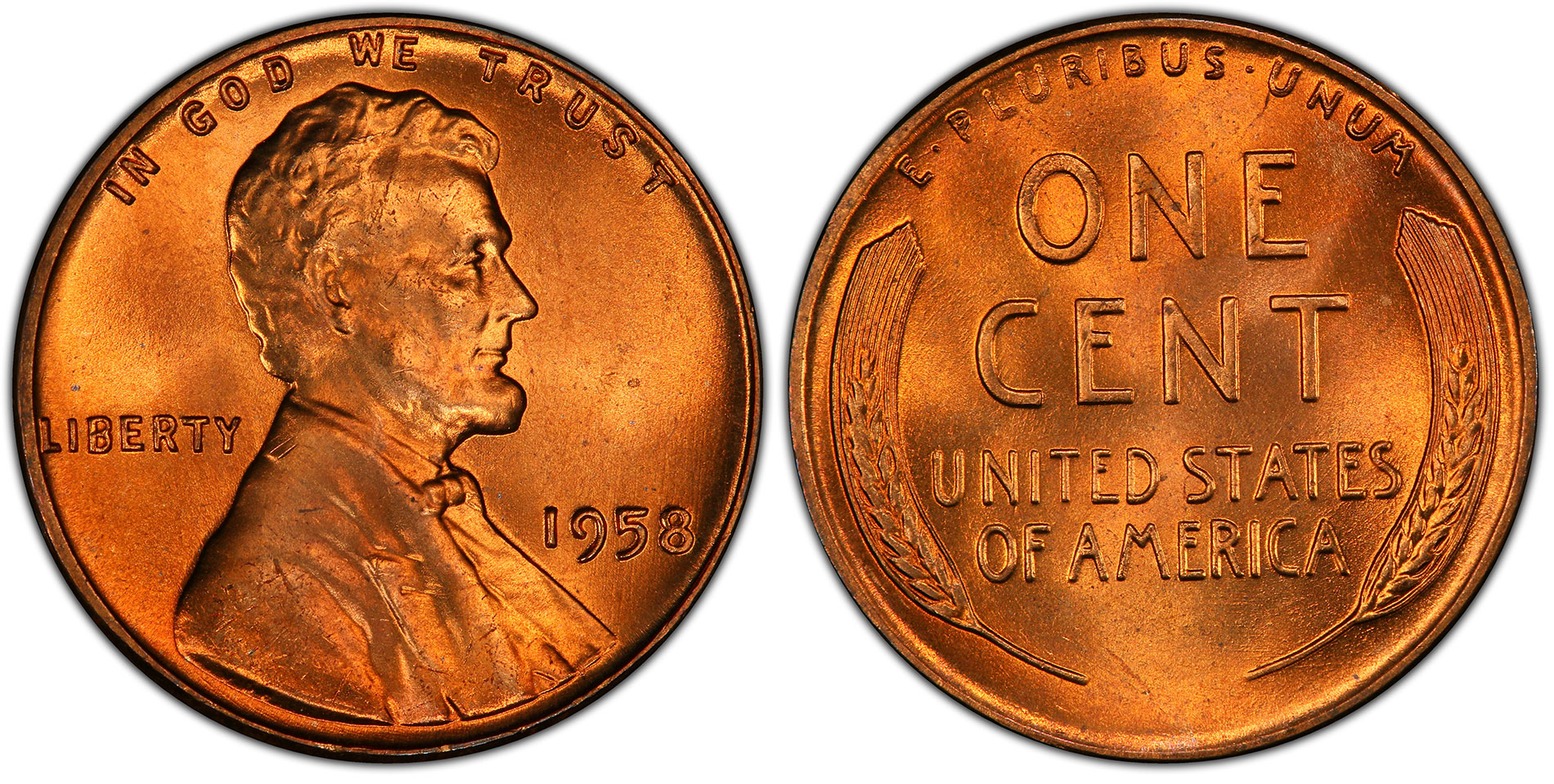
So how exactly does the “subtype” terminology compare to “type”? In many cases, a certain type of design gave way to minor or significant aesthetic variations carried forth as a semi-permanent or permanent design modification for that coin. Want a familiar example? Take the Lincoln Cent – a coin that most every United States collector knows well. The Lincoln Cent has seen a few major design changes over the years that the typical numismatist would categorize as notable differentiations within the larger Lincoln type.
These would include the three distinct reverse designs employed over the course of the Lincoln Cent’s run, including the Wheat Ears Reverse (1909-1958), Lincoln Memorial Reverse (1959-2008), and Union Shield Reverse (2010 to present). Moreover, some might even classify the 1909-only reverse bearing designer Victor David Brenner’s VDB initials as a distinct period for the coin during its first year, the period during which his initials have appeared on the obverse under Lincoln’s shoulder as another (1918 to date), and the 1943 steel cent yet one more. There is also a group of collectors who part out the metallic change from bronze to copper-plated zinc as constituting their own separate chapters within the series.
Each of these significant design and compositional changes are regarded by many collectors as subtypes. That is, they are iterations (subtypes) of the Lincoln Cent within the larger spectrum of all Lincoln Cents (type). Therefore, the Lincoln Memorial Cents spanning from 1959 through 2008 are collectively considered a subtype of the Lincoln Cent type. In numismatics, a subtype comes under the umbrella of the respective type. Still, many hobbyists will focus their numismatic attentions to collecting a particular subtype of a series (say Lincoln Wheat Cents or 90% Silver Roosevelt Dimes) versus collecting the whole – a perfectly reasonable thing to do when budget, objectives, and/or personal collecting preferences are at play.


 Copper & Nickel
 Silver Coins
 Gold Coins
 Commemoratives
 Others
 Bullion
 World
World
 Coin Market
 Auctions
 Coin Collecting
 PCGS News