
Whether it is soft or hard plastic, tissue or toilet paper, or even cloth, proper coin storage is key to the longevity of your collectibles. The first thing to remember is that virtually all types of metal react with their surroundings, so limiting their potential surroundings is very important.
Knowing What You Have
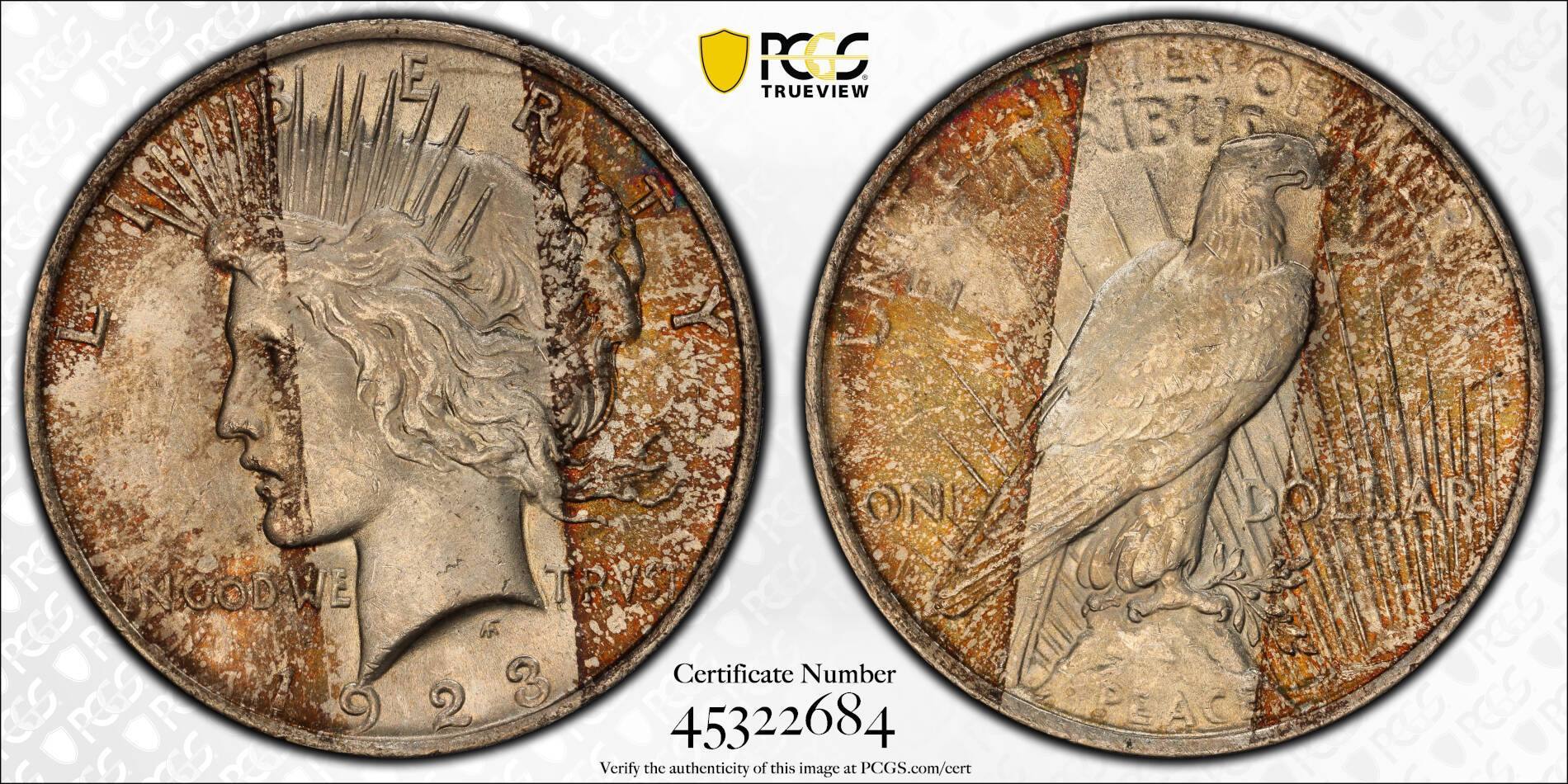
Metals react with their surroundings at different rates. Copper is most reactive and needs the most protection, as even just a few particles of water and dust can damage a stored coin in as little as a few months. Silver is also very reactive and care needs to be taken to keep it away from items such as tissue paper or cardboard shoe boxes. Gold, platinum, and palladium are all on the opposite end of the scale; these metals react very slowly to their surroundings, and are much more forgiving of being improperly stored. This does not mean they cannot be damaged, though.
How to store?
Have you ever purchased those nice, soft plastic flips that are sold at most coin shops and shows? They are great for short-term storage but can wreak havoc in the long-term. They are soft because of a chemical in the plastic called Polyvinylchloride or PVC. Over time, this chemical slowly leaks out naturally, but heat and humidity can speed up that reaction. PVC can be professionally removed from the surface, with little-to-no damage to the coin, if caught early enough. PVC can ruin virtually any type of metal.
Your best option is to go with the hard plastic, as PVC is added to make plastics flexible. Mylar flips are the best option on a budget, but obviously the safest bet is through certification. Using well-sealing hard plastics or folded flips stored properly, you will avoid dust, humidity changes, and exposure to elements and particles in the air.
But what about heat?
Location, Location, Location
A lot of collections get tucked away in garages, attics, and other areas that tend to be long-term storage, until it is discovered again years down the road. Often these areas are subject to greater temperature change. If you are an avid collector, you probably aren’t making the mistake of garage or attic storage. But if you happen to have inherited a coin collection that you didn’t know what to do with, it very well might have ended up in those areas. It’s time to move them.
The goal is to have as little temperature change as possible. Under 75 degrees is a good temperature to shoot for — the cooler, the better. Closets and under beds out of reach of the sunlight are good places to store, assuming the room’s temperature doesn’t change too drastically in the summer. Ideally, in a safe or at the bank vault is the best solution, but that isn’t an option for everyone. Investing in a thick plastic storage container with a tight lid is always a good idea, plus it makes transport very easy.
Be sure to check on your collection every once in a while. I recommend at every six months to a year. Inspect the coins and get to know them, especially the ones that may already have some changes going on. Depending on the value of an individual item, professional restoration may be a reasonable option. Keep your collection away from large temperature changes and out of the direct sun light. Finally, replace any soft plastic flips with hard Mylar ones to avoid PVC all together.


 Copper & Nickel
 Silver Coins
 Gold Coins
 Commemoratives
 Others
 Bullion
 World
World
 Coin Market
 Auctions
 Coin Collecting
 PCGS News