
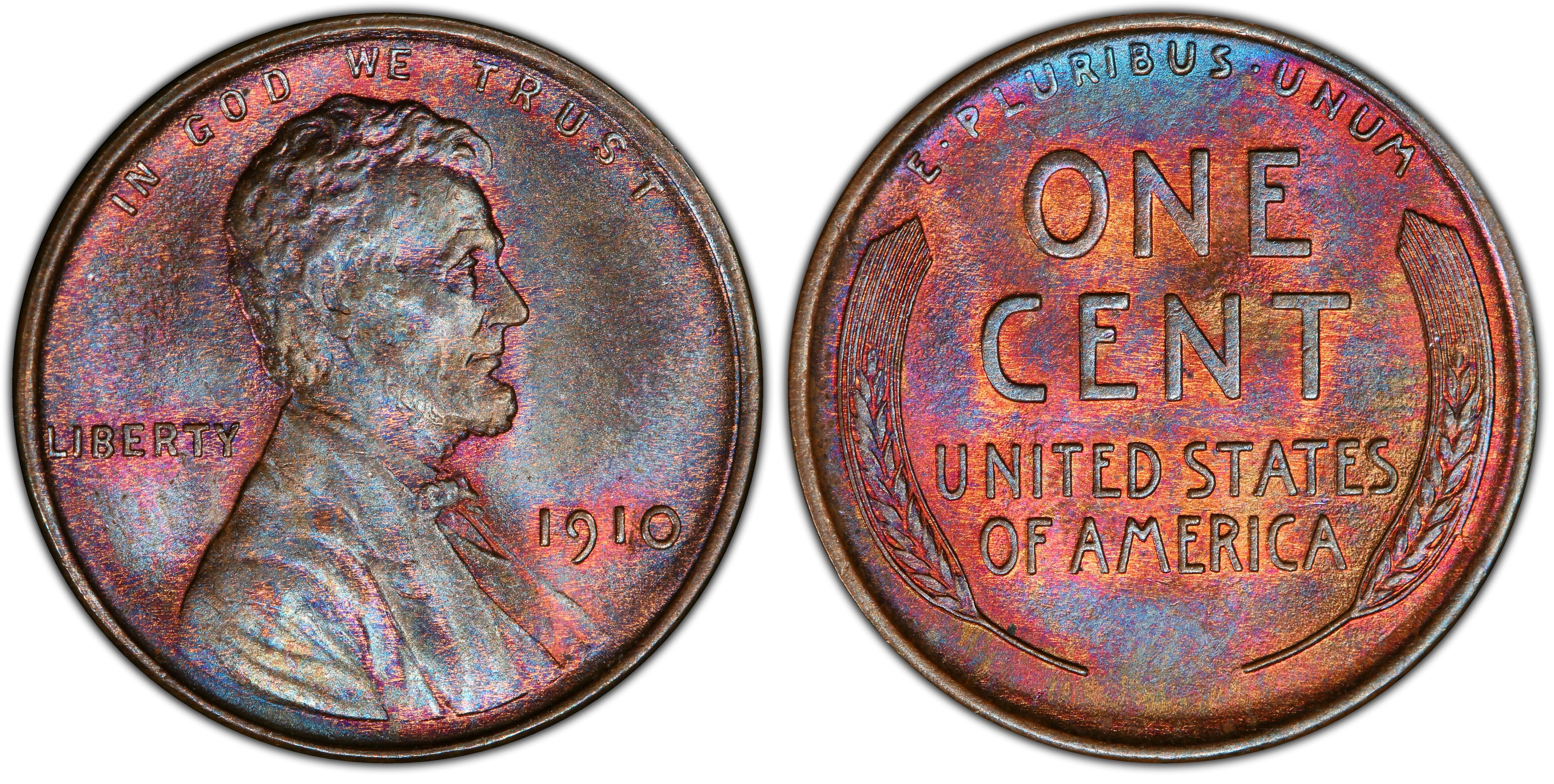
PCGS MS66+BN

PCGS MS66BN
- PCGS #:
- 2435
- Designer:
- Victor David Brenner
- Edge:
- Plain
- Diameter:
- 19.00 millimeters
- Weight:
- 3.11 grams
- Mintage:
- 146,798,813
- Mint:
- Philadelphia
- Metal:
- 95% Copper, 5% Tin and Zinc
- Auction Record:
- $1,234 • MS66BN • 05-18-2017 • Legend Rare Coin Auctions
Go To Grade
Current Auctions - PCGS Graded
Current Auctions - NGC Graded
For Sale Now at Collectors Corner - PCGS Graded
For Sale Now at Collectors Corner - NGC Graded
Rarity and Survival Estimates Learn More
| Survival Estimate | |
|---|---|
| All Grades | 14,000,000 |
| 60 or Better | 4,000 |
| 65 or Better | 2,000 |
| Numismatic Rarity | |
|---|---|
| All Grades | R-1.0 |
| 60 or Better | R-4.2 |
| 65 or Better | R-4.6 |
| Relative Rarity By Type All Specs in this Type | |
|---|---|
| All Grades | 26 / 143 TIE |
| 60 or Better | 56 / 143 TIE |
| 65 or Better | 53 / 143 TIE |
| Relative Rarity By Series All Specs in this Series | |
|---|---|
| All Grades | 29 / 146 TIE |
| 60 or Better | 58 / 146 TIE |
| 65 or Better | 53 / 146 TIE |
Condition Census What Is This?
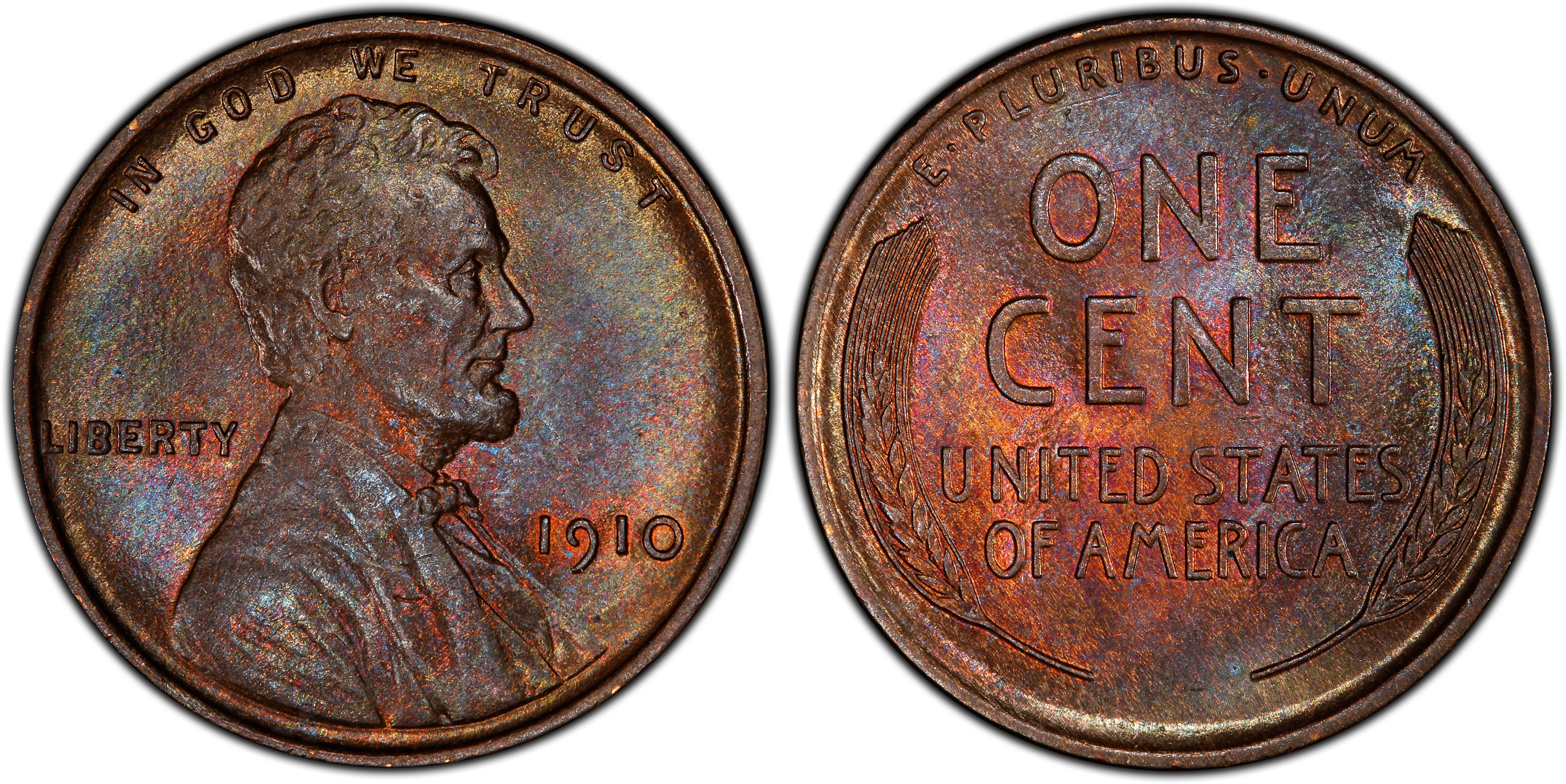 #1 MS66BN PCGS grade
|
| #1 MS66BN PCGS grade |
| #1 MS66BN PCGS grade |
| #4 MS65BN PCGS grade |
| #4 MS65BN PCGS grade |
| #4 MS65BN PCGS grade |
| #4 MS65BN PCGS grade |
| #4 MS65BN PCGS grade |
| #4 MS65BN PCGS grade |
| #4 MS65BN PCGS grade |
David Hall:
The 1910 is the highest mintage 1909 to 1915 Lincoln cent. As you might expect, this coin is readily available in both circulated and mint state grades. Full red original mint state examples show up in quantity from time to time, remnants of original rolls that were saved at the time of issue. The 1910 is available is full red Gem MS65 condition. Superb Gem MS66 examples are rare, and only a few Superb Gem full red MS67 examples are known. Most 1910s are well struck. Color is often of the lighter redish-brown hue.