

PCGS MS66BN
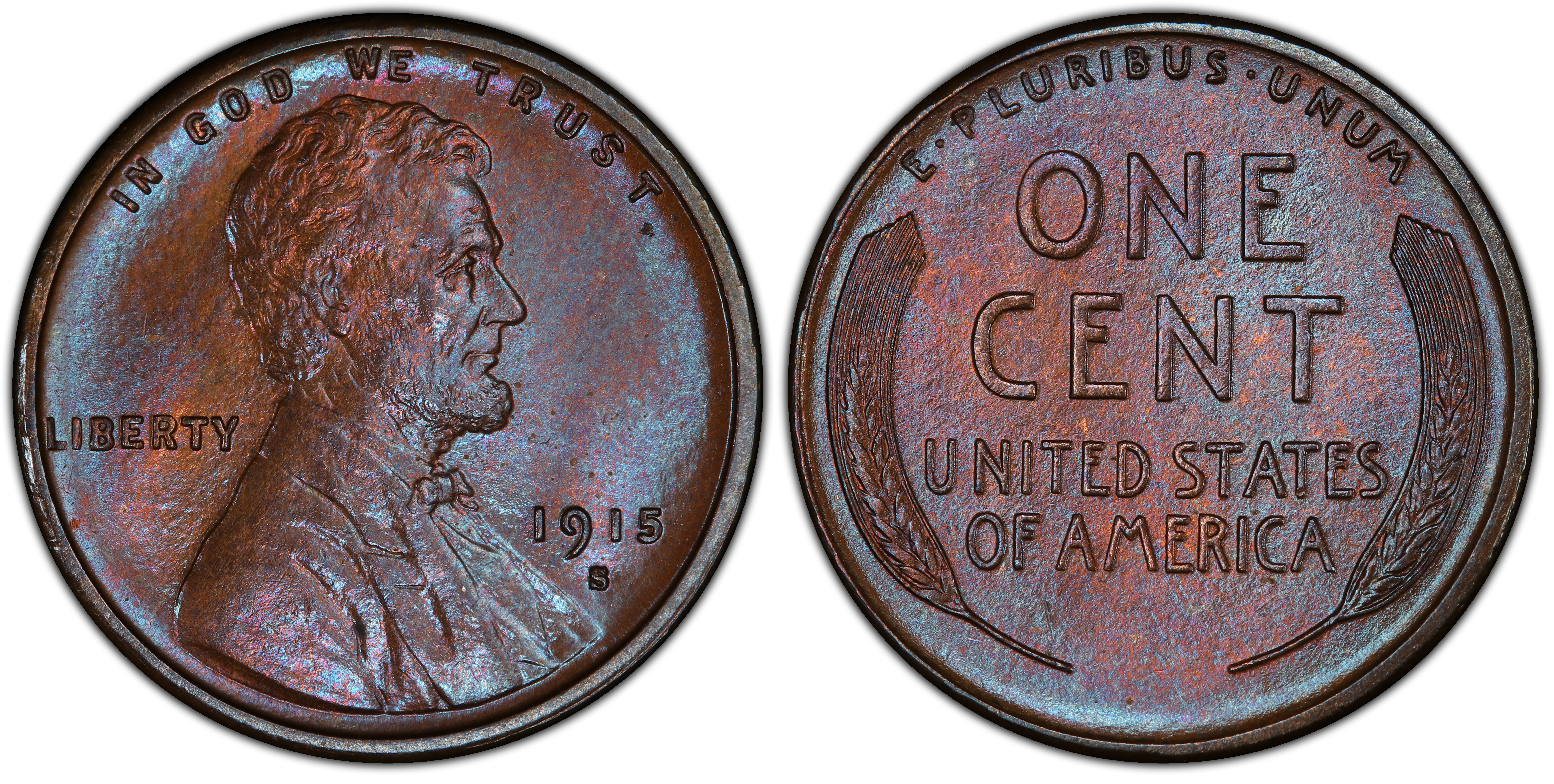
PCGS MS66BN
- PCGS #:
- 2483
- Designer:
- Victor David Brenner
- Edge:
- Plain
- Diameter:
- 19.00 millimeters
- Weight:
- 3.11 grams
- Mintage:
- 4,833,000
- Mint:
- San Francisco
- Metal:
- 95% Copper, 5% Tin and Zinc
- Auction Record:
- $2,760 • MS65 • 04-01-2009 • Heritage Auctions
Go To Grade
Current Auctions - PCGS Graded
Current Auctions - NGC Graded
For Sale Now at Collectors Corner - PCGS Graded
For Sale Now at Collectors Corner - NGC Graded
Rarity and Survival Estimates Learn More
| Survival Estimate | |
|---|---|
| All Grades | 480,000 |
| 60 or Better | 800 |
| 65 or Better | 130 |
| Numismatic Rarity | |
|---|---|
| All Grades | R-1.6 |
| 60 or Better | R-5.4 |
| 65 or Better | R-7.7 |
| Relative Rarity By Type All Specs in this Type | |
|---|---|
| All Grades | 15 / 143 TIE |
| 60 or Better | 5 / 143 |
| 65 or Better | 14 / 143 |
| Relative Rarity By Series All Specs in this Series | |
|---|---|
| All Grades | 18 / 146 TIE |
| 60 or Better | 7 / 146 |
| 65 or Better | 14 / 146 |
Condition Census What Is This?
| #1 MS66BN PCGS grade |
| #2 MS65BN PCGS grade |
| #2 MS65BN PCGS grade |
| #2 MS65BN PCGS grade |
| #2 MS65BN PCGS grade |
| #2 MS65BN PCGS grade |
| #2 MS65BN PCGS grade |
| #2 MS65BN PCGS grade |
| #2 MS65BN PCGS grade |
| #2 MS65BN estimated grade |
Jaime Hernandez:
The 1915-S Lincoln cent has always been very underrated. It is actually the most difficult regular business strike coin to find in Mint State grades for the entire Lincoln cent series. It is also the most difficult coin to find with complete full red surfaces, even tougher than the 1926-S Lincoln cent.
The 1915-S was so under appreciated that in the year 2000 an MS64 Red Brown example could have been found for around $300. In 2008, the coins sky rocketed and they were selling for over $3,000 each, as collectors and dealers finally realized it was just a tough coin to find in Mint State grades.
I probably owned or handled about a dozen or more of each key date and semi key date wheat cents from the teens and twenties in MS64 and higher grades. However, when it came to the 1915-S, I noticed sometime in the year 2001 to 2003 that these coins were no where to be found, unless you paid a huge premium. I was only able to find a total of three coins in Mint State grades over a ten year tenure and it was definitely the most challenging coin for me to find in Mint State grades. Once I found them, I had no trouble finding someone who wanted them more than I did and they were very easy to sell.
Along the way, I also realized that there were other coins which were also very difficult to find in Mint State grades. The other being the 1925-S, as I only handled about four of those as well. Today, the 1925-S is very underrated also, and I wouldn't be surprised if the prices sky rocketed just as the 1915-S prices did in 2008.
For the most part, all 1915-S Lincoln cents in Mint State grades are very well struck. There are more Red Brown examples in existence than there are Brown or Red coins. Even the Red Brown coins contain more Red than Brown. This date did not have much spotting or staining problems. Therefore, decent examples can be found in Mint State condition with sharp details, significant amount of red surfaces and luster remaining. The biggest challenge is just obtaining this coin in Mint State grade and with completely full Red surfaces.
The 1915-S was so under appreciated that in the year 2000 an MS64 Red Brown example could have been found for around $300. In 2008, the coins sky rocketed and they were selling for over $3,000 each, as collectors and dealers finally realized it was just a tough coin to find in Mint State grades.
I probably owned or handled about a dozen or more of each key date and semi key date wheat cents from the teens and twenties in MS64 and higher grades. However, when it came to the 1915-S, I noticed sometime in the year 2001 to 2003 that these coins were no where to be found, unless you paid a huge premium. I was only able to find a total of three coins in Mint State grades over a ten year tenure and it was definitely the most challenging coin for me to find in Mint State grades. Once I found them, I had no trouble finding someone who wanted them more than I did and they were very easy to sell.
Along the way, I also realized that there were other coins which were also very difficult to find in Mint State grades. The other being the 1925-S, as I only handled about four of those as well. Today, the 1925-S is very underrated also, and I wouldn't be surprised if the prices sky rocketed just as the 1915-S prices did in 2008.
For the most part, all 1915-S Lincoln cents in Mint State grades are very well struck. There are more Red Brown examples in existence than there are Brown or Red coins. Even the Red Brown coins contain more Red than Brown. This date did not have much spotting or staining problems. Therefore, decent examples can be found in Mint State condition with sharp details, significant amount of red surfaces and luster remaining. The biggest challenge is just obtaining this coin in Mint State grade and with completely full Red surfaces.