
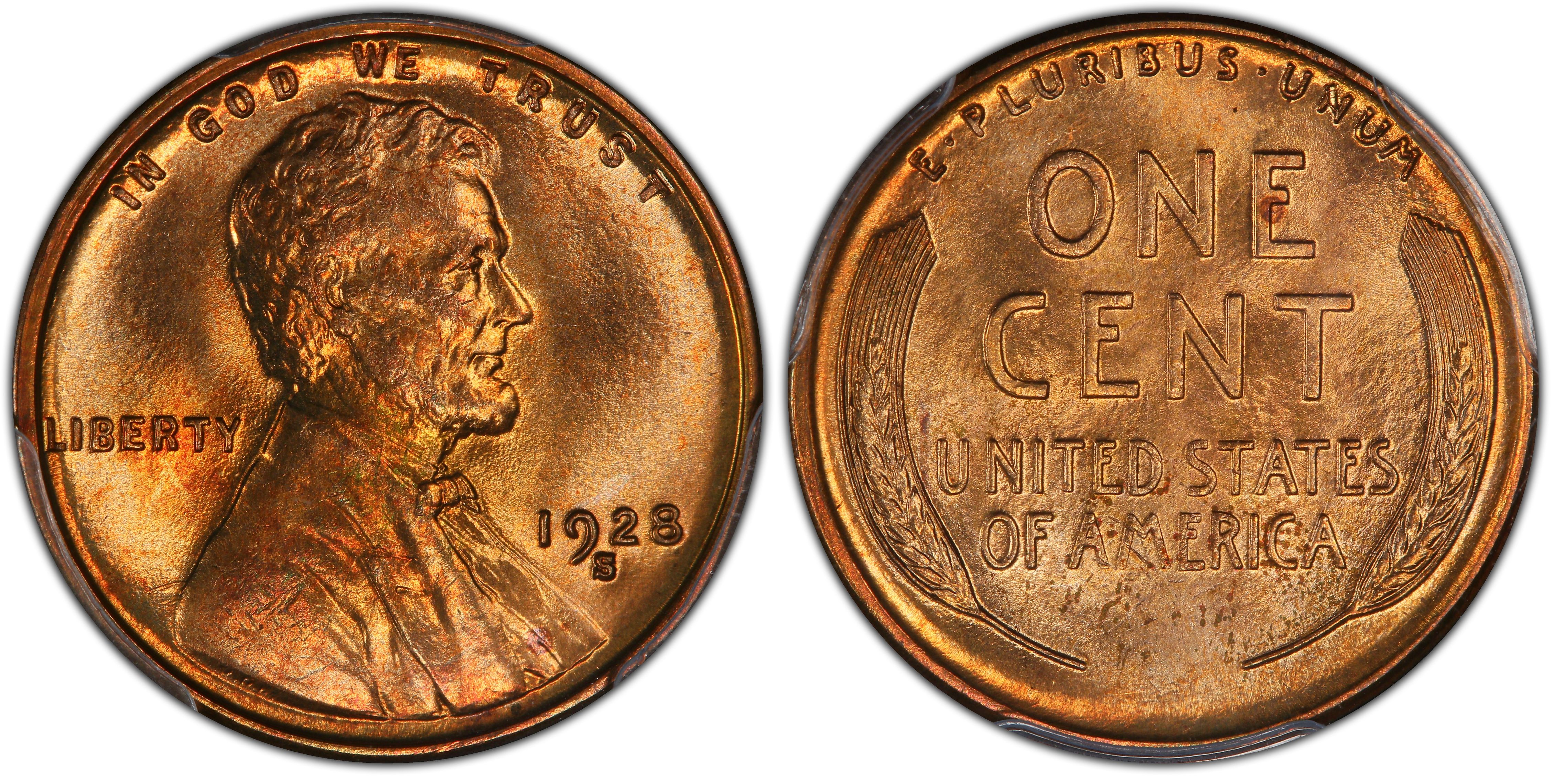
PCGS MS66RD
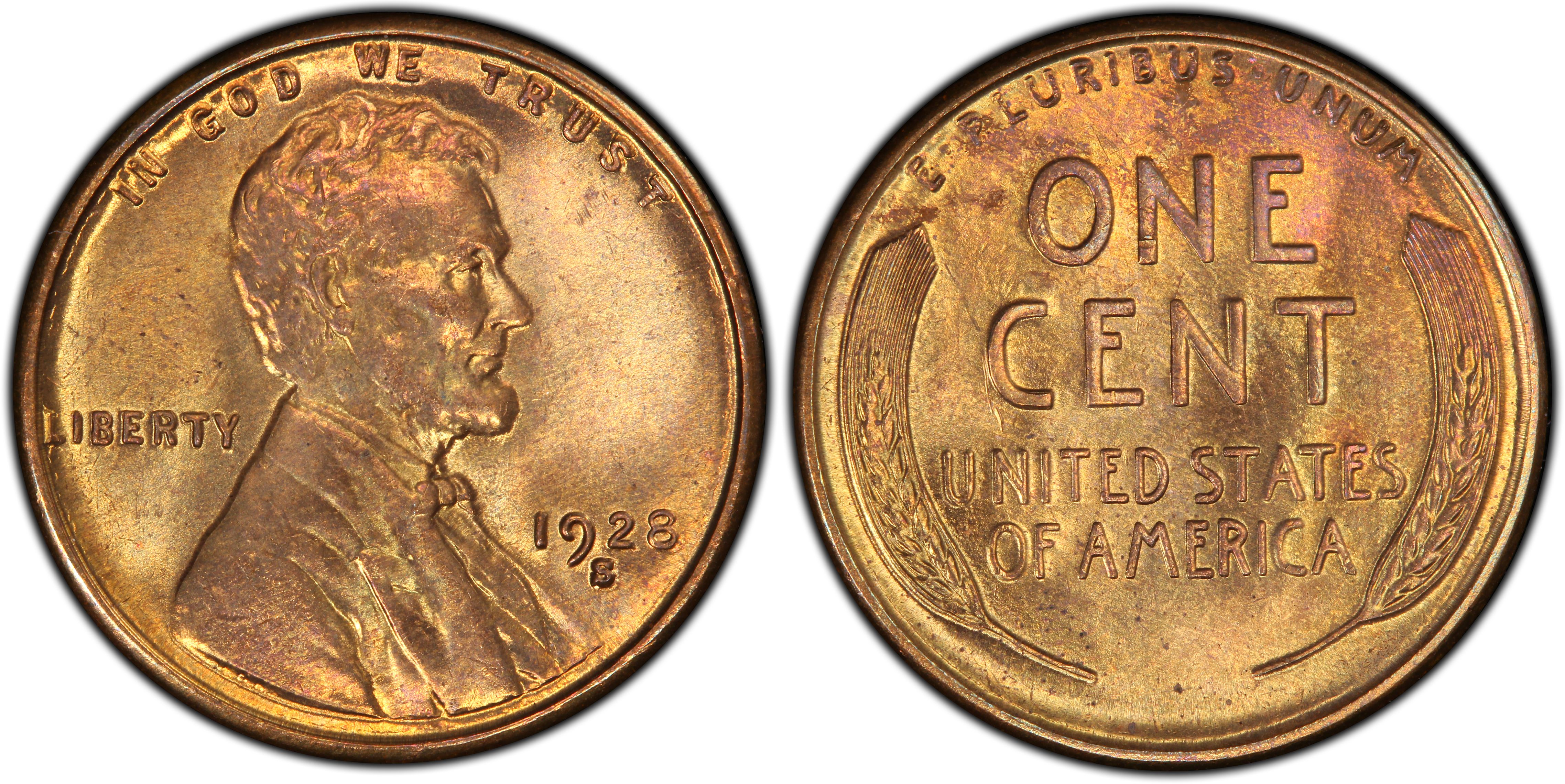
PCGS MS66RD
- PCGS #:
- 2593
- Designer:
- Victor David Brenner
- Edge:
- Plain
- Diameter:
- 19.00 millimeters
- Weight:
- 3.11 grams
- Mintage:
- 17,266,000
- Mint:
- San Francisco
- Metal:
- 95% Copper, 5% Tin and Zinc
- Auction Record:
- $45,600 • MS66RD • 04-26-2020 • Heritage Auctions
Go To Grade
Current Auctions - PCGS Graded
Current Auctions - NGC Graded
For Sale Now at Collectors Corner - PCGS Graded
For Sale Now at Collectors Corner - NGC Graded
Rarity and Survival Estimates Learn More
| Survival Estimate | |
|---|---|
| All Grades | 1,100 |
| 60 or Better | 1,100 |
| 65 or Better | 190 |
| Numismatic Rarity | |
|---|---|
| All Grades | R-4.9 |
| 60 or Better | R-4.9 |
| 65 or Better | R-7.1 |
| Relative Rarity By Type All Specs in this Type | |
|---|---|
| All Grades | 25 / 143 TIE |
| 60 or Better | 25 / 143 TIE |
| 65 or Better | 23 / 143 |
| Relative Rarity By Series All Specs in this Series | |
|---|---|
| All Grades | 25 / 146 TIE |
| 60 or Better | 25 / 146 TIE |
| 65 or Better | 23 / 146 |
Condition Census What Is This?
|
#1 MS66RD PCGS grade
High Desert Collection (PCGS Set Registry) |
| #1 MS66RD PCGS grade |
| #1 MS66RD PCGS grade |
| #1 MS66RD PCGS grade |
| #1 MS66RD PCGS grade |
| #6 MS65+RD PCGS grade |
| #6 MS65+RD PCGS grade |
| #6 MS65+RD PCGS grade |
| #6 MS65+RD PCGS grade |
| #6 MS65+RD PCGS grade |
Jaime Hernandez:
The 1928-S Lincoln cent is one of the few wheat cents struck at San Francisco from 1909 to 1929, which can still be found in high grades and with lots of Red Brown and mostly Red surfaces remaining. This is among one of the few remaining dates for the San Francisco struck cents from the teens and twenties which can still be located with a great strike, sharp details, tremendous eye appeal and with original clean surfaces. However, it is still considered one of the semi key dates in the entire series.
MS60 Brown: With Brown surfaces only, the 1928-S is the most difficult San Francisco cent struck from 1909-1928, to find in MS60 condition or higher. Approximately 10% of all surviving uncirculated examples display mostly Brown surfaces.
MS60 Red Brown: With MS60 Red Brown surfaces, it is about the third most difficult to find from 1909–1928 San Francisco struck cents. Approximately 45% of all surviving uncirculated examples display a combination of Red and Brown surfaces, with the majority of them displaying more of a Red color and a lesser amount of Brown color surfaces.
MS60 Red: In Red, it becomes much more obtainable and it ranks about 15th place from all San Francisco struck cents from 1909–1928. Approximately 45% of all surviving uncirculated examples display at least 90–100 % full Red surfaces.
MS65 Brown or Higher: In MS65 Brown, it is the scarcest of all 1909-1928 San Francisco struck Lincoln cents.
MS65 Red Brown or Higher: In MS65 Red Brown, it is also the scarcest from all 1909–1928 struck San Francisco cents.
MS65 Red or Higher: In MS65 Red or higher, it is one of the least difficult to obtain from all 1909–1928 San Francisco struck cents. It ranks at about in 15th position, as there are at least 50 or more examples in MS65 Red and as many as ten examples in MS66 Red with none higher.
In MS65 Red condition, it comes after the 1926S, 1924S, 1920S, 1925S, 1918S, 1927S, 1923S, 1921S, 1917S, 1916S, 1915S, 1914S, 1912S, 1913S and with the 1926S being the scarcest in MS65 grades or higher and with 90-100 % of Red surfaces remaining.
Varieties: There is somewhat of a significant variety for this year. Some collectors try to find the Large S variety which is very scarce and probably less than 50 uncirculated examples contain the Large S variety. The variety is fairly noticeable and fairly distinguishable compared to the small S variety. There is also a medium S variety which is more difficult to distinguish and not widely recognized.
MS60 Brown: With Brown surfaces only, the 1928-S is the most difficult San Francisco cent struck from 1909-1928, to find in MS60 condition or higher. Approximately 10% of all surviving uncirculated examples display mostly Brown surfaces.
MS60 Red Brown: With MS60 Red Brown surfaces, it is about the third most difficult to find from 1909–1928 San Francisco struck cents. Approximately 45% of all surviving uncirculated examples display a combination of Red and Brown surfaces, with the majority of them displaying more of a Red color and a lesser amount of Brown color surfaces.
MS60 Red: In Red, it becomes much more obtainable and it ranks about 15th place from all San Francisco struck cents from 1909–1928. Approximately 45% of all surviving uncirculated examples display at least 90–100 % full Red surfaces.
MS65 Brown or Higher: In MS65 Brown, it is the scarcest of all 1909-1928 San Francisco struck Lincoln cents.
MS65 Red Brown or Higher: In MS65 Red Brown, it is also the scarcest from all 1909–1928 struck San Francisco cents.
MS65 Red or Higher: In MS65 Red or higher, it is one of the least difficult to obtain from all 1909–1928 San Francisco struck cents. It ranks at about in 15th position, as there are at least 50 or more examples in MS65 Red and as many as ten examples in MS66 Red with none higher.
In MS65 Red condition, it comes after the 1926S, 1924S, 1920S, 1925S, 1918S, 1927S, 1923S, 1921S, 1917S, 1916S, 1915S, 1914S, 1912S, 1913S and with the 1926S being the scarcest in MS65 grades or higher and with 90-100 % of Red surfaces remaining.
Varieties: There is somewhat of a significant variety for this year. Some collectors try to find the Large S variety which is very scarce and probably less than 50 uncirculated examples contain the Large S variety. The variety is fairly noticeable and fairly distinguishable compared to the small S variety. There is also a medium S variety which is more difficult to distinguish and not widely recognized.