
PCGS MS67RB
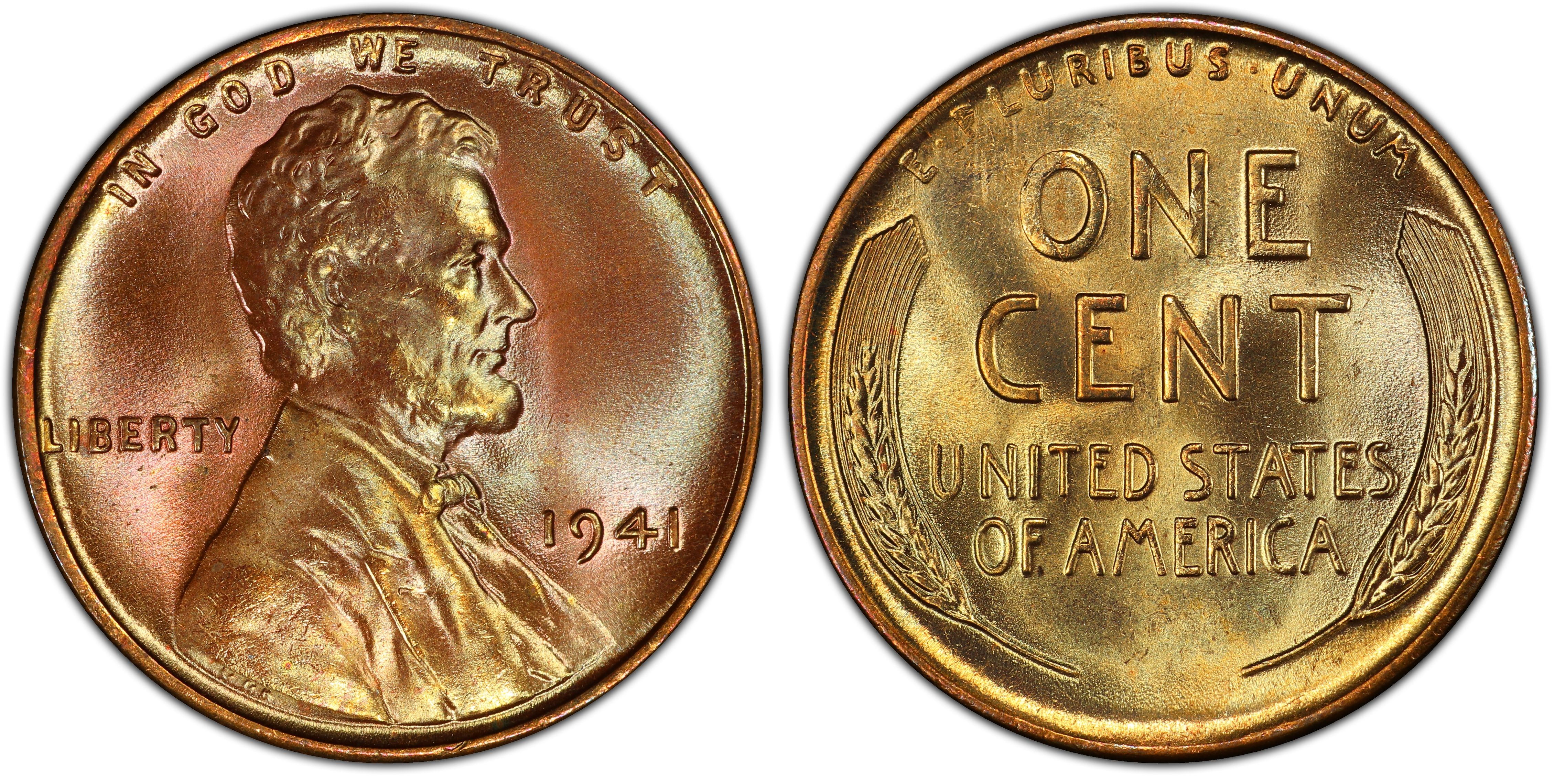
PCGS MS67RB
- PCGS #:
- 2694
- Designer:
- Victor David Brenner
- Edge:
- Plain
- Diameter:
- 19.00 millimeters
- Weight:
- 3.11 grams
- Mintage:
- 887,018,000
- Mint:
- Philadelphia
- Metal:
- 95% Copper, 5% Tin and Zinc
- Auction Record:
- $633 • MS64 • 09-27-2005 • Heritage Auctions
Major Varieties
Rarity and Survival Estimates Learn More
| Survival Estimate | |
|---|---|
| All Grades | 15,000 |
| 60 or Better | 15,000 |
| 65 or Better | 7,500 |
| Numismatic Rarity | |
|---|---|
| All Grades | R-2.9 |
| 60 or Better | R-2.9 |
| 65 or Better | R-3.5 |
| Relative Rarity By Type All Specs in this Type | |
|---|---|
| All Grades | 111 / 143 TIE |
| 60 or Better | 111 / 143 TIE |
| 65 or Better | 116 / 143 TIE |
| Relative Rarity By Series All Specs in this Series | |
|---|---|
| All Grades | 112 / 146 TIE |
| 60 or Better | 112 / 146 TIE |
| 65 or Better | 116 / 146 TIE |
Condition Census What Is This?
 #1 PCGS MS67+RB
The upper-right obverse field retains its original honey-gold glow, while the remainder of the side is blanketed in iridescent russet, peacock green, and magenta toning. The reverse is lighter but exhibits the same coloration. |
|
#1 PCGS MS67RB
Heritage Auctions, January 8, 2024, Lot 50009 - $630. A blended mélange of iridescent peacock green and magenta washes across the coin's original Mint Red surfaces. A mark is visible on Lincoln's shoulder, along with a small tick between the "E" in E PLURIBUS UNUM and the "O" in ONE. |
|
#1 PCGS MS67RB
"The DAM Red Brown Only Collection" (PCGS Set Registry). On the obverse, rose gold has overtaken the coin's honey-gold color, while the reverse retains its original honey-gold brilliance. |
 #1 PCGS MS66+RB
Iridescent toning on both sides features intense blue and magenta hues overtaking the coin's original honey-gold luster. Light spotting. Two ticks between the left wheat sheath and the C in CENT. |
The 1941 Lincoln Cent
In 1941, the Philadelphia Mint produced a then-record 887,039,100 Lincoln Cents, a surge of more than 50% over the previous year's record output. This massive mintage signaled a nation bracing for the Second World War. While the Roosevelt Administration maneuvered to bolster British resistance, it faced a fractured domestic landscape. A majority of Americans favored strict isolationism—most powerfully represented by the America First Committee—while a vocal, radical minority pushed pro-German sentiment. Countering them was the interventionist Committee to Defend America by Aiding the Allies (CDAAA); with over 750 chapters and hundreds of thousands of members, the CDAAA successfully lobbied for the "Arsenal of Democracy" policies that fueled the 1941 minting records.
The geopolitical tension broke on December 7, when the Japanese Empire’s surprise attack on Pearl Harbor sought to neutralize American force projection in the Pacific Ocean. The subsequent declaration of war against the Axis powers fundamentally altered United States Mint operations, necessitating a surge in foreign coinage and radical metallurgical changes to the Lincoln Cent and Jefferson Nickel.
Collecting the 1941 Lincoln Cent
Due to its massive mintage, the 1941 Lincoln Cent (#2693) remains highly affordable in circulated and lower Mint State grades. However, it is a significant conditional rarity at the PCGS MS67+RD level and above. Strike quality varies significantly by die state. Common weaknesses include soft lettering and lack of detail on the reverse "O" in ONE and throughout AMERICA.
While many Mint State Red survivors retain their original honey or cognac glow, some develop an intense patina of peacock green or magenta. These iridescent examples may not carry the same Set Registry cachet as a Red example, yet they boast a unique aesthetic that appeals to a loyal and enthusiastic collector base.
Varieties and Errors Doubled Dies
The Cherrypickers' Guide lists three doubled dies for this year, all of which carry significant premiums. The FS-101 appears most frequently in auctions, but PCGS provides attribution services for all three.
Another curiosity of the 1941 Lincoln Cent is the existence of examples struck on thicker-than-normal planchets. These "wrong planchet" errors were likely produced when blanks intended for foreign denominations—which the Philadelphia Mint was striking in massive quantities at the time—accidentally entered the Lincoln Cent production line.
Vintage Market Snippets
In August 1948, dealer Lu Riggs advertised uncirculated rolls in The Numismatist for just $1.25.
The Omaha Bank Hoard: A significant quantity of Mint State Red 1941 Lincoln Cents originated from this famous mid-20th-century hoard.
Modern Market Snippet
As collectors and dealers turn their attention to the early era of the Lincoln Cent, the population of PCGS MS68RD examples has steadily grown. For over two decades, the census for this grade stood at a solitary coin; however, since 2023, four additional specimens have been certified. These exquisite examples remain highly sought after, consistently attracting spirited bidding whenever they appear at auction.
* * *