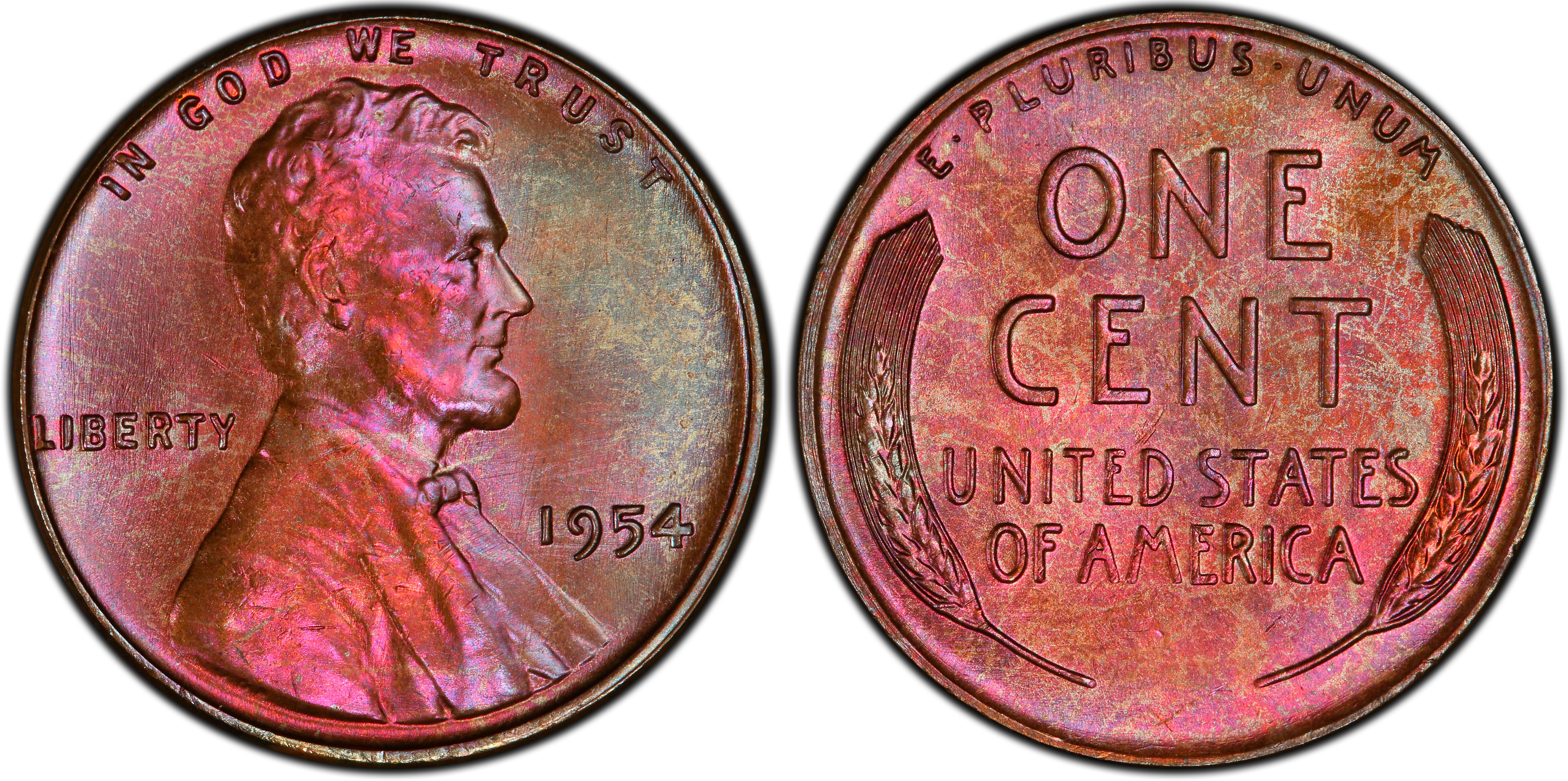

PCGS MS65BN
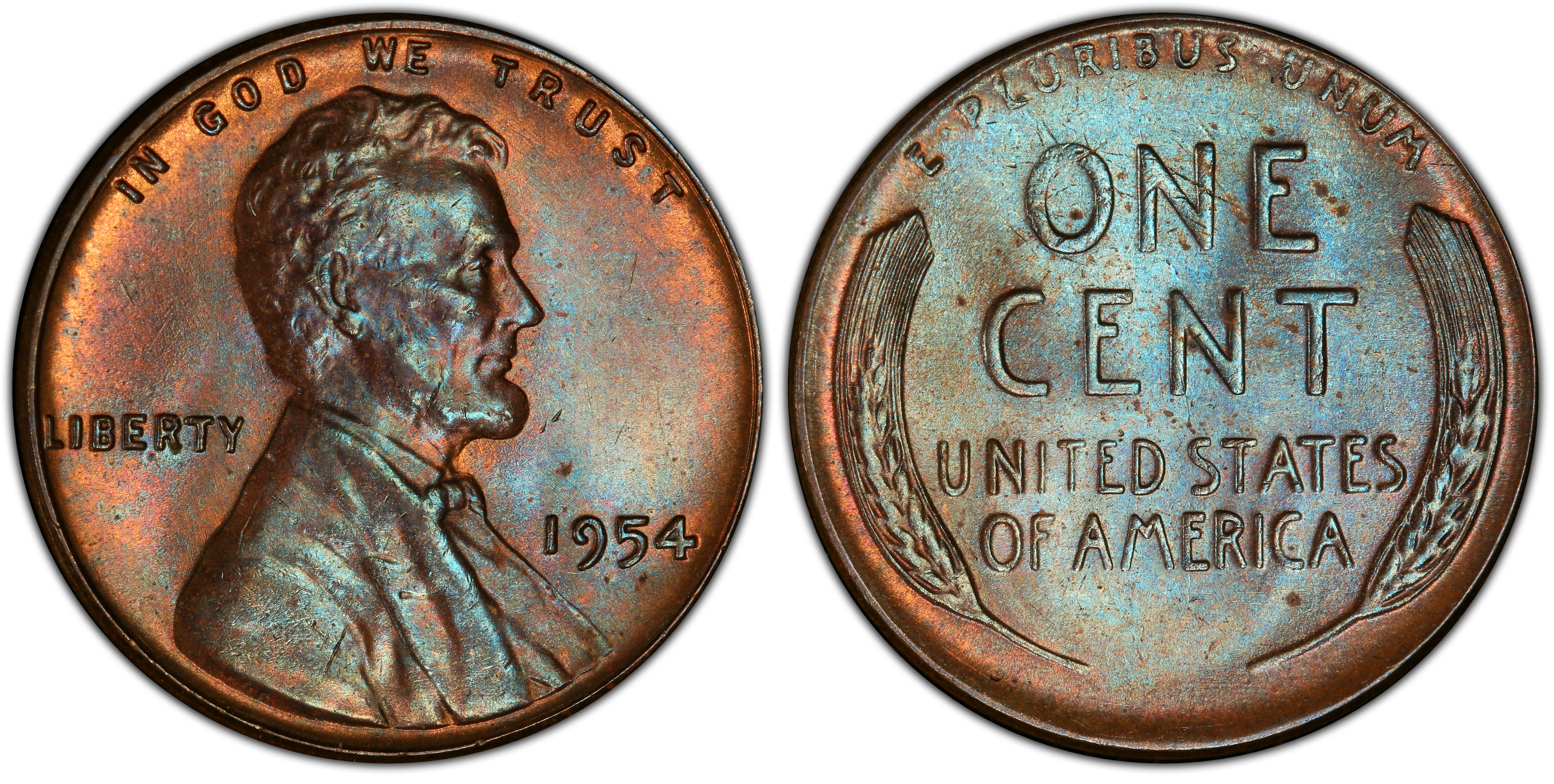
PCGS MS65BN
- PCGS #:
- 2813
- Designer:
- Victor David Brenner
- Edge:
- Plain
- Diameter:
- 19.00 millimeters
- Weight:
- 3.11 grams
- Mintage:
- 71,640,050
- Mint:
- Philadelphia
- Metal:
- 95% Copper, 5% Tin and Zinc
- Auction Record:
- $8,100 • MS67BN • 12-05-2021 • eBay
Go To Grade
Current Auctions - PCGS Graded
Current Auctions - NGC Graded
For Sale Now at Collectors Corner - PCGS Graded
For Sale Now at Collectors Corner - NGC Graded
Rarity and Survival Estimates Learn More
| Survival Estimate | |
|---|---|
| All Grades | 7,000,000 |
| 60 or Better | 7,400 |
| 65 or Better | 3,700 |
| Numismatic Rarity | |
|---|---|
| All Grades | R-1.0 |
| 60 or Better | R-3.5 |
| 65 or Better | R-4.2 |
| Relative Rarity By Type All Specs in this Type | |
|---|---|
| All Grades | 26 / 143 TIE |
| 60 or Better | 90 / 143 |
| 65 or Better | 83 / 143 TIE |
| Relative Rarity By Series All Specs in this Series | |
|---|---|
| All Grades | 29 / 146 TIE |
| 60 or Better | 92 / 146 |
| 65 or Better | 83 / 146 TIE |
Condition Census What Is This?
| #1 Common |
Jaime Hernandez:
The 1954-P Lincoln cent has the lowest mintage from any Philadelphia cent which was struck from 1934 to date.
Almost all Philadelphia Lincoln cents exist in better condition than the 1954-P (this includes all dates from the teens and twenties), with the exception of the 1914-P.
From 1915 to date, the 1954-P ranks as the toughest Philadelphia cent in grades of MS67 or higher. However, the 1914-P is definitely the toughest, the 1954-P being the second toughest and the 1953-P being the third most difficult to locate in M67 Red grades.
For no apparent reason, 1954-P Lincoln cents display very weak and mushy details. This is one of the reasons why coins in high mint state grades are very difficult to locate.
Almost all Philadelphia Lincoln cents exist in better condition than the 1954-P (this includes all dates from the teens and twenties), with the exception of the 1914-P.
From 1915 to date, the 1954-P ranks as the toughest Philadelphia cent in grades of MS67 or higher. However, the 1914-P is definitely the toughest, the 1954-P being the second toughest and the 1953-P being the third most difficult to locate in M67 Red grades.
For no apparent reason, 1954-P Lincoln cents display very weak and mushy details. This is one of the reasons why coins in high mint state grades are very difficult to locate.