1992-D 1C Close AM, RD (Regular Strike)
Series: Lincoln Cents 1959 to Date

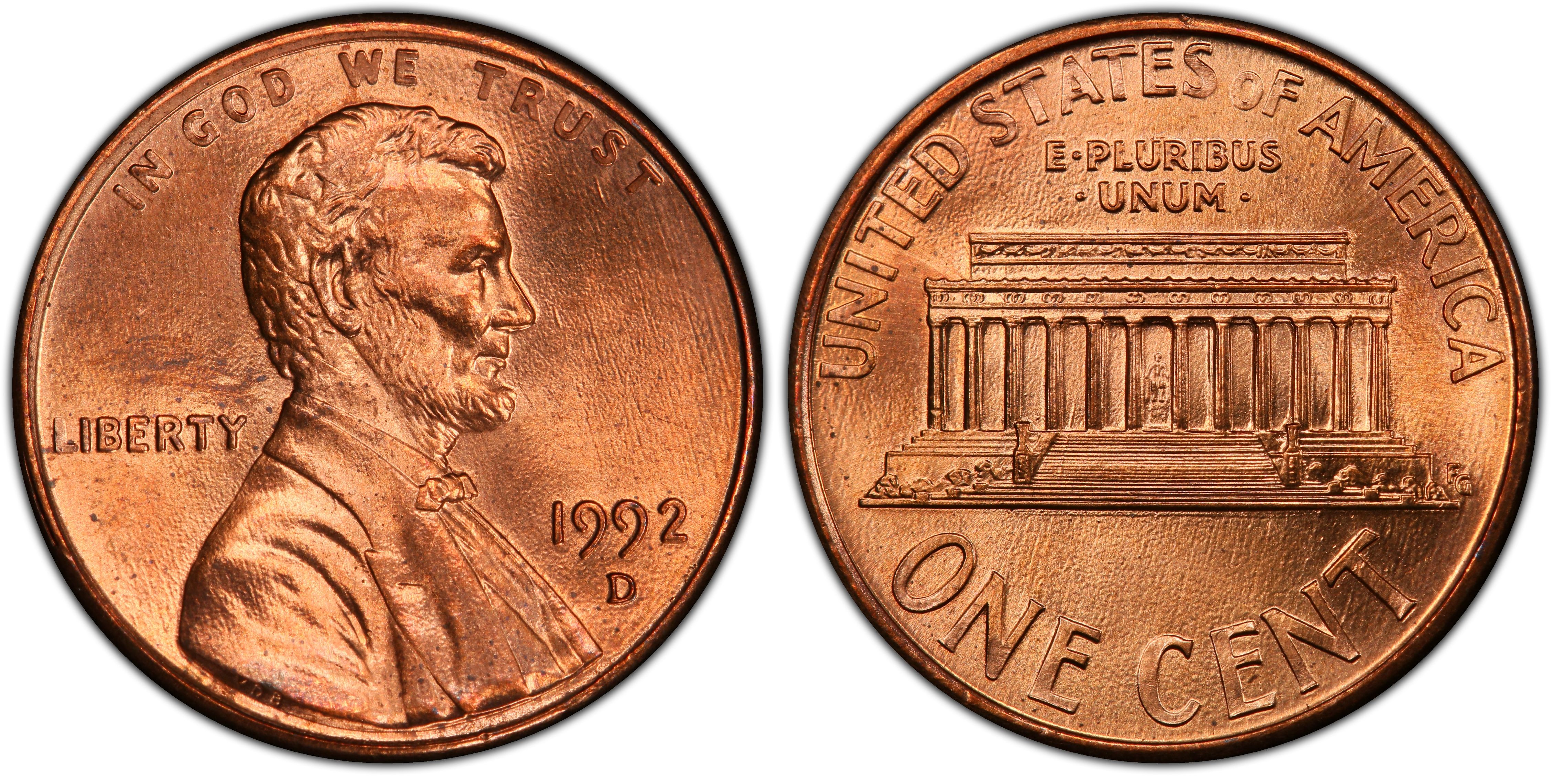
PCGS MS67RD
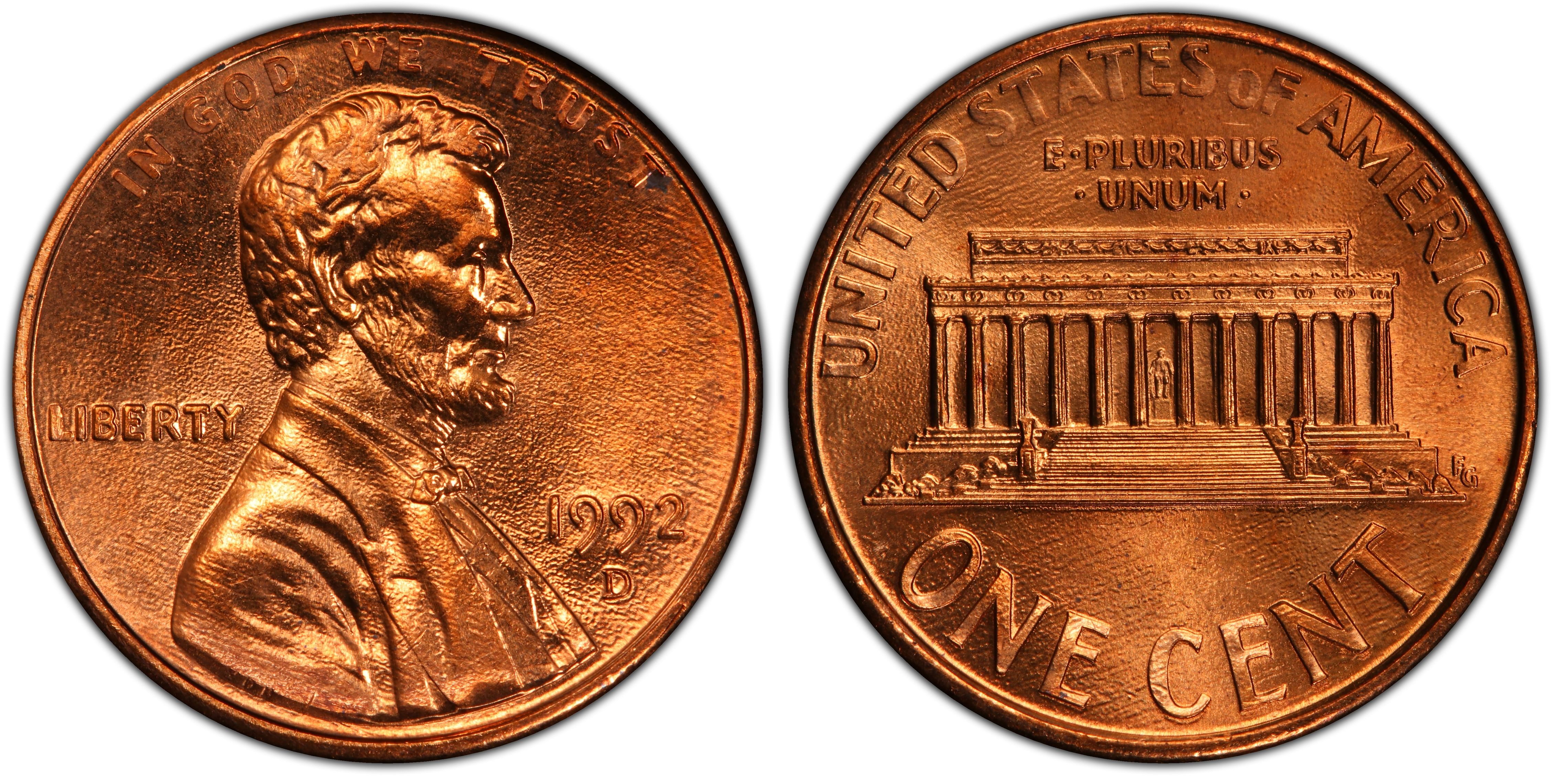
PCGS MS66RD
PCGS MS66RD
- PCGS #:
- 83101
- Designer:
- Victor David Brenner/Frank Gasparro
- Edge:
- Plain
- Diameter:
- 19.00 millimeters
- Weight:
- 2.50 grams
- Mintage:
- 4,448,673,300
- Mint:
- Denver
- Metal:
- Copper-plated Zinc
- Auction Record:
- $14,100 • MS65 • 02-27-2014 • Heritage Auctions
Major Varieties
- 1992-D 1C, BN
- 1992-D 1C, RB
- 1992-D 1C, RD
- 1992-D 1C Close AM, BN
- 1992-D 1C Close AM, RB
- 1992-D 1C Close AM, RD
Rarity and Survival Estimates Learn More
| Survival Estimate | |
|---|---|
| All Grades | 20 |
| 60 or Better | 20 |
| 65 or Better | 10 |
| Numismatic Rarity | |
|---|---|
| All Grades | R-9.1 |
| 60 or Better | R-9.1 |
| 65 or Better | R-9.5 |
| Relative Rarity By Type All Specs in this Type | |
|---|---|
| All Grades | 1 / 47 |
| 60 or Better | 1 / 47 |
| 65 or Better | 1 / 47 |
| Relative Rarity By Series All Specs in this Series | |
|---|---|
| All Grades | 1 / 95 |
| 60 or Better | 1 / 95 |
| 65 or Better | 1 / 95 |
Condition Census What Is This?
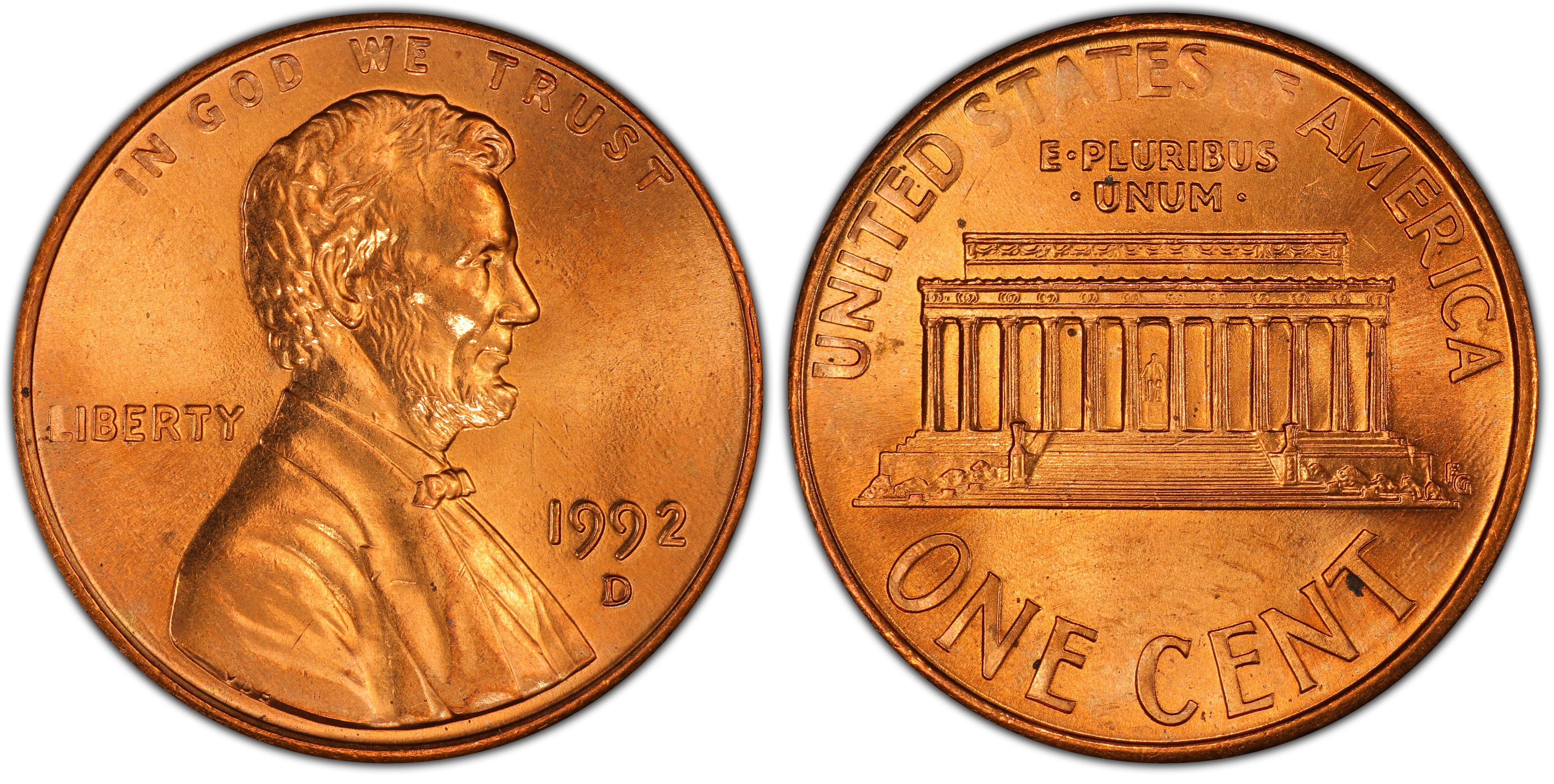 #1 PCGS MS66RD
Heritage Auctions, August 18, 2019, Lot 3143 - $12,000; Dell Loy Hansen; "The D.L. Hansen U.S. Half Cents & Cents with All Varieties Collection" (PCGS Set Registry). |
|
#1 PCGS MS66RD
"The William E. Corum Collection" (PCGS Set Registry). |
|
#1 PCGS MS66RD
|
| #4 PCGS MS65RD |
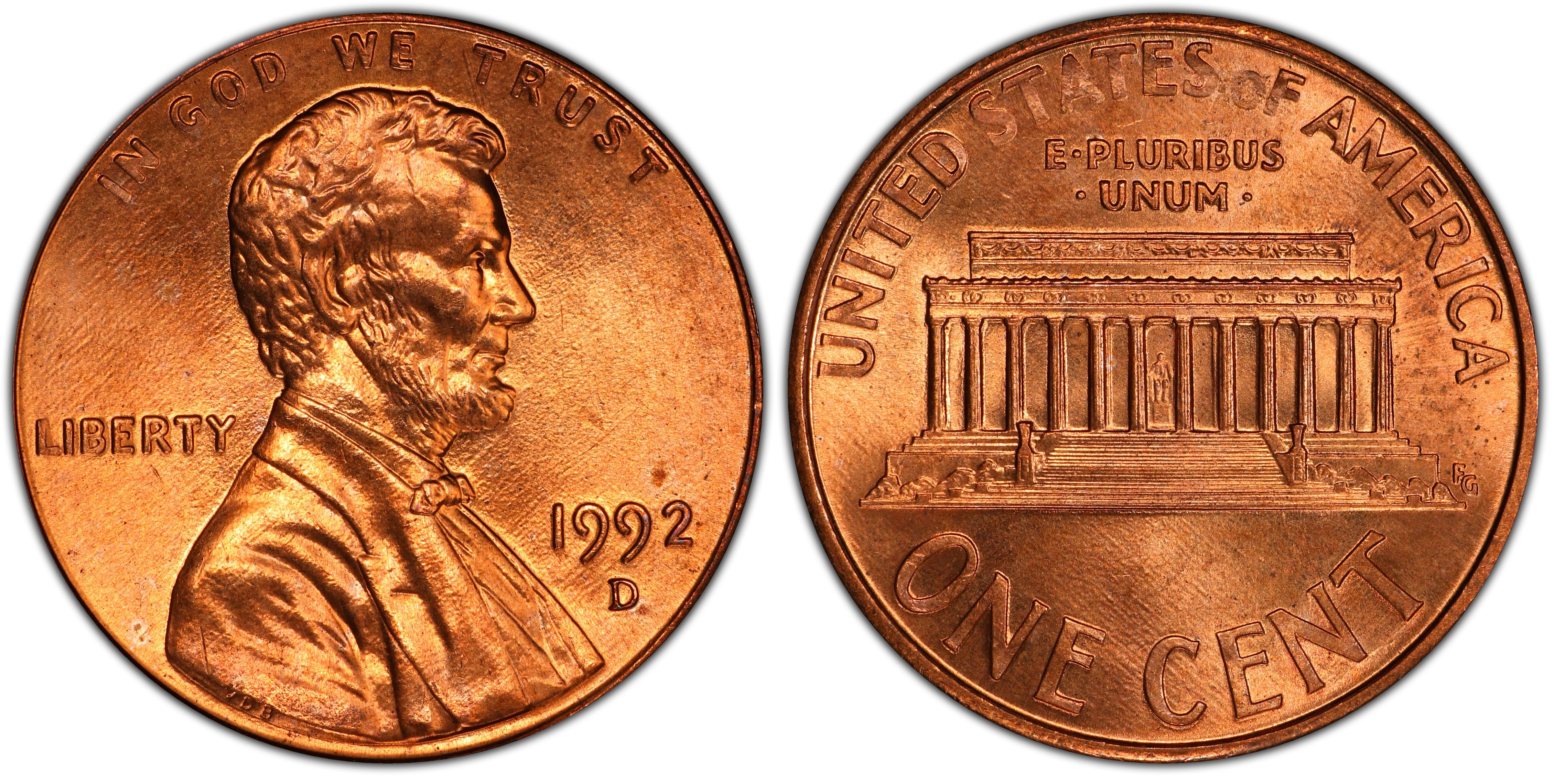 #4 PCGS MS65RD
Heritage Auctions, April 29, 2018, Lot 4620 - $7,200. |
The 1992-D Lincoln Memorial Cent, Close AM Variety
Although extremely rare, the 1992-D "Close AM" Lincoln Memorial Cent (#83101) is one of the great circulation finds a collector can hope to locate. Granted it will take immense luck and quite a bit of searching.
"Close AM" refers to the spacing between the letters A and M in AMERICA on the coin's reverse. This variety occurred when dies intended for 1993 production were "muled" with 1992 obverse dies at both the Philadelphia and Denver Mints. While the PCGS Population Report indicates that the Philadelphia strike is the rarer of the two, the Denver issue is also remarkably scarce. To date, just over 100 examples of the 1992-D Liincoln Cent, Close AM variety have been discovered, with most grading between PCGS AU50 and PCGS AU58. While collectors tend to avoid circulated examples of modern issues, the Close AM is a valuable coin in any grade.
In addition to the letter spacing, a secondary diagnostic for this variety is the position of Frank Gasparro's "FG" monogram: on the Close AM variety, the initials appear slightly further away from the base of the Lincoln Memorial than they do on standard 1992 dies.
Variety Discovered in 2001
Collector Colin Kusch discovered the first Close AM die pairing in December 2001. According to variety expert John Wexler, the Kusch discovery coin was struck using dies in a middle die state, indicating that the Denver Mint had made a concerted effort to destroy the experimental strikes but that a few were released. A survey of known examples backs up this hypothesis. Minnesota collector Greg Smith discovered a second die pairing in 2017.
* * *