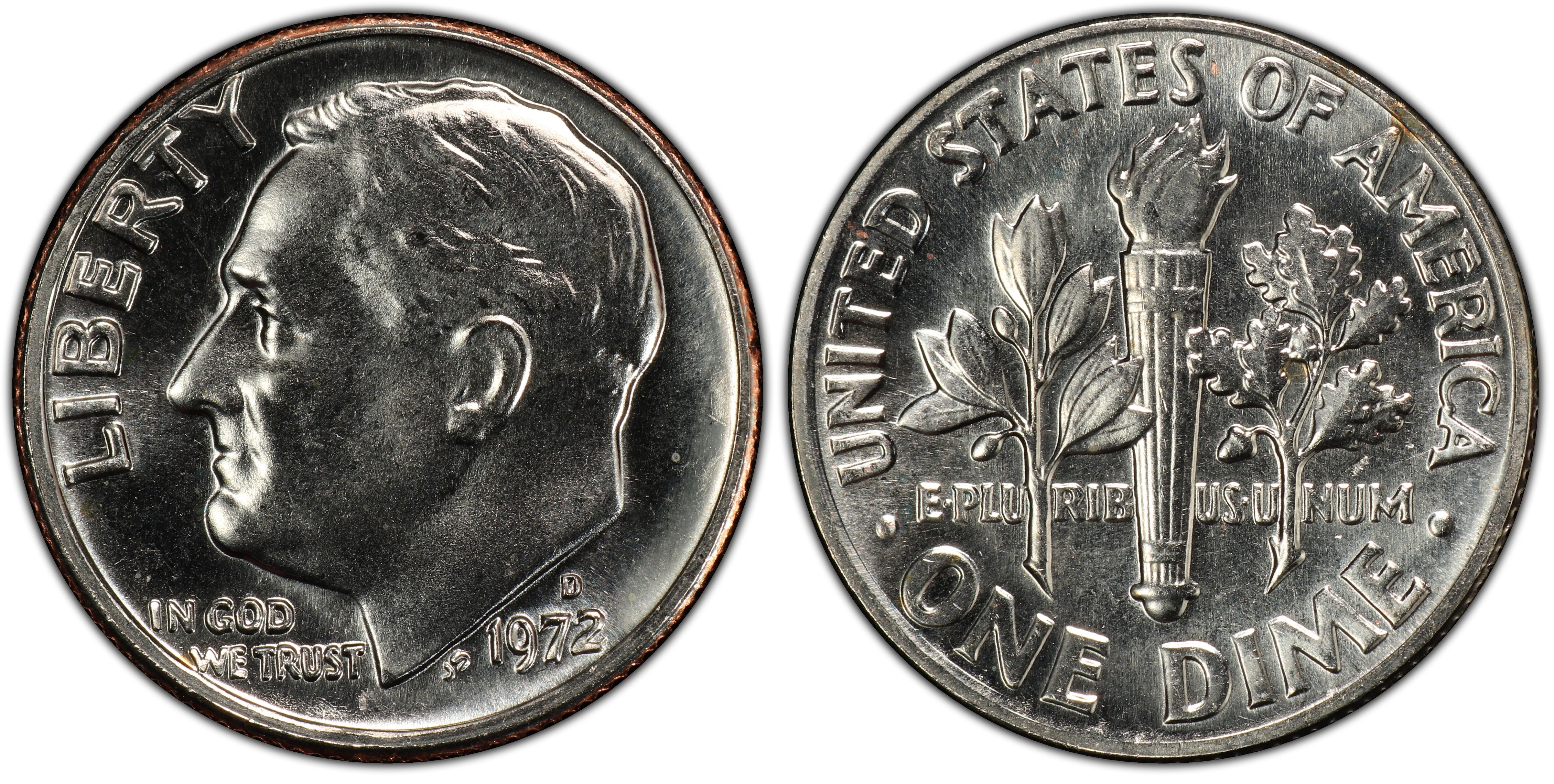
PCGS MS67FB
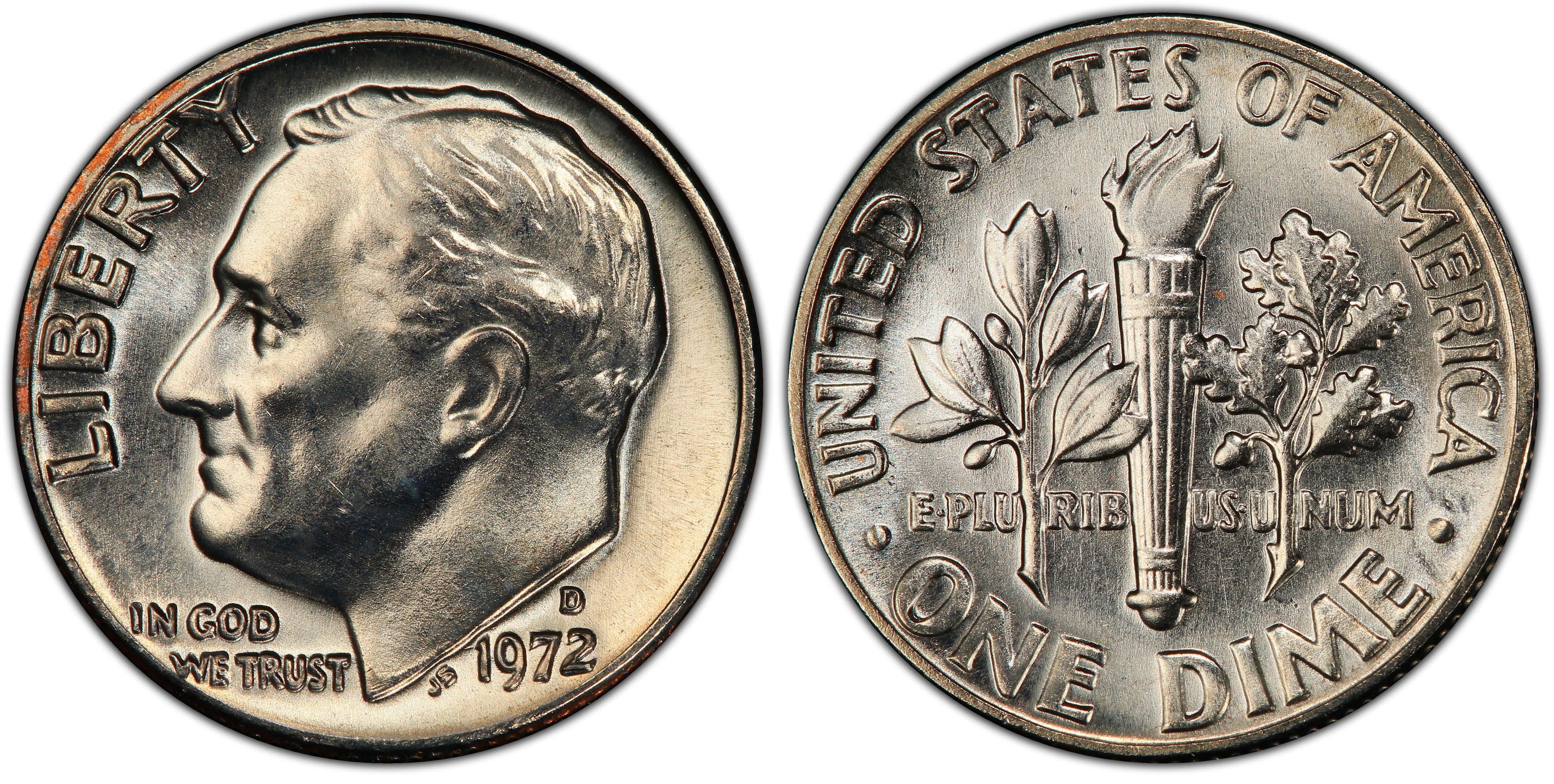
PCGS MS67FB
- PCGS #:
- 85142
- Designer:
- John R. Sinnock
- Edge:
- Reeded
- Diameter:
- 17.90 millimeters
- Weight:
- 2.27 grams
- Mintage:
- 330,290,000
- Mint:
- Denver
- Metal:
- 75% Copper, 25% Nickel over a pure Copper center
- Auction Record:
- $950 • MS67FB • 07-14-2018 • eBay
Rarity and Survival Estimates Learn More
| Survival Estimate | |
|---|---|
| All Grades | 3,302,900 |
| 60 or Better | 3,302,900 |
| 65 or Better | 165,145 |
| Numismatic Rarity | |
|---|---|
| All Grades | R-1.0 |
| 60 or Better | R-1.0 |
| 65 or Better | R-1.9 |
| Relative Rarity By Type All Specs in this Type | |
|---|---|
| All Grades | 12 / 45 TIE |
| 60 or Better | 12 / 45 TIE |
| 65 or Better | 29 / 45 TIE |
| Relative Rarity By Series All Specs in this Series | |
|---|---|
| All Grades | 12 / 45 TIE |
| 60 or Better | 12 / 45 TIE |
| 65 or Better | 29 / 45 TIE |
Condition Census What Is This?
|
#1 PCGS MS67+FB
"The Halcyon Collection" (PCGS Set Registry). |
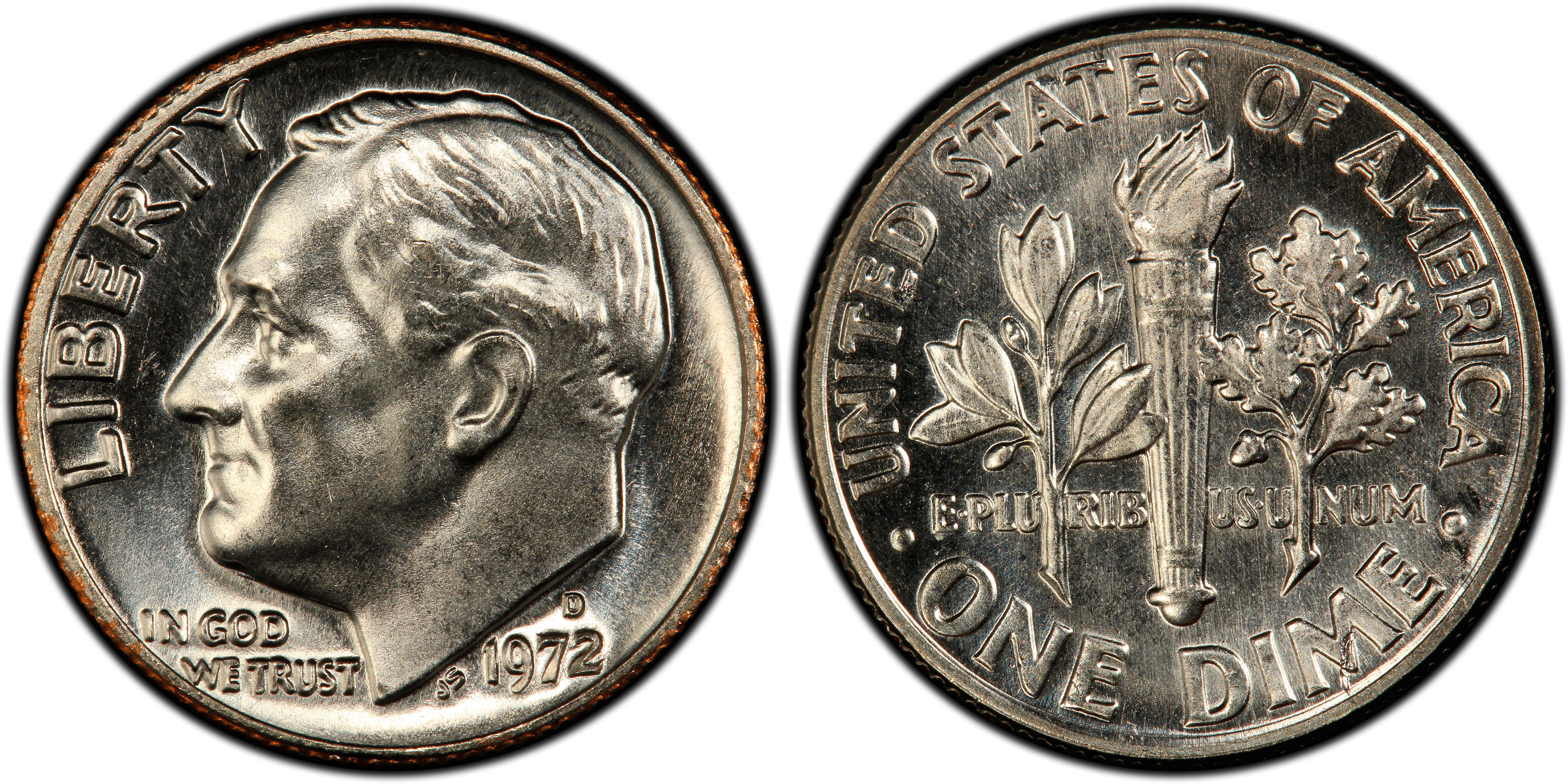 #2 PCGS MS67FB
LS Brown; "The Erasmus Hall Collection," GreatCollections, January 30, 2022, Lot 1095159 - $708.75; "The RickJones Collection" (PCGS Set Registry). Brilliant. |
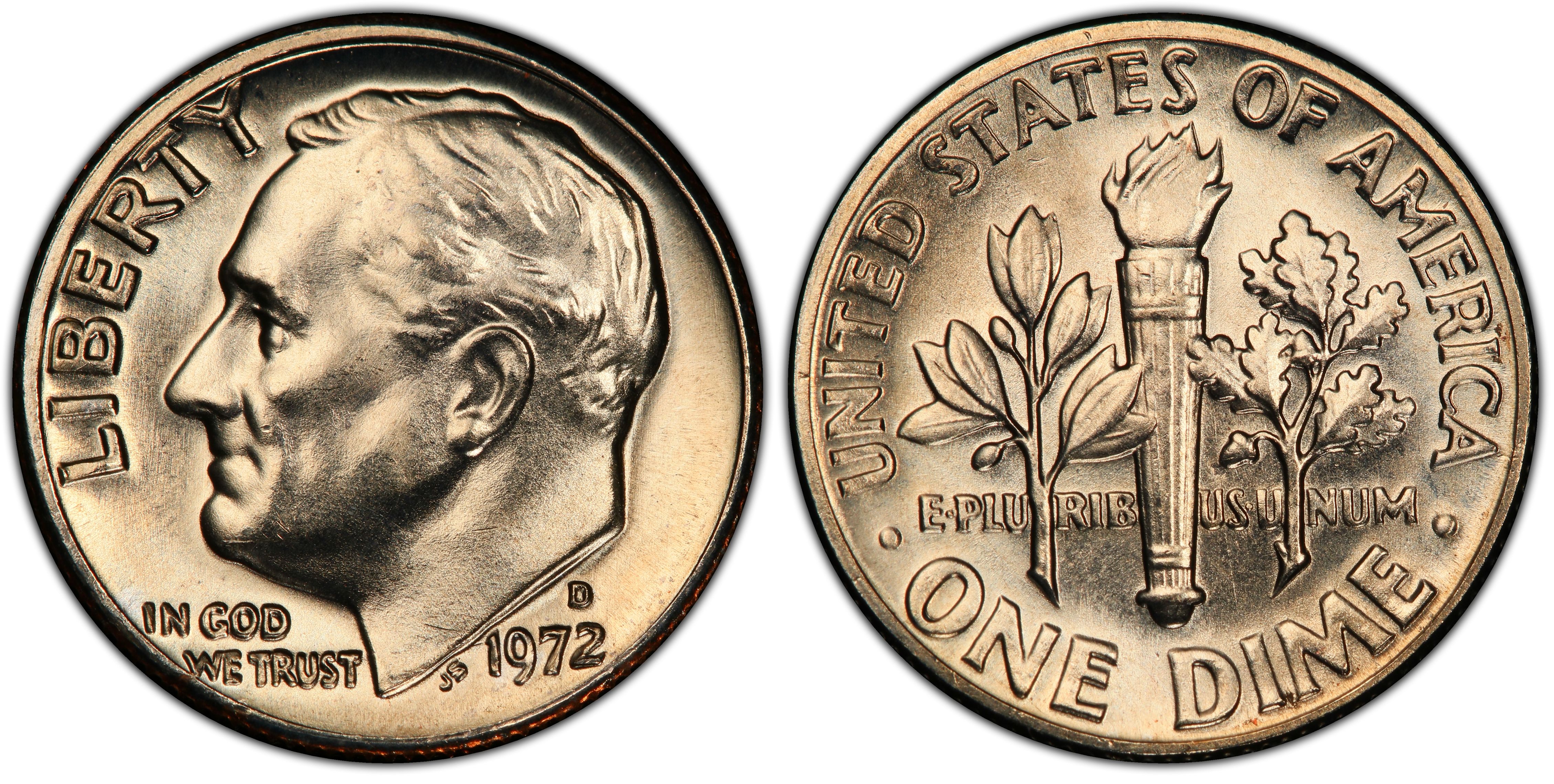 #2 PCGS MS67FB
GreatCollections, December 8, 2019, Lot 774007 - $1,350. Faint champagne hue. Small tick at the corner of Roosevelt's mouth. Small curved mark under A in STATES. |
|
#2 PCGS MS67FB
GreatCollections, December 16, 2018, Lot 652169 - $405.66; "The JAH Coquia 1972 Mint Set #1" (PCGS Set Registry). Brilliant. |
|
#2 PCGS MS67FB
"The Centurion Collection," GreatCollections, May 13, 2018, Lot 576929 - $461.25; "The cat62081 Collection" (PCGS Set Registry). Brilliant. |
|
#2 PCGS MS67FB
"The D.L. Hansen Collection" (PCGS Set Registry). Faint gold patination on the obverse. A thin diagonal mark is noted on the cheek. A pin-sized planchet void is visible to the right of the top fascicle of olive leaves. |
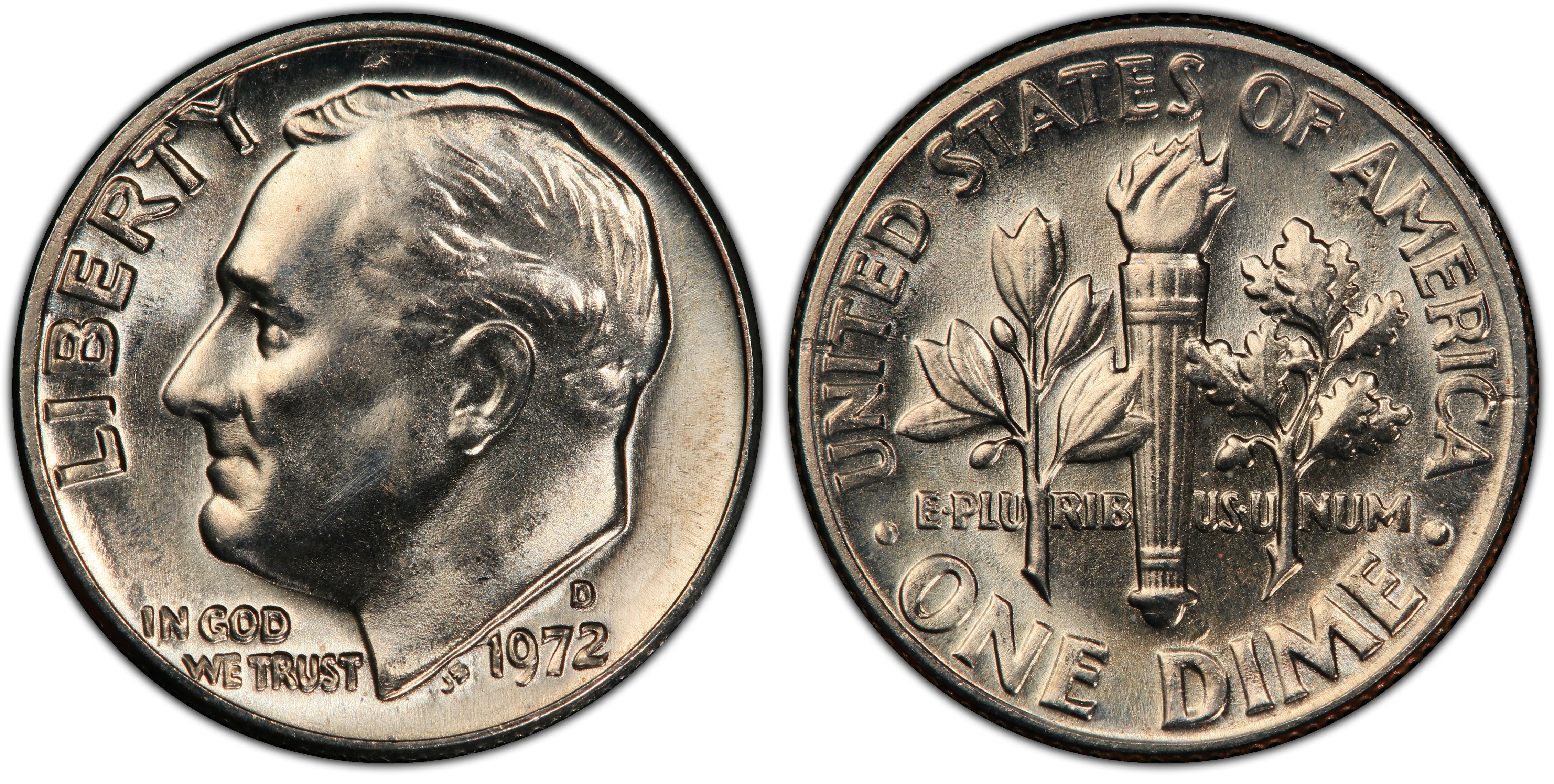 #2 PCGS MS67FB
Brilliant. Strike through above IT in UNITED. |
| #2 PCGS MS67FB |
The 1972-D Roosevelt Dime
By 1972, the Roosevelt Dime had reached its 25-year statutory minimum service life. Introduced in 1946 to replace Weinman’s Mercury design, the coin remained a popular tribute to the transformational president who led the nation through the Great Depression and World War II.
While Franklin D. Roosevelt remained a revered figure, his numismatic legacy is complex. To collectors, his 1933 Executive Order mandating the recall of gold coins is often lamented. However, it was the Emergency Banking Act of 1933 and the Gold Reserve Act of 1934 that truly redefined the American economy by abandoning the gold standard. By 1972, the silver coins of the Roosevelt era had also vanished, replaced by the copper-nickel "sandwich" metal that had become the new standard.
The 1972-D Roosevelt Dime (#5142) represents a turning point in Mint operations. Until fiscal year 1972, the Mint purchased its clad strip from outside contractors. During this year, however, the Mint developed the in-house capability to produce its own clad coin strip. Dimes and quarters were the first denominations struck using this new, internally manufactured material.
Collecting the 1972-D Roosevelt Dime
At the Denver Mint, 330,290,000 dimes were produced for 1972. Historically, Denver strikes from the early clad era (1965–1978) exhibit superior strike quality and eye appeal compared to their Philadelphia counterparts, and the 1972-D is no exception. While Mint State examples were once plentiful in circulation, they remain available in quantity today primarily due to hoarded rolls and 1972 United States Uncirculated Coin Sets. The Mint sold 2,750,000 of these sets, though they are often overlooked (along with the 1971 sets) due to the conspicuous absence of the Eisenhower Dollar.
Most uncirculated survivors from Mint Sets grade between PCGS MS64 and PCGS MS66. Some coins will exhibit a Prooflike appearance. Generally speaking, it is not difficult to acquire a Full Bands example for this date; collectors will not find such easy pickings with other 1970s issues. Roughly 10% of 1972-D dimes submitted to PCGS have earned the Full Bands designation. Compare this to the Philadelphia strike, which carries a far more elusive Full Bands percentage of just 2.3%.
* * *