






The DFT History of the US Constitution Half Dollars Date Set Coin Album

Judicial Review. Marbury v. Madison (1803) established the Supreme Court's authority to declare acts of Congress unconstitutional. By confirming that the Constitution is the nation's supreme law, the decision permanently defined the judiciary's role as interpreter of the Constitution and guardian of its limits.

Judicial Review. Marbury v. Madison (1803) established the Supreme Court's authority to declare acts of Congress unconstitutional. By confirming that the Constitution is the nation's supreme law, the decision permanently defined the judiciary's role as interpreter of the Constitution and guardian of its limits.

Judicial Independence. The Senate acquitted Supreme Court Justice Samuel Chase after impeachment, establishing that federal judges could not be removed simply for unpopular opinions. The outcome reinforced judicial independence and strengthened the Constitution's separation of powers.

Judicial Independence. The Senate acquitted Supreme Court Justice Samuel Chase after impeachment, establishing that federal judges could not be removed simply for unpopular opinions. The outcome reinforced judicial independence and strengthened the Constitution's separation of powers.

Continental Expansion. The Lewis and Clark Expedition returned from the Louisiana Territory, demonstrating the federal government's growing responsibility for an expanding republic. The exploration laid the groundwork for future debates over territorial government, statehood, and the Constitution's application across a continent.
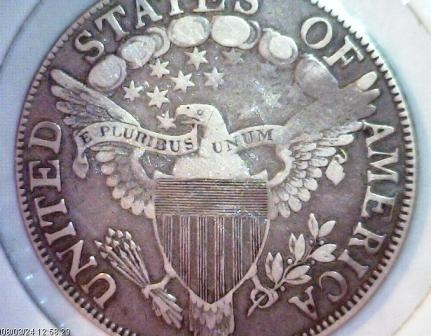
Continental Expansion. The Lewis and Clark Expedition returned from the Louisiana Territory, demonstrating the federal government's growing responsibility for an expanding republic. The exploration laid the groundwork for future debates over territorial government, statehood, and the Constitution's application across a continent.
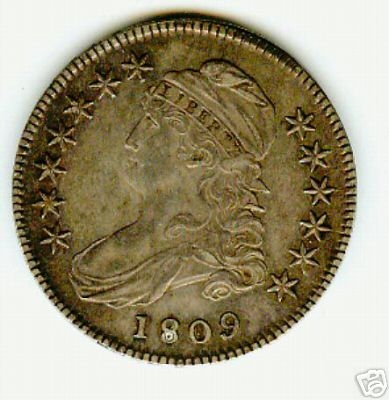
National Sovereignty. James Madison entered office amid worsening tensions with Great Britain over trade and maritime rights. As the nation prepared for the challenges that would lead to the War of 1812, the Constitution's grants of authority over diplomacy, commerce, and national defense were increasingly put to the test.

National Sovereignty. James Madison entered office amid worsening tensions with Great Britain over trade and maritime rights. As the nation prepared for the challenges that would lead to the War of 1812, the Constitution's grants of authority over diplomacy, commerce, and national defense were increasingly put to the test.

Constitutional Supremacy. Fletcher v. Peck (1810) established that state legislatures, no less than Congress, are bound by the Constitution. By invalidating a Georgia law for the first time, the Supreme Court extended judicial review to state legislation and strengthened the rule of constitutional government.
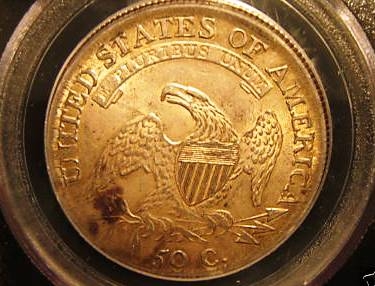
Constitutional Supremacy. Fletcher v. Peck (1810) established that state legislatures, no less than Congress, are bound by the Constitution. By invalidating a Georgia law for the first time, the Supreme Court extended judicial review to state legislation and strengthened the rule of constitutional government.

Federal Power and the Frontier. The Battle of Tippecanoe, in which American troops led by William Henry Harrison defeated the Native American chief Tecumseh (1811), reflected the federal government’s growing role in securing frontier settlement and managing relations with Native nations, foreshadowing both the War of 1812 and future constitutional debates over federal authority, territory, and Indian affairs. Coin is O-110.

Federal Power and the Frontier. The Battle of Tippecanoe, in which American troops led by William Henry Harrison defeated the Native American chief Tecumseh (1811), reflected the federal government’s growing role in securing frontier settlement and managing relations with Native nations, foreshadowing both the War of 1812 and future constitutional debates over federal authority, territory, and Indian affairs. Coin is O-110.
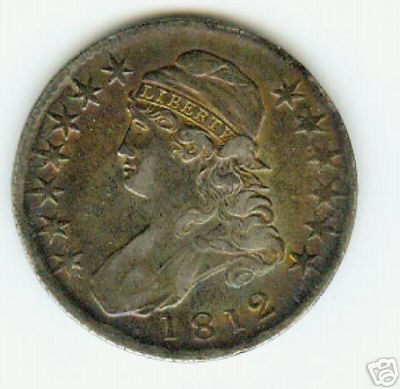
War Powers. The United States declared war on Britain in 1812 after years of conflict over maritime rights, trade restrictions, impressment, and frontier security. The War of 1812 tested Congress’s power to declare war and the federal government’s ability to defend national sovereignty.
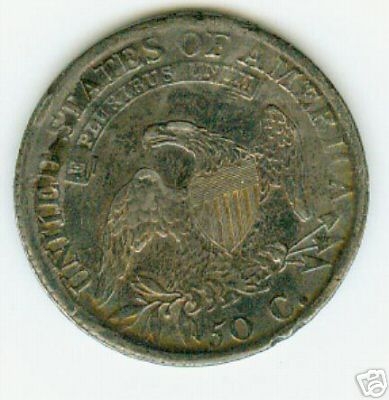
War Powers. The United States declared war on Britain in 1812 after years of conflict over maritime rights, trade restrictions, impressment, and frontier security. The War of 1812 tested Congress’s power to declare war and the federal government’s ability to defend national sovereignty.
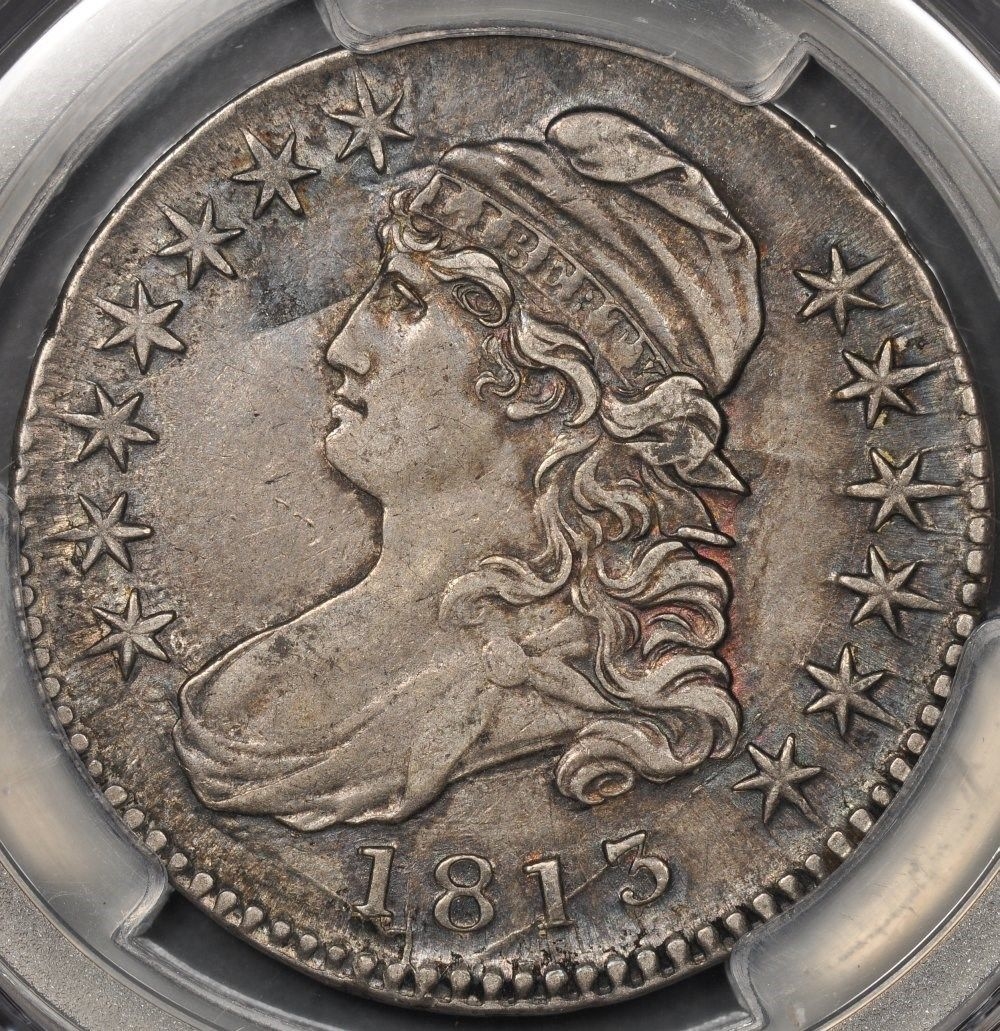
Private Property in Wartime. In The Venus (1814 U.S. Reports), the Supreme Court considered whether wartime allowed confiscation of property owned by British subjects residing in the United States. Chief Justice Marshall emphasized that war did not automatically extinguish private property rights.
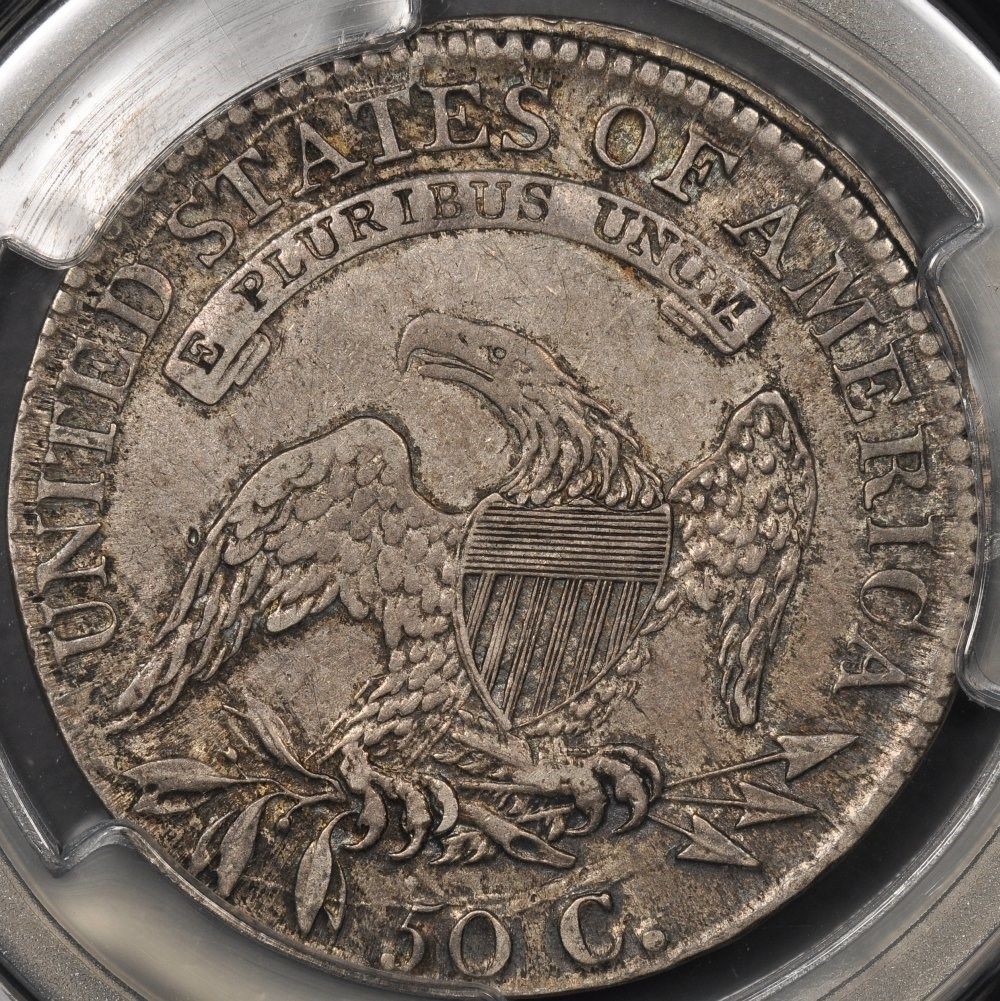
Private Property in Wartime. In The Venus (1814 U.S. Reports), the Supreme Court considered whether wartime allowed confiscation of property owned by British subjects residing in the United States. Chief Justice Marshall emphasized that war did not automatically extinguish private property rights.
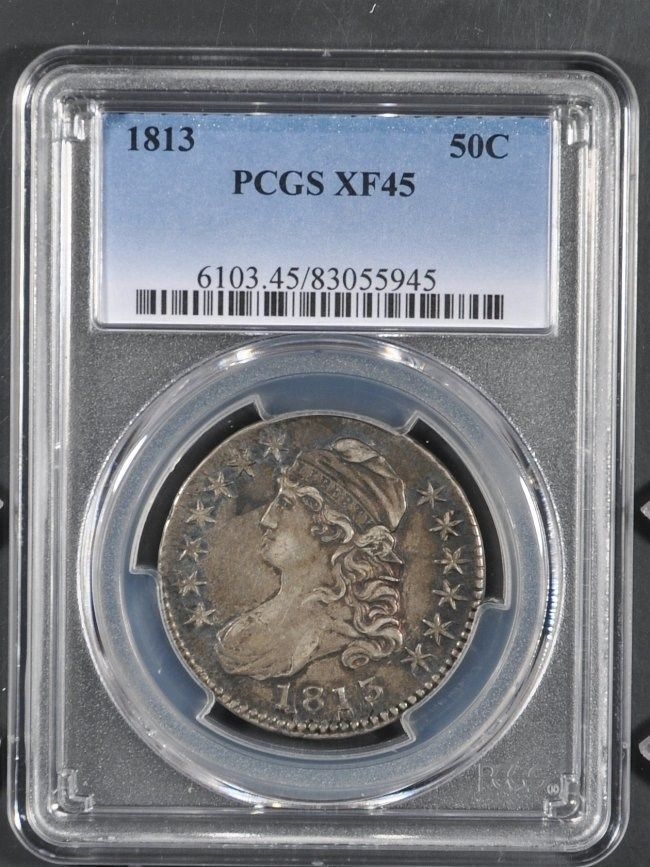
Private Property in Wartime. In The Venus (1814 U.S. Reports), the Supreme Court considered whether wartime allowed confiscation of property owned by British subjects residing in the United States. Chief Justice Marshall emphasized that war did not automatically extinguish private property rights.
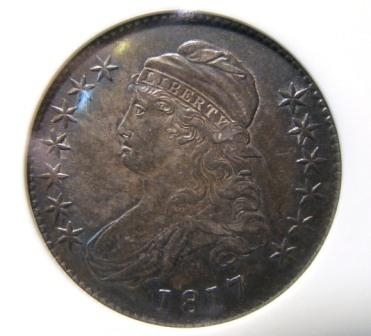
Limited Federal Powers. President James Madison vetoed the Bonus Bill of 1817, concluding that although national roads and canals were desirable, the Constitution did not authorize Congress to fund them without an amendment. The veto became a defining statement of strict construction and the limits of federal legislative power.
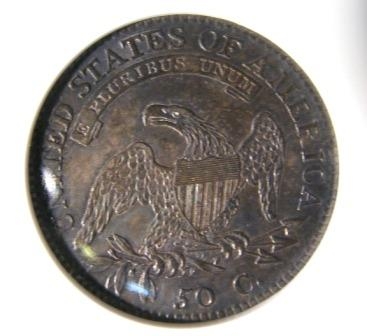
Limited Federal Powers. President James Madison vetoed the Bonus Bill of 1817, concluding that although national roads and canals were desirable, the Constitution did not authorize Congress to fund them without an amendment. The veto became a defining statement of strict construction and the limits of federal legislative power.
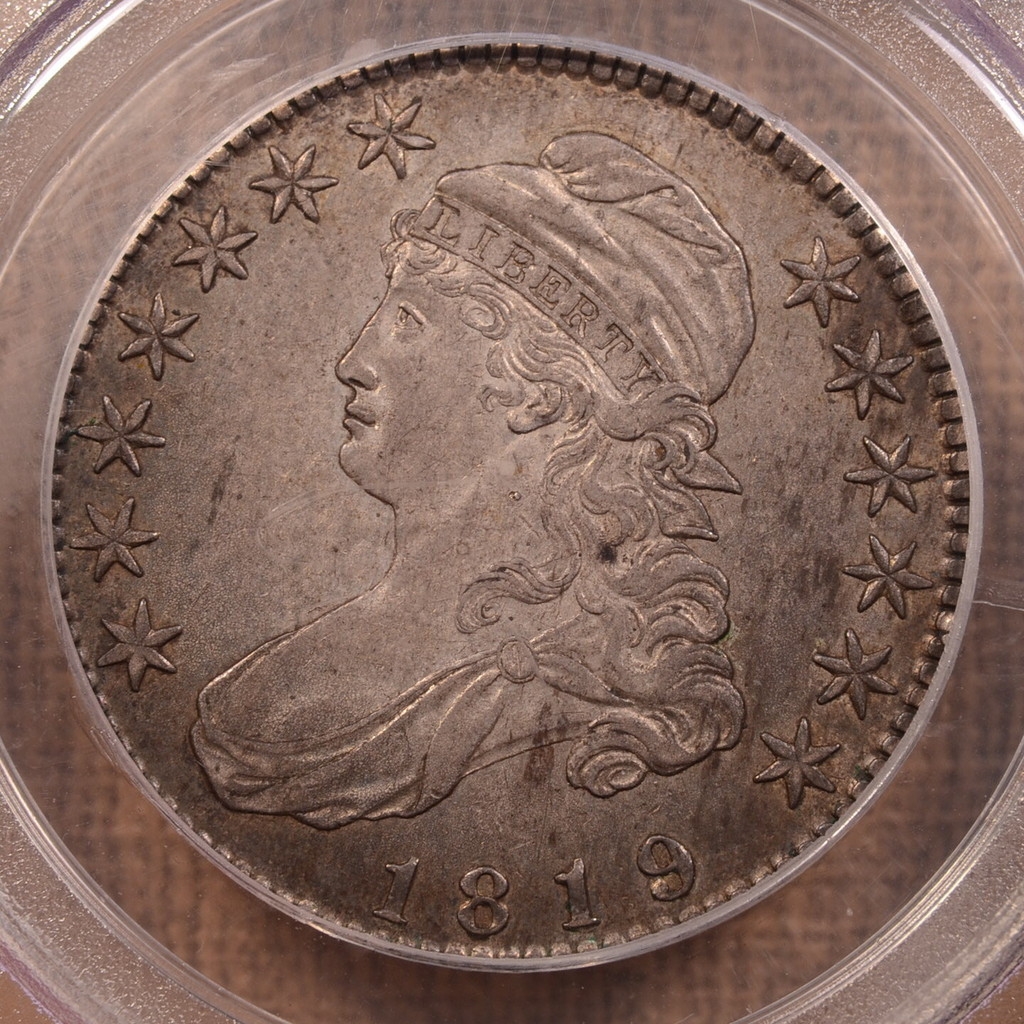
Federal Supremacy. In McCulloch v. Maryland (1819), the Supreme Court held that Congress possesses implied powers under the Necessary and Proper Clause and that states may not tax legitimate federal institutions. Together with Trustees of Dartmouth College v. Woodward, the Court strengthened national authority while protecting contracts from state interference.
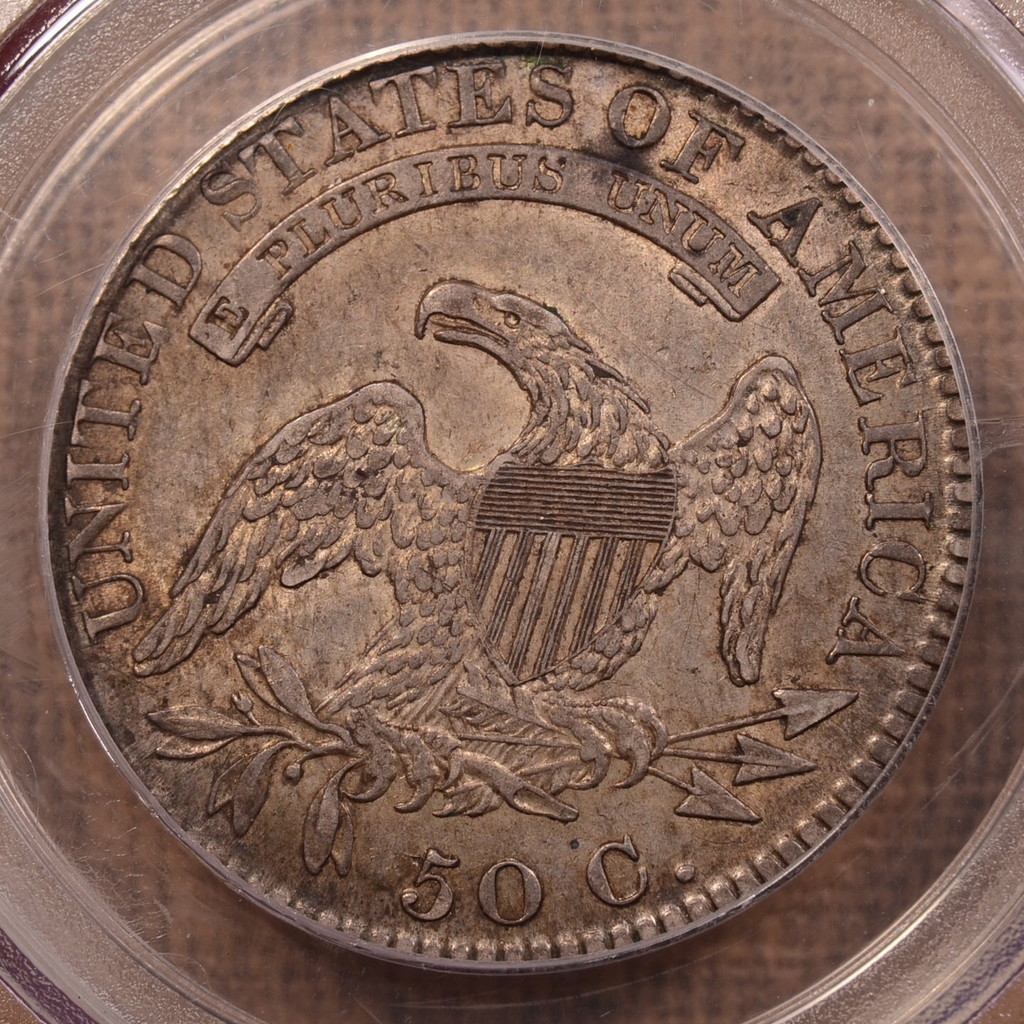
Federal Supremacy. In McCulloch v. Maryland (1819), the Supreme Court held that Congress possesses implied powers under the Necessary and Proper Clause and that states may not tax legitimate federal institutions. Together with Trustees of Dartmouth College v. Woodward, the Court strengthened national authority while protecting contracts from state interference.
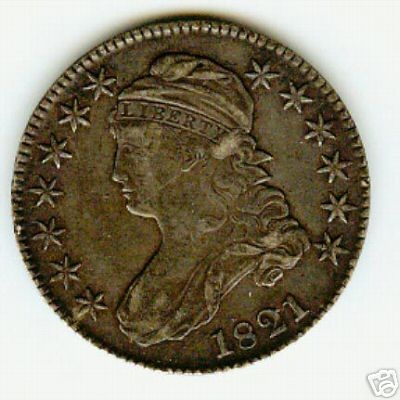
Federal Judicial Authority. Cohens v. Virginia (1821) marked the first time the US Supreme Court asserted the Court's power to review state supreme court decisions in criminal law matters when a defendant claims their Constitutional rights have been violated.
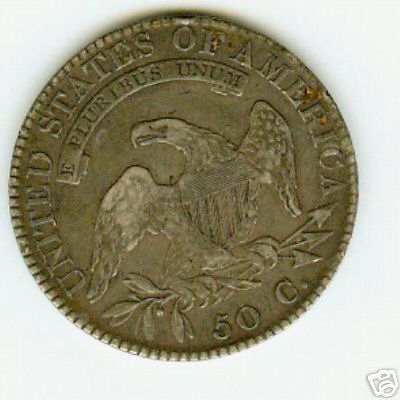
Federal Judicial Authority. Cohens v. Virginia (1821) marked the first time the US Supreme Court asserted the Court's power to review state supreme court decisions in criminal law matters when a defendant claims their Constitutional rights have been violated.
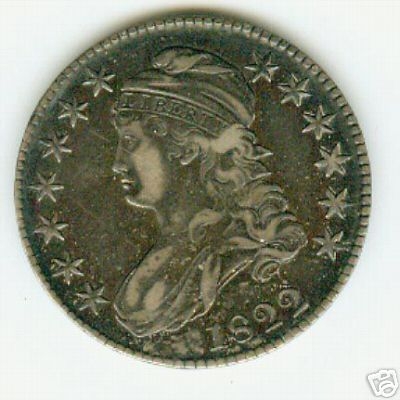
Commerce and Federal Power. The dispute that became Gibbons v. Ogden reached the Supreme Court in the early 1820s, challenging New York’s steamboat monopoly and raising the meaning of Congress’s power to regulate interstate commerce. The case foreshadowed the Court’s landmark 1824 decision strengthening federal authority over commercial activity among the states.
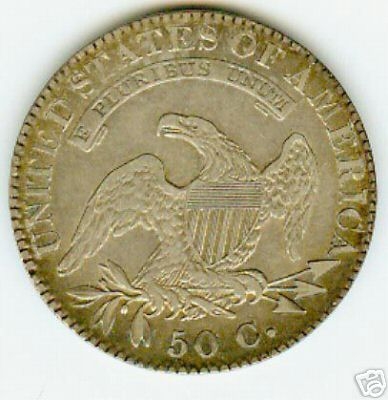
Commerce and Federal Power. The dispute that became Gibbons v. Ogden reached the Supreme Court in the early 1820s, challenging New York’s steamboat monopoly and raising the meaning of Congress’s power to regulate interstate commerce. The case foreshadowed the Court’s landmark 1824 decision strengthening federal authority over commercial activity among the states.
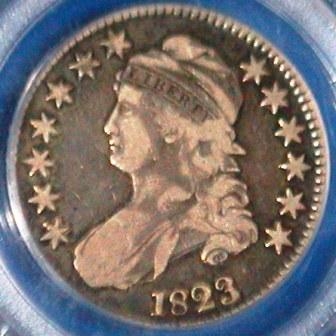
Foreign Relations. In 1823, the U.S. adopted the Monroe Doctrine, which proclaimed that European powers were to no longer colonize or interfere with the affairs of the newly independent nations of the Americas.
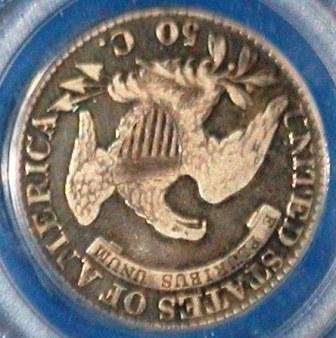
Foreign Relations. In 1823, the U.S. adopted the Monroe Doctrine, which proclaimed that European powers were to no longer colonize or interfere with the affairs of the newly independent nations of the Americas.
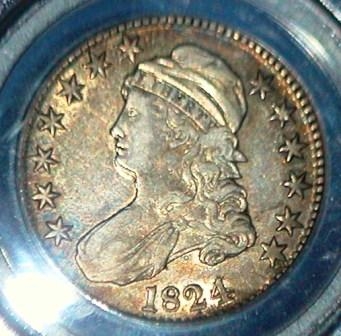
Presidential Elections. In the 1824 Presidential Election, no candidate received a majority of the total electoral college votes in the election. The United States House of Representatives is given the task to decide the winner (as stipulated by the Twelfth Amendment to the United States Constitution).
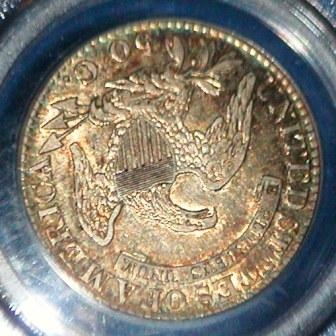
Presidential Elections. In the 1824 Presidential Election, no candidate received a majority of the total electoral college votes in the election. The United States House of Representatives is given the task to decide the winner (as stipulated by the Twelfth Amendment to the United States Constitution).
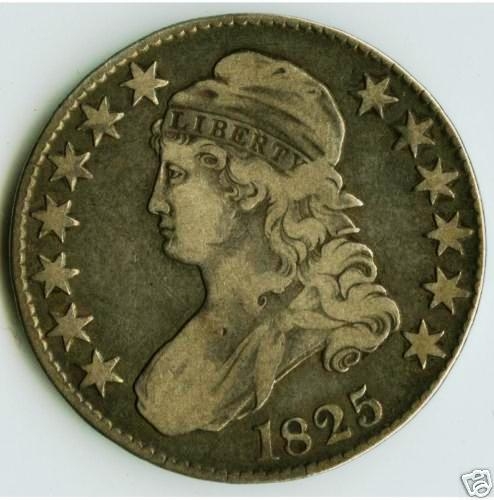
Treaty Authority. Under the Treaty of St. Louis, 1,400 Missouri Shawnees were forcibly relocated from Missouri to Kansas.
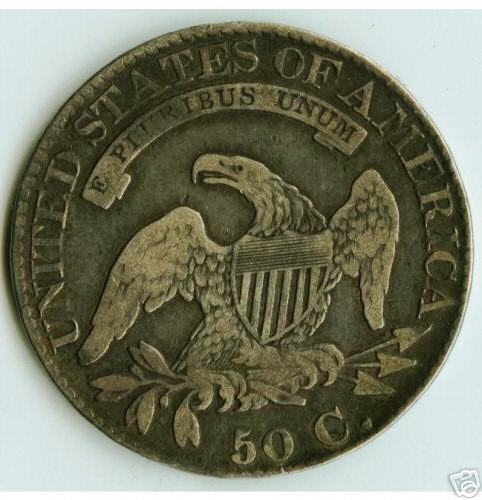
Treaty Authority. Under the Treaty of St. Louis, 1,400 Missouri Shawnees were forcibly relocated from Missouri to Kansas.

Commerce Clause. In Brown v. Maryland (1827), the Supreme Court struck down a state tax on importers as conflicting with the Constitution’s limits on state interference with foreign commerce. The decision strengthened federal authority over trade and restricted state burdens on imports. (Coin is O-113)

Commerce Clause. In Brown v. Maryland (1827), the Supreme Court struck down a state tax on importers as conflicting with the Constitution’s limits on state interference with foreign commerce. The decision strengthened federal authority over trade and restricted state burdens on imports. (Coin is O-113)

Jacksonian Democracy. Andrew Jackson is elected President of the United States, ushering in a new era of popular democracy that reshaped debates over executive power, federal authority, states' rights, and the role of the national government.

Jacksonian Democracy. Andrew Jackson is elected President of the United States, ushering in a new era of popular democracy that reshaped debates over executive power, federal authority, states' rights, and the role of the national government.
Federal–Tribal Relations. Congress enacted the Indian Removal Act of 1830, authorizing the negotiated relocation of Native American tribes from the Southeast to lands west of the Mississippi River. The law intensified constitutional conflicts over treaty obligations, federal authority, state sovereignty, and tribal self-government.
Federal–Tribal Relations. Congress enacted the Indian Removal Act of 1830, authorizing the negotiated relocation of Native American tribes from the Southeast to lands west of the Mississippi River. The law intensified constitutional conflicts over treaty obligations, federal authority, state sovereignty, and tribal self-government.
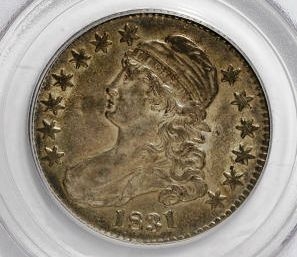
Tribal Sovereignty. In Cherokee Nation v. Georgia (1831), the Supreme Court described Indian tribes as "domestic dependent nations." Although the Court declined jurisdiction, the decision established the unique legal relationship between tribal governments and the United States that remains a foundation of federal Indian law.
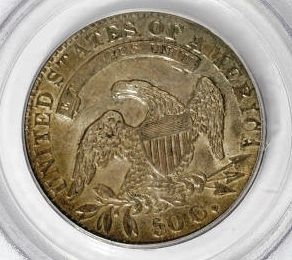
Tribal Sovereignty. In Cherokee Nation v. Georgia (1831), the Supreme Court described Indian tribes as "domestic dependent nations." Although the Court declined jurisdiction, the decision established the unique legal relationship between tribal governments and the United States that remains a foundation of federal Indian law.
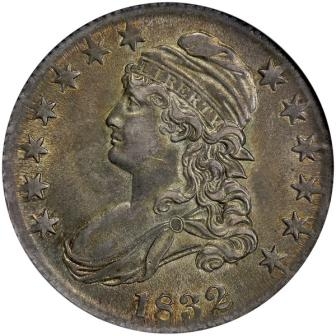
Federal Supremacy. In Worcester v. Georgia (1832), the Supreme Court held that states lacked authority to regulate Cherokee lands, reserving relations with Native nations exclusively to the federal government. The decision became a landmark affirmation of federal supremacy and tribal sovereignty. Thus, the Cherokee Indians were entitled to federal protection from the actions of state governments.
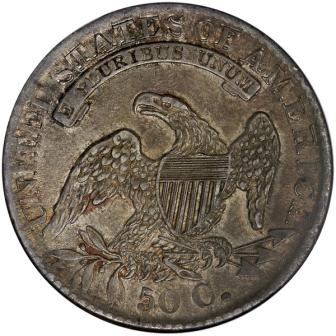
Federal Supremacy. In Worcester v. Georgia (1832), the Supreme Court held that states lacked authority to regulate Cherokee lands, reserving relations with Native nations exclusively to the federal government. The decision became a landmark affirmation of federal supremacy and tribal sovereignty. Thus, the Cherokee Indians were entitled to federal protection from the actions of state governments.

The Bill of Rights. In Barron v. Baltimore (1833), the Supreme Court held that the Bill of Rights limited only the federal government, not the states. This remained the governing rule until many of its protections were later applied to the states through the Fourteenth Amendment. (Coin is O-106)
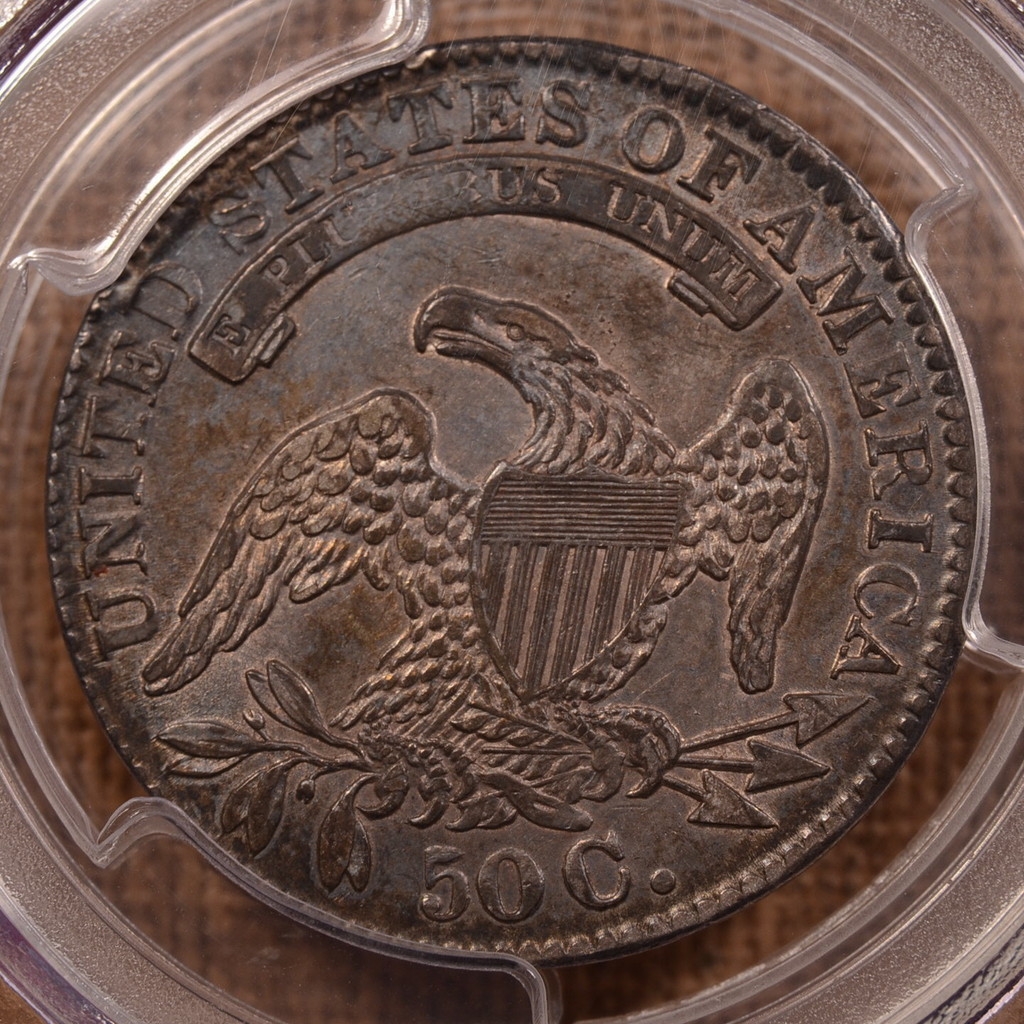
The Bill of Rights. In Barron v. Baltimore (1833), the Supreme Court held that the Bill of Rights limited only the federal government, not the states. This remained the governing rule until many of its protections were later applied to the states through the Fourteenth Amendment. (Coin is O-106)
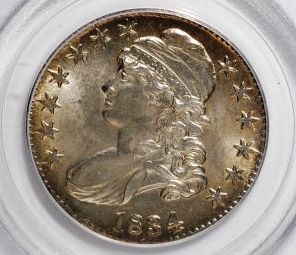
Checks and Balances. In 1834, the Senate formally censured President Andrew Jackson for removing federal deposits from the Second Bank of the United States without congressional approval. The episode highlighted continuing constitutional tensions over executive authority and congressional oversight.
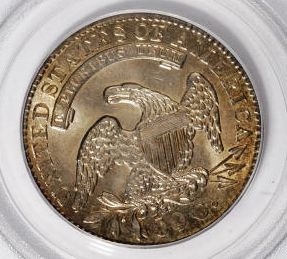
Checks and Balances. In 1834, the Senate formally censured President Andrew Jackson for removing federal deposits from the Second Bank of the United States without congressional approval. The episode highlighted continuing constitutional tensions over executive authority and congressional oversight.
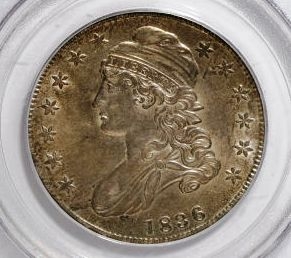
Federal Economic Powers under the Const.'s Necessary and Proper clause. The federal charter of the Second Bank of the United States expired in 1836 following President Andrew Jackson's successful opposition to its renewal. Together with the Specie Circular, which required payment for government land to be in gold and silver, the Bank War reshaped constitutional debates over Congress's economic powers, executive authority, and the proper role of the national government.
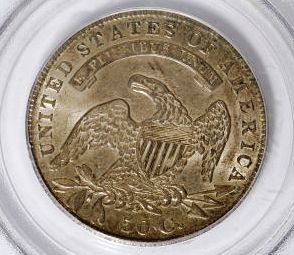
Federal Economic Powers under the Const.'s Necessary and Proper clause. The federal charter of the Second Bank of the United States expired in 1836 following President Andrew Jackson's successful opposition to its renewal. Together with the Specie Circular, which required payment for government land to be in gold and silver, the Bank War reshaped constitutional debates over Congress's economic powers, executive authority, and the proper role of the national government.
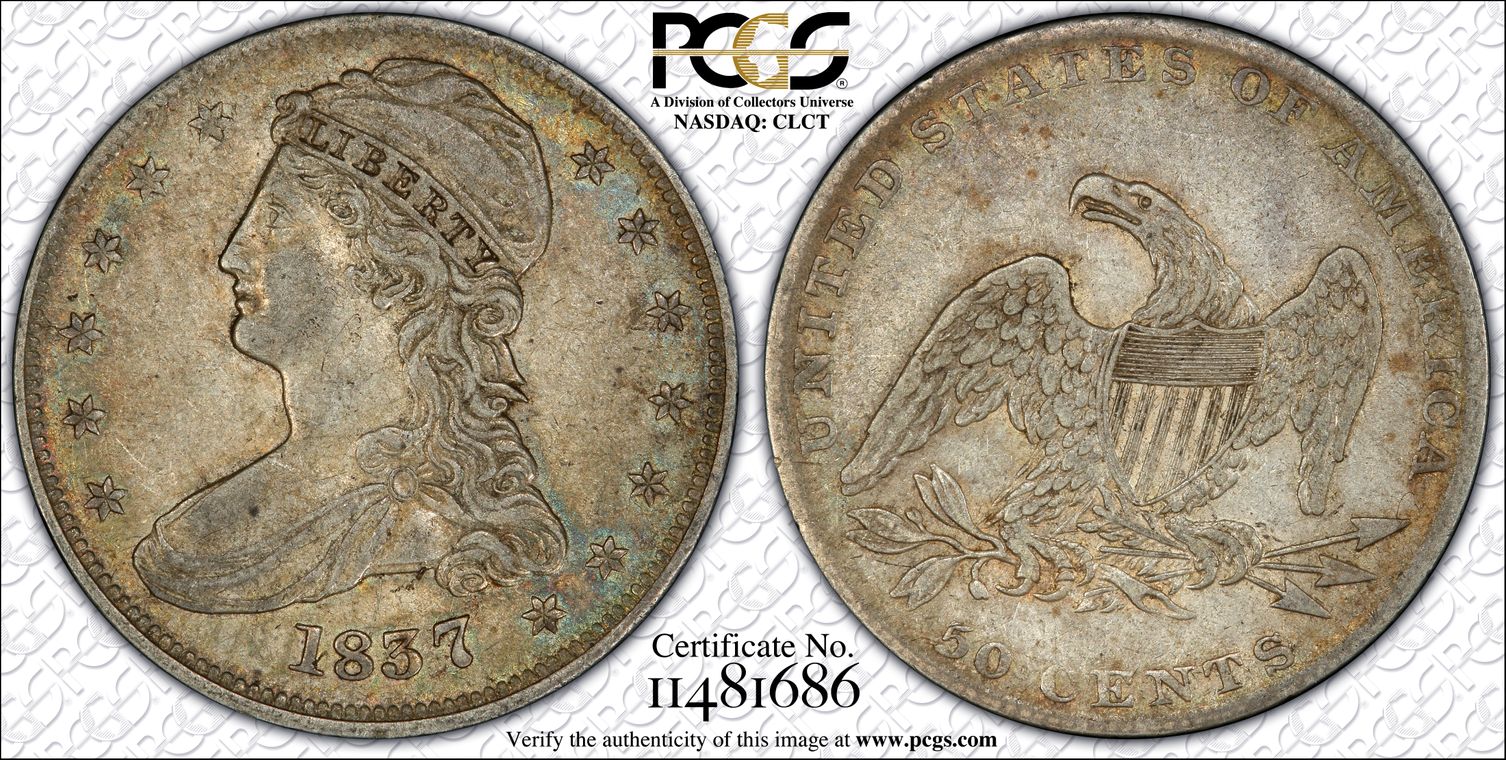
Slavery, civil rights, states' rights and federal authority. American abolitionist and newspaper editor Elijah Lovejoy is killed by a pro-slavery mob, revealing heightening tension between property rights in slaves and civil rights of the enslaved and between states' rights and federal authority to regulate commerce. Ultimately, the Civil War, followed by the Reconstruction Amendments, transformed the Constitution's treatment of slavery, citizenship, and civil rights.

Slavery, civil rights, states' rights and federal authority. American abolitionist and newspaper editor Elijah Lovejoy is killed by a pro-slavery mob, revealing heightening tension between property rights in slaves and civil rights of the enslaved and between states' rights and federal authority to regulate commerce. Ultimately, the Civil War, followed by the Reconstruction Amendments, transformed the Constitution's treatment of slavery, citizenship, and civil rights.
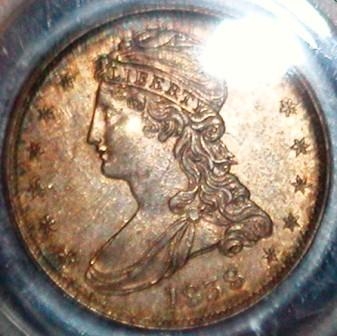
Federal–Tribal Relations. In 1838, the U.S. forcibly relocated the Cherokee Indians, killing at least 8,000, in what was to become known as the "Trail of Tears".
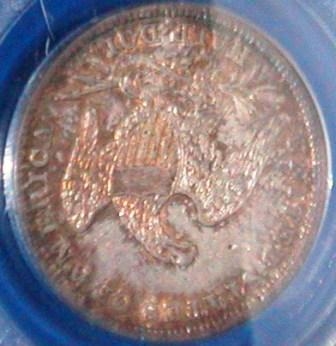
Federal–Tribal Relations. In 1838, the U.S. forcibly relocated the Cherokee Indians, killing at least 8,000, in what was to become known as the "Trail of Tears".
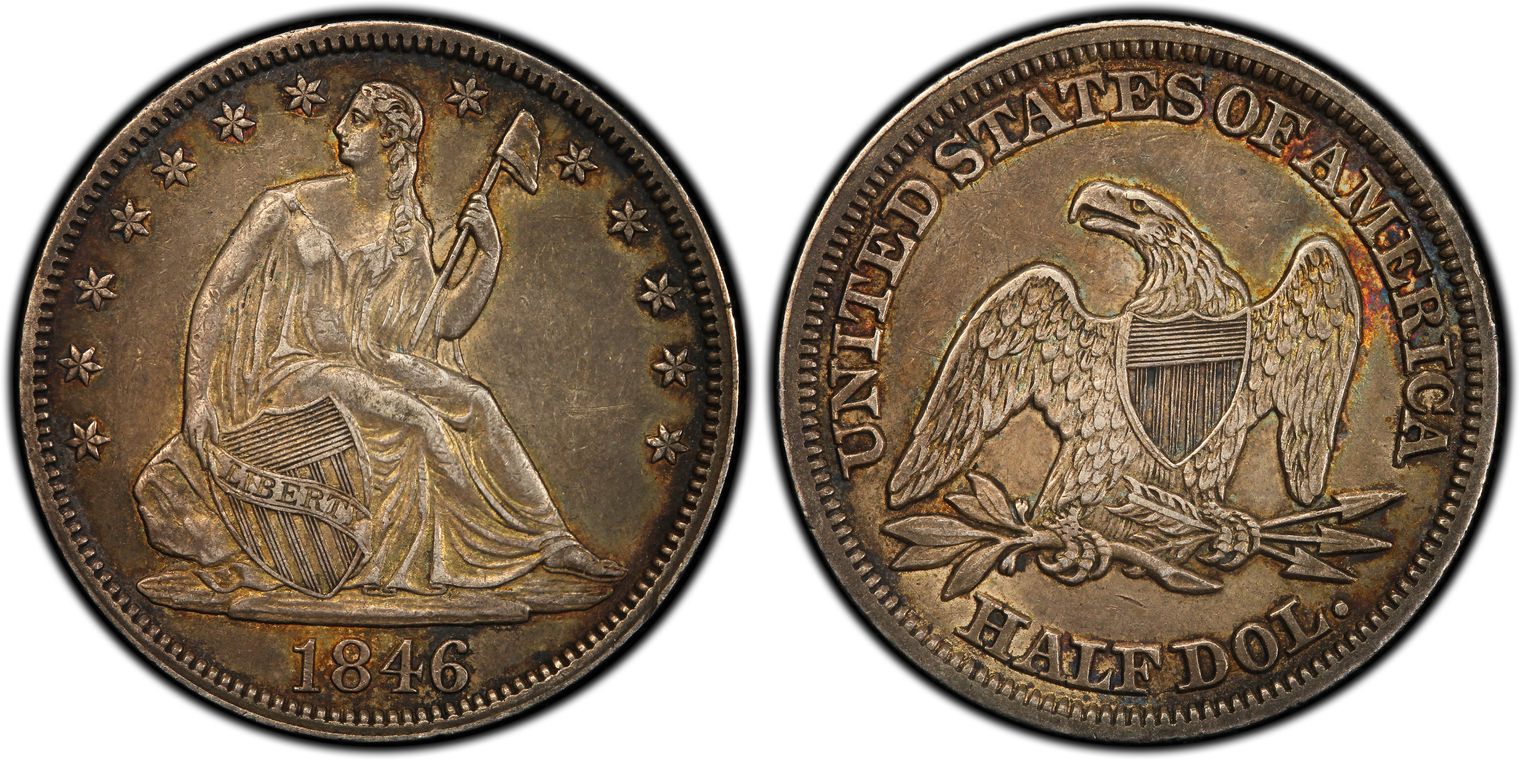
Annexation of Land and spread of slavery. The Mexican-American War (1846) brought with it new lands, giving rise to significant constitutional questions regarding the expansion of slavery into new territories. E.g., in United States v. Ritchie, the US Supreme Court determined the fate of land claims in newly acquired territories after the annexation of California, framing federal courts' determining property rights during westward expansion.
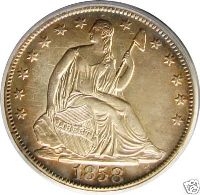
Slavery in the Territories. During their 1858 Illinois Senate campaign, Abraham Lincoln and Stephen A. Douglas debated whether slavery could expand into the federal territories. The debates exposed the conflict among popular sovereignty, Dred Scott, and the constitutional status of slavery, foreshadowing the coming national crisis.
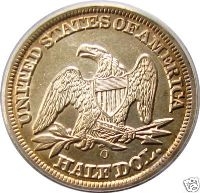
Slavery in the Territories. During their 1858 Illinois Senate campaign, Abraham Lincoln and Stephen A. Douglas debated whether slavery could expand into the federal territories. The debates exposed the conflict among popular sovereignty, Dred Scott, and the constitutional status of slavery, foreshadowing the coming national crisis.

The Constitution’s Greatest Crisis. Abraham Lincoln assumed the presidency in 1861 as seven Southern states claimed to secede and formed the Confederacy. The attack on Fort Sumter began the Civil War, testing whether the Union was permanent, whether states could withdraw unilaterally, and how far presidential war powers extended in preserving constitutional government.

The Constitution’s Greatest Crisis. Abraham Lincoln assumed the presidency in 1861 as seven Southern states claimed to secede and formed the Confederacy. The attack on Fort Sumter began the Civil War, testing whether the Union was permanent, whether states could withdraw unilaterally, and how far presidential war powers extended in preserving constitutional government.

A more perfect union. In Texas v. White (1869), the Supreme Court held that the Constitution created an “indestructible Union” and that a state could not unilaterally secede. The decision supplied the constitutional principle unpinning the Civil War’s military result: the Union was permanent, and acts intended to accomplish secession were legally void.

A more perfect union. In Texas v. White (1869), the Supreme Court held that the Constitution created an “indestructible Union” and that a state could not unilaterally secede. The decision supplied the constitutional principle unpinning the Civil War’s military result: the Union was permanent, and acts intended to accomplish secession were legally void.

Voting Rights. The Fifteenth Amendment was ratified in 1870, prohibiting federal and state governments from denying the right to vote because of race, color, or previous condition of servitude. The amendment extended constitutional protection to freedom and equality to political participation. Texas is readmitted to the Union after Reconstruction.

Voting Rights. The Fifteenth Amendment was ratified in 1870, prohibiting federal and state governments from denying the right to vote because of race, color, or previous condition of servitude. The amendment extended constitutional protection to freedom and equality to political participation. Texas is readmitted to the Union after Reconstruction.

Monetary Authority. Following the Panic of 1873, the Greenback movement became an organized political force in 1874. The Greenback Party, made primarily of farmers financially hurt by the panic, opposed contraction of the paper currency issued during the Civil War. Its rise reflected national debate over Congress’s constitutional power to create currency and whether federal monetary policy should favor creditors, debtors, or broader economic recovery.

Monetary Authority. Following the Panic of 1873, the Greenback movement became an organized political force in 1874. The Greenback Party, made primarily of farmers financially hurt by the panic, opposed contraction of the paper currency issued during the Civil War. Its rise reflected national debate over Congress’s constitutional power to create currency and whether federal monetary policy should favor creditors, debtors, or broader economic recovery.
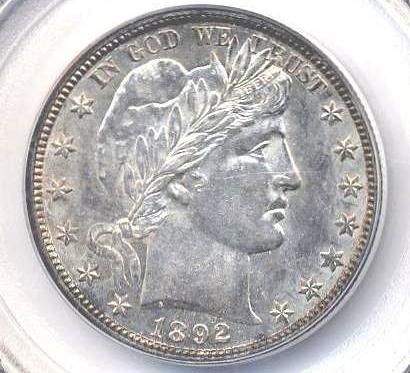
Federal Power over Immigration and National Identity. In Nishimura Ekiu v. United States (1892), the Supreme Court reaffirmed that the political branches possess broad constitutional authority over immigration, recognizing immigration control as an incident of national sovereignty. Also the "Pledge of Allegiance" was first recited in unison by students in U.S. public schools to mark the 400th anniversary of the Columbus Day holiday, reflecting a growing national unity during a period of rapid immigration and industrialization.
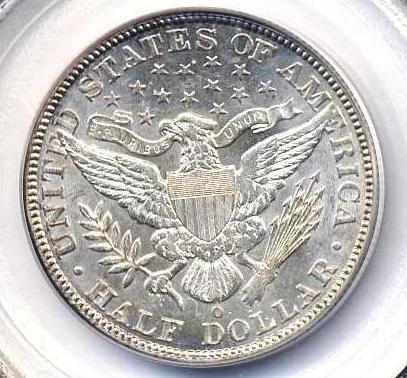
Federal Power over Immigration and National Identity. In Nishimura Ekiu v. United States (1892), the Supreme Court reaffirmed that the political branches possess broad constitutional authority over immigration, recognizing immigration control as an incident of national sovereignty. Also the "Pledge of Allegiance" was first recited in unison by students in U.S. public schools to mark the 400th anniversary of the Columbus Day holiday, reflecting a growing national unity during a period of rapid immigration and industrialization.
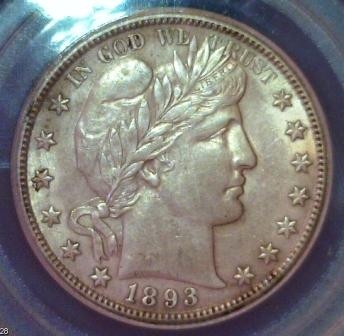
Economic Crisis. The Panic of 1893 produced one of the nation's deepest economic depressions, prompting renewed debate over the constitutional scope of federal regulation of commerce, currency, and labor. The 1893 World's Fair, also known as the World's Columbian Exposition, opens to the public in Chicago.
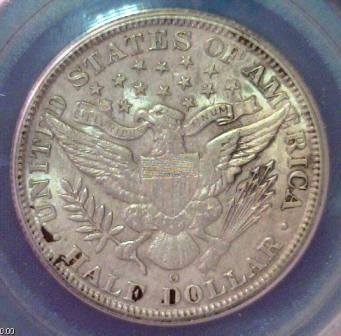
Economic Crisis. The Panic of 1893 produced one of the nation's deepest economic depressions, prompting renewed debate over the constitutional scope of federal regulation of commerce, currency, and labor. The 1893 World's Fair, also known as the World's Columbian Exposition, opens to the public in Chicago.
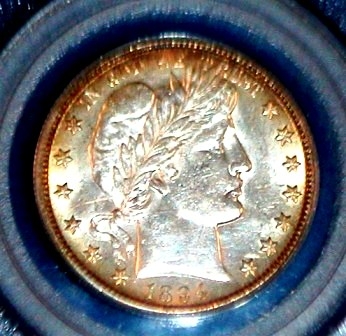
Commerce and Executive Authority. The Pullman Strike (1894) tested federal authority to regulate interstate commerce. President Cleveland used federal troops to restore rail service, foreshadowing the Supreme Court's recognition of broad federal power over interstate commerce.
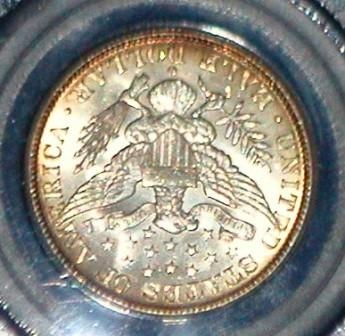
Commerce and Executive Authority. The Pullman Strike (1894) tested federal authority to regulate interstate commerce. President Cleveland used federal troops to restore rail service, foreshadowing the Supreme Court's recognition of broad federal power over interstate commerce.

Interstate Commerce. In In re Debs (1895), the Supreme Court upheld federal authority to issue injunctions and use military force to remove obstructions to interstate commerce and the mails, holding that the federal government, in its ability to regulate interstate commerce, has broad powers during labor disputes, affirming the legality of the military suppression of the Pullman Strike.
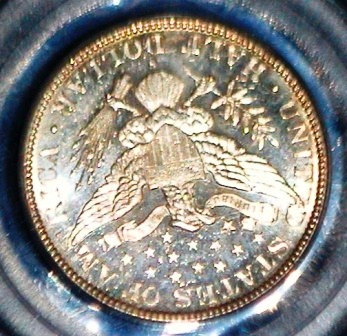
Interstate Commerce. In In re Debs (1895), the Supreme Court upheld federal authority to issue injunctions and use military force to remove obstructions to interstate commerce and the mails, holding that the federal government, in its ability to regulate interstate commerce, has broad powers during labor disputes, affirming the legality of the military suppression of the Pullman Strike.
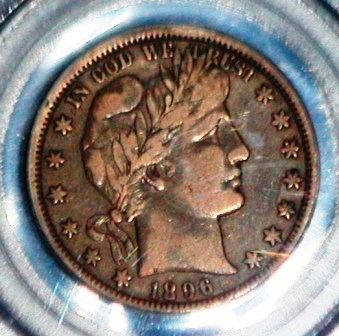
Equal Protection. In Plessy v. Ferguson (1896), the Supreme Court upheld state racial segregation under the "separate but equal" doctrine, narrowing the protections of the Fourteenth Amendment. It would remain the law of the land for nearly six decades until Brown v. Board of Education.

Equal Protection. In Plessy v. Ferguson (1896), the Supreme Court upheld state racial segregation under the "separate but equal" doctrine, narrowing the protections of the Fourteenth Amendment. It would remain the law of the land for nearly six decades until Brown v. Board of Education.
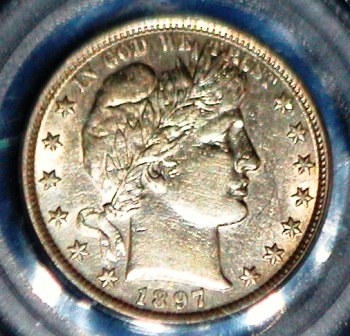
Economic Regulation / Federalism. In 1897, President William McKinley entered office as debates continued over the proper constitutional relationship between state governments and an increasingly active national government during the Industrial Age. The miners strike of 1897 would successfully establish the United Mine Workers Union and brought about the 8-hour work day to the mines.
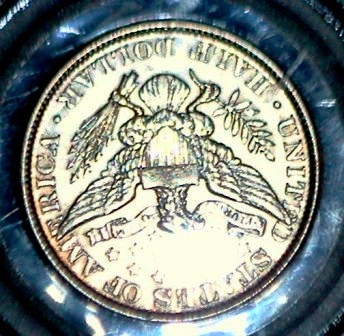
Economic Regulation / Federalism. In 1897, President William McKinley entered office as debates continued over the proper constitutional relationship between state governments and an increasingly active national government during the Industrial Age. The miners strike of 1897 would successfully establish the United Mine Workers Union and brought about the 8-hour work day to the mines.

War Powers and Expansion. Following the destruction of the USS Maine in Havana Harbor, Congress declared war on Spain in 1898. The resulting American victory marked the emergence of the United States as a global power, led to the acquisition of overseas territories, and raised lasting constitutional questions concerning war powers, treaties, and territorial government.

War Powers and Expansion. Following the destruction of the USS Maine in Havana Harbor, Congress declared war on Spain in 1898. The resulting American victory marked the emergence of the United States as a global power, led to the acquisition of overseas territories, and raised lasting constitutional questions concerning war powers, treaties, and territorial government.
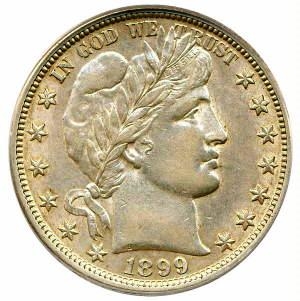
Territorial Government. In 1899, the United States assumed administration of Puerto Rico and the Philippines, setting the stage for the Insular Cases and enduring debates over the Constitution's application beyond the states.
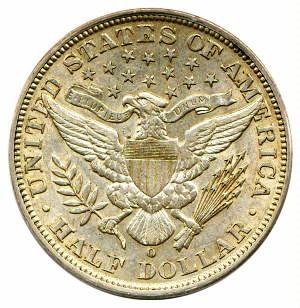
Territorial Government. In 1899, the United States assumed administration of Puerto Rico and the Philippines, setting the stage for the Insular Cases and enduring debates over the Constitution's application beyond the states.
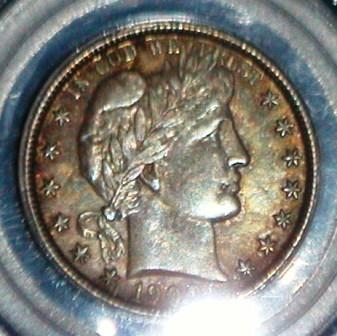
Monetary Authority. The Gold Standard Act of 1900 confirmed gold as the basis of United States currency, reflecting Congress's constitutional authority over the nation's monetary system.
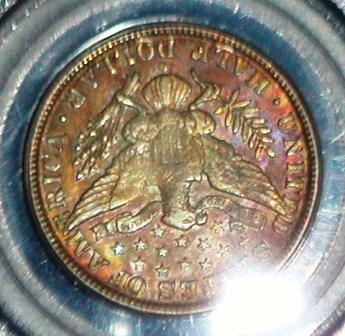
Monetary Authority. The Gold Standard Act of 1900 confirmed gold as the basis of United States currency, reflecting Congress's constitutional authority over the nation's monetary system.

Federal Regulation of Corporate Power. President Theodore Roosevelt called for federal supervision of powerful interstate corporations, asking the United States Congress to curb the power of trusts "within reasonable limits." His policy reflected a growing conviction that private property and freedom of contract did not place monopolistic combinations beyond regulation under Congress's Commerce Clause authority.
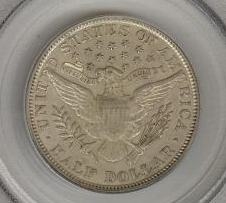
Federal Regulation of Corporate Power. President Theodore Roosevelt called for federal supervision of powerful interstate corporations, asking the United States Congress to curb the power of trusts "within reasonable limits." His policy reflected a growing conviction that private property and freedom of contract did not place monopolistic combinations beyond regulation under Congress's Commerce Clause authority.
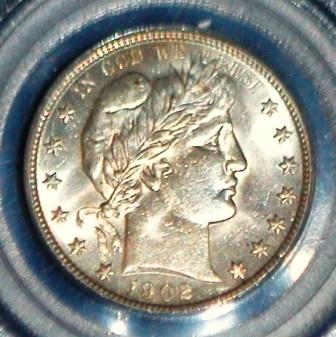
Antitrust Enforcement. The Roosevelt administration brought suit against the Northern Securities Company under the Sherman Antitrust Act, asserting that corporate property rights remained subject to federal regulation when exercised in restraint of interstate commerce.

Antitrust Enforcement. The Roosevelt administration brought suit against the Northern Securities Company under the Sherman Antitrust Act, asserting that corporate property rights remained subject to federal regulation when exercised in restraint of interstate commerce.
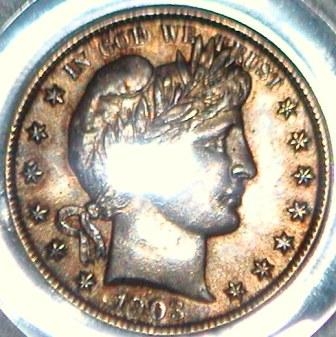
Treaty Powers and Foreign Affairs. In 1903, the Hay-Bunau-Varilla Treaty secured the right to construct the Panama Canal, illustrating the President's and Senate's constitutional roles in conducting foreign relations and approving treaties.
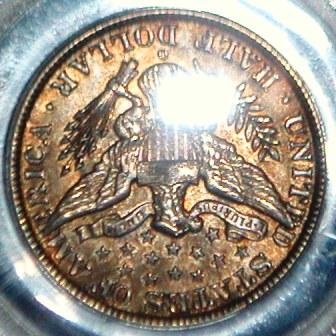
Treaty Powers and Foreign Affairs. In 1903, the Hay-Bunau-Varilla Treaty secured the right to construct the Panama Canal, illustrating the President's and Senate's constitutional roles in conducting foreign relations and approving treaties.

Commerce over Monopoly. In Northern Securities Co. v. United States, the Supreme Court upheld the dissolution of the railroad holding company under the Sherman Antitrust Act. The decision confirmed that Congress could regulate combinations restraining interstate commerce despite claims of private property rights.

Commerce over Monopoly. In Northern Securities Co. v. United States, the Supreme Court upheld the dissolution of the railroad holding company under the Sherman Antitrust Act. The decision confirmed that Congress could regulate combinations restraining interstate commerce despite claims of private property rights.

Federal Regulation of Public Health. Exercising its power over interstate commerce, Congress enacted the Meat Inspection Act and Pure Food and Drug Act in 1906. These laws established national safeguards against adulterated or misbranded products and marked an important expansion of federal responsibility for public health and consumer protection.

Federal Regulation of Public Health. Exercising its power over interstate commerce, Congress enacted the Meat Inspection Act and Pure Food and Drug Act in 1906. These laws established national safeguards against adulterated or misbranded products and marked an important expansion of federal responsibility for public health and consumer protection.

Statehood, Federalism, and Tribal Sovereignty. Oklahoma entered the Union in 1907 as the forty-sixth state, combining Oklahoma Territory and Indian Territory. Its admission extended the Constitution’s federal structure while raising continuing questions concerning tribal sovereignty, Native lands, and the relationship among tribal, state, and federal authority.

Statehood, Federalism, and Tribal Sovereignty. Oklahoma entered the Union in 1907 as the forty-sixth state, combining Oklahoma Territory and Indian Territory. Its admission extended the Constitution’s federal structure while raising continuing questions concerning tribal sovereignty, Native lands, and the relationship among tribal, state, and federal authority.

Federal Law Enforcement. In 1908, Attorney General Charles Bonaparte established a permanent corps of federal investigators, later named the Bureau of Investigation and ultimately the Federal Bureau of Investigation. Its creation reflected the expanding responsibility of the national government to investigate and enforce federal law across state boundaries.

Federal Law Enforcement. In 1908, Attorney General Charles Bonaparte established a permanent corps of federal investigators, later named the Bureau of Investigation and ultimately the Federal Bureau of Investigation. Its creation reflected the expanding responsibility of the national government to investigate and enforce federal law across state boundaries.

Civil Rights and Equal Protection. The National Association for the Advancement of Colored People was founded in 1909 to challenge racial discrimination through public advocacy and litigation. The organization would become instrumental in restoring meaning to the Fourteenth Amendment’s promise of equal protection after decades of segregation and disfranchisement.

Antitrust and the Rule of Reason. In Standard Oil Co. v. United States (1911), the Supreme Court held that the company had unlawfully monopolized interstate petroleum commerce and ordered its dissolution. The decision adopted the “rule of reason,” confirming federal authority to restrain anti-competitive uses of corporate property while limiting the Sherman Act to unreasonable restraints of trade. The Court found violations of the Sherman Act and ordered the enterprise divided.

Antitrust and the Rule of Reason. In Standard Oil Co. v. United States (1911), the Supreme Court held that the company had unlawfully monopolized interstate petroleum commerce and ordered its dissolution. The decision adopted the “rule of reason,” confirming federal authority to restrain anti-competitive uses of corporate property while limiting the Sherman Act to unreasonable restraints of trade. The Court found violations of the Sherman Act and ordered the enterprise divided.

Completion of the Continental Union. New Mexico and Arizona entered the Union in 1912 as the forty-seventh and forty-eighth states. Their admission completed the contiguous United States and extended equal statehood across the continental Nation, while leaving unresolved important questions involving federal lands, water, and tribal sovereignty.

Completion of the Continental Union. New Mexico and Arizona entered the Union in 1912 as the forty-seventh and forty-eighth states. Their admission completed the contiguous United States and extended equal statehood across the continental Nation, while leaving unresolved important questions involving federal lands, water, and tribal sovereignty.

Federal Monetary Authority. Congress enacted and President Woodrow Wilson signed the Federal Reserve Act in 1913, establishing the Federal Reserve System, a national central-banking system intended to provide an elastic currency, supervise banks, and respond to financial crises. The system exercised Congress’s monetary and fiscal powers through the implied authority recognized in McCulloch v. Maryland.

Federal Monetary Authority. Congress enacted and President Woodrow Wilson signed the Federal Reserve Act in 1913, establishing the Federal Reserve System, a national central-banking system intended to provide an elastic currency, supervise banks, and respond to financial crises. The system exercised Congress’s monetary and fiscal powers through the implied authority recognized in McCulloch v. Maryland.

Women’s Suffrage. In 1915, the House of Representatives rejected a proposed constitutional amendment guaranteeing women the right to vote. Although the measure failed to obtain the required two-thirds majority, the vote demonstrated the growing national strength of the suffrage movement that would secure ratification of the Nineteenth Amendment five years later.

Women’s Suffrage. In 1915, the House of Representatives rejected a proposed constitutional amendment guaranteeing women the right to vote. Although the measure failed to obtain the required two-thirds majority, the vote demonstrated the growing national strength of the suffrage movement that would secure ratification of the Nineteenth Amendment five years later.

Civil Liberties in Wartime. Following America’s entry into World War I, Congress enacted the Espionage Act of 1917, criminalizing interference with military operations and recruitment. Its enforcement produced enduring constitutional controversy over the extent to which national security may restrict freedom of speech during wartime.

Civil Liberties in Wartime. Following America’s entry into World War I, Congress enacted the Espionage Act of 1917, criminalizing interference with military operations and recruitment. Its enforcement produced enduring constitutional controversy over the extent to which national security may restrict freedom of speech during wartime.

National Remembrance. In 1921, an unidentified American serviceman killed in World War I was interred at the Tomb of the Unknown Soldier. The ceremony symbolized the Nation’s collective obligation to those who defended our constitutional republic and established an enduring national memorial to military sacrifice.

National Remembrance. In 1921, an unidentified American serviceman killed in World War I was interred at the Tomb of the Unknown Soldier. The ceremony symbolized the Nation’s collective obligation to those who defended our constitutional republic and established an enduring national memorial to military sacrifice.

Privacy and New Technology. In Olmstead v. United States (1928), the Supreme Court held that warrantless wiretapping did not violate the Fourth Amendment because no physical intrusion had occurred. Justice Brandeis’s influential dissent argued that the Constitution protects a broader right to privacy, anticipating the Court’s later treatment of electronic surveillance.

Privacy and New Technology. In Olmstead v. United States (1928), the Supreme Court held that warrantless wiretapping did not violate the Fourth Amendment because no physical intrusion had occurred. Justice Brandeis’s influential dissent argued that the Constitution protects a broader right to privacy, anticipating the Court’s later treatment of electronic surveillance.

Labor Relations and Europe goes to War. In NLRB v. Fansteel Metallurgical Corp. (1939), the Supreme Court held that employees who seized their employer's property through sit-down strikes could be discharged despite protections under federal labor law. The decision balanced workers' statutory rights against property rights and the rule of law. Elsewhere, World War II breaks out in Europe.

Labor Relations and Europe goes to War. In NLRB v. Fansteel Metallurgical Corp. (1939), the Supreme Court held that employees who seized their employer's property through sit-down strikes could be discharged despite protections under federal labor law. The decision balanced workers' statutory rights against property rights and the rule of law. Elsewhere, World War II breaks out in Europe.

War Powers. In 1941, the Japanese Navy launches a surprise attack on the United States fleet at Pearl Harbor, drawing the United States into World War II, and triggering the President's powers as Commander in Chief and Congress's constitutional authority to declare war and mobilize the Nation..

War Powers. In 1941, the Japanese Navy launches a surprise attack on the United States fleet at Pearl Harbor, drawing the United States into World War II, and triggering the President's powers as Commander in Chief and Congress's constitutional authority to declare war and mobilize the Nation..

Civil Liberties During Wartime. President Franklin D. Roosevelt signs Executive Order 9066, authorizing the 'military exclusion of persons from designated areas', leading to the internment of Japanese Americans and the seizure of their property. The policy raised enduring constitutional questions concerning due process, equal protection, military necessity, and executive power.

Civil Liberties During Wartime. President Franklin D. Roosevelt signs Executive Order 9066, authorizing the 'military exclusion of persons from designated areas', leading to the internment of Japanese Americans and the seizure of their property. The policy raised enduring constitutional questions concerning due process, equal protection, military necessity, and executive power.

Race and Wartime Justice. In 1944, the Supreme Court upheld the military exclusion and resulting internment of Japanese Americans in Korematsu v. United States, while Army Lieutenant Jackie Robinson was Army Lieutenant Jackie Robinson was arrested and court-martialed after refusing to comply with military segregation, but was ultimately acquitted. Together, these events illustrated the Nation's continuing struggle to reconcile military necessity, racial equality, and constitutional liberty. The Kormatsu decision remained controversial and was formally repudiated by the Supreme Court in 2018.

Race and Wartime Justice. In 1944, the Supreme Court upheld the military exclusion and resulting internment of Japanese Americans in Korematsu v. United States, while Army Lieutenant Jackie Robinson was Army Lieutenant Jackie Robinson was arrested and court-martialed after refusing to comply with military segregation, but was ultimately acquitted. Together, these events illustrated the Nation's continuing struggle to reconcile military necessity, racial equality, and constitutional liberty. The Kormatsu decision remained controversial and was formally repudiated by the Supreme Court in 2018.

Postwar Constitutional Leadership. Allied victory in World War II marked the beginning of a new era of American global leadership. In 1945, hostilities end in Europe with the suicide of Adolf Hitler, and in the Pacific after the dropping of the second atomic bomb on Japan. The Constitution's allocation of war powers, treaty authority, and foreign affairs would shape the emerging international order throughout the Cold War.

Postwar Constitutional Leadership. Allied victory in World War II marked the beginning of a new era of American global leadership. In 1945, hostilities end in Europe with the suicide of Adolf Hitler, and in the Pacific after the dropping of the second atomic bomb on Japan. The Constitution's allocation of war powers, treaty authority, and foreign affairs would shape the emerging international order throughout the Cold War.
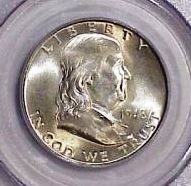
Equal Protection and Religious Liberty. In 1948, the Supreme Court held in McCollum v. Board of Education that religious instruction conducted within public schools violated the Establishment Clause. Later that year, President Harry S. Truman issued Executive Order 9981, beginning the desegregation of the Armed Forces.
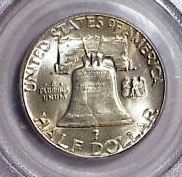
Equal Protection and Religious Liberty. In 1948, the Supreme Court held in McCollum v. Board of Education that religious instruction conducted within public schools violated the Establishment Clause. Later that year, President Harry S. Truman issued Executive Order 9981, beginning the desegregation of the Armed Forces.
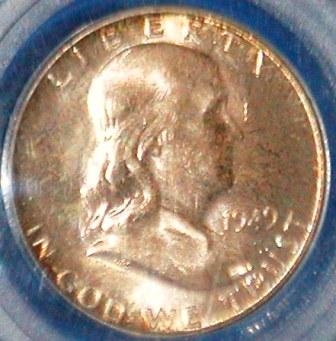
Treaty Power and International responses to foreign threats. The North Atlantic Treaty established NATO in 1949, committing the United States to a collective defense alliance unprecedented in peacetime. Ratified by the Senate under the Treaty Clause, NATO reshaped the Nation's constitutional role in international affairs.. The Soviet Union lifts the blockade of Berlin, as a result of the Berlin Airlift.
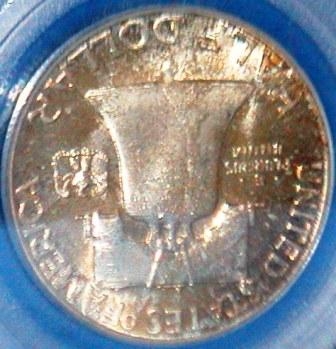
Treaty Power and International responses to foreign threats. The North Atlantic Treaty established NATO in 1949, committing the United States to a collective defense alliance unprecedented in peacetime. Ratified by the Senate under the Treaty Clause, NATO reshaped the Nation's constitutional role in international affairs.. The Soviet Union lifts the blockade of Berlin, as a result of the Berlin Airlift.
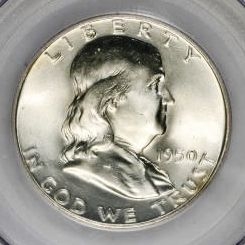
Cold War, Constitutional Liberty, Enemies foreign and domestic. The Cold War intensified in 1950 as Senator Joseph McCarthy alleged Communist infiltration of the federal government, specifically the United States Department of State of employing 205 Communists. The resulting investigations and loyalty programs sparked enduring constitutional debates over free speech, due process, association, and national security that would shape the decade.

Cold War, Constitutional Liberty, Enemies foreign and domestic. The Cold War intensified in 1950 as Senator Joseph McCarthy alleged Communist infiltration of the federal government, specifically the United States Department of State of employing 205 Communists. The resulting investigations and loyalty programs sparked enduring constitutional debates over free speech, due process, association, and national security that would shape the decade.

Presidential Power, Enemies foreign and domestic. The Twenty-Second Amendment was ratified in 1951, limiting future Presidents to two elected terms after Franklin Roosevelt's unprecedented four elections. The Amendment permanently altered the constitutional balance between executive leadership and the peaceful rotation of political power. Meanwhile, Cold War espionage prosecutions, including the Rosenberg case, tested the government's authority to protect national security. Ethel and Julius Rosenberg are convicted of conspiracy to commit espionage and sentenced to receive the death penalty.

Presidential Power, Enemies foreign and domestic. The Twenty-Second Amendment was ratified in 1951, limiting future Presidents to two elected terms after Franklin Roosevelt's unprecedented four elections. The Amendment permanently altered the constitutional balance between executive leadership and the peaceful rotation of political power. Meanwhile, Cold War espionage prosecutions, including the Rosenberg case, tested the government's authority to protect national security. Ethel and Julius Rosenberg are convicted of conspiracy to commit espionage and sentenced to receive the death penalty.
Limits on Executive Power. In Youngstown Sheet & Tube Co. v. Sawyer (1952), the Supreme Court held that President Truman lacked constitutional authority to seize the nation's steel mills during the Korean War without congressional authorization. Justice Jackson's influential concurrence became the modern framework for evaluating presidential power. Elsewhere, the United States entered the thermonuclear age with the first successful hydrogen bomb test and the National Security Agency is formed.
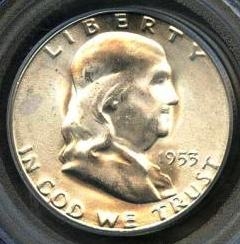
A Court Poised for Change. In 1953, President Eisenhower assumed office as Cold War tensions continued following the execution of Julius and Ethel Rosenberg for conspiracy to commit espionage. The appointment of Chief Justice Earl Warren later that year set the stage for a constitutional transformation in civil rights and individual liberties. Elsewhere, the Soviet Union announces that it has the Hydrogen bomb.
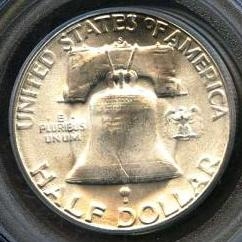
A Court Poised for Change. In 1953, President Eisenhower assumed office as Cold War tensions continued following the execution of Julius and Ethel Rosenberg for conspiracy to commit espionage. The appointment of Chief Justice Earl Warren later that year set the stage for a constitutional transformation in civil rights and individual liberties. Elsewhere, the Soviet Union announces that it has the Hydrogen bomb.
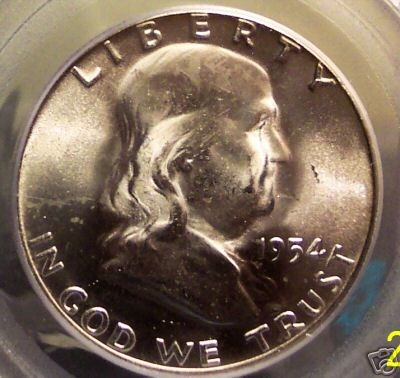
Equal Protection Renewed. In Brown v. Board of Education (1954), the Supreme Court unanimously held that racial segregation in public schools denied black children equal educational opportunities in violation of the Equal Protection Clause of the Fourteenth Amendment, overturning the constitutional foundation of Plessy v. Ferguson in public education and transforming American civil rights law.
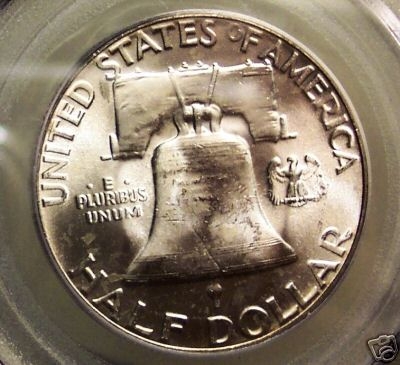
Equal Protection Renewed. In Brown v. Board of Education (1954), the Supreme Court unanimously held that racial segregation in public schools denied black children equal educational opportunities in violation of the Equal Protection Clause of the Fourteenth Amendment, overturning the constitutional foundation of Plessy v. Ferguson in public education and transforming American civil rights law.
The Modern Civil Rights Movement. Rosa Parks' refusal to surrender her seat on a Montgomery bus in 1955 sparked the Montgomery Bus Boycott under the leadership of Martin Luther King, Jr. The movement transformed the constitutional promise of equal protection into a sustained national campaign against state-sponsored racial segregation. Elsewhere, President Eisenhower sends advisors to Vietnam.

The Modern Civil Rights Movement. Rosa Parks' refusal to surrender her seat on a Montgomery bus in 1955 sparked the Montgomery Bus Boycott under the leadership of Martin Luther King, Jr. The movement transformed the constitutional promise of equal protection into a sustained national campaign against state-sponsored racial segregation. Elsewhere, President Eisenhower sends advisors to Vietnam.
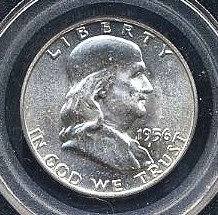
Resistance to Desegregation. In 1956, ninety-six Members of Congress signed the Southern Manifesto, condemning Brown v. Board of Education and urging resistance to federally mandated school desegregation. The document foreshadowed the constitutional struggle between federal judicial authority and state resistance that culminated in Little Rock the following year. Meanwhile, President Eisenhower is reelected; "Under God" is added to the Pledge of Allegiance and "In God we Trust" is adopted as motto of the United States.
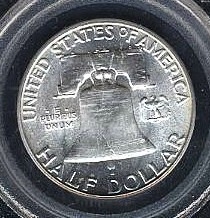
Resistance to Desegregation. In 1956, ninety-six Members of Congress signed the Southern Manifesto, condemning Brown v. Board of Education and urging resistance to federally mandated school desegregation. The document foreshadowed the constitutional struggle between federal judicial authority and state resistance that culminated in Little Rock the following year. Meanwhile, President Eisenhower is reelected; "Under God" is added to the Pledge of Allegiance and "In God we Trust" is adopted as motto of the United States.
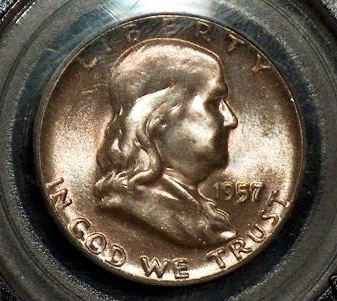
Federal Supremacy and Civil Rights. In 1957, President Eisenhower federalized the Arkansas National Guard and deployed the 101st Airborne Division enforce federal court orders integrating Little Rock Central High School. Troops provided safe passage into Central High School for the Little Rock Nine. The episode demonstrated that the Executive Branch would use federal authority to enforce constitutional rights against state resistance.
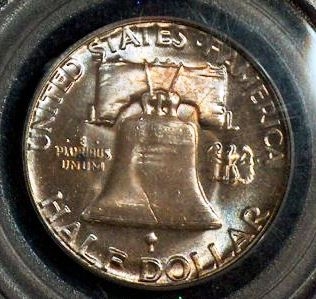
Federal Supremacy and Civil Rights. In 1957, President Eisenhower federalized the Arkansas National Guard and deployed the 101st Airborne Division enforce federal court orders integrating Little Rock Central High School. Troops provided safe passage into Central High School for the Little Rock Nine. The episode demonstrated that the Executive Branch would use federal authority to enforce constitutional rights against state resistance.
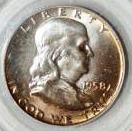
Law of the Land. In Cooper v. Aaron (1958), the Supreme Court unanimously held that state officials are bound by the Court's interpretation of the Constitution and may not refuse to obey federal court orders implementing Brown v. Board of Education. The decision reaffirmed the supremacy of the Constitution and the Judiciary's role in its interpretation. Meanwhile, the bodies of unidentified soldiers killed in action during World War II and the Korean War are buried at the Tomb of the Unknowns in Arlington National Cemetery.
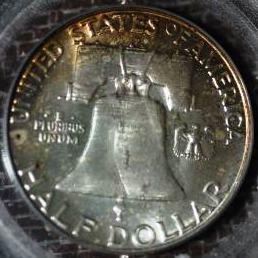
Law of the Land. In Cooper v. Aaron (1958), the Supreme Court unanimously held that state officials are bound by the Court's interpretation of the Constitution and may not refuse to obey federal court orders implementing Brown v. Board of Education. The decision reaffirmed the supremacy of the Constitution and the Judiciary's role in its interpretation. Meanwhile, the bodies of unidentified soldiers killed in action during World War II and the Korean War are buried at the Tomb of the Unknowns in Arlington National Cemetery.
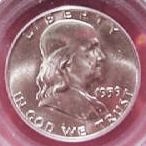
An Expanding Union. Alaska and Hawaii joined the Union in 1959 as the forty-ninth and fiftieth states, completing the continental expansion envisioned by the Constitution's Admissions Clause and extending full constitutional representation to millions of new American citizens.
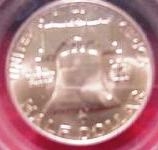
An Expanding Union. Alaska and Hawaii joined the Union in 1959 as the forty-ninth and fiftieth states, completing the continental expansion envisioned by the Constitution's Admissions Clause and extending full constitutional representation to millions of new American citizens.
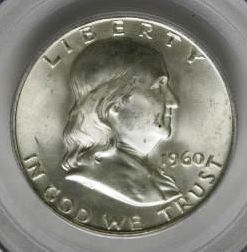
Civil Rights and Equal Protection. In 1960, the Supreme Court continued dismantling state-sponsored racial segregation, upholding a Federal Court ruling that Louisiana's segregation laws are unconstitutional. Meanwhile Congress enacted the Civil Rights Act of 1960 to strengthen federal protection of voting rights, which President Dwight Eisenhower signed into law. Together these developments reflected the Constitution's increasing enforcement of the Fourteenth and Fifteenth Amendments. Meanwhile, JFK elected President of the United States.
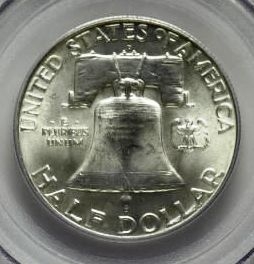
Civil Rights and Equal Protection. In 1960, the Supreme Court continued dismantling state-sponsored racial segregation, upholding a Federal Court ruling that Louisiana's segregation laws are unconstitutional. Meanwhile Congress enacted the Civil Rights Act of 1960 to strengthen federal protection of voting rights, which President Dwight Eisenhower signed into law. Together these developments reflected the Constitution's increasing enforcement of the Fourteenth and Fifteenth Amendments. Meanwhile, JFK elected President of the United States.
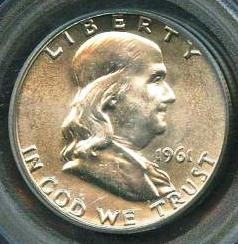
Representative Democracy and Struggle for Civil Rights. The Twenty-third Amendment was ratified in 1961, granting residents of the District of Columbia the right to vote for President. At the same time, the Freedom Riders challenged segregation in interstate transportation; their bus was burned and they were beaten by an angry mob, testing the federal government's willingness to enforce constitutional guarantees of equal protection. Meanwhile, U.S. President John F. Kennedy sends 18,000 military advisors to South Vietnam.
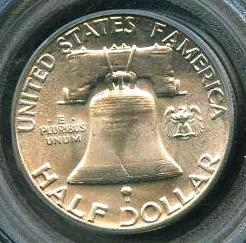
Representative Democracy and Struggle for Civil Rights. The Twenty-third Amendment was ratified in 1961, granting residents of the District of Columbia the right to vote for President. At the same time, the Freedom Riders challenged segregation in interstate transportation; their bus was burned and they were beaten by an angry mob, testing the federal government's willingness to enforce constitutional guarantees of equal protection. Meanwhile, U.S. President John F. Kennedy sends 18,000 military advisors to South Vietnam.
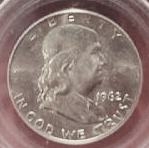
Representative Government and Religious Liberty. In Baker v. Carr (1962), the Supreme Court held that federal courts may review legislative apportionment, opening the door to the principle of "one person, one vote." In Engel v. Vitale, the Court held that state-sponsored mandatory prayer in public schools violated the Establishment Clause, reaffirming governmental neutrality toward religion.
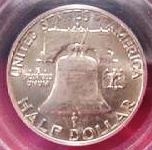
Representative Government and Religious Liberty. In Baker v. Carr (1962), the Supreme Court held that federal courts may review legislative apportionment, opening the door to the principle of "one person, one vote." In Engel v. Vitale, the Court held that state-sponsored mandatory prayer in public schools violated the Establishment Clause, reaffirming governmental neutrality toward religion.
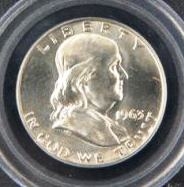
Equal Justice Under Law. In Gideon v. Wainwright (1963), the Supreme Court unanimously held that the Sixth Amendment requires states to provide counsel to criminal defendants unable to afford an attorney, recognizing that meaningful justice depends upon equal access to legal representation.

Equal Justice Under Law. In Gideon v. Wainwright (1963), the Supreme Court unanimously held that the Sixth Amendment requires states to provide counsel to criminal defendants unable to afford an attorney, recognizing that meaningful justice depends upon equal access to legal representation.

Police Powers and Equal Opportunity. In Terry v. Ohio (1968), the Supreme Court upheld limited "stop and frisk" searches based upon reasonable suspicion under the Fourth Amendment. Congress also enacted the Civil Rights Act of 1968 (Fair Housing Act), which President Lyndon B. Johnson signed signed into law, extending federal protection against discrimination in housing. Together these developments reflected the Constitution's continuing effort to balance individual liberty with public safety and equal opportunity.

Police Powers and Equal Opportunity. In Terry v. Ohio (1968), the Supreme Court upheld limited "stop and frisk" searches based upon reasonable suspicion under the Fourth Amendment. Congress also enacted the Civil Rights Act of 1968 (Fair Housing Act), which President Lyndon B. Johnson signed signed into law, extending federal protection against discrimination in housing. Together these developments reflected the Constitution's continuing effort to balance individual liberty with public safety and equal opportunity.

Freedom of the Press and Religious Liberty. In 1971, the Supreme Court decided two landmark First Amendment cases. New York Times Co. v. United States rejected prior restraint and permitted publication of the Pentagon Papers, reaffirming the central role of a free press. Lemon v. Kurtzman established the "Lemon test" for evaluating laws under the Establishment Clause, shaping church-state jurisprudence for decades.

Freedom of the Press and Religious Liberty. In 1971, the Supreme Court decided two landmark First Amendment cases. New York Times Co. v. United States rejected prior restraint and permitted publication of the Pentagon Papers, reaffirming the central role of a free press. Lemon v. Kurtzman established the "Lemon test" for evaluating laws under the Establishment Clause, shaping church-state jurisprudence for decades.

Surveillance State and Civil Liberties. Former CIA employee and NSA contractor Edward Snowden discloses operations engaged in by a U.S. government mass surveillance program to news publications and flees the country.

Surveillance State and Civil Liberties. Former CIA employee and NSA contractor Edward Snowden discloses operations engaged in by a U.S. government mass surveillance program to news publications and flees the country.

Representative Democracy and Equal Citizenship. The year 2015 illustrated the Constitution's continuing evolution in defining both democratic participation and individual liberty. In Arizona State Legislature v. Arizona Independent Redistricting Commission, the Supreme Court upheld the people's authority to establish independent redistricting commissions through direct democracy, recognizing the people's authority to shape the electoral process through direct democracy. In Obergefell v. Hodges, the Court held that the Fourteenth Amendment guarantees same-sex couples the fundamental right to marry. And in Johnson v. United States, the Court reaffirmed that criminal laws must provide fair notice by invalidating an unconstitutionally vague sentencing provision under the Due Process Clause. Together these decisions reflected an enduring constitutional principle: government derives its legitimacy through fair democratic institutions while remaining bound to protect the equal rights and liberties of every individual.

Representative Democracy and Equal Citizenship. The year 2015 illustrated the Constitution's continuing evolution in defining both democratic participation and individual liberty. In Arizona State Legislature v. Arizona Independent Redistricting Commission, the Supreme Court upheld the people's authority to establish independent redistricting commissions through direct democracy, recognizing the people's authority to shape the electoral process through direct democracy. In Obergefell v. Hodges, the Court held that the Fourteenth Amendment guarantees same-sex couples the fundamental right to marry. And in Johnson v. United States, the Court reaffirmed that criminal laws must provide fair notice by invalidating an unconstitutionally vague sentencing provision under the Due Process Clause. Together these decisions reflected an enduring constitutional principle: government derives its legitimacy through fair democratic institutions while remaining bound to protect the equal rights and liberties of every individual.

Separation of Powers. In 2019, the Supreme Court reaffirmed constitutional limits on the political branches. In Department of Commerce v. New York, the Court rejected the stated rationale for adding a citizenship question to the census, while Rucho v. Common Cause held that claims of partisan gerrymandering present political questions beyond the reach of the federal courts, underscoring the distinct constitutional roles of each branch.

Enduring Resilience. The COVID-19 pandemic and a closely contested presidential election subjected the Nation's constitutional institutions to extraordinary challenges. Courts, legislatures, election officials, and executive officers continued to operate within the Constitution's framework, demonstrating that its fundamental principles endure even under exceptional national stress.

Constitutional Interpretation. The Supreme Court's 2022 decisions emphasized constitutional text, history, and tradition. Dobbs v. Jackson Women's Health Organization overturned Roe v. Wade; New York State Rifle & Pistol Association v. Bruen adopted a historical-tradition test for Second Amendment claims; and Kennedy v. Bremerton School District strengthened First Amendment protection for private religious expression.

Constitutional Interpretation. The Supreme Court's 2022 decisions emphasized constitutional text, history, and tradition. Dobbs v. Jackson Women's Health Organization overturned Roe v. Wade; New York State Rifle & Pistol Association v. Bruen adopted a historical-tradition test for Second Amendment claims; and Kennedy v. Bremerton School District strengthened First Amendment protection for private religious expression.

Constitutional Limits on Governmental Authority. The Supreme Court's 2023 decisions addressed the constitutional boundaries of governmental authority in cases involving affirmative action, free speech, voting rights, and state election powers, reflecting the continuing evolution of the Equal Protection Clause, the First Amendment, and the Elections Clause.

Constitutional Limits on Governmental Authority. The Supreme Court's 2023 decisions addressed the constitutional boundaries of governmental authority in cases involving affirmative action, free speech, voting rights, and state election powers, reflecting the continuing evolution of the Equal Protection Clause, the First Amendment, and the Elections Clause.